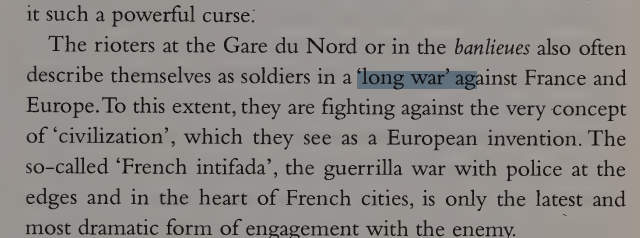
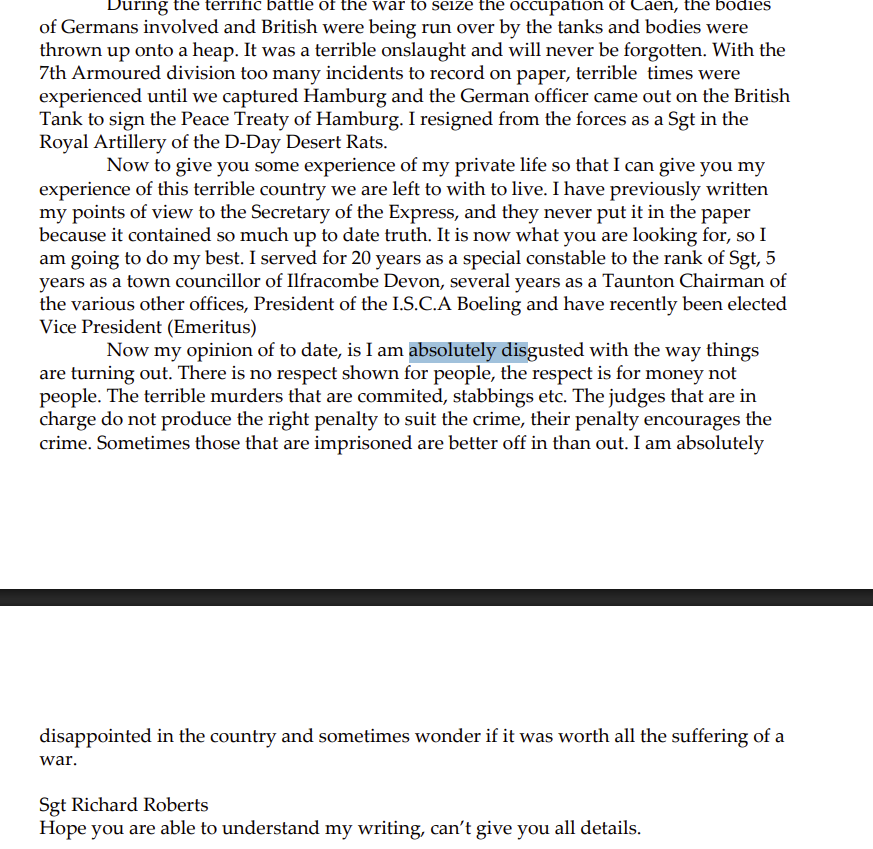
Thread with excerpts from Helen Andrews "Boomers" (2021). 
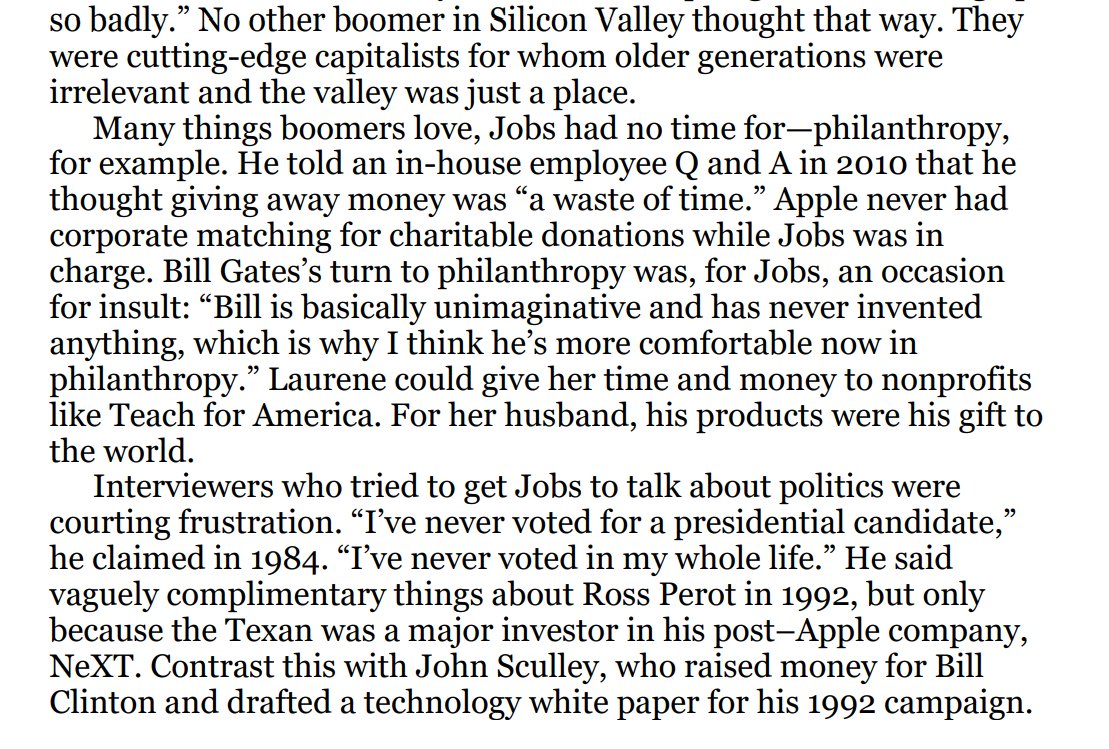
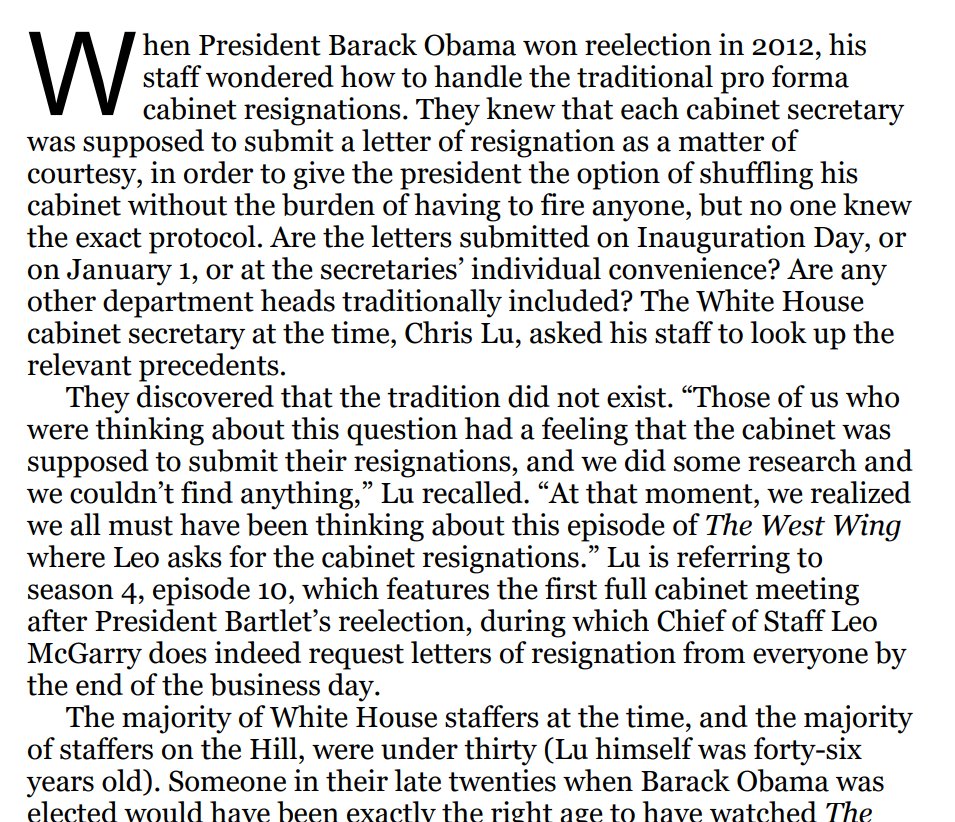
Steve Jobs was an atypical Boomer - he didn't care for politics or philanthropy. Also did not like porn and saw himself as an institution builder, not a destroyer, and closer in personal habits and ideals to the founder of IBM than his age peers.

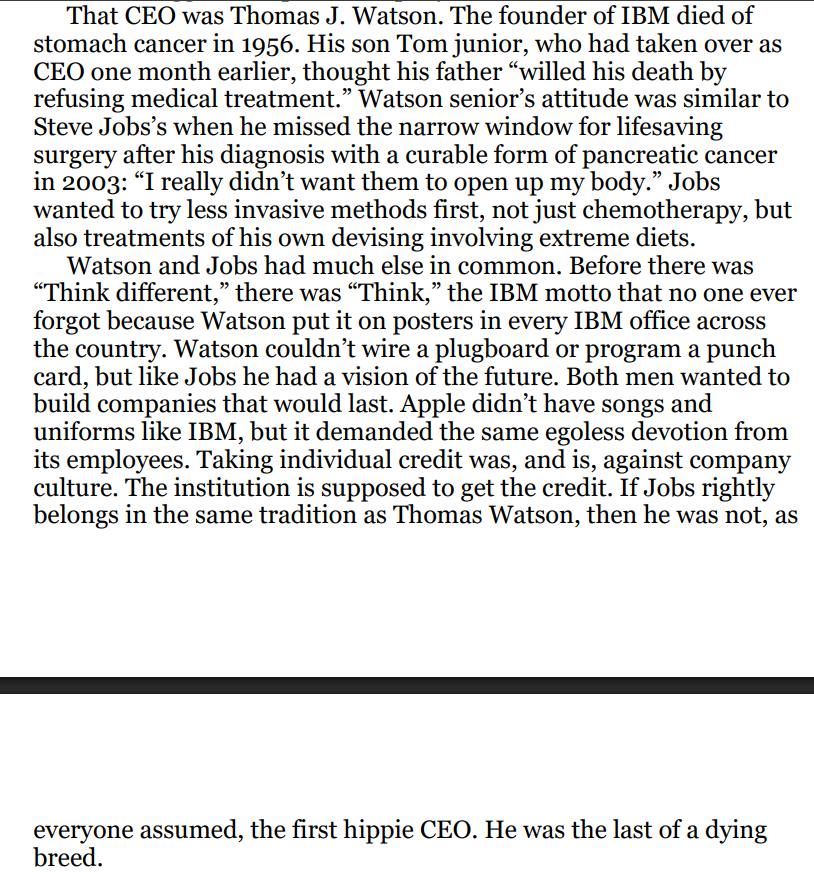
Unlike Jobs, Tim Cook is a very political CEO of Apple, and awarded for it by the UN and ADL.
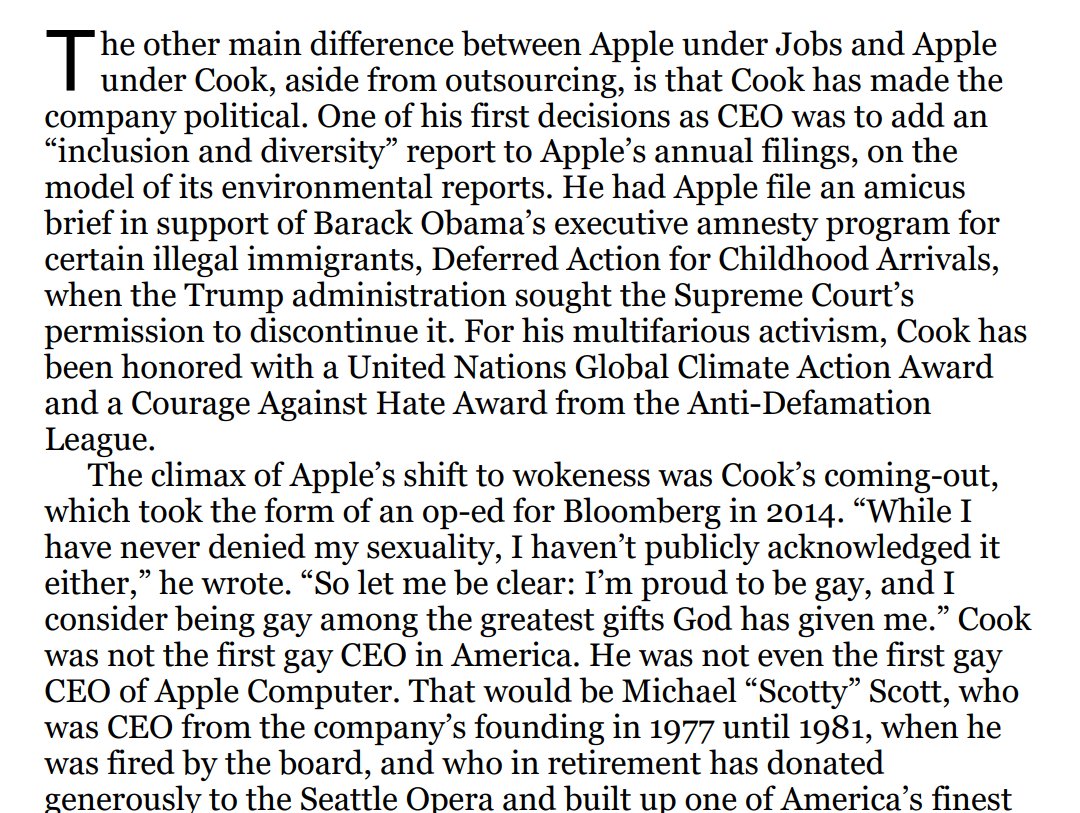
Google's internal discussion group, "Yes, at Google," a “curated monthly newsletter of anonymized incidents of micro-aggressions and micro-corrections.”
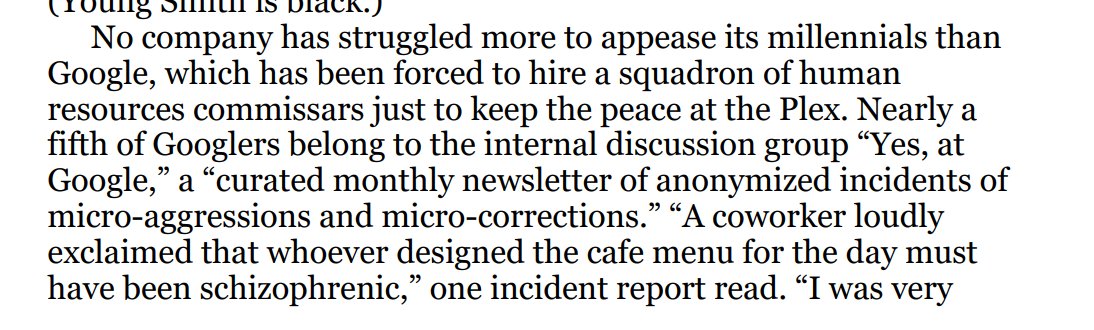
The influence of the West Wing, which fooled Obama's staffers in 2012 into believing there was a tradition for cabinet secretaries to resign at the end of the first term (there was/is not). I'm told this influence extends to Britain was well.
The career of Gordon of Khartoum, who was so honest that the one part of the British Empire he did not so serve was India, the one day he spent there he was asked to write a thank-you note assuring a local dignitary that the viceroy would read his book of Parsi poetry.

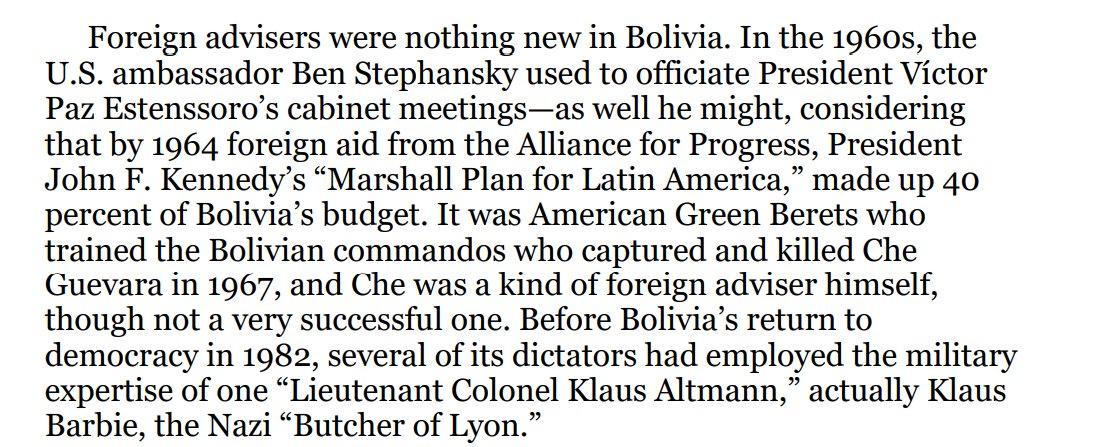
Kennedy's "Marshall Plan for Latin America", the Alliance for Progress, made up 40% of Bolivia's budget in the 1960s. Much less successful than the actual Marshall Plan.
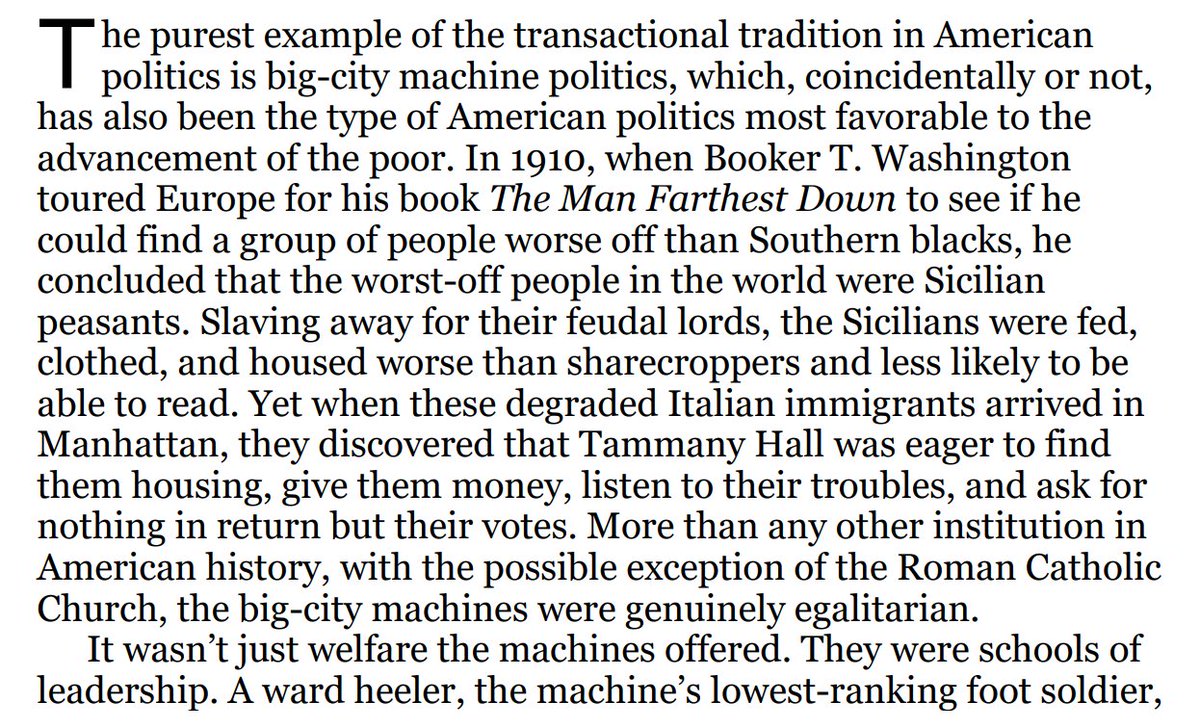
When Booker T Washington toured Europe to see if he could find a group worse off than Southern blacks, he succeeded - Sicilian peasants.
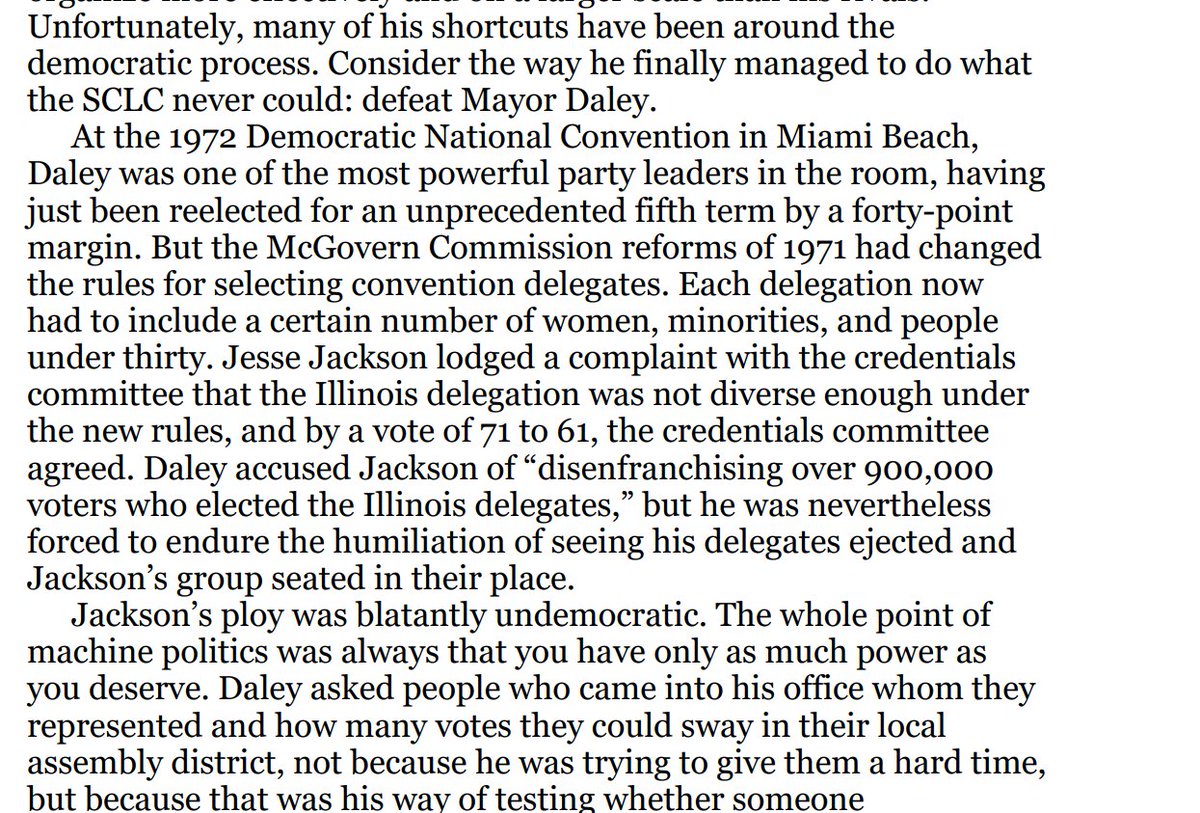
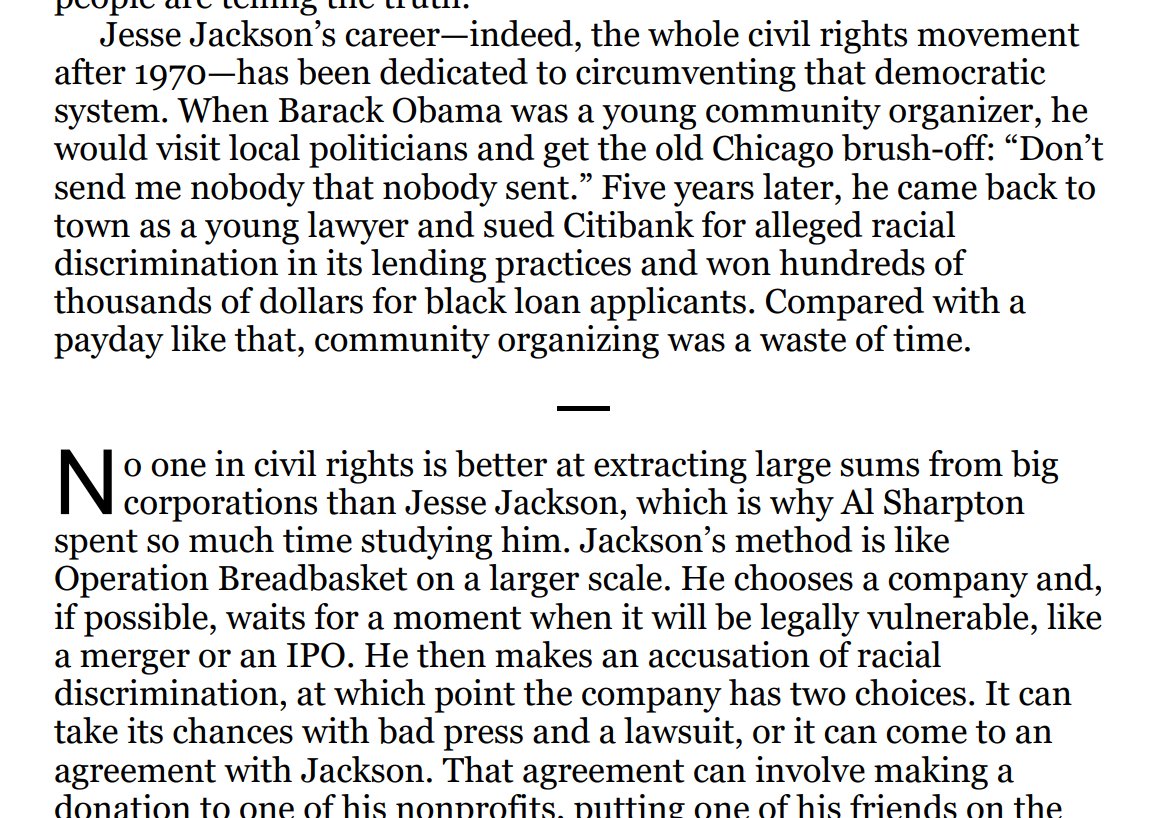
Jesse Jackson's shakedown racket.
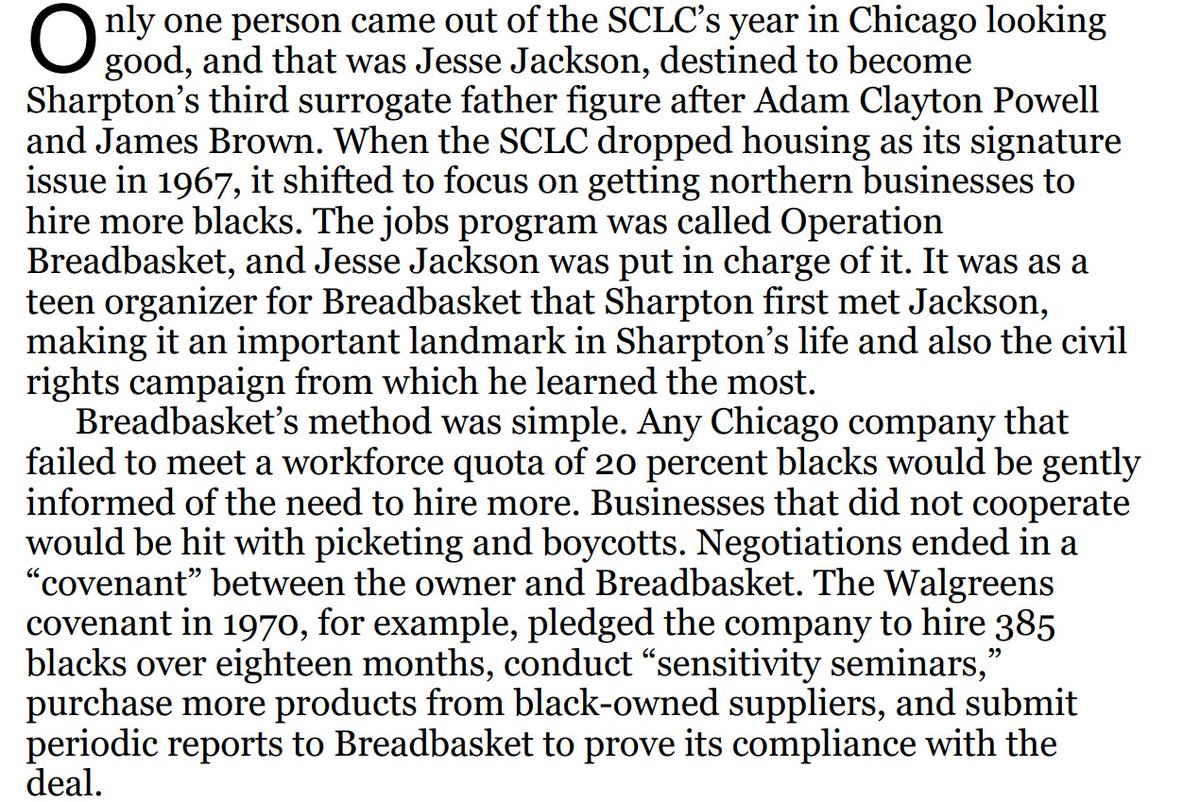
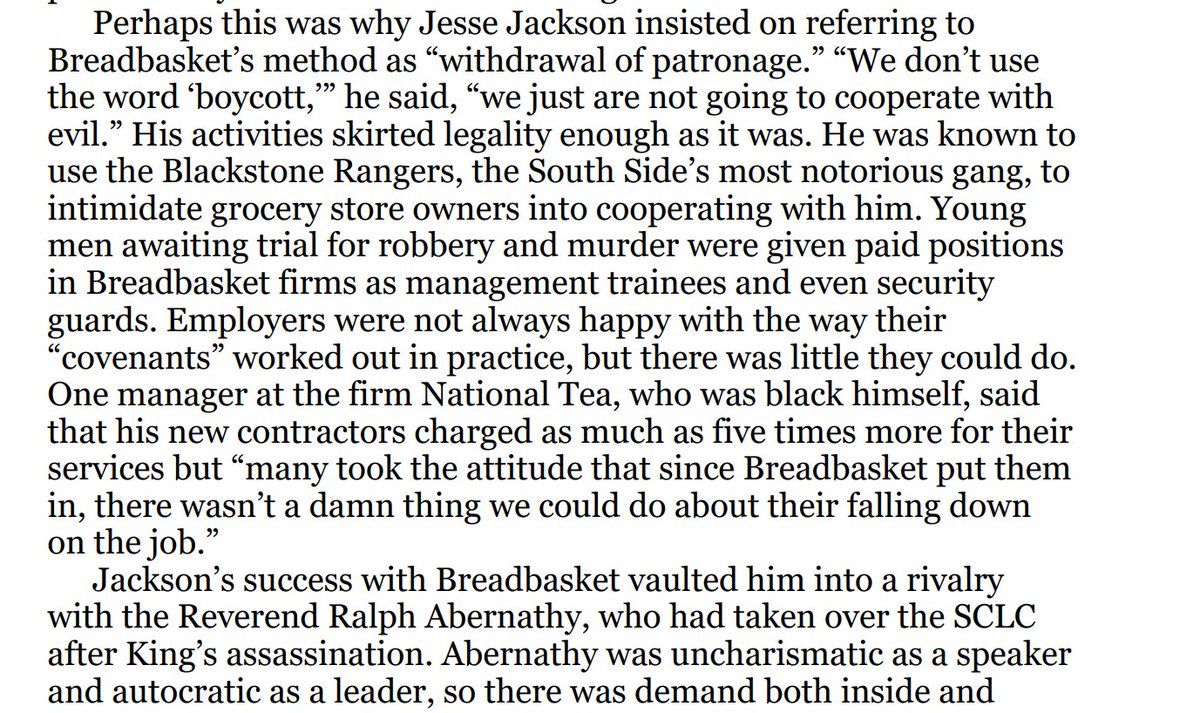
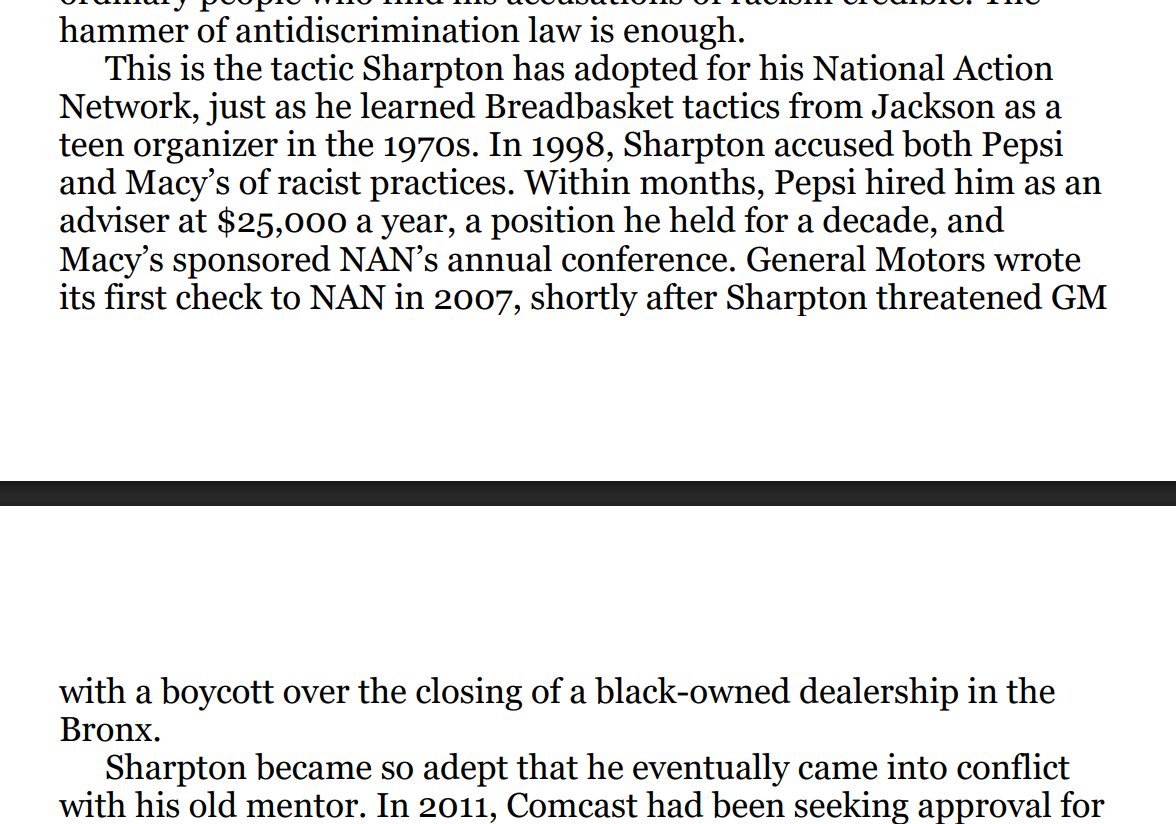
Jackson specialized in sidestepping the democratic process using procedures such as the DNC's diversity requirements or threatening bad press and EEOC lawsuits. Sharpton copied him and got good at shaking corporations in vulnerable moments.
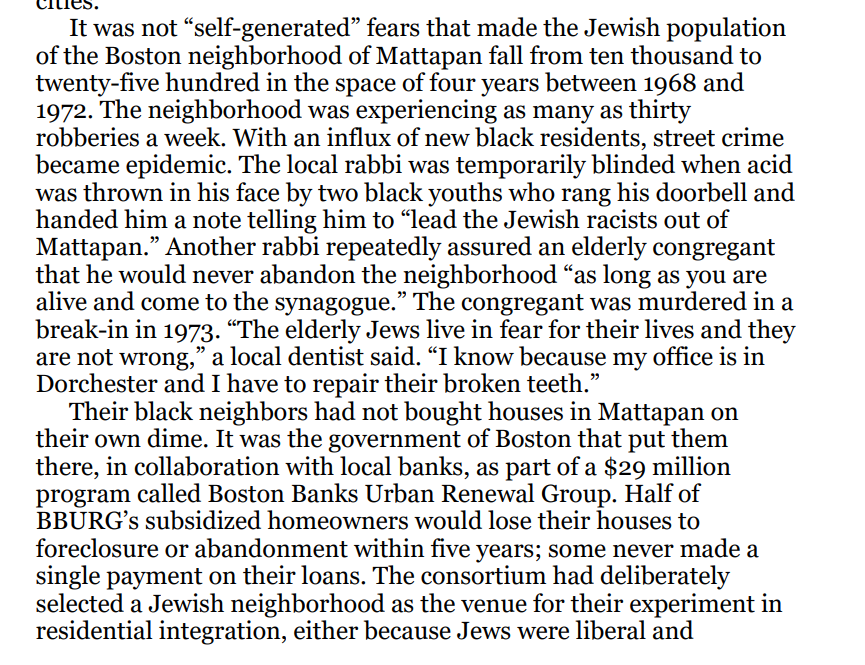
Coates blamed white flight on the "self-generated fears that compelled the people who think they are white to flee the cities" and on another occasion wrote about how normal it was for a public pool to require a police presence. But this is not normal in non-black areas.

The reality of white flight - that it was caused by a huge upsurge in violence - has been memoryholed, in part because the Boomers were just the right age to avoid it (twenties, not kids, no kids of their own, not elderly).
Al Sharpton was Obama's hatchetman on race, visiting the White House more than 70 times.
James' Baldwin's personal life was a mess and this, not oppression or a rational evaluation of the world, inspired his politics.
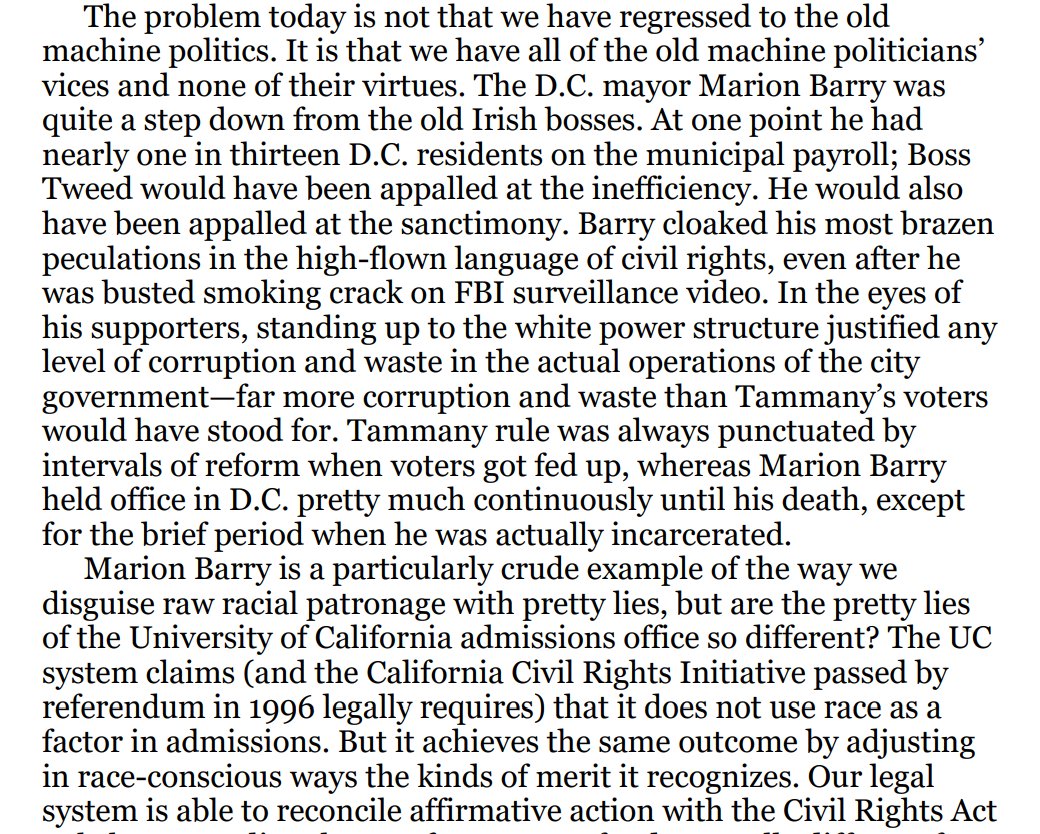
The extreme corruption of DC mayor Marion Barry, who had 1/13 residents on the municipal payroll and was busted for smoking crack.
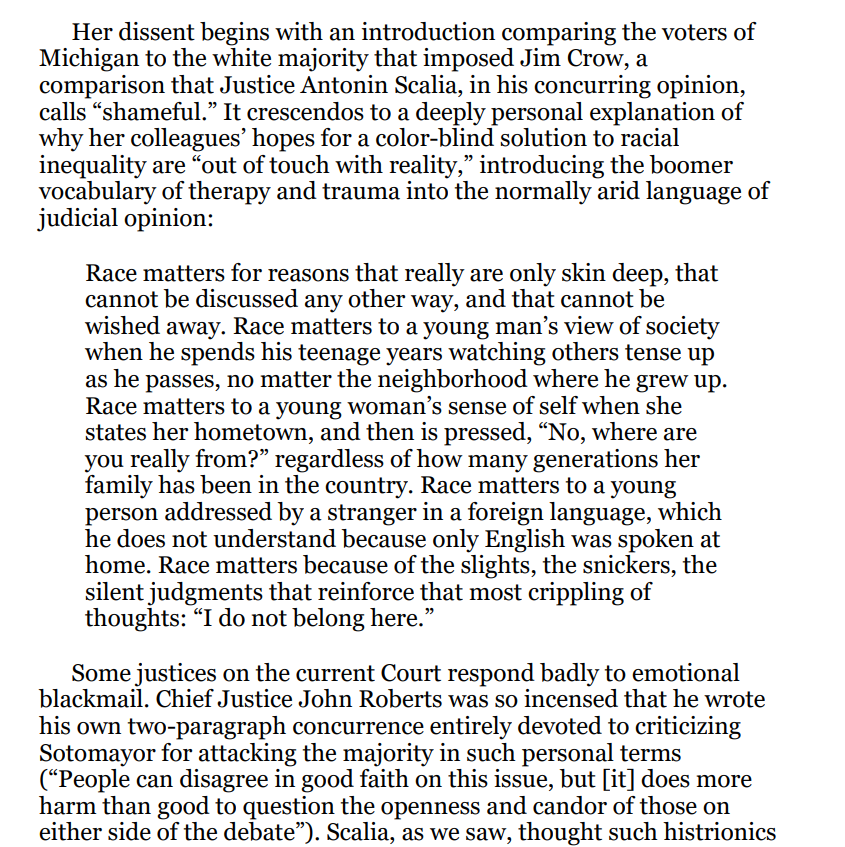
Sonia Sotomayor's hysterical Schuette dissent comparing Michigan voters who wanted to ban affirmative action in Michigan schools to Jim Crow and substituting appeals to trauma and feelings to reasoning.
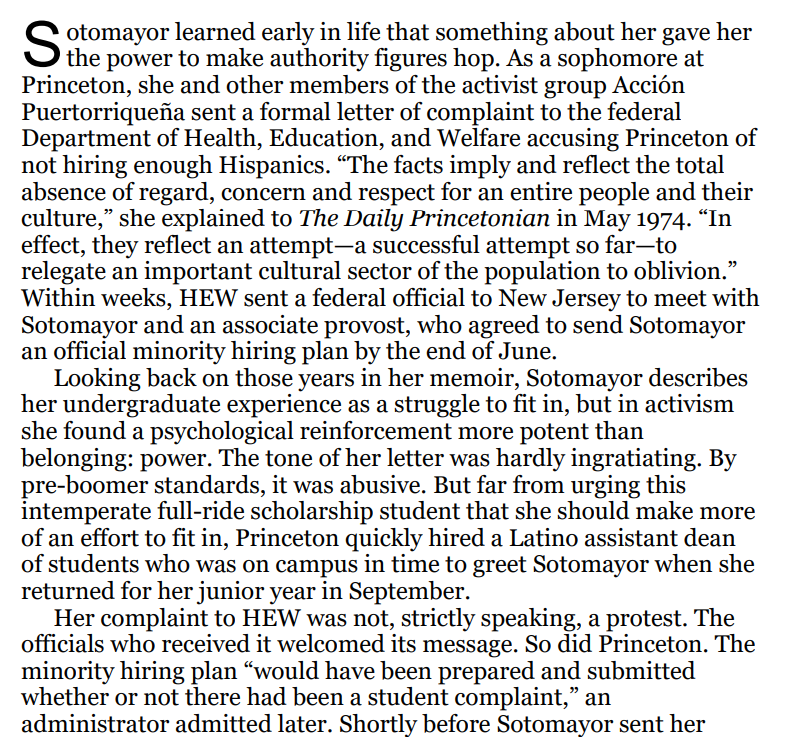
Sotomayor started her political career bullying Princeton into hiring more Hispanics (by going to the Department of Health, Education, and Welfare). This was not a protest; Princeton welcomed it.
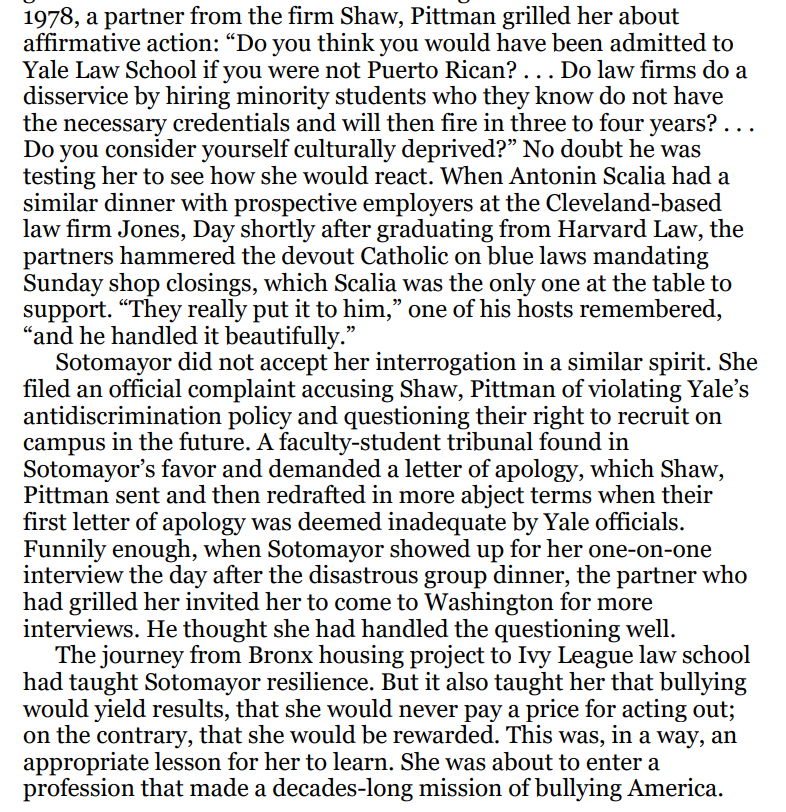
Sotomayor learned from this, and a similar stunt at Yale, that racial bullying (backed by powerful institutions) worked and would be rewarded.
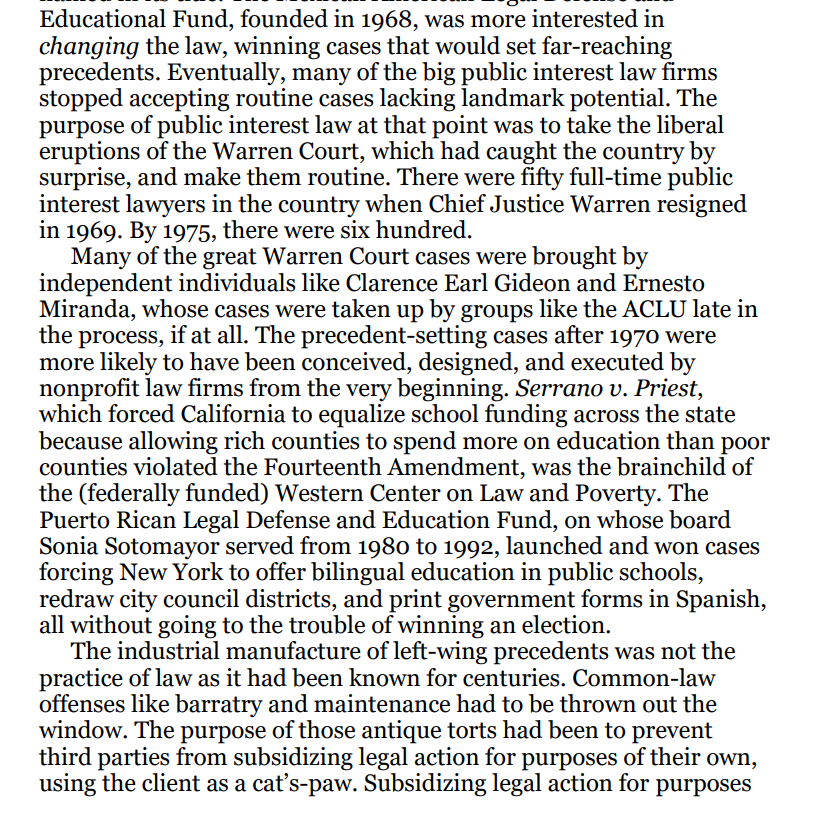
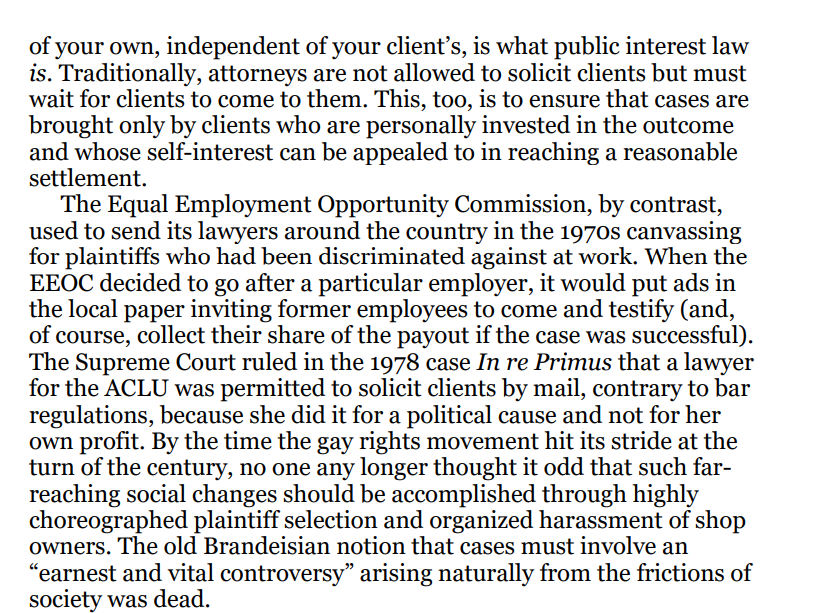
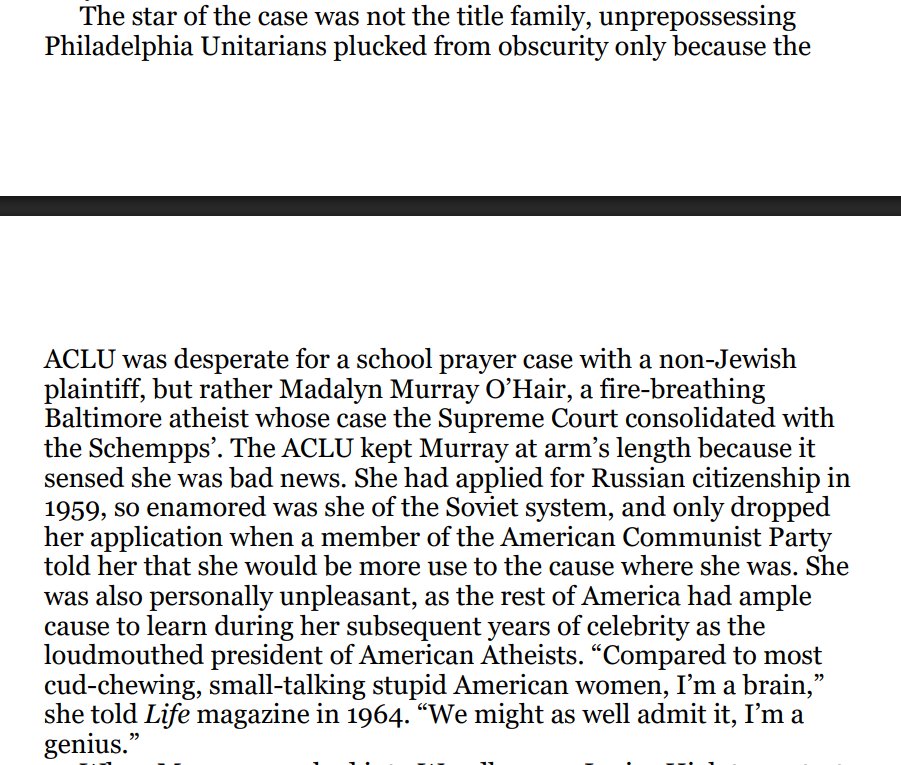
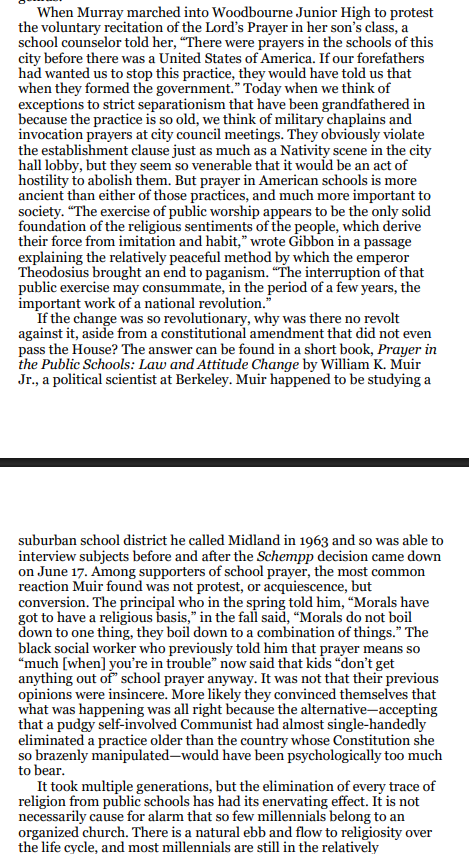
The judicial/legal revolution of public interest law, in which (often publicly funded) leftist activist organizations would cook up cases for sympathetic judges to rule on to create leftist precedents, an institutionalization of the Warren Court.
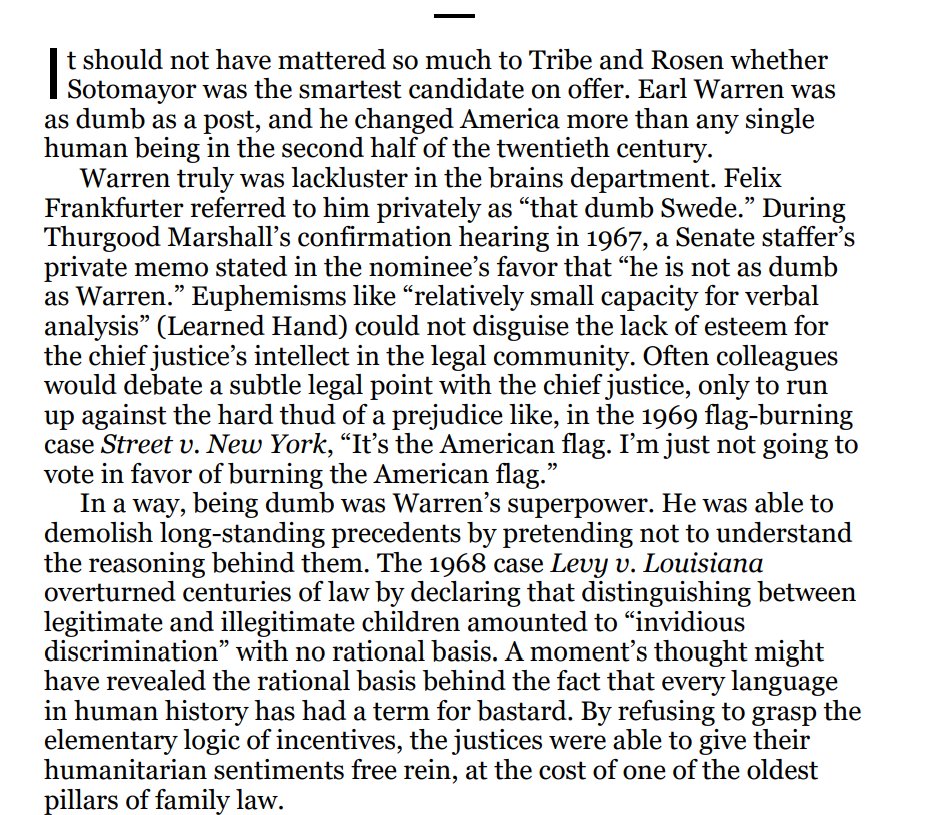
Sotomayor's noted lack of brains harked back to Earl Warren, who was notorious for being retarded. This made him very powerful, because he simply couldn't understand the reasoning behind past precedents and so felt entitled to just make things up according to his prejudices.
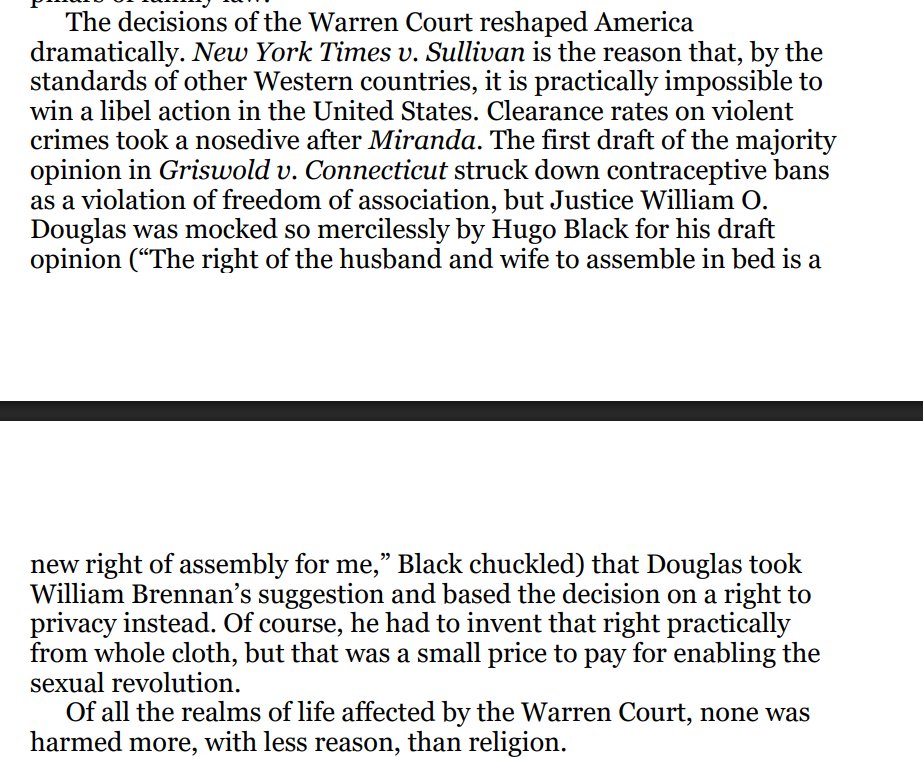
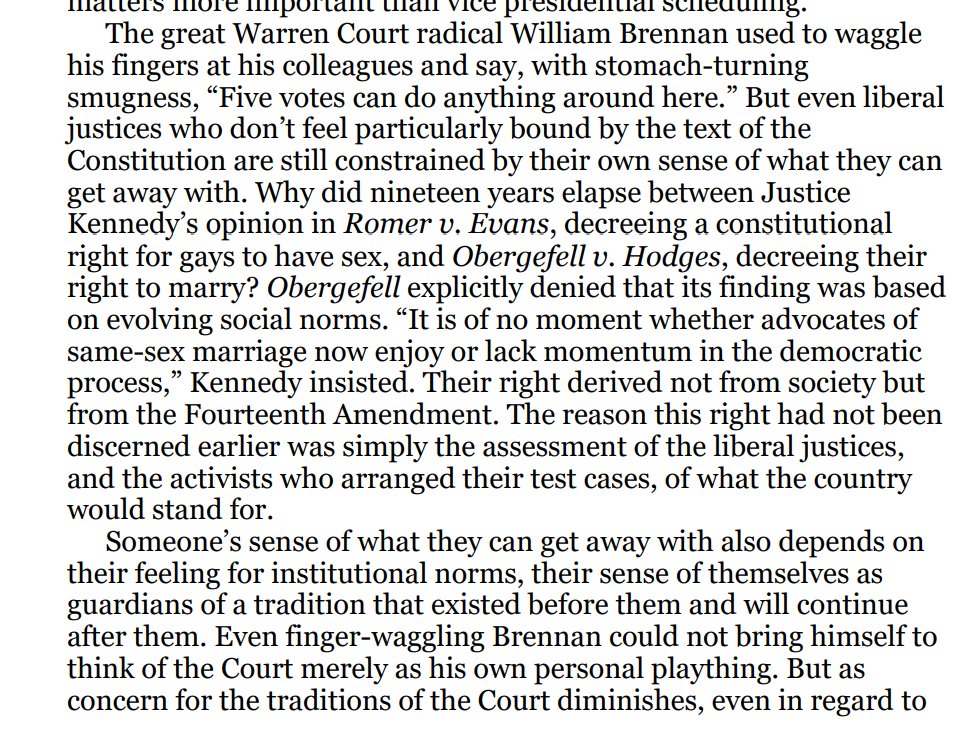
"The Warren Court opened the door to unlimited judicial activism, but it took a younger, bolder generation to shed the self-imposed limits on arbitrary power that the preboomer generations still felt."
• • •
Missing some Tweet in this thread? You can try to
force a refresh