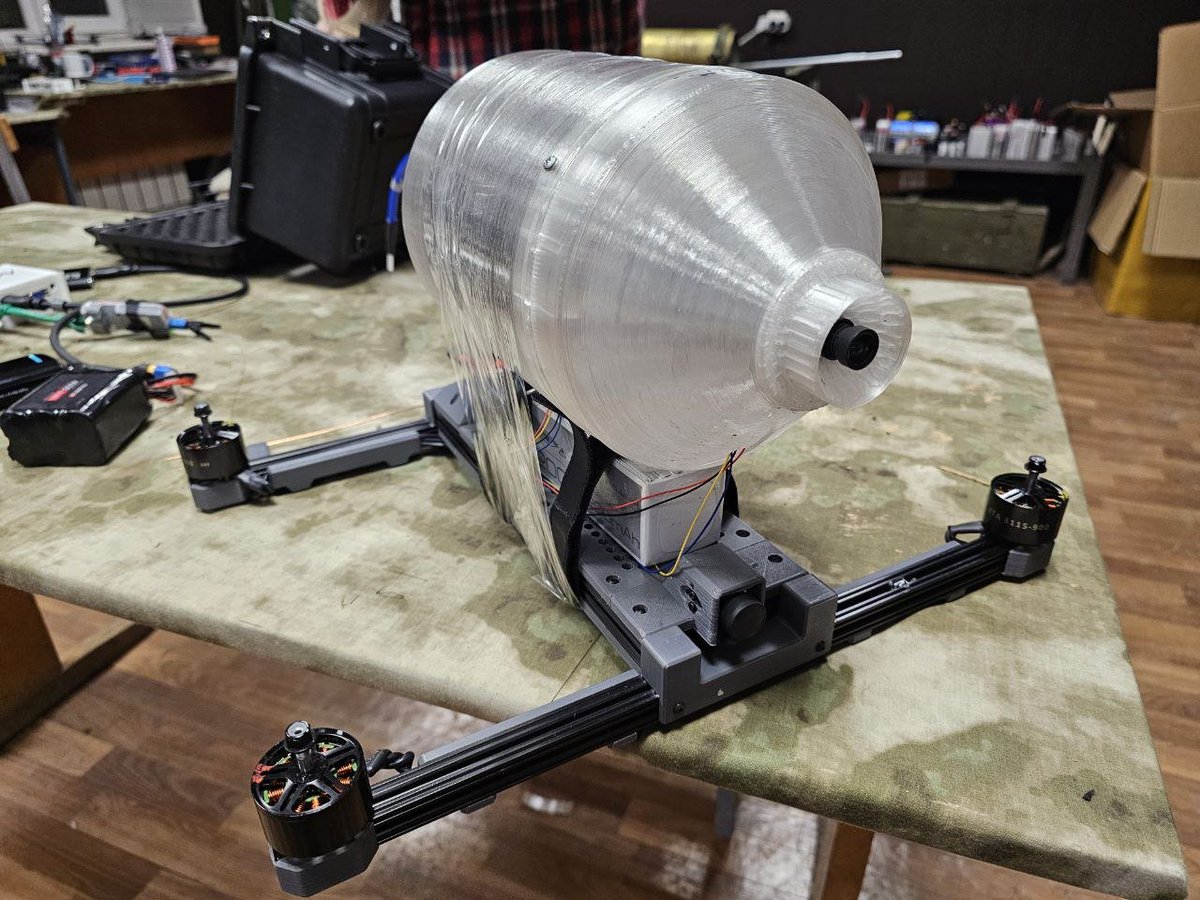
1/ The AI boom is leading to drastically higher prices and possible shortages of the Chinese-made fibre-optic cables used by many Russian kamikaze drones. Prices have nearly quadrupled due to a massive increase in demand for fibre optics by data centres. ⬇️
2/ According to Russian media reports, Russian buyers are having to pay between 2.5 to 4 times more for fibre optic cable per kilometre than last year. By 2025, Russia was purchasing about 10.5% of all fibre optic cable produced globally – equivalent to 60 million kilometres.
3/ Russia is entirely dependent on Chinese fibre optic manufacturers. Its only domestic fibre optic manufacturer, JSC Optic Fiber Systems in Saransk, was destroyed by Ukrainian drone strikes in April-May 2025.
4/ The price charged to Russian customers per kilometre has risen from 177.92 rubles per in early 2025 to 278 rubles per km by the end of 2025, and now stands at 445 rubles per km as of the end of January 2026. A 50 km spool thus now costs about $289.
5/ The surge in costs is attributed to shortages of raw materials and an explosion of demand for cabling in new data centres being built to power AI systems. A single AI data center being built by Meta in Louisiana, for instance, will use 13 million km of cable.
6/ Russian military and telecoms needs are seen by Chinese manufacturers as a lower priority than the much more lucrative data centre market. Russian sources have expressed fears that they will face significant shortages of cables through to at least 2027. /end
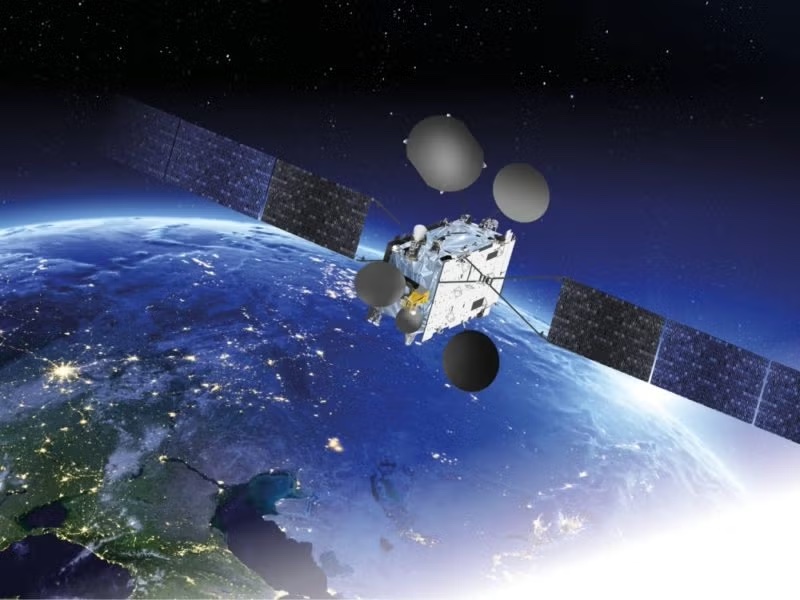
1/ Russia has wasted the last four years by failing to develop its own satellite Internet system, say many Russian warbloggers, which led to its ultimately disastrous dependency on Starlink. The 'Vostok Battalion' Telegram channel laments the missed opportunities. ⬇️
2/ "Those who were serious about providing their units with adequate communications quickly realized how far Russia lags behind the West in this regard. Purchasing Chinese junk and then slapping on new labels didn't bring us a millimeter closer to solving the problem.
3/ "Our satellites fly at different latitudes, and their highest elevation angle relative to the combat zone is approximately 35 degrees.
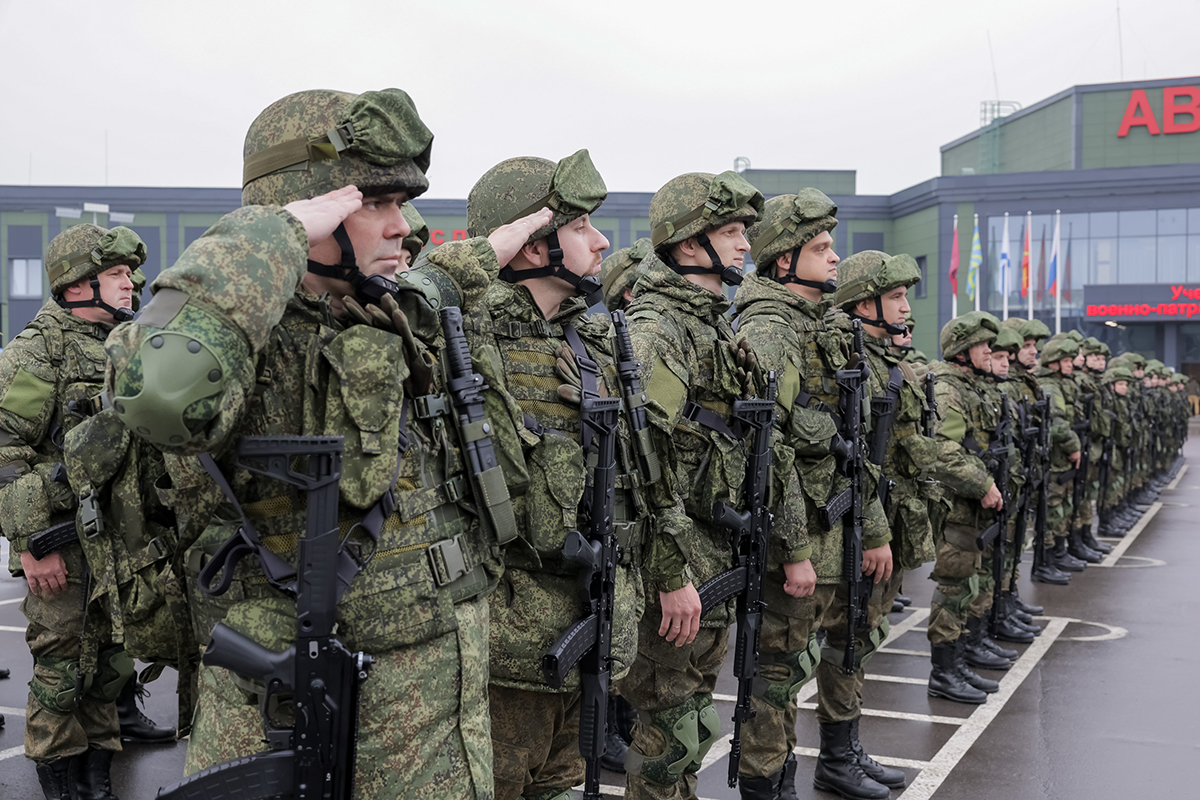
1/ Russia launched the full-scale invasion of Ukraine in February 2022 with the expectation that it would be a quick intervention lasting only a few weeks. Its soldiers went to war lacking a wide range of what turned out to be essential skills. ⬇️
2/ 'Vault No. 8', a serving Russian soldier warblogging on Telegram, recalls the lack of preparedness for an extended conflict among pre-war contract (professional) soldiers when the invasion was launched on 24 February 2022:
3/ "1. Level of training.
According to the regular personnel themselves, they were proficient with the weapons and equipment assigned to them—they could repair and operate them. At the level of training they had.
1/ Russia appears all but certain to fully block Telegram on 1 April 2026, on the grounds that it promotes frauds, disinformation, and violence. The Russian army has many similar problems; one Russian warblogger asks if the government should consider blocking the army instead. ⬇️
2/ Svatoslav Golikov writes:
"In the light of Roskomnadzor's latest attack on Telegram, it's time to explore some new ideas.
Let me remind you of a recent TASS report (I quote):
"Telegram blocked over 235,000 channels in one day, but the problem is systemic.
3/ "Deputy Anton Nemkin expressed this opinion in a conversation with TASS:
'But let's call things by their proper names: if the number of blocked communities is in the millions, then the problem is not isolated, but systemic.'
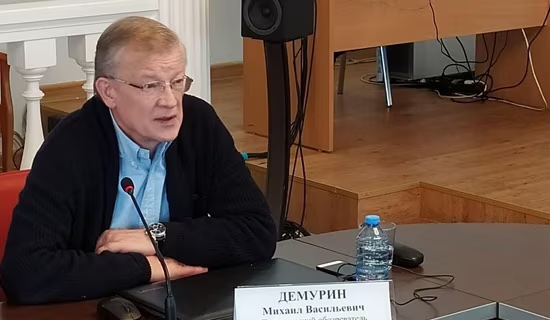
1/ Former Russian foreign ministry spokesman Mikhail Demurin is very gloomy about Russia's prospects after four years of full-scale war in Ukraine. He criticises the country's "feudal-capitalist regime of revenge" and asks whether Vladimir Putin will "lead it to its decline". ⬇️
2/ Writing on his Telegram channel, Demurin – whose views reflect an ultra-nationalist constituency that has been disappointed by Putin's perceived lacklustre approach to the war – is explicitly critical of Putin's leadership:
3/ "On the fourth anniversary of the launch of the Special Military Operation, I have nothing inspiring to say. The reshaping of Ukraine along Nazi and anti-Russian lines, its militarisation, and the NATO takeover of its territory and political space required a rebuff—that's…
1/ Russian warbloggers continue to reflect on the war in Ukraine entering its fifth year. The 'hurrah-patriotism' of 2022 is now long gone and the mood is bleak. Nikita Tretyakov says there is "nothing left to hope for; all hopes and illusions have been shattered". ⬇️
2/ In comments that illustrate the political dangers which the Putin regime will face when the war ends, Tretyakov – a mobilised paratrooper, military correspondent, and volunteer – writes on his Telegram channel:
3/ "Four years of war is a monstrously long and daunting time. As culture and history have taught us, such an anniversary demands some analysis, conclusions, and a summing up of interim results...
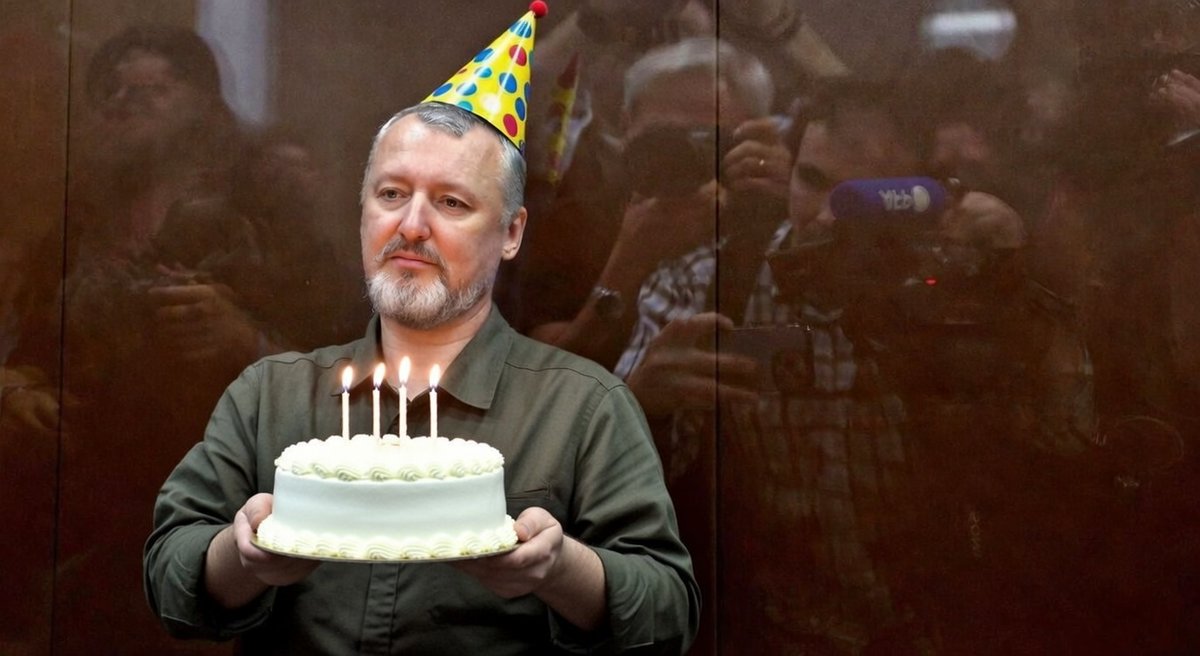
1/ Igor 'Strelkov' Girkin is marking the fourth anniversary of Russia's full-scale invasion of Ukraine – after eight years of war in Donbas, which he did much to start – but he isn't celebrating. He sees a "bleak" outlook of mutual exhaustion, caused by poor leadership. ⬇️
2/ Girkin writes from the prison where he is now half-way through a sentence for "inciting extremism" (i.e. criticising the Russian government's mismanagement of the war):
3/ "Today officially marks the fourth anniversary of the start of the Special Military Operation (although according to some sources, it began two days earlier, but was announced to begin on 24 February 2022).
We arrived at this significant date with extremely negative results.