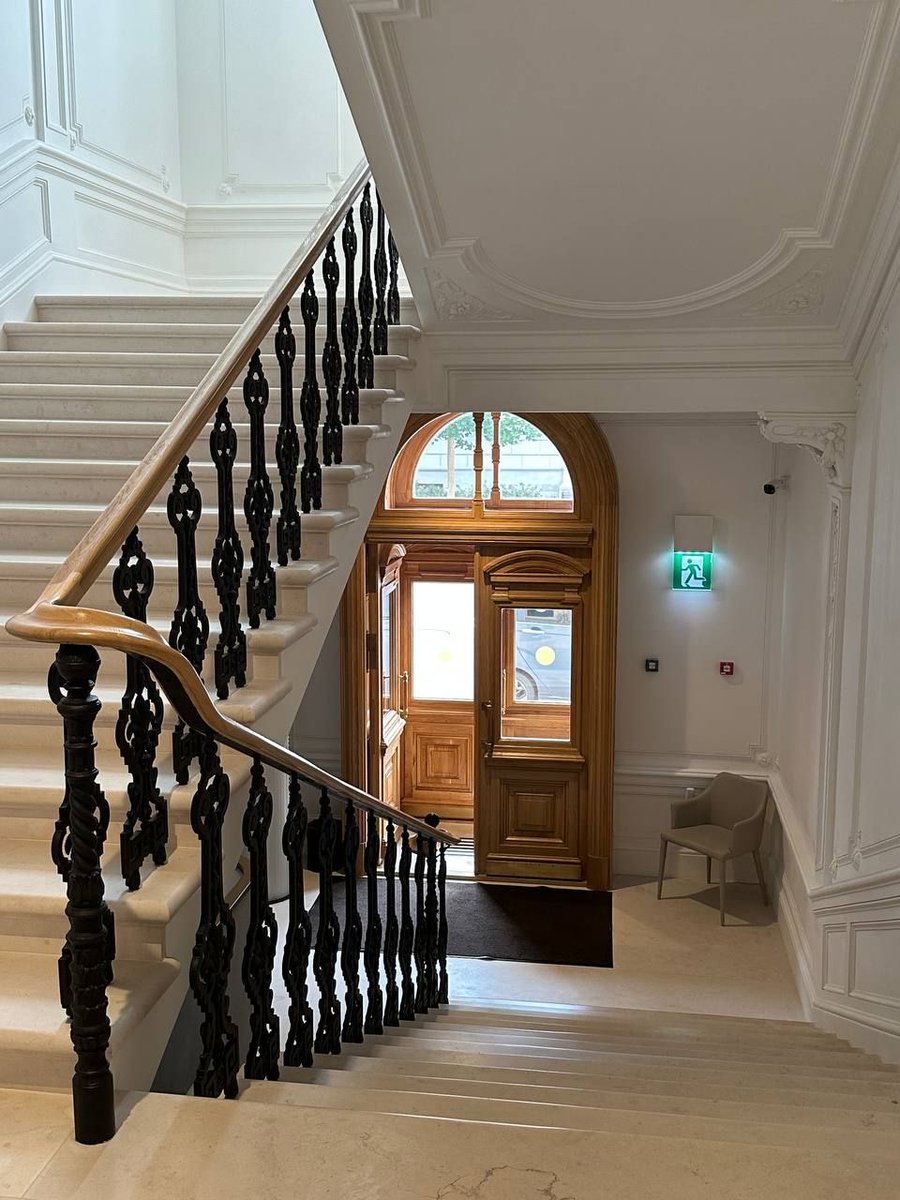
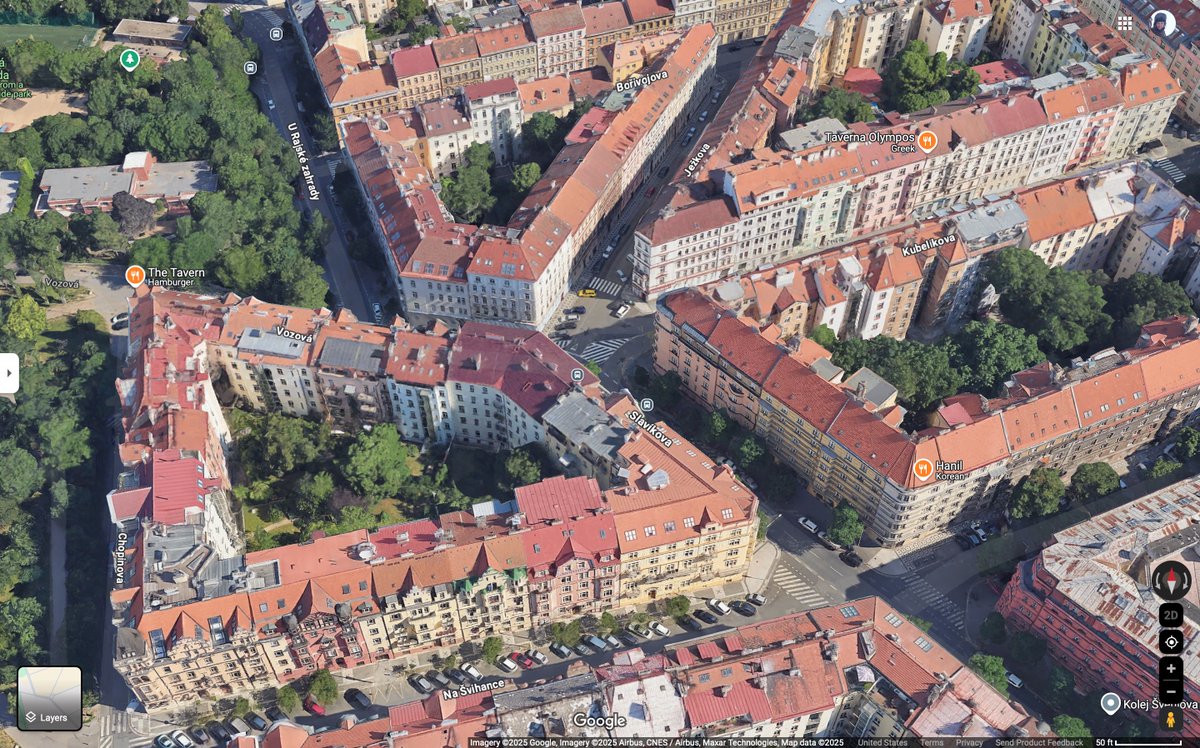
Vinohrady was built primarily between 1870 and 1910 under Austro-Hungarian building regulations that required continuous perimeter construction, interior courtyards, and building heights proportional to street width, producing densities of over 33,000+ people per square mile with mid-rise buildings alone.
wide, shallow, no front or side setbacks
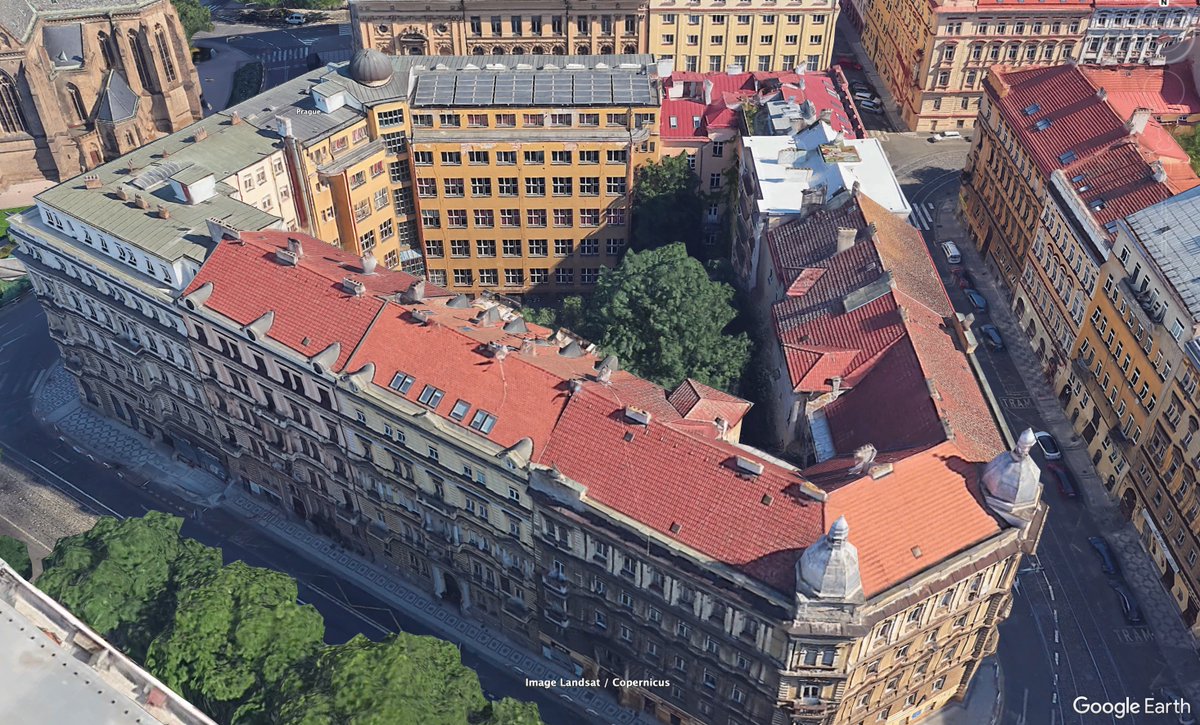
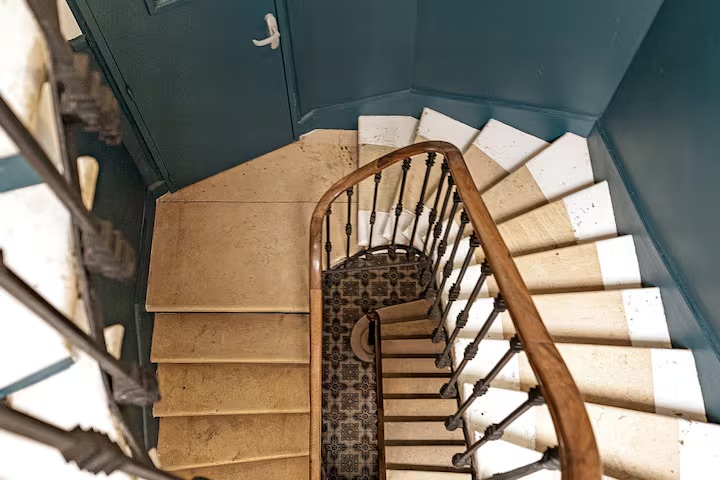
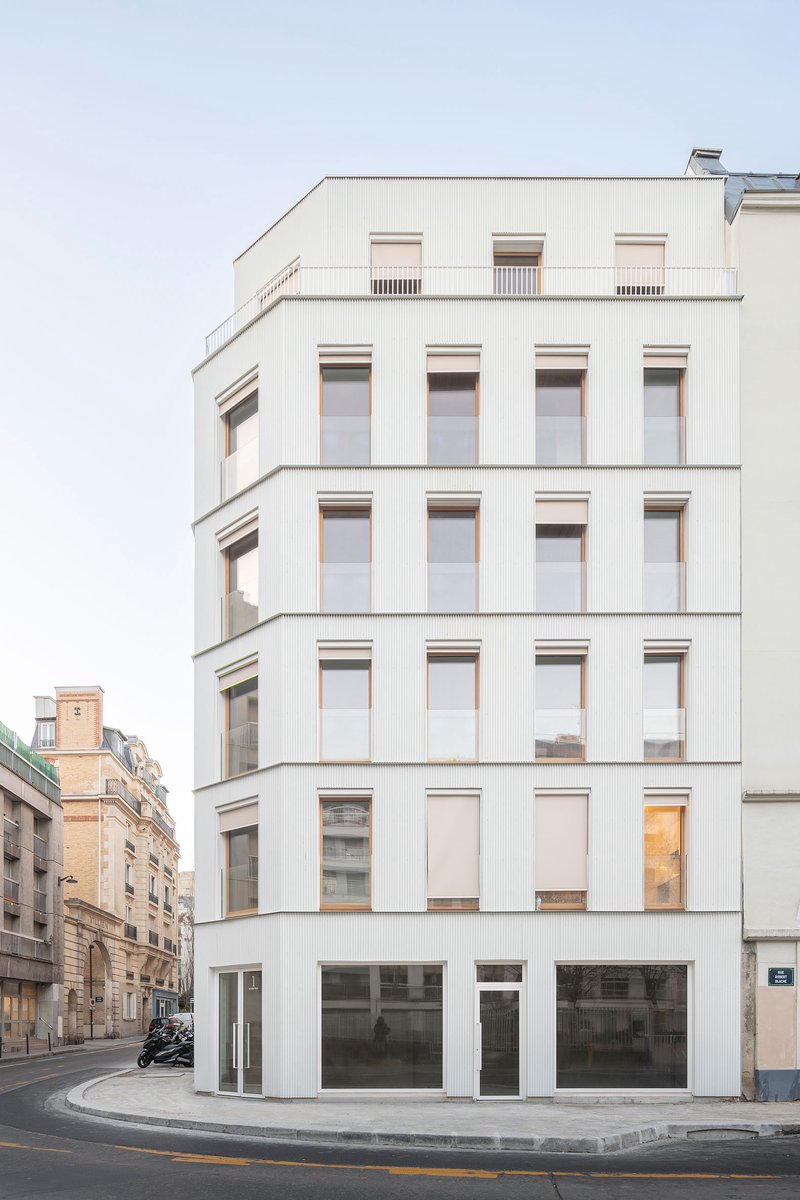
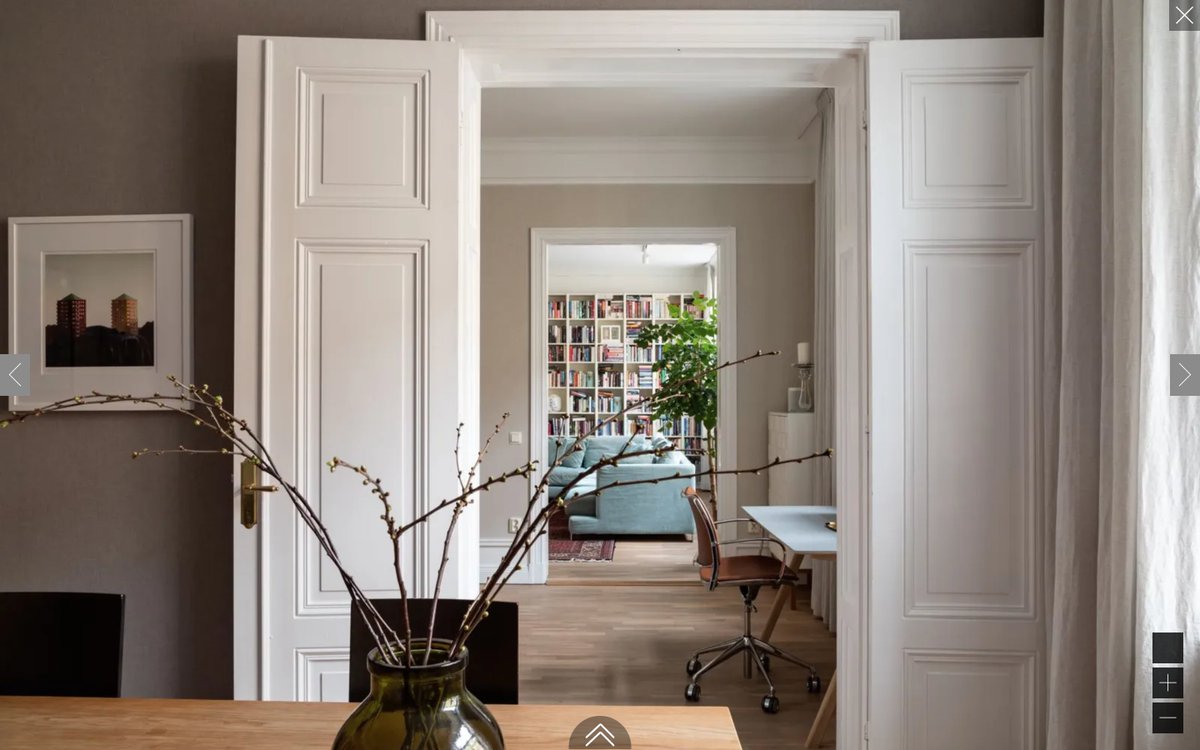
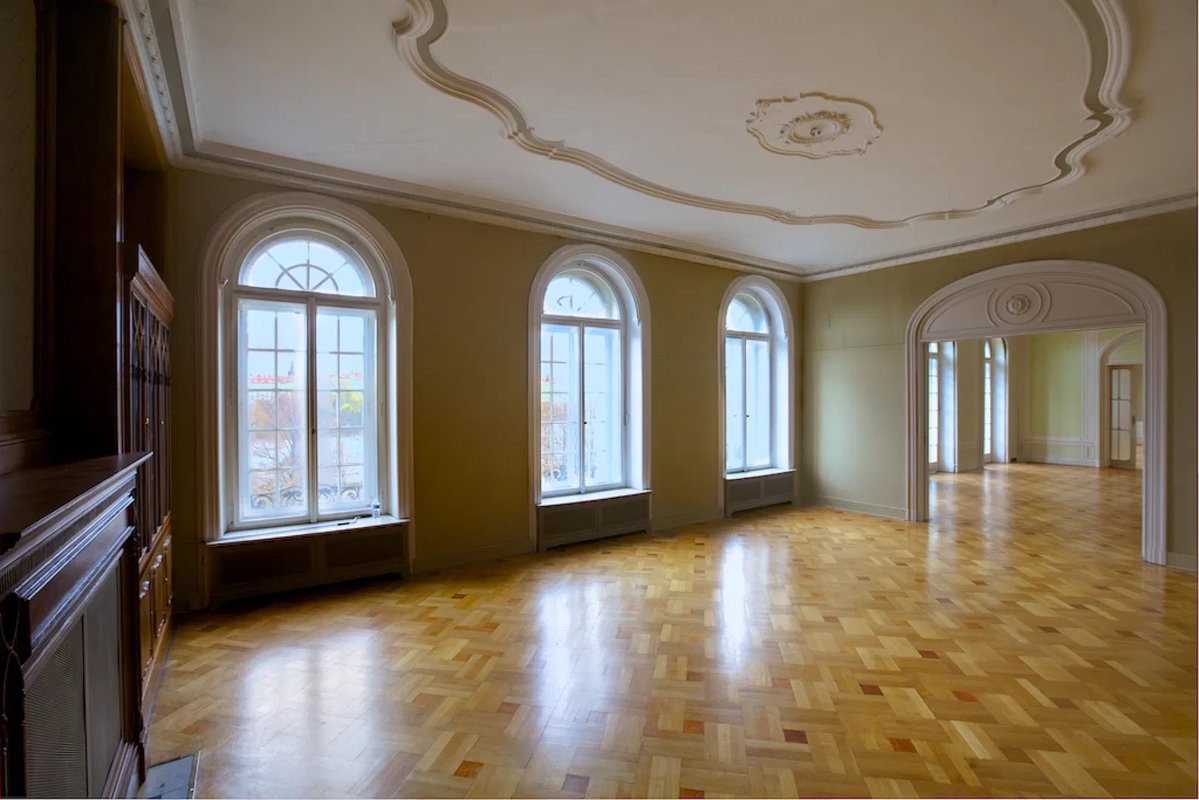
single stair core + wide and shallow building creates the units that "live like a house" with amazing window walls
• • •
Missing some Tweet in this thread? You can try to
force a refresh

Here's one for people who think about Rome a lot.
Romans excelled at walkable, mixed-use urbanism.
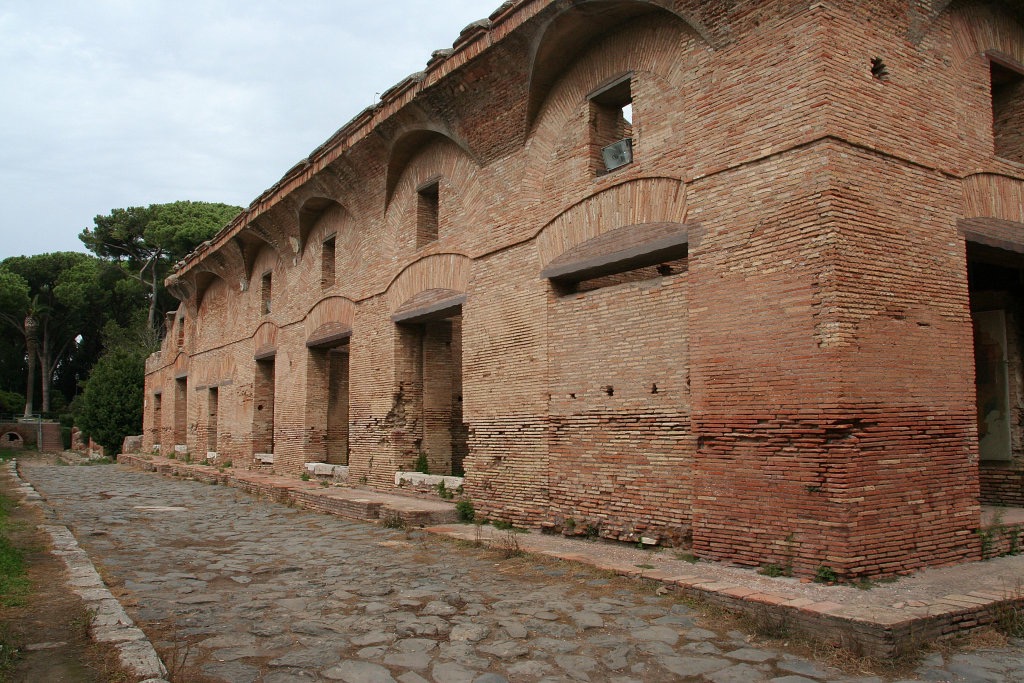
By the late Republic, most Romans lived in ~3-5 story apartment buildings called insulae ("islands").
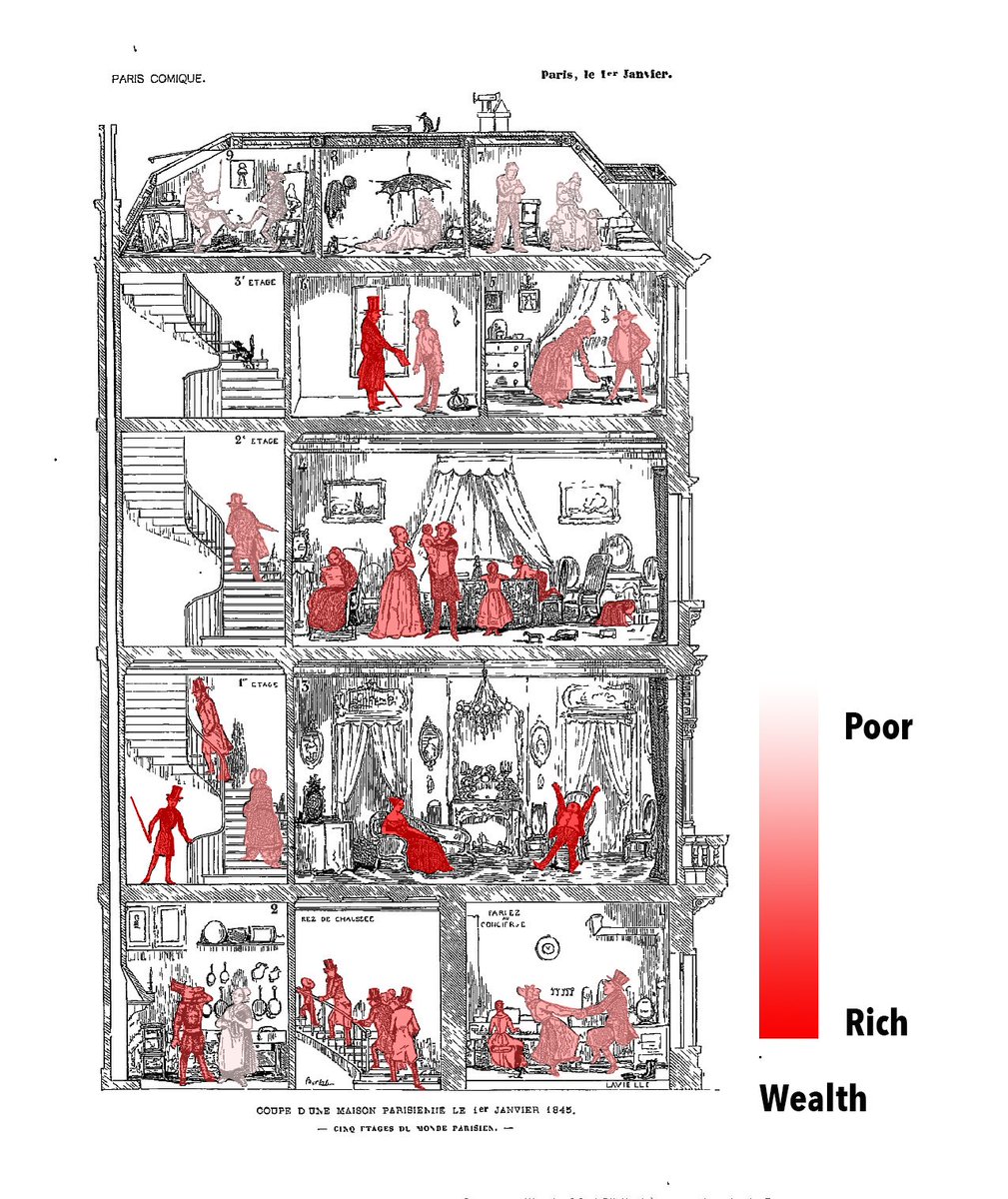
They were mixed-income buildings, with mid and high-status apartments on the lower levels for wealthier Romans, and slummier housing on the upper levels for low-income Romans. The ground level also contained shops (ensuring walkability).
Commenting on evidence from archaeological research, a historian writes that the "locations of rental apartments within an insula reflected the types of vertical and social stratifications that one found in early modern Naples or Paris apartments of the 19th century" (Dyson 219).
Both rich and middle class and even freedman invested in the insulae. One Roman, probably a freedman, left his daughter Aurelia an insula with 6 apartments, eleven tabernae (shops), and one "closet" under the stairs (Dyson 218). Investment in urban apartment buildings provided a rich stream of income for Romans at almost all levels of society.
Yes, they were built around courtyards ... this one had a pool that still remains.
courtyard blocks are the gold standard for green and cost-effective development 🧵...
--thermal efficiency of shared walls
--lower construction and operating costs and energy requirements
--environmental benefits of interior courtyard
--pulls people from car-centric suburbs into walkable, resource-efficient cities
First, there's the thermal efficiency of shared walls.
Shared walls reduce heat loss and gain between units, leading to lower energy consumption for heating and cooling. This thermal efficiency not only benefits residents with lower utility bills but also contributes to broader environmental goals by reducing carbon emissions.
Second, there's the simplified construction and lower capital and operational costs.
Courtyard blocks are usually walk-up height, typically 4-6 stories with no elevators or compact elevators.
They require less structural reinforcement and avoid the high costs associated with elevators, sprinkler systems, and mechanical ventilation required in taller buildings. These design efficiencies make it more feasible to deliver high-quality, affordable housing.
Dear Montana, congratulations on electing public officials who take housing abundance seriously! As you prepare for a regulatory environment that permits single-stair building and eliminates parking minimums, let me tell you about how courtyard blocks can transform your cities ..
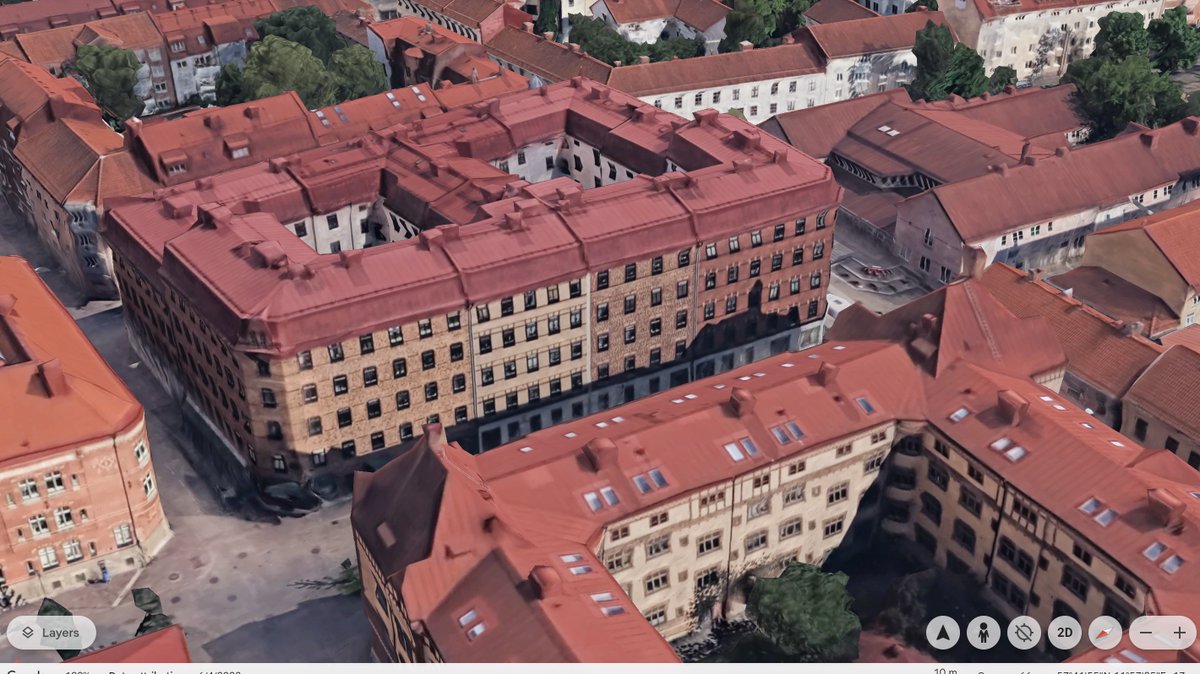
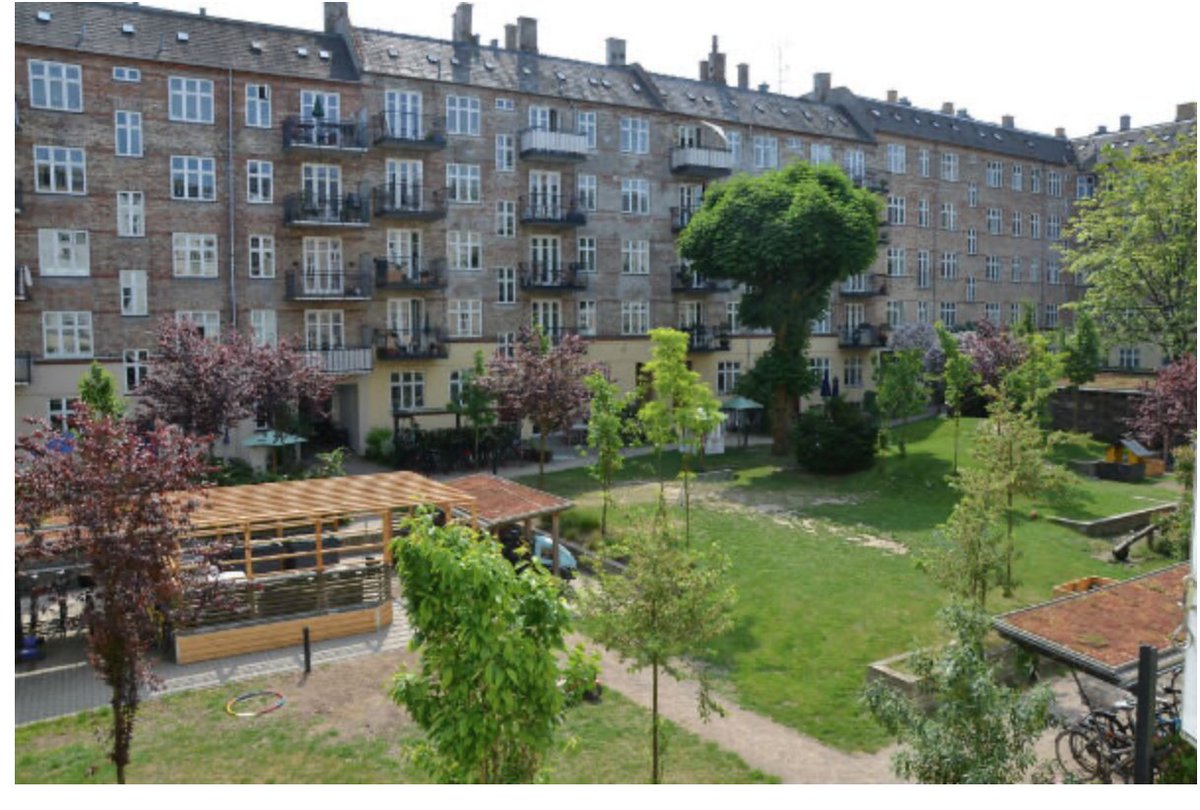
Courtyard aka perimeter blocks are a time-tested planning tool for creating family-friendly density in city centers. You find versions of them in every historic European city. Typically, every block is made up of 5-10 buildings that are built wall to wall around the perimeter of the block, enclosing an interior courtyard.
The interior courtyard can function as a semi-private yard for all the block residents. A space for gardens, sheds, and grills. A third place for small children, who can play with neighbors while their parents loosely monitor them from a balcony or window. The courtyard block gives parents the aspirational "house with a yard" while maintaining the density to support walkable, mixed-use neighborhoods, where people are steps from shopping, school, church, friends, etc.
A Parisian blogger living in SF noticed that American urban neighborhoods tend to be very rich or very poor, while Paris had greater income diversity. He made a map to visualize the smoother income gradients in Paris (link below) ...
The greater income diversity of Paris is the legacy of the vertical income structure of the Haussmannian apartment buildings. Traditionally, these 5-6 story apartments fostered income diversity by housing high-, middle-, and low-income residents in the same building (which also included a commercial space). .
.medium.com/perspective-cr…
The Haussmannian legacy of income diversity is strengthened today by social housing (20% of all units) and services (e.g., subsidized childcare) that keep diverse income groups--including middle class families with children--in the central arrondissements.
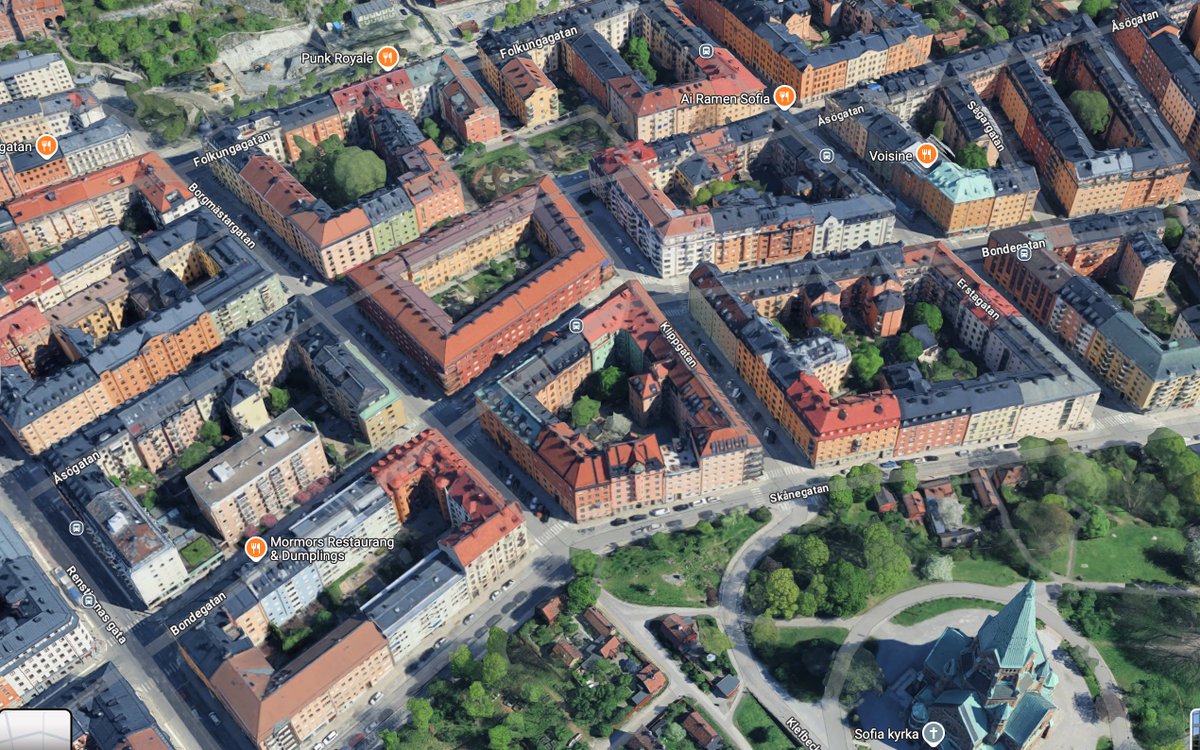
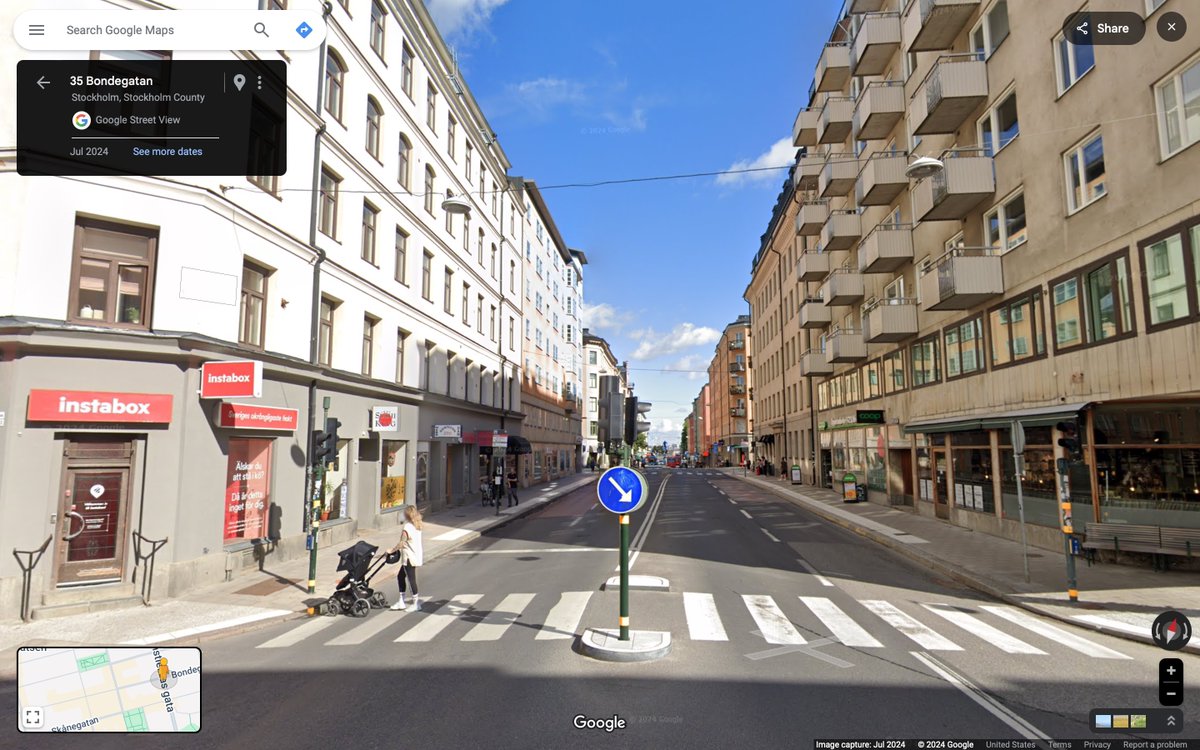
Stockholm, Sweden, shows that when you frame city blocks with brightly colored apartments, build them up to the property line to form an interior courtyard ...
... you give families the aspirational "big house with a yard" (in the midst of the bustling city!) while maintaining the density needed to ...
... support an enriched urban neighborhood, where residents live within walking distance of their social network, their commercial destinations, and key institutions (school, church, post office, public transit, etc.).
How do we stop the exodus of young families from American metro areas?
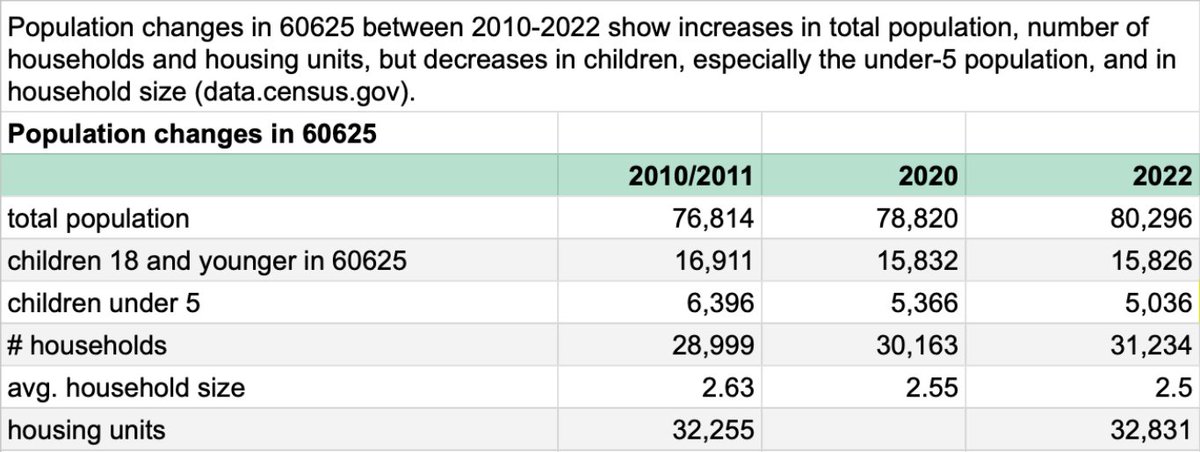
As recent analyses of census data shows, millennials parents are fleeing the cities they moved to in their 20s and 30s. The main cause? The cost of the aspirational "house with a yard" is prohibitive in the city, so young families move to the burbs.
Cities can keep these families in the city by building courtyard block neighborhoods.
In Cook County (Chicago), the population of under 5s has fallen 15% since 2020.