Courtyard Urbanist is a research and development initiative dedicated to improving US cities through family-friendly courtyard block design.
 Both rich and middle class and even freedman invested in the insulae. One Roman, probably a freedman, left his daughter Aurelia an insula with 6 apartments, eleven tabernae (shops), and one "closet" under the stairs (Dyson 218). Investment in urban apartment buildings provided a rich stream of income for Romans at almost all levels of society.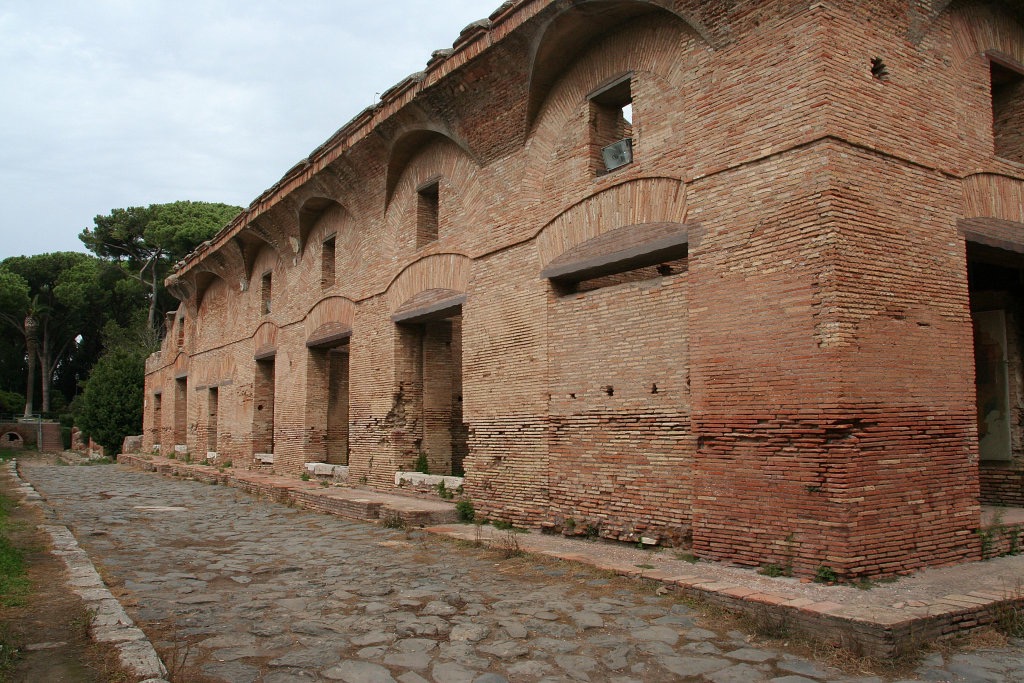
 First, there's the thermal efficiency of shared walls.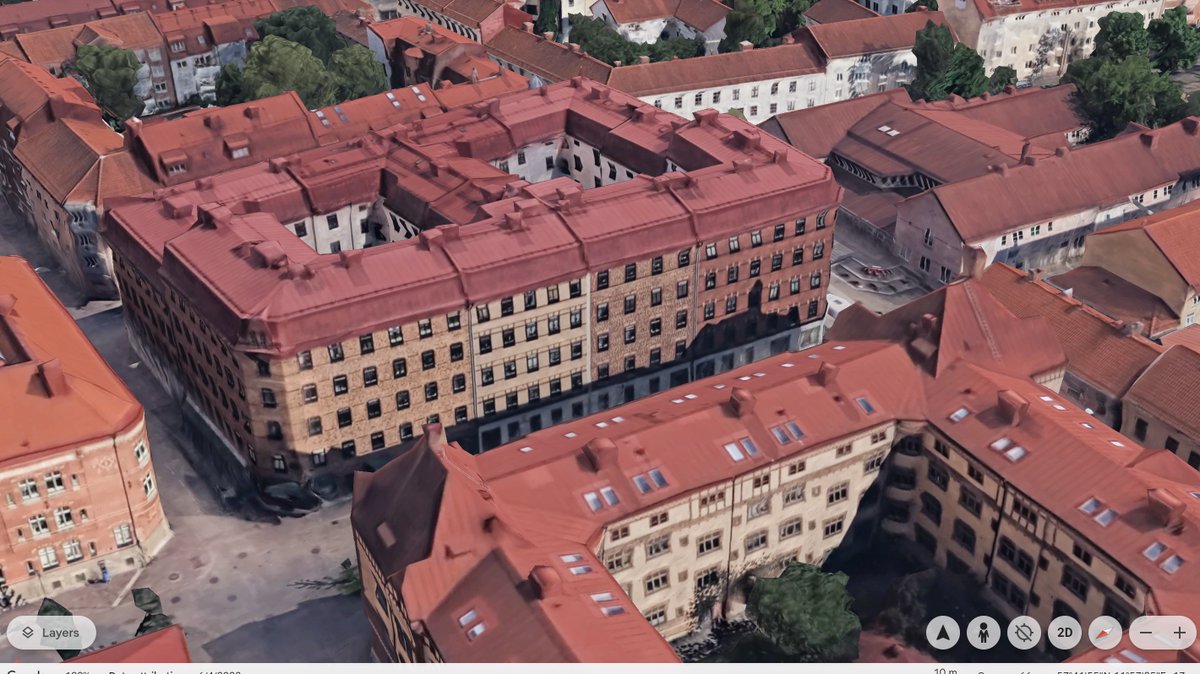

 Courtyard aka perimeter blocks are a time-tested planning tool for creating family-friendly density in city centers. You find versions of them in every historic European city. Typically, every block is made up of 5-10 buildings that are built wall to wall around the perimeter of the block, enclosing an interior courtyard.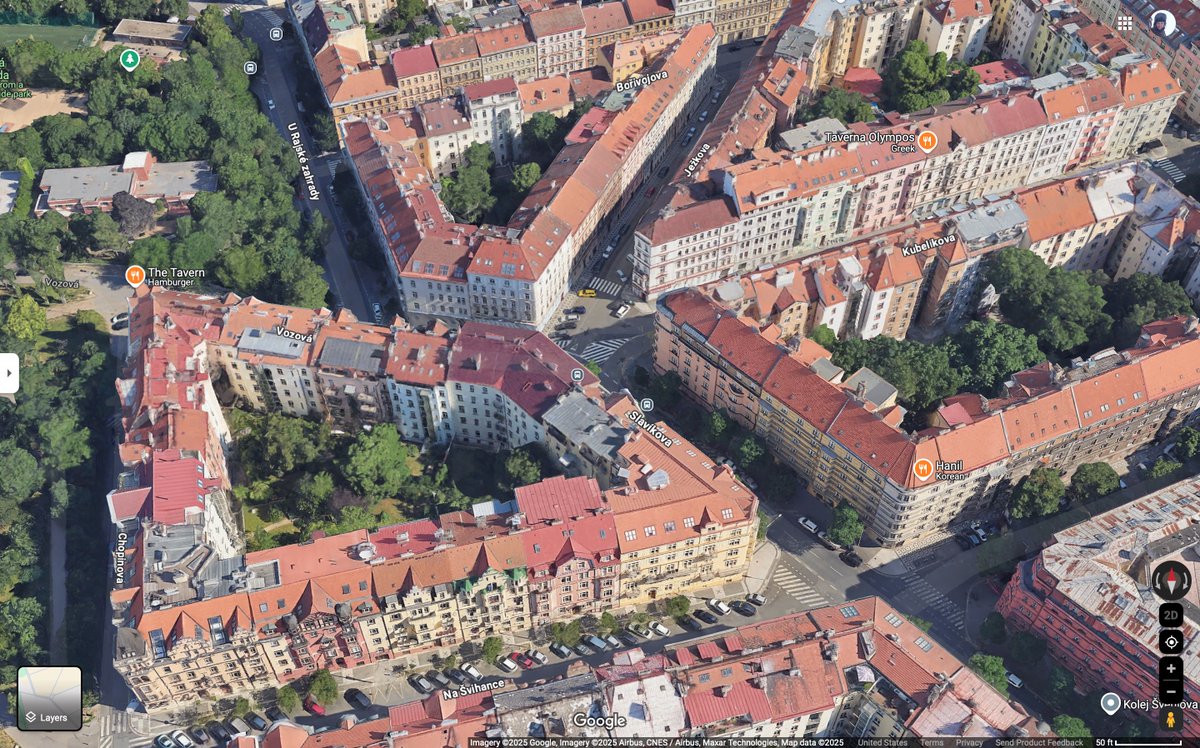
 The greater income diversity of Paris is the legacy of the vertical income structure of the Haussmannian apartment buildings. Traditionally, these 5-6 story apartments fostered income diversity by housing high-, middle-, and low-income residents in the same building (which also included a commercial space). .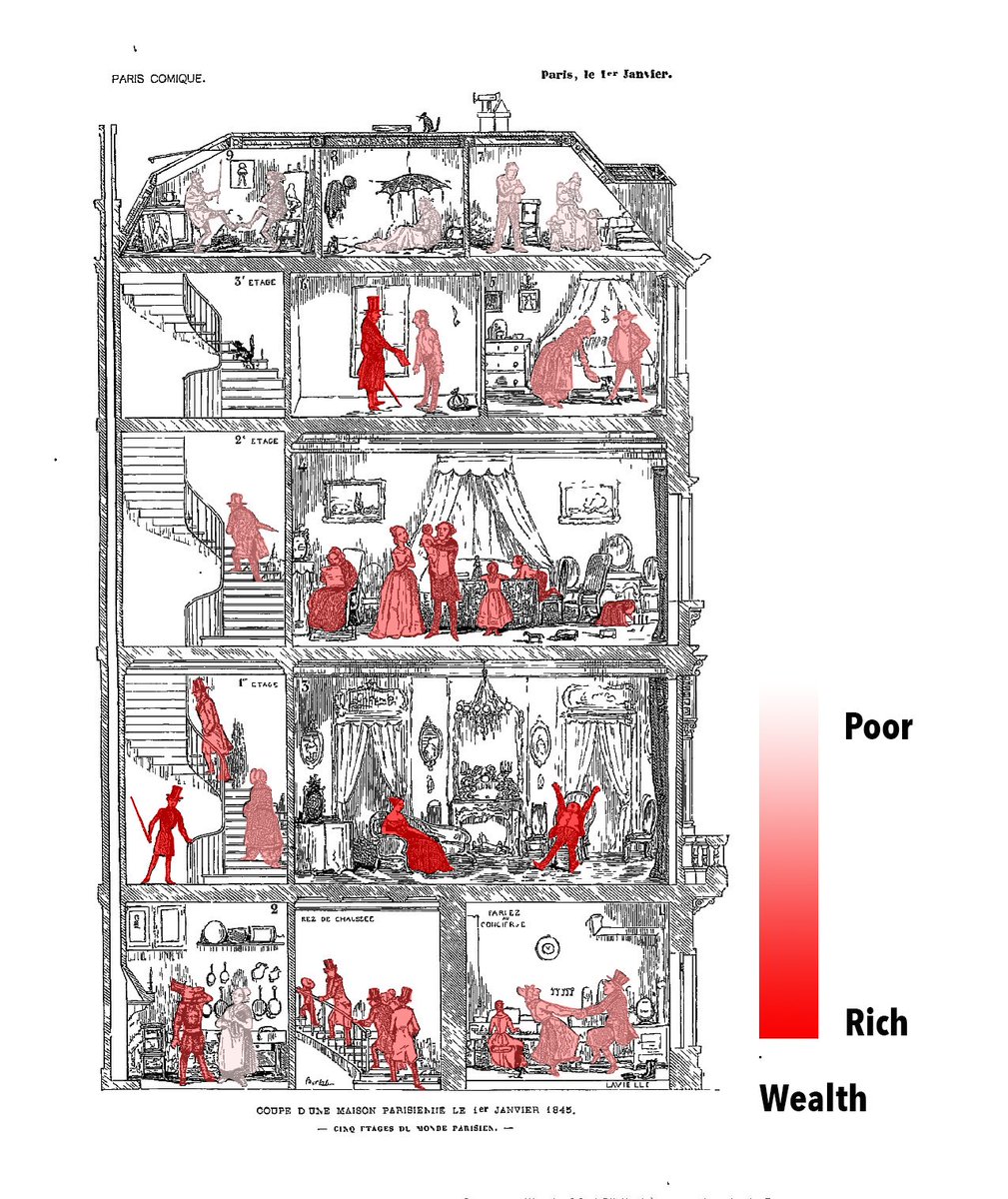
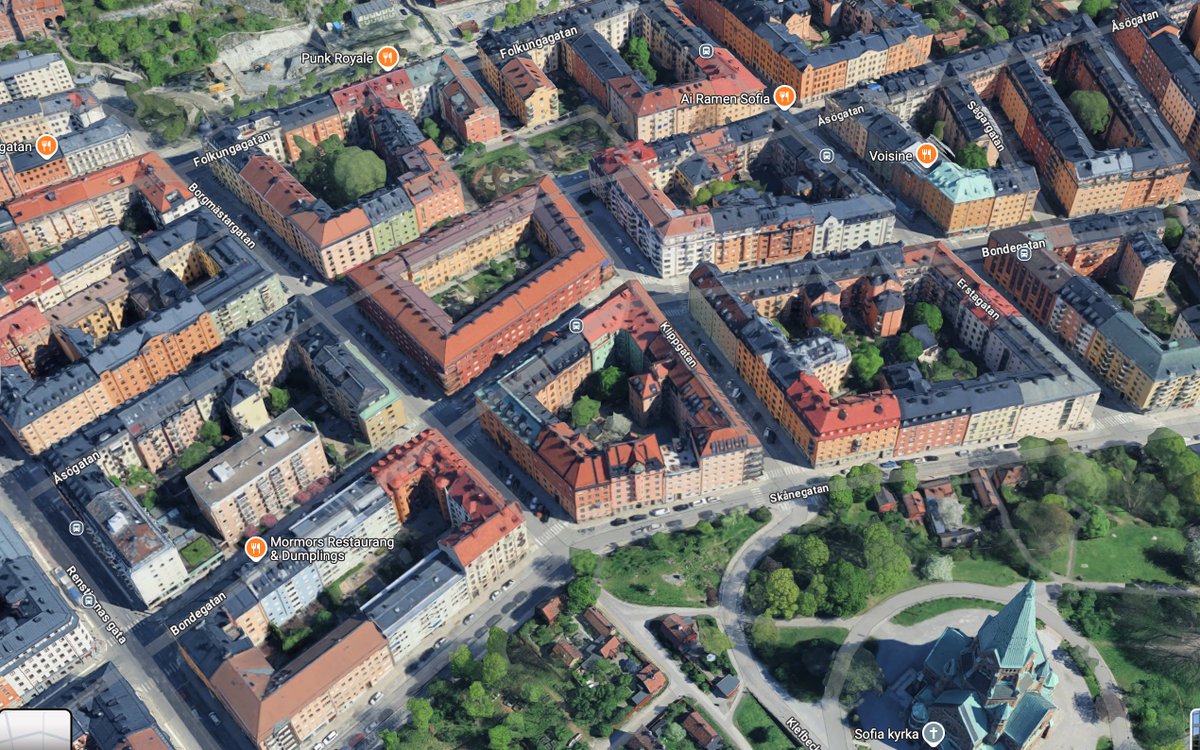 ... you give families the aspirational "big house with a yard" (in the midst of the bustling city!) while maintaining the density needed to ...
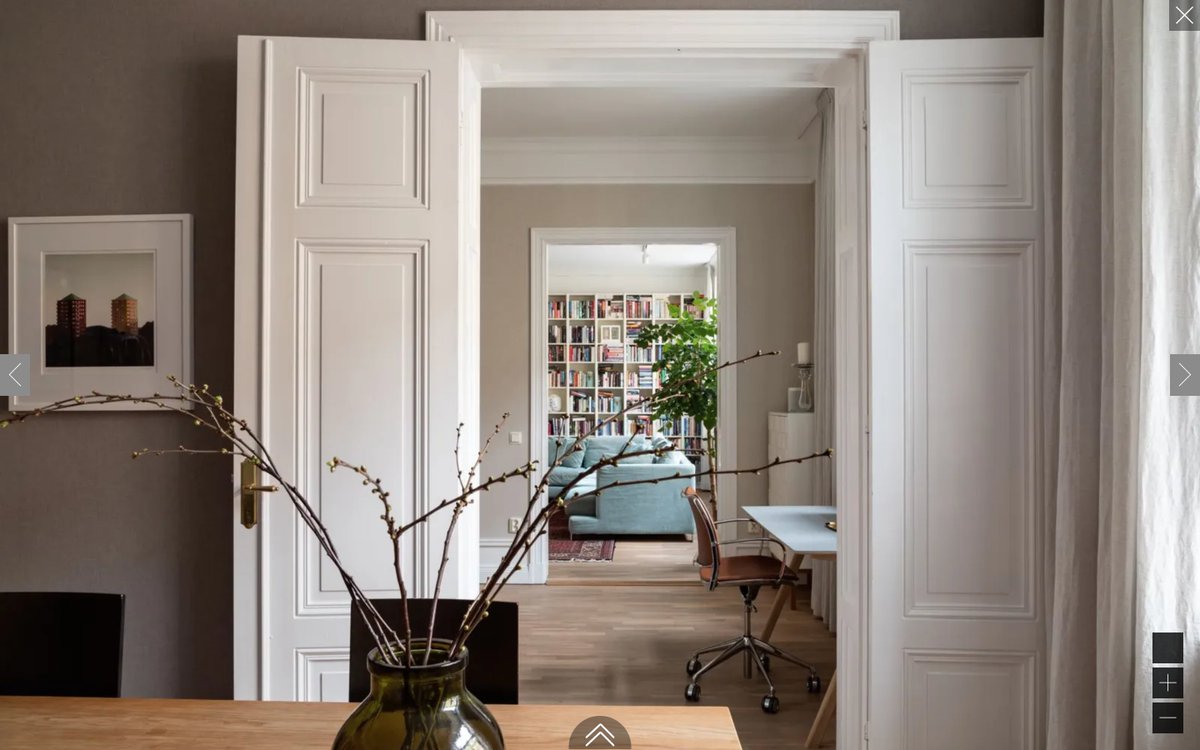
 In Cook County (Chicago), the population of under 5s has fallen 15% since 2020.
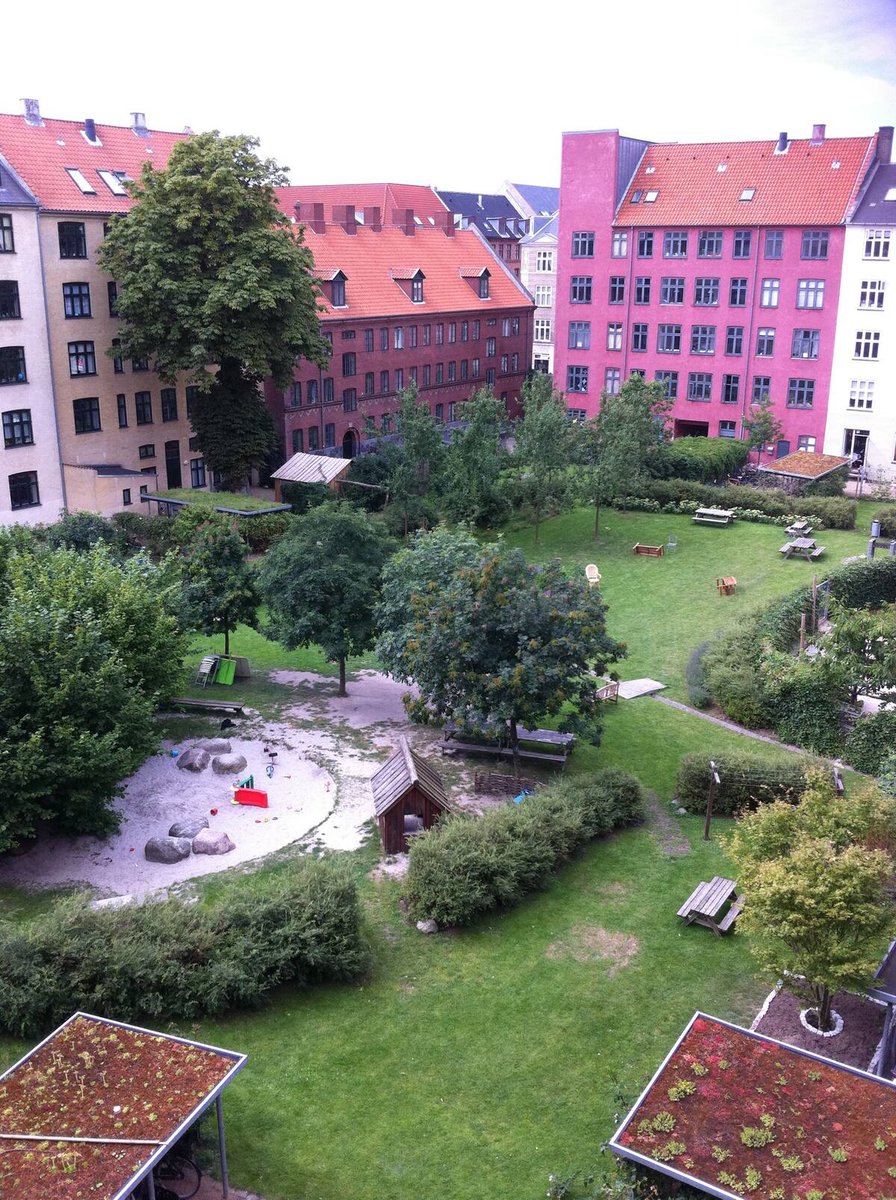
 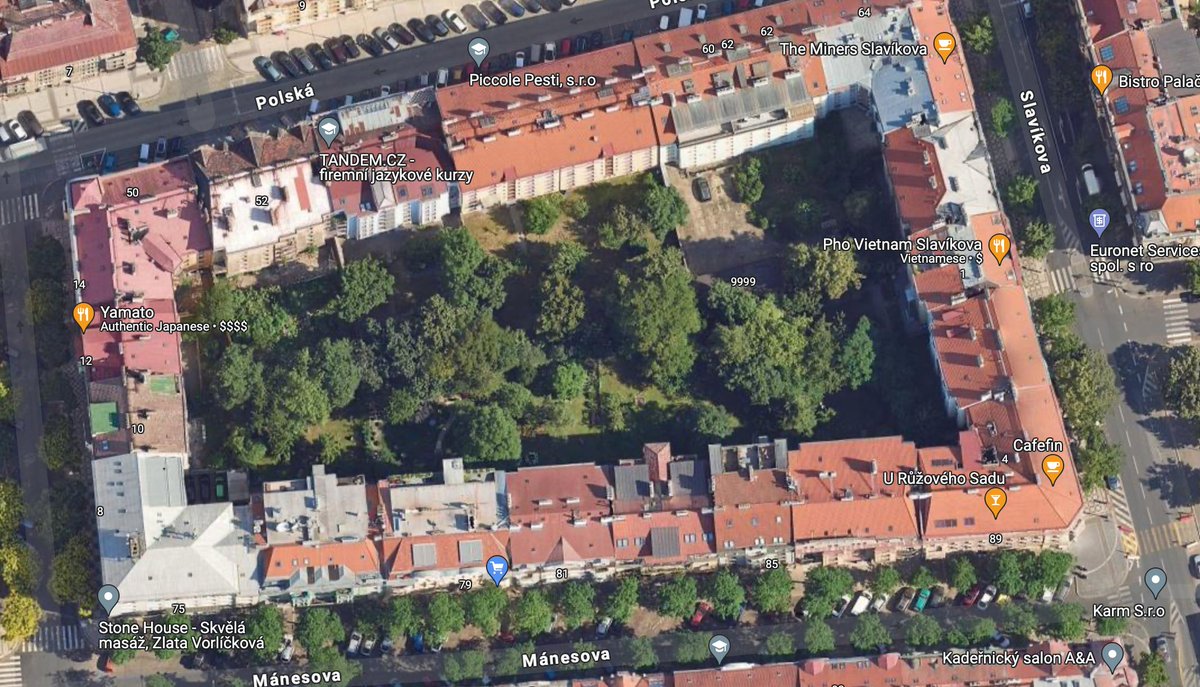 The interior courtyard provides a private, secure, quiet green space for the building residents. Children can play in an outside space safe from cars and other hazards of the public streets. Here is a courtyard interior in Copenhagen: