My latest
Japan Is the Big Winner
The Real Story
Nothing about Operation Epic Fury occurred within a thousand miles of Tokyo. Yet no capital in the world stands to gain more from the wreckage of Khamenei’s regime than the one sitting across the East China Sea from Shanghai.
Japan is China's principal strategic rival in the Western Pacific: the two compete for military dominance in the East and South China Seas, for economic influence across Southeast Asia, for secure energy supply chains, and for the allegiance of every mid-sized Pacific power now deciding whether its future runs through Washington or Beijing.
The gains Operation Epic Fury delivered to Tokyo are structural and extend across every dimension of that rivalry.
zinebriboua.com/p/japan-is-the…
Japan Is the Big Winner
The Real Story
Nothing about Operation Epic Fury occurred within a thousand miles of Tokyo. Yet no capital in the world stands to gain more from the wreckage of Khamenei’s regime than the one sitting across the East China Sea from Shanghai.
Japan is China's principal strategic rival in the Western Pacific: the two compete for military dominance in the East and South China Seas, for economic influence across Southeast Asia, for secure energy supply chains, and for the allegiance of every mid-sized Pacific power now deciding whether its future runs through Washington or Beijing.
The gains Operation Epic Fury delivered to Tokyo are structural and extend across every dimension of that rivalry.
zinebriboua.com/p/japan-is-the…
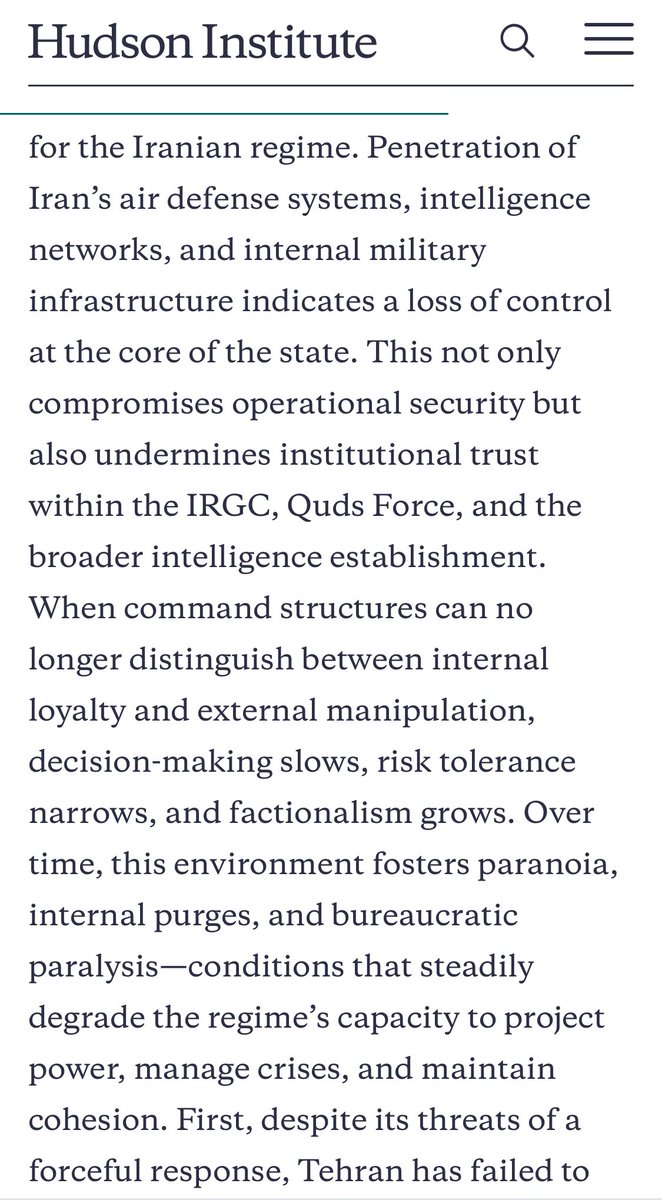
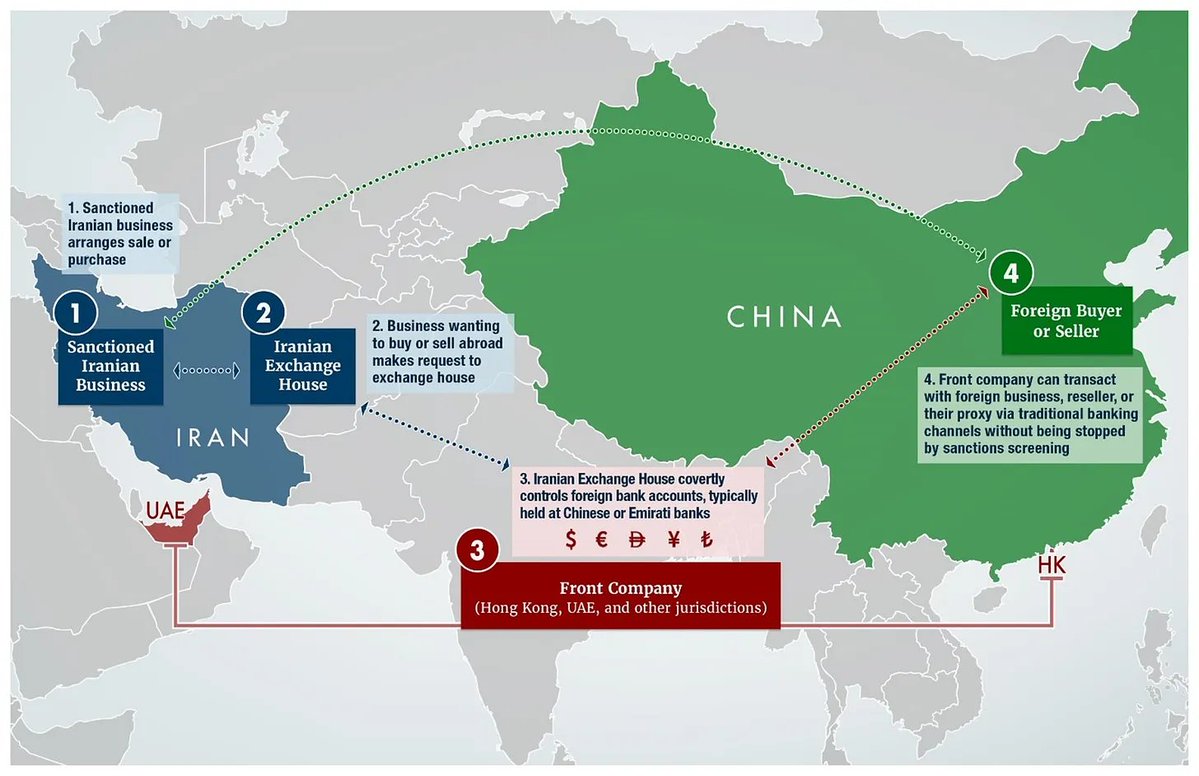
Iran is the world's most sophisticated laboratory for circumventing Western financial enforcement, and the networks it built had dual-use value for Beijing's own contingency planning in a Taiwan scenario where China itself could face comprehensive sanctions. The operational knowledge embedded in those networks is now degrading in real time. For Japanese defense planners, who have long worried that Western economic leverage over China might prove insufficient in a Taiwan crisis, the destruction of Beijing's most advanced sanctions-evasion rehearsal space is a strategic gain of the first order.
zinebriboua.com/p/japan-is-the…
zinebriboua.com/p/japan-is-the…
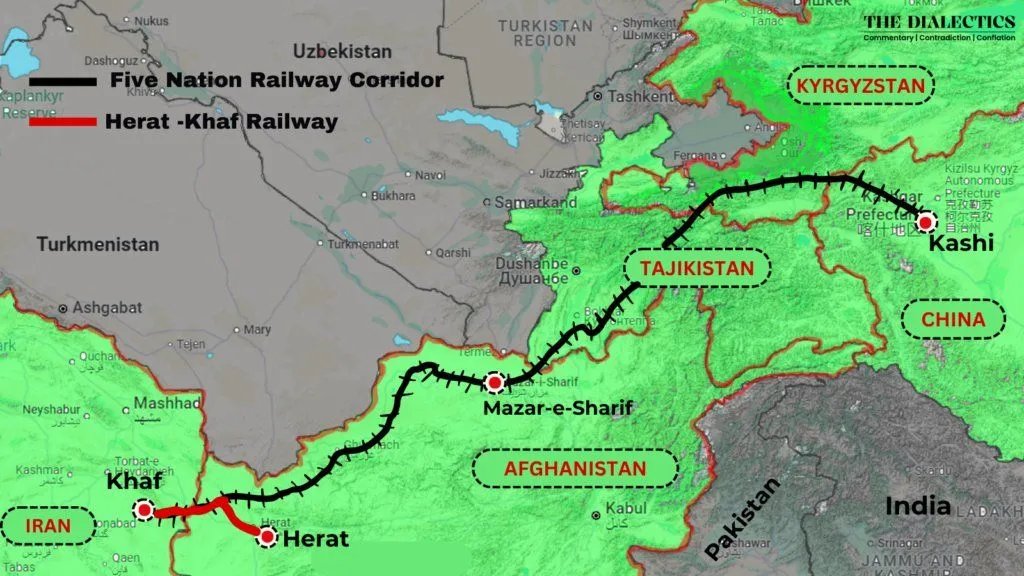
The Five Nations Railway connecting China to Iran through Central Asia depended on political stability that no longer exists. Every month that corridor remains inoperable is another month the Malacca Strait retains its strategic centrality, and another month Japan's geographic position astride the Western Pacific sea lanes appreciates in value.
zinebriboua.com/p/japan-is-the…
zinebriboua.com/p/japan-is-the…
This is the second time since January that Washington has moved against a Chinese partner, after Maduro's fall in Venezuela, and in both cases Beijing absorbed the loss without visible distress. Every prospective partner state is now updating its priors.
Beijing's diplomatic brand across the developing world rested on a core proposition: that alignment with China and Russia offered a viable counterweight to American coercion, a path to sovereignty. Operation Epic Fury has gutted that proposition in public view.
zinebriboua.com/p/japan-is-the…
Beijing's diplomatic brand across the developing world rested on a core proposition: that alignment with China and Russia offered a viable counterweight to American coercion, a path to sovereignty. Operation Epic Fury has gutted that proposition in public view.
zinebriboua.com/p/japan-is-the…
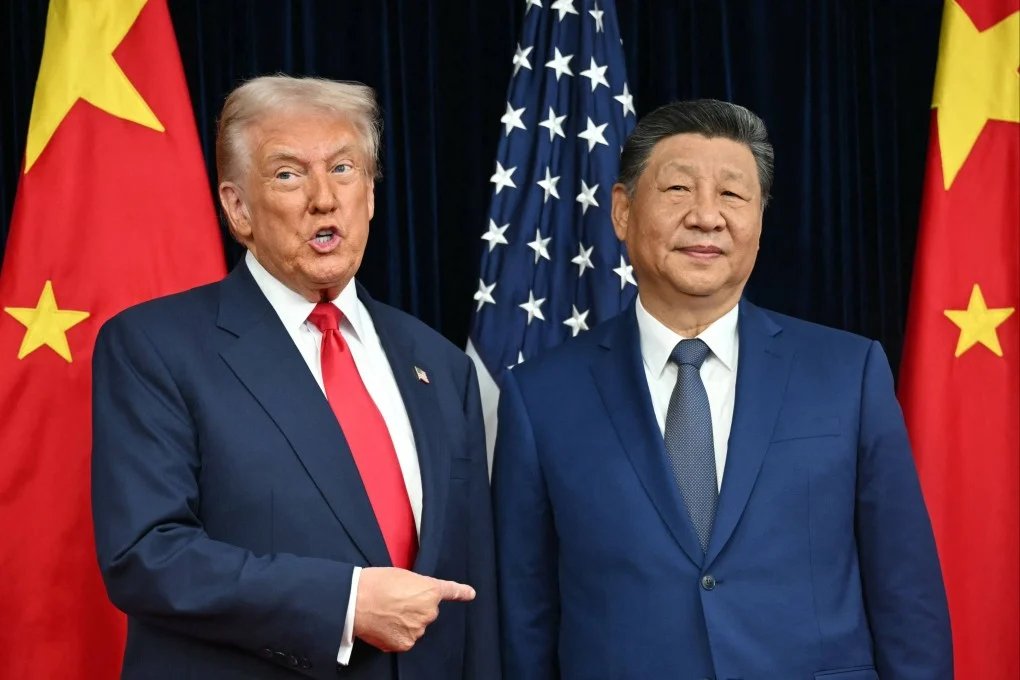
Trump arrives in China next month having just destroyed a Chinese strategic partner, while the $13 billion Taiwan arms package remains conspicuously unsigned.
For Japan, the configuration is close to ideal, they will see an American president who has proven that alliance commitments carry lethal weight, sitting across the table from a Chinese leader who has just discovered what it means to be on the other side of that equation.
zinebriboua.com/p/japan-is-the…
For Japan, the configuration is close to ideal, they will see an American president who has proven that alliance commitments carry lethal weight, sitting across the table from a Chinese leader who has just discovered what it means to be on the other side of that equation.
zinebriboua.com/p/japan-is-the…
Special thanks to @kenmoriyasu for inspiring this article!
• • •
Missing some Tweet in this thread? You can try to
force a refresh