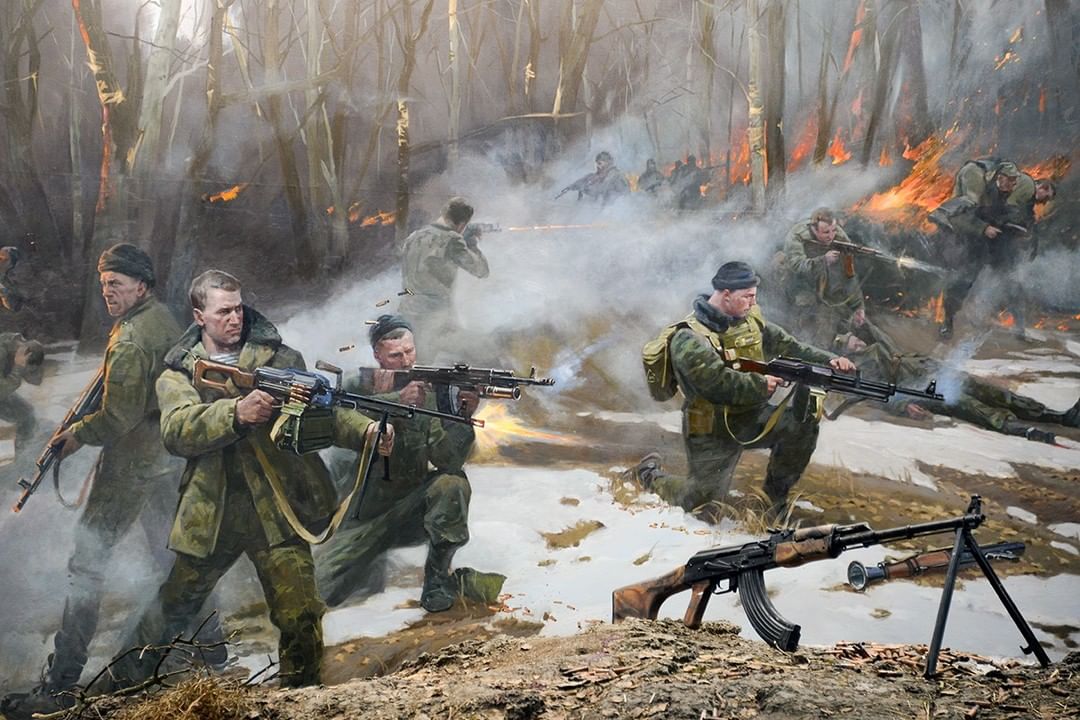
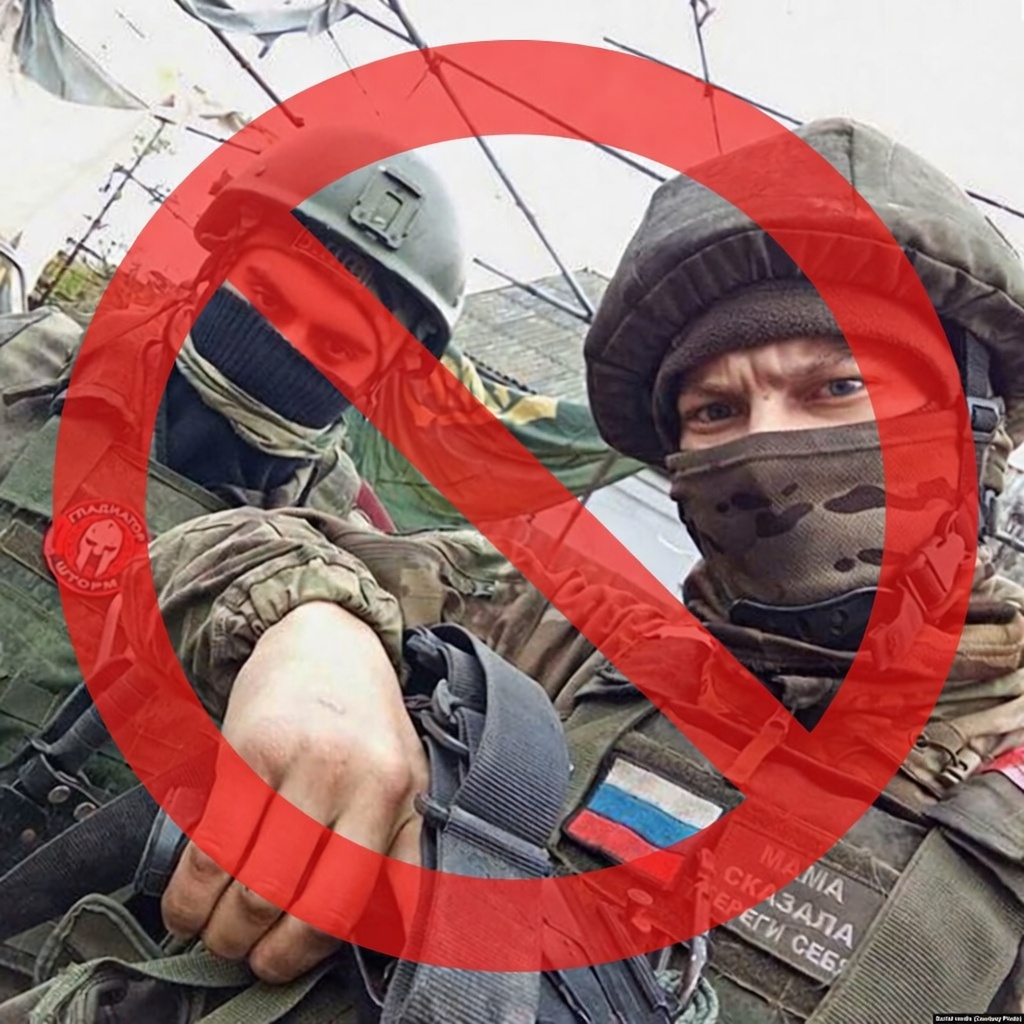
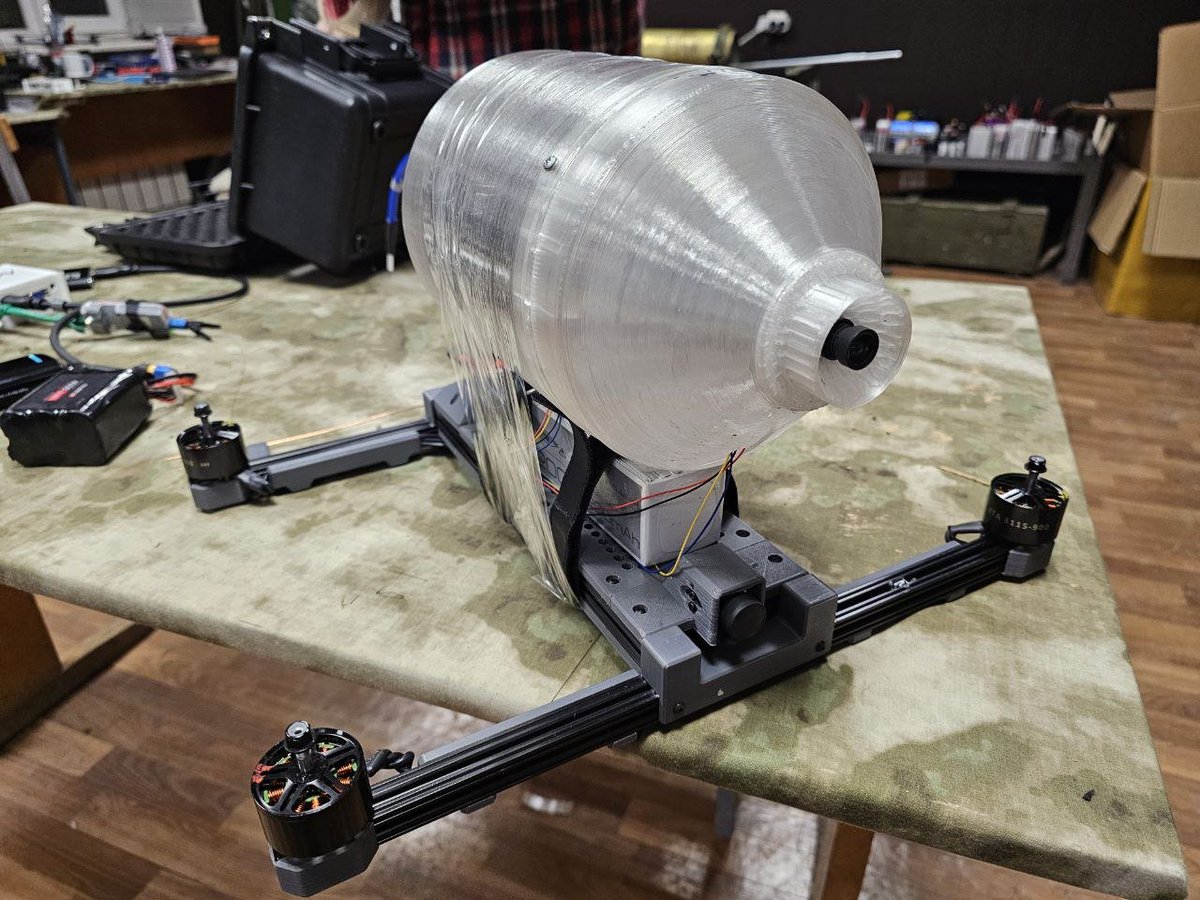
1/ 1st March marks the 26th anniversary of Russia's worst defeat in the Second Chechen War (1999-2009) – the Battle of Height 776, in which nearly an entire Russian paratrooper company was killed: 84 dead, with only 6 survivors. It's been commemorated today in Russia. ⬇️
2/ The battle took place in early 2000, after the fall of Grozny to Russian federal forces fighting Chechen separatists. Around 1,500 to 2,000 Chechen fighters were retreating through the Argun Gorge, led by commanders including Shamil Basayev and Ibn al-Khattab.
3/ A single company of the Russian 6th Airborne Company, 104th Guards Parachute Regiment (76th Guards Air Assault Division), commanded by Major Sergei Molodov, was tasked with blocking the escape route near Ulus-Kert at a hilltop designated Height 776.
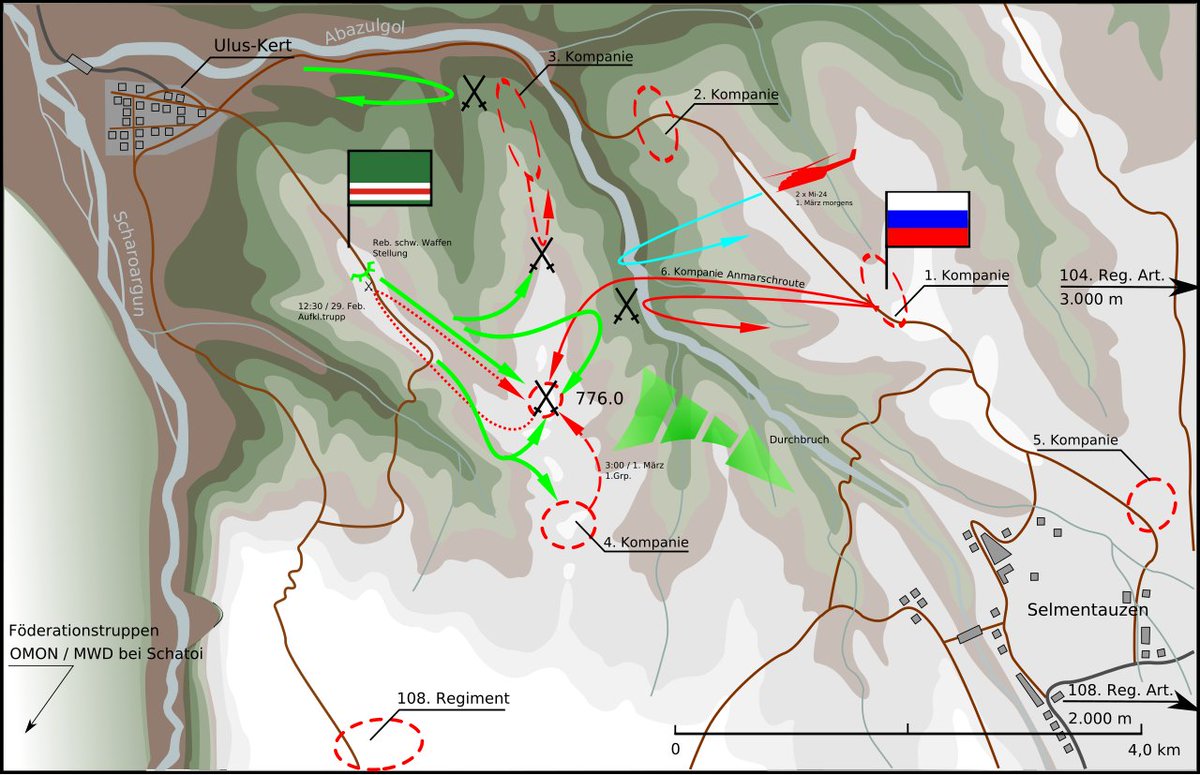
4/ The lightly armed paratroopers arrived on 28th February and dug in hastily on an unprepared slope (using trees and terrain for cover), with limited time to fortify. The following day, a Russian reconnaissance patrol ran into a Chechen unit and had to retreat under fire.
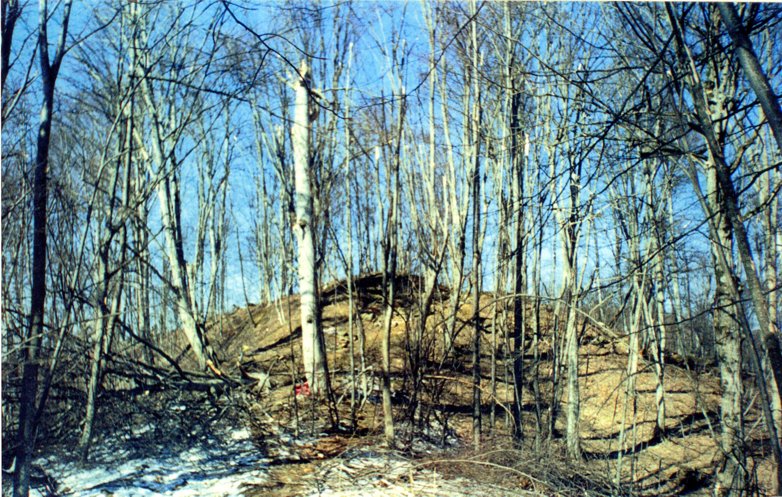
5/ Molodov was fatally wounded in the clash, prompting Lt Col Mark Yevtyukhin to take over. The Chechen main force advanced en masse, surrounding the hill and attacking in waves with machine guns, sniper fire, RPGs, and close-quarters combat.
6/ The 6th Company paratroopers called in artillery from nearby Russian batteries and repelled repeated charges despite being hugely outnumbered. 1st, 3rd, and 4th Company elements attempted to relieve them, but were driven back.
7/ Fighting continued through the night into 1st March, with hand-to-hand fighting as ammo ran low. Survivors described desperate bayonet charges and using grenades at point-blank range.
8/ Finally, in the morning of 1st March, a massive Chechen assault overran the Russian position after 18–24 hours of near-continuous fighting. Yevtyukin's last act before being killed was to call in artillery on his own position. Only six of the 90 Russian soldiers survived.
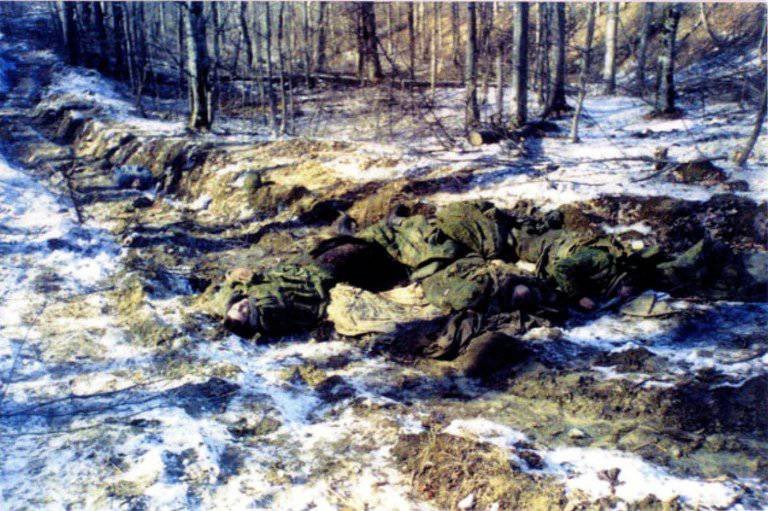
9/ The battle was the worst Russian military defeat of the Second Chechen War, though to put it in perspective, the number of Russian fatalities was less than half the verified average number for every single day in Ukraine during February 2026.
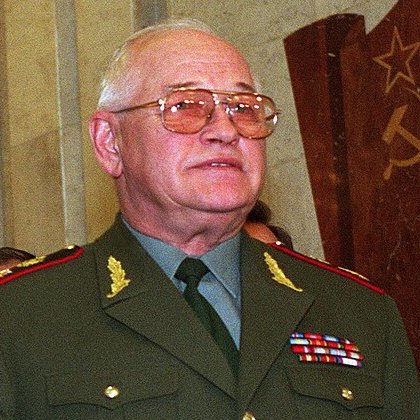
10/ It was deeply embarassing for the Russian government, coming only a few weeks before Vladimir Putin was first elected president. The battle had begun just hours after Russian Defense Minister Igor Sergeyev publicly declared the war to be "over."
11/ While the paratroopers had managed to delay the separatist breakout, it came at enormous cost and highlighted serious command failures such as poor reinforcement and artillery issues which were later repeated in Ukraine.
12/ The battle was deeply controversial at the time due to these perceived failures. Relief for the 6th Company was delayed or denied despite repeated requests. Nearby Russian units failed to reinforce or rescue the company in time.
13/ Most damaging of all, there were allegations – never resolved to this day – that Chechen commanders had bribed Russian officers to allow safe passage, and the paratroopers' position simply got in the way. An inquiry was opened, but was then quickly closed.
14/ The incoming Putin administration sought to play down the failures exposed by the battle's outcome. In Russian patriotic memory, it's framed as a heroic sacrifice rather than a defeat, with 22 Heroes of Russia medals awarded (mostly posthumously).
15/ The battle has become an iconic event for Russia's Airborne Forces (VDV). It's still commemorated on the anniversary each year, is featured in military education and patriotic programmes, and streets and schools have been named after individual soldiers.
16/ A large memorial has also been erected at the 104th Guards Parachute Regiment's home base in Pskov, where annual remembrance ceremonies are held annually, typically attended by military officials and families. /end
• • •
Missing some Tweet in this thread? You can try to
force a refresh

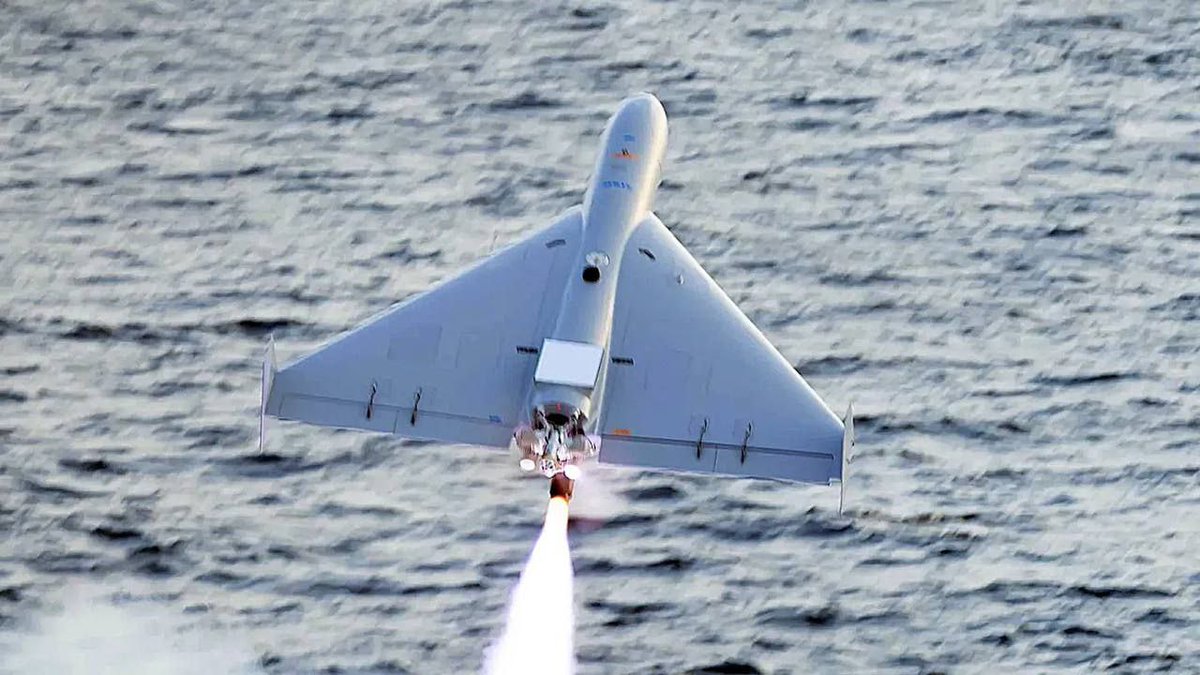
1/ Russian commentators are sounding the alarm over America's use of a new kamikaze drone against Iran, the Low-cost Unmanned Combat Attack System (LUCAS). They note that it appears to have an integrated Starlink terminal and warn that it's a serious threat to Russia. ⬇️
2/ The use of LUCAS drones against Iran was announced yesterday by CENTCOM. This is the first time that the drone has been deployed in combat. It is reportedly reverse-engineered from the Iranian Shahed-136, which Russia has also adapted as the Geran-2 to use against Ukraine.
3/ 'Obsessed with war' writes:
"The Americans are showing a photo of their Geran-like LUCAS drones launching at targets in Iran."
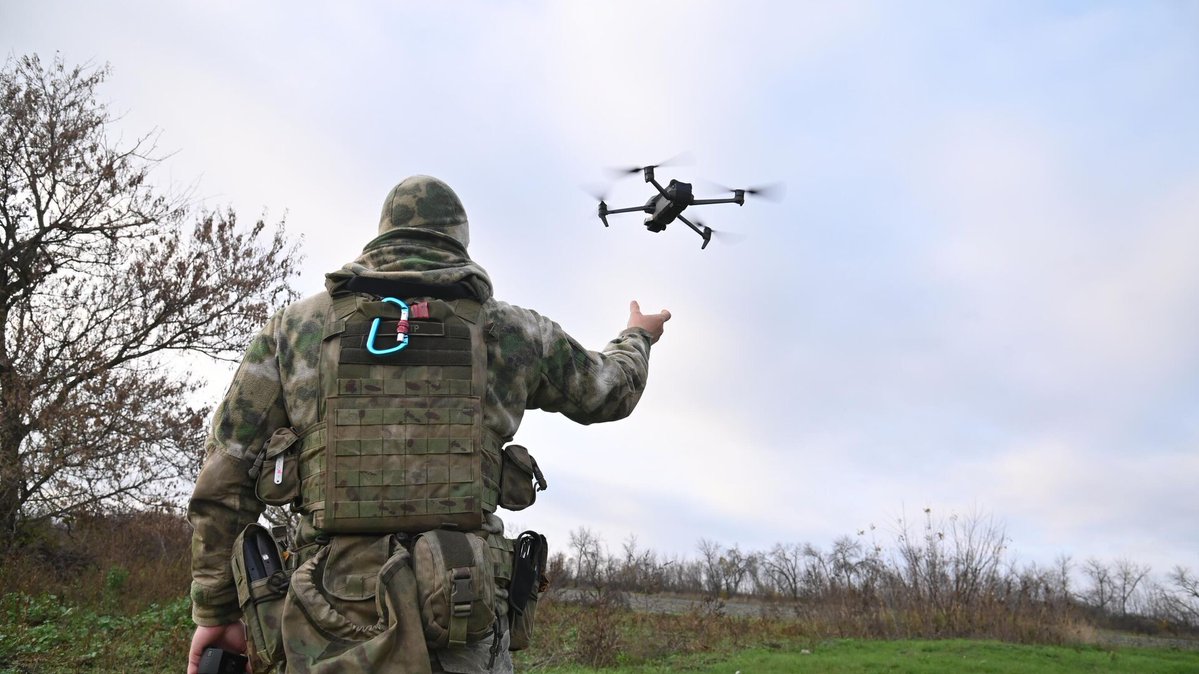
1/ A Russian drone developer looks back on four years of war in Ukraine with "shame and disappointment". He complains that rival Russian UAV developers constantly lie and sabotage each other's projects for profit, with state-run enterprises undermining private developers. ⬇️
2/ 'UAV Developer' writes:
"Alas, we have no goal of winning, and what's happening can be described as anarchy, where one hand doesn't know what the other is doing and even gets in the way."
3/ "The spiritual and technological upsurge of 22 years has been artificially suppressed. The spiritual upsurge is based on the principle of "just in case," and after Prigozhin, this belief has only strengthened.
1/ Russia has wasted the last four years by failing to develop its own satellite Internet system, say many Russian warbloggers, which led to its ultimately disastrous dependency on Starlink. The 'Vostok Battalion' Telegram channel laments the missed opportunities. ⬇️
2/ "Those who were serious about providing their units with adequate communications quickly realized how far Russia lags behind the West in this regard. Purchasing Chinese junk and then slapping on new labels didn't bring us a millimeter closer to solving the problem.
3/ "Our satellites fly at different latitudes, and their highest elevation angle relative to the combat zone is approximately 35 degrees.
1/ Russia launched the full-scale invasion of Ukraine in February 2022 with the expectation that it would be a quick intervention lasting only a few weeks. Its soldiers went to war lacking a wide range of what turned out to be essential skills. ⬇️
2/ 'Vault No. 8', a serving Russian soldier warblogging on Telegram, recalls the lack of preparedness for an extended conflict among pre-war contract (professional) soldiers when the invasion was launched on 24 February 2022:
3/ "1. Level of training.
According to the regular personnel themselves, they were proficient with the weapons and equipment assigned to them—they could repair and operate them. At the level of training they had.
1/ Russia appears all but certain to fully block Telegram on 1 April 2026, on the grounds that it promotes frauds, disinformation, and violence. The Russian army has many similar problems; one Russian warblogger asks if the government should consider blocking the army instead. ⬇️
2/ Svatoslav Golikov writes:
"In the light of Roskomnadzor's latest attack on Telegram, it's time to explore some new ideas.
Let me remind you of a recent TASS report (I quote):
"Telegram blocked over 235,000 channels in one day, but the problem is systemic.
3/ "Deputy Anton Nemkin expressed this opinion in a conversation with TASS:
'But let's call things by their proper names: if the number of blocked communities is in the millions, then the problem is not isolated, but systemic.'
1/ The AI boom is leading to drastically higher prices and possible shortages of the Chinese-made fibre-optic cables used by many Russian kamikaze drones. Prices have nearly quadrupled due to a massive increase in demand for fibre optics by data centres. ⬇️
2/ According to Russian media reports, Russian buyers are having to pay between 2.5 to 4 times more for fibre optic cable per kilometre than last year. By 2025, Russia was purchasing about 10.5% of all fibre optic cable produced globally – equivalent to 60 million kilometres.
3/ Russia is entirely dependent on Chinese fibre optic manufacturers. Its only domestic fibre optic manufacturer, JSC Optic Fiber Systems in Saransk, was destroyed by Ukrainian drone strikes in April-May 2025.