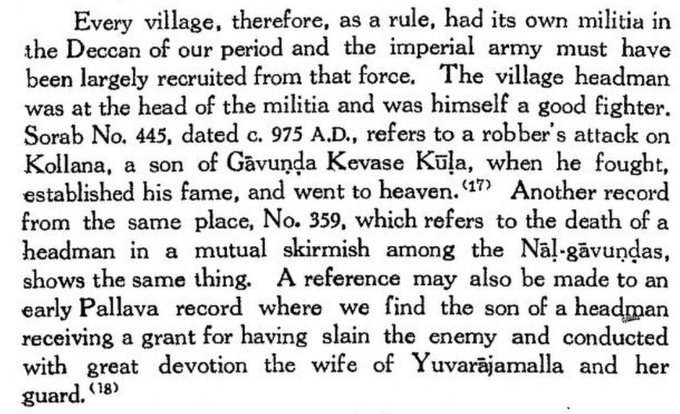
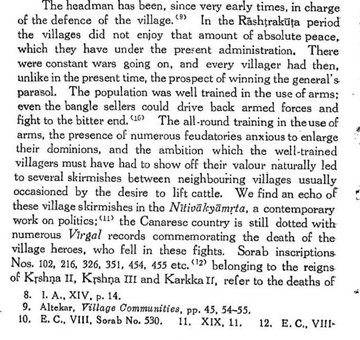
According to Nitvakyamrta, a contemporary work on politics mentions how every villages of Kanarese country were trained to fight & how everyone was expected to attain glory.
Each hero was glorified in hero-stones.
In-fact highest density of hero-stones are found in Karnataka.
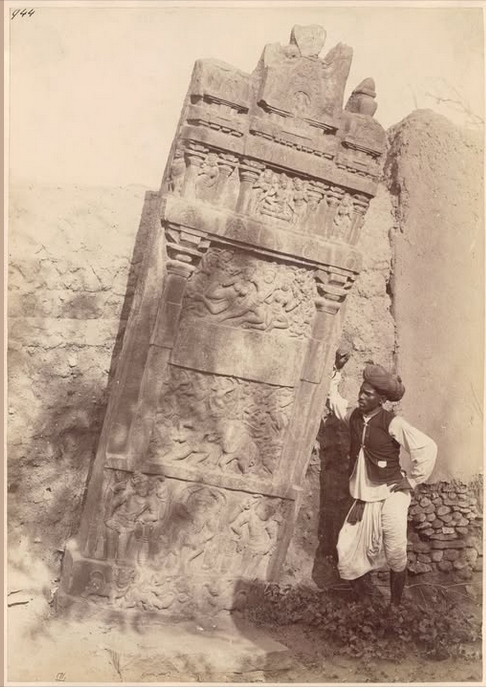
Gadag District was most famed for producing glorious warriors, In-fact the largest herostone to be ever discovered was found in Gadag.
In that stone we can see Martyred being carried to gods.
This drive was one of the reason why we saw our peak expansionism during that era.
@threadreaderapp unroll
• • •
Missing some Tweet in this thread? You can try to
force a refresh

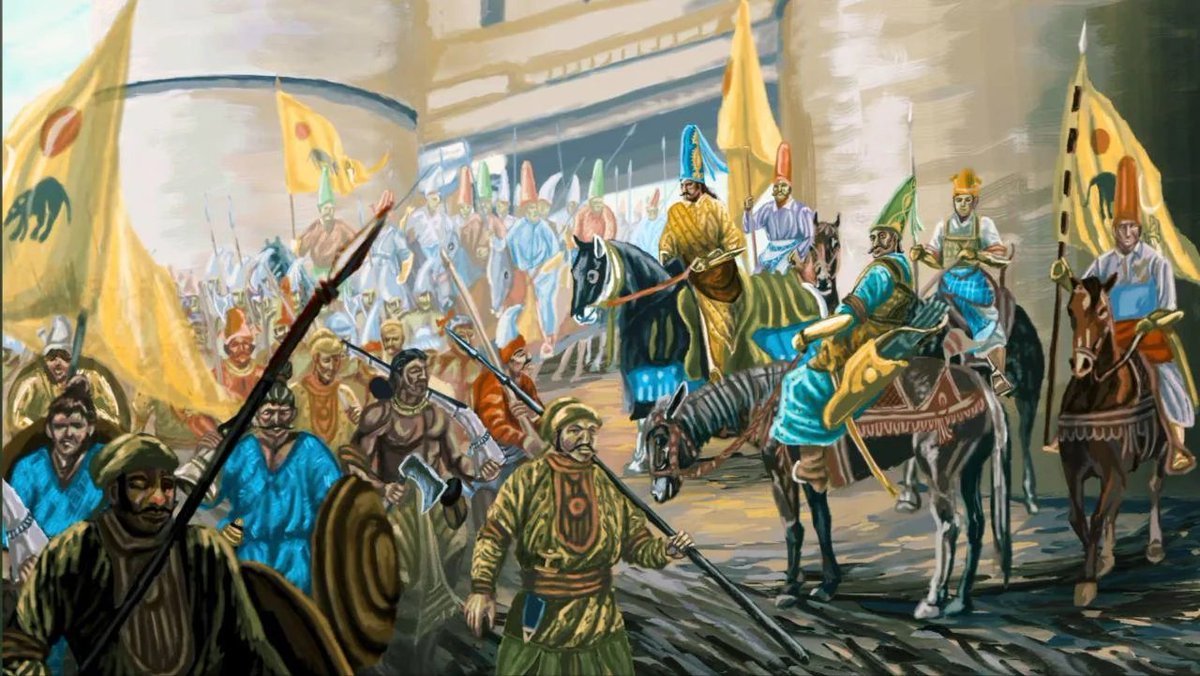
Like in the north, we find Persian culture was heavily absorbed in Dakshinapath especially in the glorious city of its time Vijayanagara, which then happened to be the capital of कर्णाटराज्यम्.
(1/n)
Rulers of Vijayanagara started styling themselves as "Hindu-raya-surtarana" which translates to "Sultan among Indian kings." which was later used by other minor hindu chieftain by next century.
Rayas called themselves Sultan often more than epithets such as "rajadhiraja" b4 1355
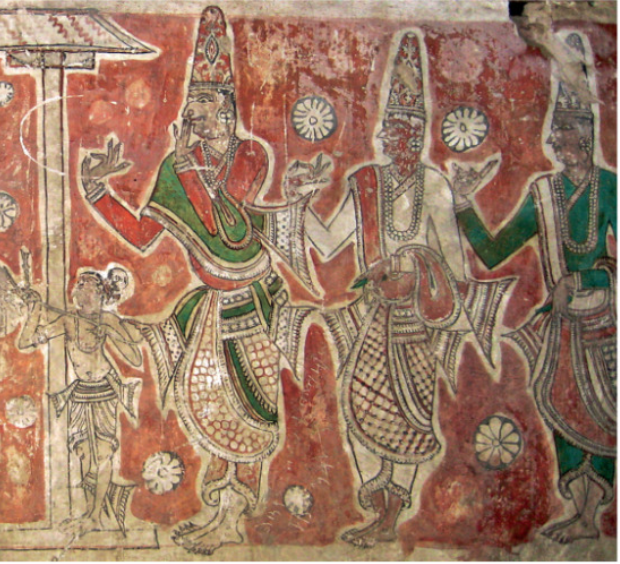
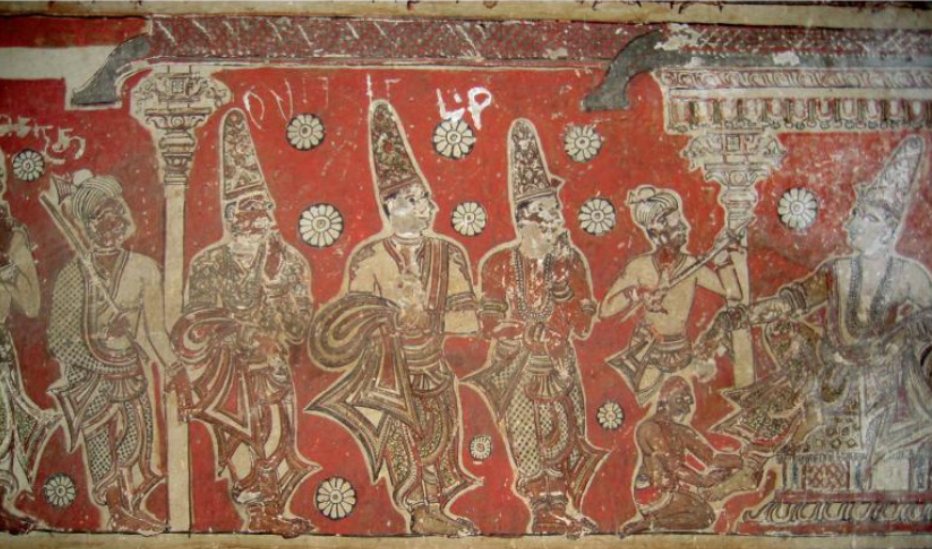
Kulavi Headgear which is tall & elongated is derived from persian word "Kulaha" & nobles wore attire made up of silk which was known by the varition of persian name "qaba".
Early/Badami Chalukyas(543–753 CE) rose as a major Deccan/Karnata power, In 753 CE Dantidurga a feudatory, overthrew them & founded the Rashtrakuta Empire, after the decline of Rashtrakutas, Western/Kalyani Chalukya(973–1189 CE) rose.
(1/n)
Bijjala II, a Kalachuri feudatory of Chalukyas became powerful & made himself ruler of Kalyani/Basava-Kalyan.
Chalukya territories were taken over by:
1)Hoysalas (south Karnataka)
2)Seunas-Yadavas (north Karnataka)
3)Kakatiyas (Telangana)
(2/n)
In 1307–1310 CE – Maratha Malik Kafur annexed seuna-yadava territory(pic2)
1311 CE – Malik Kafur Sacked Halebid, Hoysala were reduced
1323 CE - Warangal was captured, Kakatiya territory was annexed
1343 CE – Last great Hoysalan ruler Veera Ballala III was flayed/skinned
(3/n)
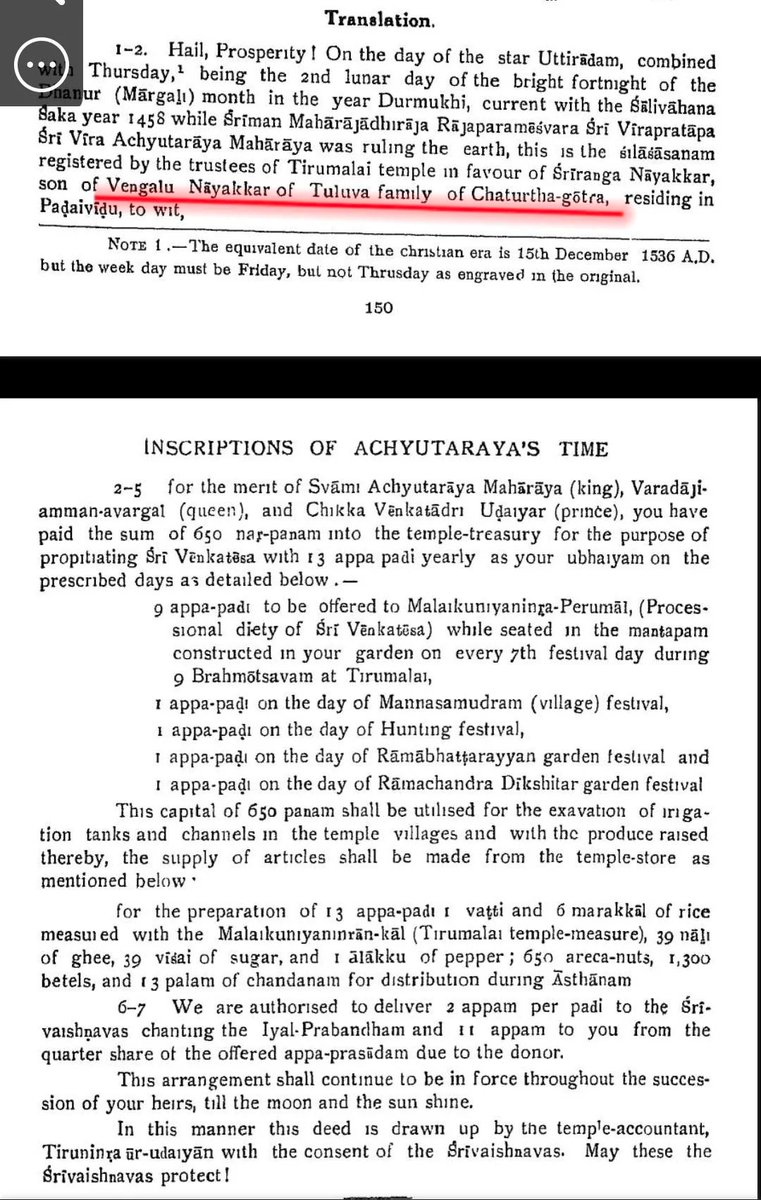
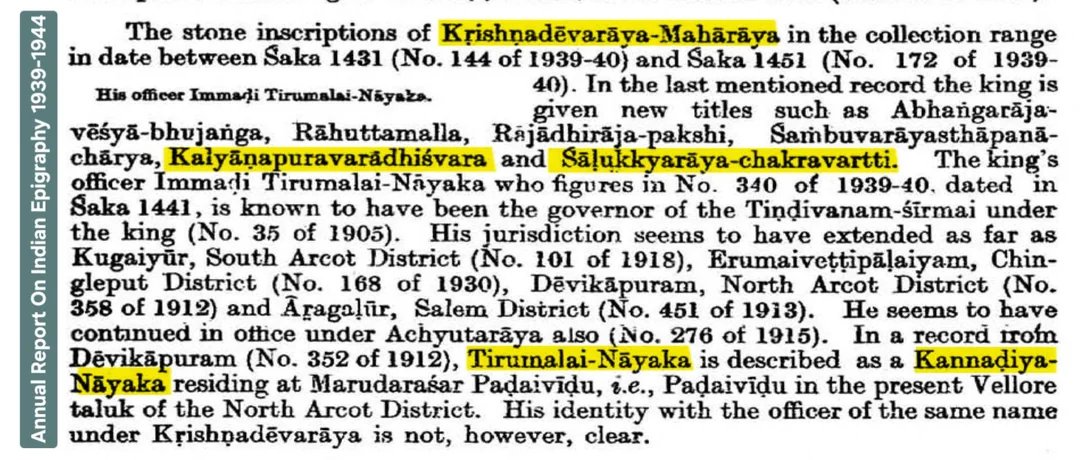
The chalukya descent Tuluva dynasty was a Shudra family - this is known from members of this family declaring themselves as belonging to Chaturtha gotra during the time of Achyutadevaraya (Krishnadevaraya's brother) in inscriptions at Tirupati.
(1/n)
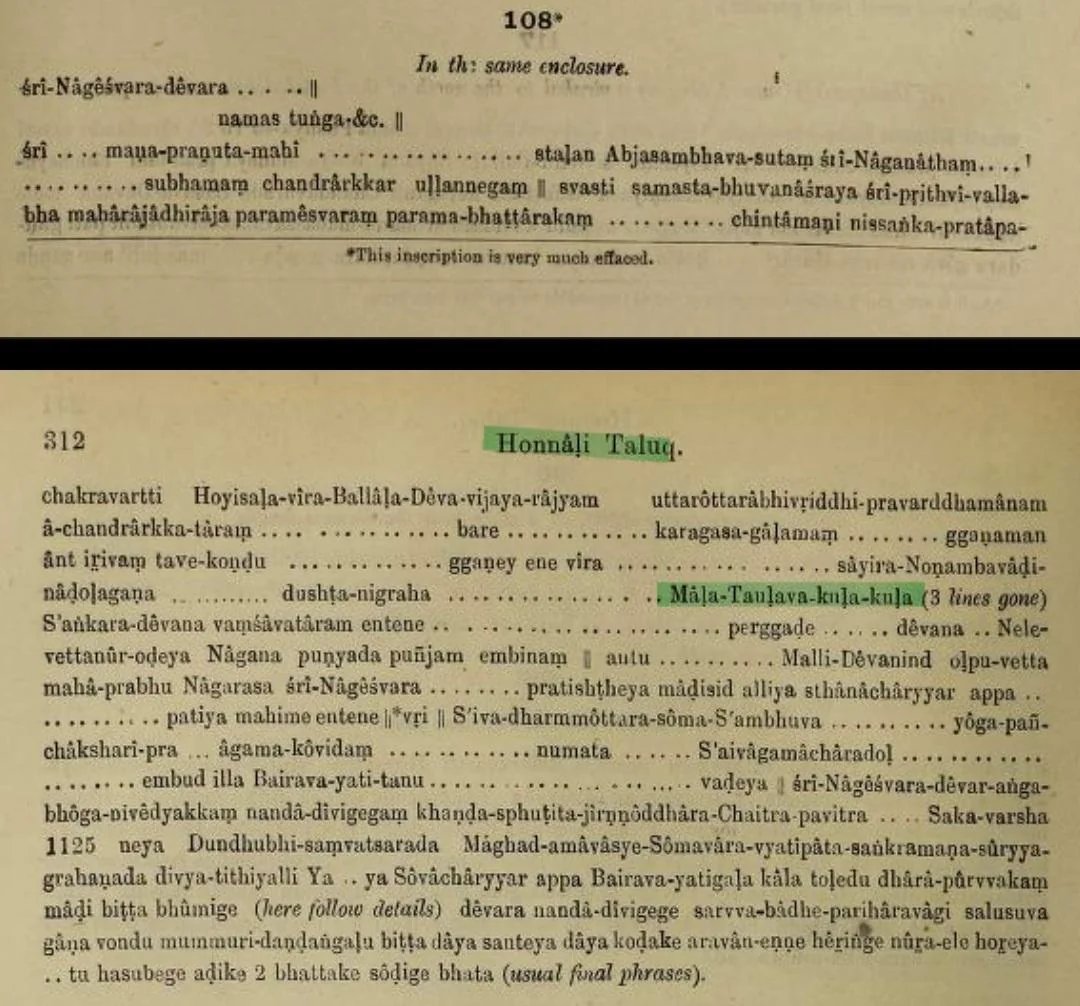
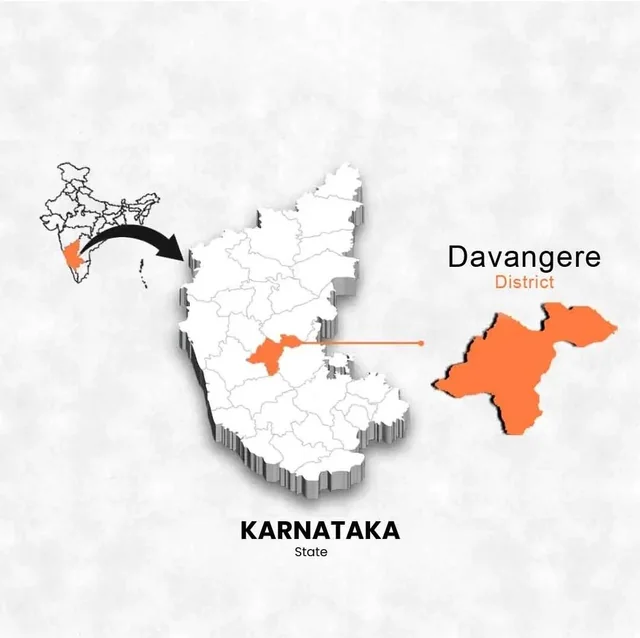
The earliest record of the Tuluva clan is from Honnali in Davanagere district of Karnataka dated to about 1203 AD.
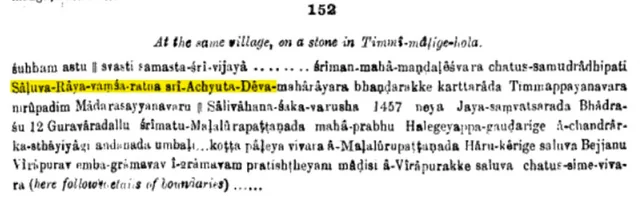
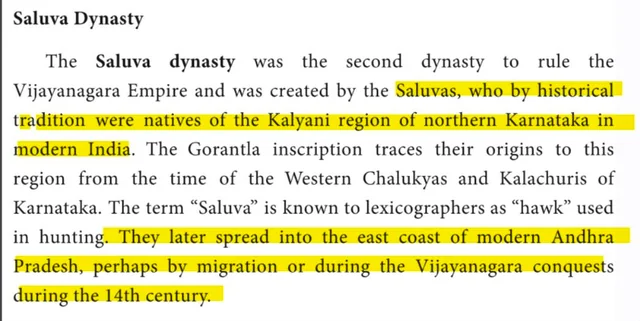
The Tuluva clan was a branch of the Saluva clan. Achyutadevaraya of the Tuluva family states he belonged to the "Saluva Raya Vamsha" (Saluva Raya Lineage) in inscriptions.
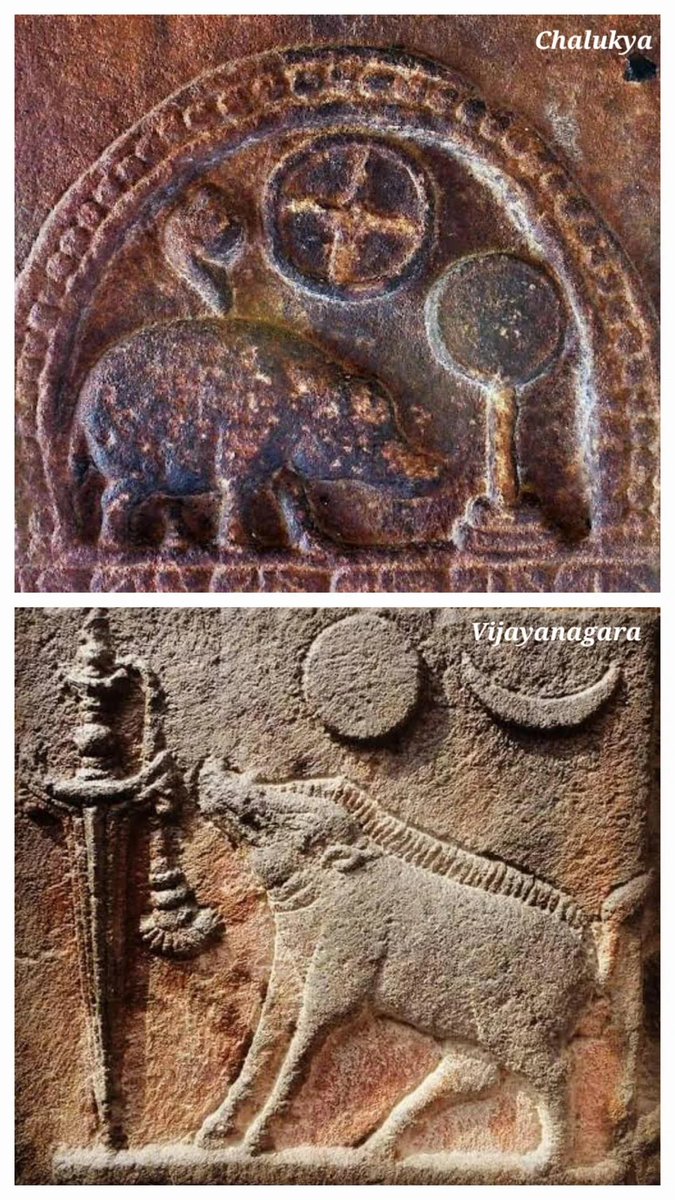
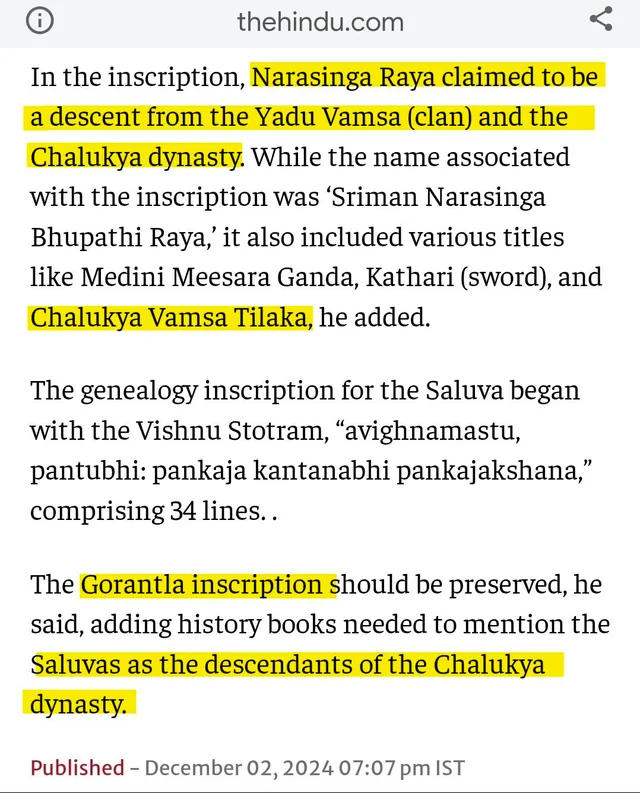
Saluvas were descendants of Kalyani Chalukyas. They claimed to belong to Chalukya vamsa in the Gorantla inscription. Interestingly even the Aravidu line of Vijayanagar was descended from the Chalukyas.!
Saluvas who ruled coastal karnatka are from kalyana Karnataka(north east Karnataka) they are not native of Mangaluru as shown by tulus.
inscription of 4th dynasty of Vijayanagara with the inscriptions of Chalukya ancestory and also mentioning chalukya title which are contemporary to Ramaraya
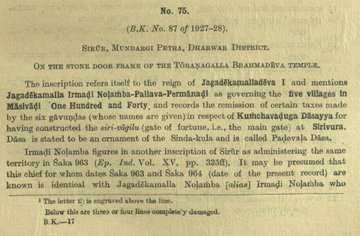
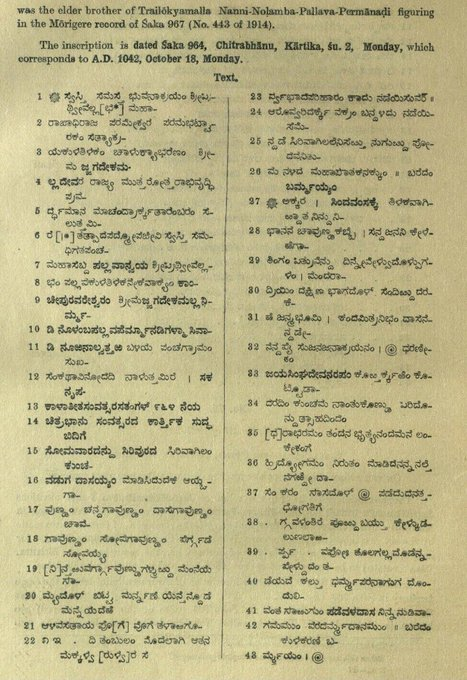
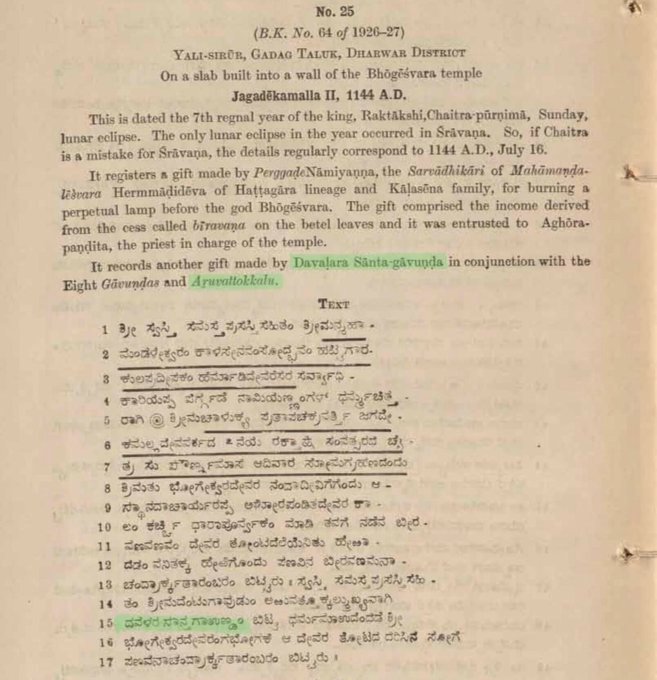
We know about Hemmadi Deva of seuna family a mahamandaleshwar of chalukya whose multiple inscription have been discovered(United dharwad-United Bijapur region), in the gadag inscription we can see mention of a specific Gavunda/Gouda along with 8 more.
(1/n)
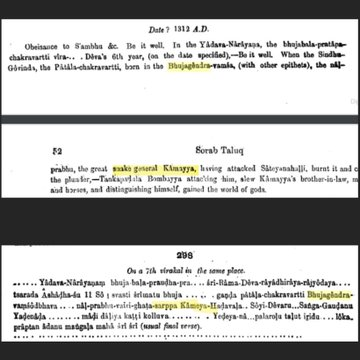
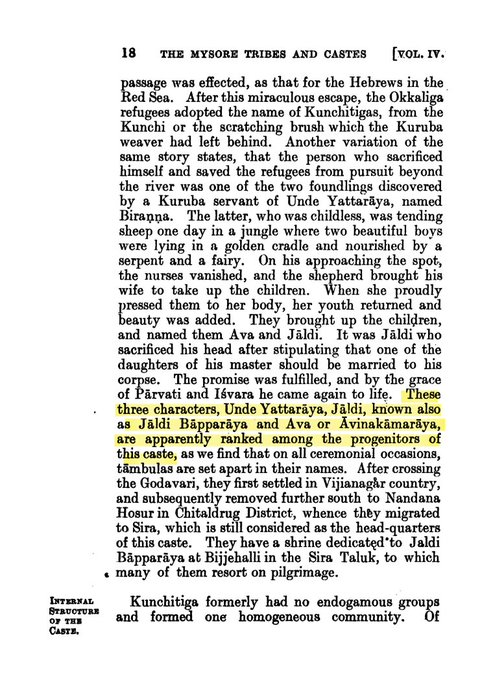
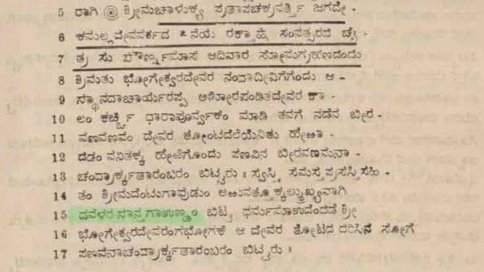
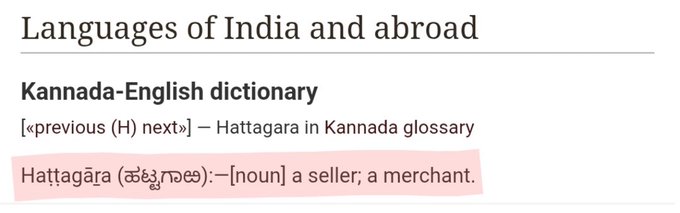
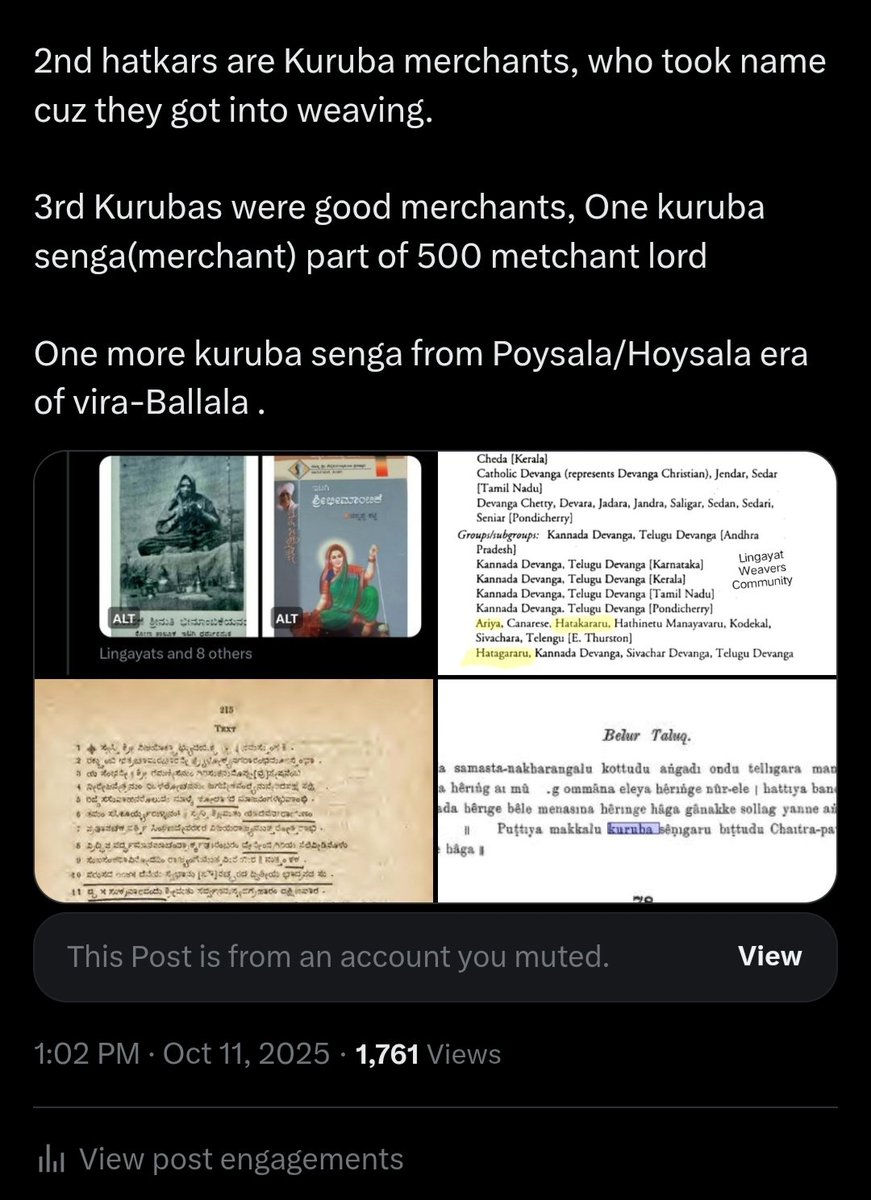
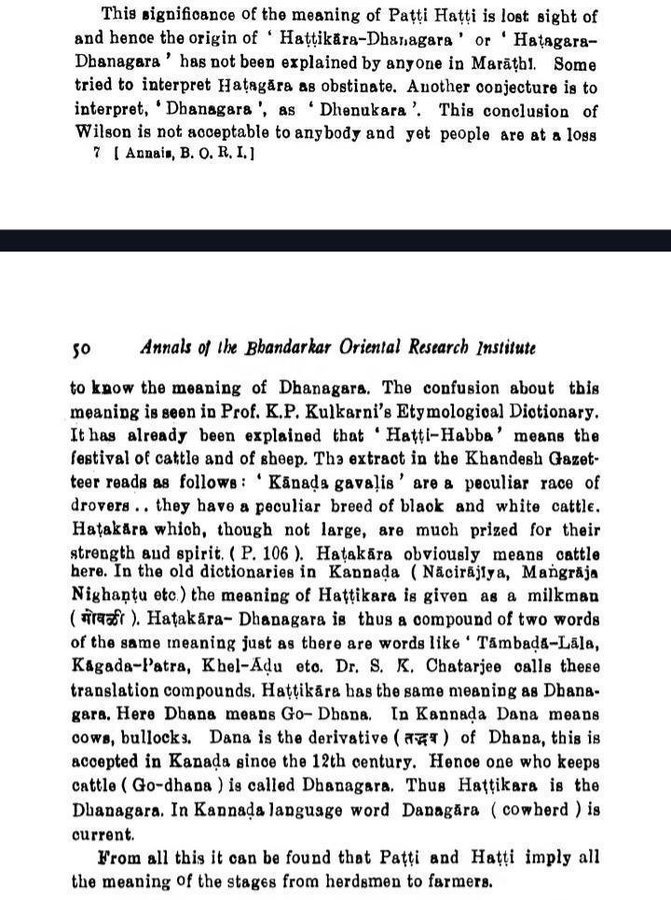
This inscription says Hemmadi Deva Yadava of seuna family belonged to Hattgara(look pic2&3) lineage and Kalsena family(Most probably indicating Ratta of saundatti kalsena).
The santa Gauvnda/Gouda is here mentioned as Davalara a clan which was used by Rastrakutas across India.
Recently online maratha accounts tried to misinterpret Hatgara as traders and calling Kalsena here in inscription being unrelated to Kalsena of Ratta family, but these snippet below is enough to debunk their Hattgara misinterpretion.
(2/n)
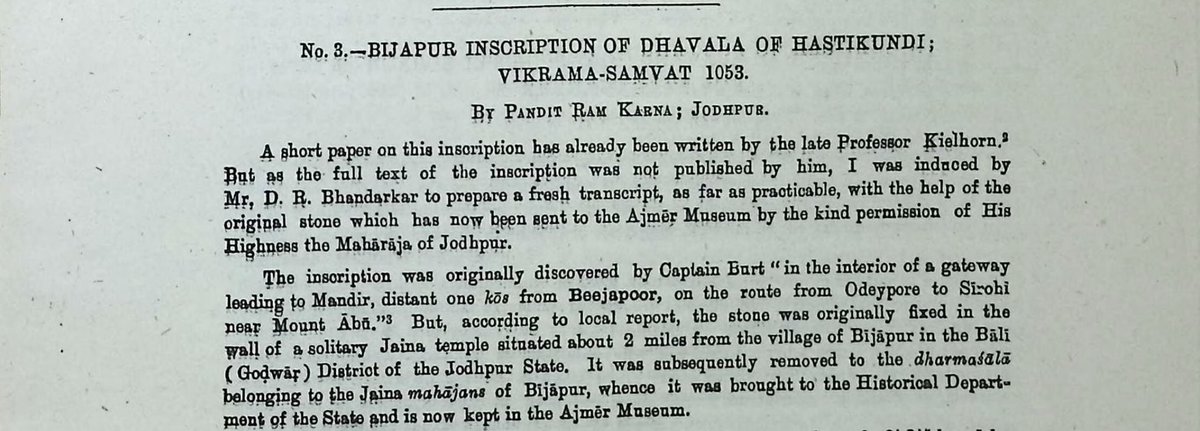
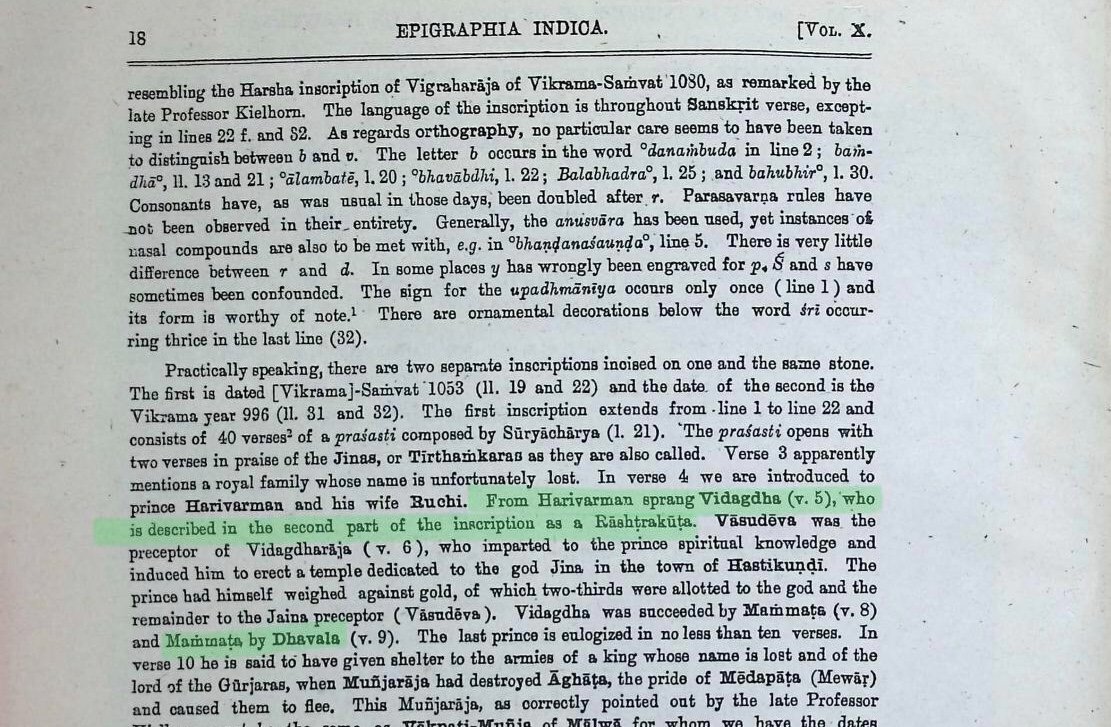
We can find mention of Davala in Far north, where The text praises a royal lineage. It begins with Harivarman and his wife Ruchi.
From Harivarman came Vidagdha (verse 5), who is described in the second inscription as a "Rashtrakuta" ruler. After Vidagdha, the kingship passed to Manmata (verse 8), and later to Dhavala (verse 9).
Dhavala is praised extensively in the inscription.
(3/n)