Everyone is debating escalation after the Iran strikes. Missiles, retaliation, regime survival. But almost no one is asking the question serious strategists ask first.
Why did this happen NOW?
The answer lies in a full systems transition in US foreign policy.
Why did this happen NOW?
The answer lies in a full systems transition in US foreign policy.
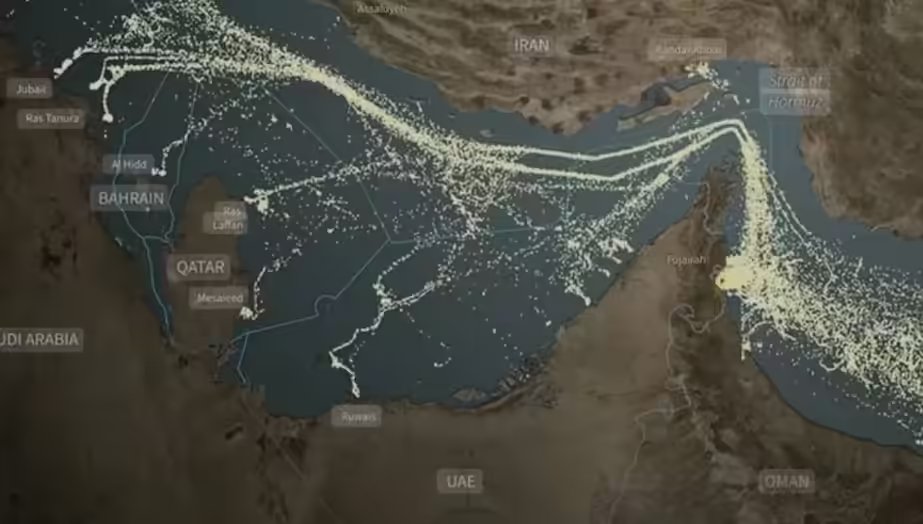
The strike makes less sense as Middle East crisis management and more sense inside a shift underway in US national security thinking. Washington increasingly treats economic systems themselves as security assets that must be defended.
Energy flows, semiconductor inputs, shipping corridors, data infrastructure. These are no longer commercial questions. They determine industrial capacity, inflation stability, and technological leadership. Security policy has quietly merged with economic policy.
Over the past few years the US and its partners have begun aligning around what many now describe as a Pax Silica framework. Not an alliance in the traditional sense, but coordination across technology supply chains, minerals, and advanced industry.
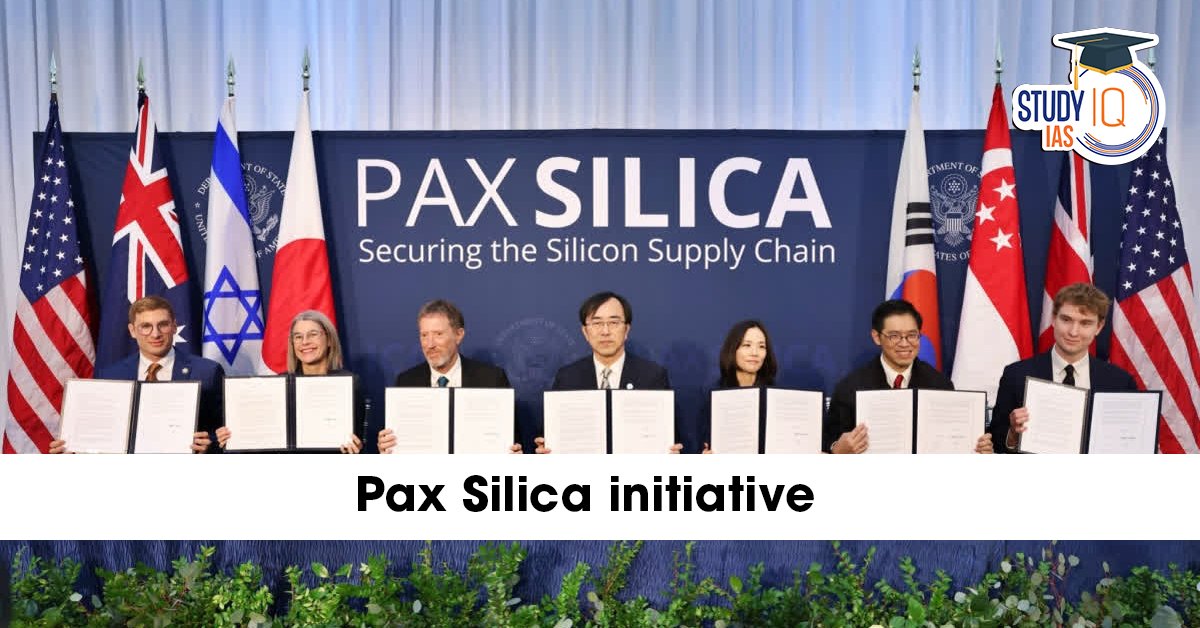
Look closely at who sits inside that emerging system. Japan. South Korea. India. Singapore. Gulf economies. Europe. It isn't just China, but also America's highly industrialized partners whose growth depends on uninterrupted energy imports and stable trade routes.
That changes how Hormuz is understood. The issue is not simply oil prices. Disruption there threatens semiconductor fabs, AI compute expansion, manufacturing output, and supply chain reliability across economies now central to US strategy.
At the same time another layer has been forming. The India Middle East Europe Economic Corridor. IMEC attempts to reorganize trade linking Indian production, Gulf energy, and European markets through aligned infrastructure.
https://x.com/tanvi_ratna/status/1935381551866593339?s=20
IMEC is not just logistics efficiency. It represents a geographic redesign of Eurasian commerce. Physical connectivity backed by political alignment. A system meant to reduce chokepoints under the Belt and Road. I wrote about it earlier wrt Iran
https://x.com/tanvi_ratna/status/1935381559240208845?s=20
Seen together, IMEC forms the physical backbone while Pax Silica builds the industrial and technological stack above it. Trade, minerals, compute, and energy increasingly moving within one coordinated ecosystem.
Iran sat directly across multiple pressure points within this transition. Maritime energy routes. Regional logistics corridors. Proxy networks capable of introducing instability at precisely the locations new systems depend on most.
This is where timing matters. Entering 2026 Iran faced growing economic strain. Currency depreciation accelerated. Fiscal space narrowed. Sanctions enforcement tightened revenue channels that once sustained external leverage.
Regionally, Iran’s partner networks remained active but increasingly stretched. Sustained military pressure reduced coordination efficiency across theaters. Deterrence still existed, but systemic disruption capacity appeared weaker than before.
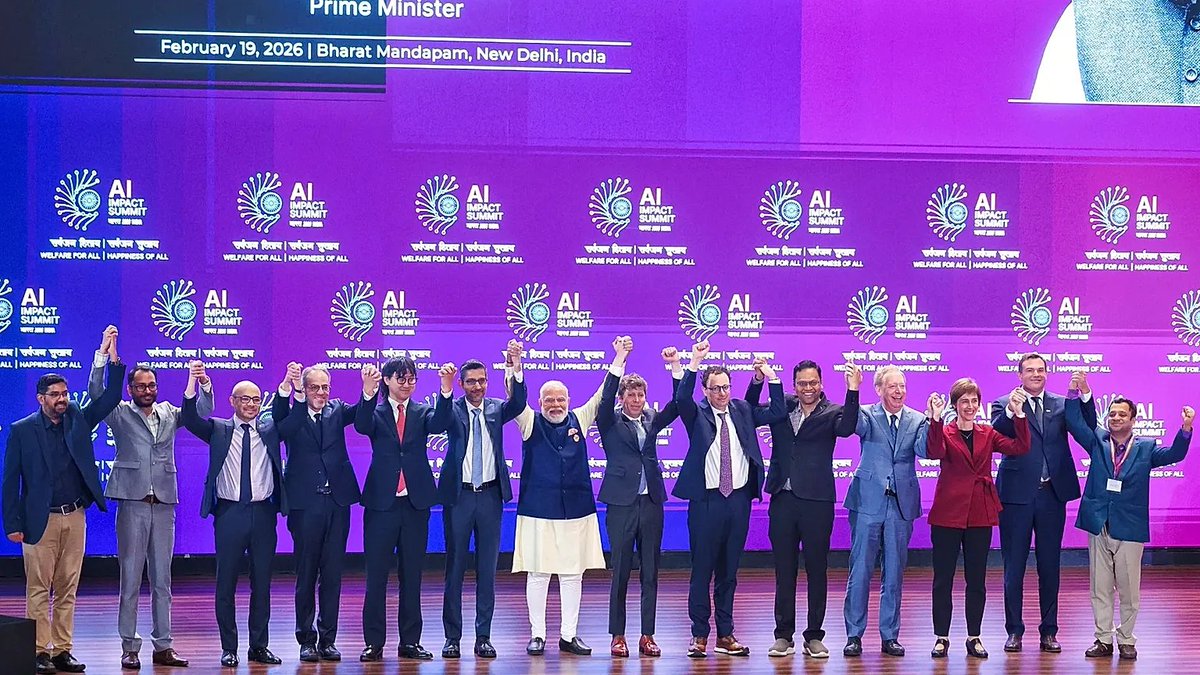
Meanwhile allied initiatives were moving from planning into execution. Mineral partnerships expanded. Corridor negotiations advanced. Major subsea cable and AI infrastructure investments began deployment across Asia and the Gulf.
https://x.com/tanvi_ratna/status/2024534119393136919?s=20
Strategic action often occurs during these transition windows. Not when conflict begins, but when emerging systems become valuable enough to protect and disruption risks temporarily decline. Timing becomes a structural constraint driving military action.
https://x.com/tanvi_ratna/status/2024865938219442594?s=20
An overlooked constraint sits at the center of this moment. Many Pax Silica partners are energy dependent Asian economies. Prolonged instability in Hormuz does not just raise prices. It threatens the industrial networks now anchoring US aligned technology growth.
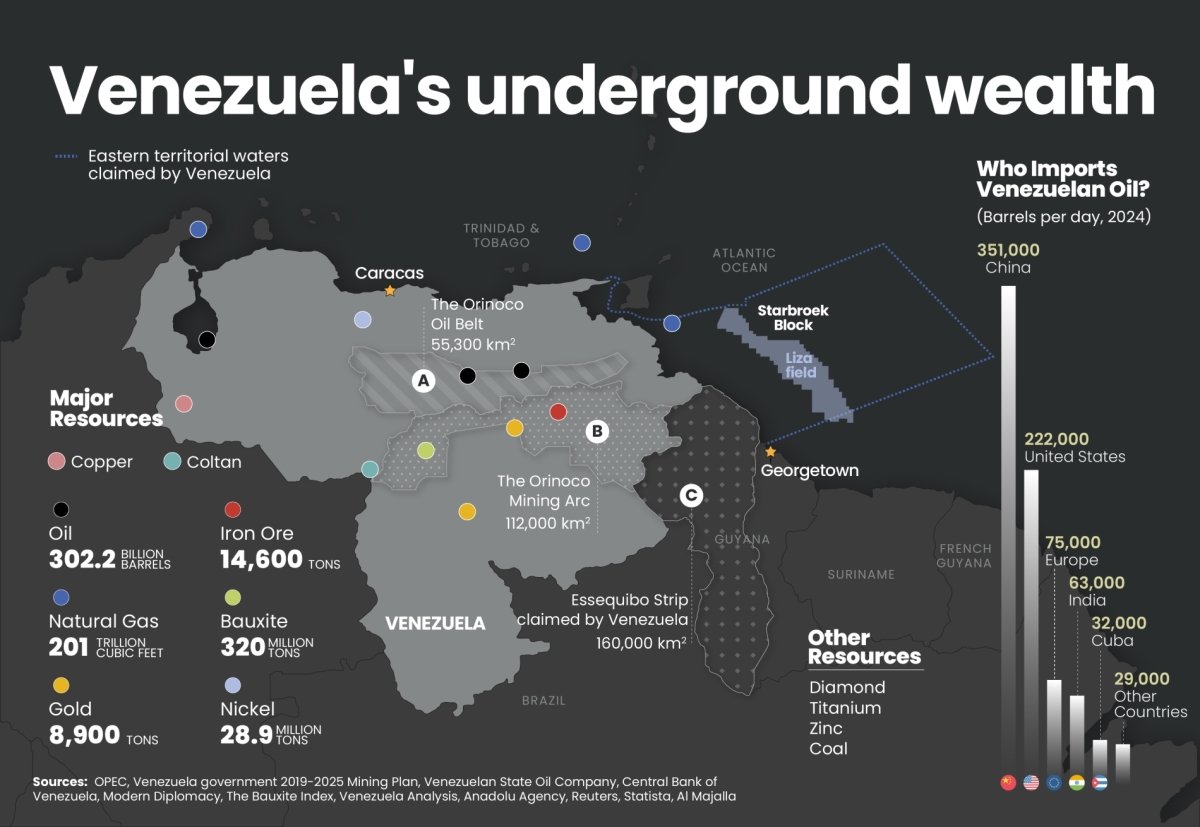
Seen through this lens, the Iran strike looks less like escalation and more like system stabilization during transition. It may also open space for Washington’s second move: activating alternative energy supply chains, including Western Hemisphere production. More on that later.
• • •
Missing some Tweet in this thread? You can try to
force a refresh