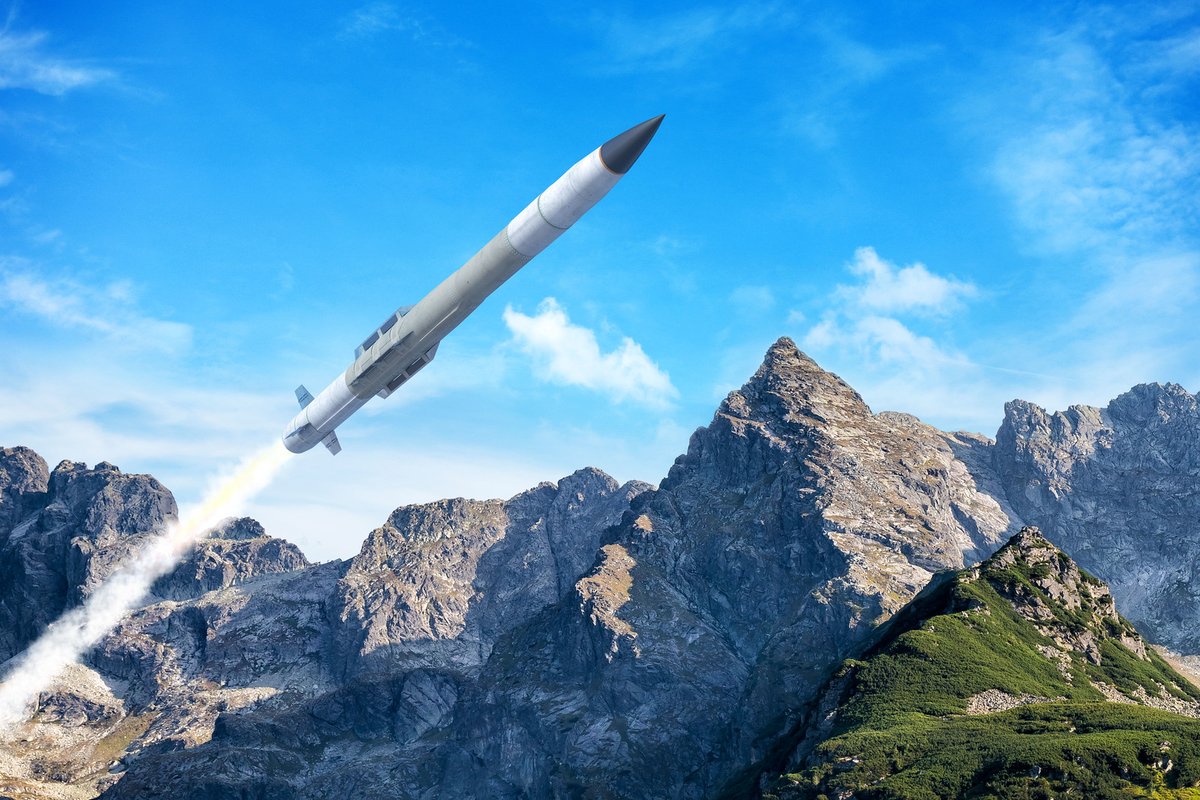
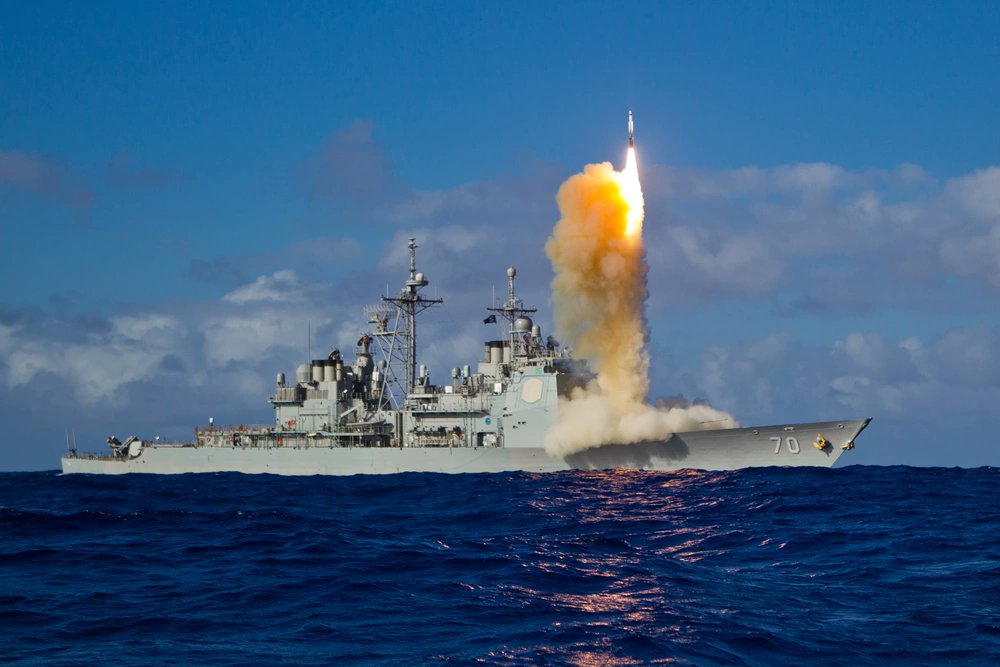
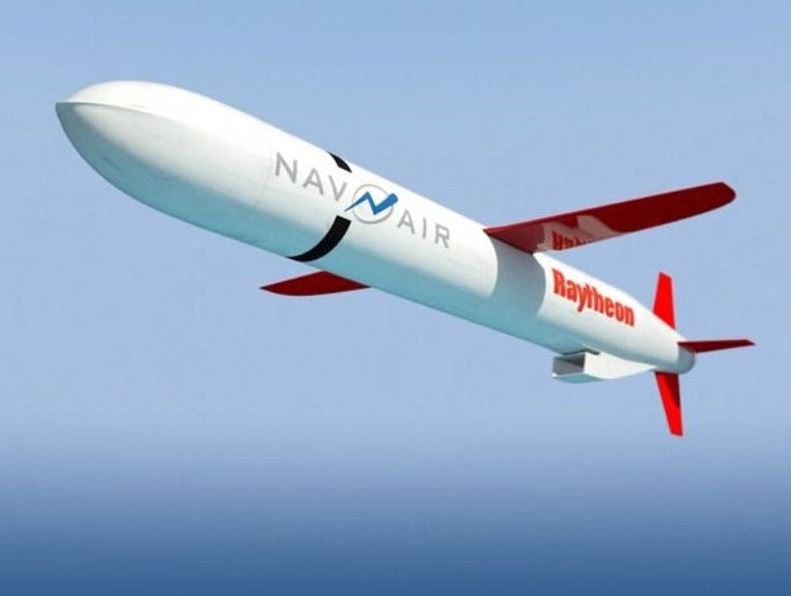
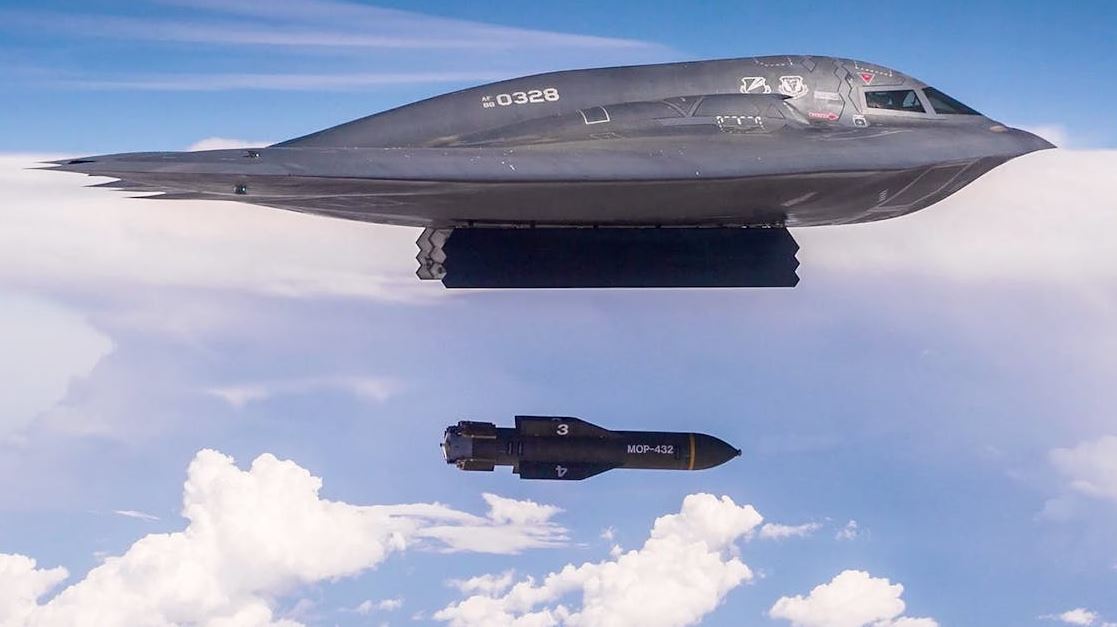
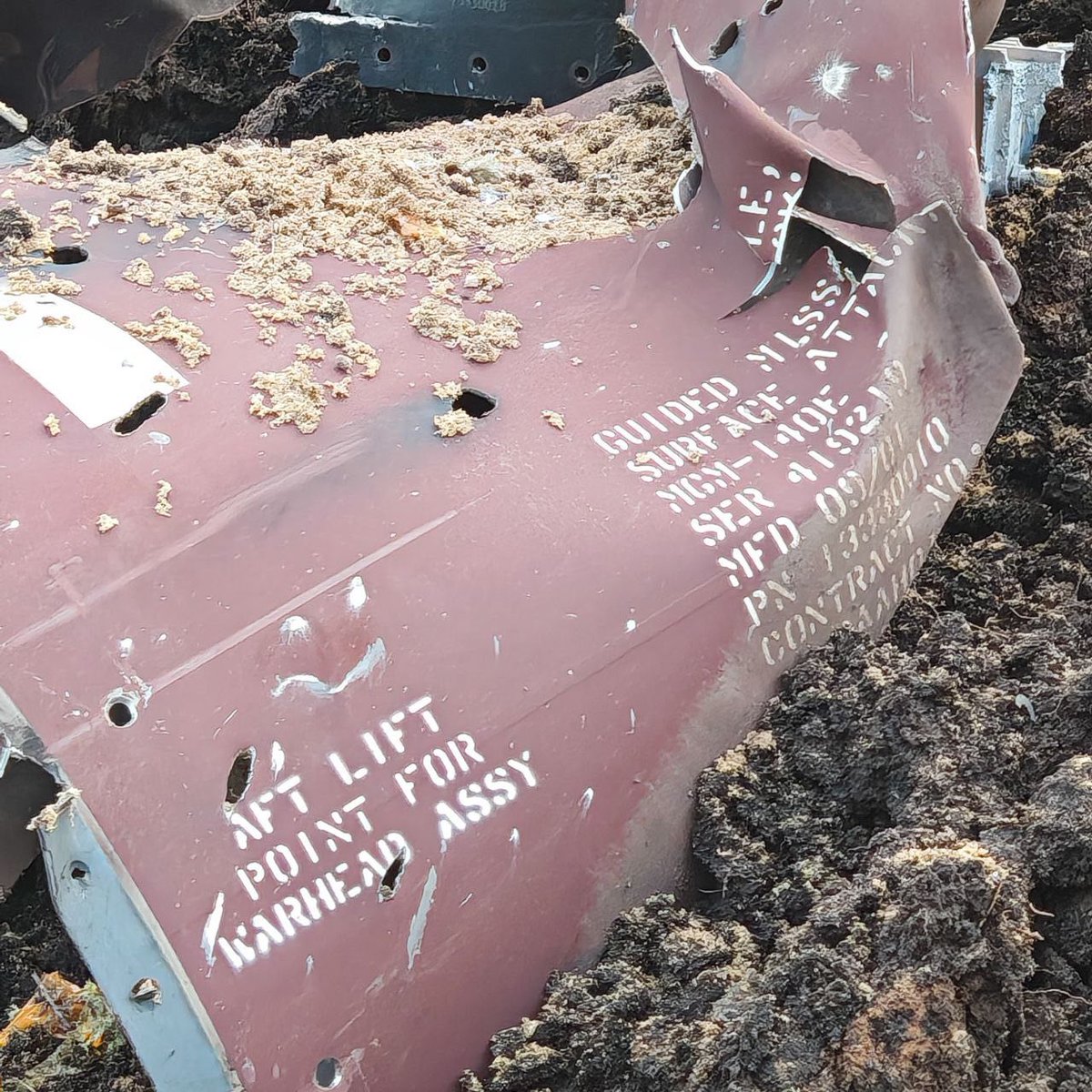
What is the actual purpose of theater missile defense (TMD)?
I keep seeing people who work in defense policy get this question completely wrong.
It isn't "cost effective" interception of 100% of enemy threats.
So what is it?
An explanatory thread. 🧵⬇️
1/17
I keep seeing people who work in defense policy get this question completely wrong.
It isn't "cost effective" interception of 100% of enemy threats.
So what is it?
An explanatory thread. 🧵⬇️
1/17
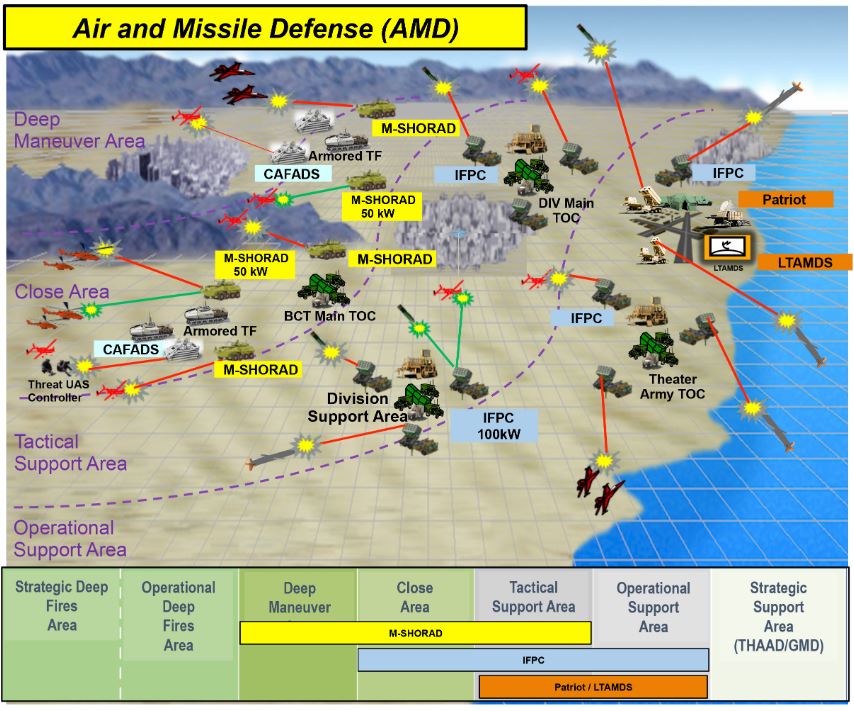
A fundamental challenge in TMD is that interceptors are generally more expensive than their targets. This is compounded by the fact that most air defense doctrine calls for 2 interceptors to be expended per target to help ensure a probable kill.
2/17
2/17
At face value, this isn't cost effective, but we need to consider the cost of *not* intercepting the incoming threat, rather than just the cost of the engagement. Those who detract from or don't understand TMD seldom seem to consider this question of opportunity cost.
3/17
3/17
Human life is priceless and irreplaceable. With scarce TMD resources, the value of defended assets will certainly outweigh the cost of protecting them. Using multi-million dollar missiles to protect 100s of millions worth of aircraft on a tarmac is obviously cost effective.
4/17
4/17
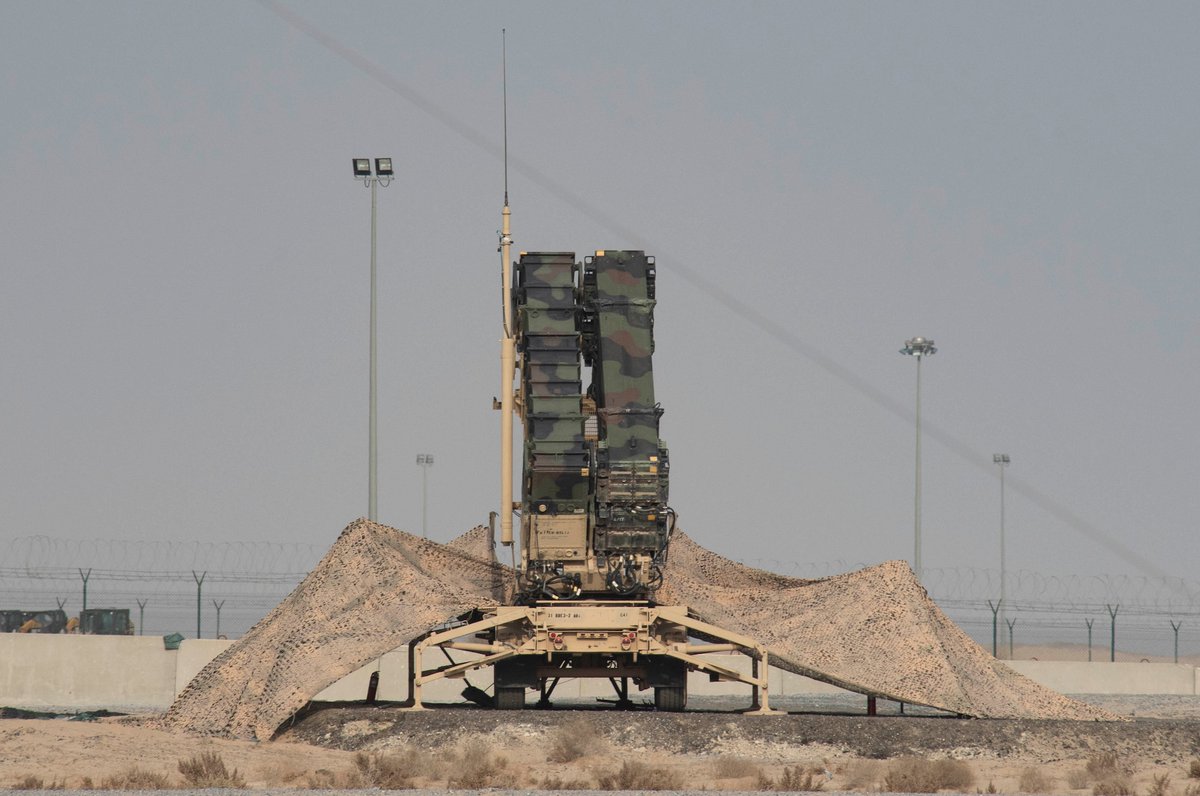
The cost effectiveness of individual TMD engagements is of secondary importance to the questions of whether TMD is cost effective in aggregate, and whether it is effectively employed in accordance with doctrine to further overall military objectives.
5/17
5/17
In US doctrine, the purpose of theatre missile defense (TMD) is not to provide an impenetrable shield for friendly forces for an indefinite period. Rather, it is a tool to buy time for your own offensive assets to neutralize the enemy's theatre missile capabilities.
6/17
6/17
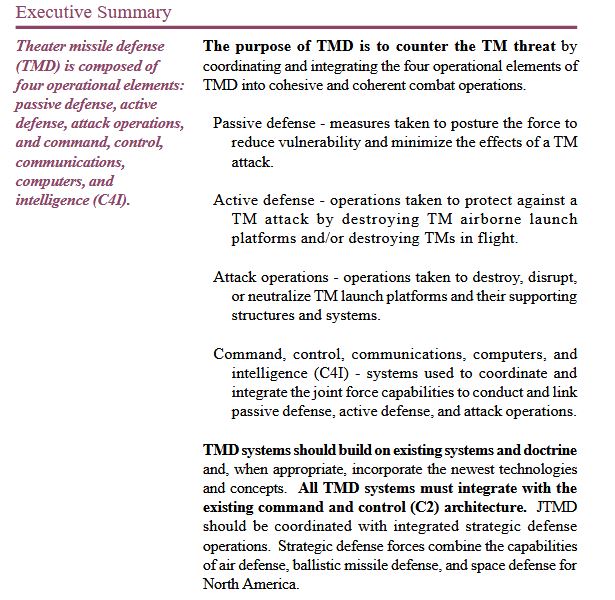
TMD exists symbiotically with offensive operations.
TMD protects friendly forces while they conduct offensive operations.
Offensive operations target the enemy's air & missile capabilities, thereby reducing the number of threats that allied TMD must intercept.
7/17
TMD protects friendly forces while they conduct offensive operations.
Offensive operations target the enemy's air & missile capabilities, thereby reducing the number of threats that allied TMD must intercept.
7/17
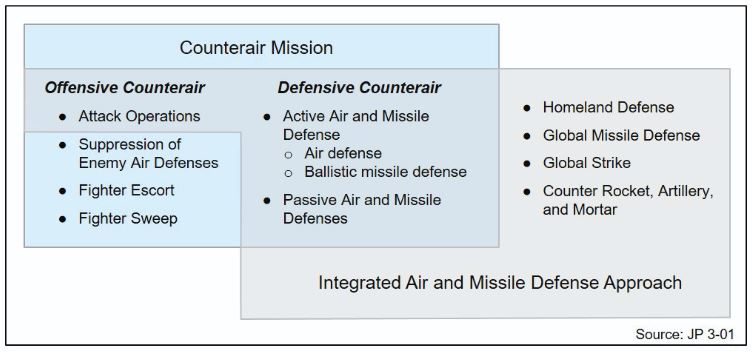
In the absence of offensive operations, TMD interceptors are inevitably exhausted and friendly forces become vulnerable to further attack.
In the absence of sufficient TMD, friendly forces are vulnerable to begin with, and do not have any freedom to operate.
8/17
In the absence of sufficient TMD, friendly forces are vulnerable to begin with, and do not have any freedom to operate.
8/17
There is no doctrinal assumption that TMD can provide guaranteed protection indefinitely. The objective is to *minimize* the extent & impact of successful attacks to ensure operational freedom. TMD is all about facilitating attack; defense is a means, not a goal itself.
9/17
9/17
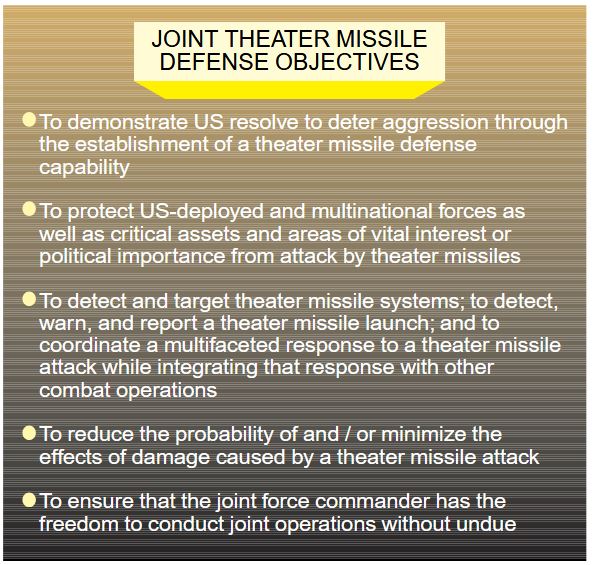
When commentators question the economics of TMD engagements, or whether interceptor magazines can cope with prolonged expenditures, they are missing the point. TMD was never intended to fulfill the purposes they have invented in their heads.
10/17
10/17
This is not to say that we should not work towards making air & missile defense more cost effective, we should. Different systems already exist for different threats for this reason. The notion of $4 million missiles routinely being fired at $50,000 UAS is a fallacy.
11/17
11/17
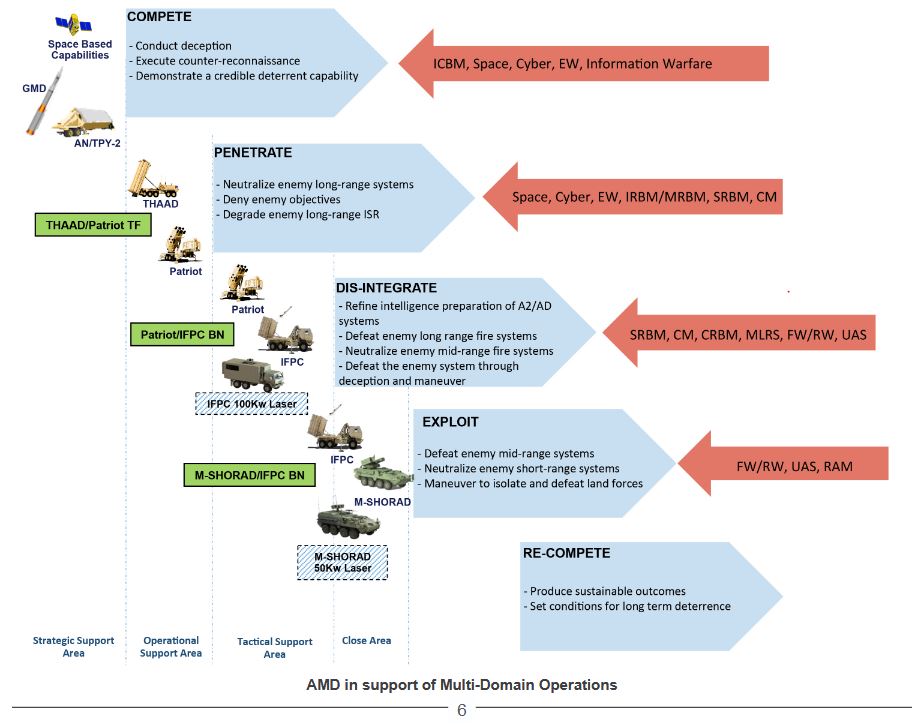
We need to not lose sight of why producing greater numbers of interceptors at loser cost is necessary. It isn't in service of a passive, defensive strategy. Russia's war on Ukraine is a perfect example of how supposed defense policy experts have gotten it all wrong.
12/17
12/17
NATO's strategy has been entirely reactive: delivering defensive tools like TMD to Ukraine in response to Russian attack, but doing little to enable Ukraine's own counter force or counter value attacks. There will never be enough air defense to protect all of Ukraine.
13/17
13/17
Contrast that with Operation Epic Fury, with the US & Israel flying non-stop sorties over Iran, systematically dismantling the regime's forces. This is what correct implementation of doctrine looks like. We need more air defense to enable attacks, not to absorb them.
14/17
14/17
Considering the US' main pacing threat, considerable numbers of interceptors will be required in order for TMD to fulfill its doctrinal role against the PLARF's theater missiles. Again, to facilitate offence, not active defense in perpetuity.
15/17
15/17
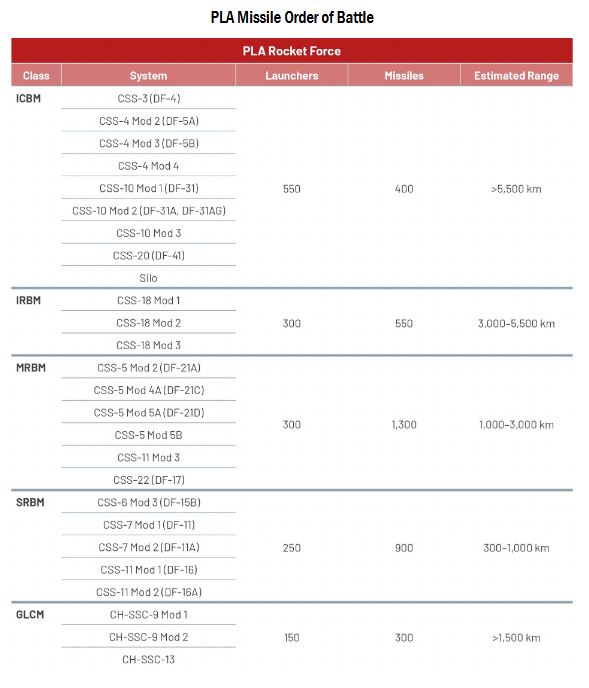
There's a reason the US Army's procurement executive for air defense also manages offensive fires. If missile defense professionals were calling the shots, the strategy in Ukraine would look more like the strategy being executed against the Iranian regime.
16/17
16/17
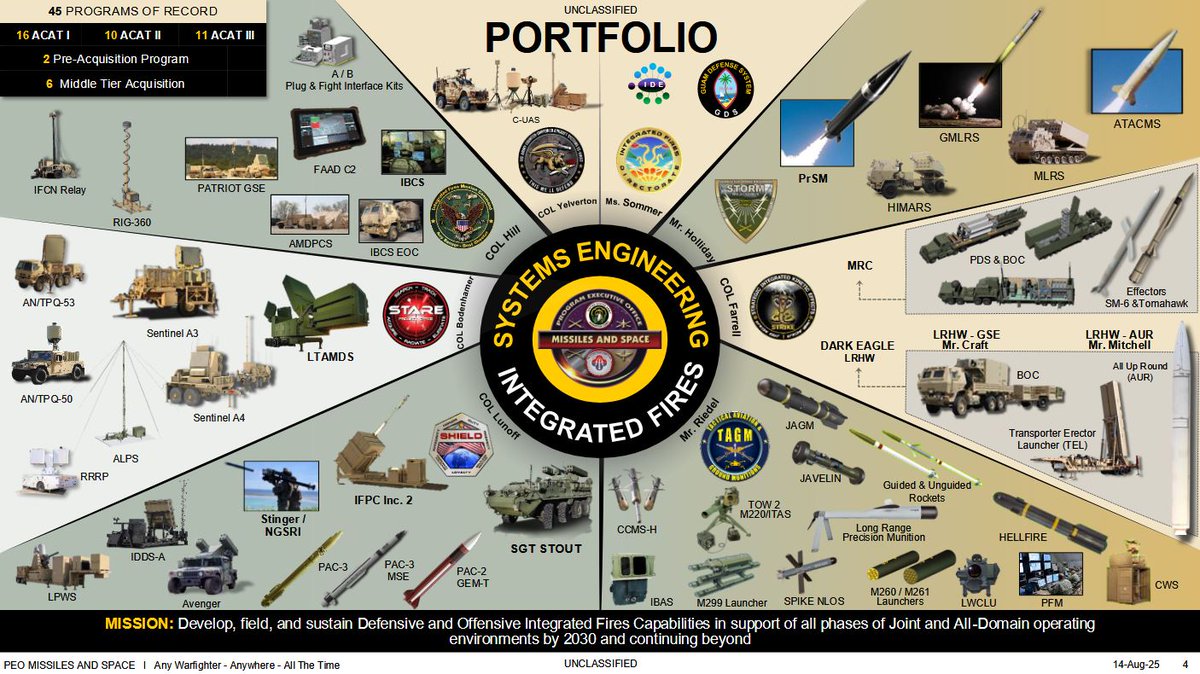
Western defense policy is still dominated by escalation managers though, and missile defense skeptics are just being replaced by missile defense misunderstanders. The doctrine works, it just has to be implemented in full. No more half measures.
17/17
17/17
• • •
Missing some Tweet in this thread? You can try to
force a refresh