
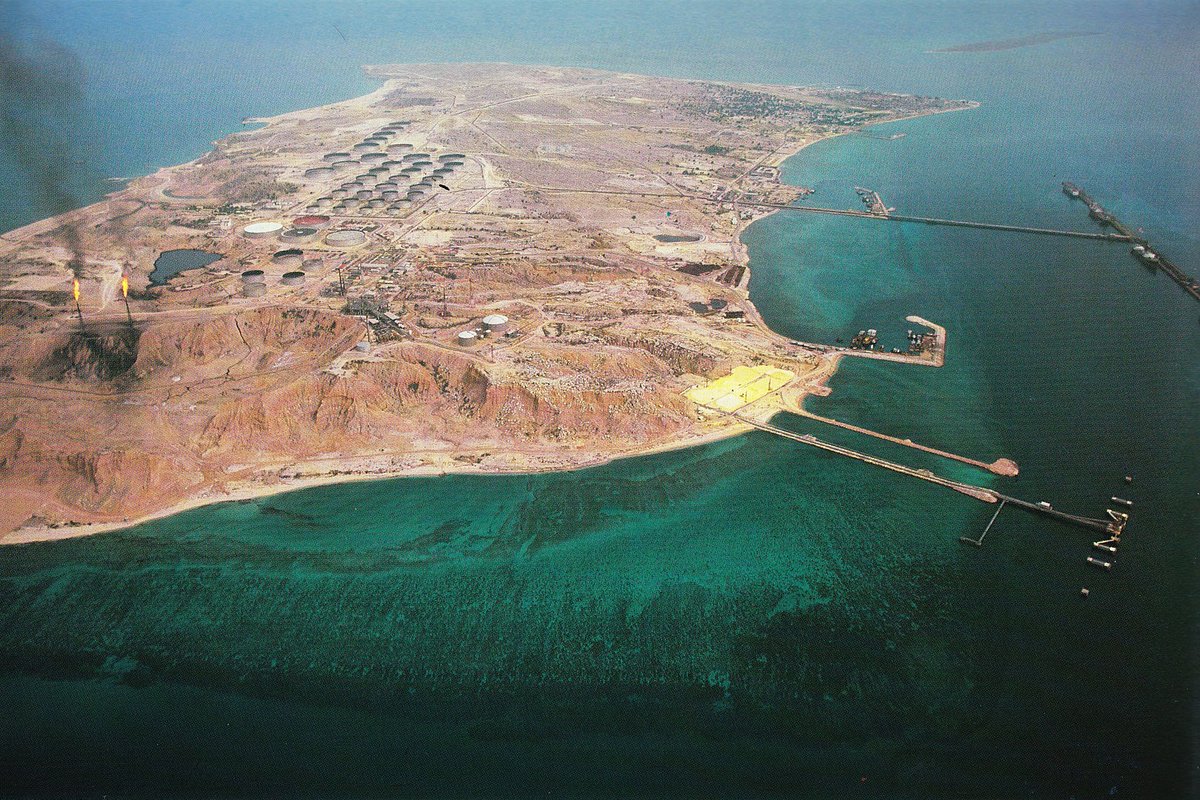
1/ Iran's Kharg Island is reportedly under consideration as a target for capture by the Trump Administration. However, declassified US government documents show that the same thing was considered in 1979 but was rejected because it was too difficult and risky. ⬇️ 
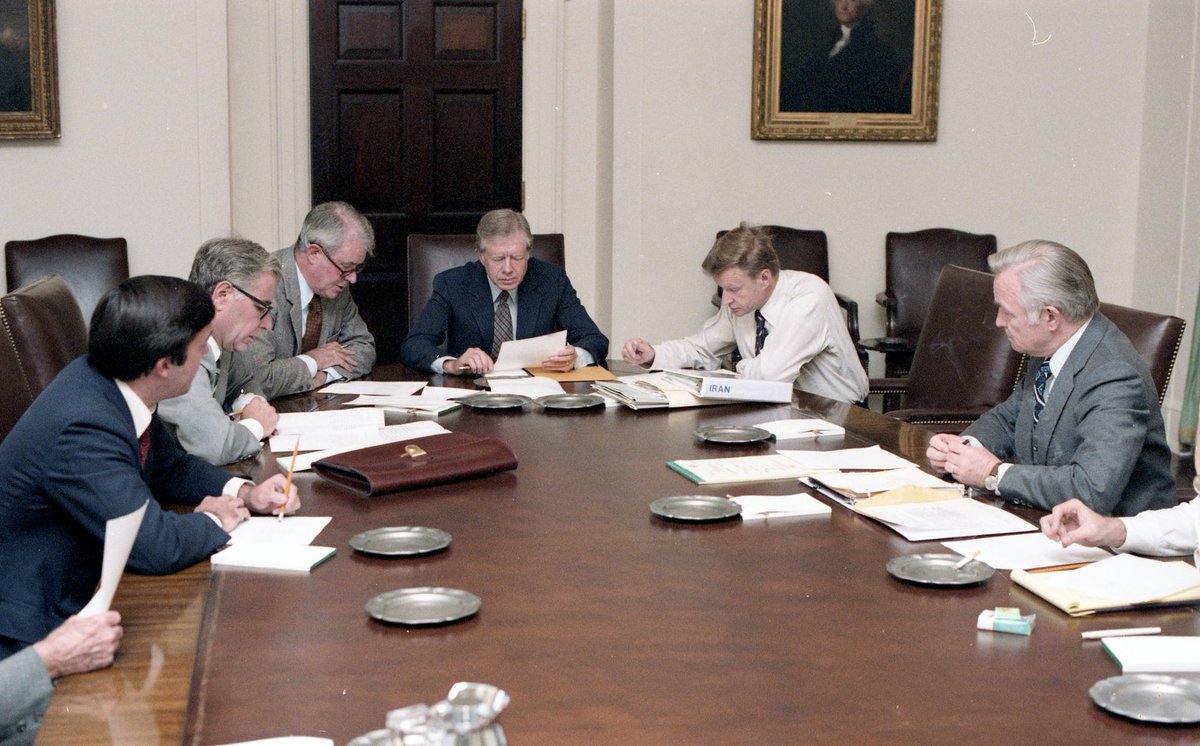
2/ President Jimmy Carter and his National Security Council met in the afternoon of November 6, 1979 to discuss the ongoing Iranian hostage crisis. The discussion involved options for putting pressure on the Khomenei regime, including targeting Kharg Island.
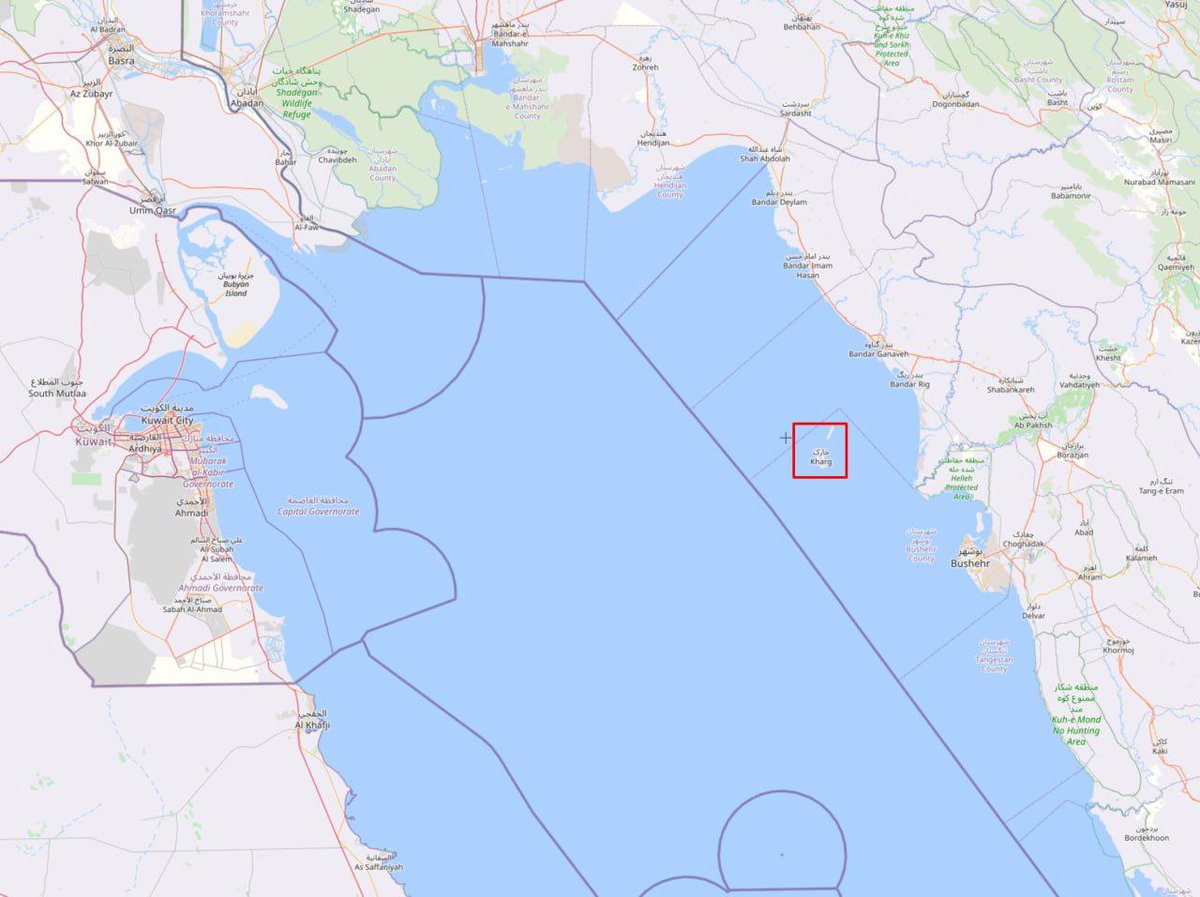
3/ Kharg Island lies 25 km (16 miles) off the coast of Iran at the northern end of the Persian Gulf. It was built up as a deep water oil terminal in the 1960s, providing an ideal oil loading point for supertankers. 90% of Iran's oil exports pass through the island.
4/ The Carter National Security Council discussed the possibility of the US seizing or blockading the island as a bargaining chip to use in demanding the release of the 52 US hostages being held by Iranian revolutionaries in the 1979-1980 Iranian hostage crisis.
5/ In the end, the Carter Administration decided against seizing Kharg. It had significant defences, it was so close to the mainland that it would be vulnerable to attack from the land, and blockading or destroying it would cause a global oil crisis.
6/ According to the official minute of the NSC meeting, "General [David C.] Jones noted that for a retaliatory attack Kharg Island was probably the most critical facility in Iran. Originally they thought it would require very little to seize the island."
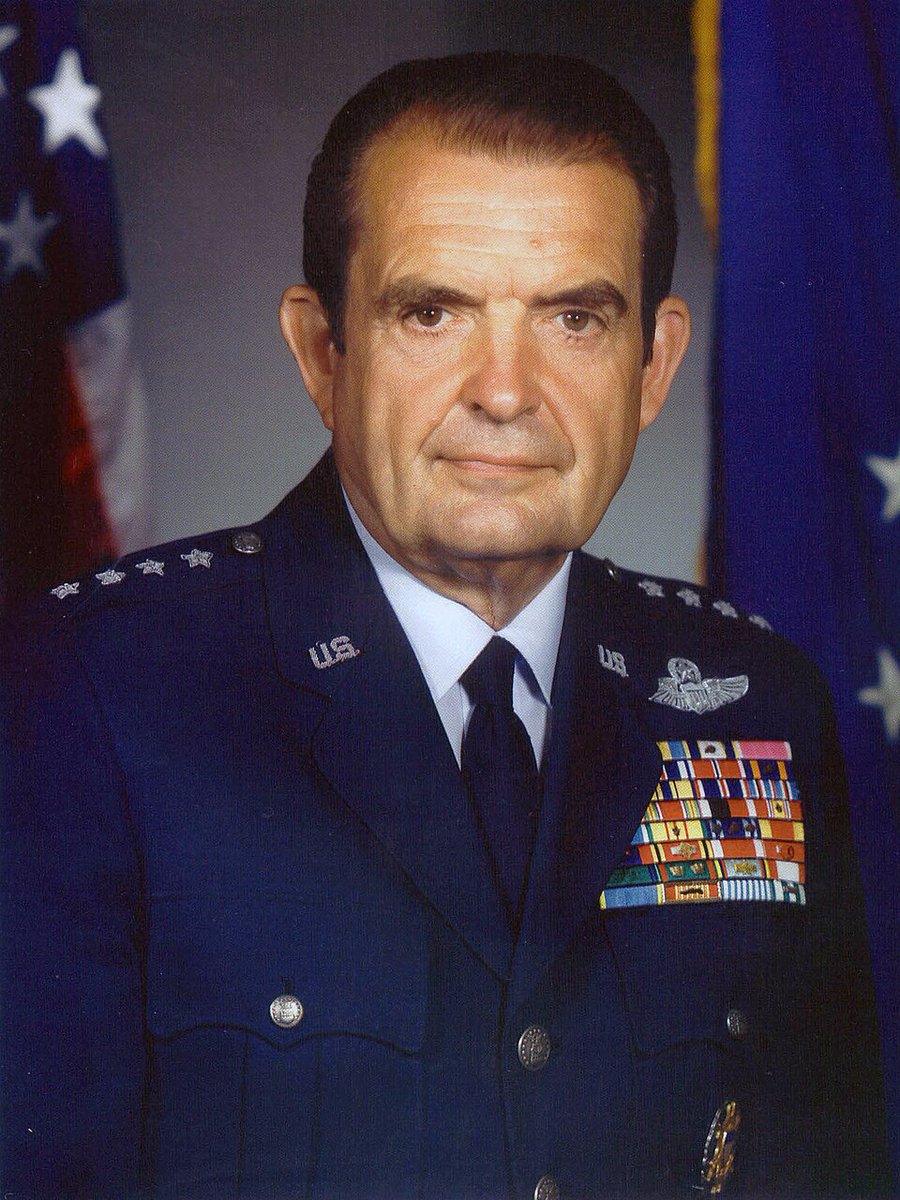
7/ "Later today however they had discovered that there were about 250 soldiers, another 250 air defense personnel, and several hundred (up to 500) military personnel involved in a hovercraft program there.
8/ "Our tactics could be to either seize the island or to impose a blockade. We cannot effectively block the entire Persian Gulf since it is impossible to discriminate between ships and their destinations.
9/ "Moreover, Kharg Island is not so easy to blockade; it is very close to the coast and there are many aircraft."
(It should be noted that at this time Iran didn't have the missiles, drones and MLRS that it possesses today.)
(It should be noted that at this time Iran didn't have the missiles, drones and MLRS that it possesses today.)
10/ Secretary of Defense Harold Brown "noted that Kharg Island provided a bargaining lever. We could show the Iranians that if they take our oil we can block theirs. This is a very dangerous process, however. He wondered whether it would not shut off other oil in the Gulf...
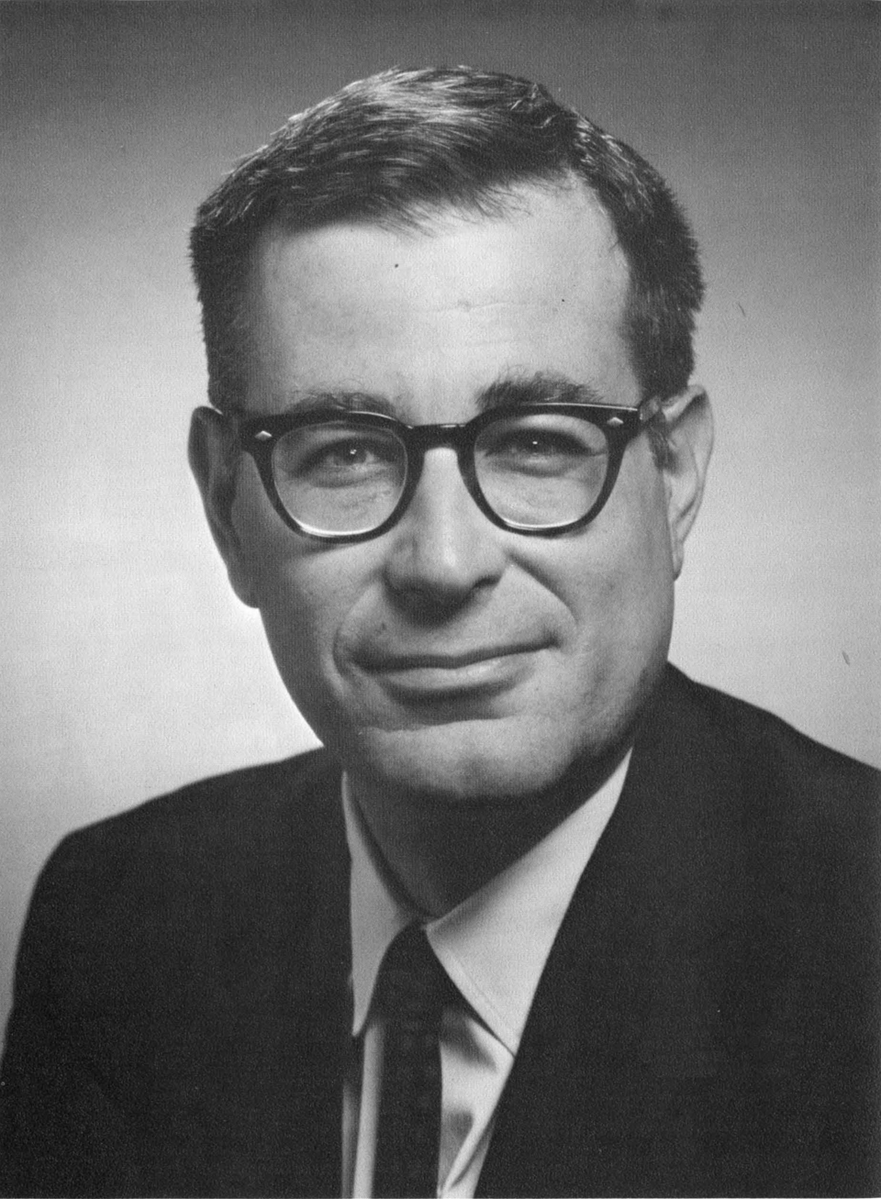
11/ Zbigniew Brzezinski, the National Security Advisor, "said the reaction would depend on circumstances. If we did something like this right now, it would be extremely bad and the reaction around the world would be extremely critical."
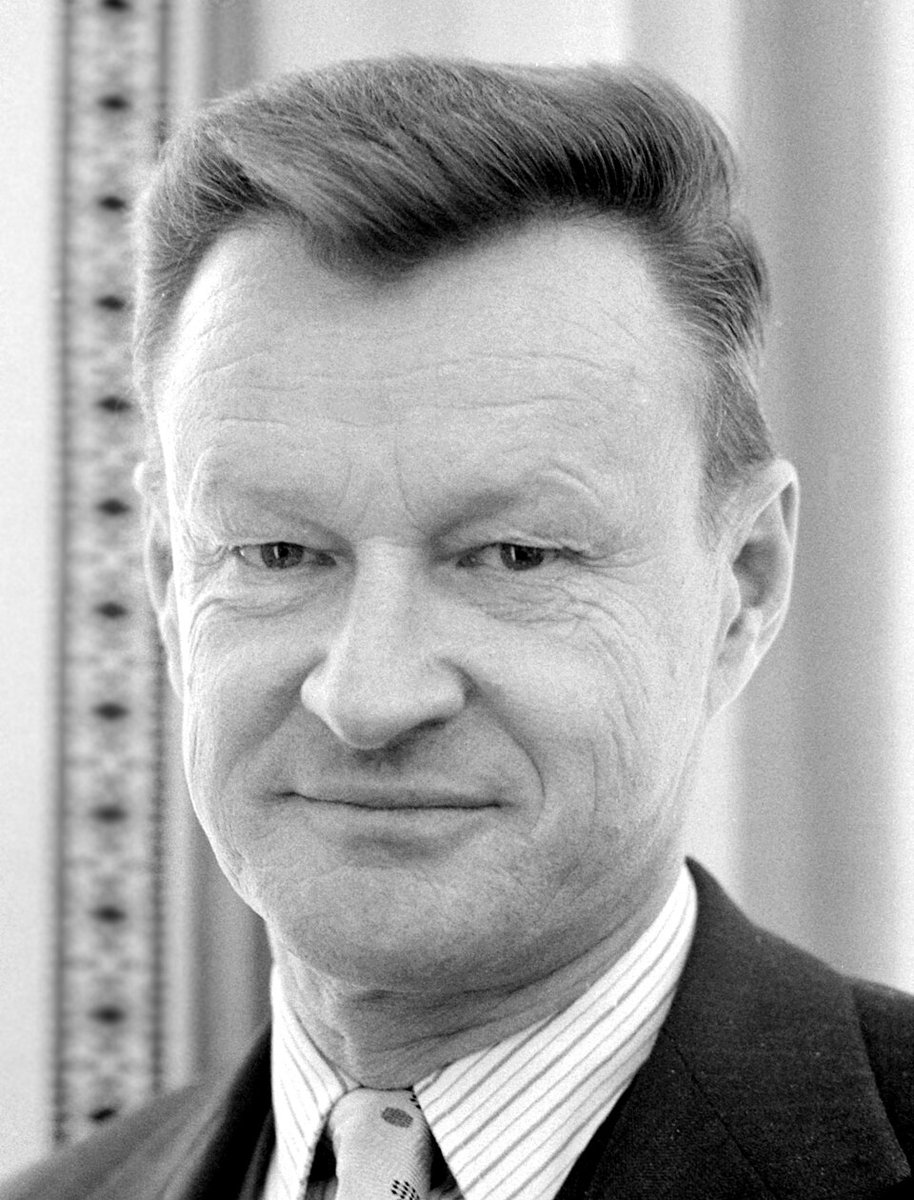
12/ "However, later if killings occur they might possibly consider it alright particularly if they saw Iran disintegrating.
The President wondered about an aerial attack on the island.
Secretary Brown said that would be more permanent since it would destroy the installation.
The President wondered about an aerial attack on the island.
Secretary Brown said that would be more permanent since it would destroy the installation.
13/ "Dr. Brzezinski noted that seizing the island provided a bargaining lever. We would have land and people in our own custody which permits us to bargain.
14/ "Stan Turner [Director of the CIA] noted that you could not simply count the piers and put the island out of operation for quite a while."
"[White House Chief of Staff] Hamilton Jordan wondered whether Kharg Island was important to Khomeini and his group.
"[White House Chief of Staff] Hamilton Jordan wondered whether Kharg Island was important to Khomeini and his group.
15/ Secretary Brown said that it might not be in the first instance but in fact a whole livelihood and economy depended on the oil exports from Kharg Island.
The President noted that with regard to closing off the oil from Kharg Island we could stand it.
The President noted that with regard to closing off the oil from Kharg Island we could stand it.
16/ He was not sure, however, that the French, British, Japanese, and others could stand it especially if other oil producing nations closed down their own operations as a sign of sympathy. ...
17/ "Stan Turner wondered about the possibility of simply mining the waters around Kharg Island.
Dr. Brzezinski said the results of that would be to simply punish our friends. He thought that there was more merit in taking the little islands inside Gulf.
Dr. Brzezinski said the results of that would be to simply punish our friends. He thought that there was more merit in taking the little islands inside Gulf.
18/ "The President said they would probably simply say take them and not worry about it.
Dr. Brzezinski said he thought it would bother them. They have a strong territorial instinct. Going after Kharg Island would create a worldwide oil crisis." /end
Dr. Brzezinski said he thought it would bother them. They have a strong territorial instinct. Going after Kharg Island would create a worldwide oil crisis." /end
• • •
Missing some Tweet in this thread? You can try to
force a refresh






