The most influential psychologist of the 20th century wrote private letters to his children.
They weren’t about therapy.
They were about how to survive being human without losing your soul.
Here are 9 principles Carl Jung QUIETLY taught his children—that most people never hear about: 🧵
They weren’t about therapy.
They were about how to survive being human without losing your soul.
Here are 9 principles Carl Jung QUIETLY taught his children—that most people never hear about: 🧵
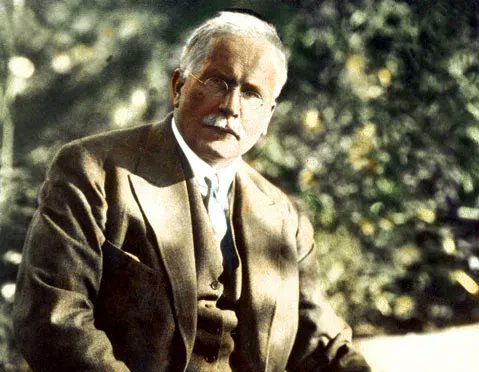
First, understand who Jung was:
• Medical doctor + psychiatrist
• Founder of analytical psychology
• Broke with Freud at the height of his career
• Studied myth, religion, alchemy, and dreams
• Treated world leaders, artists, and thinkers
But his most radical work wasn’t in books.
It was in how he taught his children to live.
• Medical doctor + psychiatrist
• Founder of analytical psychology
• Broke with Freud at the height of his career
• Studied myth, religion, alchemy, and dreams
• Treated world leaders, artists, and thinkers
But his most radical work wasn’t in books.
It was in how he taught his children to live.
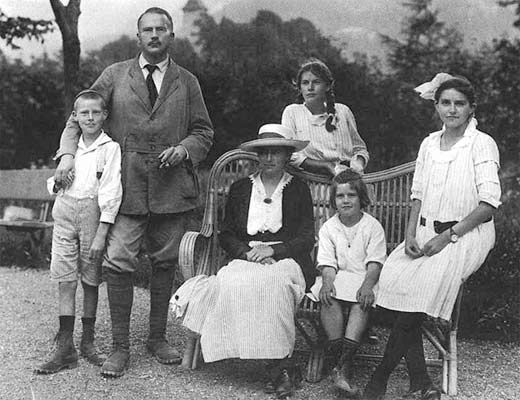
Principle 1: “Do not become what the world wants from you.”
Jung warned his children that society rewards adaptation—but punishes authenticity.
“If you live only as you are expected, you will become empty.”
The task wasn’t to be successful.
It was to become whole.
Jung warned his children that society rewards adaptation—but punishes authenticity.
“If you live only as you are expected, you will become empty.”
The task wasn’t to be successful.
It was to become whole.
Principle 2: “Your symptoms are messages, not enemies.”
Jung taught that anxiety, depression, and confusion aren’t failures.
They’re signals from parts of the psyche that have been ignored.
“What you resist does not disappear. It waits.”
Listening to your inner voice changes everything.
Jung taught that anxiety, depression, and confusion aren’t failures.
They’re signals from parts of the psyche that have been ignored.
“What you resist does not disappear. It waits.”
Listening to your inner voice changes everything.
Principle 3: “No one escapes the unconscious.”
Jung was blunt:
You can either meet your unconscious consciously—
or it will rule your life from behind the scenes.
Most people call this “fate.”
It’s just an unexamined life.
Jung was blunt:
You can either meet your unconscious consciously—
or it will rule your life from behind the scenes.
Most people call this “fate.”
It’s just an unexamined life.
Principle 4: “Your shadow will live through you if you don’t know it.”
Jung warned his children not to moralize themselves.
The traits you disown don’t vanish.
They leak out sideways—through anger, superiority, or self-sabotage.
Wholeness beats goodness.
Jung warned his children not to moralize themselves.
The traits you disown don’t vanish.
They leak out sideways—through anger, superiority, or self-sabotage.
Wholeness beats goodness.
Principle 5: “Meaning is more important than happiness.”
Jung believed happiness without meaning collapses under pressure.
Meaning, even when difficult, gives the psyche structure.
A meaningful life can survive pain.
A pleasure-driven life cannot.
Jung believed happiness without meaning collapses under pressure.
Meaning, even when difficult, gives the psyche structure.
A meaningful life can survive pain.
A pleasure-driven life cannot.
Principle 6: “You are not meant to fit in.”
Jung told his children that loneliness is often the price of individuation.
“To be yourself in a collective world is costly.”
But the alternative is psychic death.
Jung told his children that loneliness is often the price of individuation.
“To be yourself in a collective world is costly.”
But the alternative is psychic death.
Principle 7: “Symbols heal what logic cannot.”
Jung taught that the psyche doesn’t speak in arguments.
It speaks in images, dreams, rituals, and symbols.
That’s why art, imagination, and myth restore what analysis alone cannot.
Jung taught that the psyche doesn’t speak in arguments.
It speaks in images, dreams, rituals, and symbols.
That’s why art, imagination, and myth restore what analysis alone cannot.


Principle 8: “Midlife is not a crisis—it’s a summons.”
Jung reframed midlife suffering as a turning point.
The first half of life builds the ego.
The second half asks a deeper question:
Who are you beyond achievement?
Ignoring that call leads to depression.
Jung reframed midlife suffering as a turning point.
The first half of life builds the ego.
The second half asks a deeper question:
Who are you beyond achievement?
Ignoring that call leads to depression.

Principle 9: “You are responsible for becoming whole.”
Jung never promised comfort.
He promised responsibility.
No one can individuate for you.
But if you do the work, your life becomes internally aligned, and you prosper.
Jung never promised comfort.
He promised responsibility.
No one can individuate for you.
But if you do the work, your life becomes internally aligned, and you prosper.
Jung didn’t raise his children to be impressive.
He raised them to be integrated... the rarest inheritance of all.
If this resonates, the work I do inside ART is built on these exact principles
If you want, I can also:
calendly.com/lorwen_consult…
He raised them to be integrated... the rarest inheritance of all.
If this resonates, the work I do inside ART is built on these exact principles
If you want, I can also:
calendly.com/lorwen_consult…
If this thread resonated with you, I explore psychology, philosophy, and personal transformation in my work.
Follow @Lorwen108 for more insights on the journey to authenticity.
Repost if this helped you. 🙏
Follow @Lorwen108 for more insights on the journey to authenticity.
Repost if this helped you. 🙏
https://twitter.com/3065974983/status/2031324242063851541
You protect yourself by overthinking, people pleasing, or perfectionism.
Take the quiz and find out your pattern:
offers.lorwenharrisnagle.com/protection-pat…
Take the quiz and find out your pattern:
offers.lorwenharrisnagle.com/protection-pat…
• • •
Missing some Tweet in this thread? You can try to
force a refresh