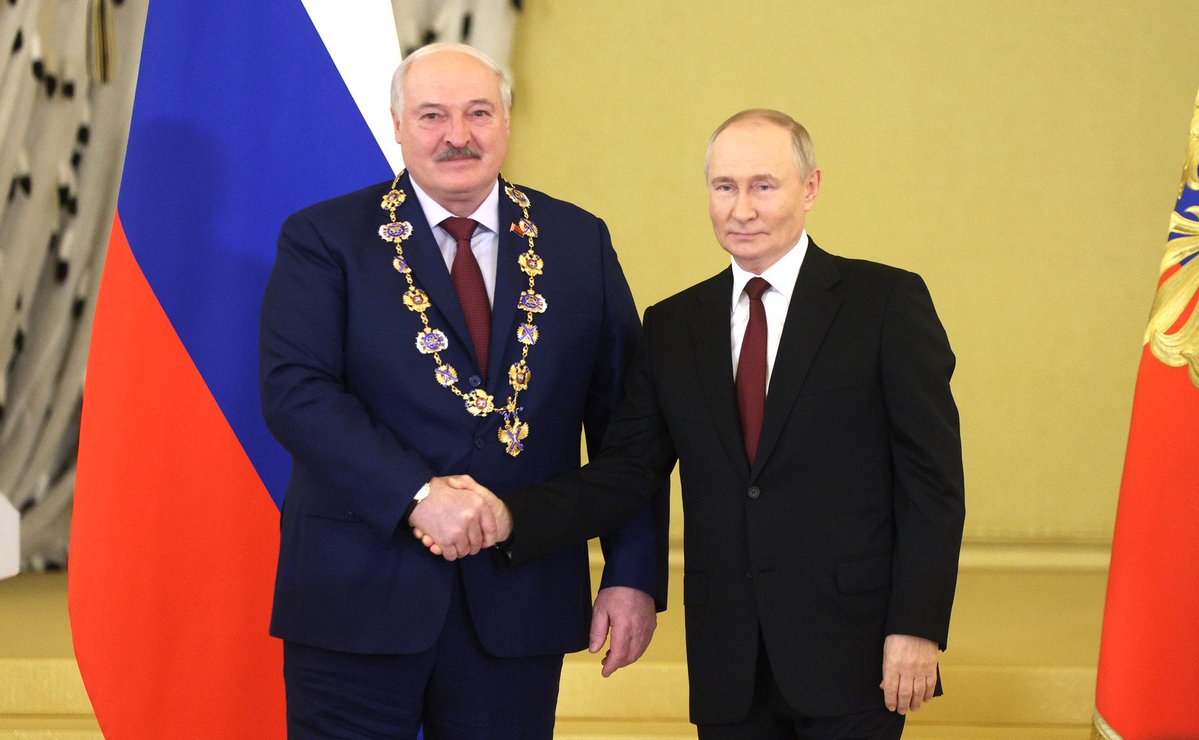
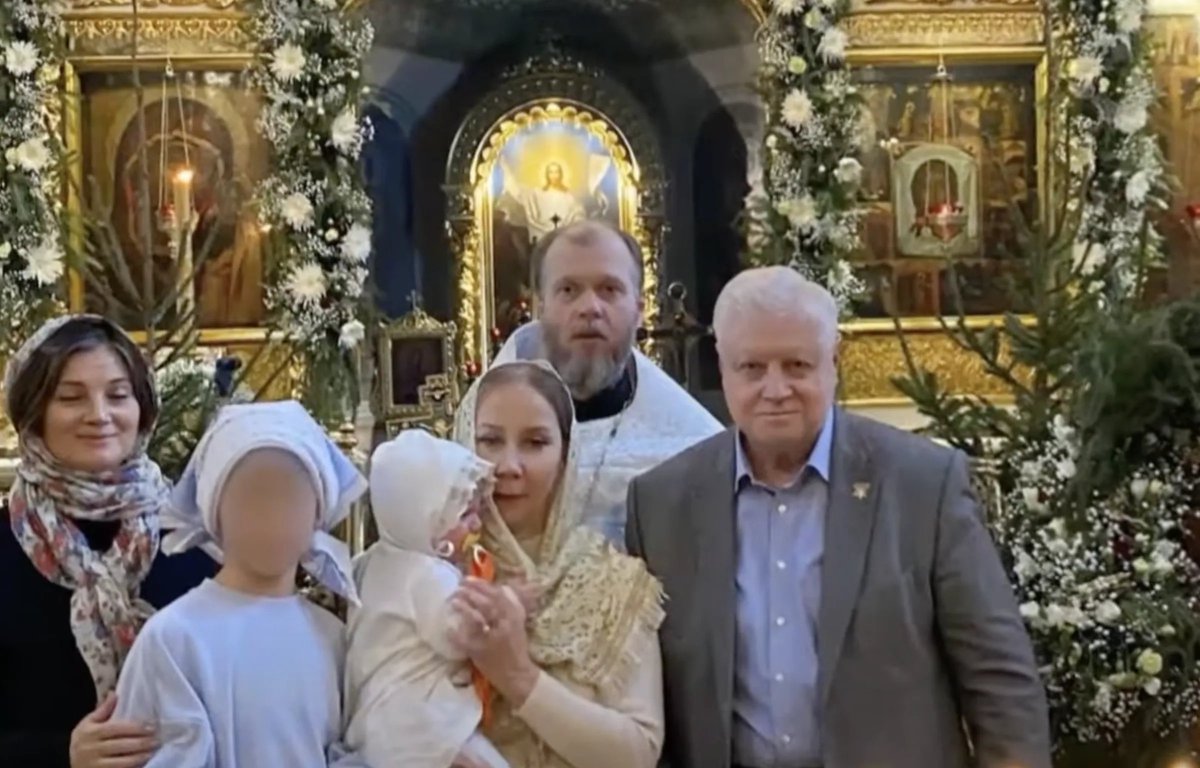
In this photo, a baby taken from an orphanage in occupied Kherson is being baptized into the family of a major Russian party leader. They gave her a new name and erased her birthplace.
🧵A new UN report traces the system Putin built to do this at scale
🧵A new UN report traces the system Putin built to do this at scale
The girl's name is Margarita Prokopenko. She had a legal guardian in Ukraine, Darina Repina, who was also caring for her sister Anna.
After the occupation, the family reached Greece. Repina wants both sisters together but the Putin's regime has not returned Margarita.
[2/12]eng.obozrevatel.com/section-news/n…
After the occupation, the family reached Greece. Repina wants both sisters together but the Putin's regime has not returned Margarita.
[2/12]eng.obozrevatel.com/section-news/n…
This week, the UN commission of inquiry on Ukraine published its latest findings: it documents at least 1,205 children taken from five Ukrainian regions and moved to 21 regions across Russia.
The commission calls it a state-run system that doesn't qualify as humanitarian evacuation:
[3/12]ohchr.org/sites/default/…
The commission calls it a state-run system that doesn't qualify as humanitarian evacuation:
[3/12]ohchr.org/sites/default/…
According to the commission, Russian officials openly promoted the adoption of Ukrainian children on state media.
Lvova-Belova discussed her own family's adoption publicly. After the ICC arrest warrants in March 2023, the official narrative shifted to emergency evacuation.
[4/12]
Lvova-Belova discussed her own family's adoption publicly. After the ICC arrest warrants in March 2023, the official narrative shifted to emergency evacuation.
[4/12]
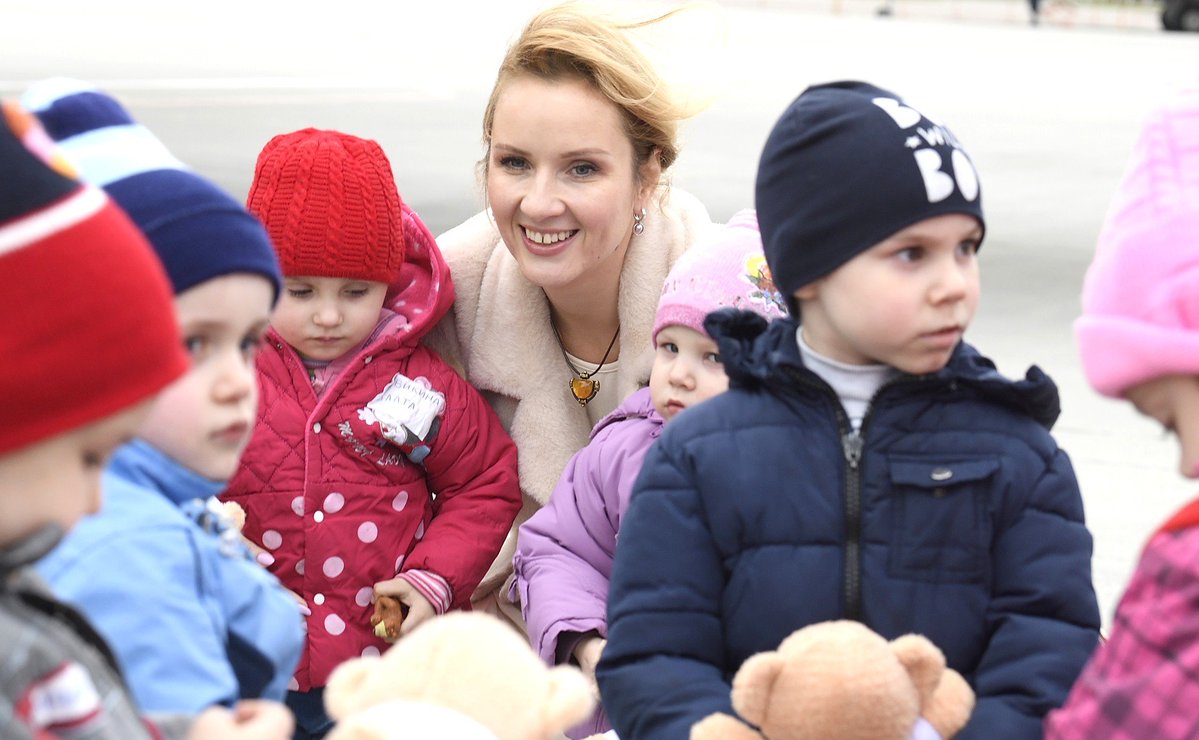
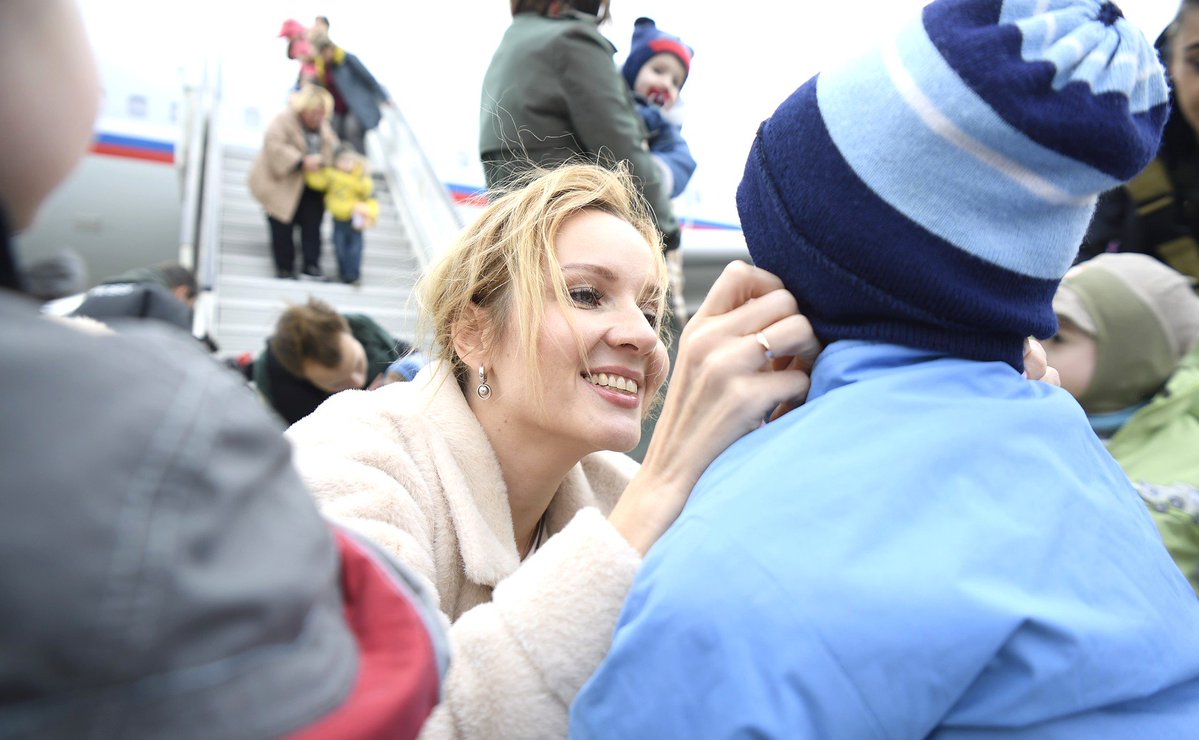
Their operation had an established pattern: children were first sent to transit centers in Russian border regions, then distributed deeper into the country and placed in institutions or with foster families, often thousands of kilometers from home.
[5/12]
[5/12]
This system also predates the 2022 invasion: on February 16-18, 2022, days before the attack, leaders of the "DPR" and "LPR" ordered children from 11 institutions moved to Russia — there were at least 995 of them. The commission found planning that went back years earlier.
[6/12]investigations.news-exchange.ebu.ch/the-missing-ch…
[6/12]investigations.news-exchange.ebu.ch/the-missing-ch…

Once in Russia, children were fast-tracked for citizenship, entered into adoption databases, and in some cases given new names and birthplaces in official documents, which makes them nearly impossible to trace.
[7/12]
[7/12]
Three 16-year-old boys from a group of 31 taken from a Donetsk children's center in June 2022 were placed with separate families — one with children's ombudswoman Maria Lvova-Belova. All had relatives in Ukraine. Two managed to return despite efforts to stop them.
[8/12]
[8/12]
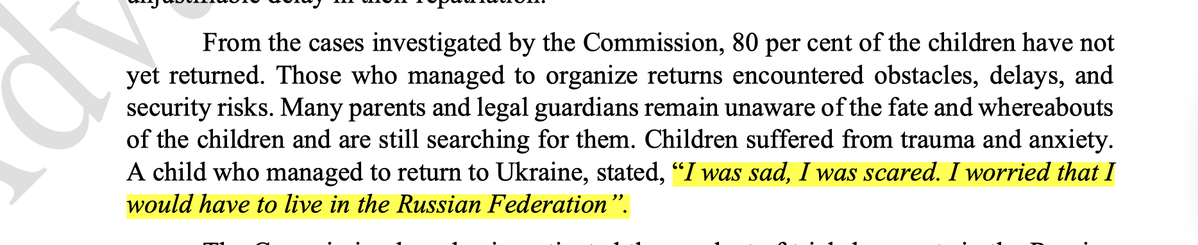
Of the documented cases, 80% of the children have not been returned. Younger children and those with disabilities have virtually no chance of getting home. Returns that did happen required overcoming bureaucratic obstacles, delays, and security risks.
[9/12]
[9/12]
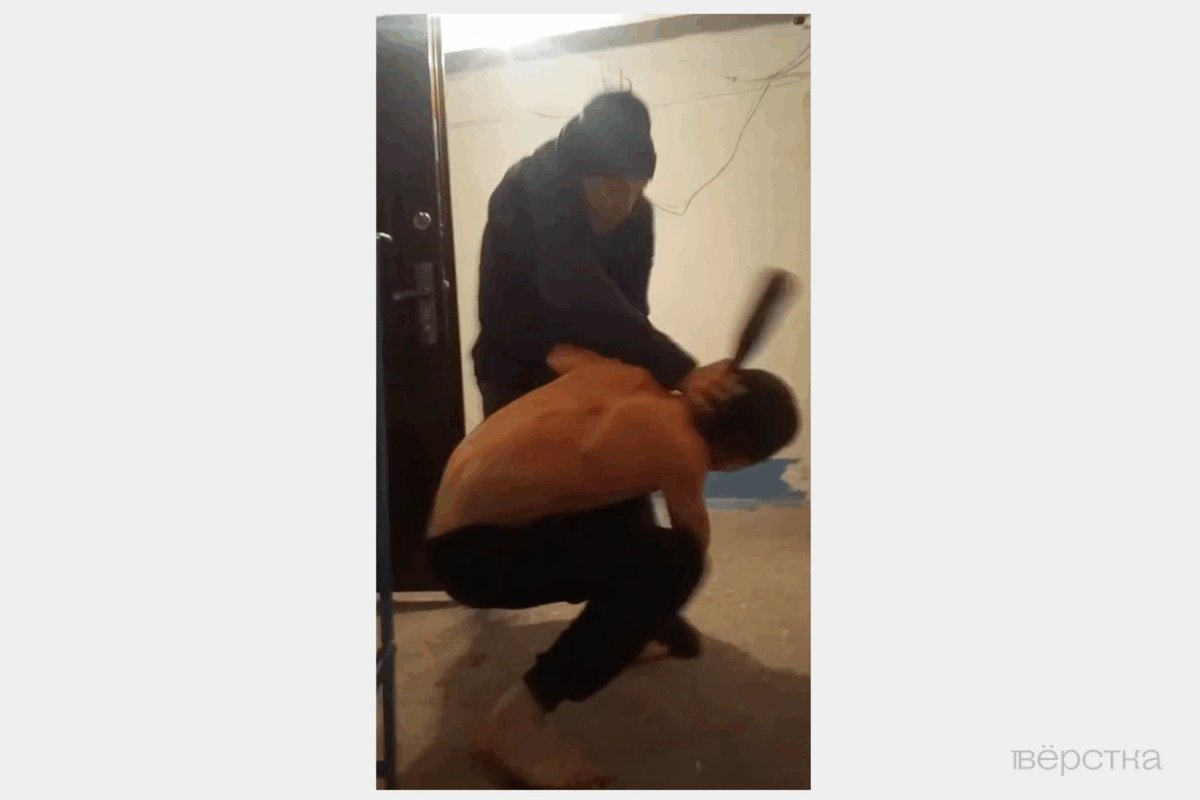
The same report documents 72 trials of Ukrainian civilians and POWs in Russian courts, with sentences up to 25 years or life. The commission found confessions extracted through torture, staged arrest videos, and systematic denial of fair trial rights.
[10/12]
[10/12]

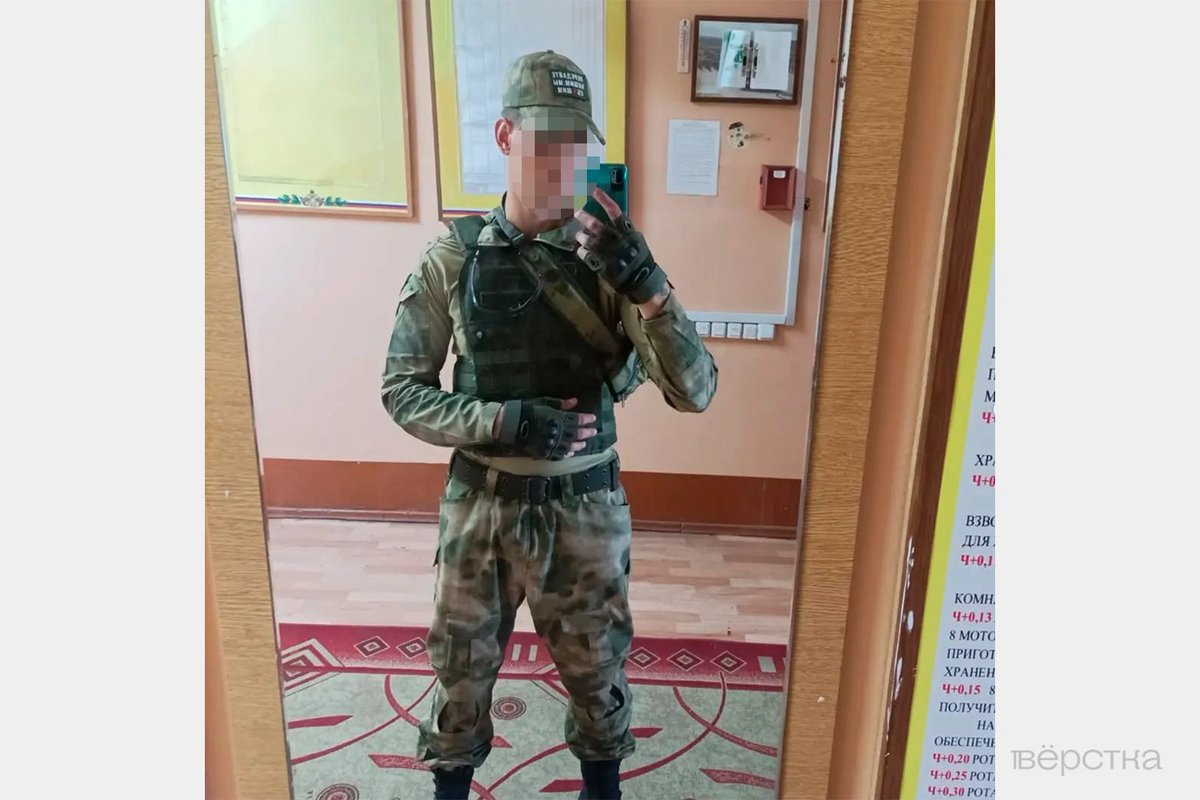
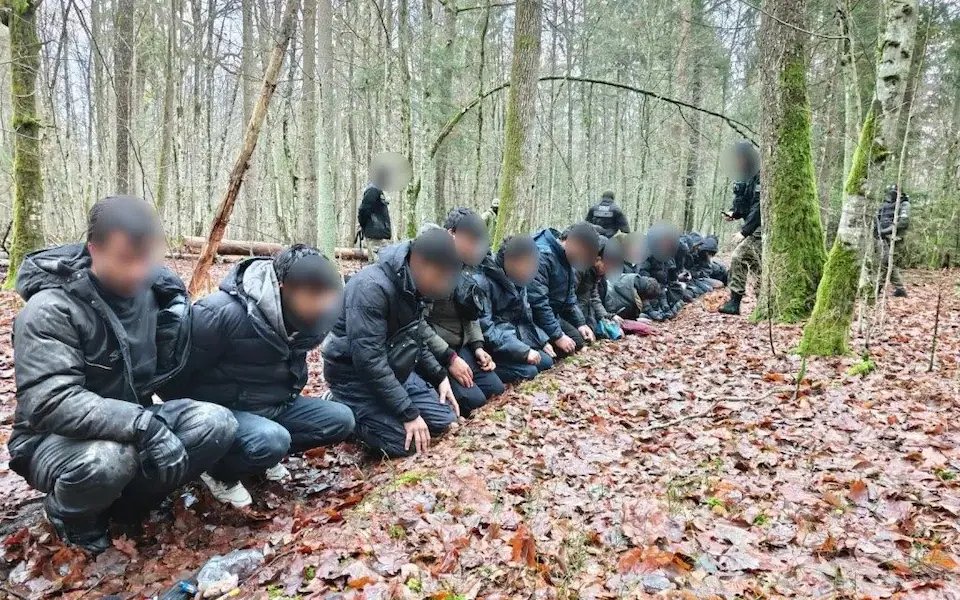
It also includes testimony from 85 Russian deserters who described beatings, detention in makeshift pits, and soldiers shot for refusing suicidal assaults. Citizens from at least 17 countries were recruited into the Russian army through deception.
[11/12]
[11/12]
The UN commission concludes these deportations amount to war crimes and crimes against humanity. The evidence is now on the record.
Follow for continued coverage.
[12/12]
Follow for continued coverage.
[12/12]
• • •
Missing some Tweet in this thread? You can try to
force a refresh