I'm Italian. I just got back from Rome.
Over dinner, old friends and I started arguing about the same thing we always argue about: which cities in Italy are genuinely incredible but nobody ever talks about?
We went back and forth for hours. By the end of the night, we had a list.
7 hidden cities that most people, including most Italians, will never think to visit, let alone move to.
No crowds. No tourist markup. Insane quality of life.
Thread 🧵
Over dinner, old friends and I started arguing about the same thing we always argue about: which cities in Italy are genuinely incredible but nobody ever talks about?
We went back and forth for hours. By the end of the night, we had a list.
7 hidden cities that most people, including most Italians, will never think to visit, let alone move to.
No crowds. No tourist markup. Insane quality of life.
Thread 🧵
Italy has 7,904 municipalities. Tourists visit maybe 15.
These aren't "cheap places to test it out." They're cities where wealthy Italians live their best lives, completely off the radar.
For each one, I broke down property prices, nearest airport, population, who it's actually for, and the honest downsides you should be aware of.
7 cities I'd personally relocate to. Data on every single one:
These aren't "cheap places to test it out." They're cities where wealthy Italians live their best lives, completely off the radar.
For each one, I broke down property prices, nearest airport, population, who it's actually for, and the honest downsides you should be aware of.
7 cities I'd personally relocate to. Data on every single one:
1/ TRIESTE, The Central European Hybrid
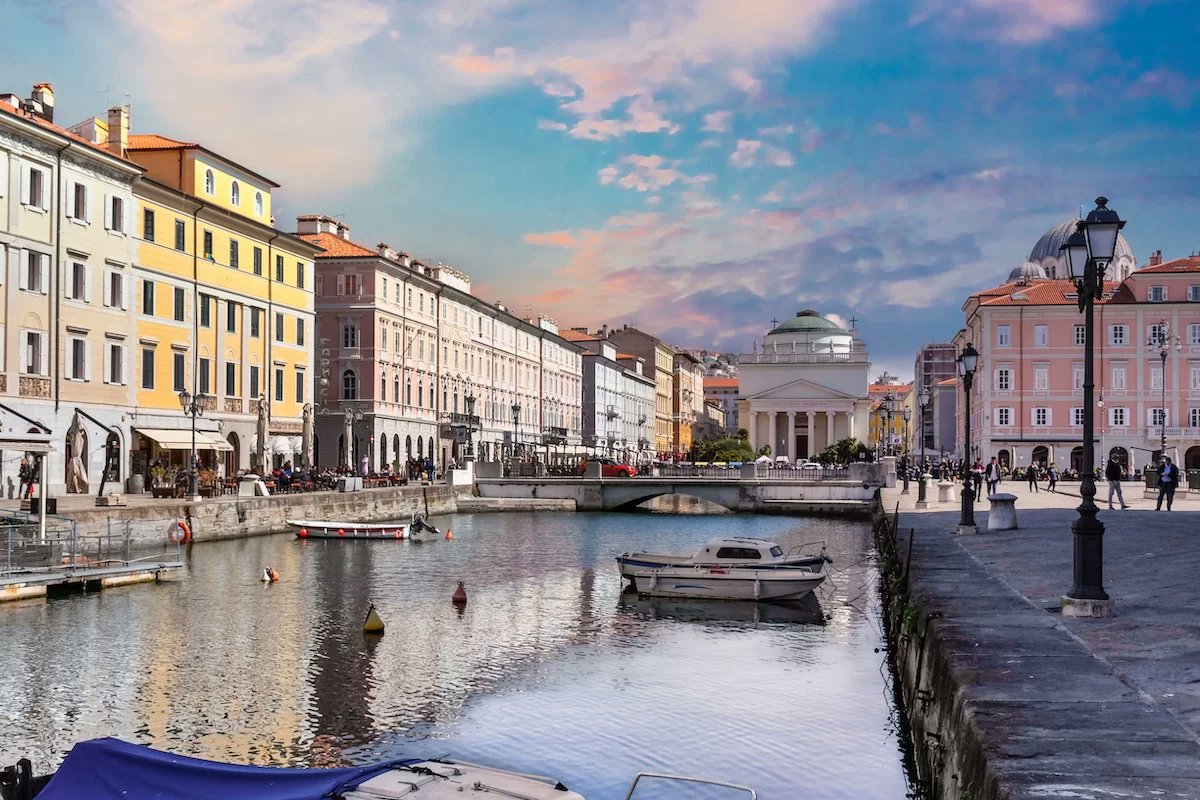
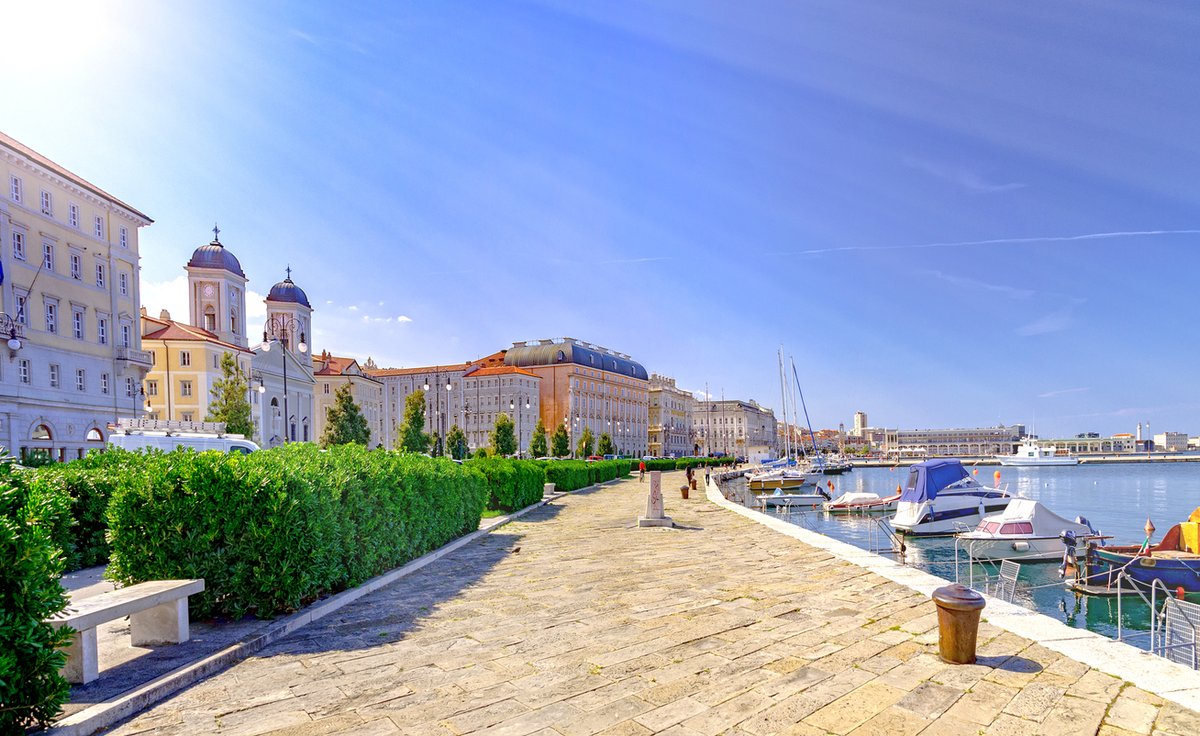
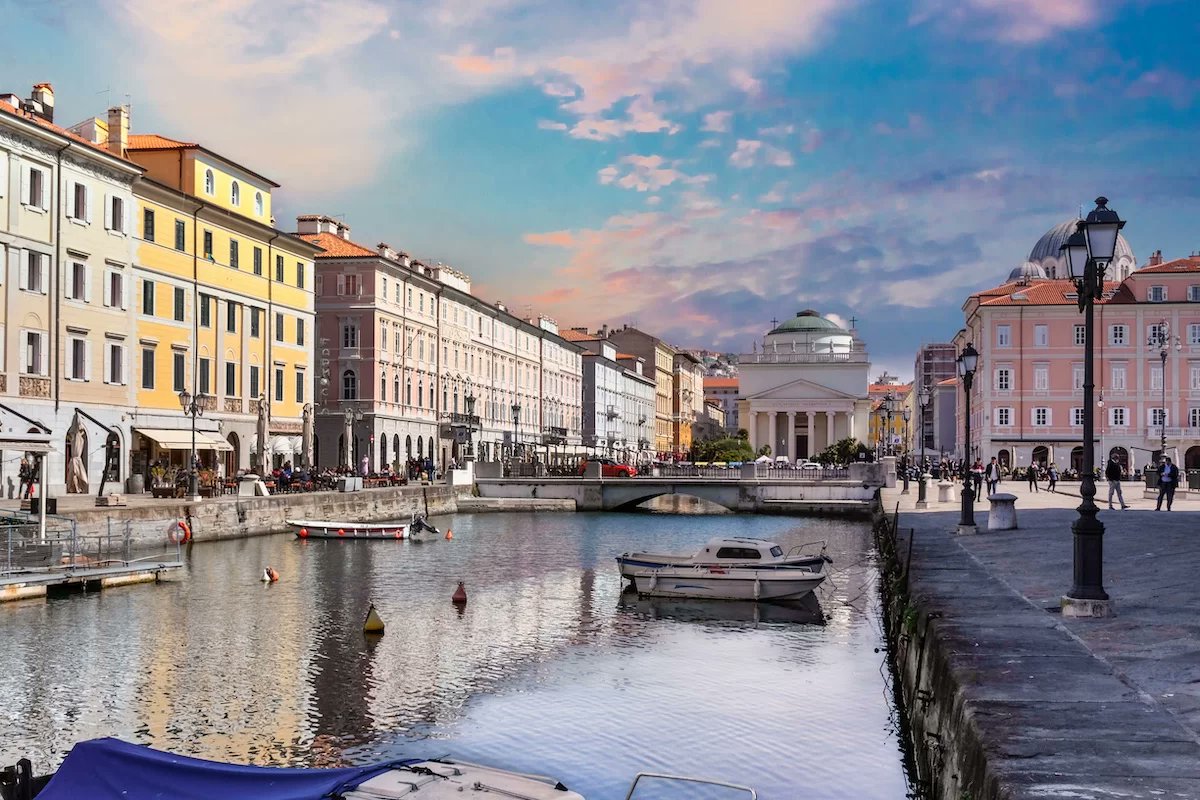
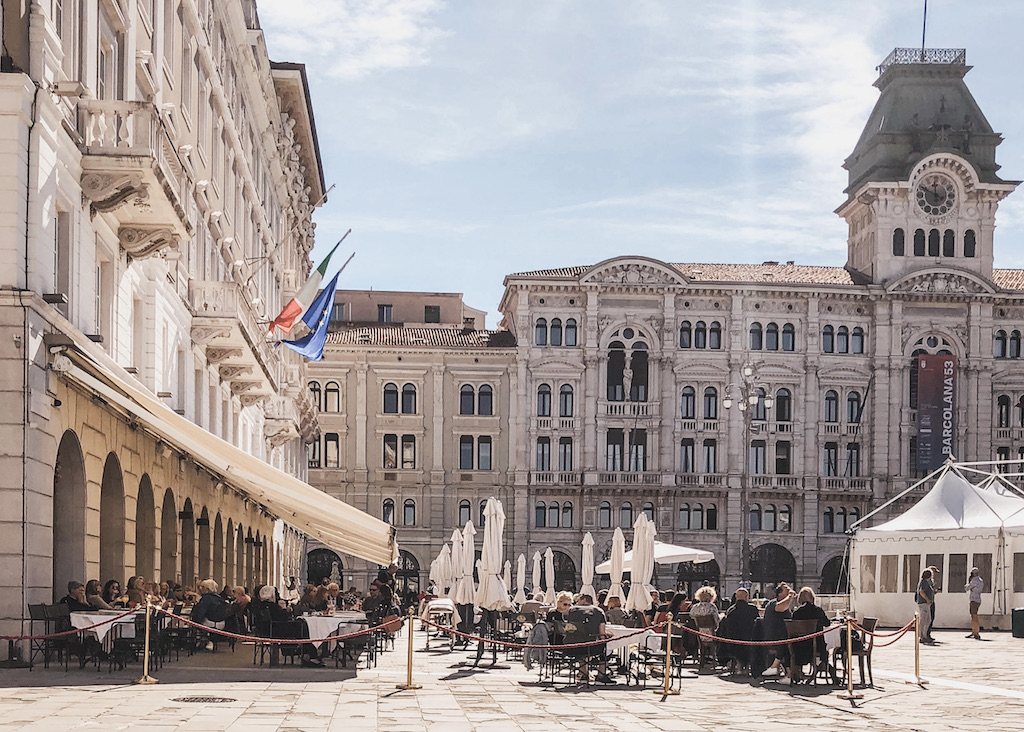
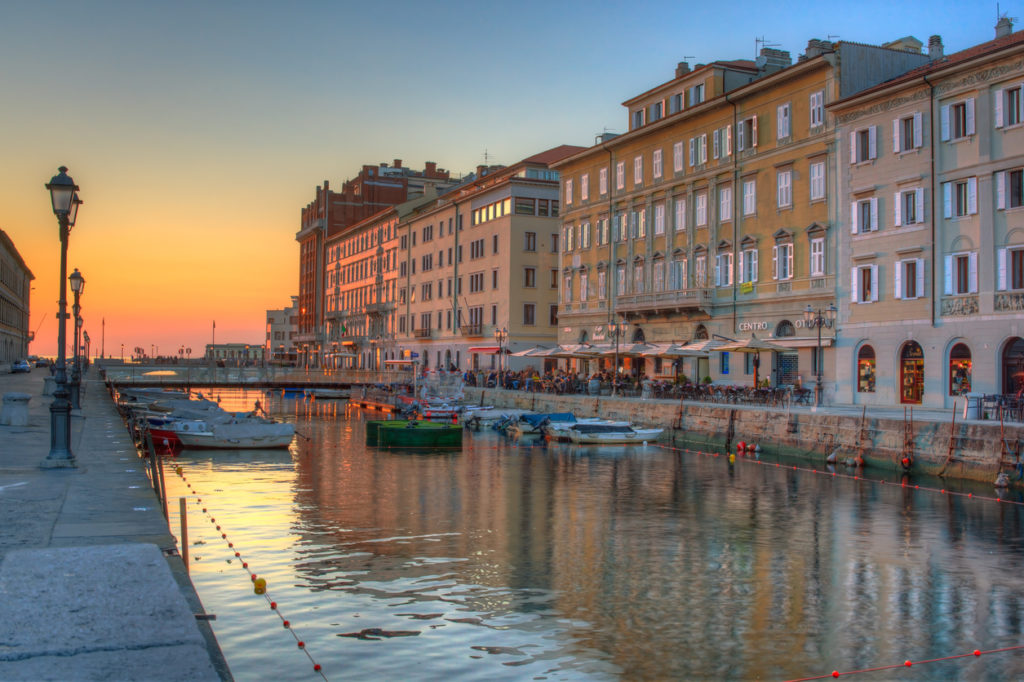
This isn't a typical Italian city. It's Vienna by the sea.
Habsburg architecture, historic literary cafés (Joyce wrote Ulysses here), and a vibe that's half Austrian, half Mediterranean.
I have a close friend from the area. One thing that always struck me: people in Trieste are always impeccably dressed. There's an elegance there you don't find in other Italian cities. It's the Viennese influence.
Understated, refined.
Population: 198,000. This is a REAL city, not a village.
€2,558/sqm (+9.3% YoY). €200-300K buys 80-120 sqm.
This isn't a typical Italian city. It's Vienna by the sea.
Habsburg architecture, historic literary cafés (Joyce wrote Ulysses here), and a vibe that's half Austrian, half Mediterranean.
I have a close friend from the area. One thing that always struck me: people in Trieste are always impeccably dressed. There's an elegance there you don't find in other Italian cities. It's the Viennese influence.
Understated, refined.
Population: 198,000. This is a REAL city, not a village.
€2,558/sqm (+9.3% YoY). €200-300K buys 80-120 sqm.

Trieste's edge:
Trieste Airport 30 min. But here's what matters: Ljubljana (Slovenia) is 1 hour. Zagreb (Croatia) 2.5 hours. Venice 2 hours. You're at the crossroads of three countries.
Cost of living: €1,600/mo for a single. Rent €900/mo for 80 sqm. Monthly transport pass €40.
Growing tech ecosystem. University of Trieste + SISSA (top physics/math research institute). International community without the tourist inflation.
Slovenia's Alps are a day trip. Croatian coast is a weekend trip.
Trieste Airport 30 min. But here's what matters: Ljubljana (Slovenia) is 1 hour. Zagreb (Croatia) 2.5 hours. Venice 2 hours. You're at the crossroads of three countries.
Cost of living: €1,600/mo for a single. Rent €900/mo for 80 sqm. Monthly transport pass €40.
Growing tech ecosystem. University of Trieste + SISSA (top physics/math research institute). International community without the tourist inflation.
Slovenia's Alps are a day trip. Croatian coast is a weekend trip.
Trieste truth:
The Bora wind is REAL. Gusts up to 150 km/h in winter. Not a joke. Buildings have handrails bolted to walls for pedestrians.
The city faces east, not south. Cooler summers, colder winters than the rest of Italian coast.
Italian spoken with Slavic influence. Less English than Milan or Florence.
Best for: remote workers who want a real city (not a village), people who value intellectual culture over beach culture, anyone who wants three countries within 2.5 hours.
The Bora wind is REAL. Gusts up to 150 km/h in winter. Not a joke. Buildings have handrails bolted to walls for pedestrians.
The city faces east, not south. Cooler summers, colder winters than the rest of Italian coast.
Italian spoken with Slavic influence. Less English than Milan or Florence.
Best for: remote workers who want a real city (not a village), people who value intellectual culture over beach culture, anyone who wants three countries within 2.5 hours.

2/ LUCCA, The Walled City That Time Forgot
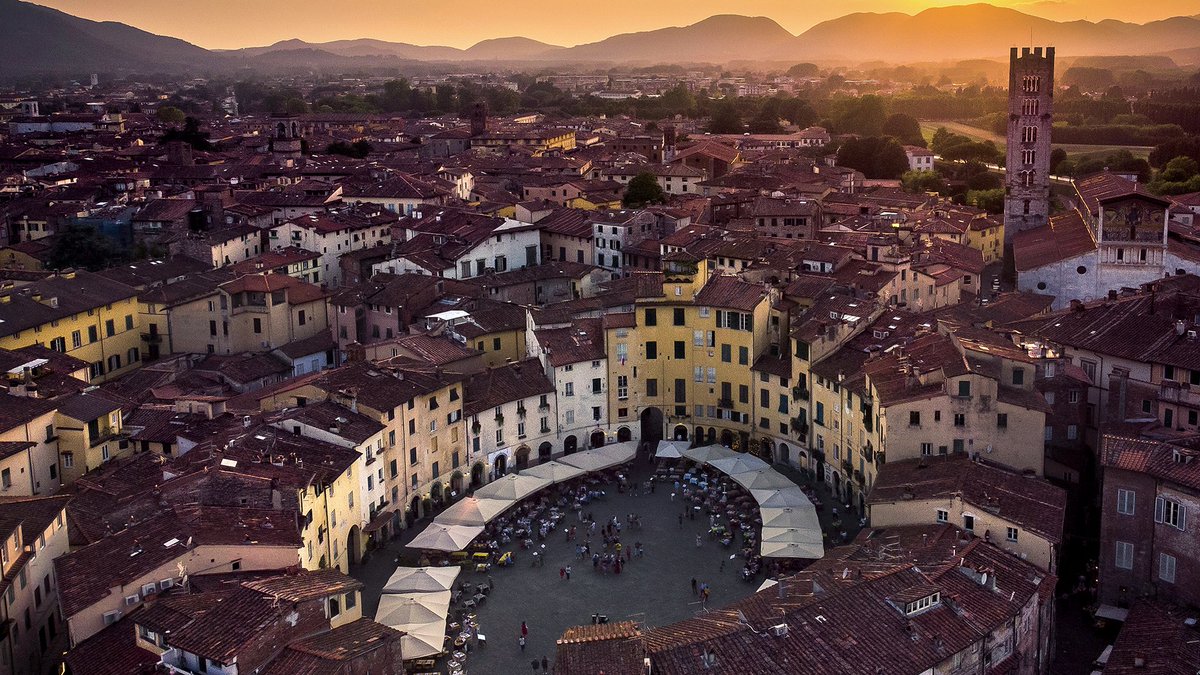
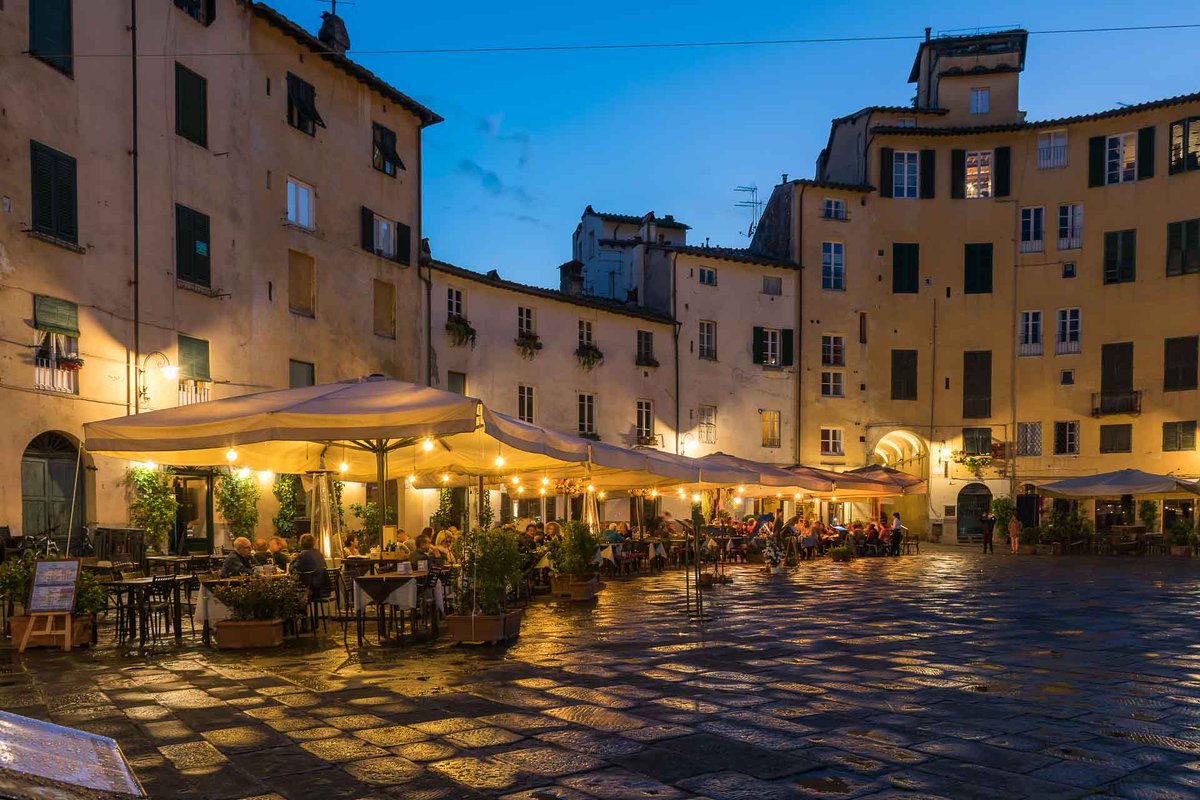
4 km of perfectly intact Renaissance walls. You walk or bike on TOP of them. The evening passeggiata on the walls, panoramic views over rooftops and Tuscan countryside, is daily ritual, not tourist attraction.
Flat, bikeable, car-restricted centro storico.
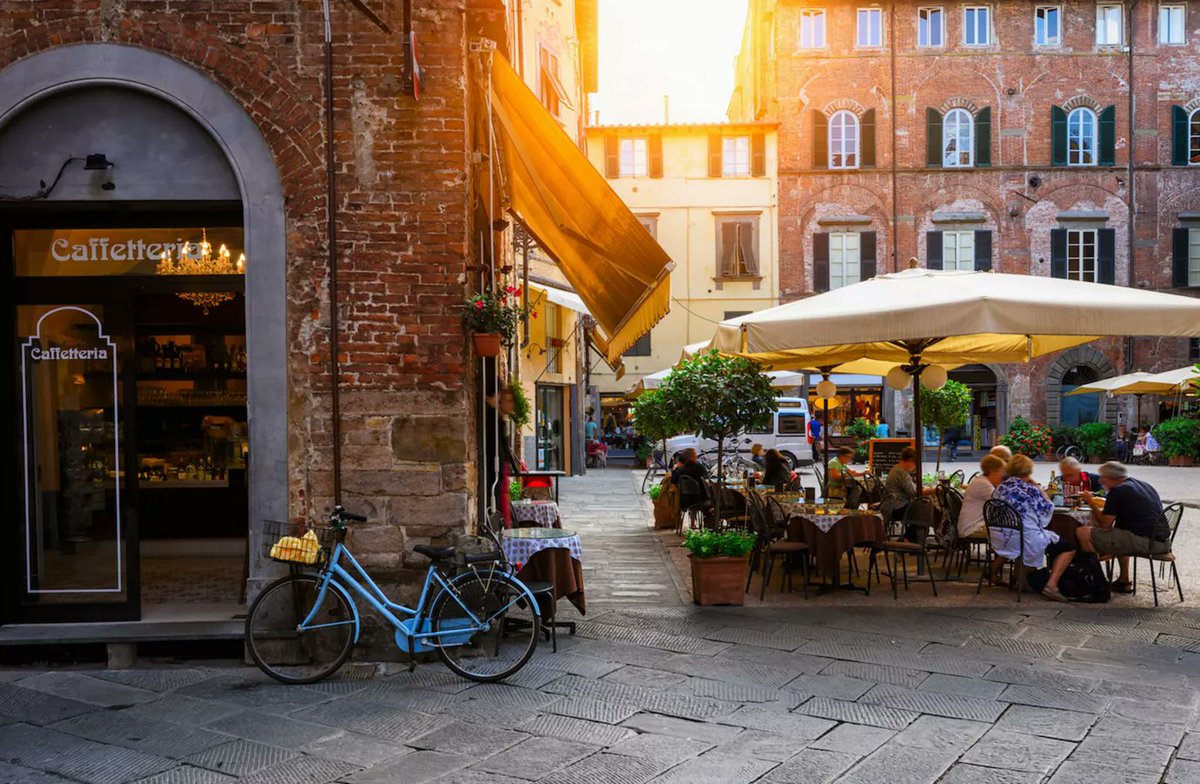
I was in Rome last week and my cousin, who's eaten his way across Italy, told me he's never eaten as well as in Lucca. That says something.
€2,321/sqm (+6.4% YoY). Peripheral areas from €1,440/sqm → 85-130 sqm for €200-300K outside the walls.
4 km of perfectly intact Renaissance walls. You walk or bike on TOP of them. The evening passeggiata on the walls, panoramic views over rooftops and Tuscan countryside, is daily ritual, not tourist attraction.
Flat, bikeable, car-restricted centro storico.
I was in Rome last week and my cousin, who's eaten his way across Italy, told me he's never eaten as well as in Lucca. That says something.
€2,321/sqm (+6.4% YoY). Peripheral areas from €1,440/sqm → 85-130 sqm for €200-300K outside the walls.

Lucca's killer advantage:
Pisa Airport is 25 minutes away. Ryanair, easyJet, BA, Lufthansa, KLM. You're connected to all of Europe for €30 flights.
94,000 people. Full services. Strong expat community. Digital nomad retreats are a thing here now.
Florence 90 min by train. Cinque Terre 2 hrs. The sea (Viareggio) 20 min.
Bilingual School Lucca is IN the city (ages 1-18). International School of Florence 1 hr for full IB.
Cost of living: €1,500-1,800/mo for a couple.
Best for: families with kids, remote workers who need airport access, anyone who wants Tuscany without the Florence price tag.
Pisa Airport is 25 minutes away. Ryanair, easyJet, BA, Lufthansa, KLM. You're connected to all of Europe for €30 flights.
94,000 people. Full services. Strong expat community. Digital nomad retreats are a thing here now.
Florence 90 min by train. Cinque Terre 2 hrs. The sea (Viareggio) 20 min.
Bilingual School Lucca is IN the city (ages 1-18). International School of Florence 1 hr for full IB.
Cost of living: €1,500-1,800/mo for a couple.
Best for: families with kids, remote workers who need airport access, anyone who wants Tuscany without the Florence price tag.
By the way, I write about this every week on Substack. Deep dives on where to live, relocate, and build a life in Europe and beyond.
I'm building the best intelligence resource on this topic on the internet.
Subscribe here:
Now, let's get into more cities.palombo.substack.com
I'm building the best intelligence resource on this topic on the internet.
Subscribe here:
Now, let's get into more cities.palombo.substack.com

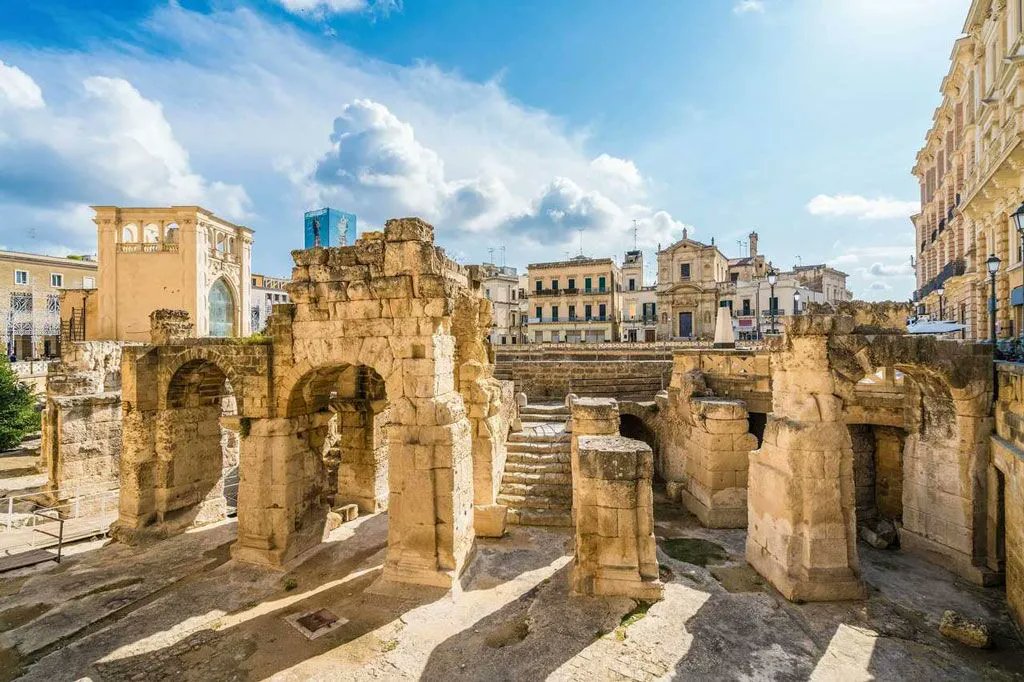
3/ LECCE, The Florence of the South
If you've followed me for a while, you know I've talked about Lecce extensively. It's one of my absolute favorites. And the data keeps proving me right.
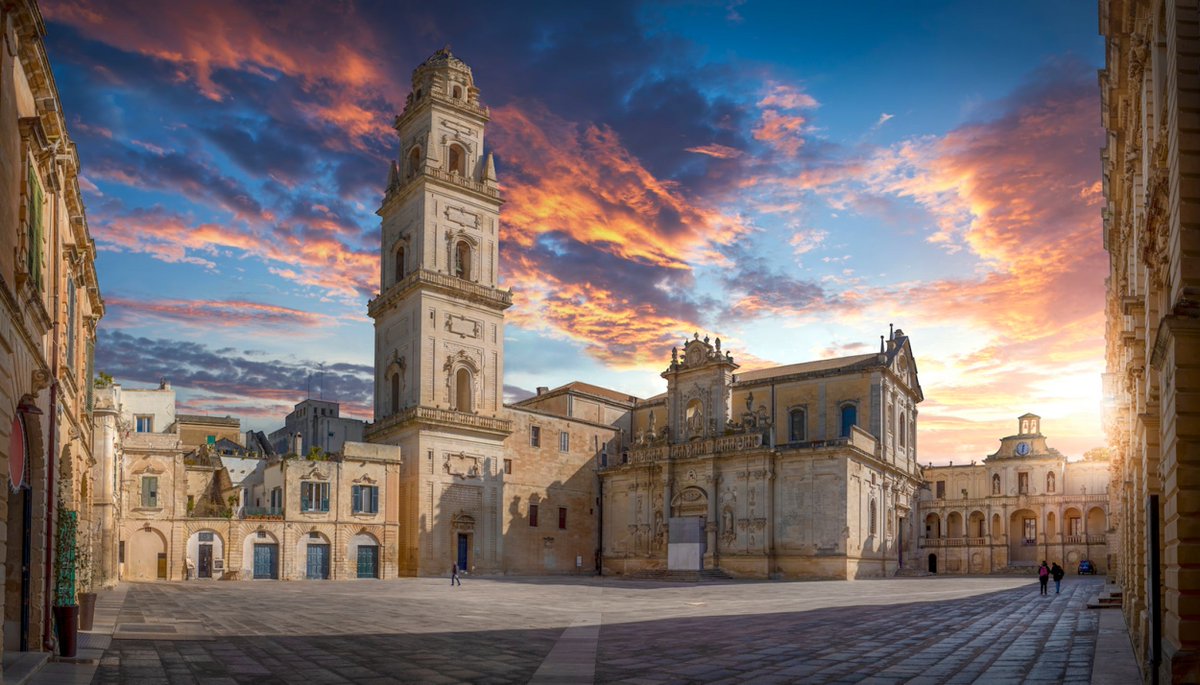
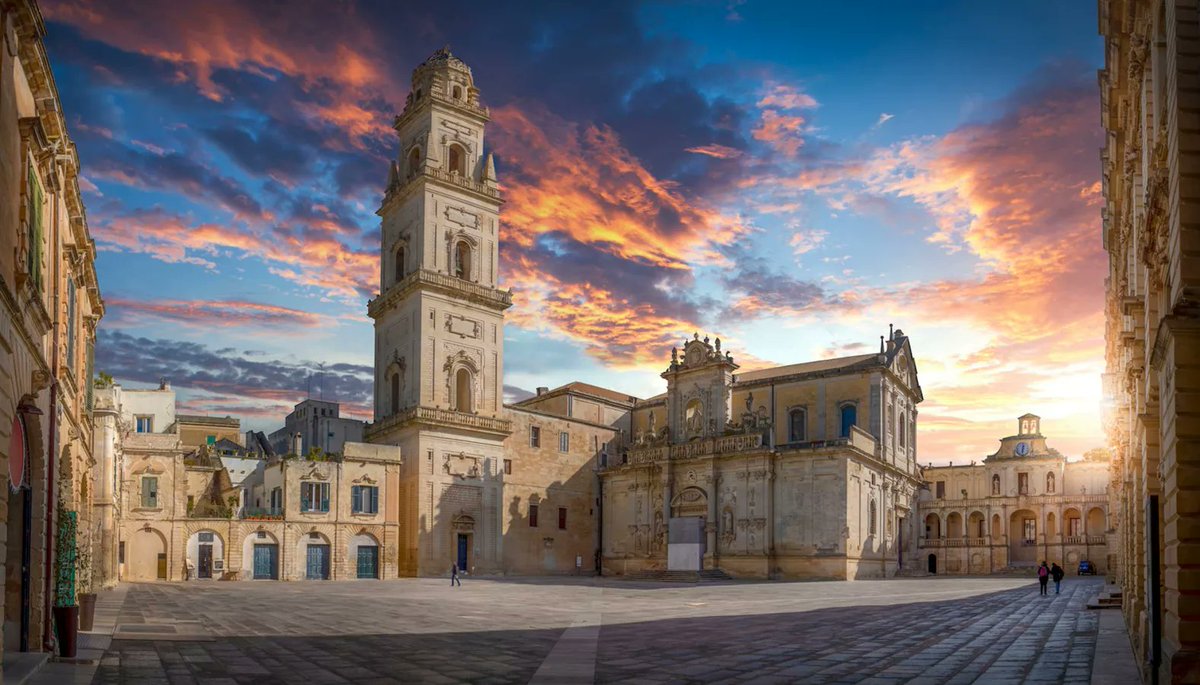
The Baroque architecture here isn't just "nice." It's carved from golden Leccia stone that glows at sunset like the city is on fire. Every church, every palazzo, every doorframe. Hand-carved.
Population: 93,000. University city. Year-round life.
€1,647/sqm (+6% YoY). Centro €1,852/sqm. Peripheral areas under €1,000/sqm.
€200-300K buys 120-180 sqm. In the centro storico.
If you've followed me for a while, you know I've talked about Lecce extensively. It's one of my absolute favorites. And the data keeps proving me right.
The Baroque architecture here isn't just "nice." It's carved from golden Leccia stone that glows at sunset like the city is on fire. Every church, every palazzo, every doorframe. Hand-carved.
Population: 93,000. University city. Year-round life.
€1,647/sqm (+6% YoY). Centro €1,852/sqm. Peripheral areas under €1,000/sqm.
€200-300K buys 120-180 sqm. In the centro storico.
Lecce's strategic play:
Brindisi Airport 40 min. Ryanair hub with direct flights across Europe.
Salento's best beaches, Gallipoli, Otranto, Porto Cesareo, are 30-45 min away. Adriatic AND Ionian coasts accessible.
Cost of living: €1,300/mo for a single. One-bedroom €500-700/mo. Full dinner with wine €15-20.
Everything is below the Italian national average: food, transport, healthcare.
Growing remote work scene. University of Salento brings 25,000+ students = cafés, nightlife, cultural events year-round.
Brindisi Airport 40 min. Ryanair hub with direct flights across Europe.
Salento's best beaches, Gallipoli, Otranto, Porto Cesareo, are 30-45 min away. Adriatic AND Ionian coasts accessible.
Cost of living: €1,300/mo for a single. One-bedroom €500-700/mo. Full dinner with wine €15-20.
Everything is below the Italian national average: food, transport, healthcare.
Growing remote work scene. University of Salento brings 25,000+ students = cafés, nightlife, cultural events year-round.
Lecce truth:
Summer is HOT. 35-40°C in July-August. Not mild Mediterranean. Proper southern heat.
Infrastructure is improving but still behind the North. Train connections to Rome take 5-6 hours. You fly or you drive.
Lecce is in Puglia = qualifies for the 7% flat tax on foreign income IF you register in a municipality under 20K people nearby (San Cesario di Lecce, Lizzanello, 10 min away).
Best for: retirees who want culture + beach access + low cost. Remote workers who can handle slower internet. People who care more about beauty than efficiency.
Summer is HOT. 35-40°C in July-August. Not mild Mediterranean. Proper southern heat.
Infrastructure is improving but still behind the North. Train connections to Rome take 5-6 hours. You fly or you drive.
Lecce is in Puglia = qualifies for the 7% flat tax on foreign income IF you register in a municipality under 20K people nearby (San Cesario di Lecce, Lizzanello, 10 min away).
Best for: retirees who want culture + beach access + low cost. Remote workers who can handle slower internet. People who care more about beauty than efficiency.

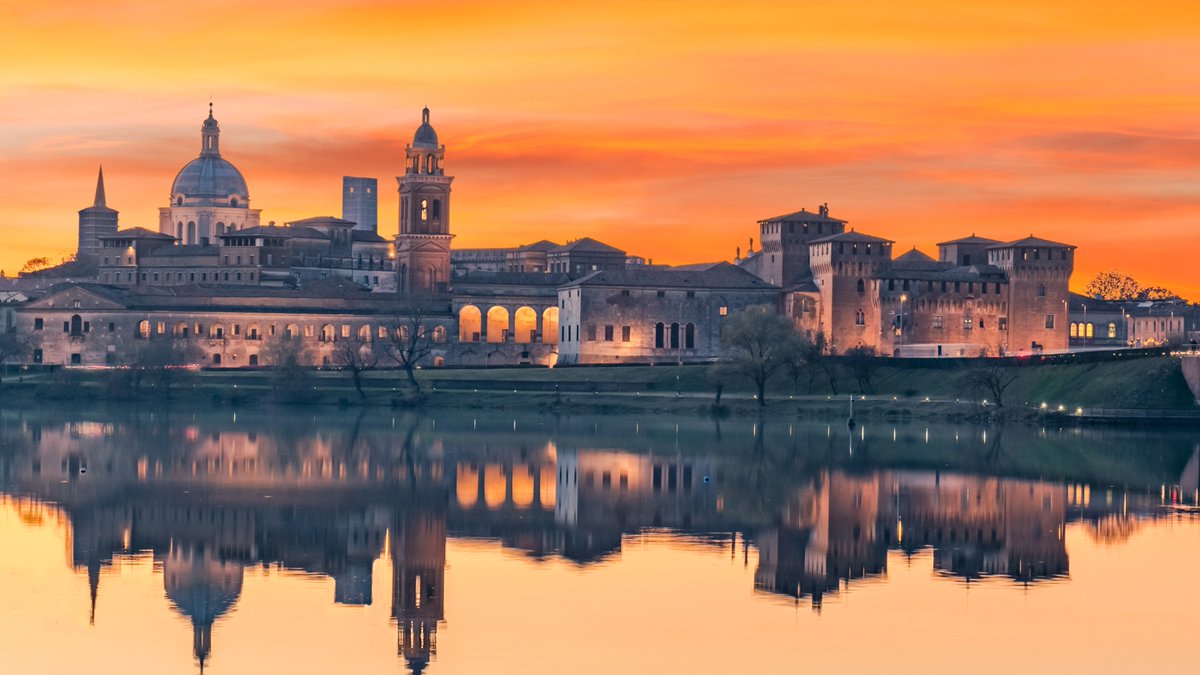
4/ MANTOVA, Italy's Most Underrated Renaissance City
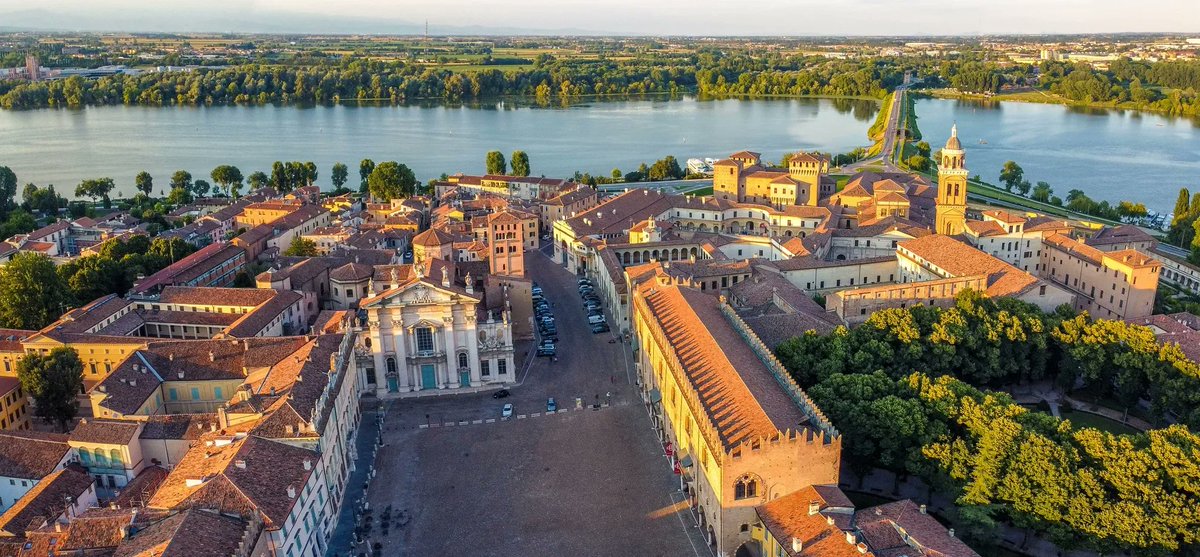
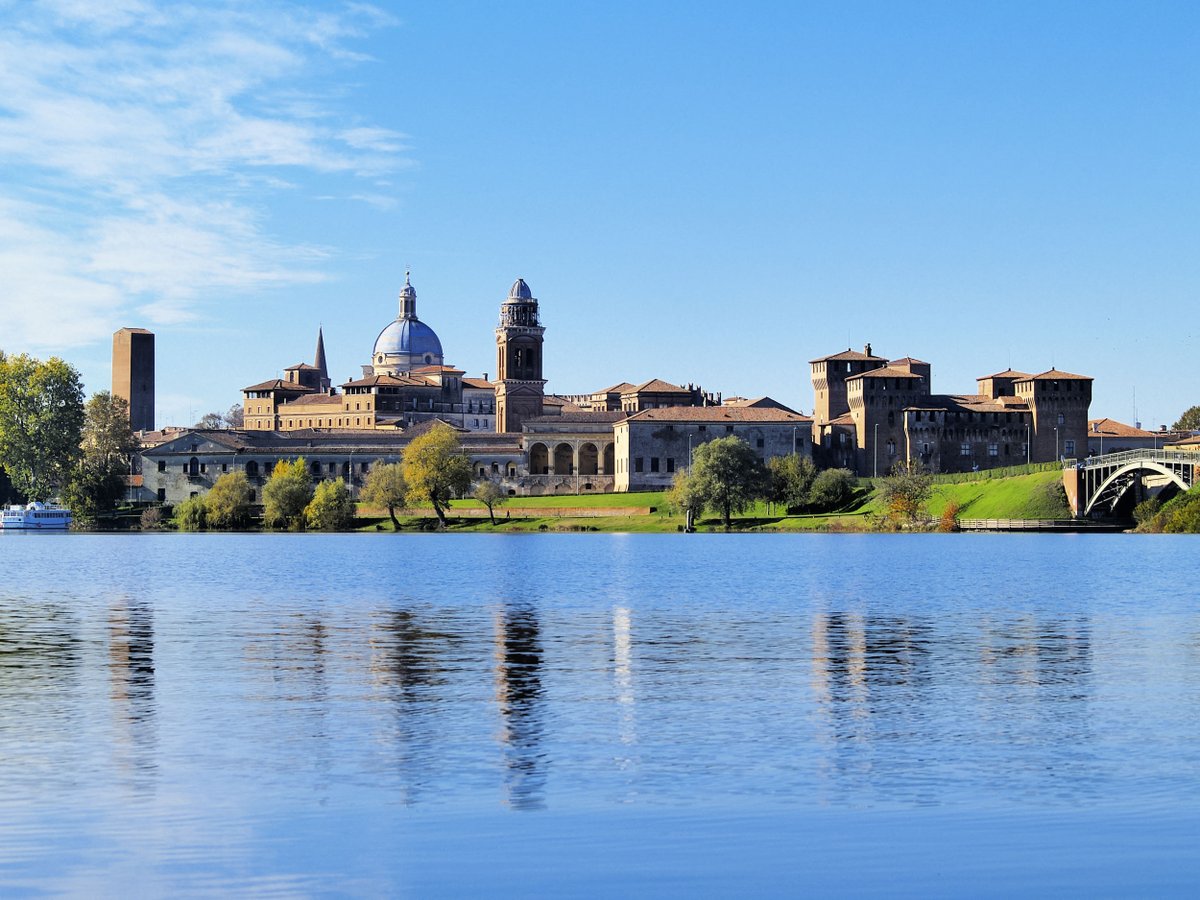
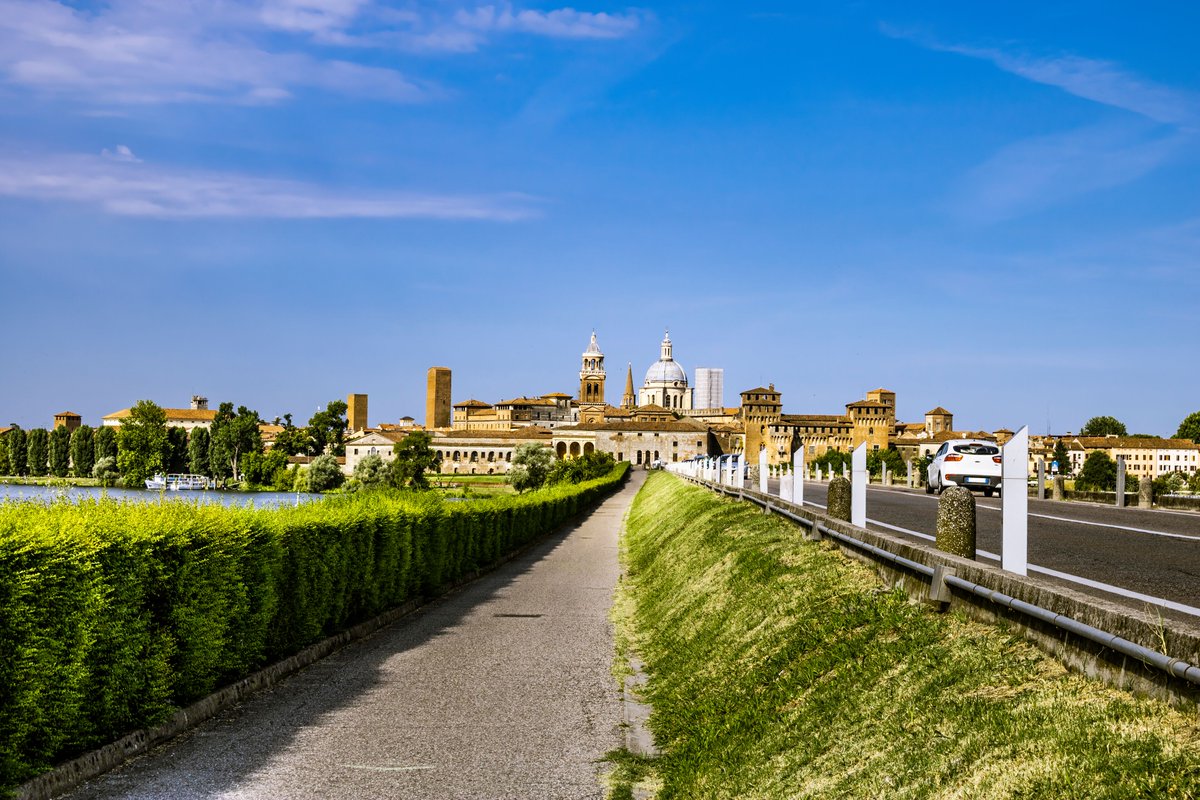
Once ruled by the Gonzaga dynasty for 400 years. Palazzo Ducale has 500 rooms. Palazzo Te is one of the greatest Mannerist buildings in existence. Surrounded by three artificial lakes.
And almost NOBODY outside Italy knows it exists.
Population: 50,000. UNESCO World Heritage.
€1,614/sqm (+2% YoY). Centro €1,853/sqm. Outer areas €1,097/sqm.
€200-300K buys 130-270 sqm depending on zone.
Once ruled by the Gonzaga dynasty for 400 years. Palazzo Ducale has 500 rooms. Palazzo Te is one of the greatest Mannerist buildings in existence. Surrounded by three artificial lakes.
And almost NOBODY outside Italy knows it exists.
Population: 50,000. UNESCO World Heritage.
€1,614/sqm (+2% YoY). Centro €1,853/sqm. Outer areas €1,097/sqm.
€200-300K buys 130-270 sqm depending on zone.

Mantova's edge:
Verona Airport 30 min. Ryanair, Wizz Air, Volotea. Full European network.
Milan 1.5 hours. Bologna 1.5 hours. Venice 2 hours. Lake Garda 30 min.
You're in the center of Northern Italy's economic powerhouse, Lombardy, at a fraction of Milan's prices.
Mantova was ranked among Italy's top cities for quality of life (Il Sole 24 Ore). Repeatedly.
Cost of living: €1,400-1,700/mo for a couple. Full meal €12-18.
Verona Airport 30 min. Ryanair, Wizz Air, Volotea. Full European network.
Milan 1.5 hours. Bologna 1.5 hours. Venice 2 hours. Lake Garda 30 min.
You're in the center of Northern Italy's economic powerhouse, Lombardy, at a fraction of Milan's prices.
Mantova was ranked among Italy's top cities for quality of life (Il Sole 24 Ore). Repeatedly.
Cost of living: €1,400-1,700/mo for a couple. Full meal €12-18.
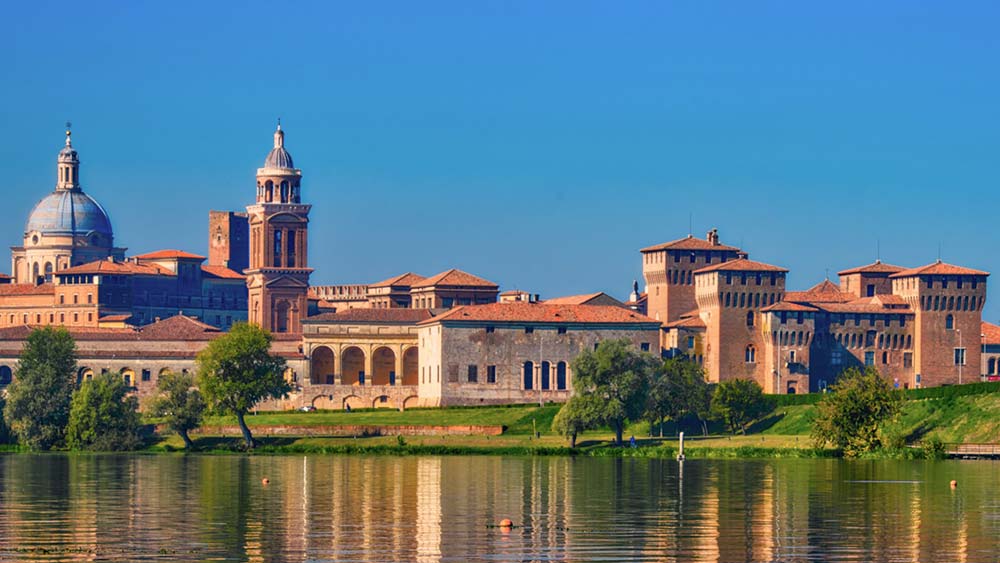
Mantova truth:
Po Valley fog is REAL. November-February can feel gray and damp. Summers are humid (35°C+ with continental humidity, not sea breeze).
Not a beach town. Not even close. This is flatland, rice paddies, pumpkin fields.
English is limited outside tourist sites. You need Italian.
But: if you care about Renaissance art, world-class cuisine (tortelli di zucca, sbrisolona), and a city that functions beautifully without a single tourist bus, Mantova is unmatched.
Best for: culture-focused retirees, families (Verona's international schools 30 min), remote workers who want Northern Italy access at Southern Italy prices.
Po Valley fog is REAL. November-February can feel gray and damp. Summers are humid (35°C+ with continental humidity, not sea breeze).
Not a beach town. Not even close. This is flatland, rice paddies, pumpkin fields.
English is limited outside tourist sites. You need Italian.
But: if you care about Renaissance art, world-class cuisine (tortelli di zucca, sbrisolona), and a city that functions beautifully without a single tourist bus, Mantova is unmatched.
Best for: culture-focused retirees, families (Verona's international schools 30 min), remote workers who want Northern Italy access at Southern Italy prices.
5/ ASCOLI PICENO, The Travertine City
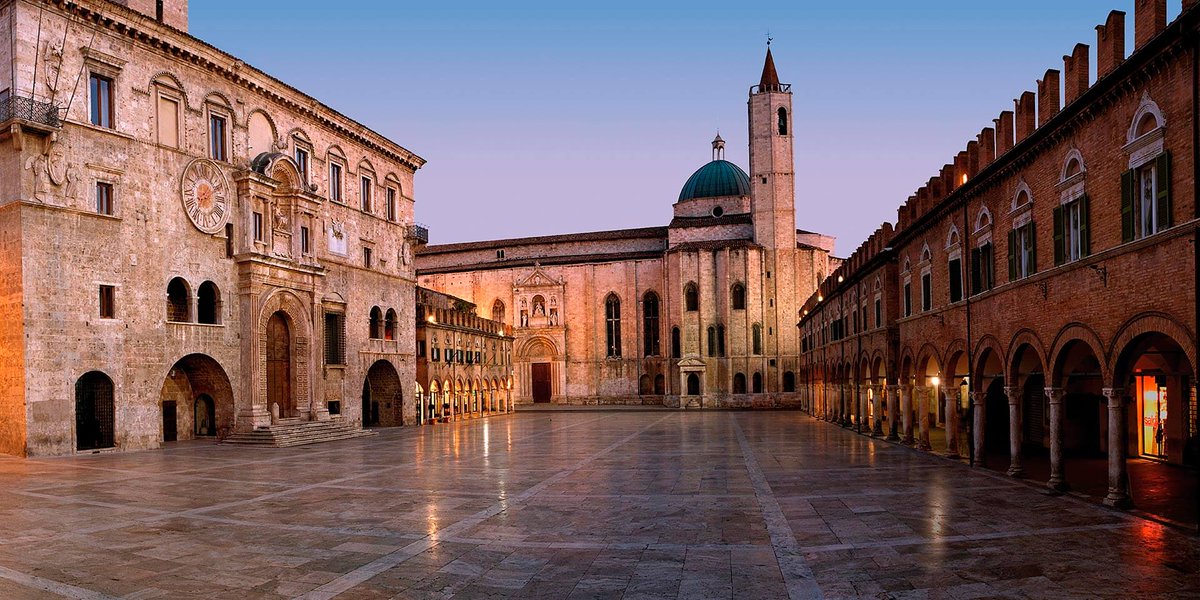
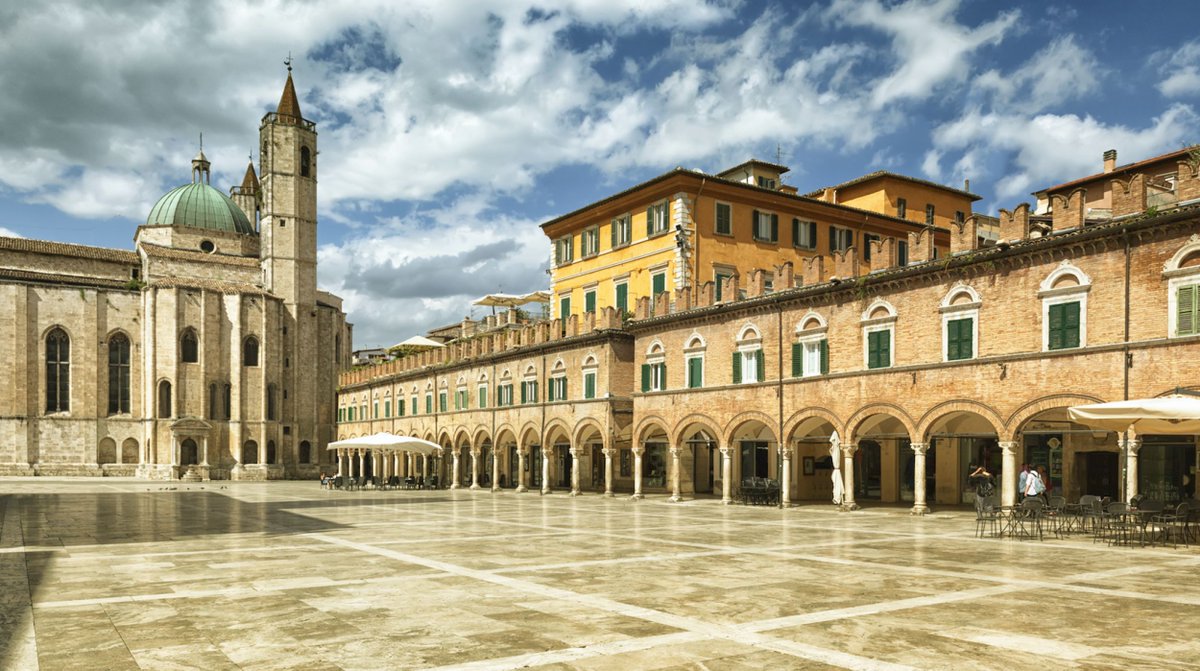
Built almost entirely from pale travertine stone. Piazza del Popolo is considered one of the 10 most beautiful squares in Italy. Not by me. By Italians.
Population: 45,000. Medieval streets, olive ascolane (the best fried olives on Earth), and a Saturday market that's been running for centuries.
€1,345/sqm (+3% YoY). Province up 13% YoY. This is accelerating.
€200-300K buys 150-220 sqm.
Built almost entirely from pale travertine stone. Piazza del Popolo is considered one of the 10 most beautiful squares in Italy. Not by me. By Italians.
Population: 45,000. Medieval streets, olive ascolane (the best fried olives on Earth), and a Saturday market that's been running for centuries.
€1,345/sqm (+3% YoY). Province up 13% YoY. This is accelerating.
€200-300K buys 150-220 sqm.
Ascoli's strategic position:
Between mountains and sea. Adriatic coast 30 min east. Sibillini Mountains 30 min west. You get beach AND ski in the same day.
Pescara Airport 1 hr 20 min. Ancona Airport 1 hr 30 min. Rome 2.5 hrs by car.
Not the most connected. This is the honest weakness. You need a car.
Cost of living: among the lowest in Central Italy. €1,200-1,500/mo for a couple.
Marche region = one of Italy's safest. Earthquake-affected areas nearby have additional tax incentives and reconstruction investment.
Best for: retirees who want authentic Italian life without ANY tourist infrastructure. People who value food culture (Ascoli's gastronomic tradition is legendary). Anyone who doesn't need daily flights.
Between mountains and sea. Adriatic coast 30 min east. Sibillini Mountains 30 min west. You get beach AND ski in the same day.
Pescara Airport 1 hr 20 min. Ancona Airport 1 hr 30 min. Rome 2.5 hrs by car.
Not the most connected. This is the honest weakness. You need a car.
Cost of living: among the lowest in Central Italy. €1,200-1,500/mo for a couple.
Marche region = one of Italy's safest. Earthquake-affected areas nearby have additional tax incentives and reconstruction investment.
Best for: retirees who want authentic Italian life without ANY tourist infrastructure. People who value food culture (Ascoli's gastronomic tradition is legendary). Anyone who doesn't need daily flights.
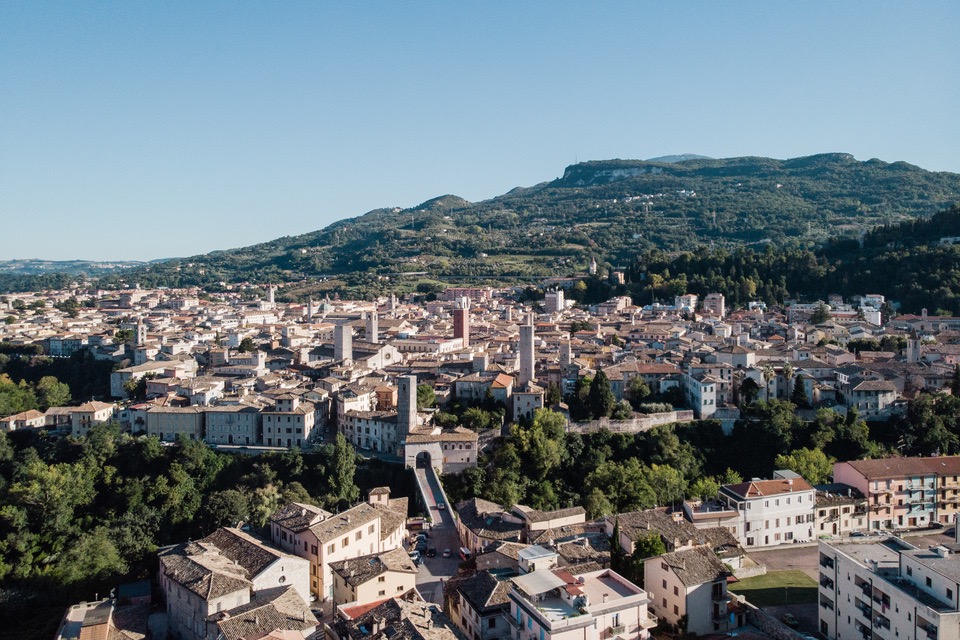
6/ ORVIETO, The City on the Cliff
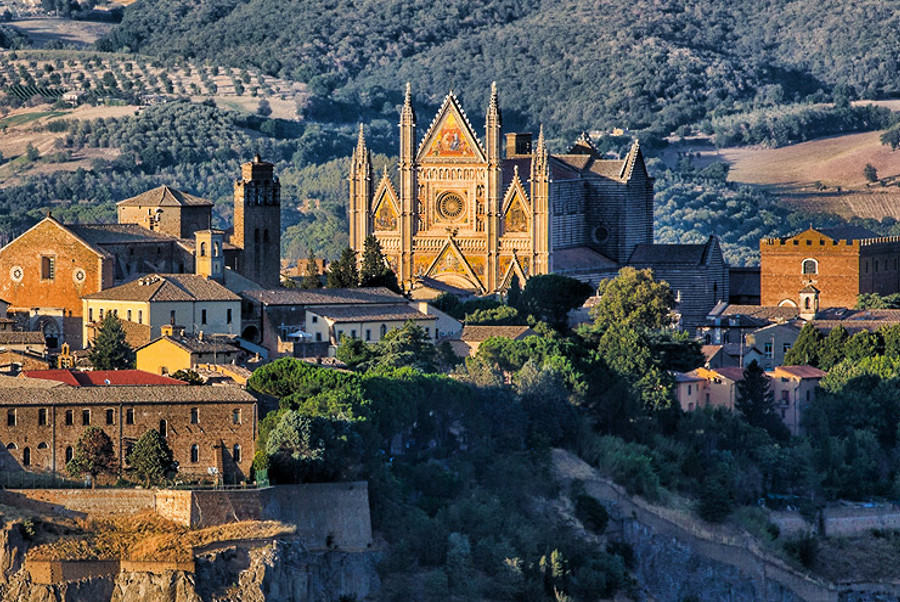
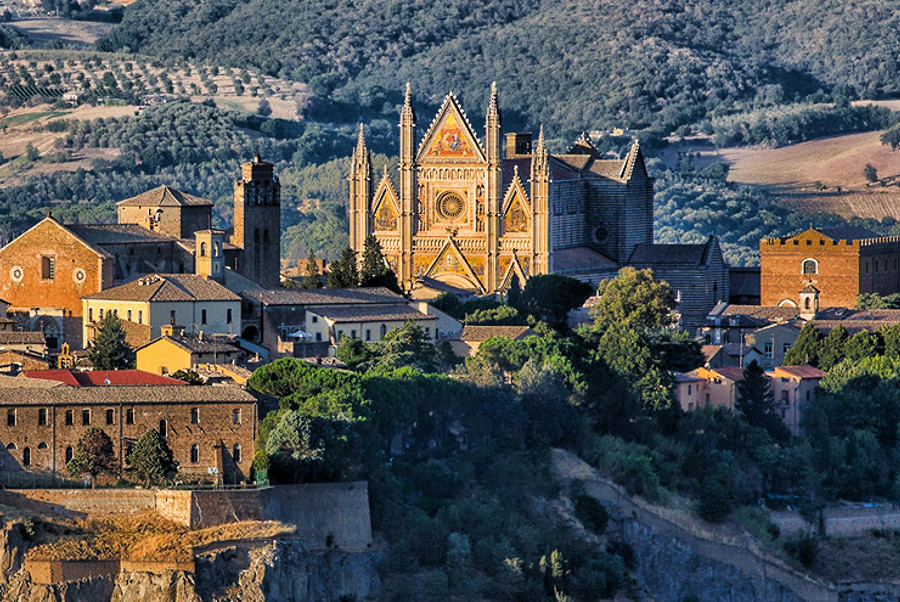
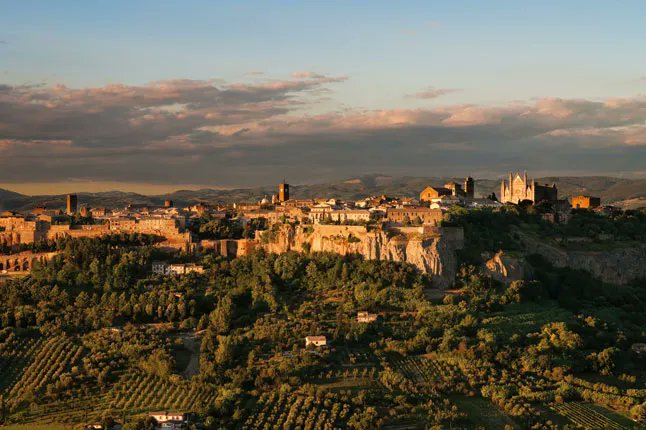
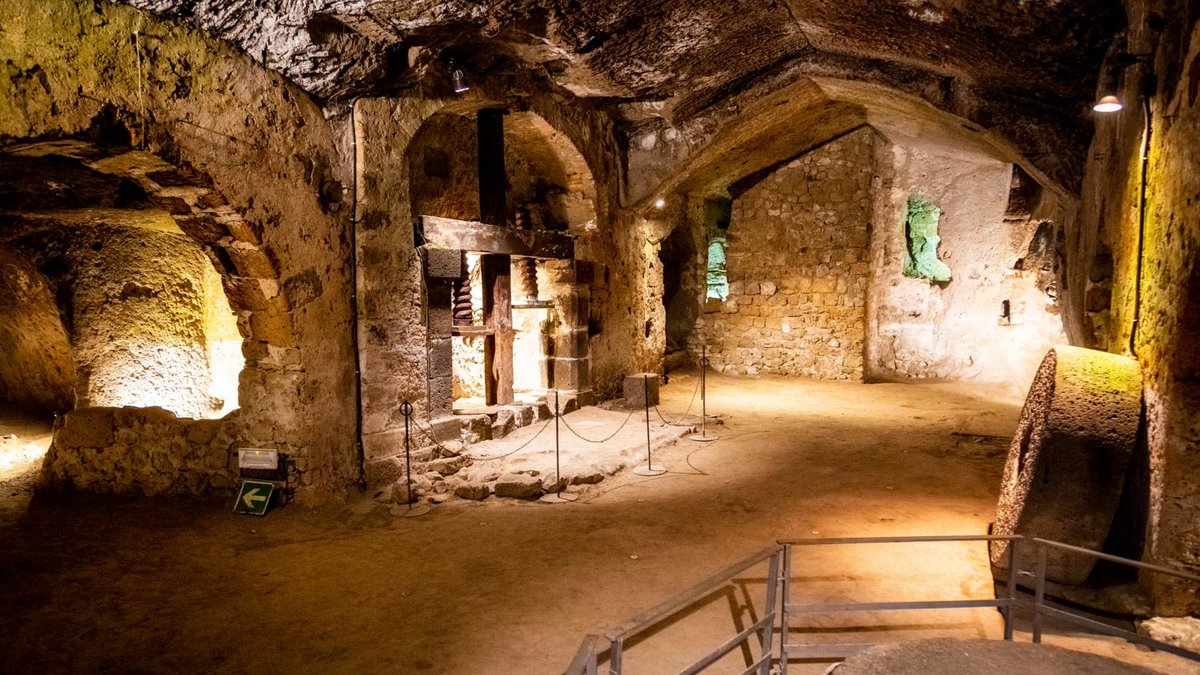
Perched on a volcanic tufa plateau. You take a funicular UP to the town. 1,200+ Etruscan underground tunnels beneath your feet. One of Italy's greatest Gothic cathedrals above.
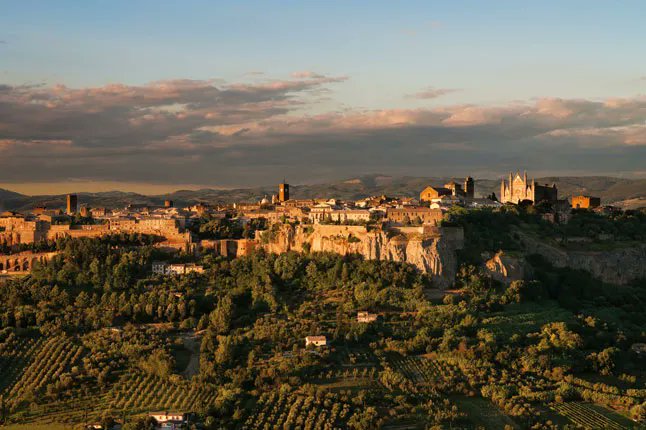
Killer offering. Incredible cuisine. Umbrian food is one of Italy's best-kept secrets.
Population: ~21,500. Headquarters of the Slow City (Cittàslow) movement.
€1,578/sqm (+1% YoY).
€200-300K buys 130-190 sqm.
Perched on a volcanic tufa plateau. You take a funicular UP to the town. 1,200+ Etruscan underground tunnels beneath your feet. One of Italy's greatest Gothic cathedrals above.
Killer offering. Incredible cuisine. Umbrian food is one of Italy's best-kept secrets.
Population: ~21,500. Headquarters of the Slow City (Cittàslow) movement.
€1,578/sqm (+1% YoY).
€200-300K buys 130-190 sqm.
Orvieto's killer advantage:
Rome is 1 HOUR by fast train. This is the single most Rome-accessible small city in Central Italy.
You get medieval hilltop life + Roman infrastructure when you need it.
Strongest American and British expat community in Central Italy. You won't be alone.
Perugia Airport 30 min for regional flights. Fiumicino (Rome) 1 hr 15 min for international.
Orvieto Classico wine. Umbrian truffles. Dinner with local wine: €35 for two.
Cost of living: €1,300-1,500/mo for a couple.
Best for: retirees who want peace + Rome access. Writers, artists, anyone seeking a creative retreat. Couples who want "deep Italy" without isolation.
Rome is 1 HOUR by fast train. This is the single most Rome-accessible small city in Central Italy.
You get medieval hilltop life + Roman infrastructure when you need it.
Strongest American and British expat community in Central Italy. You won't be alone.
Perugia Airport 30 min for regional flights. Fiumicino (Rome) 1 hr 15 min for international.
Orvieto Classico wine. Umbrian truffles. Dinner with local wine: €35 for two.
Cost of living: €1,300-1,500/mo for a couple.
Best for: retirees who want peace + Rome access. Writers, artists, anyone seeking a creative retreat. Couples who want "deep Italy" without isolation.
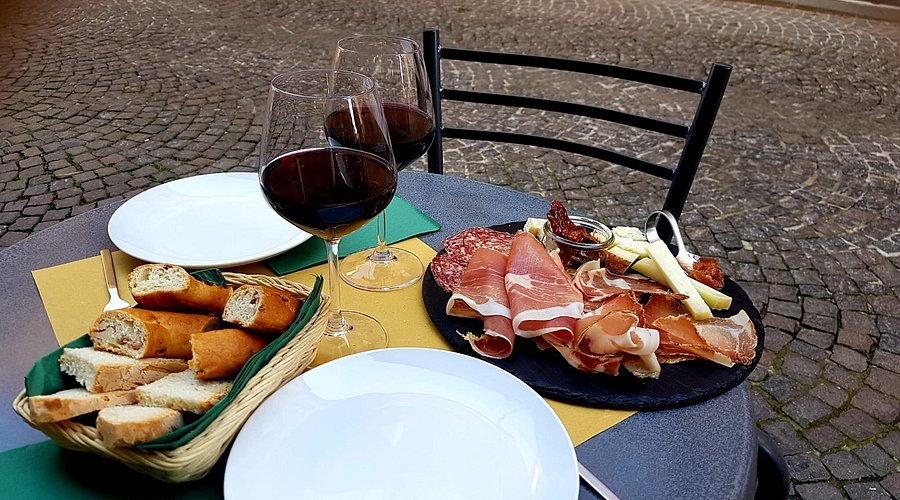
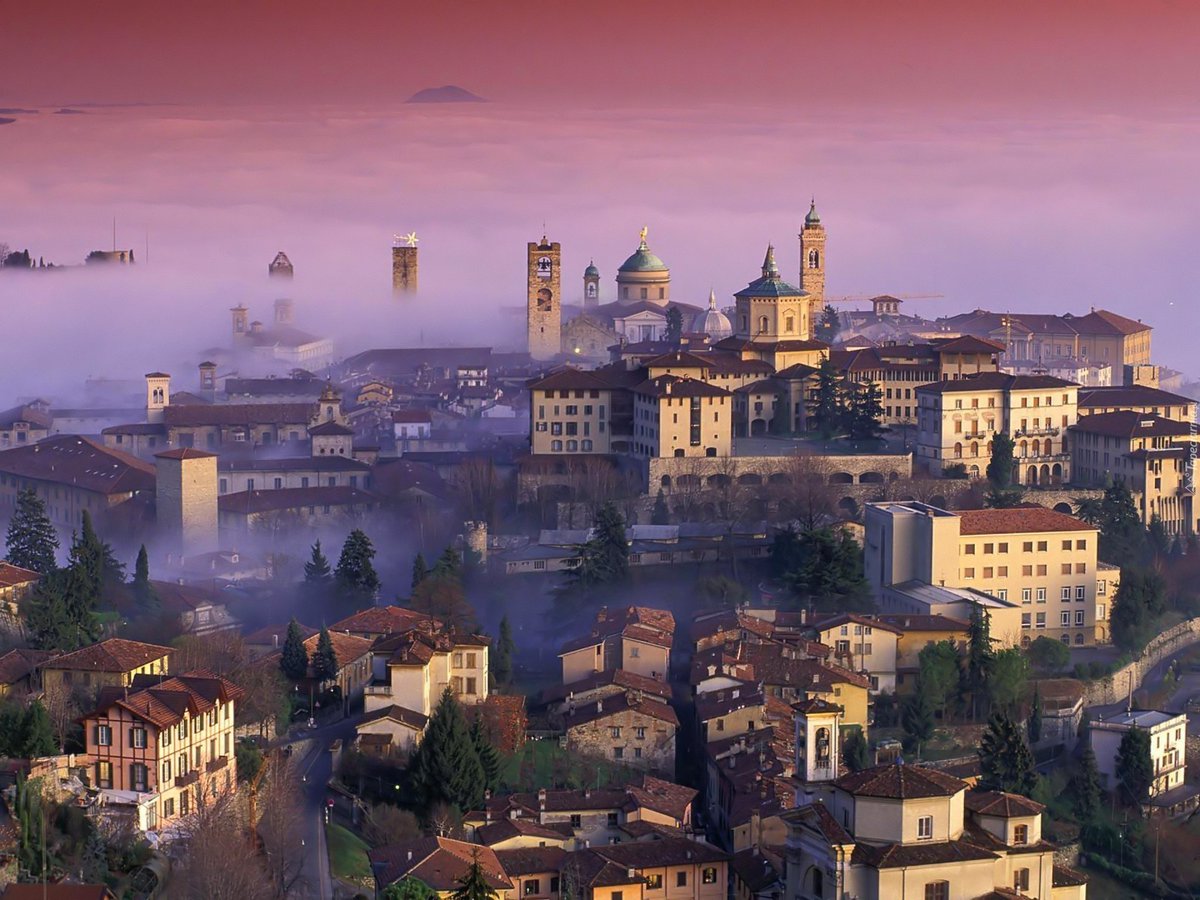
7/ BERGAMO, The City Everyone Flies Into and Nobody Explores
This is the ultimate hidden-in-plain-sight city.
Orio al Serio is one of Europe's busiest airports. 16 million passengers a year fly in and immediately leave for Milan or Lake Como. Almost nobody looks up.
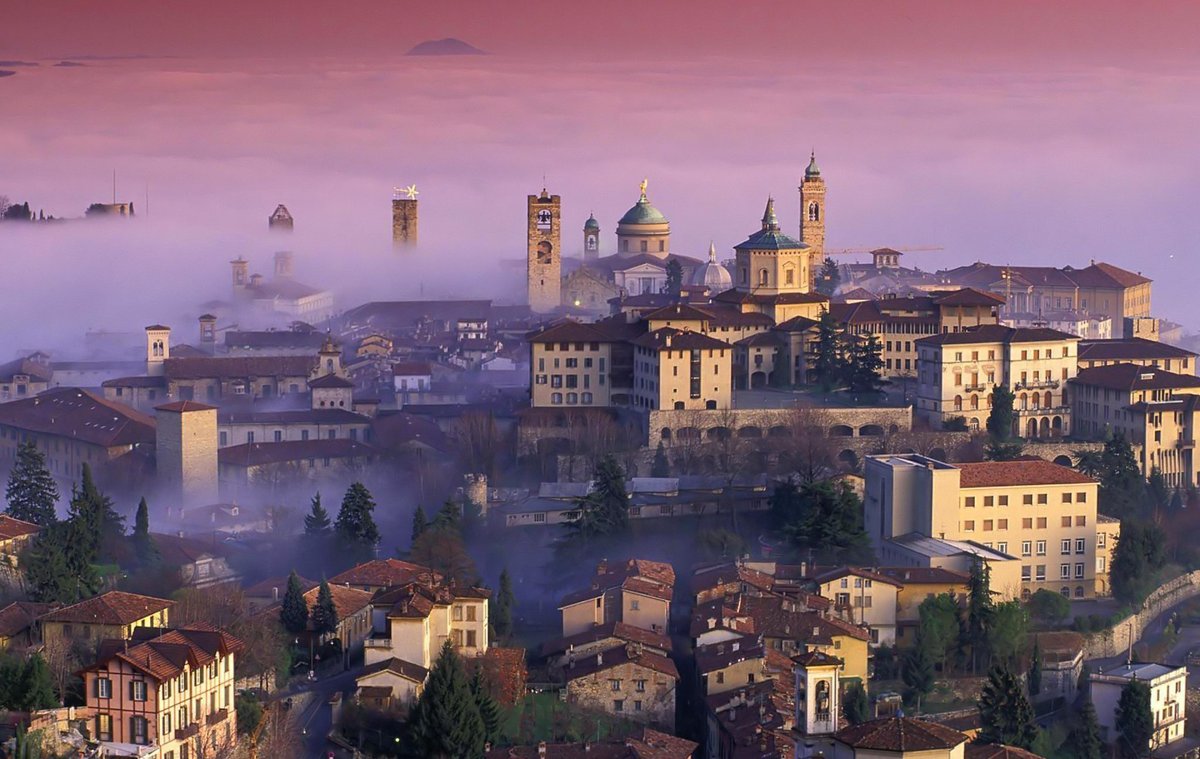
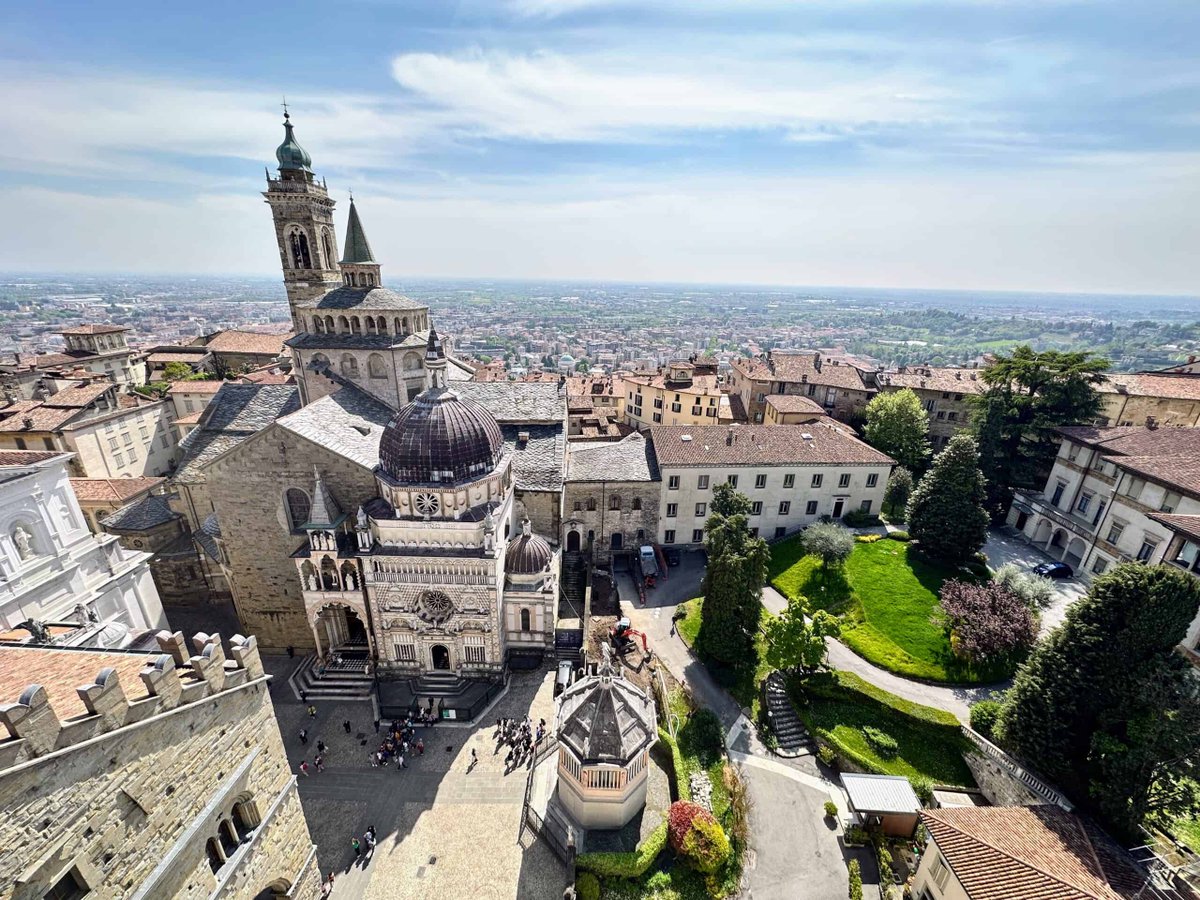
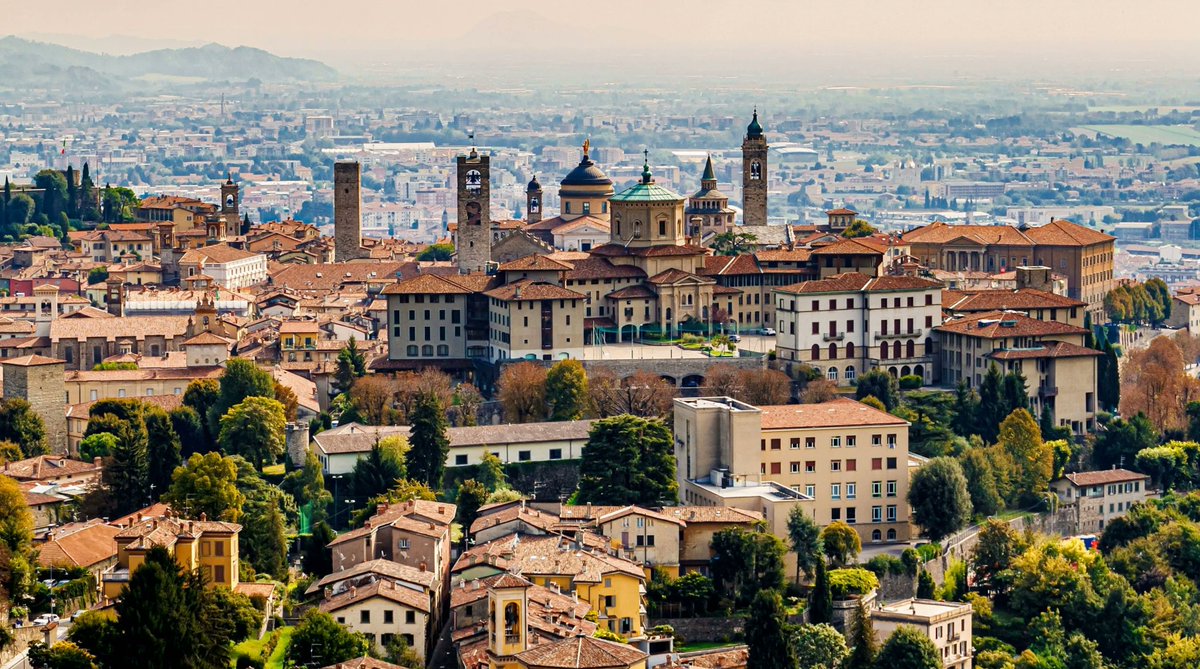
Meanwhile, Città Alta (the upper town) is one of the most stunning medieval cities in Italy. Venetian walls. Funicular access. Cobblestone piazzas with views of the Alps.
Population: 120,000.
€2,860/sqm city center. Peripheral areas ~€1,773/sqm.
This is the ultimate hidden-in-plain-sight city.
Orio al Serio is one of Europe's busiest airports. 16 million passengers a year fly in and immediately leave for Milan or Lake Como. Almost nobody looks up.
Meanwhile, Città Alta (the upper town) is one of the most stunning medieval cities in Italy. Venetian walls. Funicular access. Cobblestone piazzas with views of the Alps.
Population: 120,000.
€2,860/sqm city center. Peripheral areas ~€1,773/sqm.

Bergamo's edge:
Orio al Serio Airport is 7 KM from the city center. 15 minutes. Ryanair's biggest Italian hub with direct flights to 130+ destinations across Europe.
Milan is 45 min by train. Lake Como 1 hour. Lake Garda 1 hour. Venice 2.5 hours.
Città Bassa (lower town) is a proper modern city: shopping, restaurants, services. Città Alta (upper town) is your medieval escape. You get both.
Quality of life index: 181.96 (Numbeo). "Very High." Purchasing power rated "Very High." Traffic commute: among the lowest in Italy.
Cost of living: €830/mo for a single (excluding rent). Rent 48.6% LOWER than Lisbon.
Orio al Serio Airport is 7 KM from the city center. 15 minutes. Ryanair's biggest Italian hub with direct flights to 130+ destinations across Europe.
Milan is 45 min by train. Lake Como 1 hour. Lake Garda 1 hour. Venice 2.5 hours.
Città Bassa (lower town) is a proper modern city: shopping, restaurants, services. Città Alta (upper town) is your medieval escape. You get both.
Quality of life index: 181.96 (Numbeo). "Very High." Purchasing power rated "Very High." Traffic commute: among the lowest in Italy.
Cost of living: €830/mo for a single (excluding rent). Rent 48.6% LOWER than Lisbon.
Bergamo truth:
It's NOT cheap by Southern Italy standards. €2,860/sqm in centro is real money.
Winters are cold. Po Valley fog rolls in. November-February is gray.
Less "charming village" energy, more "functional Northern Italian city." If you want postcard Italy, this isn't it.
But: if you want one of Europe's best-connected airports at your doorstep, Milan-level infrastructure without Milan prices, and a city that consistently ranks among Italy's best for quality of life, Bergamo is the play nobody's making.
Best for: remote workers and founders who fly frequently. Families who want Northern Italian schools + airport access. Anyone who prioritizes connectivity over beach vibes.
It's NOT cheap by Southern Italy standards. €2,860/sqm in centro is real money.
Winters are cold. Po Valley fog rolls in. November-February is gray.
Less "charming village" energy, more "functional Northern Italian city." If you want postcard Italy, this isn't it.
But: if you want one of Europe's best-connected airports at your doorstep, Milan-level infrastructure without Milan prices, and a city that consistently ranks among Italy's best for quality of life, Bergamo is the play nobody's making.
Best for: remote workers and founders who fly frequently. Families who want Northern Italian schools + airport access. Anyone who prioritizes connectivity over beach vibes.
The comparative picture:
- Most affordable: Ascoli Piceno (€1,345/sqm)
- Best airport access: Bergamo (Orio al Serio, 15 min, 130+ destinations)
- Biggest city/most services: Trieste (198,000)
- Best culture per euro: Mantova
- Best beach access: Lecce (30-45 min to Salento beaches)
- Best Rome access: Orvieto (1 hr fast train)
- Fastest appreciation: Ascoli Piceno province (+13% YoY)
- Most affordable: Ascoli Piceno (€1,345/sqm)
- Best airport access: Bergamo (Orio al Serio, 15 min, 130+ destinations)
- Biggest city/most services: Trieste (198,000)
- Best culture per euro: Mantova
- Best beach access: Lecce (30-45 min to Salento beaches)
- Best Rome access: Orvieto (1 hr fast train)
- Fastest appreciation: Ascoli Piceno province (+13% YoY)
Who should consider each:
RETIREES:
→ Orvieto (Rome access + expat community)
→ Lecce (beach + low cost + cuisine)
→ Ascoli Piceno (authentic + affordable)
REMOTE WORKERS / FOUNDERS:
→ Bergamo (130+ destinations from Orio al Serio)
→ Trieste (real city + three-country access)
→ Lucca (Pisa Airport + fiber + Tuscany)
FAMILIES:
→ Lucca (bilingual school in city)
→ Bergamo (Northern Italian schools + connectivity)
→ Mantova (Verona international schools 30 min)
BUDGET OPTIMIZERS:
→ Ascoli Piceno (€1,345/sqm + Marche value)
→ Lecce (€1,647/sqm + 7% flat tax nearby)
RETIREES:
→ Orvieto (Rome access + expat community)
→ Lecce (beach + low cost + cuisine)
→ Ascoli Piceno (authentic + affordable)
REMOTE WORKERS / FOUNDERS:
→ Bergamo (130+ destinations from Orio al Serio)
→ Trieste (real city + three-country access)
→ Lucca (Pisa Airport + fiber + Tuscany)
FAMILIES:
→ Lucca (bilingual school in city)
→ Bergamo (Northern Italian schools + connectivity)
→ Mantova (Verona international schools 30 min)
BUDGET OPTIMIZERS:
→ Ascoli Piceno (€1,345/sqm + Marche value)
→ Lecce (€1,647/sqm + 7% flat tax nearby)
The honest reality:
These aren't Milan. They don't have English-speaking staff at every café. They don't have Michelin-star restaurants on every corner. Bureaucracy is EVERYWHERE.
What they have: genuine community, architecture that took centuries to build, food that hasn't been adapted for tourists, and a cost of living that lets you actually enjoy life instead of surviving it.
Italy's hidden cities are hidden because they don't market themselves. That's the feature, not the bug.
These aren't Milan. They don't have English-speaking staff at every café. They don't have Michelin-star restaurants on every corner. Bureaucracy is EVERYWHERE.
What they have: genuine community, architecture that took centuries to build, food that hasn't been adapted for tourists, and a cost of living that lets you actually enjoy life instead of surviving it.
Italy's hidden cities are hidden because they don't market themselves. That's the feature, not the bug.
If you're considering a move, three rules:
Visit in WINTER first. Not summer. If you can handle January, you can handle the city.
Hire a local commercialista (tax advisor). Non-negotiable. Don't DIY Italian bureaucracy.
Learn Italian to A2 level BEFORE you go. In these cities, it's not optional.
Visit in WINTER first. Not summer. If you can handle January, you can handle the city.
Hire a local commercialista (tax advisor). Non-negotiable. Don't DIY Italian bureaucracy.
Learn Italian to A2 level BEFORE you go. In these cities, it's not optional.
For complete guides on Italy's tax regimes (7% flat tax, €300K non-dom, Digital Nomad Visa), property analysis by region, and cost-of-living breakdowns, plus conversations with expats actually living in these places, I cover it all on Substack.
Subscribe here:
→ palombo.substack.com
Subscribe here:
→ palombo.substack.com
Thank you for reading!
For more posts and insights like this, follow @thealepalombo
And repost this to share with your audience!
For more posts and insights like this, follow @thealepalombo
And repost this to share with your audience!
https://twitter.com/953352286255886338/status/2031788740541297094
• • •
Missing some Tweet in this thread? You can try to
force a refresh