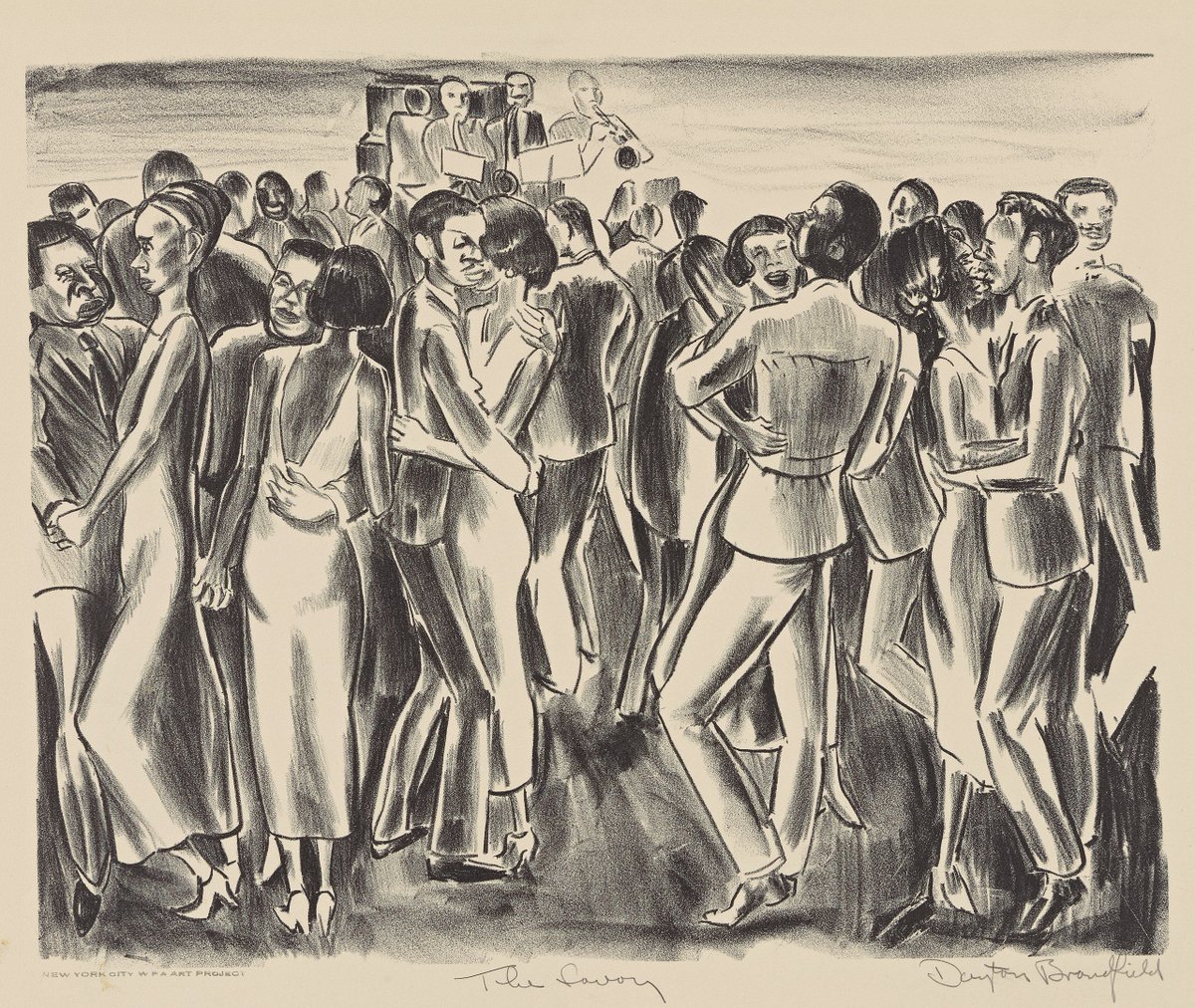
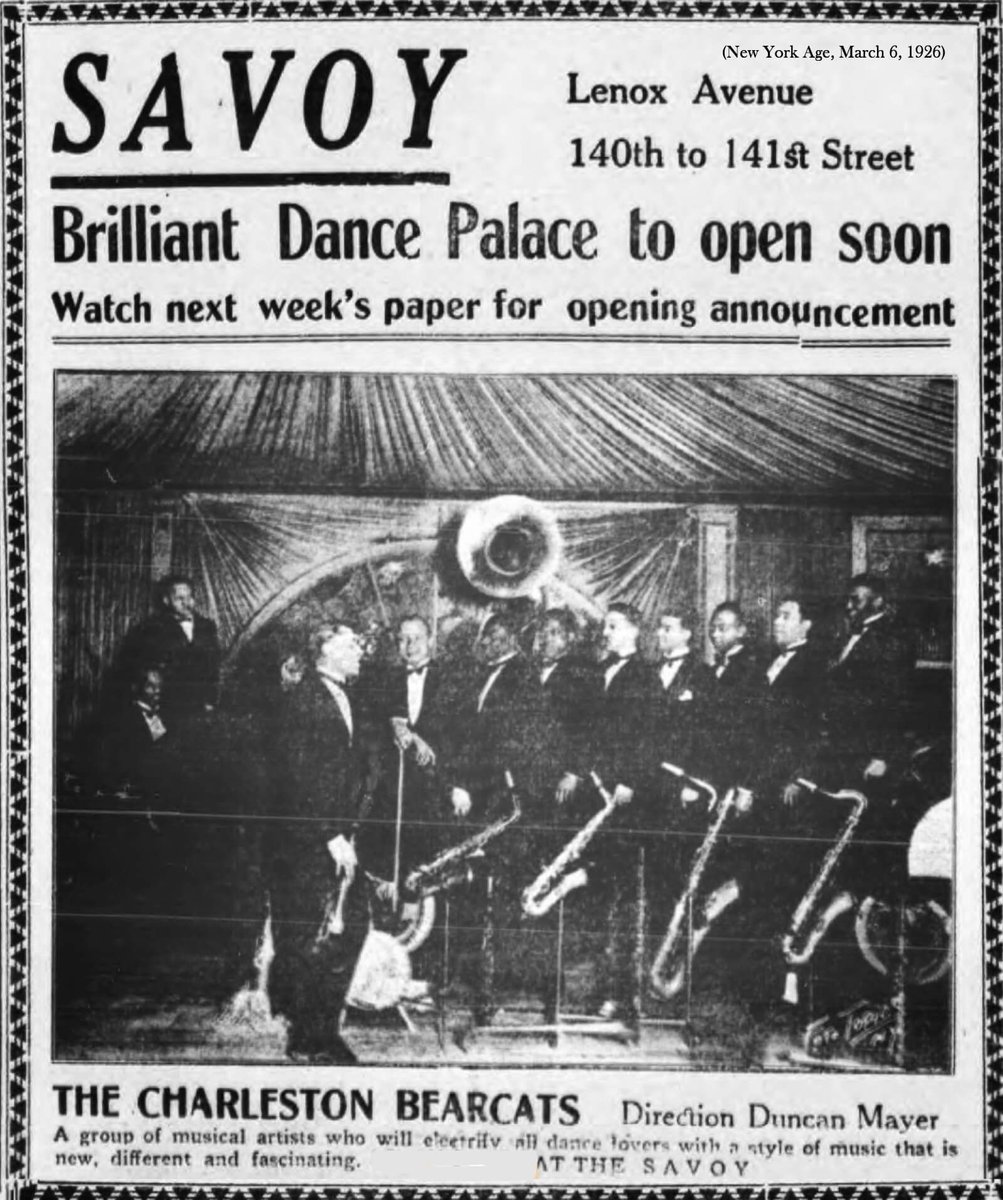
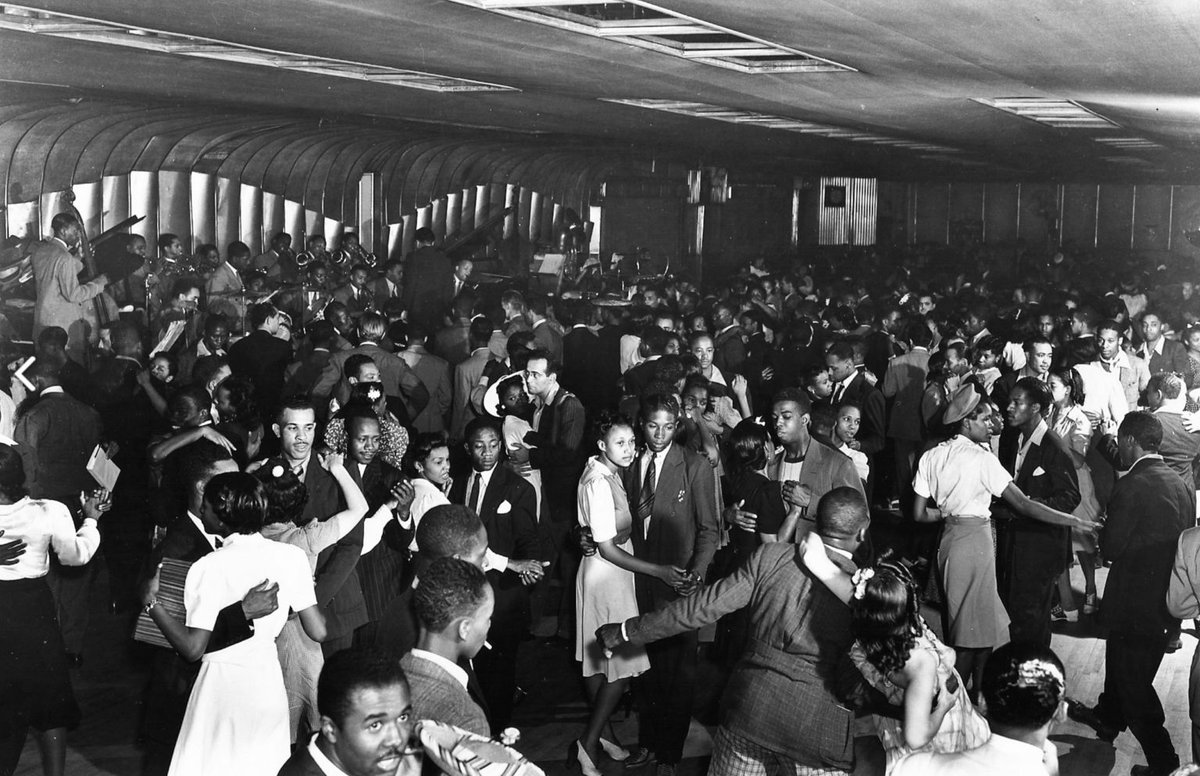
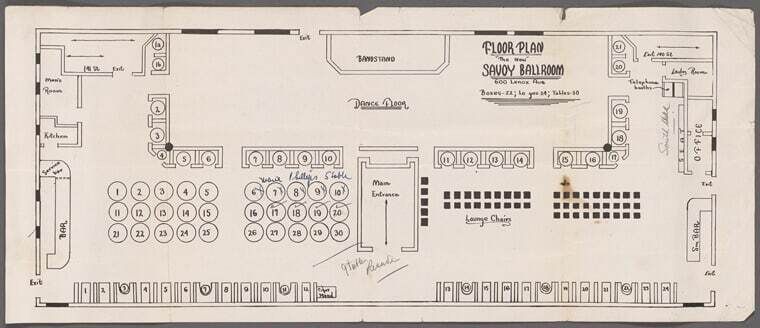
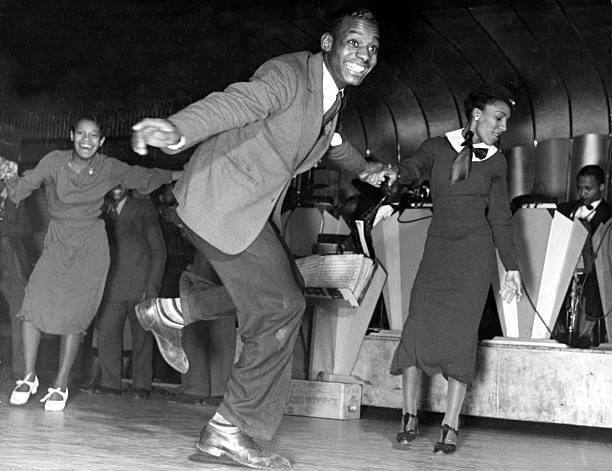
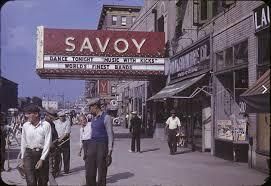
March 12, 1926: The Savoy Ballroom opens on Lenox Ave. in Manhattan, “dedicated exclusively to Colored People.” The nightspot that Langston Hughes will come to call the “Heartbeat of Harlem” is luxurious and spacious, a step up from so many smoky, cramped dance halls. 1/6
Owned by two white men but managed by a Black man, Charles Buchanan, the Savoy is one of the first racially integrated entertainment venues in New York. Admission is 50¢ weekdays, 75¢ weekends. The decor is pink, the chandelier is enormous and the dance floor is a block long. 2/6
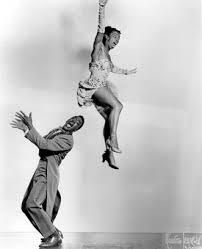
The Savoy owes its reputation as an innovator of dance to bouncer Herbert “Whitey” White, who forms a troupe in the 1930s called the Lindy Hoppers. They popularize the Lindy Hop, named for Charles Lindbergh, with moves that grow increasingly acrobatic and gravity-defying. 3/6
Other Savoy creations, according to historian Jacqui Malone, include the “flying Charleston, the Big Apple, the stomp, the jitterbug jive, the snakehips, the rhumboogie, variations of the shimmy and the peabody, and new interpretations of the bunny hug and the turkey trot.” 4/6
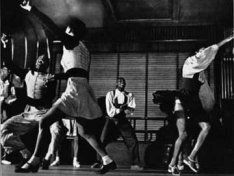
The “Battle of the Bands” is said to have been invented at the swing-era Savoy, where its house band led by Chick Webb will take on all comers—Benny Goodman and Count Basie among the challengers. Louis Armstrong, Billie Holliday and Ella Fitzgerald are frequest guests. 5/6
The Savoy goes out of business in 1958, a victim of changing tastes and the vogue for “slum clearance.” It is demolished to make room for a housing project the following year. 6/6
• • •
Missing some Tweet in this thread? You can try to
force a refresh

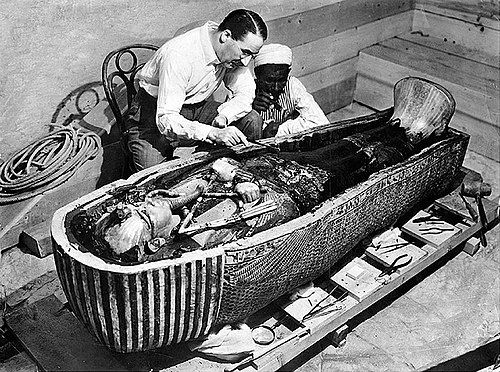
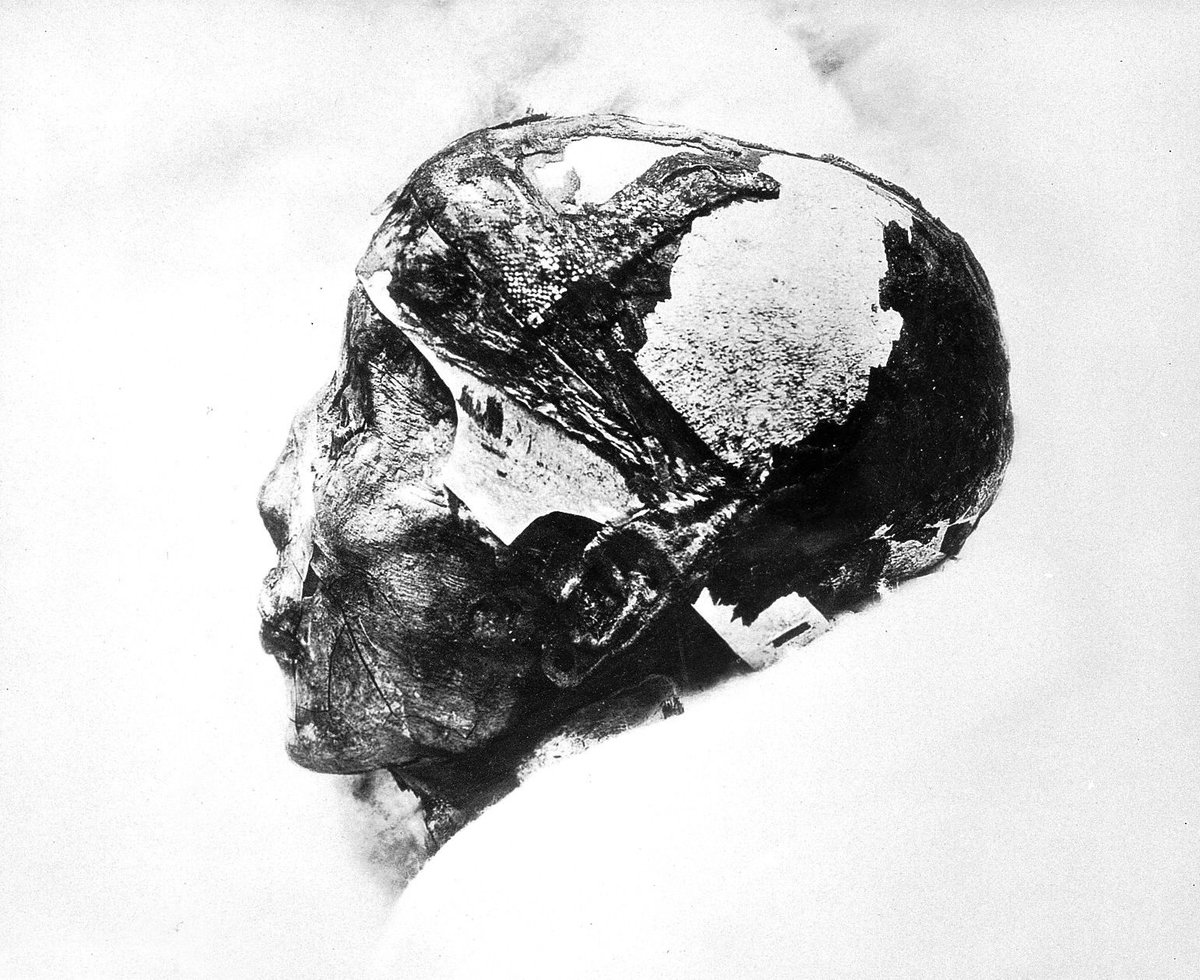
Nov. 11, 1925: King Tutankhamun’s 3,300-year-old mummy is carefully removed from his sarcophagus that was opened 14 days ago in Luxor. British archaeologist Howard Carter has the pharaoh’s body chiseled away from the gooey, black resin surrounding it. 1/4

Tut’s body undergoes an eight-day examination by Douglas Derry, a Cairo University anatomy professor, who notes the king was of a light build, stood at about 5-foot-5 and died at about age 18. 2/4
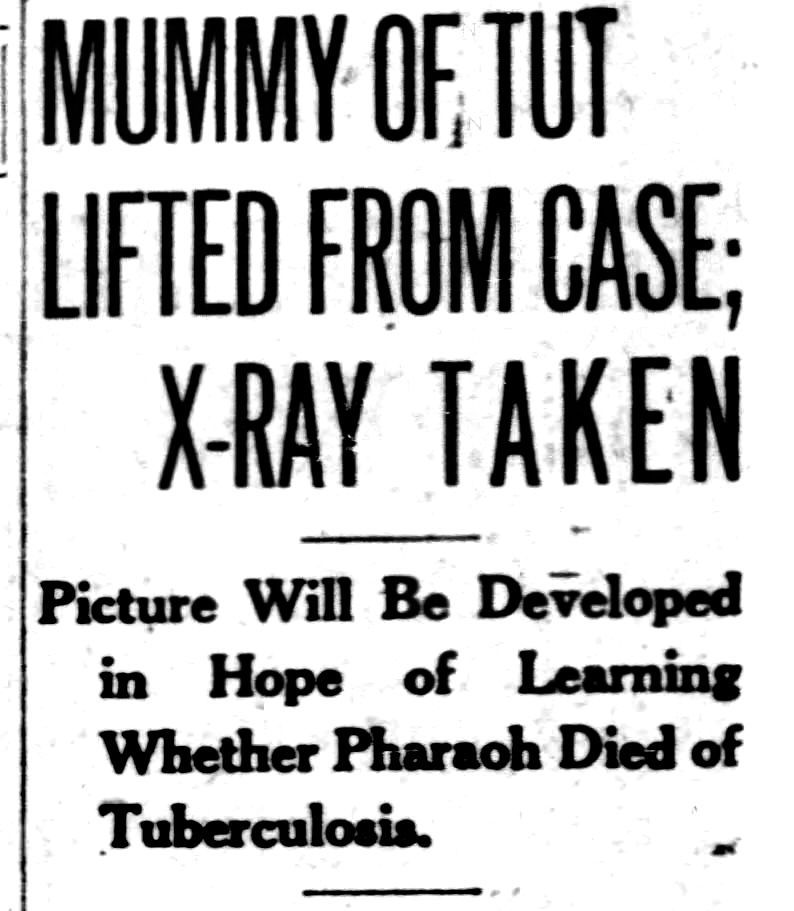
Despite newspaper reports, Derry uses no X-rays for his autopsy; he also dismembers Tut’s body, a fact not mentioned in accounts from the 1920s. No cause of death is established, even though Carter holds the theory that the boy king was murdered by a general. 3/4

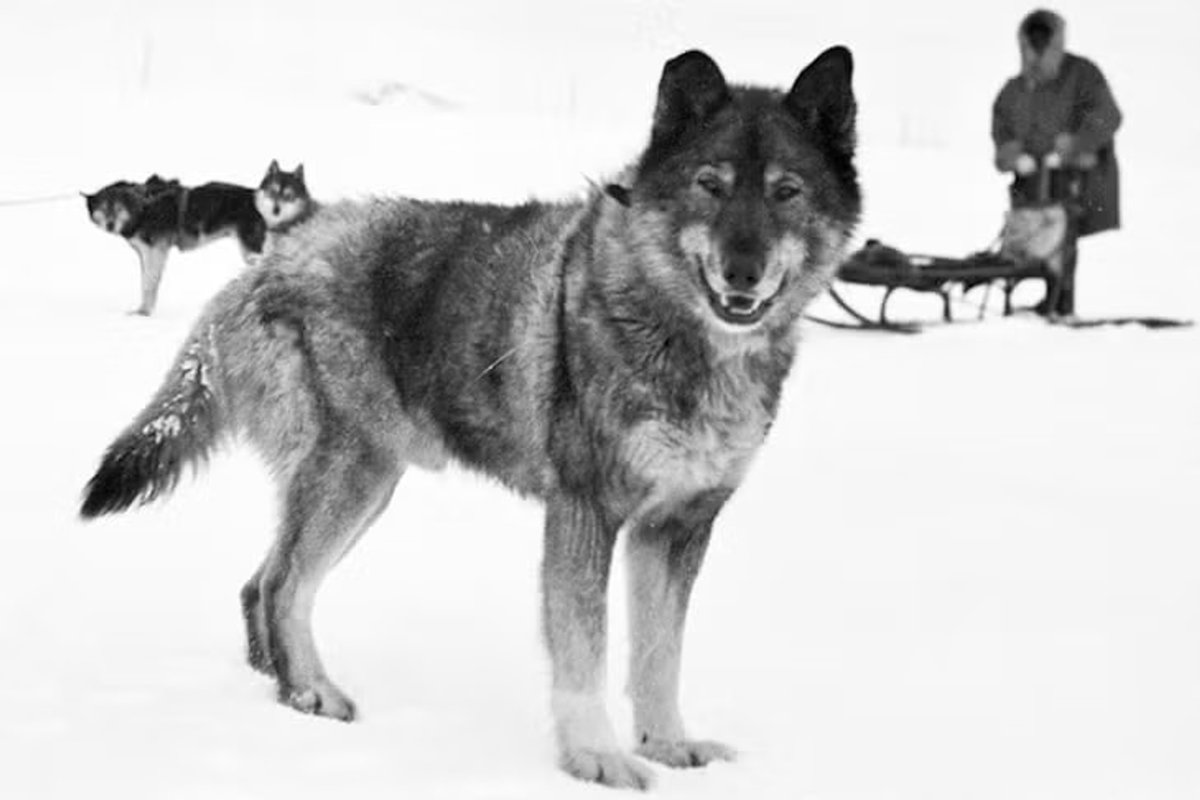
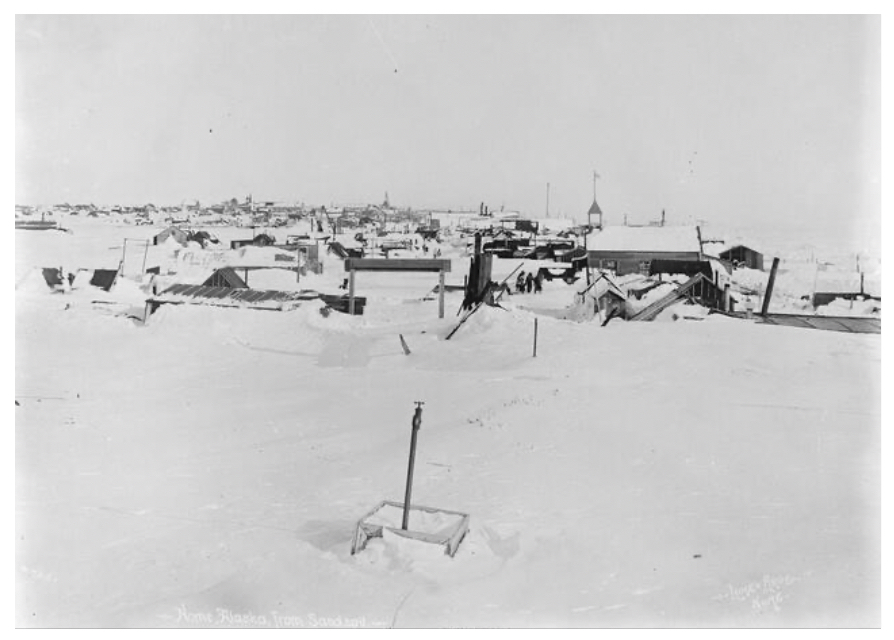
Jan. 31, 1925: The race by dog sled to deliver antitoxin to Nome, Alaska, amid a deadly diphtheria outbreak enters its most desperate and dangerous phase. Champion musher Leonhard Seppala sets out with Togo as lead dog in a 90-mile run amid blinding snow and −85° wind chill. 1/8
A day earlier Nome ran out of the antitoxin that had been used to treat victims of the epidemic, and cases rose to 27; five people are dead with the toll likely to go higher. Serum is being sent from Nenana, 674 miles away, by sleds in a relay that will involve over 100 dogs. 2/8
Seppala, based in Nome, is taking on the longest distance of the relay, more than twice that of any other team. Both the Norway-born musher, 47, and Siberian husky Togo, 12, are renowned in Alaska for multiple race victories, even if both are on the older side. 3/8
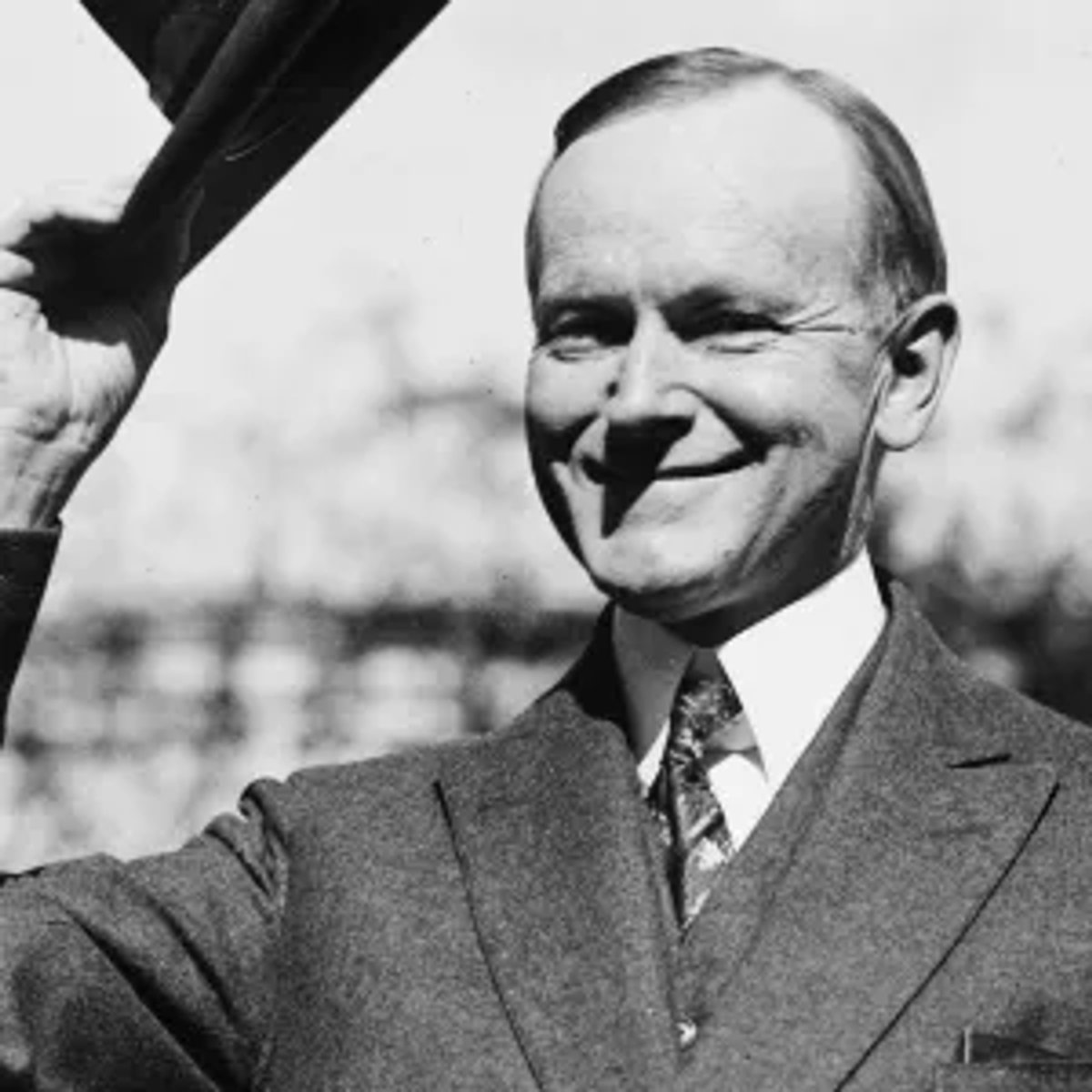
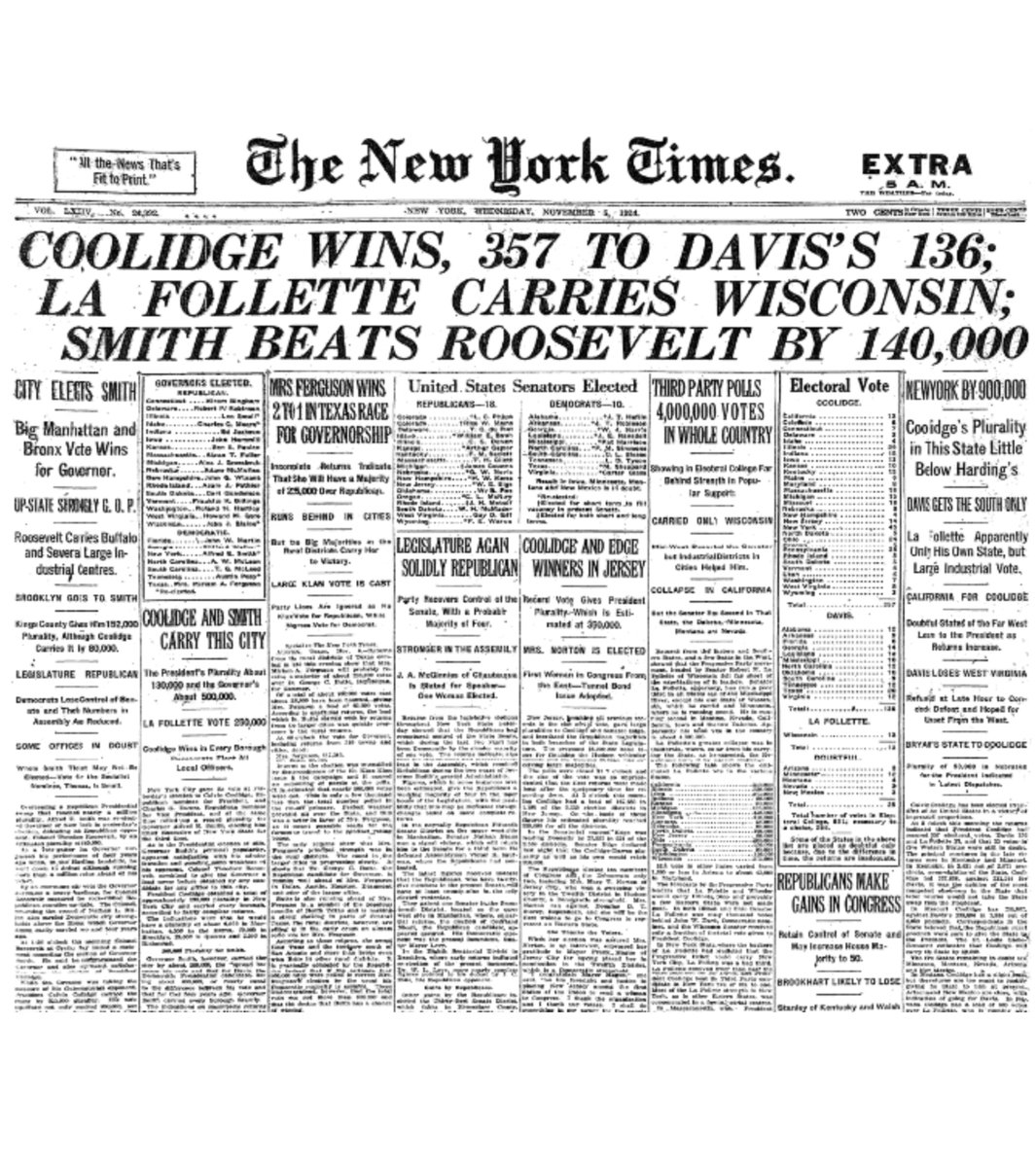
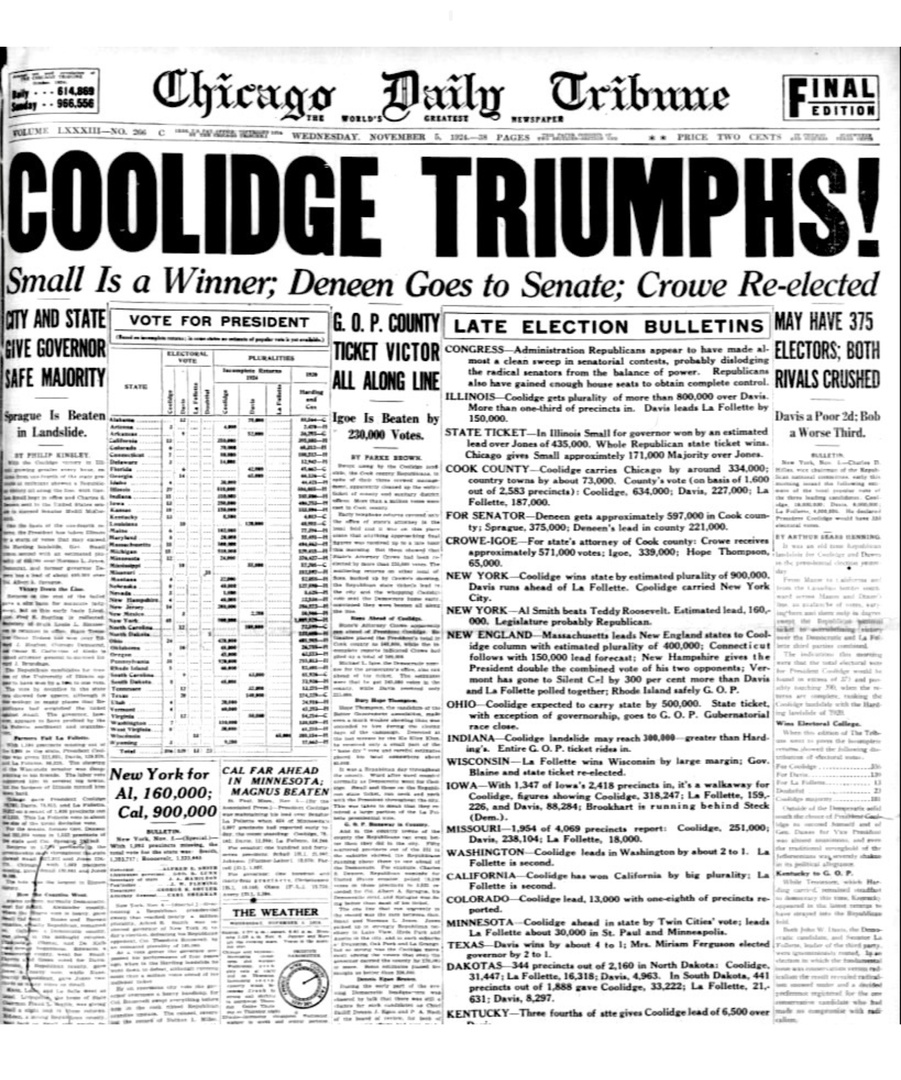
Nov. 4, 1924: President Calvin Coolidge is elected in a landslide. The Republican, who succeeded to the office on the death of Warren Harding, wins a full term in his own right with a 25-pt. margin over Democratic nominee John W. Davis. Progressive Robert LaFollette is third. 1/9
With the country enjoying an economic boom and no foreign crises, a Coolidge victory has seemed like a foregone conclusion for months. The scale of his victory is still staggering: 382 of 531 electoral votes, and every state outside the South and LaFollette's Wisconsin. 2/9
The popular vote share for Coolidge and Vice President-elect Charles Dawes is 54%, while Davis' is 29%, the lowest of any Democrat since the Civil War. LaFollette wins 17%, one of the highest in history for a third-party candidate, but the only state he captures is his own. 3/9
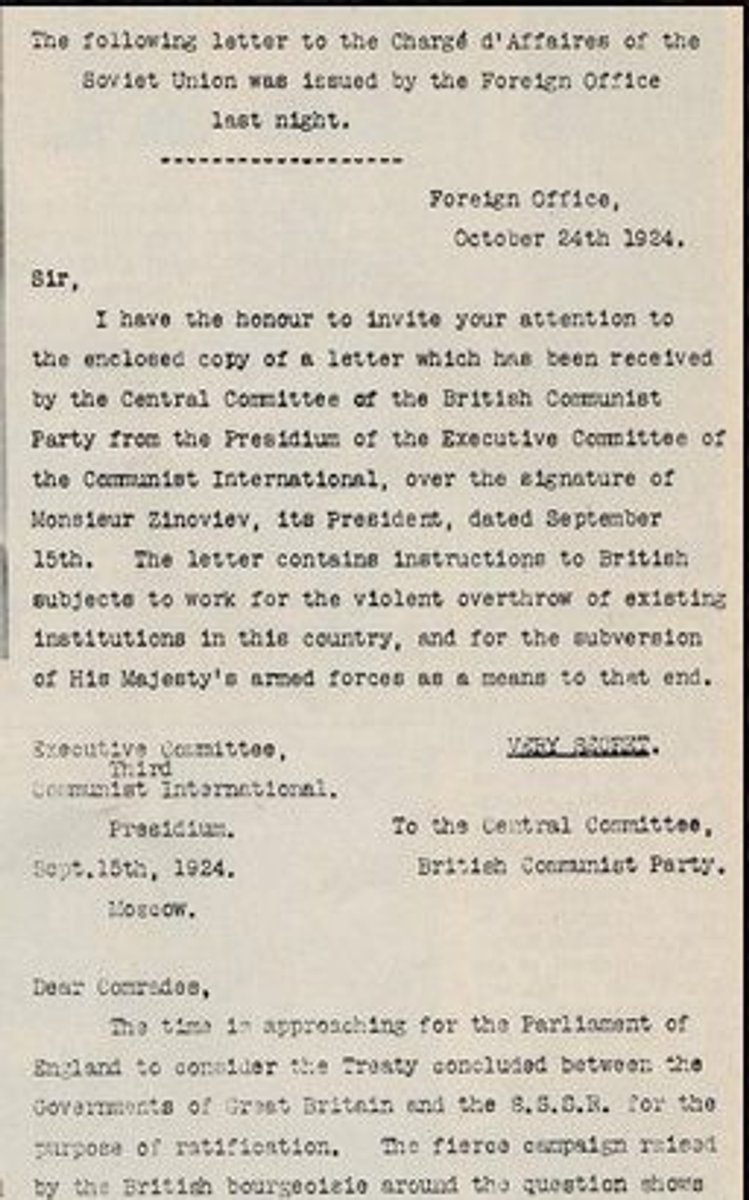
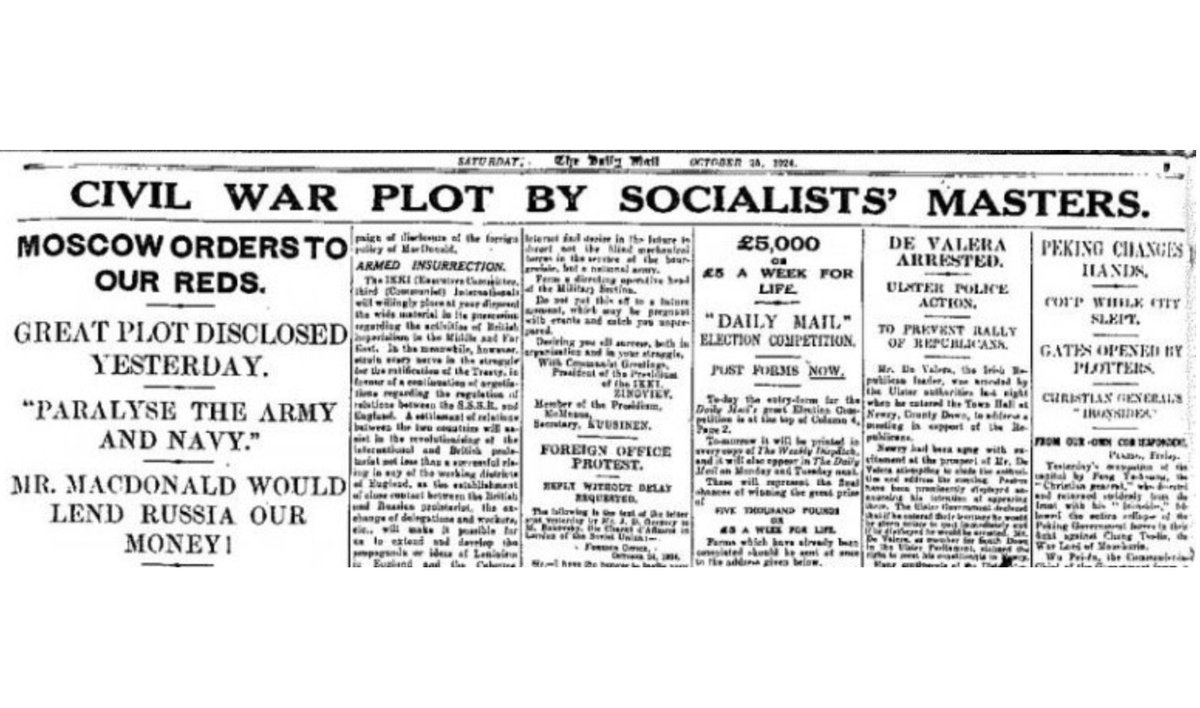
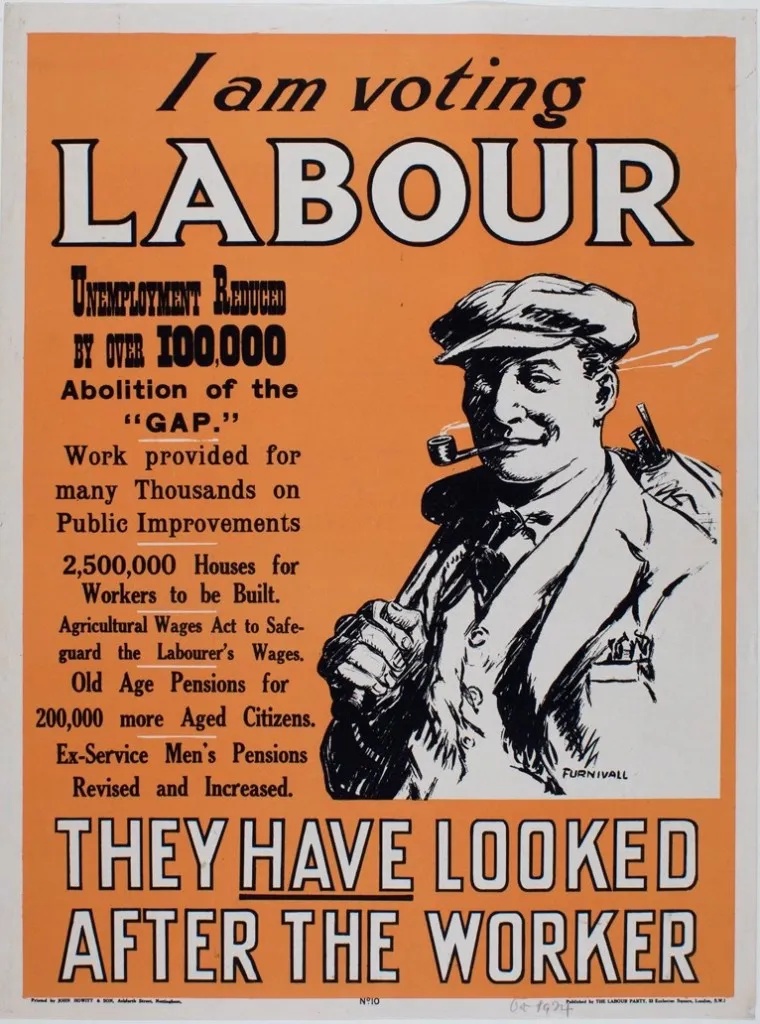
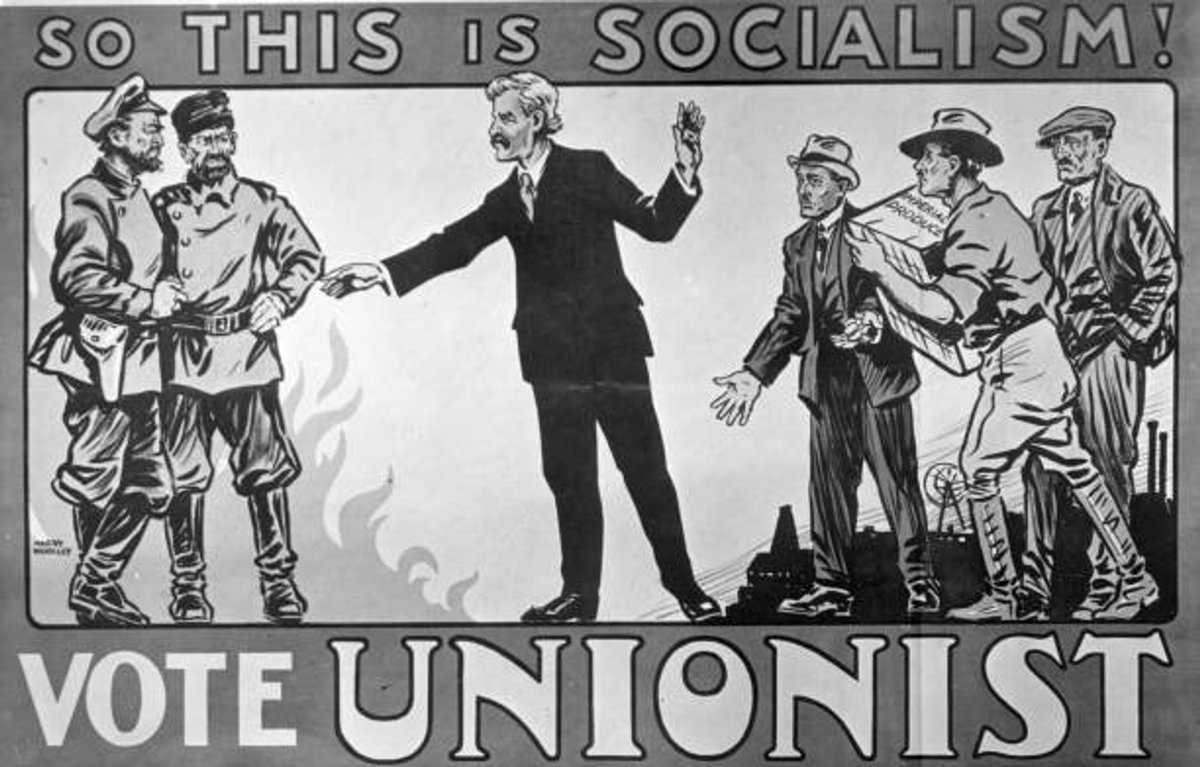
Oct. 24, 1924: Britain’s Foreign Office releases a letter reputed to have come from the Communist International, encouraging Soviet-style revolution in the U.K. The “Zinoviev letter” is a bombshell that throws the Labor government on the defensive five days before elections. 1/7
Prime Minister Ramsay MacDonald had been forced to call elections when the Liberals and Conservatives attacked his Soviet policy as too lenient. The letter is prominently splashed in newspapers, led by the Daily Mail under the headline “Civil war plot by socialists’ masters.” 2/7
The missive, marked “highly secret,” is addressed to the Communist Party of Great Britain and signed by Grigori Zinoviev, head of the International. Newly established ties between the U.K. and USSR, it says, “will assist in the revolutionizing of the [British] proletariat.” 3/7
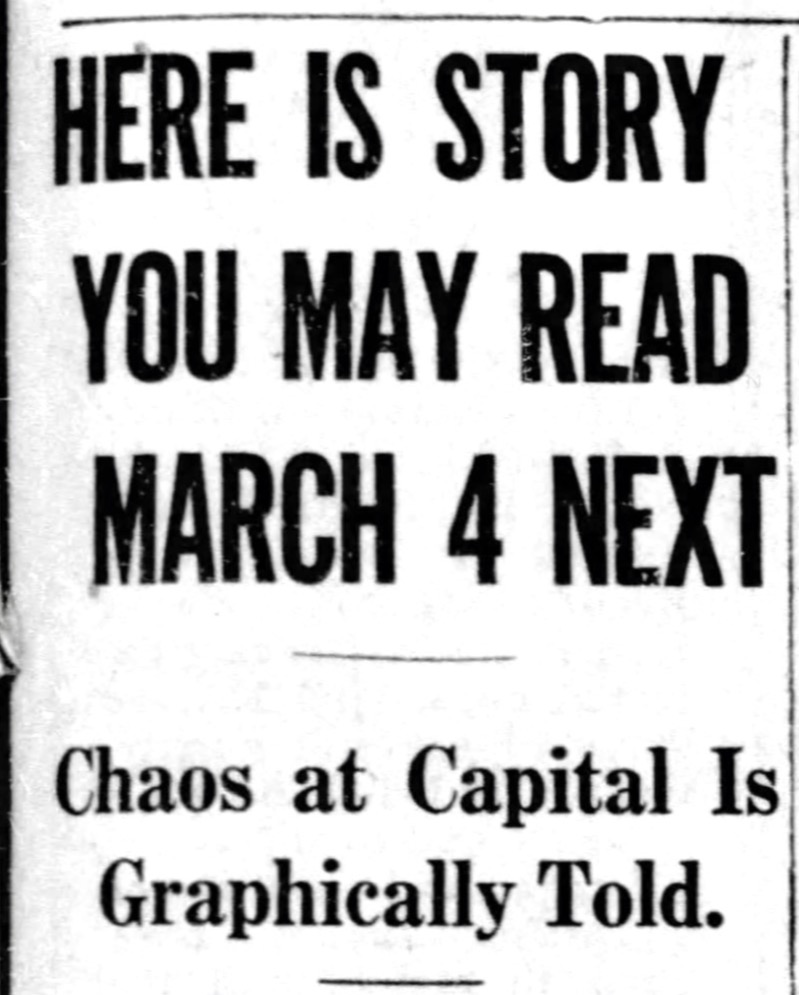
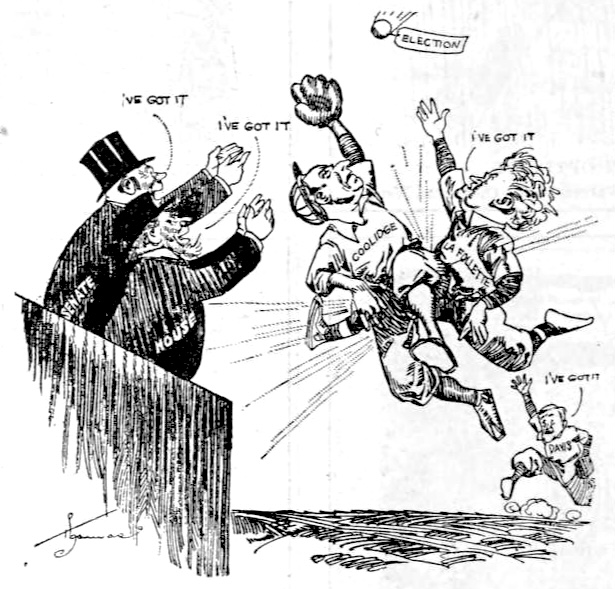
Oct. 20, 1924: Observers are fretting over the possibility that none of the three major candidates for president will win an Electoral College majority, throwing the decision to Congress. A columnist outlines a scenario in which political and economic chaos ensues in 1925. 1/5
President Coolidge, the Republican, is overwhelmingly favored to win a popular vote plurality. But the Solid South states are a lock for Democratic nominee John W. Davis and Progressive candidate Robert LaFollette is expected to pull several Midwest states into his column. 2/5
No presidential election has gone to the House since 1825. If a deadlock occurs this year, there is the possibility that neither the House, which is supposed to choose the president, nor the Senate, which votes on the vice president, will reach a majority for a decision. 3/5
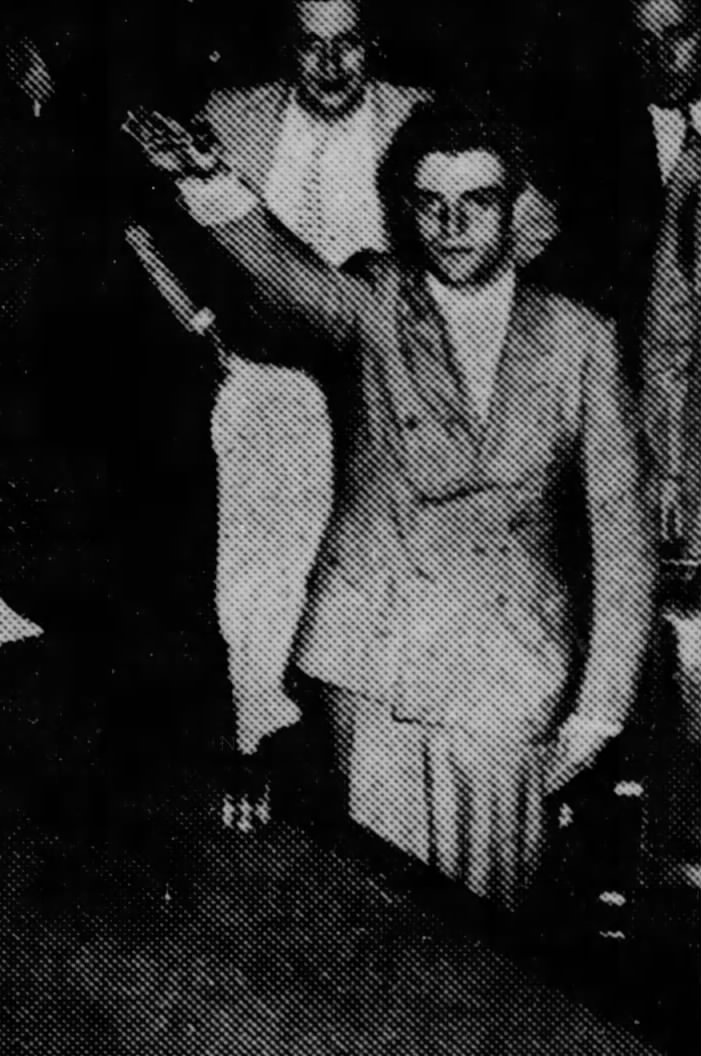
Oct. 12, 1924: The first Nazi organization in the U.S., the Free Society of Teutonia, is founded in Chicago by German immigrants. Leader Fritz Gissibl (photos, 1930s) and brothers Andrew and Peter recruit countrymen for a drinking club that promotes right-wing nationalism. 1/5
At the time, Hitler’s National Socialists are just one in a scattering of extremist groups. As the Nazis gain strength in the early 1930s, the Teutonians pledge devotion to them. Fritz Gissibl becomes Hitler’s top fund-raiser and spokesman in the U.S. 2/5
The Teutonians rename themselves Friends of the Hitler Movement in 1932, with branches in New York, Detroit, St. Louis, Milwaukee and other cities. The movement formally dissolves in 1933 when Hitler takes power but continues as an underground network aiming to assist him. 3/5