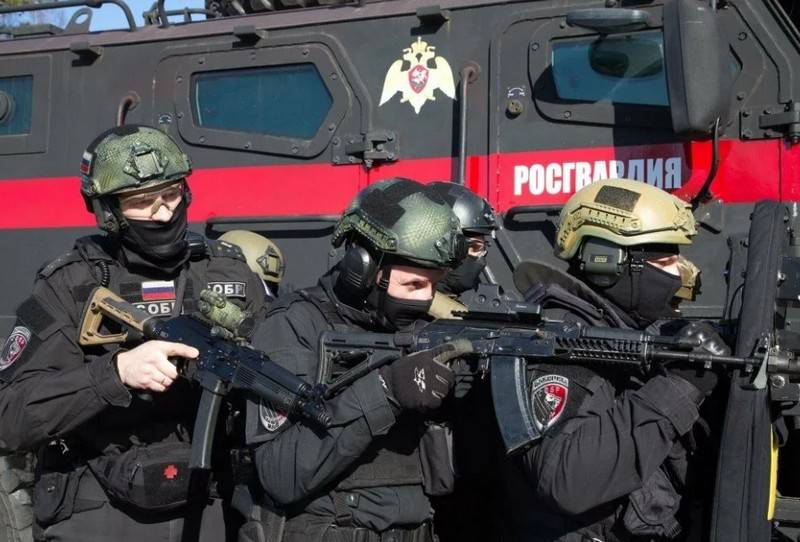
1/ Russia simply isn't capable of doing in Ukraine what the US and Israeli air forces are doing in Iran, a prominent Russian warblogger admits. He blames the Russian air force's "organisational backwardness, underdeveloped intelligence, and lack of specialised aviation." ⬇️ 
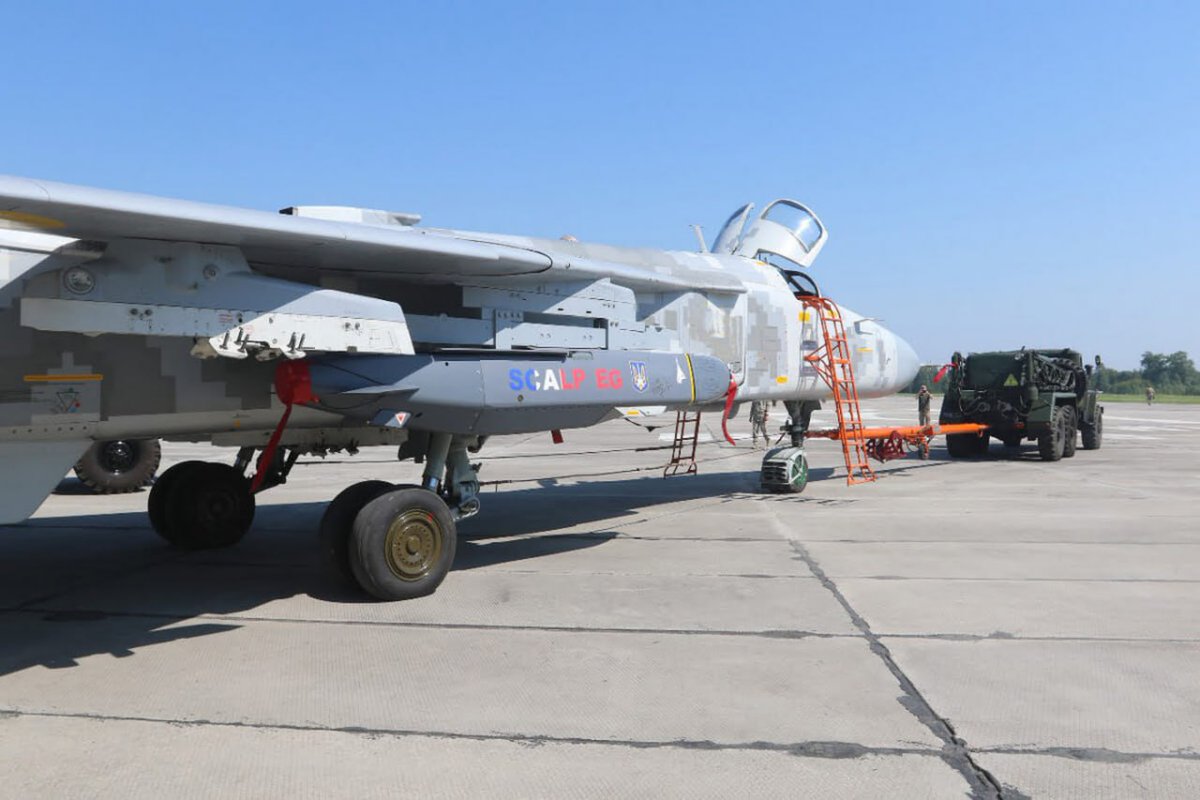
2/ Ukraine's aviation situation is starkly different to that of Iran's, despite facing a theoretically more powerful opponent. The Ukrainian Air Force is not only still flying in substantial numbers but has expanded its capabilities with the addition of Western aircraft.
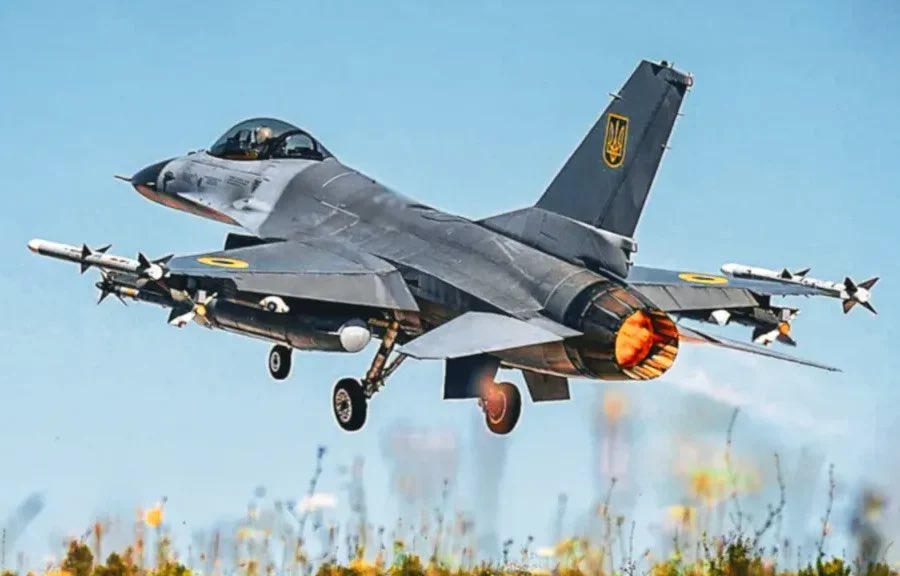
3/ 'Military Informant' discusses why the Russian Aerospace Forces are still unable to achieve air superiority over Ukraine after over four years of full-scale war:
4/ "Many immediately ask: how can this be? We have the Su-34 with the UMPK, we have the Su-35S with the R-37M, we have the Ka-52 with the LMUR, and so on. After all, they all fly, bomb, hit, and kill.
5/ "And that's all true. There's just one problem: Russian aircraft can do all this only from above territory controlled by the Russian Armed Forces, or, even better, from several dozen kilometers away from the front line.
6/ "This is precisely why the range of the FAB [bomb] with the UMPK [glide kit] is regularly increased—to minimize the risk to the bomber, which is unable to strike rear-area targets behind the front line.
7/ "In this regard, the Ukrainian Armed Forces are fundamentally no different from the Russian Aerospace Forces, but the latter are unable to engage Russian fighters in aerial combat due to the inferiority of their equipment and weapons.
8/ "So, we have exactly the same picture: flights exclusively over friendly territory, strikes with glide bombs across the front lines, and counter-drone warfare in the rear.
9/ "True air superiority looks like in Iran, where American and Israeli drones, along with aircraft, fly literally over the desired target, striking the necessary targets and conducting raids hundreds of kilometers into the country with impunity.
10/ "This is because an effective campaign to suppress and destroy enemy air defences was conducted beforehand.
11/ "The Russian Aerospace Forces, however, due to their organisational backwardness, underdeveloped intelligence, and lack of specialised aviation, are unable to conduct a similar operation to conquer the enemy's skies.
12/ "This is precisely why, for four years now, dozens of missiles and hundreds of drones have been fired at the Starokostyantyniv airfield [in western Ukraine] in an attempt to hit the aircraft based there and their shelters, while Ukrainian Su-24Ms still regularly take off…
13/ …from it and launch cruise missile strikes against the Russian rear, as they did yesterday in Bryansk. The airfield continues to operate as before.
14/ "Add to this the seasonal annual war with Ukraine's power grid, which, over the past four years, has also failed to be completely dealt with, despite the colossal investment of manpower and resources in the strikes, the biggest impact of which was a power outage…
15/ …lasting several days in several districts.
This is why all non-frontline military airfields in Ukraine will continue to operate, just like Starokostyantyniv.
This is why all non-frontline military airfields in Ukraine will continue to operate, just like Starokostyantyniv.
16/ "Until Russian aviation, instead of being an appendage of the Ground Forces, assisting their advance with airstrikes on positions along the front line,…
17/ …becomes a truly independent branch of the armed forces, capable of solving independent tasks and breaking the enemy's back from the air." /end
Source:
t.me/milinfolive/16…
Source:
t.me/milinfolive/16…
• • •
Missing some Tweet in this thread? You can try to
force a refresh