Bolton: Trump could declare victory over Iran and pull out at any moment — and that’s a problem. The public was never prepared for regime change.
Many leaders since the Cold War assumed history had ended, but the world is still dangerous and requires serious strategy.
1/
Bolton: Trump often looks for an off-ramp. My concern is he may damage Iran but stop before regime change happens.
That would leave the same regime in power — wounded and more desperate for revenge. If he wasn’t ready to finish it, he shouldn’t have started the war.
2/
Bolton: Iran's regime rules by repression despite deep public anger.
The economy is collapsing, most young people want a different future, and many ethnic groups oppose the government.
If the regime can’t defend itself after these attacks, its days may be numbered.
3/
Bolton: I would not have started war with Iran unless the goal was regime change and there was the resolve to see it through.
I would tell Trump to stay the course. Persistence and patience are needed.
4X
Thank you for reading this post!
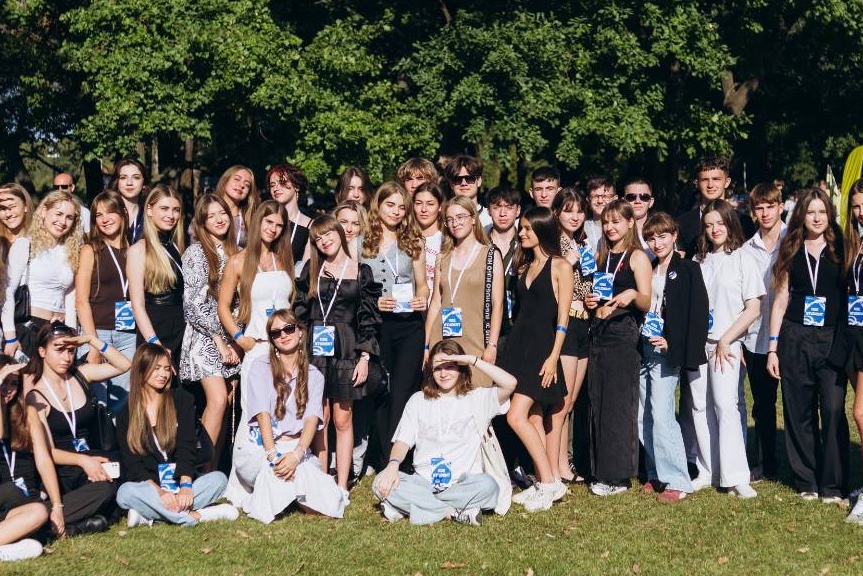
Please also consider donating to support Ukrainian students who study during the war if this cause resonates with you.
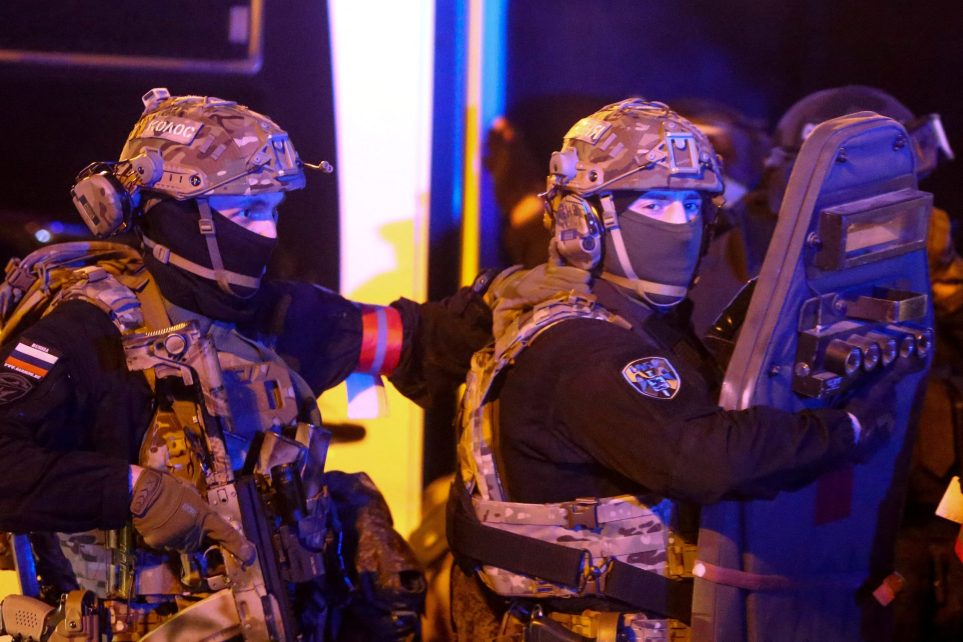
Russia built a new secret assassination unit after GRU Unit 29155 was burned across Europe.
Center 795 was designed to be harder to trace, more autonomous, able to do from battlefield sabotage in Ukraine to killing abroad.
It was compromised by Google Translate, The Insider. 1/
Center 795 was created in Dec 2022 by Russia’s General Staff as Military Unit 75127.
Unlike Unit 29155, it reported directly to Valery Gerasimov and was built as a “full-cycle” shadow army handling intelligence, surveillance, sabotage, and assassination. 2/
The unit was embedded inside Kalashnikov Concern at Patriot Park outside Moscow. Officers were put on the Kalashnikov payroll.
Training was disguised as “test shooting” linked to arms production. 3/
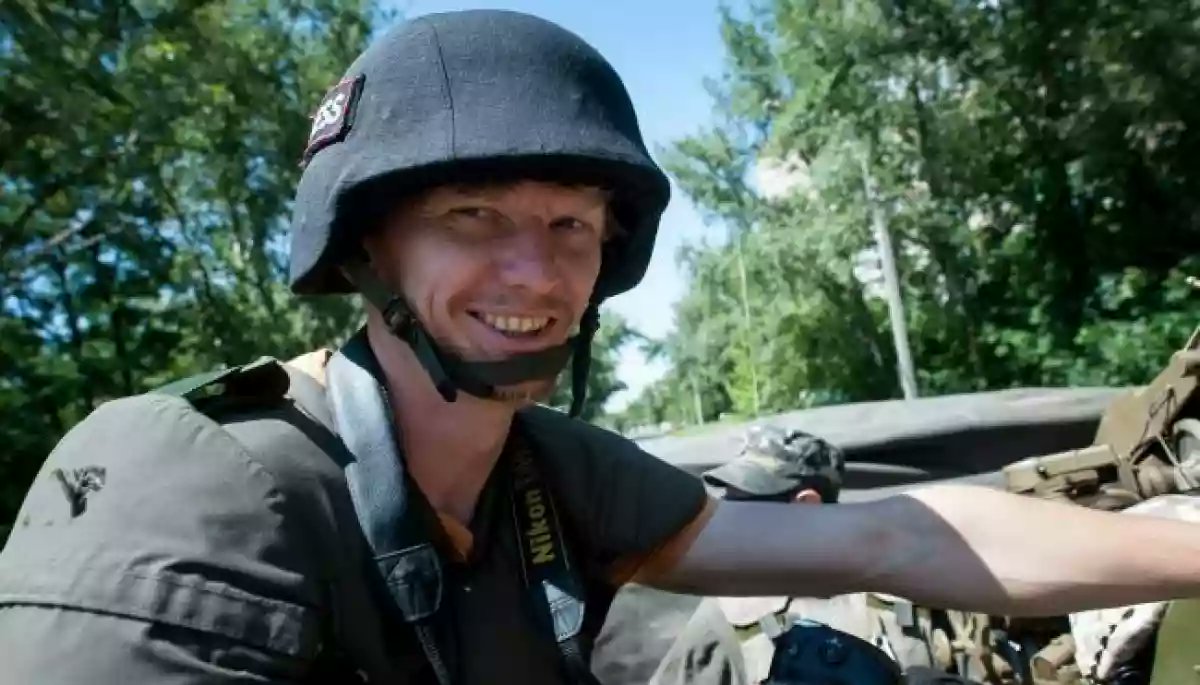
Petr Ruzavin, Russian journalist, now fights for Ukraine: As a Russian, you exhaust all tools that could have influenced anything.
I worked as a journalist for 15 years. But against the backdrop of war, you question how significant your profession is.
1/
Q: Did you cut off your Russian identity by joining Ukraine's army?
Ruzavin: I am Russian. I never stopped being Russian. This is a new chapter — I was a journalist, now I am military. My answer to responsibility: I fight for Ukraine.
2/
Q: From what I hear, soldiers on both sides often don't physically hate each other and don't want to kill.
Ruzavin: Strange thesis. In the Ukrainian army, people work 24/7 — hold positions, deliver supplies.
Bessent: India buying Russian oil was inevitable. That’s why we gave a 30-day waiver.
The oil was already on the water and refineries needed supply. Otherwise it would have gone to China. It’s unfortunate Russia benefits, but we hope only for a short time.
1/
Bessent: Our actions were not about China. They were about U.S. interests. Venezuela had become close to a failed narco-state.
The goal is to protect the Western Hemisphere and support Latin American countries moving toward market economies and closer ties with the U.S.
2/
Bessent: When I flew to Argentina last spring, we had to avoid Bolivia because it had closed its airspace to U.S. military aircraft.
Now Bolivia is becoming an ally again. Chile also shifted back. This is a chance to strengthen economic and security ties with the U.S.
Shtilierman, Co-founder of Fire Point, Ukraine’s biggest private drone maker: Russia is a monocentric state — everything revolves around Moscow.
Strikes in remote regions don’t affect the leadership. Real pressure comes from hitting military and industrial targets in Moscow.
1/
Shtilierman: FP-9 ballistic missile could hit targets in Moscow due to extreme speed. Over 10,000 m/s vs 800 m/s for an Iskander.
That makes air defenses far harder to stop, with some still breaking through. Cruise missiles or drones can’t strike major targets in Moscow today.2/
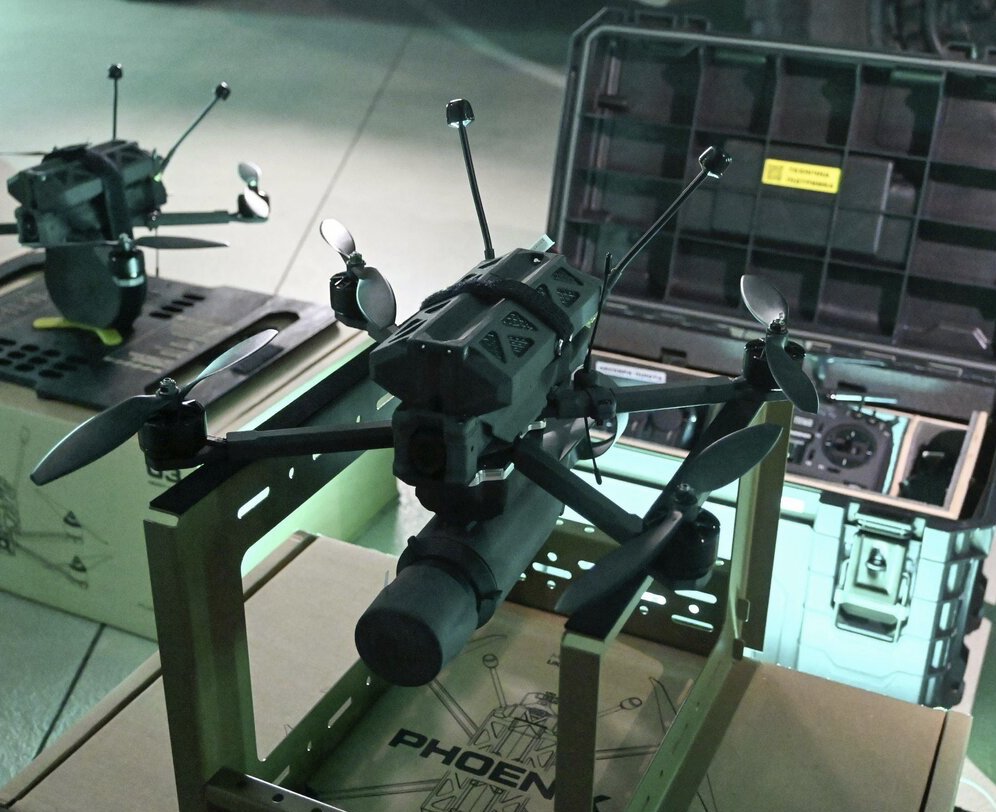
Shtilierman: I saw there was demand for deep strikes inside Russia after drones hit a Moscow business center housing a ministry.
When I saw how much those drones cost, I realized we could build them two or three times cheaper — so we did.