Today's deregulatory news is pretty big.
The White House is taking aim at the housing shortage by deregulating housing construction🧵
The White House is taking aim at the housing shortage by deregulating housing construction🧵

A big part of the American Dream was created by a massive housing boom when the troops came home
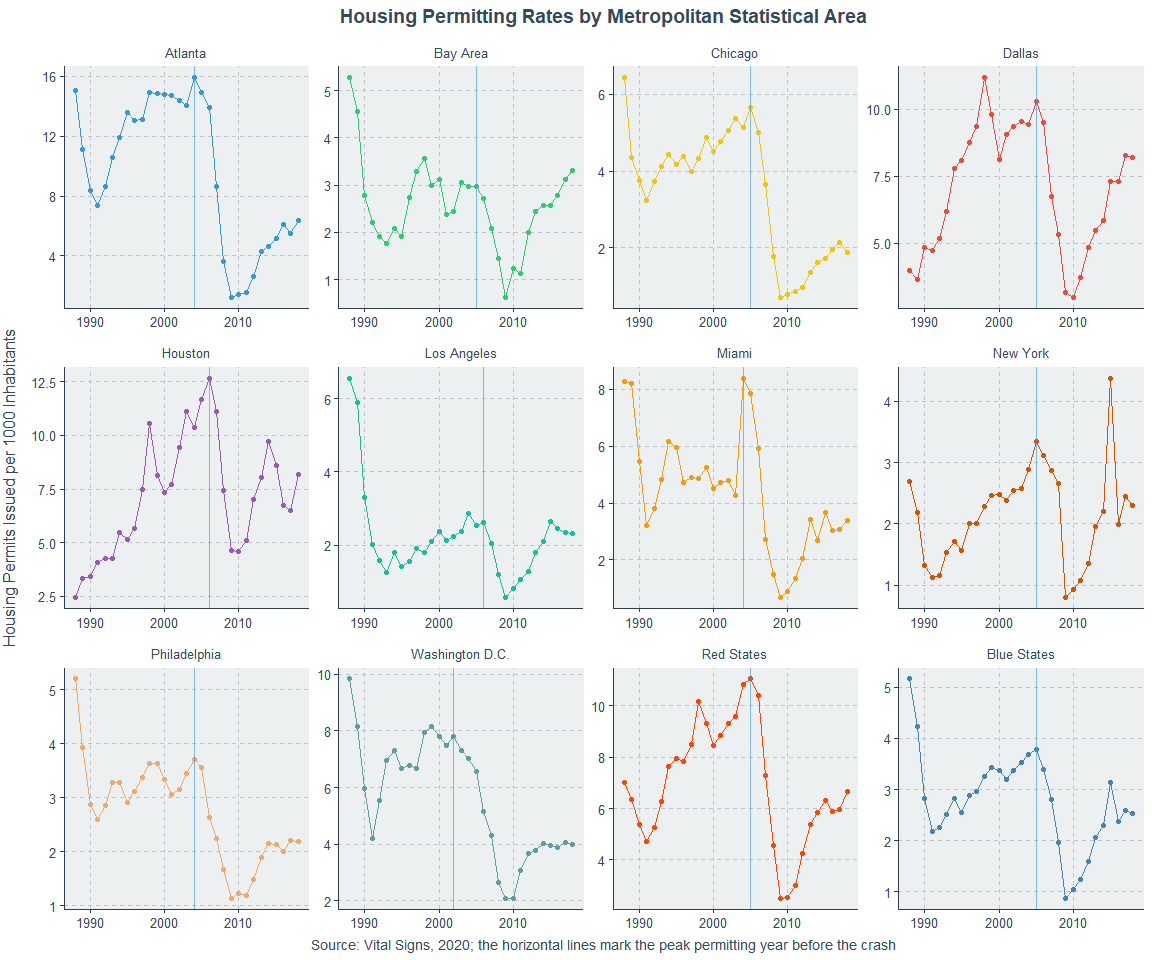
Since the Great Financial Crisis, practically everywhere has reduced the number of permits they issue for new housing
This has resulted in housing cost growth outpacing wage growth:
Since the Great Financial Crisis, practically everywhere has reduced the number of permits they issue for new housing
This has resulted in housing cost growth outpacing wage growth:
To revive the American Dream, we need to build more homes.
If we want to build more homes, we'll have to overcome a lot of different regulatory burdens.
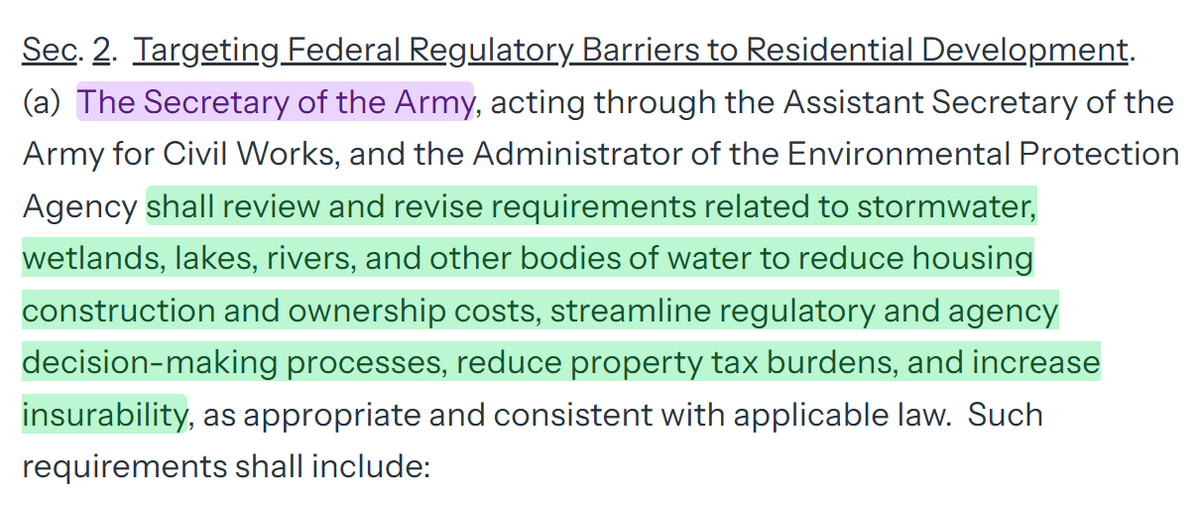
One step is to get rid of federal regulatory burdens that straddle homebuilders and owners with lots of random costs.
If we want to build more homes, we'll have to overcome a lot of different regulatory burdens.
One step is to get rid of federal regulatory burdens that straddle homebuilders and owners with lots of random costs.
This has the broader meaning of:
- getting rid of energy-efficiency guidelines
- getting rid of water use regs
- getting rid of alternative-energy requirements
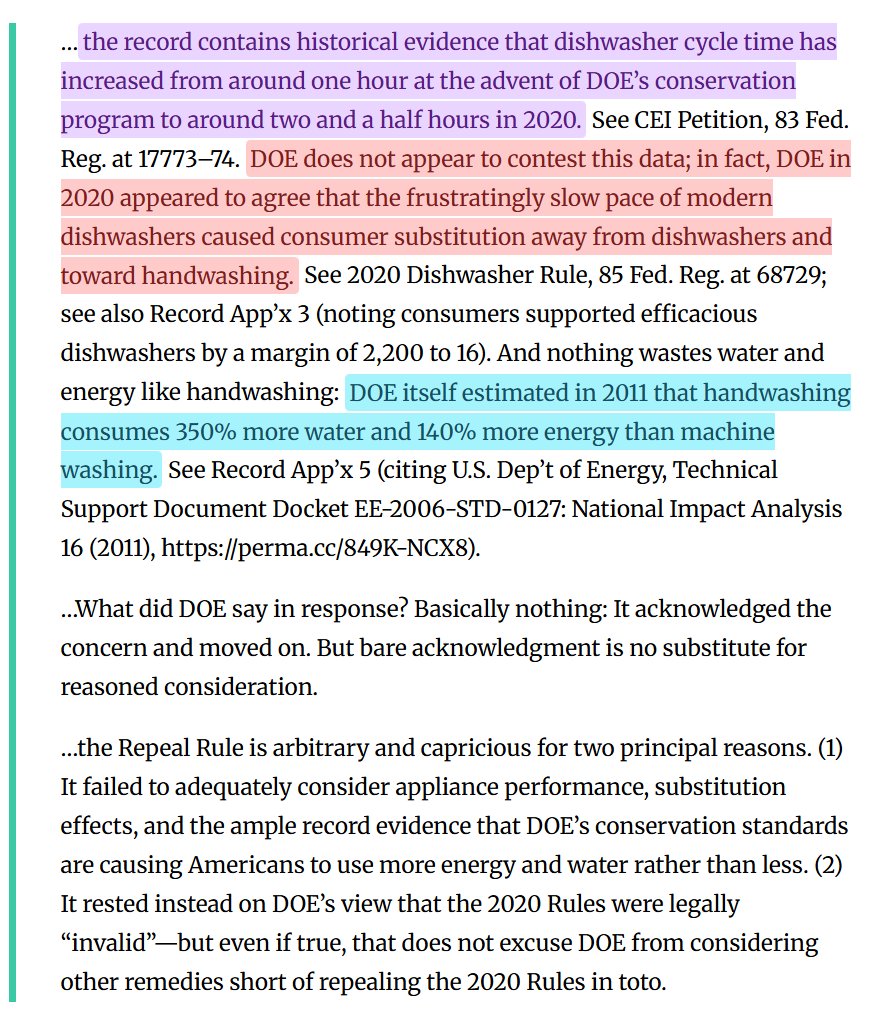
These regulations might seem good, but they're actually destructive because, for example, you need to handwash dishes:
- getting rid of energy-efficiency guidelines
- getting rid of water use regs
- getting rid of alternative-energy requirements
These regulations might seem good, but they're actually destructive because, for example, you need to handwash dishes:
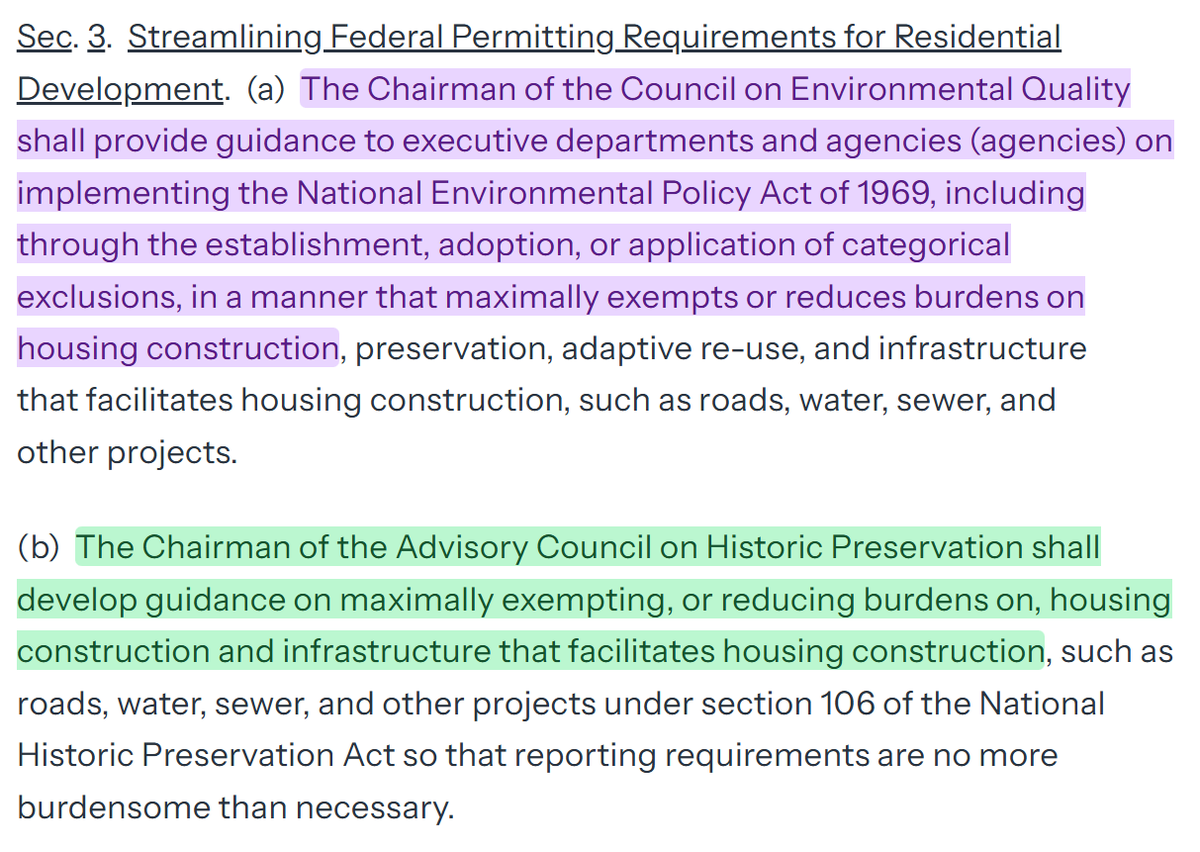
The really big thing is that the CEQ, which manages the disastrous 1969 NEPA law, has been told to instruct states on a less burdensome implementation of that law.
That means less costly and unnecessary environmental review and attendant grifters:
That means less costly and unnecessary environmental review and attendant grifters:
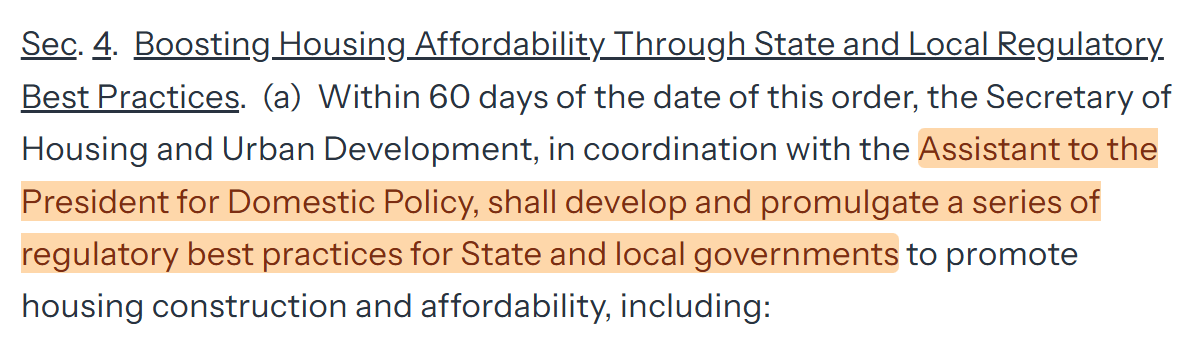
Every state is also going to be provided with a set of deregulatory guidelines for housing.
This will be used to push states to stop doing things like retroactively applying new building codes, capping permitting fees and timelines, and allowing by-right construction nationally!
This will be used to push states to stop doing things like retroactively applying new building codes, capping permitting fees and timelines, and allowing by-right construction nationally!
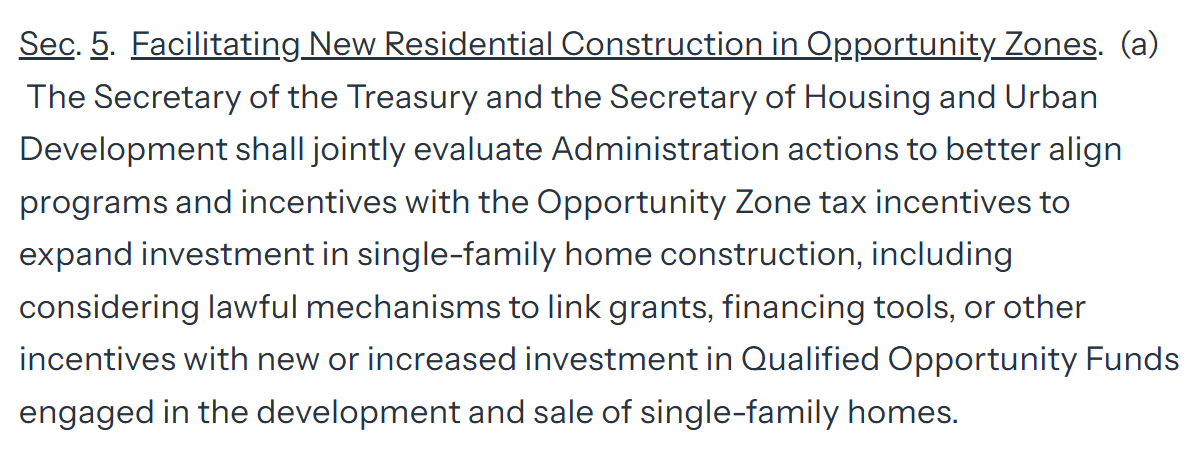
The Order also calls for the creation of more ways to let homebuilders leverage preexisting tax benefits by building in Opportunity Zones
This means that they want to reward builders for doing their jobs anywhere, but we're exploiting the fact that we can in these areas. Clever!
This means that they want to reward builders for doing their jobs anywhere, but we're exploiting the fact that we can in these areas. Clever!
Did you know that prefabricated homes face extra regulatory burdens? They shouldn't, but they do, making it harder to build cheap homes
Perhaps my favorite part of the Order is that the administration will encourage states to drop their excess regulations on prefabricated homes:
Perhaps my favorite part of the Order is that the administration will encourage states to drop their excess regulations on prefabricated homes:
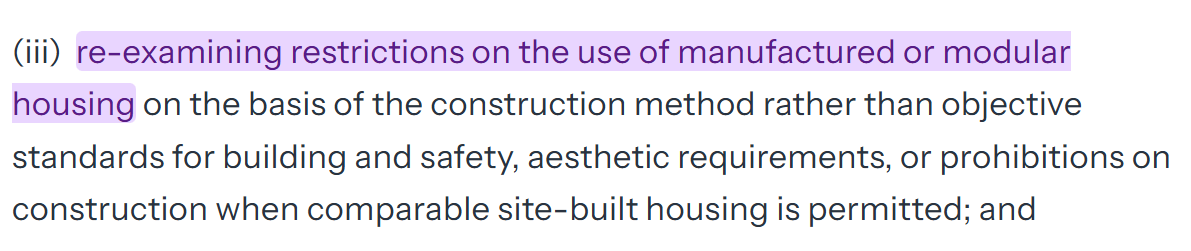
The Order includes more than this, but the general gist is that the administration wants to see more homes built, and they're aware that the issue is regulatory.
To get America building again and to revive the American Dream in the process, we need more homes.
It's simple!
To get America building again and to revive the American Dream in the process, we need more homes.
It's simple!
Links:
whitehouse.gov/presidential-a…
cremieux.xyz/p/brief-data-p…
marginalrevolution.com/marginalrevolu…
P.S. This is mostly concerned with single-family homes and there's not anything directly concerning apartments and condominiums in here. Unfortunate, but at least there's some progress and they'll be helped indirectly.
whitehouse.gov/presidential-a…
cremieux.xyz/p/brief-data-p…
marginalrevolution.com/marginalrevolu…
P.S. This is mostly concerned with single-family homes and there's not anything directly concerning apartments and condominiums in here. Unfortunate, but at least there's some progress and they'll be helped indirectly.
• • •
Missing some Tweet in this thread? You can try to
force a refresh