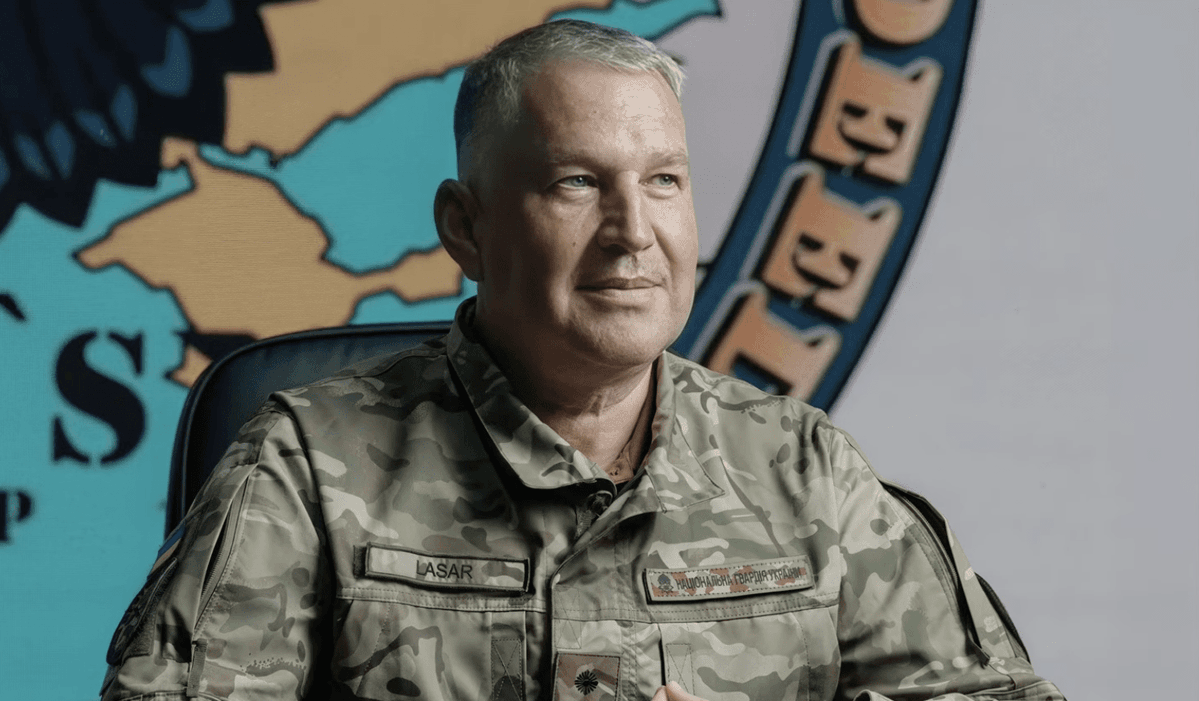
Fascinating insights from Pavlo Yelizarov, Deputy Commander of Ukraine's Air Force:
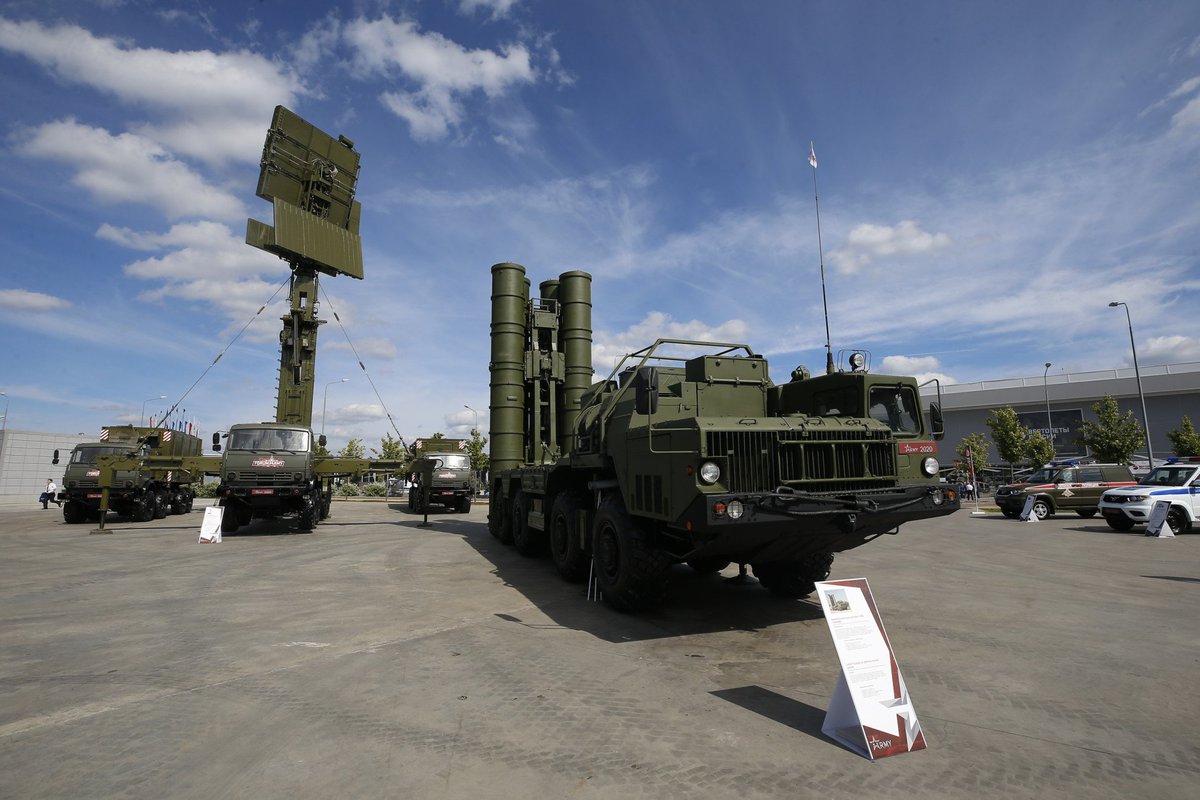
Russia currently has sufficient access to components and resources for its military production, including through domestic capacity and supply chains connected to China. 1/15
Russia currently has sufficient access to components and resources for its military production, including through domestic capacity and supply chains connected to China. 1/15
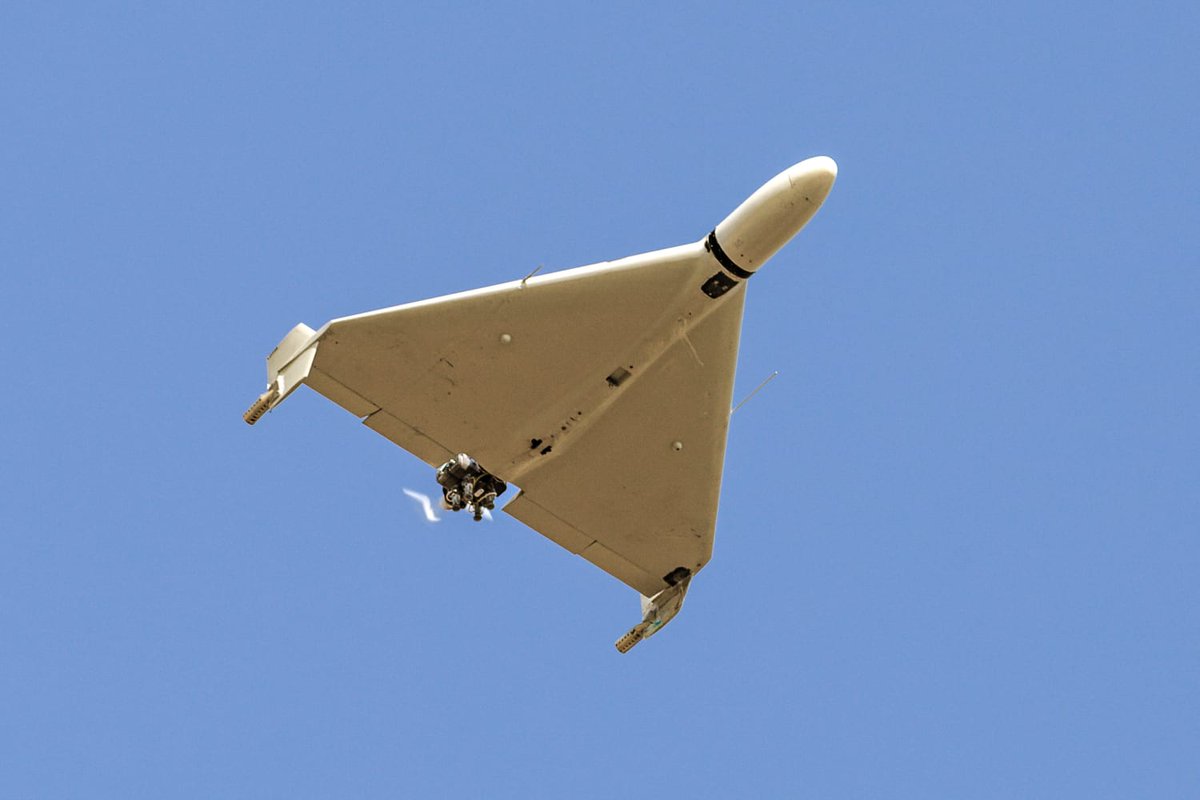
As a result, external assistance is not necessarily critical for sustaining certain areas of production. One of Russia’s main strengths in small UAV development is its systematic approach. 2/15
While Ukraine tends to rely on creativity and improvisation, Russia builds structured systems. In many cases, systems ultimately outperform improvisation. Creativity alone cannot stop it unless it is combined with speed and adaptability. 3/15
Right now, we have a fairly large number of interceptor drones on inventory. The situation with drones has actually changed significantly, and in a positive way. We now have many high-quality manufacturers. 4/15
Now we need some level of standardization is necessary. That does not mean everything must be identical and gray like in the Soviet Union. 5/15
Rather, the goal is to create a model where a pilot receiving a drone can rely on familiar control principles and apply their existing skills to that type of system. 6/15
Ballistic missiles remain the primary threat for Ukraine. Whether Ukraine continues receiving interceptor missiles, such as those used with Patriot systems, largely depends on diplomatic decisions and global distribution. 7/15
At present, Ukraine does not yet have sufficient domestic capability to defend against ballistic missiles, although several projects are being developed that may eventually provide such protection. 8/15
We clearly understand that there are four components that will work together to create what we call the Ukrainian [Iron] dome. It will differ from the Israeli one, because our dome has to be much larger. Israel’s dome, in comparison, is just a small spot in terms of scale. 9/15
Starlink is the most optimal form of connectivity. At the beginning of the war the model was simple: Starlink worked on Ukrainian territory, while the enemy did not use it for communications. 10/15
Later, the enemy found ways to purchase Starlink terminals around the world. The UAE and other countries began selling them, and their communications along the frontline also shifted to Starlink. 11/15
As a result, they started flying over Ukrainian territory and receiving full video feeds.
At the same time, we could not use the same advantage in their territory because Starlink did not work there for us. 12/15
At the same time, we could not use the same advantage in their territory because Starlink did not work there for us. 12/15
One of the ideas raised was simple: open Starlink over Russian territory as well. At least that would create parity.
Mykhailo Fedorov personally called Musk. Musk happened to be in a good mood. 13/15
Mykhailo Fedorov personally called Musk. Musk happened to be in a good mood. 13/15
They spoke, the video was turned on, and apparently they connected well — and the restrictions were adjusted. In the end, the solution Fedorov secured turned out to be close to ideal. 14/15
Frankly, Fedorov deserves a monument while he is still alive. I don’t know whether many people have truly appreciated this. 15/15
Source:
——
Please subscribe and support my Substack - Russia Analyzed - for the latest insights and analysis on Russian foreign and security policy and the war against Ukraine. cutt.ly/pw9h2qju
Please subscribe and support my Substack - Russia Analyzed - for the latest insights and analysis on Russian foreign and security policy and the war against Ukraine. cutt.ly/pw9h2qju

• • •
Missing some Tweet in this thread? You can try to
force a refresh