Thread on Apple's role in the closure of the Internet. From 2016 to 2023, Apple's App Store, half the mobile duopoly, went from a curated software marketplace to one of the most important content control systems on Earth.
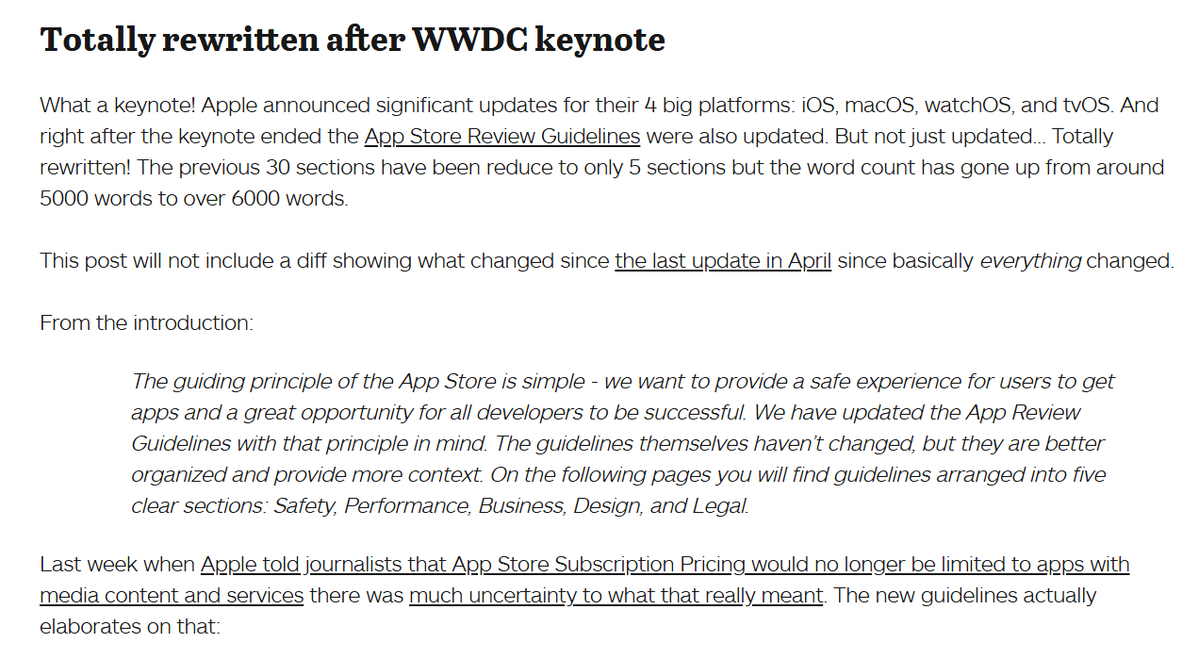
In June 2016, Apple completely reorganized their App Store Review Guidelines into five pillars: Safety, Performance, Business, Design, and Legal. 
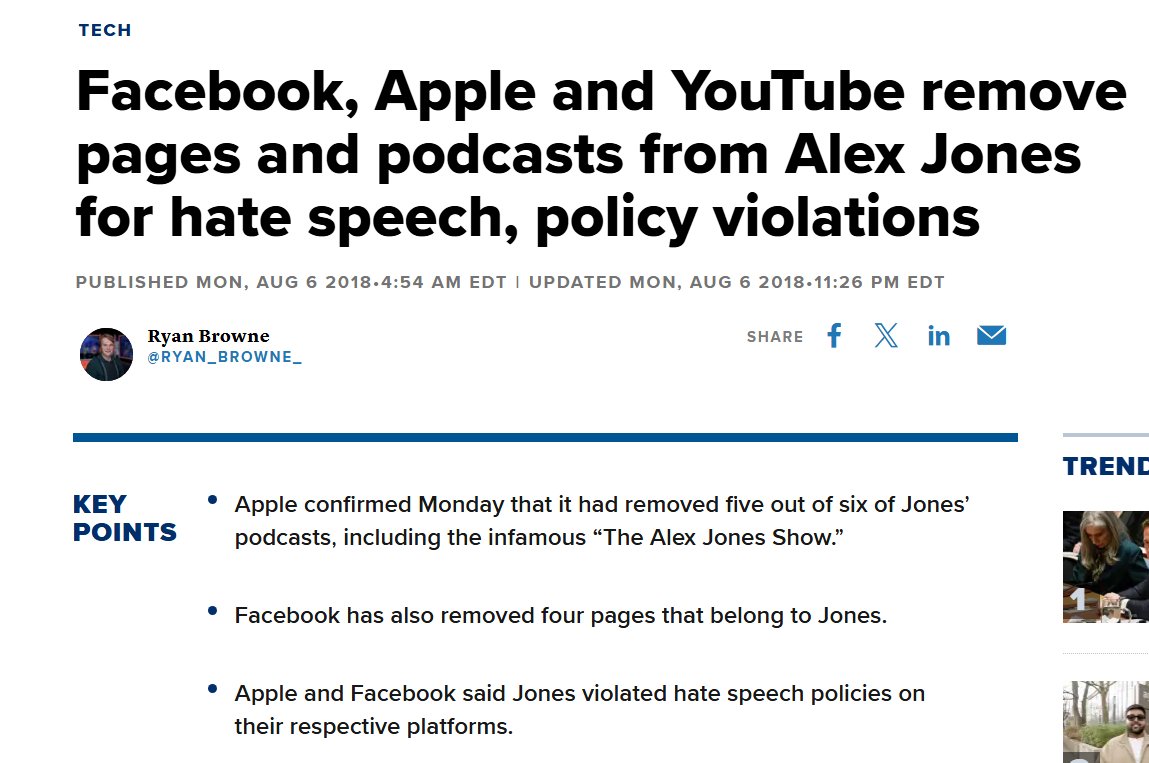
Most of Apple's big decisions were not policy ones but specific removals that had a chilling effect on future discourse. In Aug 2018, Apple removed 5/6 Alex Jones podcasts for hate speech. This was done jointly with similar actions from Facebook, YouTube, and Spotify.
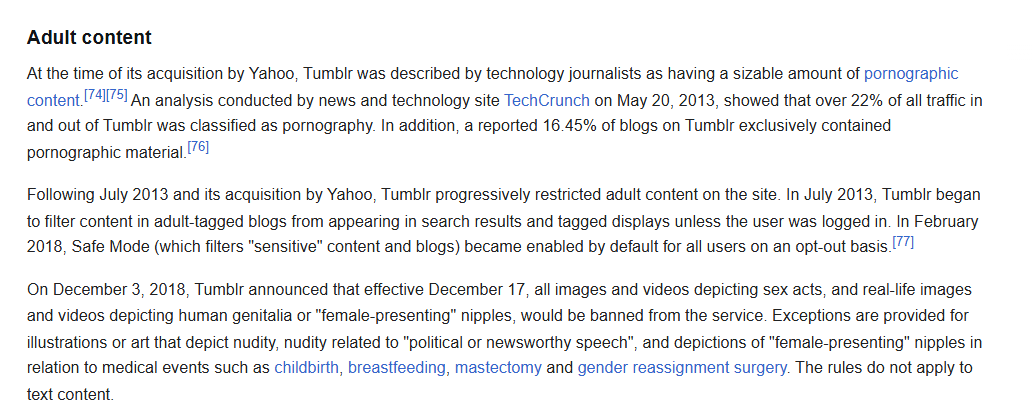
One demonstration of Apple's market power and the effect of their content control apparatus was their treatment of Tumblr. Apple removed Tumblr from the app store in 2018 over CSAM, which forced Tumblr to ban all NSFW content, which led to a 33% drop in users.
Apple also removed all vaping-related apps from their store Nov 2019.

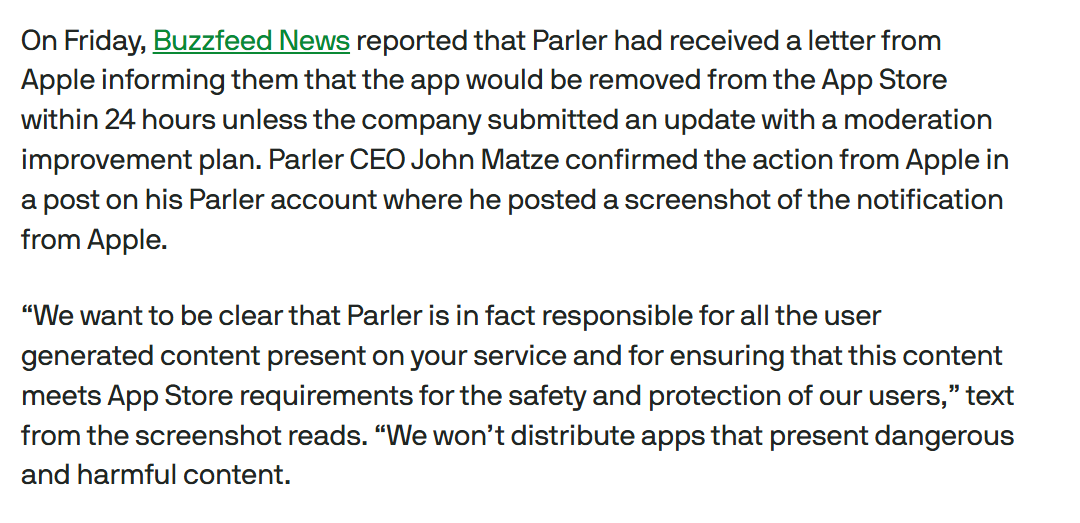
Apple was one of the biggest players (along with Amazon and Google) in the destruction of Twitter alternative Parler in 2021 (banning them from the app store), explicitly because Parler's moderation practices were not to their liking.
Gab, another Twitter alternative, was never granted app store access in the first place, first being rejected in Dec 2016.

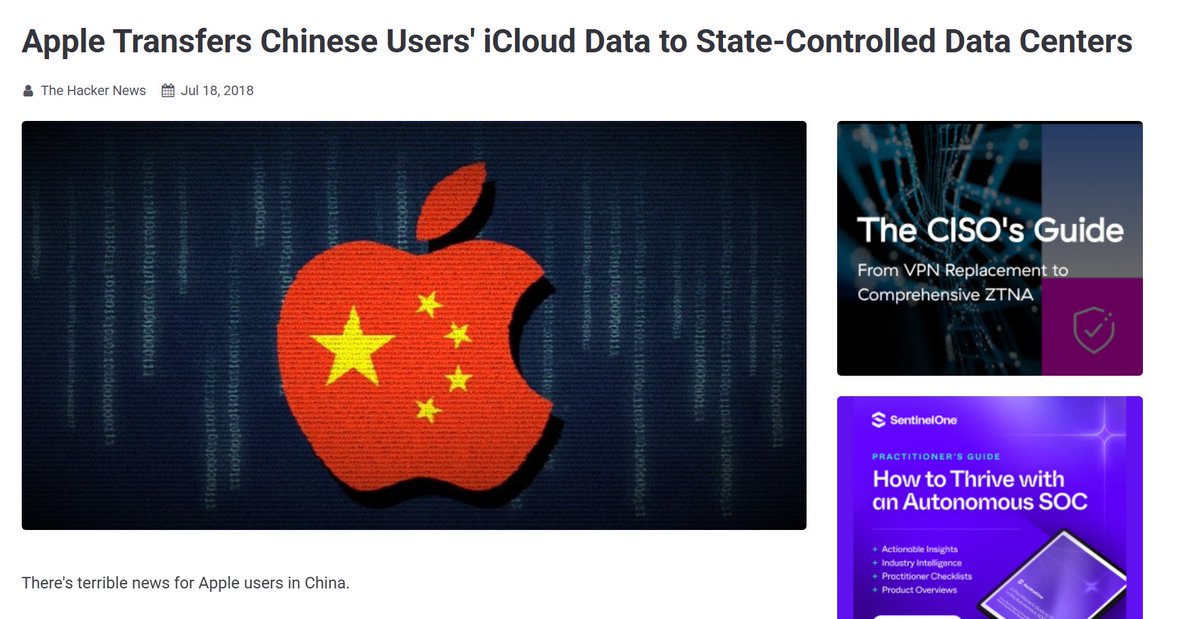
Apple has been extremely accommodating with the Chinese government's demands for data access and content control, banning VPN apps in China in 2017 and giving the Chinese government unrestricted access to Chinese user's iCloud data.

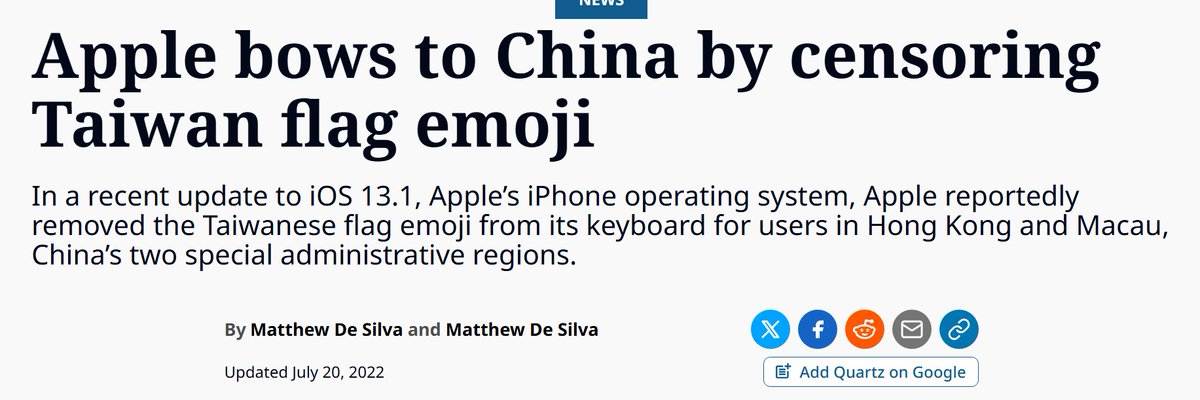
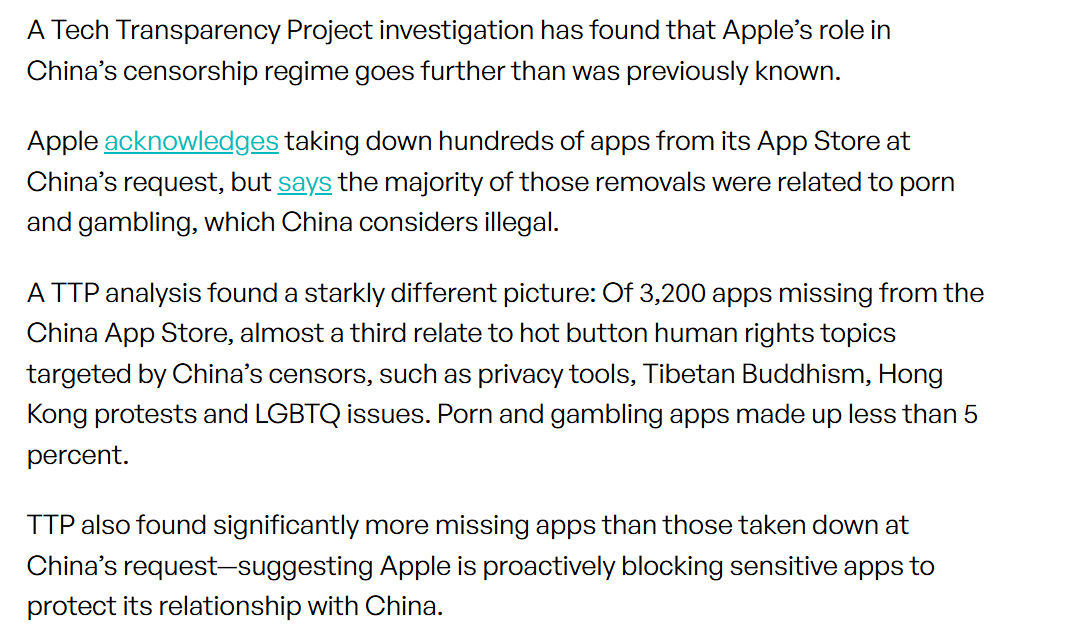
Apple also banned an app used by Hong Kong protestors in 2019 and removed the Taiwanese flag emoji at the CCP's request. Approximately 3200 apps are missing from the Chinese app store, roughly 1/3 of which are for political reasons.

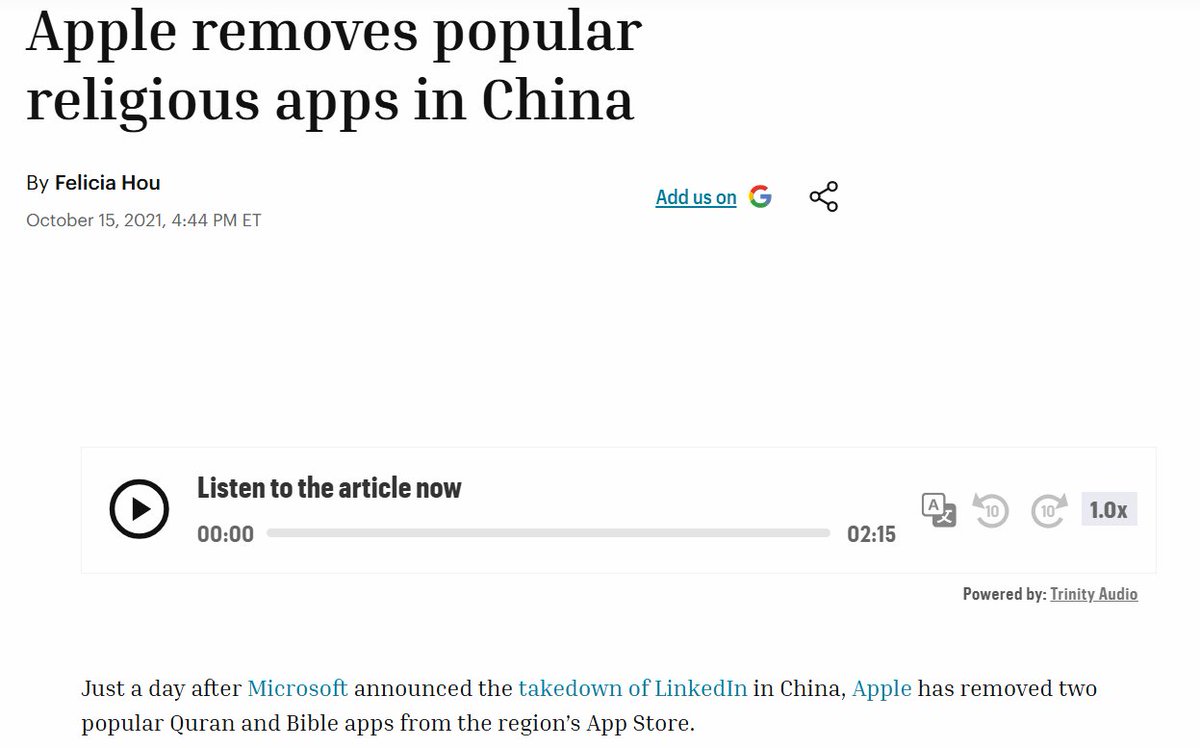
Apple also did things like limit airdropping in China during the anti-lockdown protests in 2022 and banning Bible and Quran apps in China.

In the ~1989-2008 US debate wrt China, China bulls like Bill Clinton claimed that market access would make Chinese values more like the US, but the reverse happened, because the PRC learned to use its market power and supplier monopoly to coerce Western entities.
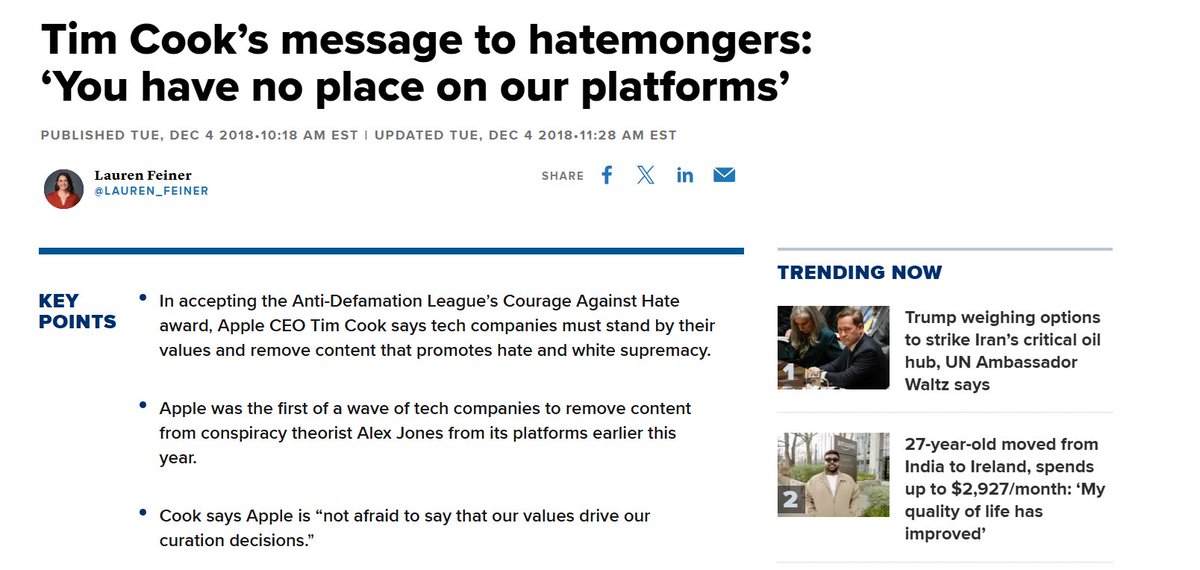
Tim Cook, to the ADL: "our values drive our curation systems" and "tech companies must stand by their values and remove content that promotes hate and white supremacy."
Source used in this thread:
cnbc.com/2018/08/06/app…,
cnbc.com/2018/12/04/app…,
cnbc.com/2022/11/30/app…,
fortune.com/2021/10/15/app…,
techtransparencyproject.org/articles/apple…,
expressvpn.com/blog/china-ios…,
thehackernews.com/2018/07/apple-…,
newsweek.com/hkmap-apple-io…,
qz.com/1723334/apple-…,
inc.com/salvador-rodri…,
techcrunch.com/2021/01/08/par…,
qz.com/1751120/apples…,
en.wikipedia.org/wiki/Tumblr,
appstorereviewguidelineshistory.com/articles/2016-…
cnbc.com/2018/08/06/app…,
cnbc.com/2018/12/04/app…,
cnbc.com/2022/11/30/app…,
fortune.com/2021/10/15/app…,
techtransparencyproject.org/articles/apple…,
expressvpn.com/blog/china-ios…,
thehackernews.com/2018/07/apple-…,
newsweek.com/hkmap-apple-io…,
qz.com/1723334/apple-…,
inc.com/salvador-rodri…,
techcrunch.com/2021/01/08/par…,
qz.com/1751120/apples…,
en.wikipedia.org/wiki/Tumblr,
appstorereviewguidelineshistory.com/articles/2016-…
• • •
Missing some Tweet in this thread? You can try to
force a refresh