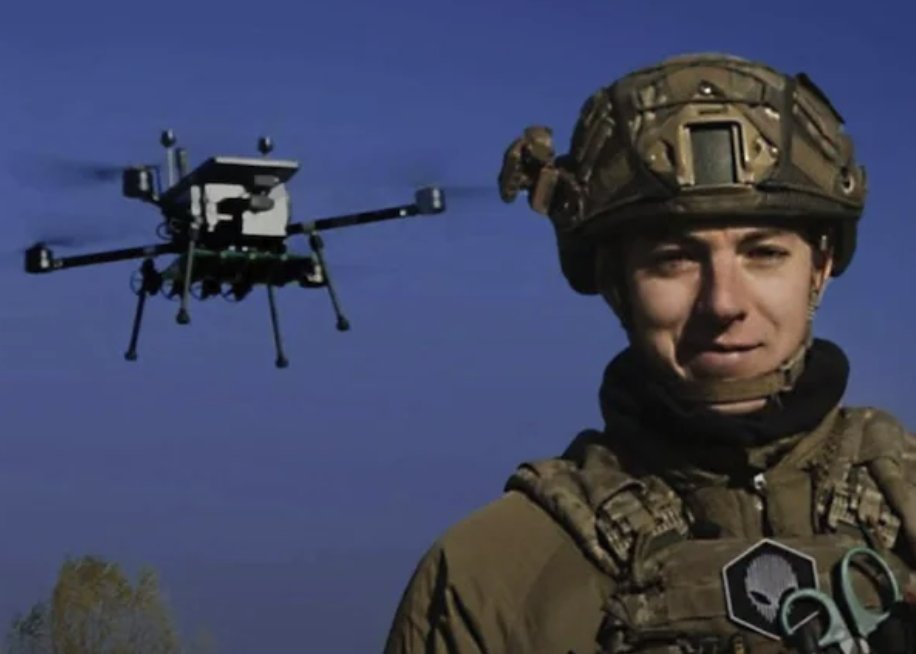
On March 13, 2022, Russian soldiers shot and killed photojournalist Max Levin.
He had driven through Moshchun — a village under intense fighting — to find a drone with valuable footage he had lost the day before. He was 40 years old. 4 years have passed since that day. 1/
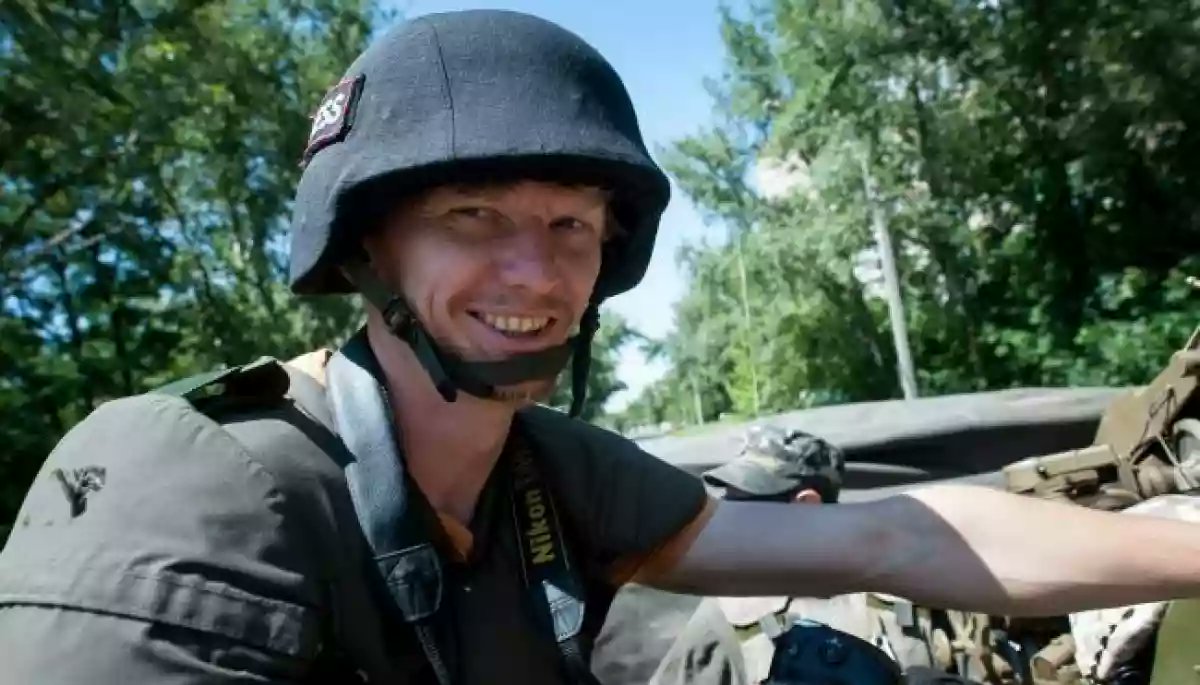
Max Levin covered the war since 2014. He worked for Reuters, BBC, Associated Press, hromadske.
Colleagues said he wanted to be where real history was being written. And real history, in his view, was written at war. 2/
In Donbas he thrived.
He slept with soldiers in dugouts. He would leave colleagues in safer places and go further himself. He never let anyone follow him to the front line. 3/
He said: “Every Ukrainian photographer dreams of taking a photo that will stop the war.” 4/
His body was found on April 1 — in a forest between Huta Mezhyhirska and Moshchun. Two gunshot wounds.
Reporters Without Borders investigation documented evidence of a cold-blooded execution and torture before death. 5/
He left behind four sons. The youngest was born after his death.
Alina Sheremeta, journalist: “I cannot say “Max was.” I can only say: “Max is.” 6/
Diana Butsko, journalist: “He wanted to be where real history was being written.
Everything else — party congresses, parliament sessions — felt small to him. In Donbas he thrived and felt at home.” 7Х
It’s a war against Europe. Might is right — that’s what Putin believes in.
Ukraine is the main obstacle, but the conflict he sees is with Europe and the values of the free world. 1/
Kasparov: Dictators often say exactly what they plan to do.
Putin tested the West repeatedly, and saw limited consequences: Georgia, Crimea, Syria.
For authoritarian leaders, hesitation from democracies is interpreted as weakness and encouragement. 2/
Kasparov: Putin has said openly what he wants.
He called the collapse of the Soviet Union “the greatest geopolitical catastrophe” and demanded NATO return to its 1997 borders — effectively pushing Eastern Europe and the Baltic states back into Russia’s sphere of influence. 3/
Ukraine is expanding the battlefield without sending more soldiers into it.
A massive drone campaign is choking Russian logistics and tripling the “kill zone” behind the front line, making large areas deadly for Russian troops and equipment, Telegraph. 1/
Ukraine knows it cannot match Russia’s manpower.
Instead of sending troops into costly assaults, Kyiv is relying on precision, patience and technology to slow Russian advances and control the battlefield with drones. 2/
Ukrainian drones now strike up to 93 miles behind the front line.
Just weeks ago the reach was about 31 miles. The “kill zone” — where Russian troops and vehicles can be hit — has expanded threefold in some sectors. 3/
CNN: Kyiv-Washington talks after sanctions easing?
Me: Ukraine is upset about lifting US sanctions on Russian oil. It will give Russia billions that go into missile production and aggression, meaning people will be killed. While the effect on oil prices is minimal or unclear. 1/
Me: At the same time, Ukraine is helping the US allies with drone production, delivery, and training. Specifically interceptor drones that shoot down Iranian Shaheds.
These are the two main lines of discussion now. 2/
CNN: Ukraine supporting Gulf states with drone expertise?
Me: What I heard from partners and colleagues: everyone is in Dubai, Abu Dhabi, and across the region offering expertise and trainers. Officers explain how Shahed tactics and deployment can be counteracted. 3/
Orban built a parallel intellectual universe for Europe. Websites, think-tanks, conferences, a palace in Brussels — all funded by Budapest, all singing the same song.
The Economist calls it the Budapest Megaphone. 1/
The core is Mathias Corvinus Collegium — endowed with $1bn+ in assets in 2020, including stakes in Hungary’s national oil company, chaired by a close Orban aide.
Its Brussels arm is already among the best-funded think-tanks in the city. 2/
Brussels Signal celebrates every populist gain in Europe. Carries no ads, sells no subscriptions. Created by a former Fidesz adviser.
Hungary House opened in Brussels in 2024, immediately hosted a book launch for French politician Jordan Bardella. 3/
Zelenskyy: The US and Gulf states asked Ukraine for anti-drone systems. We remember how long we waited for help in the first days of the war. Now we help those who helped us first.
1/
Zelenskyy: Sanctions on Russia must remain. If you lift sanctions control, Putin earns money.
He puts this money into Shahed drones and sends them to Iran, and the Iranian regime uses them to strike American bases or airports.
2/
Zelenskyy: Criticism exists, and the fact that you know about it shows democracy is alive in Ukraine
In Russia there is no criticism. One person decides everything and everyone else obeys