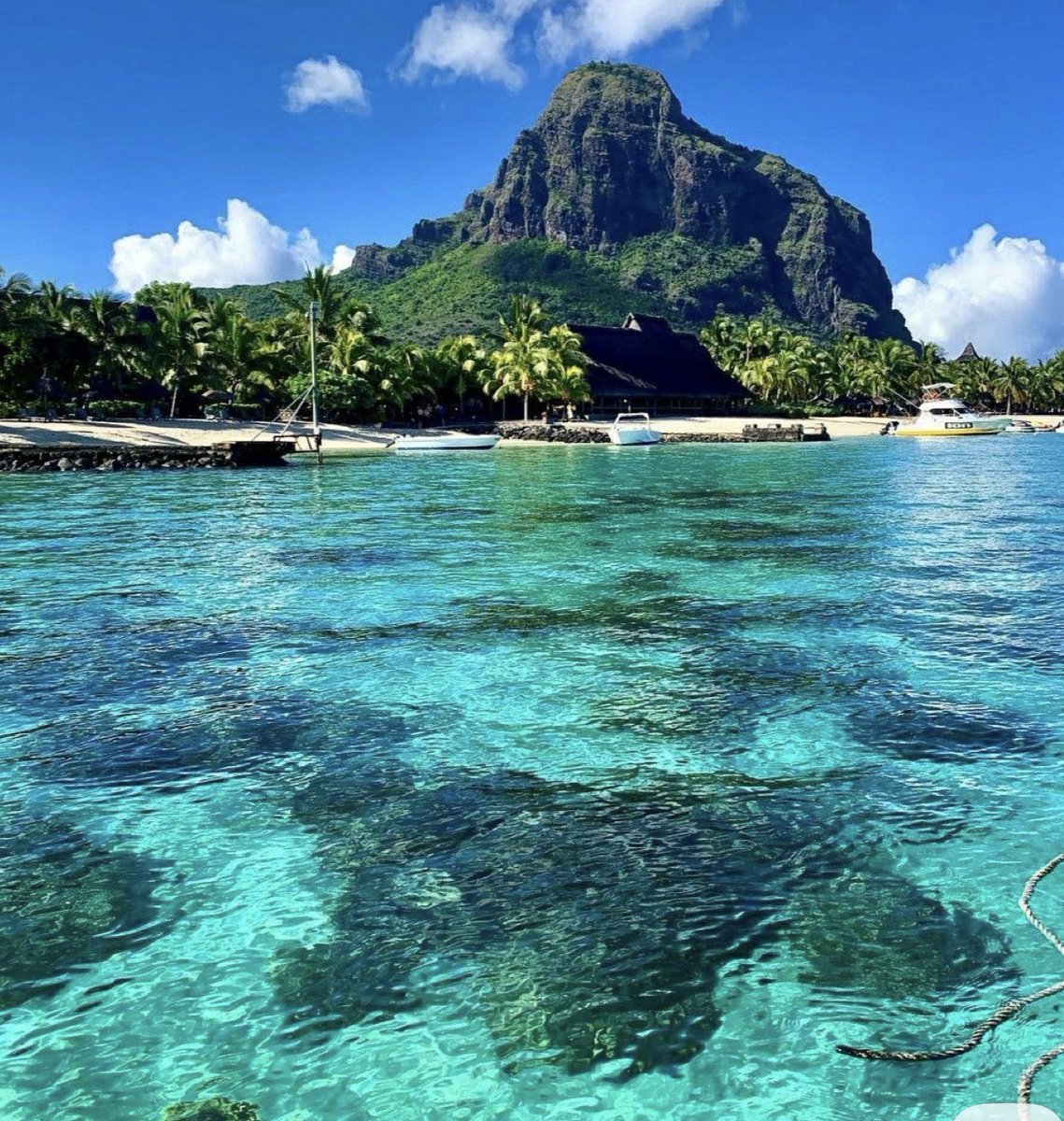
Mauritius might be the most underrated "Switzerland" on earth.
While everyone's pointing at Singapore, Monaco, Panama, almost nobody talks about this island off the coast of Africa.
The key thing most people miss:
- Remittance-based tax. Foreign income not brought in = 0%
- Pay local expenses with a foreign card? Not deemed remittance
- 0% capital gains, 0% inheritance & wealth tax
- No local company needed. But if you set one up, foreign income is 80% exempt, effectively 3%
- Premium Visa: free, $1,500/mo min. requirement, apply online
From someone living there: fantastic weather, peaceful society, good healthcare, excellent internet, night flights to Europe. Leave Monday evening, Paris breakfast Tuesday morning.
Cons: roads outside main axes, slow bureaucracy, higher cost of living than expected.
Thoughts? Should I write a deep-dive?
Ok... given the warm response, I’ll add this to my editorial plan.
I am searching for local lawyers to peer-review a guide or similar. I asked a few friends for intros.
If you have any, please share contacts and websites via DM (only senior/founding partner at boutique firm or partner in large firm), please. Grazie
• • •
Missing some Tweet in this thread? You can try to
force a refresh

I'm Italian. I wrote about 7 hidden cities in Italy. Since then, one thought has been haunting me. I missed one.
A city my trusted CLO is from. We've worked together for over a decade. In all that time, I don't think he's ever used a word more than strictly necessary. Centered, sober, elegantly precise.
The opposite of what you naturally associate to Italian cities.
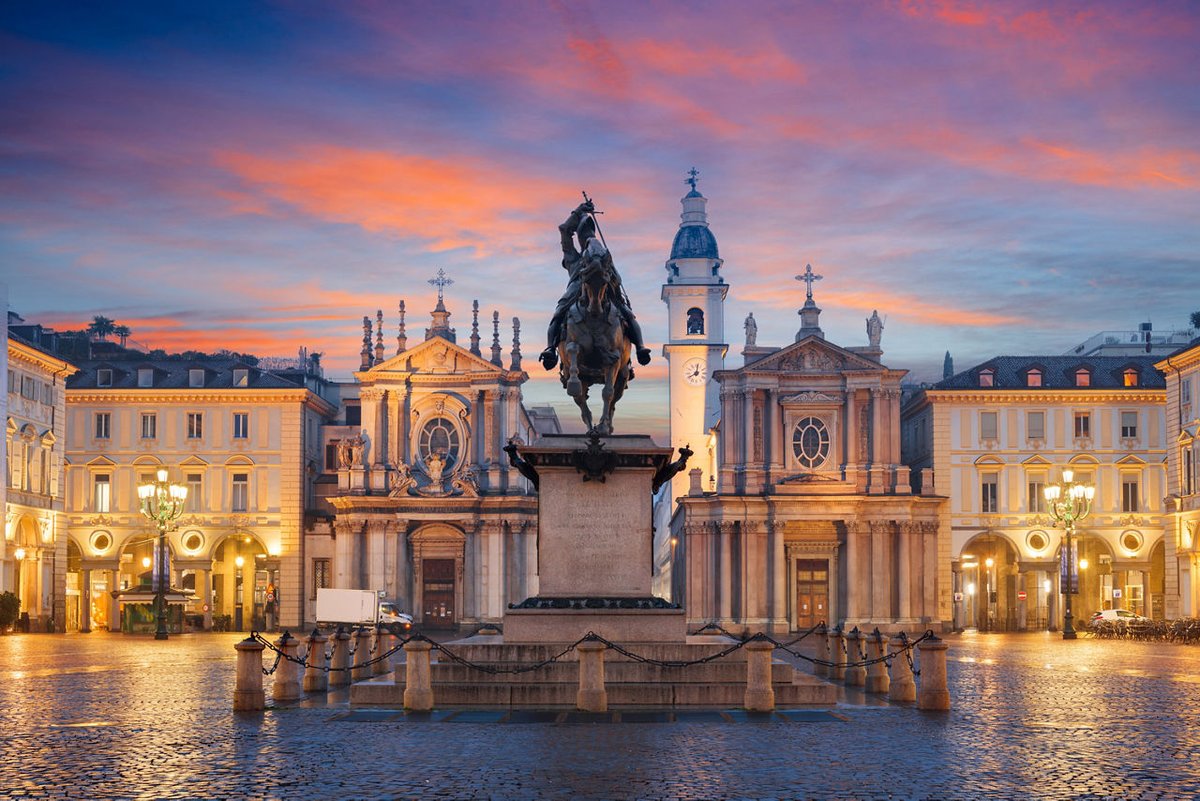
Turin.
This is why it's the most underrated big city in Italy
🧵
First, the historical context.
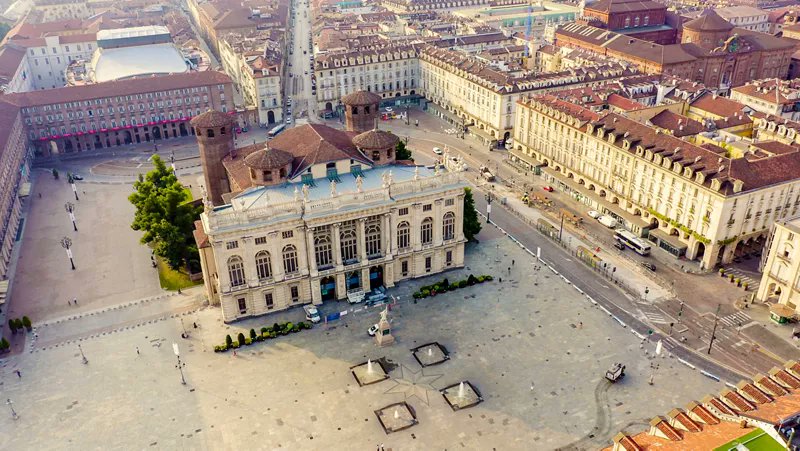
Turin was Italy's first capital from 1861 to 1865. Before Rome. Before Florence. The House of Savoy built it like a European capital, not an Italian town.
Grand boulevards. Baroque palaces. 18km of arcaded porticos. The Alps visible from your window on a clear day.
As a Roman, I felt it every time I went there. People speak quietly. Restaurants don't shout at you from the street. Nobody's performing.
Everything is measured.
What most people don't know: Turin invented more of what we call Italian culture than almost anywhere else.
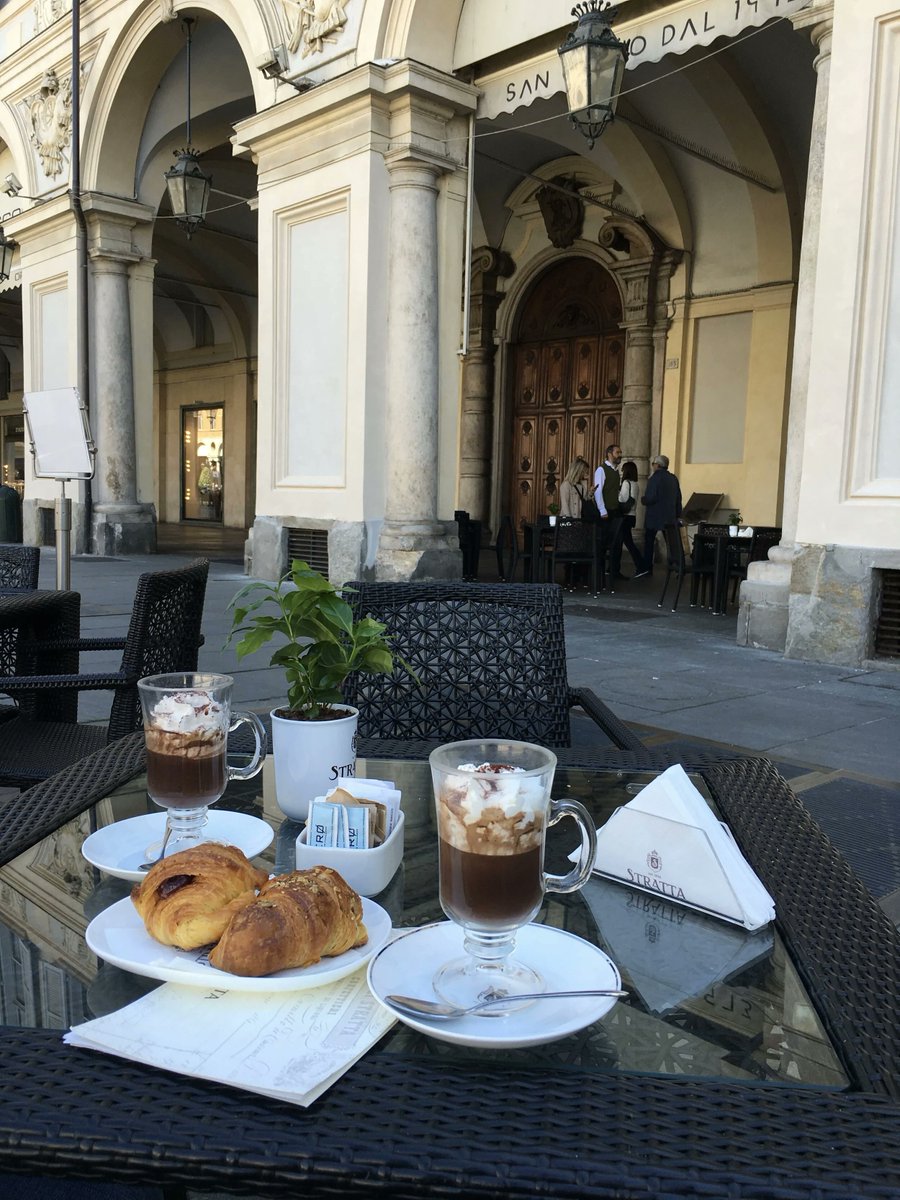
Vermouth, 1786. The whole aperitivo tradition.
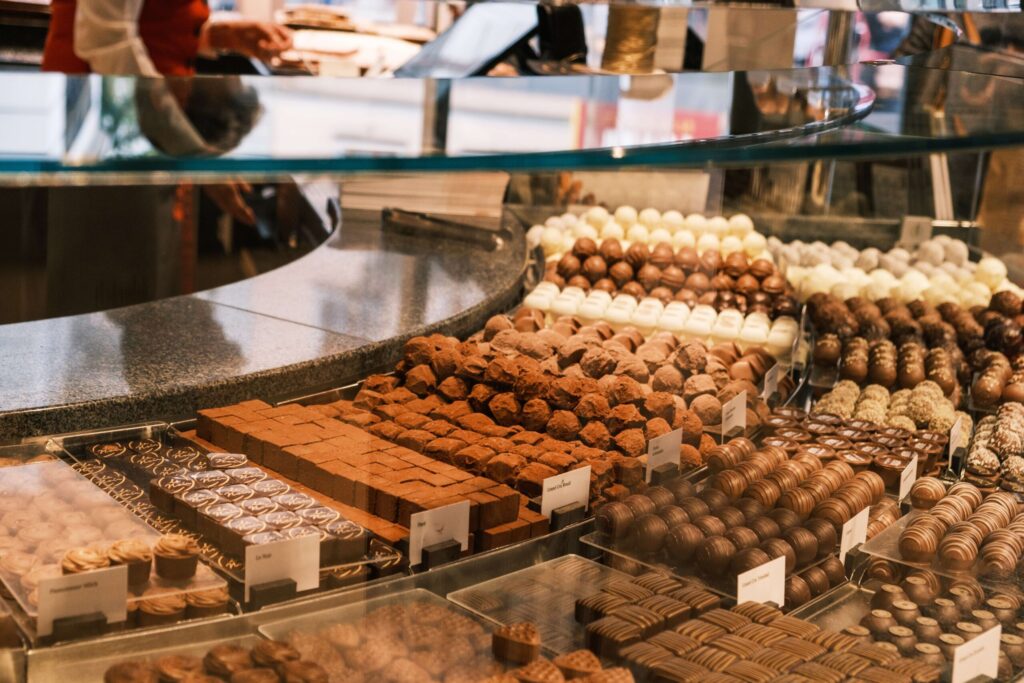
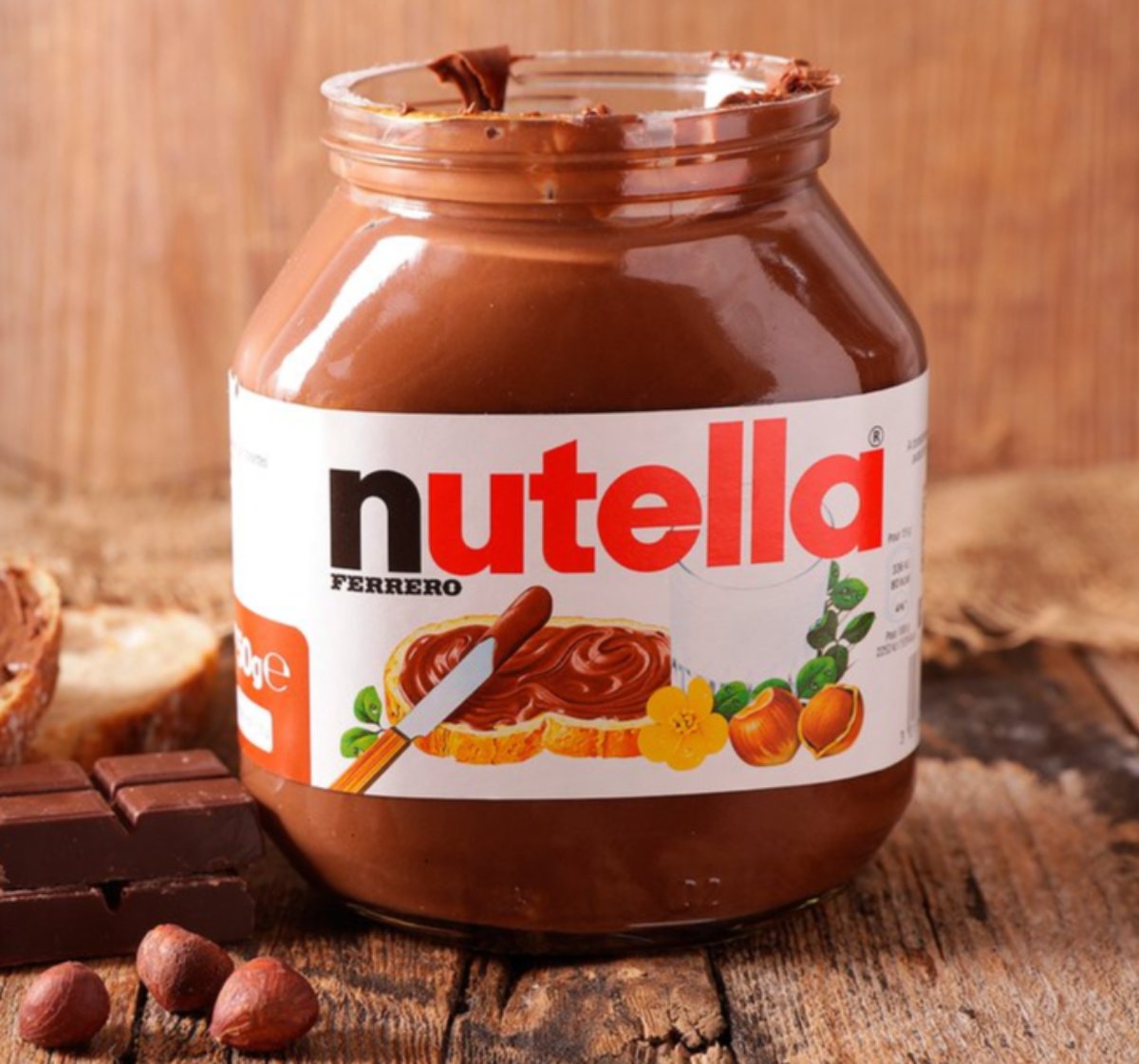
Gianduja, which became Nutella when Napoleonic blockades forced chocolatiers to mix cocoa with Piedmont hazelnuts. Pietro Ferrero made it spreadable in 1946.
The Slow Food movement. The first Eataly, opened in a former vermouth factory in 2007.
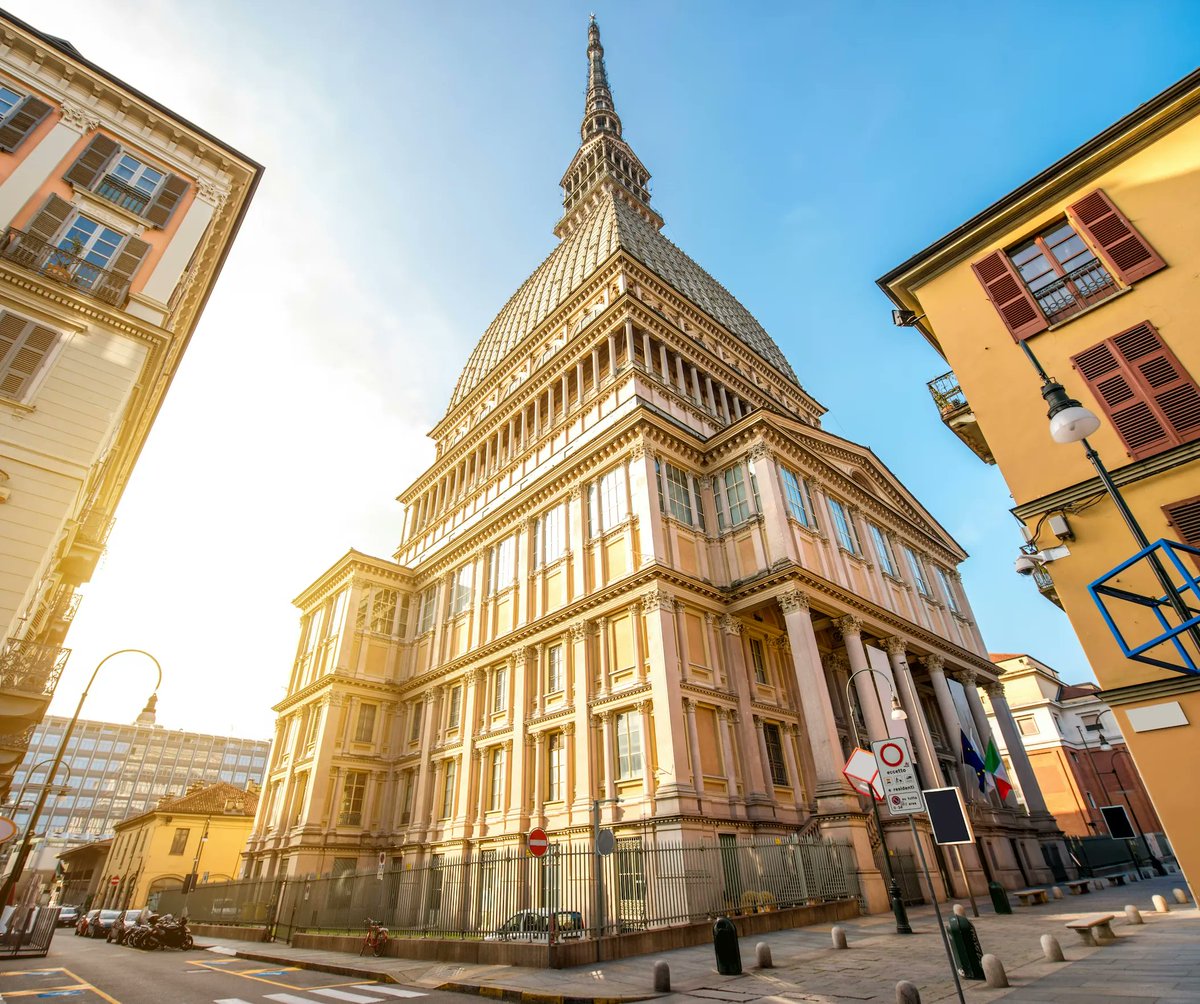
The Egyptian Museum here is the second largest after Cairo. The Mole Antonelliana houses the National Cinema Museum.
The Royal Palace complex is UNESCO World Heritage.
Over dinner, old friends and I started arguing about the same thing we always argue about: which cities in Italy are genuinely incredible but nobody ever talks about?
We went back and forth for hours. By the end of the night, we had a list.
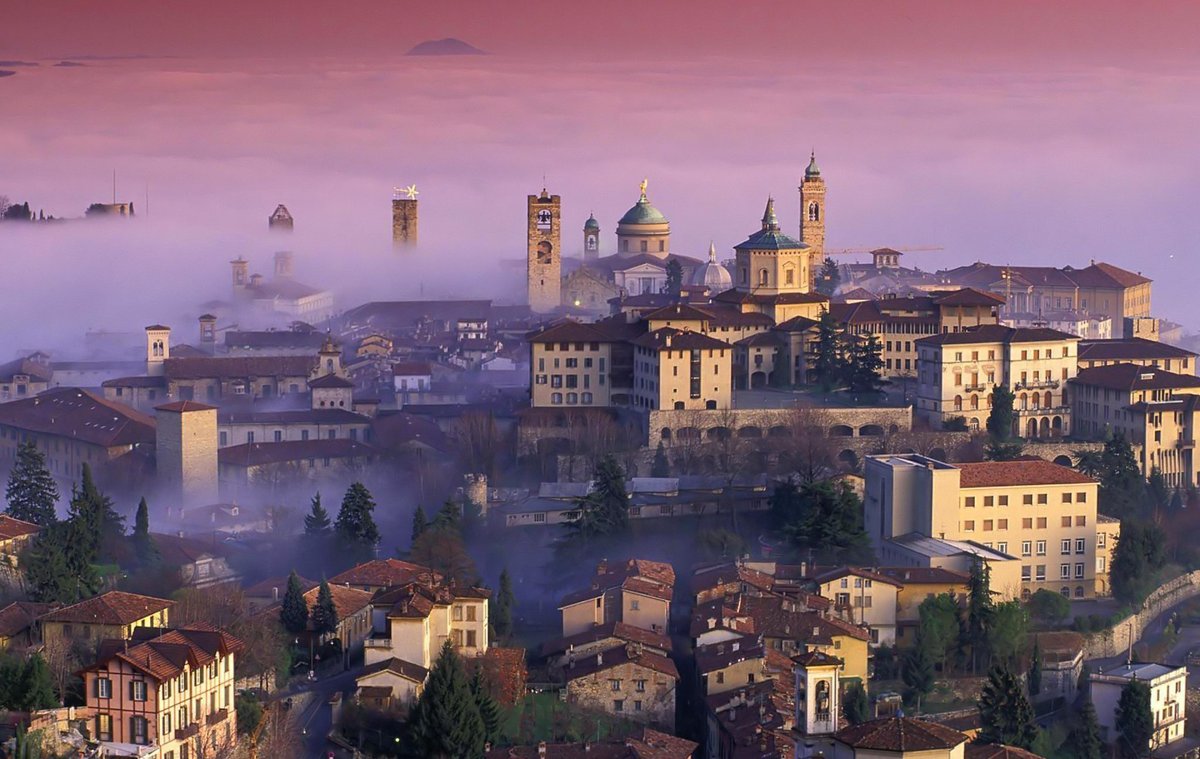
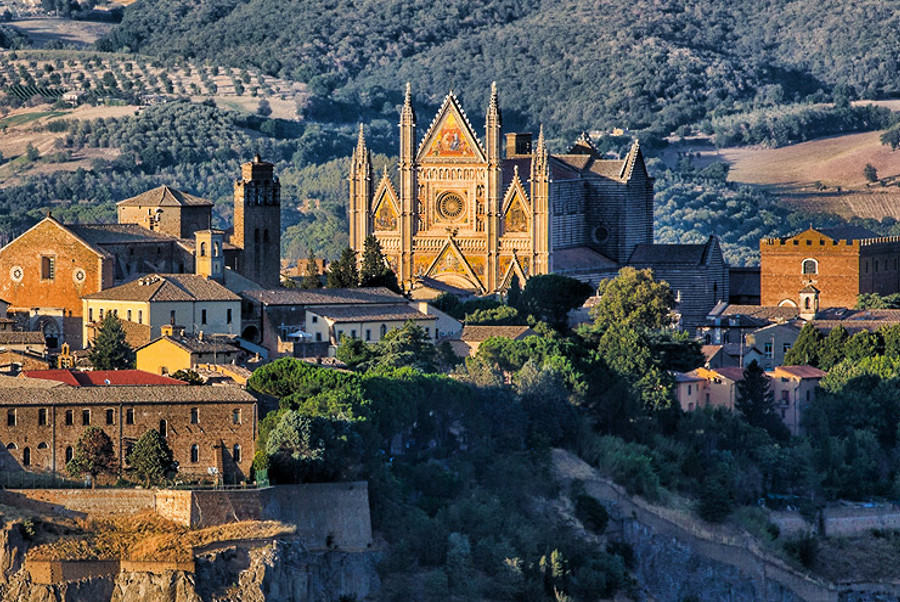
7 hidden cities that most people, including most Italians, will never think to visit, let alone move to.
No crowds. No tourist markup. Insane quality of life.
Thread 🧵
Italy has 7,904 municipalities. Tourists visit maybe 15.
These aren't "cheap places to test it out." They're cities where wealthy Italians live their best lives, completely off the radar.
For each one, I broke down property prices, nearest airport, population, who it's actually for, and the honest downsides you should be aware of.
7 cities I'd personally relocate to. Data on every single one:
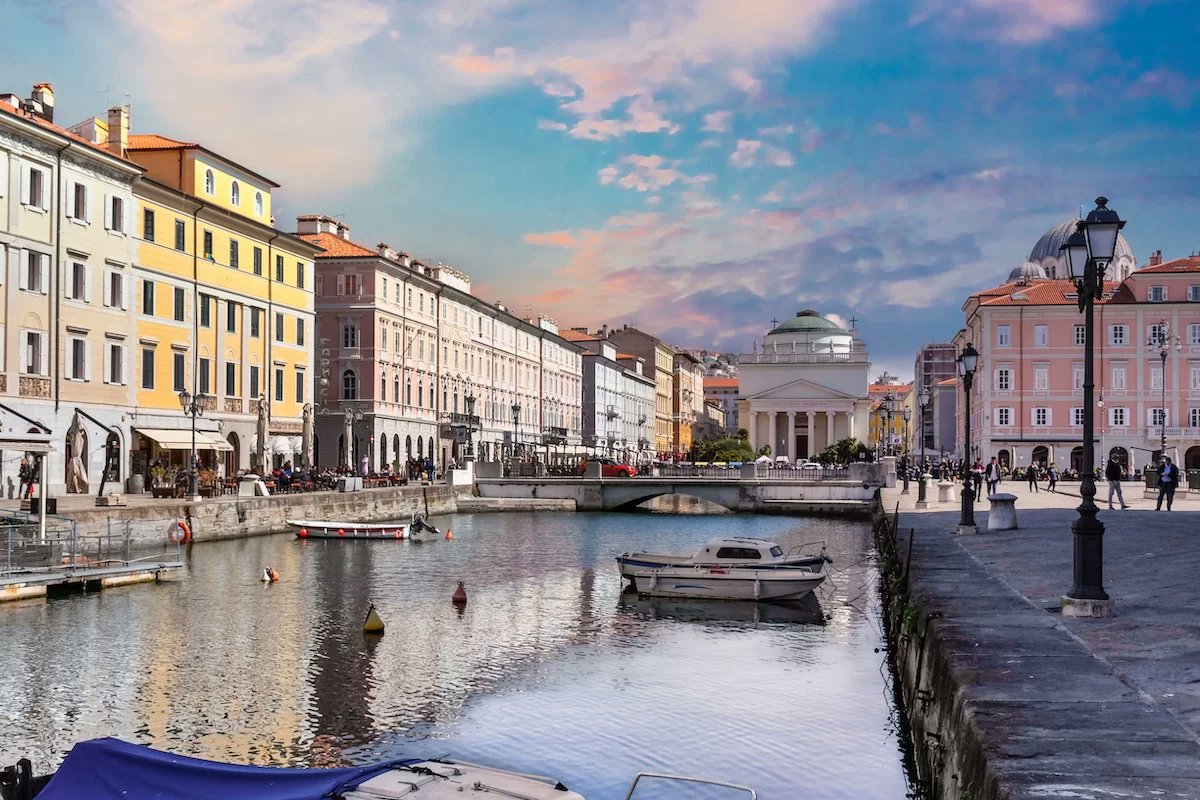
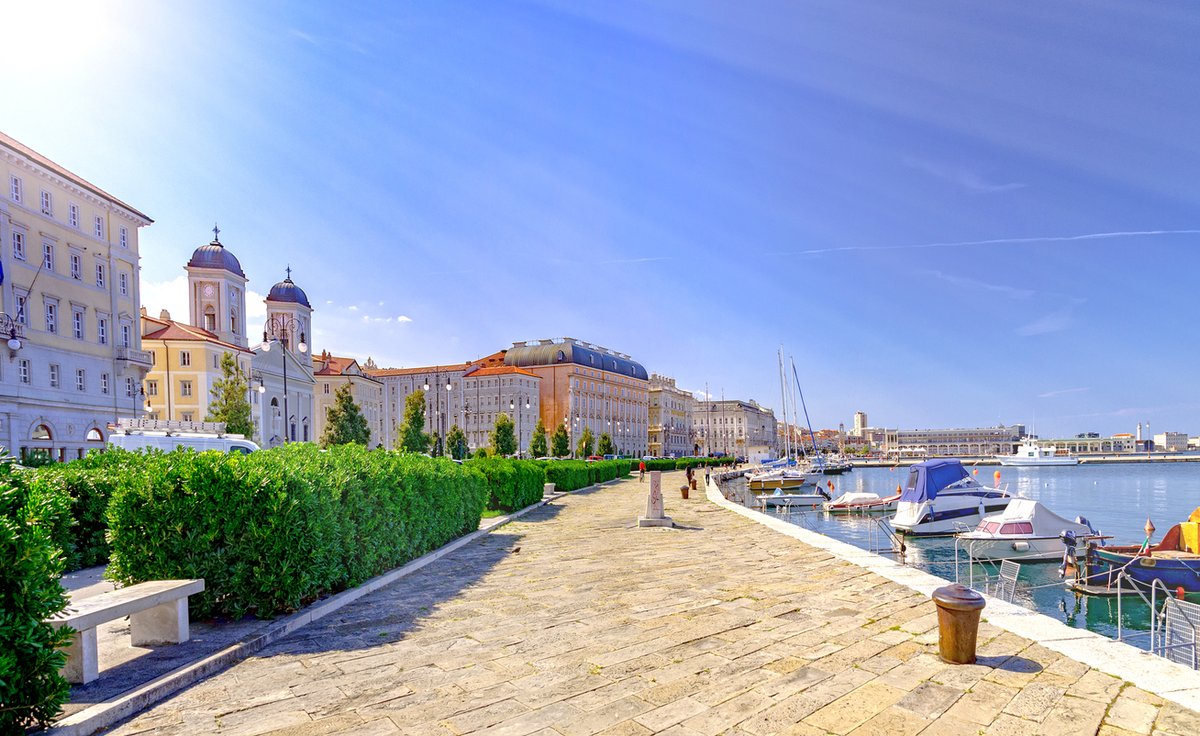
1/ TRIESTE, The Central European Hybrid
This isn't a typical Italian city. It's Vienna by the sea.
Habsburg architecture, historic literary cafés (Joyce wrote Ulysses here), and a vibe that's half Austrian, half Mediterranean.
I have a close friend from the area. One thing that always struck me: people in Trieste are always impeccably dressed. There's an elegance there you don't find in other Italian cities. It's the Viennese influence.
Understated, refined.
Population: 198,000. This is a REAL city, not a village.
I've analyzed every affordable, strategically located coastal town in Italy for a €200-300K budget.
Taxes, airports, cost of living, remote work infrastructure. I've called a couple of friends to confirm the data.
10 towns. The definitive guide for FIRE and Digital Nomads in Italy.
Thread 🧵
First, why Italy in 2026?
Three reasons:
• 7% flat tax for 10 years on ALL foreign income for retirees in small towns (pensions, dividends, capital gains), 50% tax exemption for remote workers
• Property at half the price of Portugal and Croatia
• Ryanair is opening bases and routes across the South at record pace
Italy is becoming THE game.
The real tax advantage for FIRE, explained simply:
Italy: 7% flat tax for 10 yrs (town under 20K people, southern region)
Greece: 7% for 15 yrs, but pricier property
Spain: no special retiree regime (standard progressive tax rates apply)
Portugal: NHR closed. Now progressive taxation up to 48% for pensioners.
Croatia: no special retiree regime
On €100K/yr of foreign income, Italy = €7,000 total tax. That's it.
- 0% capital gains tax
- 1 hour from Milan
- Swiss lifestyle with palm trees
This combination shouldn't exist. But it does.
Here’s why Switzerland's best-kept secret should be on your radar:
Lugano is a paradox. And most miss it completely.
It sits in Ticino, Switzerland's Italian-speaking canton.
Officially it’s Switzerland – but it doesn't feel like Switzerland. Mediterranean climate, palm trees by the lake, Italian spoken everywhere. Swiss quality underneath, but none of the coldness.
And here's what's interesting…
Swiss cantons are basically independent states with their own constitutions.
Ticino happens to be the one that speaks Italian and feels Mediterranean.
Milan is just an hour away by train. Lake Como is right next door.
You get access to Italian energy when you want it, and Swiss calm when you don't.