Artur Rehi Profile picture
Mar 19 11 tweets 4 min read Read on X
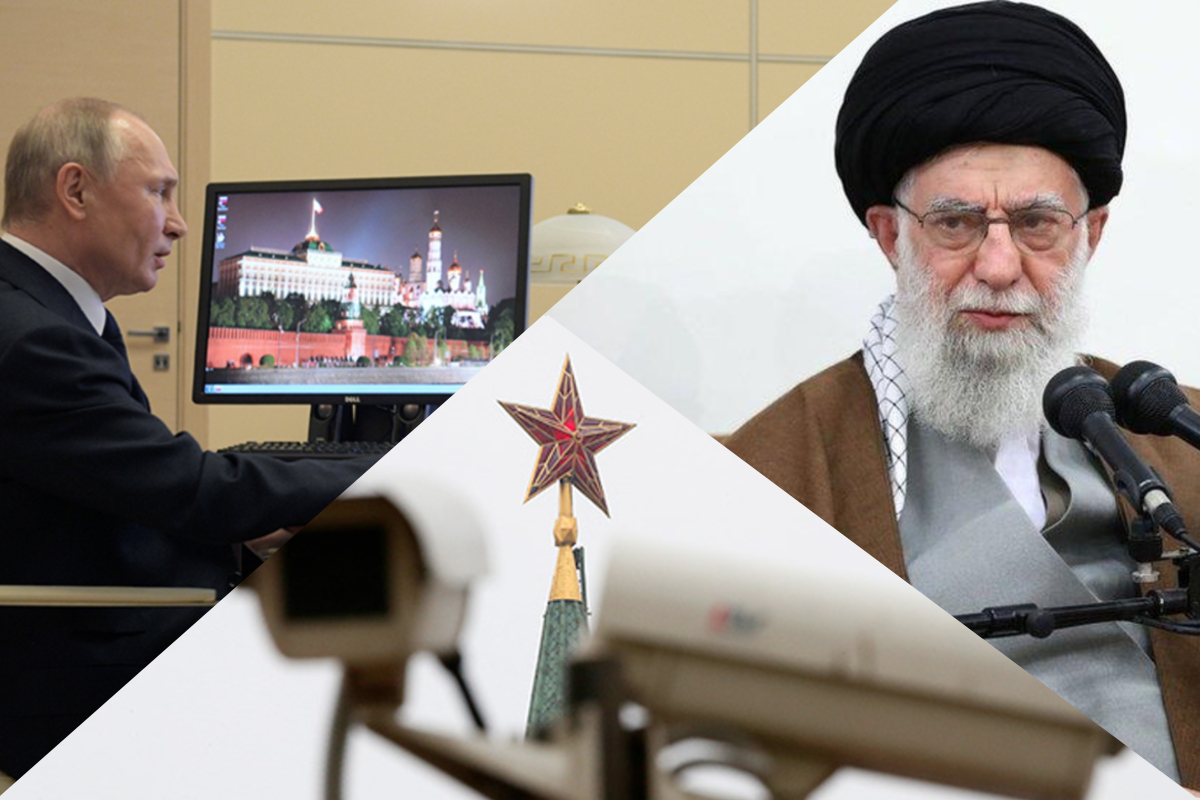
Vladimir Putin has stopped appearing at public events in the Kremlin after details emerged about a US and Israeli operation to eliminate Iran’s Supreme Leader Ayatollah Ali Khamenei. As previously reported by Financial Times, before the strike Israeli intelligence tracked Image
Khamenei’s movements using hacked surveillance cameras. According to calculations by the outlet “Agentstvo,” the last time Putin held a public event in the Kremlin was on March 9 - a meeting on the situation in the global oil and gas market. After that, according to the Image
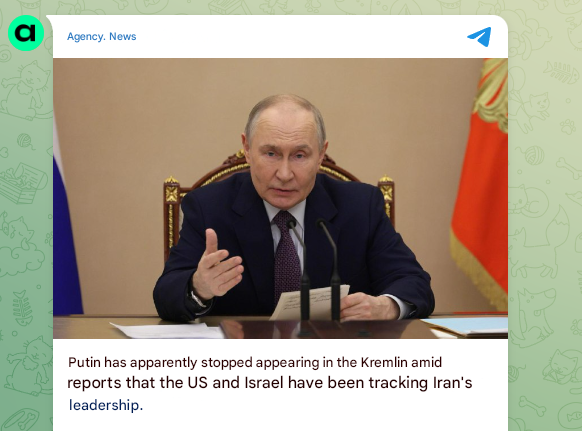
presidential press service, he met several times with regional governors, the Minister of Education, and the head of Sberbank, and also participated in Security Council meetings via video link. However, as “Agentstvo” notes, such meetings are often recorded in advance, Image
and participation via video link can take place from different residences equipped with identical offices. The pause in in-person Kremlin events has now lasted nine days - one of the longest breaks since the beginning of the year. The only time in 2026 when Putin was absent from Image
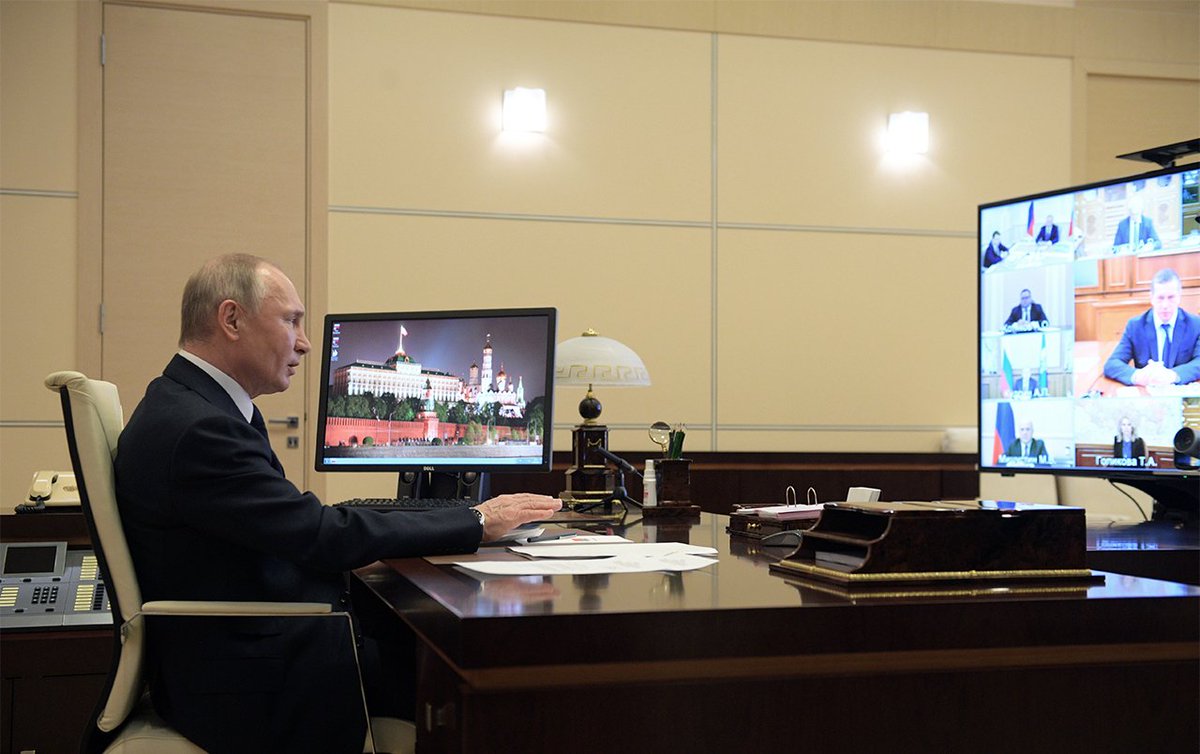
the Kremlin for longer was in February - from the 6th to the 18th. For comparison, the pause after the New Year holidays did not exceed six days. According to Financial Times, Israeli intelligence tracked the ayatollah through hacked street cameras in Tehran, images from which Image
had been transmitted to Israel for years. One of the cameras was installed on Pasteur Street, where government buildings are located, allowing the security system of the complex to be studied. “We knew Tehran as well as Jerusalem,” an FT intelligence source said. In addition, Image
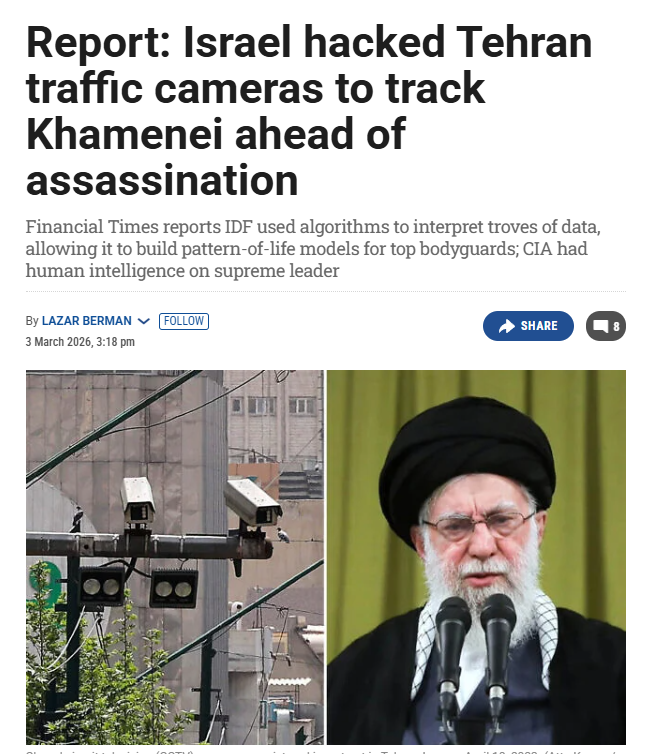
before the strike Israel disabled cell towers so that calls could not reach the phones of Khamenei’s security detail. In Moscow, where the number of surveillance cameras exceeds that of Tehran, and where mobile internet shutdowns in the city center have lasted for almost two Image
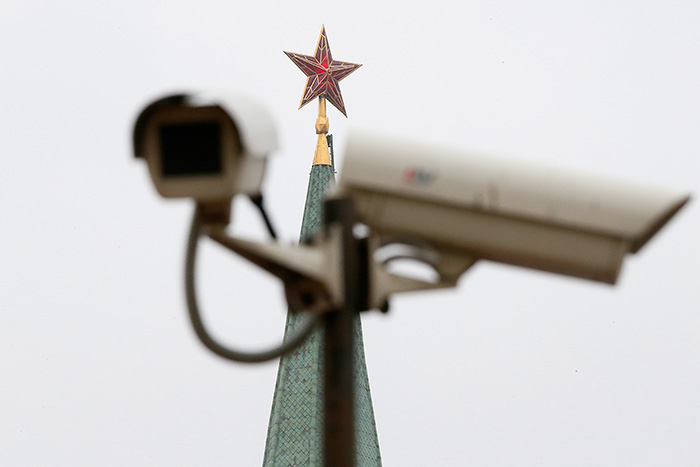
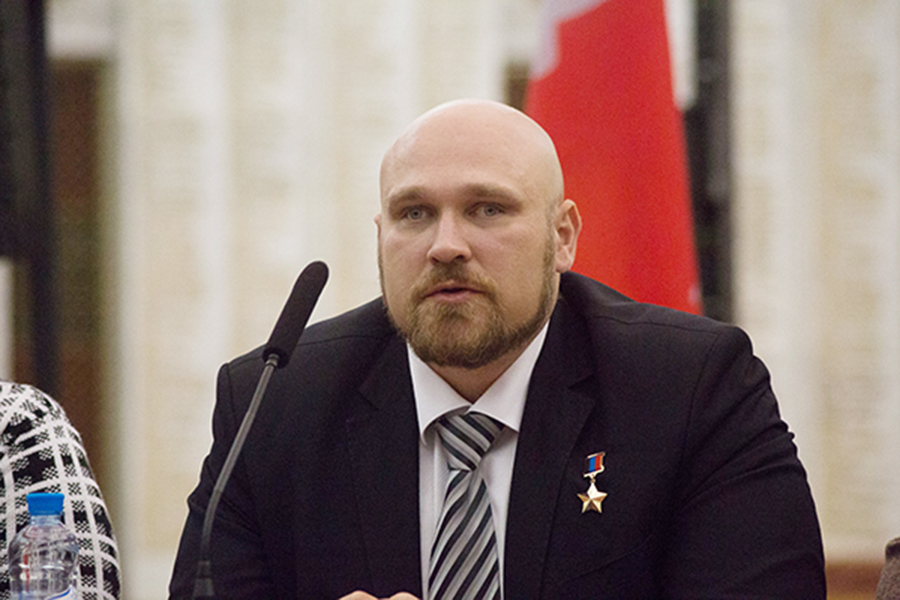
weeks, these details have caused concern. Former “state security minister of the DPR” Andrei Pinchuk suggested in a publication on the propaganda outlet Tsargrad that the “relentless hunt” for Iranian leaders and the mass communication shutdowns in Moscow may be connected. Image
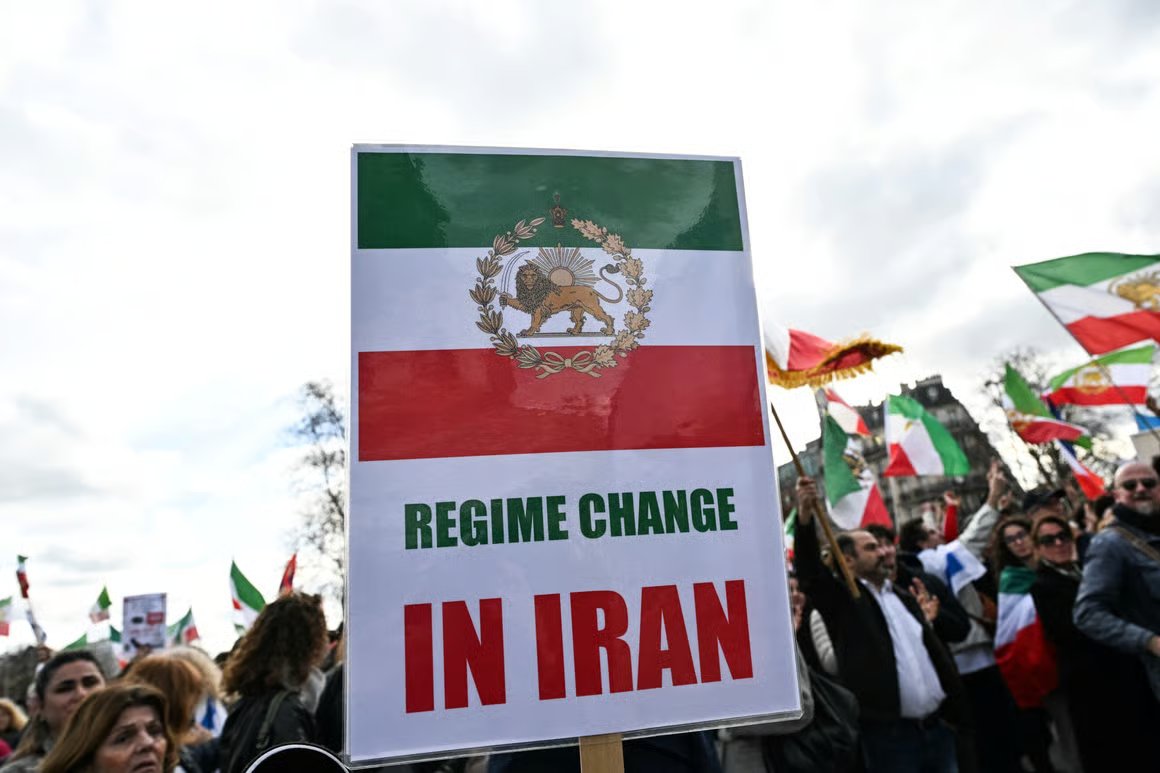
Meanwhile, as reported by The Wall Street Journal, Israel is now focusing on destabilizing the Iranian regime from within, obtaining intelligence from local residents and eliminating commanders of security forces. On the night of Tuesday, March 17, Iran’s Security Council Image
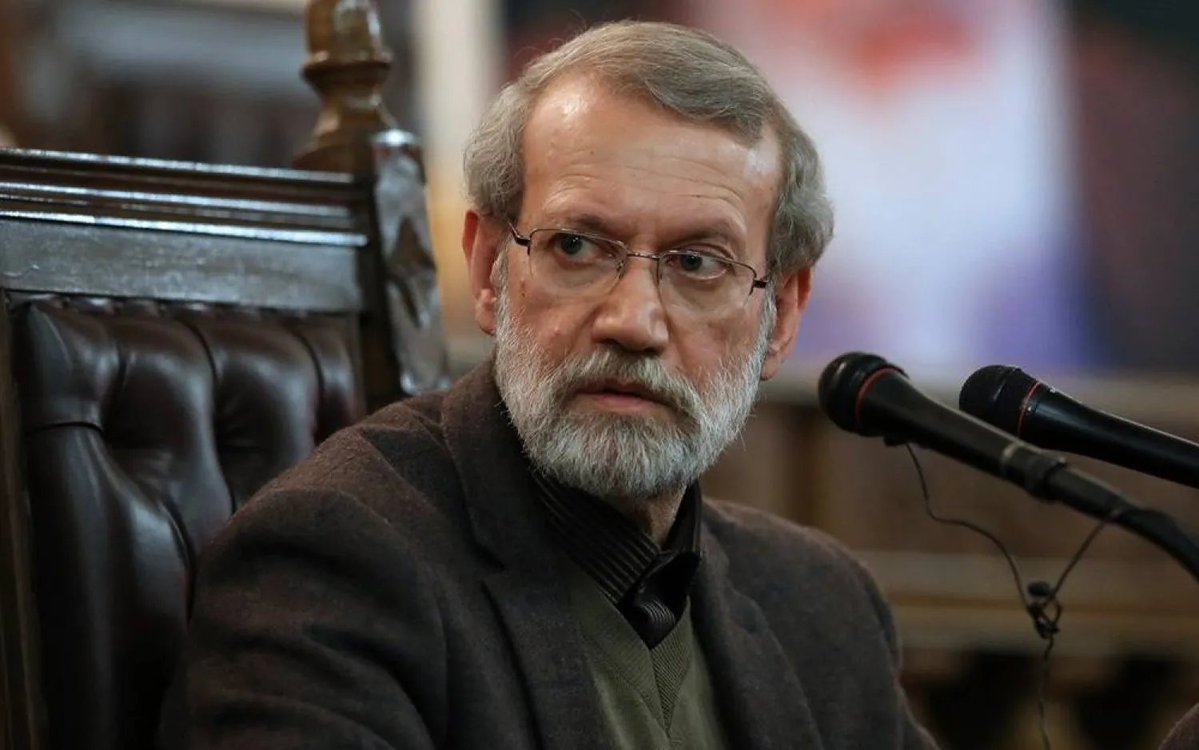
Secretary Ali Larijani, who was considered the de facto leader of the country after Khamenei’s death, was eliminated. According to Iran International, Larijani’s killing became possible thanks to information from Tehran residents. Israel’s Ministry of Defense also reported Image
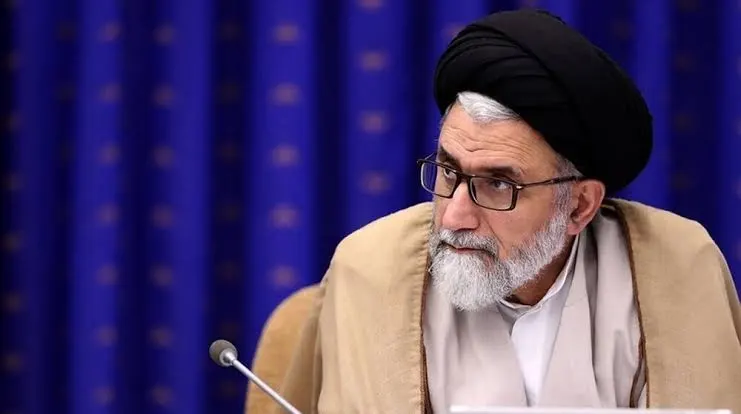
the “elimination” of Iran’s intelligence minister Esmail Khatib, and according to Tel Aviv, thousands of Iranian security personnel have been killed in the strikes. Image
• • •

Missing some Tweet in this thread? You can try to force a refresh

 

Keep Current with Artur Rehi

Artur Rehi Profile picture

Stay in touch and get notified when new unrolls are available from this author!

Read all threads

This Thread may be Removed Anytime!

PDF

Twitter may remove this content at anytime! Save it as PDF for later use!

Try unrolling a thread yourself!

how to unroll video
  1. Follow @ThreadReaderApp to mention us!

  2. From a Twitter thread mention us with a keyword "unroll"
@threadreaderapp unroll

Practice here first or read more on our help page!

More from @ArturRehi

Mar 18
The Estonian initiative currently being discussed in the EU to ban former Russian army combatants from entering the Schengen area should become a model for others. And here is why. The issue is not only that they pose a threat to society through the risk of committing crimes -
🧵 Image
these individuals also pose a threat to state integrity. At present, citizens from more than 120 countries and unrecognized territories are fighting on Russia’s side. The largest numbers of mercenaries come from countries such as Kazakhstan, Uzbekistan, Azerbaijan, Belarus, Nepal Image
Armenia, Moldova, Georgia, China, India, Egypt, as well as numerous African countries. These individuals are trained fighters who have undergone military preparation in an army where nearly 200,000 personnel are criminals recruited from penal colonies, pre-trial detention centers Image
Read 11 tweets
Mar 17
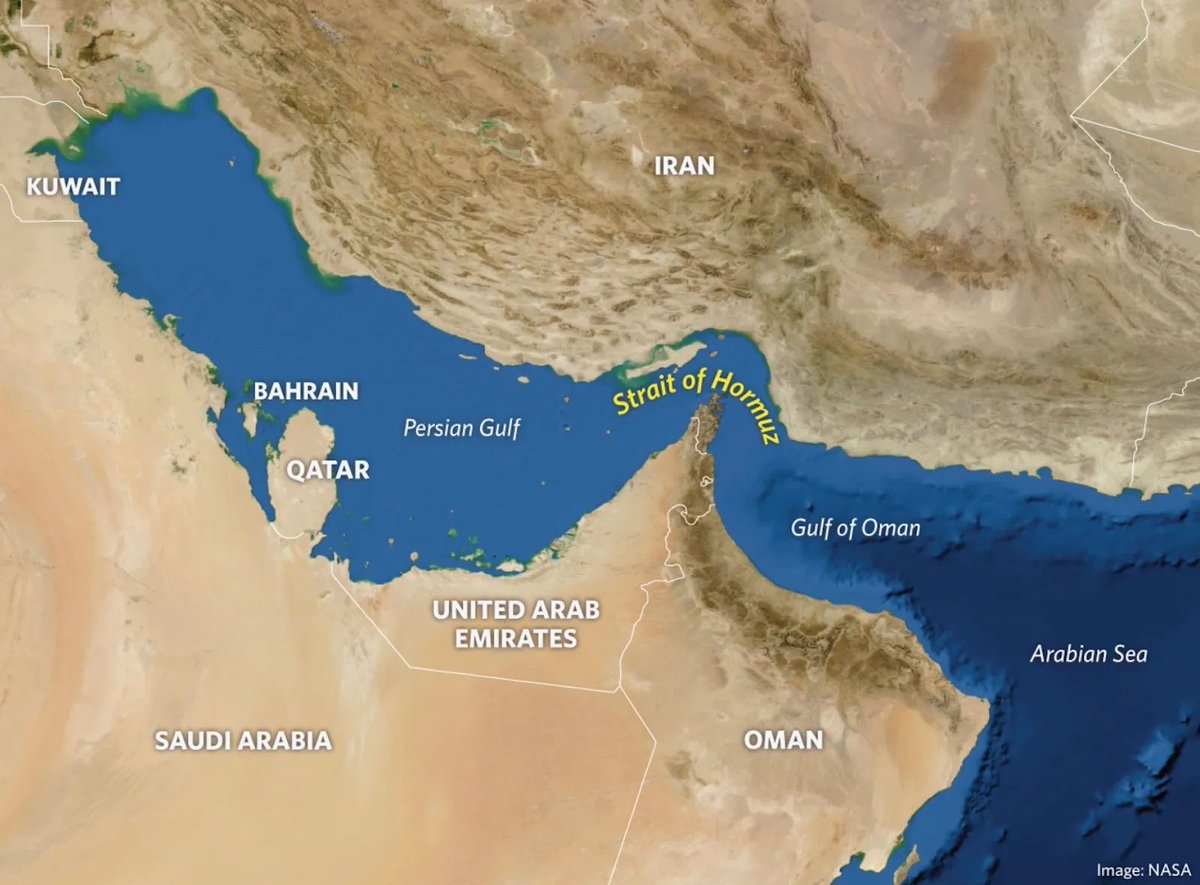
Russia’s war around Iran may provide only a temporary reprieve through higher oil prices but it cannot fix its deep economic problems - for higher oil revenues to meaningfully support the budget, prices would have to remain extremely high almost all year, which is unlikely
🧵 Image
given global pressures to reopen the Strait of Hormuz. On this backdrop the Russian budget has already entered a crisis phase - the deficit for the first two months was about 3.5 trillion rubles against an annual plan of 3.8 trillion rubles, meaning almost the entire planned Image
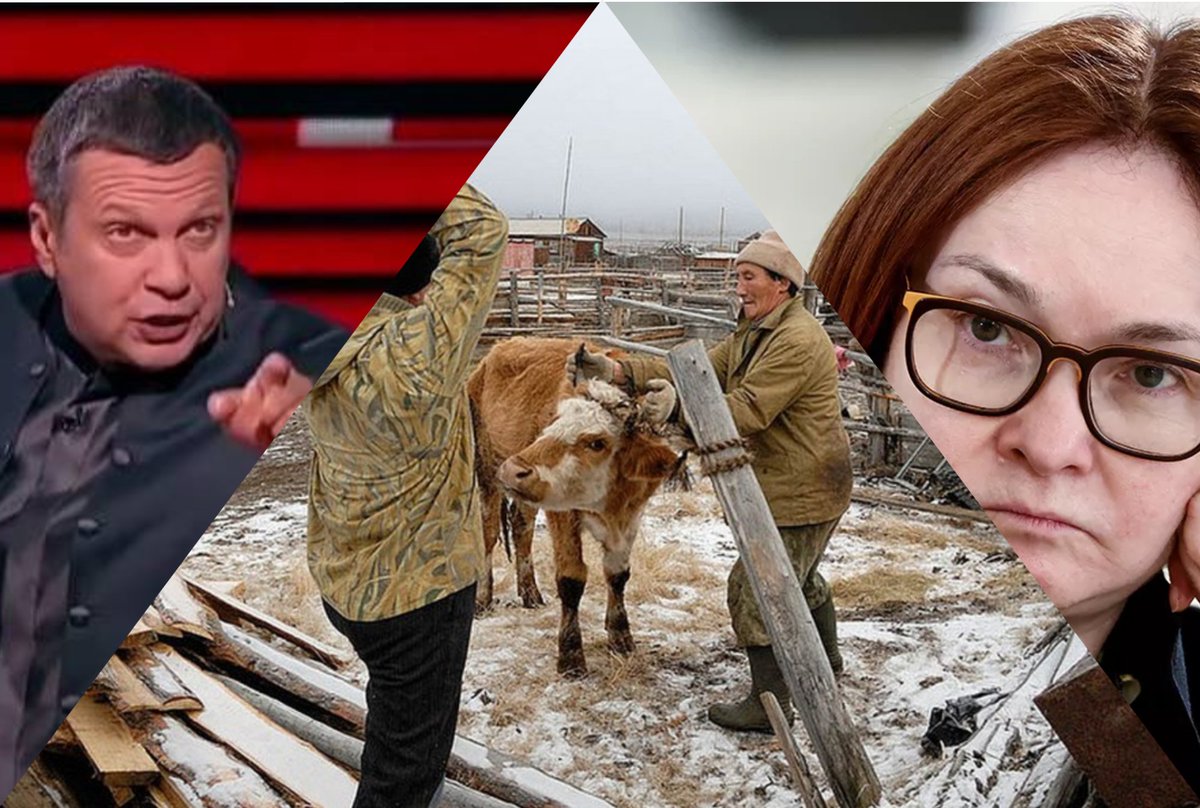
deficit accumulated in January–February, and much of the current spending now goes to servicing past obligations and debt rather than development. Additional confirmation of systemic crisis came unexpectedly from Vladimir Solovyov - in a broadcast seen in the Russian Far East Image
Read 15 tweets
Mar 10
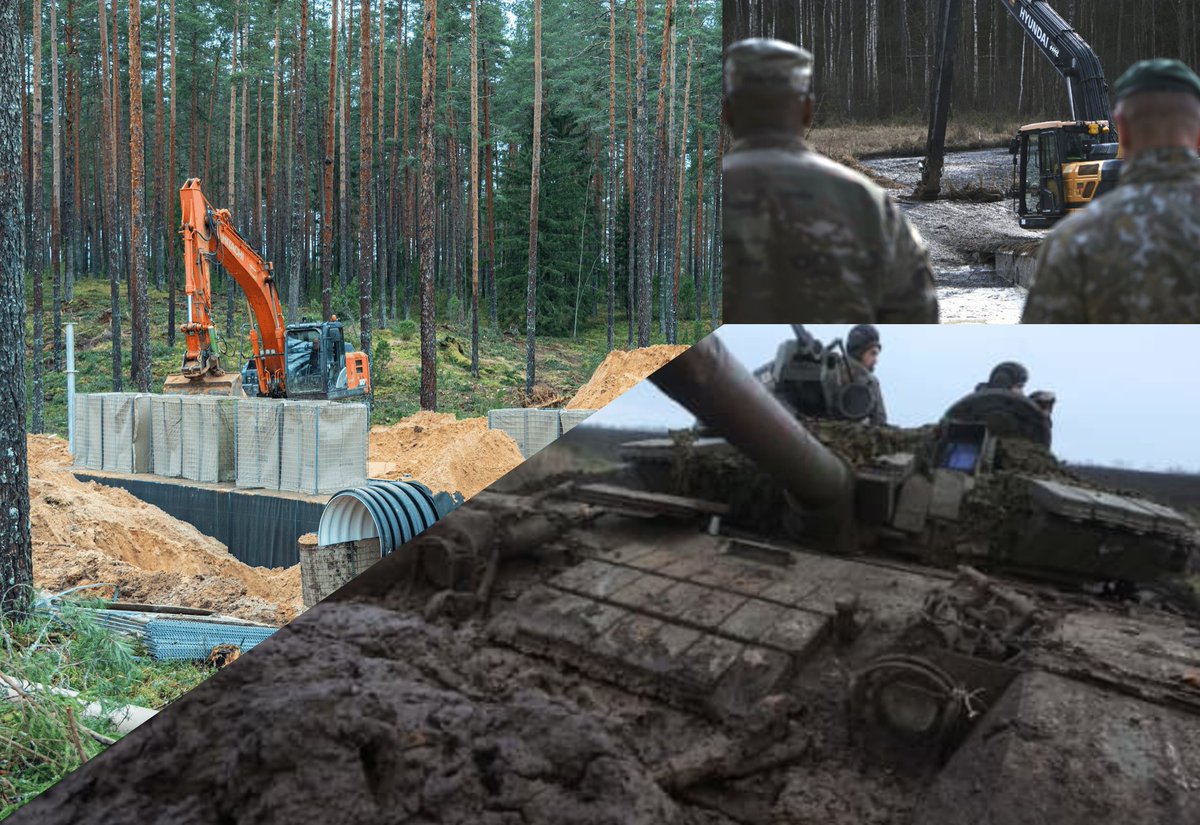
The Baltic states and Finland are increasingly considering the use of natural landscapes as an element of defense on NATO’s eastern flank. The idea is not only to build traditional fortifications, but also to make the terrain itself less passable for a potential advancing
🧵 Image
force. Among the measures being discussed is the restoration of bogs, peatlands and other wetlands that could serve as natural barriers for heavy vehicles and slow the movement of troops. The idea is being actively discussed in Lithuania, Latvia and Finland. For example, Image
Latvia is considering restoring former peat extraction sites along its eastern border. After drainage canals are closed, such areas quickly fill with water and turn into bogs and water bodies. This approach would both repair environmental damage caused by past extraction and Image
Read 10 tweets
Mar 6
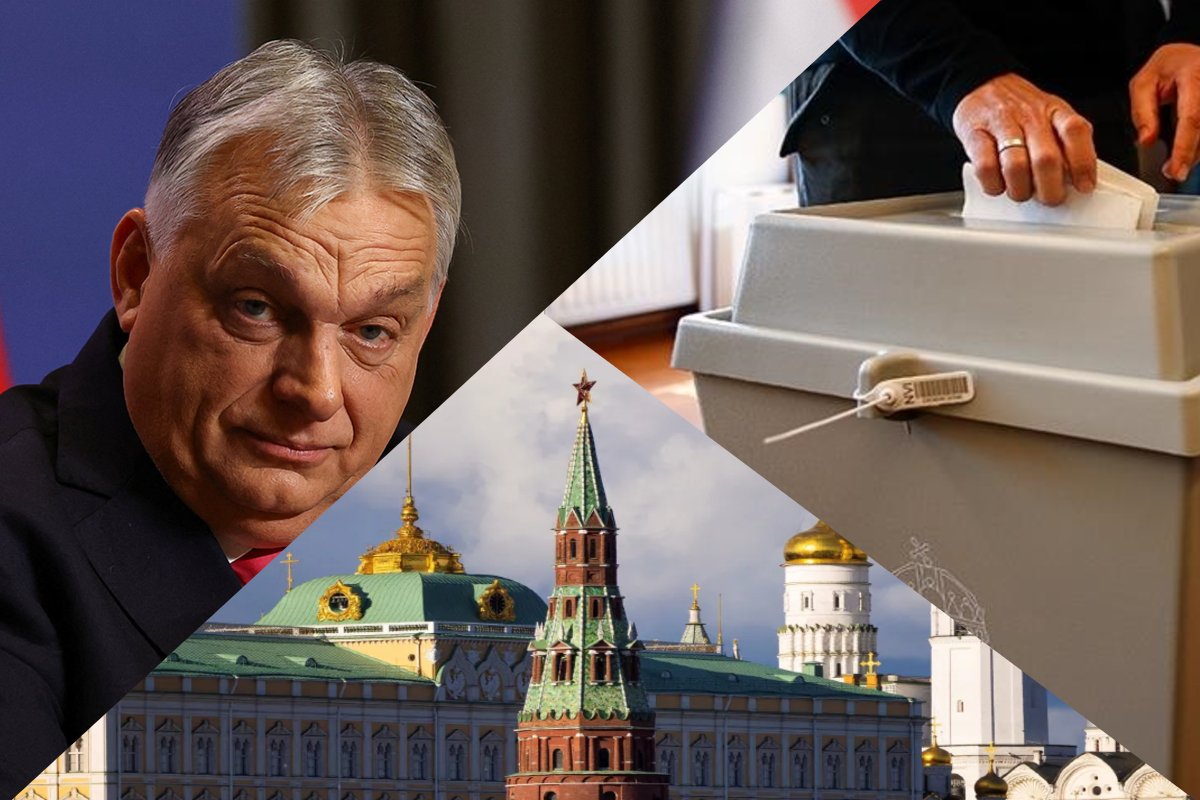
Investigative journalists, together with European security services, have established that Russian leader Vladimir Putin instructed a group of political technologists and Russia’s military intelligence to interfere in Hungary’s parliamentary elections in April in order to
🧵 Image
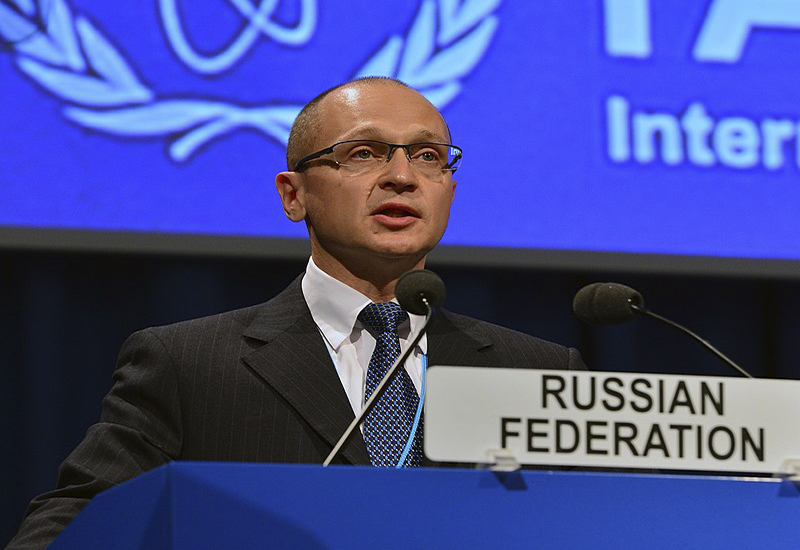
secure the victory of incumbent Prime Minister Viktor Orbán. Putin assigned responsibility for "handling" Hungary to Sergei Kiriyenko, the first deputy head of the presidential administration, who is considered the architect of Russia’s entire infrastructure of political Image
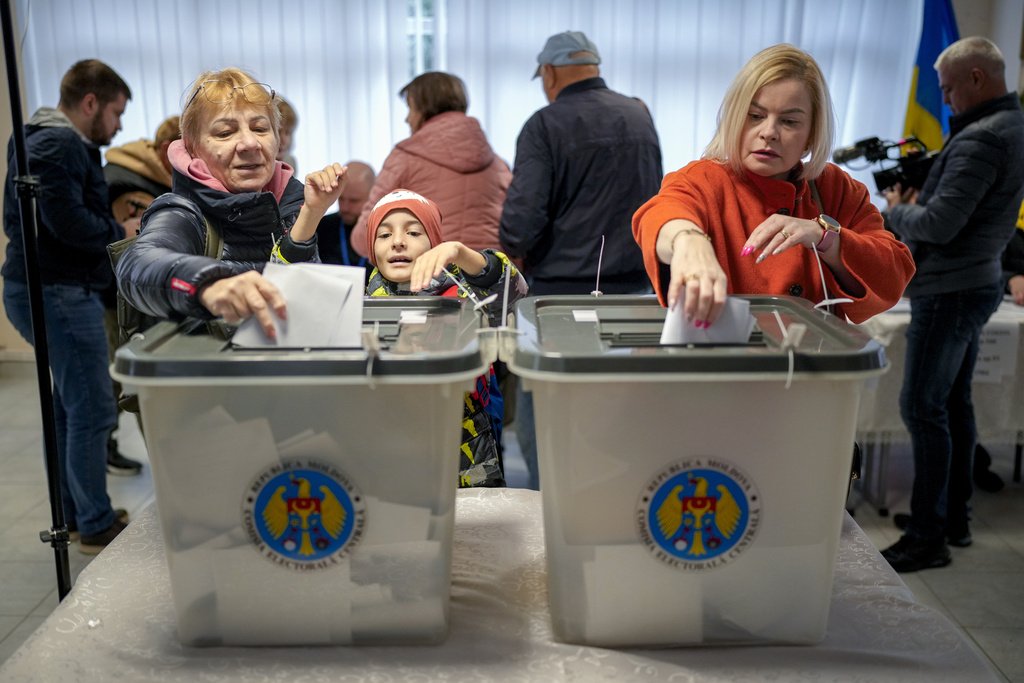
influence, both domestically and abroad. Kiriyenko was also behind the Russian interference campaign during Moldova’s 2024 presidential election. At that time, Russia used vote-buying networks, troll farms, and local activists to shape public opinion against the pro-Western Image
Read 8 tweets
Feb 25
Another large anti-corruption operation is underway in Ukraine. Law enforcement officers exposed the Commander of Logistics of the Ukrainian Air Force, Andrii Ukrainets, and the head of the Security Service department in Zhytomyr region, Volodymyr Kompanichenko, over
🧵 Image
corruption during the construction of aircraft shelters. This was announced by Ukraine’s Prosecutor General Ruslan Kravchenko. "This was the largest special operation in recent years. Documentation of the criminal activity lasted about two months. The most difficult task was
ensuring full confidentiality of the process. One of the suspects - a high-ranking SBU official - had a deep understanding of the tactics and algorithms of investigative and covert investigative actions. Given this, it was necessary to act with maximum caution, using methods
Read 6 tweets
Feb 17
In Russia, "import substitution," like many other things, has long turned not into technological development but into a convenient way to siphon off budget funds. The state allocates money for the creation of "domestic developments," after which companies take ready-made
🧵 Image
Western solutions, slightly adapt them, and present them as their own innovations, keeping subsidies and reporting an alleged technological breakthrough. A telling example is the case of the company Newco. The Ministry of Industry and Trade attempted in court to recover
177.6 million rubles, arguing that hearing aids developed with state funding were in fact based on technology from the Danish company Oticon and did not constitute an independent development. However, the Moscow Arbitration Court sided with the business, ruling that
Read 5 tweets

Did Thread Reader help you today?

Support us! We are indie developers!


This site is made by just two indie developers on a laptop doing marketing, support and development! Read more about the story.

Become a Premium Member ($3/month or $30/year) and get exclusive features!

Become Premium

Don't want to be a Premium member but still want to support us?

Make a small donation by buying us coffee ($5) or help with server cost ($10)

Donate via Paypal

Or Donate anonymously using crypto!

Ethereum

0xfe58350B80634f60Fa6Dc149a72b4DFbc17D341E copy

Bitcoin

3ATGMxNzCUFzxpMCHL5sWSt4DVtS8UqXpi copy

Thank you for your support!

Follow Us!

:(