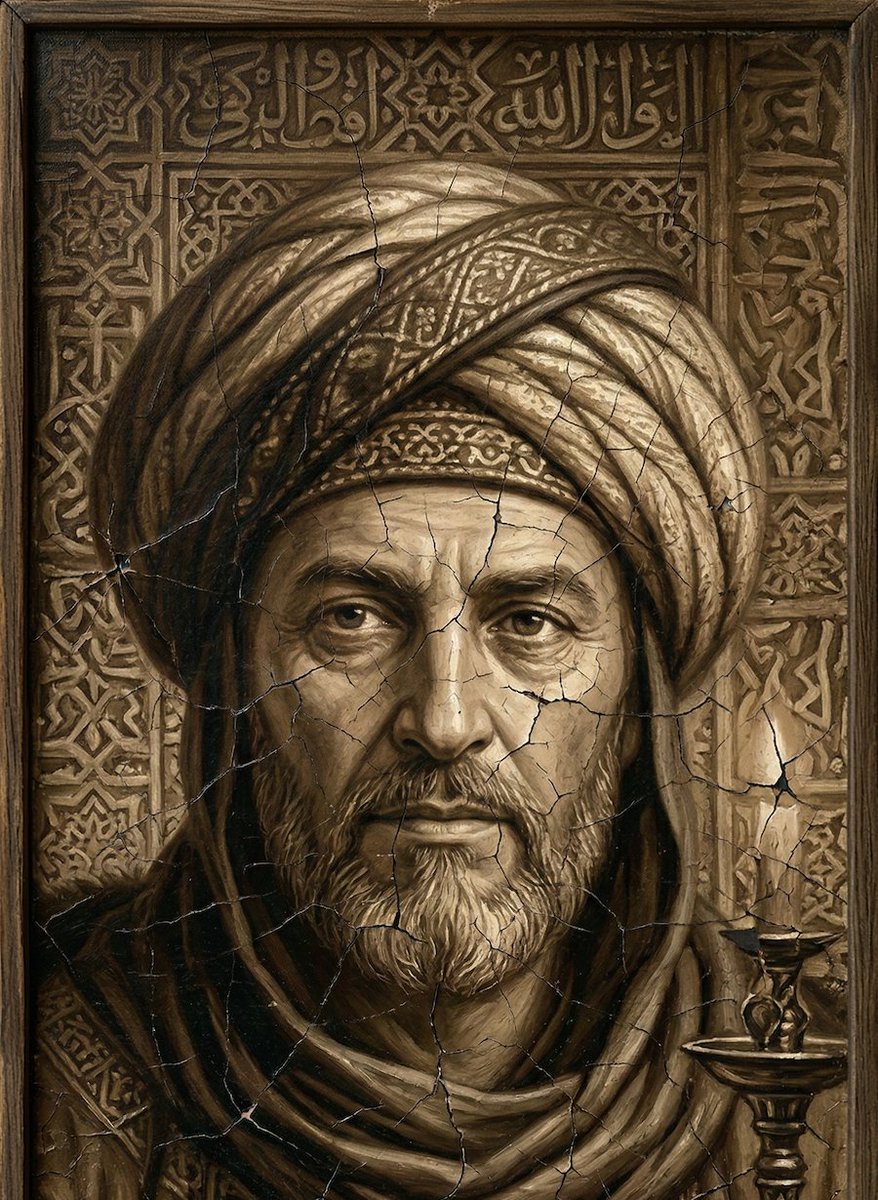
In 1895, a French social psychologist named Gustave Le Bon published a book so dangerous that it became the private playbook of dictators for the next century.
Hitler quoted it. Mussolini kept it by his bedside. Edward Bernays used it to build modern propaganda.
The book's name? "The Crowd."
Its core claim: The moment people form a group, they become stupid. Not slightly dumber. Fundamentally, structurally incapable of rational thought.
And the tactics he described for controlling them still work on you right now. 🧵 (thread)
Hitler quoted it. Mussolini kept it by his bedside. Edward Bernays used it to build modern propaganda.
The book's name? "The Crowd."
Its core claim: The moment people form a group, they become stupid. Not slightly dumber. Fundamentally, structurally incapable of rational thought.
And the tactics he described for controlling them still work on you right now. 🧵 (thread)

Le Bon's first defined what a "crowd" actually is.
A crowd is not just people standing near each other. A thousand strangers in a train station are not a crowd. A crowd forms when individual consciousness dissolves and a collective mind takes over.
Six people can be a crowd. An entire nation, separated by thousands of miles, can be a crowd. The question is not proximity. The question is whether individual judgment has been surrendered.
A crowd is not just people standing near each other. A thousand strangers in a train station are not a crowd. A crowd forms when individual consciousness dissolves and a collective mind takes over.
Six people can be a crowd. An entire nation, separated by thousands of miles, can be a crowd. The question is not proximity. The question is whether individual judgment has been surrendered.
3 forces transform individuals into a crowd:
✅ Anonymity - The feeling of invisible power that comes from being part of a mass. Responsibility vanishes. Restraint vanishes with it.
✅ Contagion - Every emotion becomes infectious. Sentiments pass through a group the way a virus passes through a body. One person's panic becomes everyone's panic.
✅ Suggestibility - The individual enters a hypnotic state. Le Bon compared it directly to hypnosis. The conscious personality disappears. What remains obeys.
Once all three kick in, something startling happens.
✅ Anonymity - The feeling of invisible power that comes from being part of a mass. Responsibility vanishes. Restraint vanishes with it.
✅ Contagion - Every emotion becomes infectious. Sentiments pass through a group the way a virus passes through a body. One person's panic becomes everyone's panic.
✅ Suggestibility - The individual enters a hypnotic state. Le Bon compared it directly to hypnosis. The conscious personality disappears. What remains obeys.
Once all three kick in, something startling happens.
The person inside the crowd is no longer themselves.
Le Bon: "By the mere fact that he forms part of an organised crowd, a man descends several rungs in the ladder of civilisation."
Isolated, he may be educated, cautious, reasonable.
Inside the crowd, he is a barbarian acting on instinct. A great mathematician and his boot maker become intellectual equals inside a mob.
The single most important finding in Le Bon's work? 👇
Le Bon: "By the mere fact that he forms part of an organised crowd, a man descends several rungs in the ladder of civilisation."
Isolated, he may be educated, cautious, reasonable.
Inside the crowd, he is a barbarian acting on instinct. A great mathematician and his boot maker become intellectual equals inside a mob.
The single most important finding in Le Bon's work? 👇
Crowds cannot reason.
Not "crowds reason poorly." Crowds are structurally incapable of following a logical chain. They think entirely in images. Present a crowd with a vivid picture and it will act. Present it with a careful argument and it will stare at you blankly, then tear you apart.
An orator who tries to persuade a mob with evidence is a man shouting equations at a tidal wave.
What exactly works on crowds?
Not "crowds reason poorly." Crowds are structurally incapable of following a logical chain. They think entirely in images. Present a crowd with a vivid picture and it will act. Present it with a careful argument and it will stare at you blankly, then tear you apart.
An orator who tries to persuade a mob with evidence is a man shouting equations at a tidal wave.
What exactly works on crowds?
Three tools, used by every leader in history who understood the game, work to persuade crowds:
Affirmation. Repetition. Contagion.
State a claim boldly, without evidence. Repeat it endlessly, in the same words. Wait for it to spread from person to person like a disease.
Affirmation. Repetition. Contagion.
State a claim boldly, without evidence. Repeat it endlessly, in the same words. Wait for it to spread from person to person like a disease.
Napoleon said there is only one figure of rhetoric that matters: repetition.
Le Bon mostly agreed. A statement repeated a thousand times becomes a truth, because it sinks below conscious thought into the region where motives are forged.
We forget who said it. We just believe it.
Le Bon mostly agreed. A statement repeated a thousand times becomes a truth, because it sinks below conscious thought into the region where motives are forged.
We forget who said it. We just believe it.
Crowds do not want truth. Crowds want illusions.
Le Bon wrote that every civilization in history was built on illusions, not facts. The creators of illusions have received more temples and statues than any other class of men.
The masses turn aside from evidence that is not to their taste. Whoever supplies them with illusions becomes their master. Whoever tries to destroy their illusions becomes their victim.
And education doesn't prevent it. In fact, he predicted what would happen with our modern education systems. 👇
Le Bon wrote that every civilization in history was built on illusions, not facts. The creators of illusions have received more temples and statues than any other class of men.
The masses turn aside from evidence that is not to their taste. Whoever supplies them with illusions becomes their master. Whoever tries to destroy their illusions becomes their victim.
And education doesn't prevent it. In fact, he predicted what would happen with our modern education systems. 👇
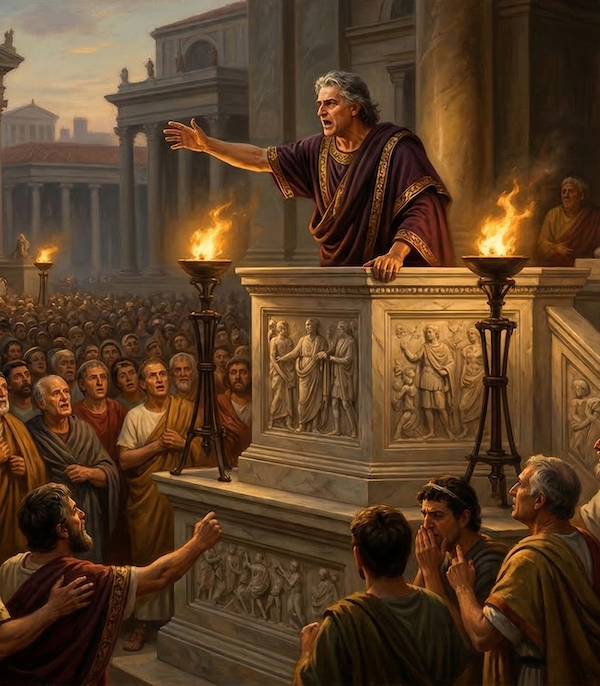
Education systems that produce masses of credentialed people with no practical skills, no initiative, and no independent judgment create armies of the discontented.
These graduates despise the life they came from but cannot build anything new. They are, Le Bon said, perfectly primed recruits for every revolutionary movement.
He wrote that in 1895. About France. Sound like anywhere you recognize?
But there was one acceleration he didn't predict:
These graduates despise the life they came from but cannot build anything new. They are, Le Bon said, perfectly primed recruits for every revolutionary movement.
He wrote that in 1895. About France. Sound like anywhere you recognize?
But there was one acceleration he didn't predict:
Le Bon didn't account for acceleration from technology.
In his era, contagion spread through pamphlets, speeches, and the public house. A belief might take a generation to saturate a population.
Now contagion travels at the speed of a push notification. Affirmation and repetition, the two great weapons of crowd manipulation, are now automated. Algorithms select for emotional intensity.
The entire architecture of social media is a crowd-formation machine running 24 hours a day.
You have seen these crowds, these swarms, directed toward nefarious ends. The obvious example is what we call "cancel culture."
In his era, contagion spread through pamphlets, speeches, and the public house. A belief might take a generation to saturate a population.
Now contagion travels at the speed of a push notification. Affirmation and repetition, the two great weapons of crowd manipulation, are now automated. Algorithms select for emotional intensity.
The entire architecture of social media is a crowd-formation machine running 24 hours a day.
You have seen these crowds, these swarms, directed toward nefarious ends. The obvious example is what we call "cancel culture."
Le Bon: "The masses have never thirsted after truth. They turn aside from evidence that is not to their taste, preferring to deify error, if error seduce them. Whoever can supply them with illusions is easily their master; whoever attempts to destroy their illusions is always their victim."
Written 130 years ago. Not one word needs updating.
Every institution you interact with already knows this.
Written 130 years ago. Not one word needs updating.
Every institution you interact with already knows this.
Advertising does not argue. It affirms and repeats.
Political campaigns do not reason. They produce images and slogans.
News does not inform. It selects the single dramatic event that strikes the imagination and discards the thousand quiet facts that matter more. They know no one reads past the headline anyway.
Everyone who wants your attention, your money, or your vote is running Le Bon's playbook whether they have read it or not.
Political campaigns do not reason. They produce images and slogans.
News does not inform. It selects the single dramatic event that strikes the imagination and discards the thousand quiet facts that matter more. They know no one reads past the headline anyway.
Everyone who wants your attention, your money, or your vote is running Le Bon's playbook whether they have read it or not.
The most bracing idea in the entire book, buried in a chapter on morality:
A crowd is as easily heroic as it is criminal. The same psychological mechanism that sends a mob to burn a building can send a crowd to sacrifice everything for a cause. The crowd does not choose its direction. The suggestion it receives determines everything.
The only difference between a mob and a movement is who is whispering to it.
A crowd is as easily heroic as it is criminal. The same psychological mechanism that sends a mob to burn a building can send a crowd to sacrifice everything for a cause. The crowd does not choose its direction. The suggestion it receives determines everything.
The only difference between a mob and a movement is who is whispering to it.
We live inside crowd-formation machines. Our attention is auctioned to whoever masters affirmation, repetition, and contagion most efficiently.
Algorithms amplify every mechanism Le Bon described and suppress the one thing he said crowds cannot tolerate: careful, individual thought.
Algorithms amplify every mechanism Le Bon described and suppress the one thing he said crowds cannot tolerate: careful, individual thought.
The antidote to crowd madness has always been the same: small numbers of people who refuse to surrender their judgment.
Who *think* when everyone around them is *feeling.*
Who resist contagion not because they lack passion, but because they value clarity more.
Who *think* when everyone around them is *feeling.*
Who resist contagion not because they lack passion, but because they value clarity more.
Le Bon wrote that civilizations are built by tiny intellectual minorities and destroyed by crowds.
The question for our time is whether enough people are willing to do the quiet, unglamorous work of thinking for themselves. Alone if necessary.
The crowd is always forming. But...
The question for our time is whether enough people are willing to do the quiet, unglamorous work of thinking for themselves. Alone if necessary.
The crowd is always forming. But...
You can choose to be outside the crowd. Disconnect. Avoid the headlines. Read old books. Don't chase after new, shiny things. Live not by lies.
If you found this interesting, you'll love the Foundation Father newsletter. Practical tips every week on fatherhood, masculinity, homeschooling, and going against the grain of the modern world.
Plus you get a free gift.
foundationfather.com/about
If you found this interesting, you'll love the Foundation Father newsletter. Practical tips every week on fatherhood, masculinity, homeschooling, and going against the grain of the modern world.
Plus you get a free gift.
foundationfather.com/about
• • •
Missing some Tweet in this thread? You can try to
force a refresh