The FDA tried to ban this supplement in 2020.
Big Pharma spent millions lobbying to pull it from shelves.
NAC is a cheat code for your health and has been used in hospitals for over 50 years.
Here’s what they don’t want you to know:
Big Pharma spent millions lobbying to pull it from shelves.
NAC is a cheat code for your health and has been used in hospitals for over 50 years.
Here’s what they don’t want you to know:
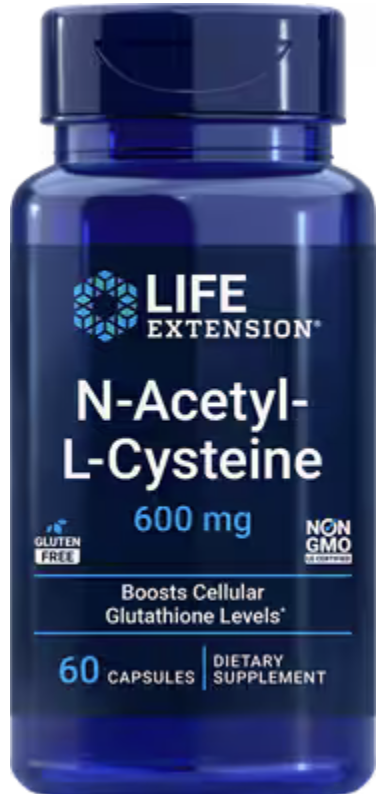
NAC is short for N-Acetyl Cysteine.
It's a precursor to glutathione, your body's most powerful antioxidant.
Your liver uses glutathione to neutralize toxins, fight oxidative stress, and promote healthy cells.
It helps slow aging, disease and inflammation.
It's a precursor to glutathione, your body's most powerful antioxidant.
Your liver uses glutathione to neutralize toxins, fight oxidative stress, and promote healthy cells.
It helps slow aging, disease and inflammation.
So why did the FDA try to ban it?
In 2020, they ruled that since NAC was used as a drug first, it couldn't be sold as a supplement.
The reality?A natural compound that costs $20 was threatening more expensive prescriptions...
Follow the money.
In 2020, they ruled that since NAC was used as a drug first, it couldn't be sold as a supplement.
The reality?A natural compound that costs $20 was threatening more expensive prescriptions...
Follow the money.
Here's what NAC does in your body:
- Replenishes glutathione (the master antioxidant)
-Breaks down mucus in the lungs
-Supports liver detoxification
-Reduces oxidative stress and inflammation
-Helps regulate dopamine and glutamate
It’s in my prevention stack because it works.
- Replenishes glutathione (the master antioxidant)
-Breaks down mucus in the lungs
-Supports liver detoxification
-Reduces oxidative stress and inflammation
-Helps regulate dopamine and glutamate
It’s in my prevention stack because it works.
1) Liver protection
The go-to treatment for Tylenol overdose and other toxicities.
It protects against acute + chronic liver failure from alcohol, processed food, and environmental toxins.
More important than ever in today's world.
The go-to treatment for Tylenol overdose and other toxicities.
It protects against acute + chronic liver failure from alcohol, processed food, and environmental toxins.
More important than ever in today's world.
2) Respiratory health
NAC thins mucus and reduces airway inflammation.
This helps with chronic bronchitis, COPD, and recurring respiratory infections. It blew up in 2020 because of how effective it was despite costly meds being pushed for front line treatment.
NAC thins mucus and reduces airway inflammation.
This helps with chronic bronchitis, COPD, and recurring respiratory infections. It blew up in 2020 because of how effective it was despite costly meds being pushed for front line treatment.
3) Mental health and brain function
NAC regulates glutamate, the brain's main excitatory neurotransmitter.
In a world of overstimulation, this can help with anxiety, depression and age related decline.
Not a magic pill but a nice tool in the toolbox.
NAC regulates glutamate, the brain's main excitatory neurotransmitter.
In a world of overstimulation, this can help with anxiety, depression and age related decline.
Not a magic pill but a nice tool in the toolbox.
4) Insulin resistance and metabolic health
Oxidative stress is a primary driver of insulin resistance and NAC directly reduces oxidative stress.
It’s been shown to reduce A1c and fasting glucose, but at $20 per bottle, it’s unlikely to be recommended over prescription options.
Oxidative stress is a primary driver of insulin resistance and NAC directly reduces oxidative stress.
It’s been shown to reduce A1c and fasting glucose, but at $20 per bottle, it’s unlikely to be recommended over prescription options.
How to Take:
Dosing: 600mg–1,200mg per day is the commonly studied range.
Most people start at 600mg nightly and work up to 600mg twice daily.
Dosing: 600mg–1,200mg per day is the commonly studied range.
Most people start at 600mg nightly and work up to 600mg twice daily.
What to Watch For:
NAC is well-tolerated, but always start low.
Nausea is the most common side effect.
At higher doses it has blood thinning effects so don't stack with other anticoagulants without supervision and don't use while pregnant or breast feeding.
NAC is well-tolerated, but always start low.
Nausea is the most common side effect.
At higher doses it has blood thinning effects so don't stack with other anticoagulants without supervision and don't use while pregnant or breast feeding.
You're living in a world full of processed food, environmental toxins, chronic stress, and alcohol.
NAC directly helps with all of these as a $20 per bottle over the counter supplement.
Easy to see why they tried to ban it.
NAC directly helps with all of these as a $20 per bottle over the counter supplement.
Easy to see why they tried to ban it.
Looking to avoid Chronic disease and look and feel 10 years younger?
Book a call directly here for 1 on 1 coaching.
coaching.brother2brotheru.com/x-booking-page
Book a call directly here for 1 on 1 coaching.
coaching.brother2brotheru.com/x-booking-page

• • •
Missing some Tweet in this thread? You can try to
force a refresh