Don't you get it?
If lots of people in your population have lower ability to fight infection, it doesn't just mean those people are more likely to *catch* infections.
It means they are more likely to *spread* them too.
Let me explain.
This is important.
If lots of people in your population have lower ability to fight infection, it doesn't just mean those people are more likely to *catch* infections.
It means they are more likely to *spread* them too.
Let me explain.
This is important.
Jack has a metal lunchbox.
No ants can get into his lunchbox, so when he leaves the park, no ants fall out of his lunchbox.
Annie has a lunch bag made of wool.
Ants can climb into it, and they can also fall out easily too.
And that's what they do.
No ants can get into his lunchbox, so when he leaves the park, no ants fall out of his lunchbox.
Annie has a lunch bag made of wool.
Ants can climb into it, and they can also fall out easily too.
And that's what they do.
Obviously it's more complex than that. But if you don't catch something in the first place then you don't spread it.
But there's much more to it than that.
But there's much more to it than that.
You can only spread it if you catch it.
And if there's a problem with your body's defences (and the science is now endless that explains how Covid infections damage your body's defences) then you're more likely to catch something.
And if there's a problem with your body's defences (and the science is now endless that explains how Covid infections damage your body's defences) then you're more likely to catch something.
If you're less able to fight the infection, then you carry the infection for longer, so you may be infectious for longer.
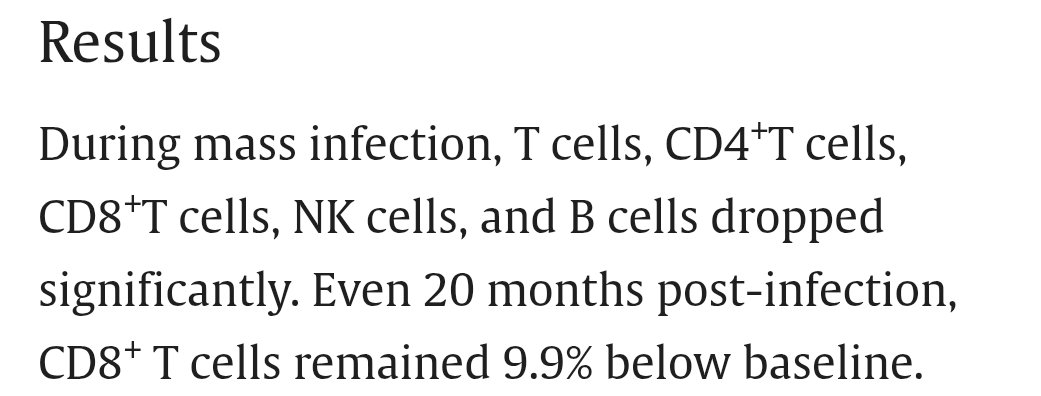
And covid infections make you less able to fight other infections.
And covid infections make you less able to fight other infections.
And if your body is less able to keep the infection under control, it may be that the infection reproduces in greater quantities, so there's more to infect other people.
And covid infections make your body less able to keep other infections under control.
And covid infections make your body less able to keep other infections under control.
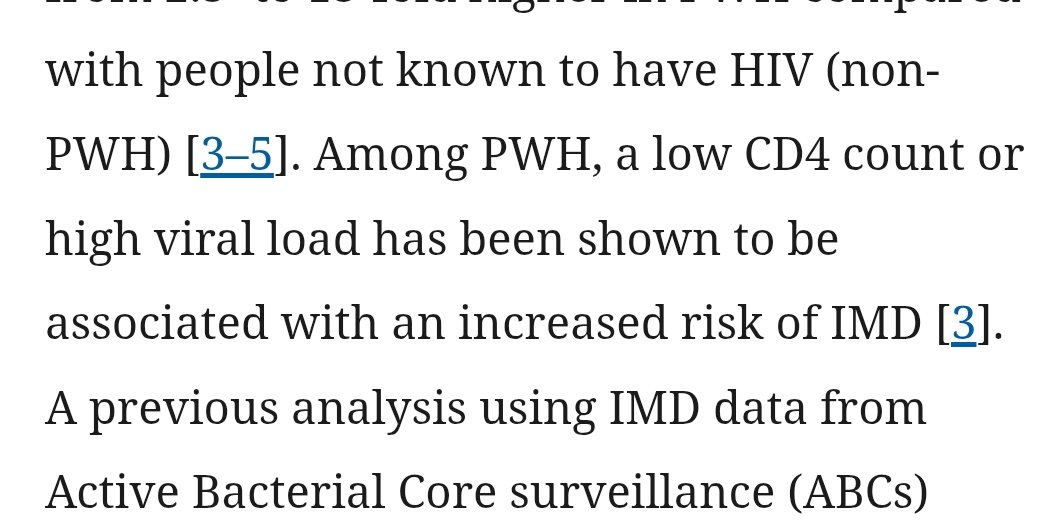
Now, we know very well now, from repeated studies, that most people are left with a *slight* reduction in ability to fight other infections after they've caught Covid.
So in that circumstance most people are *slightly more likely* to both catch and spread other infections.
But we also know that some people have a significant loss of ability to fight infection after they've caught Covid.
So among the population who are *slightly more likely* to catch and spread something, you also have people who are *much more likely* to catch and spread something, and *much more likely to be seriously ill*.
Or die.
So you get a two layered effect:
Most people being slightly more likely.
Some people being much more likely.
Most people being slightly more likely.
Some people being much more likely.
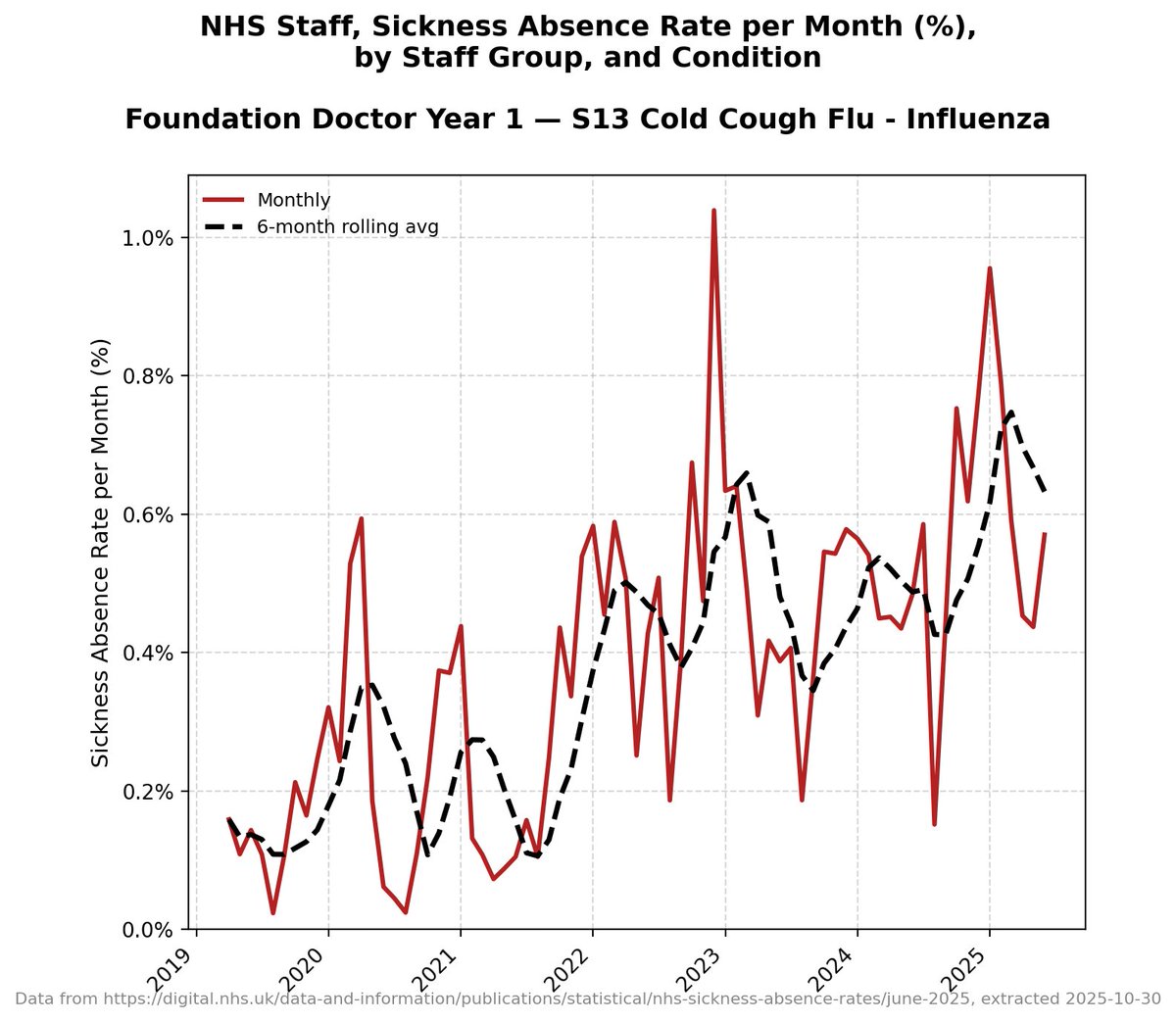
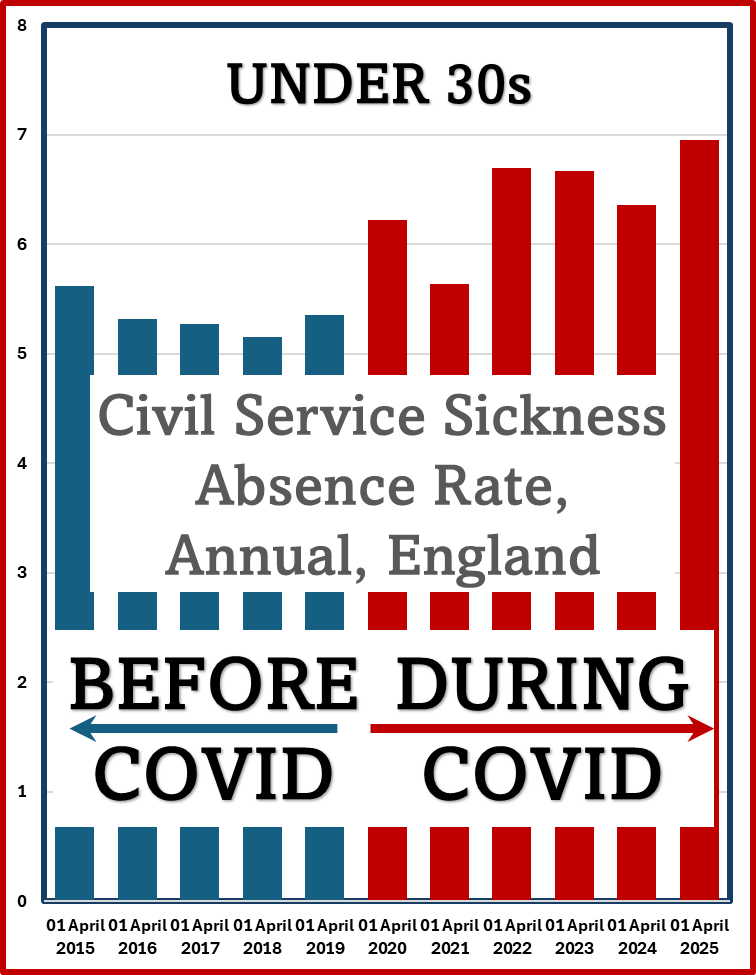
And the cumulative effect of those two layers is *outbreaks*.
And what have we had these last six years?
<Big Outbreaks>
<Big Outbreaks>
It's like wildfire season:
The trees are more likely to catch.
And then when they do, they burn hotter and are more likely to spread the fire.
And they are more likely to be completely destroyed.
The trees are more likely to catch.
And then when they do, they burn hotter and are more likely to spread the fire.
And they are more likely to be completely destroyed.
Fortunately people's bodies still retain a strong ability to build at least short lasting immunity to those infections that have flown round.
So in the last five years we have had massive serious outbreaks of
Strep A
Whooping Cough
Mycoplasma pneumoniae
So in the last five years we have had massive serious outbreaks of
Strep A
Whooping Cough
Mycoplasma pneumoniae
But we've also had a load of serious smaller outbreaks on local levels.
Think of the cryptosporidia, clostridium, shigella, lambia, salmonella, E Coli, klebsiella, campylobacter, legionella, pseudomonas, and others increases.
Think of the cryptosporidia, clostridium, shigella, lambia, salmonella, E Coli, klebsiella, campylobacter, legionella, pseudomonas, and others increases.
Because everyone only needs to be slightly more likely to catch and spread stuff for a lot more people to catch and spread stuff.
And so you get the BBC trying to wrap their heads around situations like this: 

The meningitis outbreak only defies explanation if you refuse to accept that covid infections make you more vulnerable to other infections.
And there's an extra bonus too.
People often carry meningitis bacteria around harmlessly in their nose and throat without developing the full blown illness that happens when it gets into your blood or brain.
People often carry meningitis bacteria around harmlessly in their nose and throat without developing the full blown illness that happens when it gets into your blood or brain.
But Covid infections can both damage the tissue of your nose and throat to allow access... but also make you more prone to *other infections that damage your nose and throat* to amplify the chance of bacteria being able to get through.
And covid infections also damage the blood brain barrier too, so there's that.
And every covid infection *adds* to the risk.
So the more covid infections people have, the more vulnerable our population will be to these outbreaks.
So the more covid infections people have, the more vulnerable our population will be to these outbreaks.
• • •
Missing some Tweet in this thread? You can try to
force a refresh