Harvard researchers had 12 people read on an iPad for 4 hours before bed.
For 5 nights straight.
Then they measured what happened to their brain chemistry.
Here's what screens before bed are really doing to your body:
For 5 nights straight.
Then they measured what happened to their brain chemistry.
Here's what screens before bed are really doing to your body:
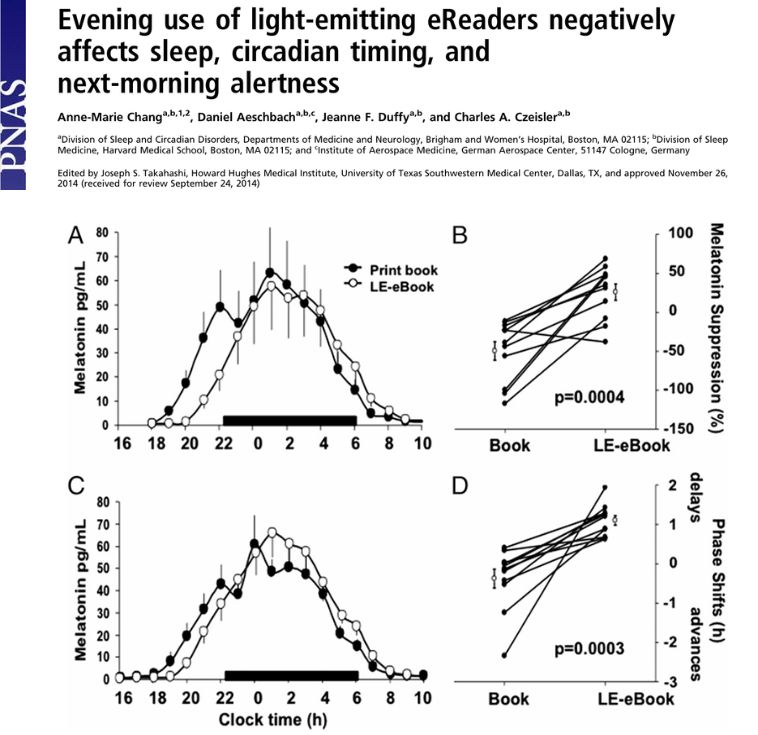
The study was led at Brigham and Women’s Hospital.
12 healthy adults.
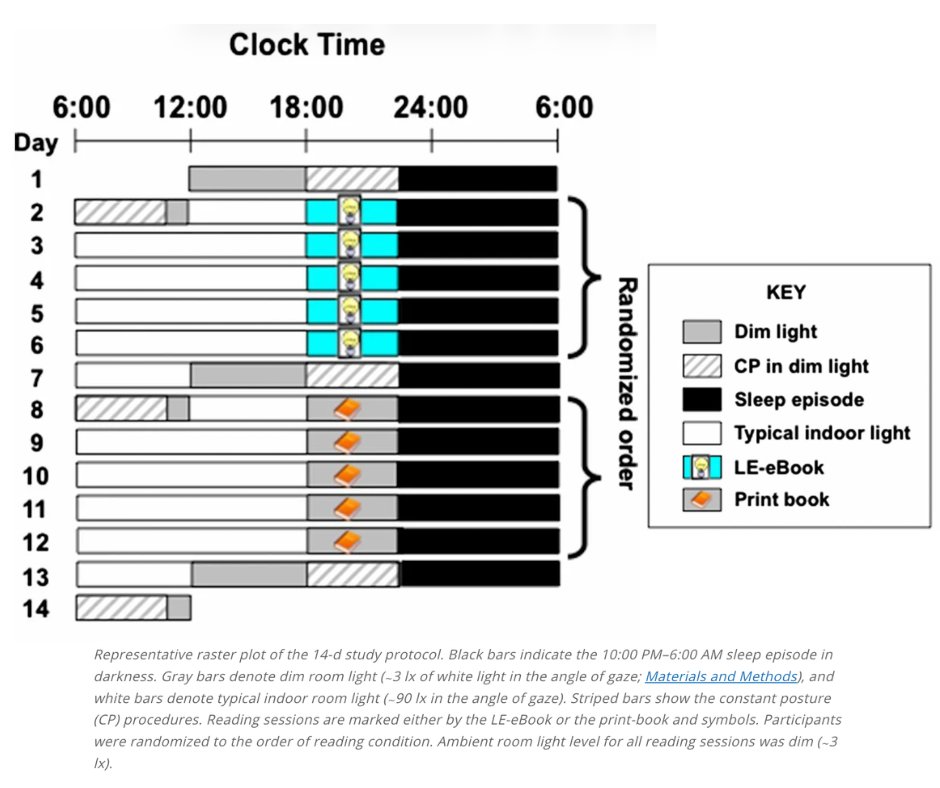
5 nights on an iPad. 5 nights with a printed book.
They measured melatonin (hourly blood samples), brain waves, sleep latency, REM sleep, and next-day alertness.
12 healthy adults.
5 nights on an iPad. 5 nights with a printed book.
They measured melatonin (hourly blood samples), brain waves, sleep latency, REM sleep, and next-day alertness.
The iPad suppressed melatonin by 55%.
Printed books showed no suppression.
Melatonin release was delayed by over 1.5 hours.
It also took ~10 minutes longer to fall asleep, with less REM sleep (109 vs 120 minutes).
Printed books showed no suppression.
Melatonin release was delayed by over 1.5 hours.
It also took ~10 minutes longer to fall asleep, with less REM sleep (109 vs 120 minutes).
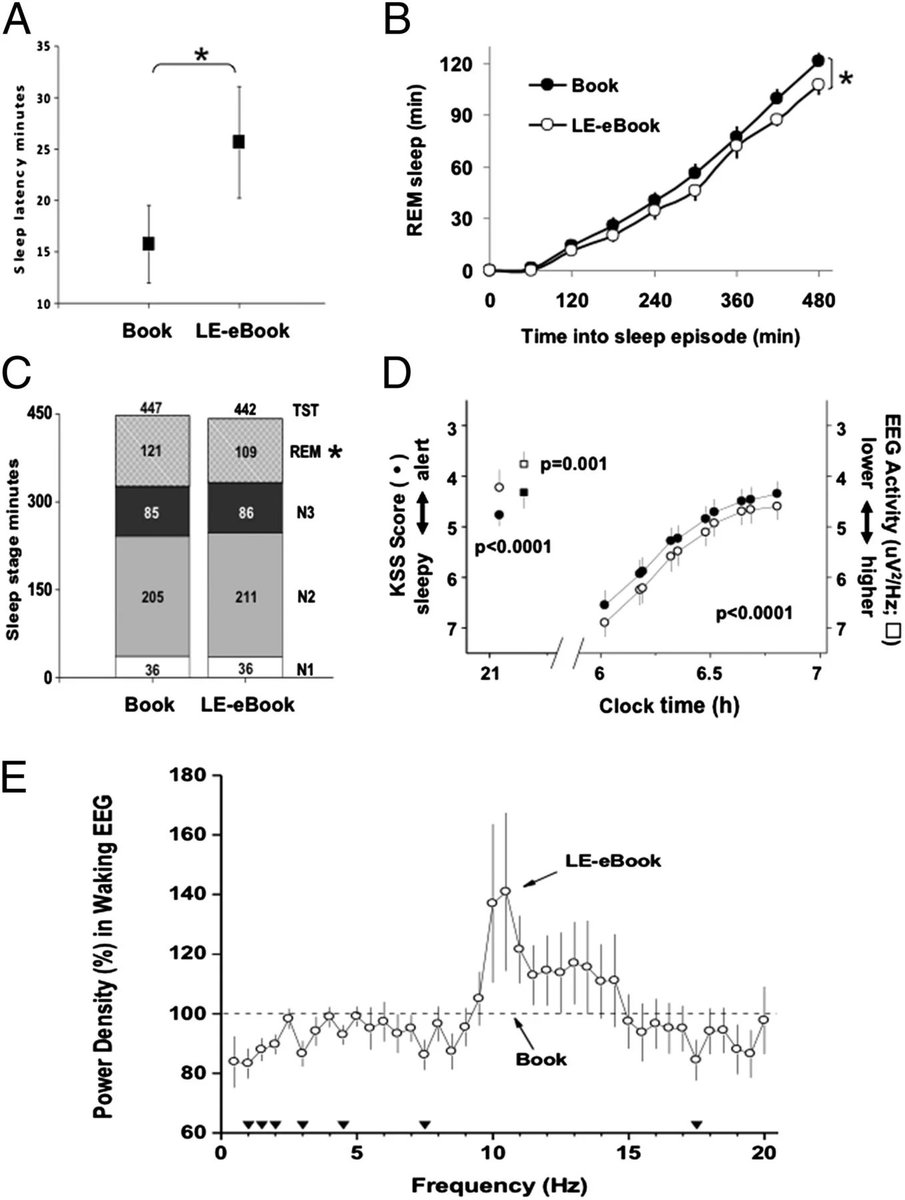
Participants felt more alert at night after using the iPad.
But the next morning, they were significantly sleepier.
The culprit? blue light (≈452 nm), the most potent wavelength for suppressing melatonin and shifting your circadian clock.
But the next morning, they were significantly sleepier.
The culprit? blue light (≈452 nm), the most potent wavelength for suppressing melatonin and shifting your circadian clock.
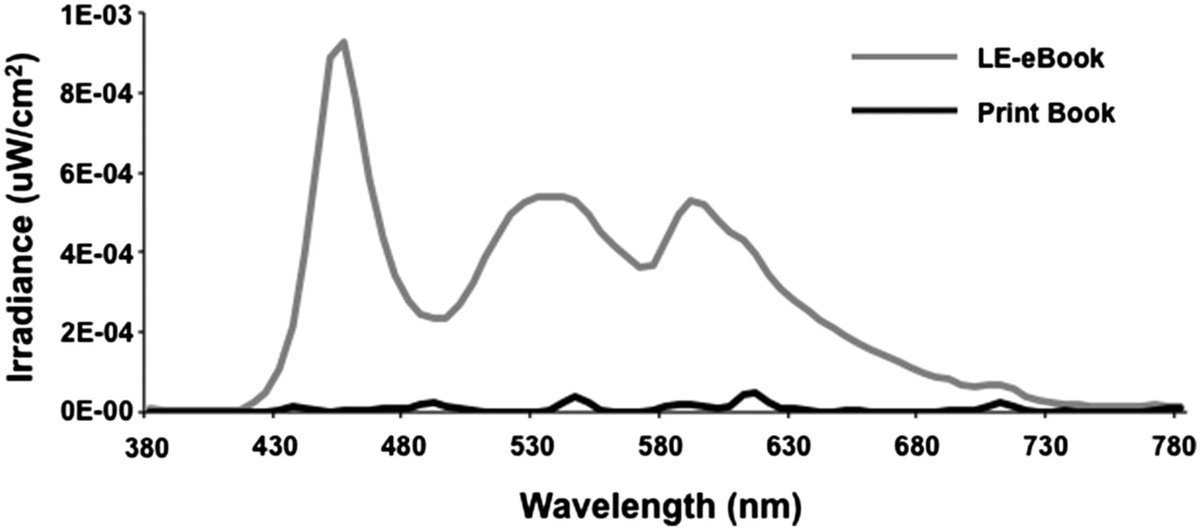
The effect on sleep latency was comparable to what the sleeping pill eszopiclone achieves in insomnia patients.
That's how significant screen light before bed is.
The study also flagged a longer-term concern.
That's how significant screen light before bed is.
The study also flagged a longer-term concern.
Chronic melatonin suppression from nighttime light exposure has been linked to increased risk of breast, colorectal, and prostate cancer.
The WHO has classified nighttime light exposure as a probable carcinogen.
The WHO has classified nighttime light exposure as a probable carcinogen.
90% of Americans use some type of electronic device within an hour of bedtime.
Published in PNAS. Cited 1,000+ times.
Randomized, crossover design.
The gold standard for this type of research.
Published in PNAS. Cited 1,000+ times.
Randomized, crossover design.
The gold standard for this type of research.
You don’t need to quit screens.
But light before bed has a real biological cost.
It's that light before bed has a measurable biological cost.
And most of us are paying it every night without realizing.
But light before bed has a real biological cost.
It's that light before bed has a measurable biological cost.
And most of us are paying it every night without realizing.
Most of us know we shouldn't scroll at night, but struggle anyways.
We delete apps, only to reinstall them days later.
We set limits, then ignore notifications when they pop up.
The problem isn't awareness. It's friction.
We delete apps, only to reinstall them days later.
We set limits, then ignore notifications when they pop up.
The problem isn't awareness. It's friction.
This is why I block my phone in the evenings.
Phone downtime from 6 PM to midnight.
No social media. No scrolling. No blue light stimulation.
The difference in sleep quality was noticeable within the first week.
Phone downtime from 6 PM to midnight.
No social media. No scrolling. No blue light stimulation.
The difference in sleep quality was noticeable within the first week.
Screen time dropped from 4 hours to 1. Pickups from 150 to 50.
I sleep deeper. I wake up sharper.
Not because I tried harder. Because I removed the thing that was disrupting my biology.
I sleep deeper. I wake up sharper.
Not because I tried harder. Because I removed the thing that was disrupting my biology.
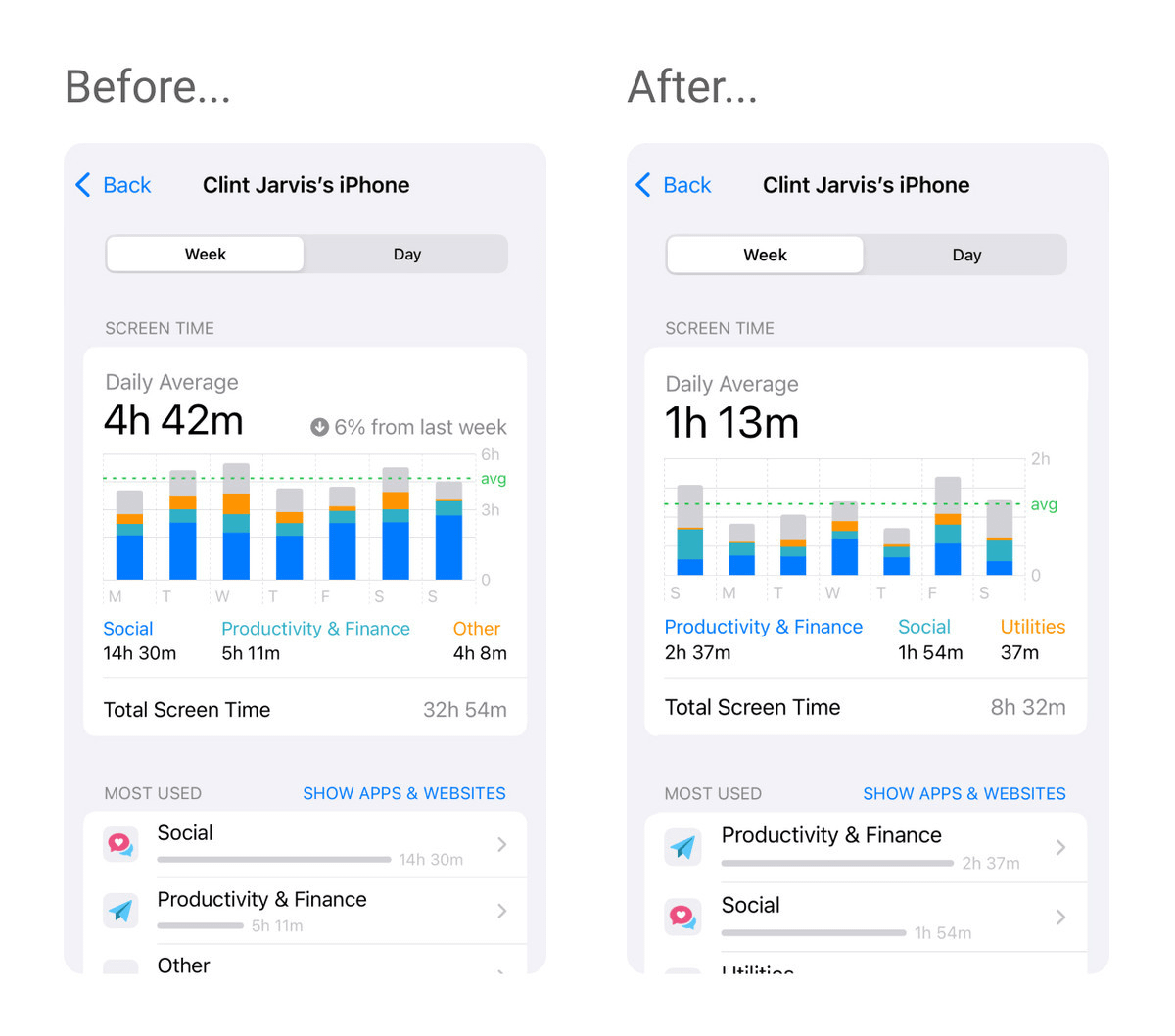
Screen time apps can help. I use Roots, but there are several good ones.
If you're rethinking your screen habits before bed, check out Roots:
apps.apple.com/us/app/roots-s…
If you're rethinking your screen habits before bed, check out Roots:
apps.apple.com/us/app/roots-s…
• • •
Missing some Tweet in this thread? You can try to
force a refresh