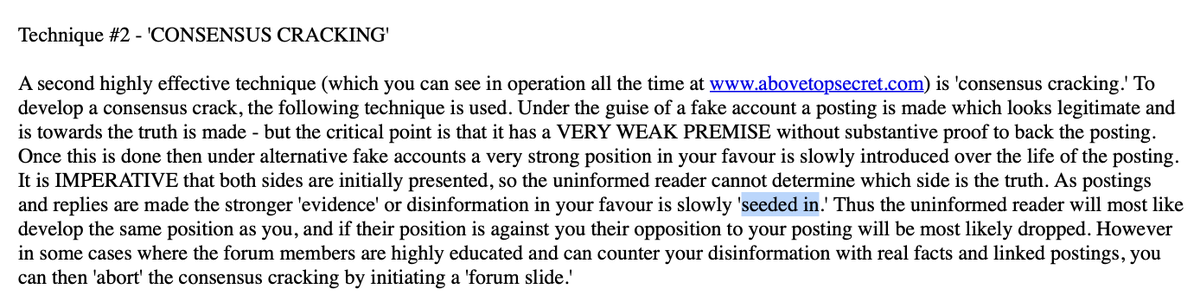
NigFuentes invented the "low IQ antisemitism" meme in order to apply what is known as a "consensus cracking". This was a COINTELPRO technique mentioned in the classic document The Gentleperson's Guide to Forum Spies.
He used the textbook fed technique to seed the idea that Charlie Kirk was not assassinated by Israel. At that point I had flagged NigFuentes and waited for him to make one more mistake. His next mistake? Celebrating the coup in Venezuela.
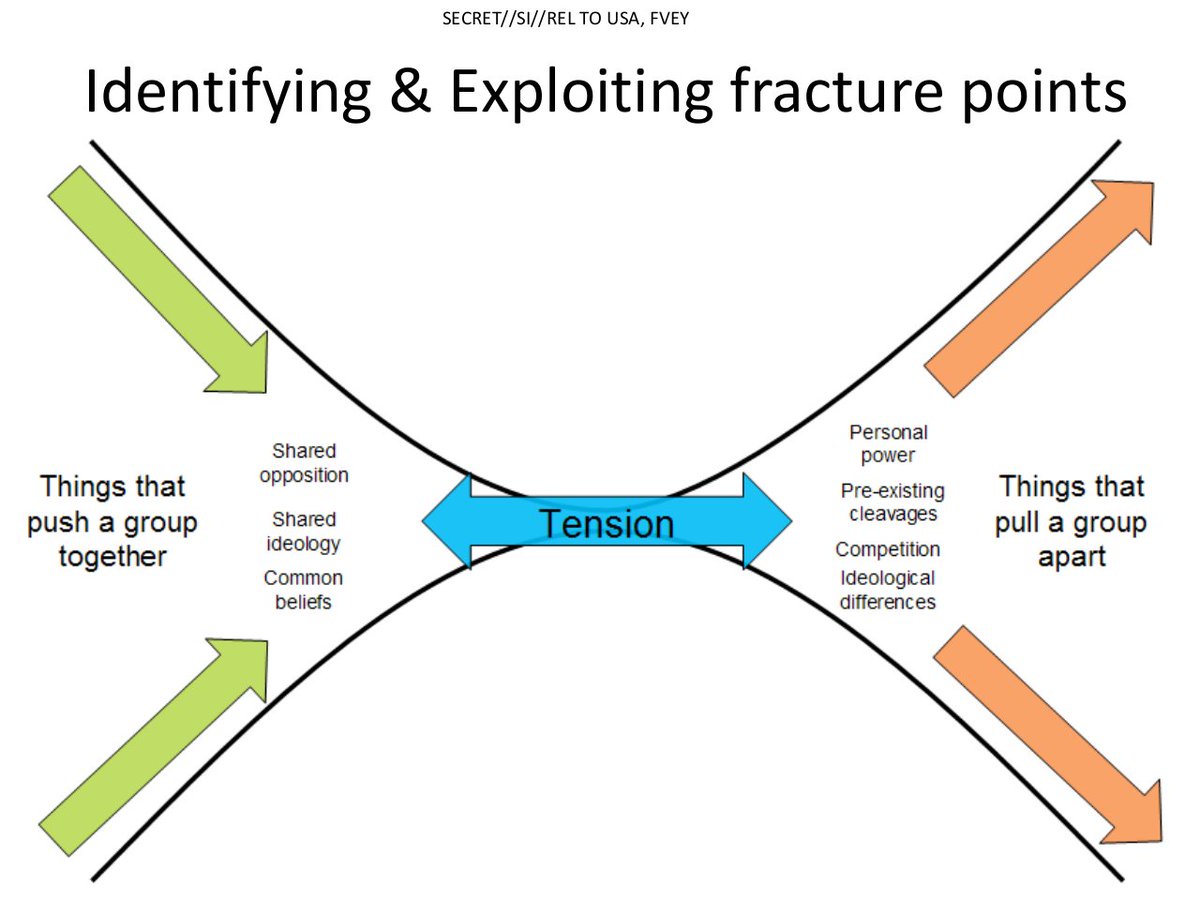
Now "low IQ antisemitism" is a means by which the unity between those who are against the demons can be broken.
It's also a form of a fracture point. Appealing to people's egos, because those who've figured out where power lies might think of themselves as very intelligent:
• • •
Missing some Tweet in this thread? You can try to
force a refresh

World War III: The Fatal Mistake In Iran /🧵
... and why nothing can stop this war except the defeat of the United States.
Introduction: Salami Tactics
Imagine a heavy roll of salami, sitting on a table. It's usually a substantial amount of meat, and not something you can eat in one sitting. In fact, to properly dine on a piece of salami, you should slice it thinly and make a sandwich out of it. Gradually, salami slice after salami slice, the roll will disappear. But at no time except at the end of the roll, do you feel such a substantial amount of meat will run out.
This is the classic "salami tactic" concept, and the same idea applies to every aspect of life and war. Let us start with something that should be immediately familiar to any professional.
Office bullying can be modelled through salami slicing. Imagine a slight against you — very small, not enough to make you retaliate. Everyone prefers a comfortable peace, after all. You might even rationalise it as a mistake. But then it happens again and again, with each move it perhaps slices deeper into your personal space or rights.
But with each slice, your standing is lowered to the point where you're faced with the same dilemma: It's cheaper to let it slide and hope it doesn't happen again. Before you know it, you've been completely undermined and removed from the picture with miserable prospects for the future.
This is the most basic form of what is usually termed coercive gradualism, or gradualist tactics supporting a grand strategy. In RAND parlance, "threshold stretching and exploitation". In fact, this is exactly what started this war with Iran which is bound to expand as all means by which it can end have already been destroyed.
This isn't the first time this has happened, in fact, another war was started by the exact same mistake. Let us discuss that first before moving on to the current war that is raging and expanding horizontally (geographically) and vertically (in terms of escalation).
Which war am I talking about exactly? You see, that war was World War II.
Special Study Case: World War II
The treaty of Versailles which formally ended WWI was unfair to Germany. It restricted the size of its army and navy then cut away much of its territory. It was so unstable a situation that restricted what should be a great power to a miserable existence. Along with the corrosive influence of the anti-German degenerate Weimar regime, the rise of Hitler was inevitable.
Hitler wanted one thing: To make Germany great again. For that, he needed its army in the best shape and its territory expanded to its natural size.
After raising his army, Hitler went to work reversing the content of this treaty, beginning at the most natural point: [1] Moving his soldiers into the Rhineland in 1936. This was to be a DMZ between Germany and other European states. At the time, Britain was the enforcer of the treaty and the Prime Minister Stanley Baldwin saw this as a correction of an unfair treaty.
Hitler's Ambassador-at-Large and soon to be Foreign Minister Ribbentrop, saw the information from the event in a different way: The UK saw an incremental move by Germany and decided it was not worth going through another disastrous war to stop it. Remilitarizing the Rhineland was an important move for Germany's rearmament as it allowed Germany to fortify its western front.
This enabled it to focus on the south and the east...
The next move by Hitler was to unify Germany and Austria [2]. Today this is depicted as an annexation (The Sound of Music certainly makes it seem like such a thing). Nevertheless, the UK accepted this. There was no protest in Austria and it was largely bloodless. Opposing it could be construed as opposing Austrian's right to self-determination.
Just six months later, on September 1938, Hitler demanded the Sudetenland from Czechoslovakia [3]. Chamberlain was a little concerned to say the least. England and France took this seriously, and kicked off the Munich conference. Hitler was told that he may have the Sudetenland but he must not make any more territorial demands. This was a signaled threshold, but without any kind of promise of action. It was declared a "peace for our time" by Chamberlain.
But Ribbentrop saw it differently. He had just violated the terms of the treaty of Versailles numerous times without action from the UK. Almost like clockwork, six months later, Germany took all of Czechoslovakia [4].
That was the final threshold for the UK. Chamberlain immediately issued a guarantee to Poland that the UK will enter a war with Germany should its sovereignty be impinged. Ribbentrop saw this as a bluff and in fact Germany invaded Memel in Lithuania (a German territory captured by allies in WWI) just days after Czechoslovakia [5]. No foreign policy statement was made by any party.
The stage was set for the second biggest mistake in human history. I will argue later, that the mistake made on the 28th of February is even worse.
Invasion of Poland
Exactly six month after taking Czechoslovakia, Hitler and Stalin jointly invaded Poland. The excuse was a false flag, the famous Gleiwitz radio incident. Given the steady timing of each invasion, it would have been unreasonable to believe it wasn't a premeditated excuse for war.
This acquisition would have secured the entire eastern flank of Germany, preparing the western front for eventual invasion. But the UK wasn't going to allow this invasion to take place without responding. King George the VI fulfilled the promise made by his prime minister and declared war on Germany just two days later.
The UK knew Germany would eventually invade France, ally with Italy and possibly even the USSR. It didn't want to wait until it could no longer fight Germany, but went to war immediately when its threshold was crossed.
This set in motion the most miserable episode in human memory, and catastrophes that we are still dealing with today.
Hitler's Savage Look
As England's declaration of war crackled over the radio and an official telegram was received from the British embassy, translated by Hitler's chief translator Paul-Otto Schmidt, Hitler was quite shocked. A war with England, at least at this stage, was not part of his plan. He wanted to salami slice his way into Europe, and prepare himself to a fait accompli victory later. A war completely destroyed all of his plans for a great Germany.
Schmidt recounts Hitler's immediate reaction after this news: He turned towards Ribbentrop with a savage look that spoke of betrayed trust and asked him in a snappy manner: "What now?".
WWIII: The Project For the New American Century
PNAC was a think tank project founded by Bill Kristol and Robert Kagan, students of Strauss. These largely liberal men called themselves neoconservatives and quickly found support from a republican party trying to reinvent itself after the victories of the cold war and the grand finale of Desert Storm.
Their argument can be surmised as such (even though they would never put it in these terms): The world was enjoying peace, but an America without enemies and without conflicts could not realize its own power. What they desired was an enabling act, much like Hitler's numerous false flags, that set America into a motion of war. Then rearmament, nuclear weapons and missile defenses could be put up.
[Of course, as we know today they had a different goal: They wanted to make Israel Great Again, and in the process, get rid of America as people knew it transforming it into something entirely different and subservient to Israel. I will not cover this subject in this thread, however.]
After getting their men into power, Dick Cheyney, Donald Rumsfeld and George Bush, they got exactly what they wanted with the September 11 false flag. Their immediate course of action was to invade Afghanistan after framing Osama Bin Laden and his organization (a key ally of the US against the Soviet Union). The world was largely hoodwinked. The US received support from virtually every single person in the world, even in the streets of Tehran there was nothing but sympathy and support. Even I supported the US, quite strongly too. My uncle worked in one of the world trade centers (though thankfully he was out of state on that day).
The US invaded Afghanistan and defeated the Taliban by gaining support from all neighboring nations, Iran and using the full force of NATO, Australia and New Zealand as well as the northern alliance. It did not take long for the US to win.
Before the dust even settled, the US began making the case for invading Iraq. The excuse? Weapons of mass destruction. Meanwhile, the US had created a new class of weapons, low-yield minimal residual radiation nuclear weapons initially intended for Robust Nuclear Earth Penetrator (RNEP) or bunker busters. It also started to fund construction of all kinds of missile defenses, the reason for which was not clear to outsiders.*
Seven Nations in Five Years
Right after the dust from Afghanistan was settling, Wesley Clark reported that more wars were planned. To quote him directly:
"We are going to take out 7 countries in 5 years: Iraq, Syria, Lebanon, Libya, Somalia, Sudan and finishing it off with Iran"
And quelle surprise, while the sequence didn't go to plan, nor the timing, every single country on the list was attacked or taken over in some manner.
Iraq War (2003-2007)
The Iraq war was different. No one with a brain bought the WMD excuse. Besides, how can Iraq even deliver this? This war was pushed by Benjamin Netanyahu who guaranteed "positive reverberations" in the middle east should it be carried out and result in knocking out Saddam Hussein. Curiously, this same man "predicted" the destruction of the world trade center in 1996 and multiple times after that.
The world was split but the US found some support. France stayed out of the war. The UK and other parties joined in. This wasn't as easy as Afghanistan. The US used a weapon of mass destruction on the Baghdad Airport to force a victory, a fact recounted by both American and Iraqi sources and made undeniable by certain evidence, such as the wounds on one particular boy... but never mind the details.
[* But would be clearer if you understood the insider perspective of 9/11. I will leave that subject for my final thread however and it will not be covered here.]
Can the Iranians actually harm US businesses in the Middle East? /🧵
[Note: This is a war game thread. Nothing written here should be taken as a recommendation but a thought experiment involving the convergence of two subjects: modern service infrastructure and war. Let's hope none of the following happens and the ped*phile psychopath who started this war surrenders before it does.]
Around 24 hours ago, the US bombed a home appliance factory in Iran, killing many of its workers and damaging its equipment. The Iranians vowed revenge and said they would begin targeting US businesses. This is separate to businesses such as banks (already in the target list and already evacuating) and oil companies (already being targeted).
Data Centres as a Target
There are plenty of targets in the region: Data centres belonging to Microsoft, AWS and so on, service companies, start ups, sh*tcoin companies and more. Can the Iranians deliver actual strategic harm on these targets while being limited to indirect fire at the moment? I'm not talking about personnel. As a professional in an adjacent field, that would strike a little too close to home. Besides, most of us are pretty replaceable -- and it would make for terrible headlines and will create enmity. As a bit of a softie, I don't recommend targeting people most of whom have no idea what is going on right now. Can the Iranians harm the US businesses themselves without harming the personnel?
The answer is yes, but it requires an understanding of what makes service businesses valuable today. The US no longer really manufactures anything and these businesses do not either. They consist of completely fungible components and systems, design to be deployed anywhere on this planet (or even the moon if one desired), and integrated into global systems.
Iran could even physically destroy an entire data centre (DC) annihilating everything within it, and these businesses would table a loss, ask for compensation from the state department and treasury and life would go on. The components are designed with intrinsic redundancy. The big customers who use multiple DC wouldn't even skip a beat. It's just fungible components being taken out after all.
In the service industry, the physical devices used to store and process data are secondary in importance to the data stored as well as the ability to access it and process it in a timely and useful manner. Time is money, but data is everything. If the Iranians can cause data loss to a number of businesses, it would be fatal to the United States in multiple ways: Direct loss of business and complete loss of confidence in the "cloud model". *
Redundancy
Iran must take out the data and its availability. Preferably, permanently. Can it do this with missiles, drones and perhaps a nuke or two? Indeed it can, but it needs to keep in mind how sharding works and how to make it fail, as well as the most opportune military attack on a data centre.
Sharding is best explained through the simplest possible redundant code. Let's say I want to send a message to you and I want to make sure that you receive it even if there is a chance that part of it gets lost or corrupted along the way. Let's say I want to say "nine". What if I just repeat myself?
Nine Nine
This actually doesn't help at all. Corrupt one word:
Nine Fine
And it's impossible to tell which of these is the correct word. But repeat it three times:
Nine Nine Nine
You can now corrupt any one word and the majority will still be correct, so you can always recover the message.
Data centres have far more complex schemes, but the horizontally distributed of these can be summarised in the following manners: how many data centres can be destroyed entirely without data loss. That question is going to be different from customer to customer. For a clueless customer that number is going to be 1, but typically their data will be stored in a random server nearby them. They'll have on-site backups anyway. These targets aren't interesting. Iran has to fetch headlines to cause damage: a big customer. These ones will store moderately important data with redundancy 2.
So Iran has to take out two data centres from the same provider at the same time in order to cause some data loss and loss of availability. This is going to be random: a customer has to slice the data between two regional DCs and pay for only a single loss redundancy scheme. There will be many who do so for performance reasons. Why does the attack have to be simultaneous? Because a customer can quickly backup its data from the surviving data centre and resume the business from a different location. So if Iran actually wants to cause strategic harm, it needs a complex mission involving simultaneous strikes on the same DC provider (let's say Microsoft because f**k Copilot and Windows 11).
Can Iran coordinate such a simultaneous attack and pull it off perfectly? I don't know, but it's certainly many orders more complex than a single attack spanning a long amount of time. It has to happen at the same time.
With that established, let us move on: What's the best theoretically way to attack a data centre?
Components of a Data Centre
DCs are far more complex than they seem from a user perspective. They're designed to survive almost any reasonable scenario. Fortunately for Iran, war is not one of them (it is assumed all nations that they are built in are "green" or safe and under a kind of nuclear umbrella).
A nuclear strike can kill a data centre instantly but let's not go so far. It's a waste of a nuke when a few pin pricks should do the job.
Auxiliary (Backup) Power
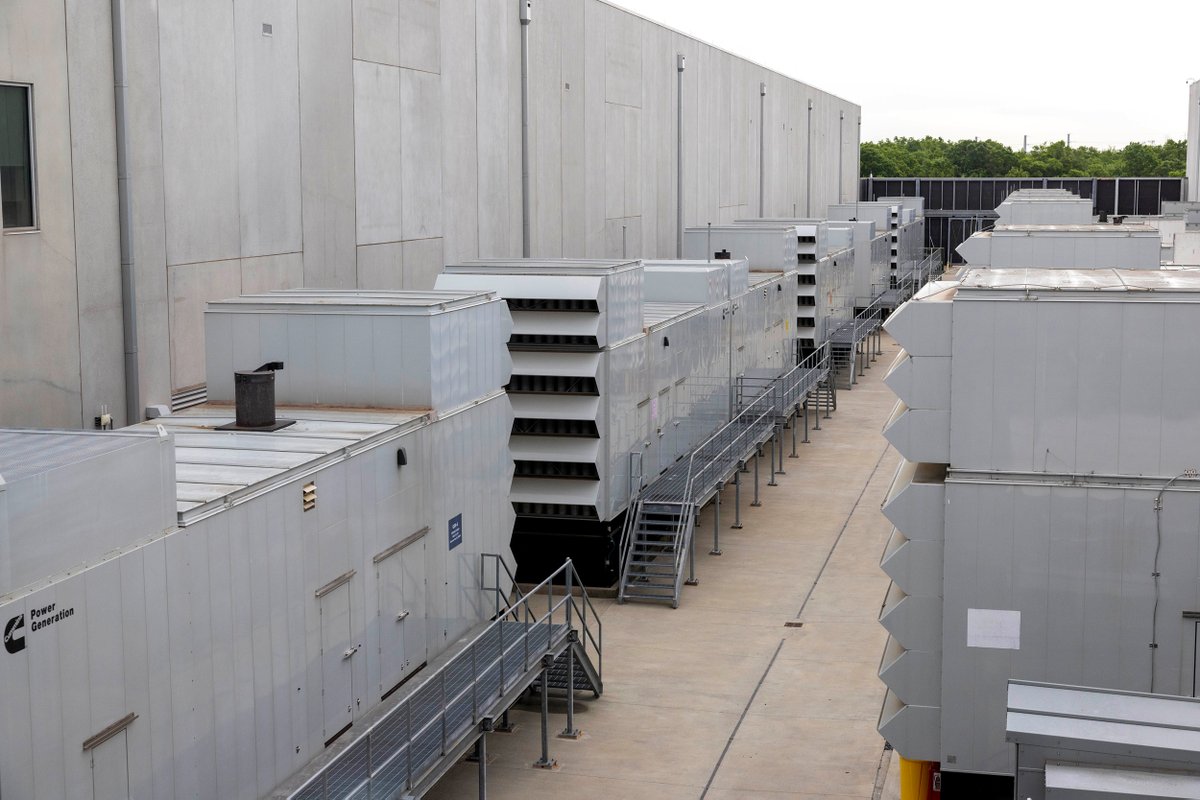
The most important component to keep in mind is the auxiliary power supply, the on-site diesel generator. Because up time is important these are always on standby mode and fuelled up. This makes them particularly flammable. Strike enough of them and a fire will spread. When it comes to such a large target, fire is your best friend as a mission planner and these things contain all the fuel you need to strengthen that fire. As the generators are damaged the fuel will leak and spread.
Main Distribution Area / Network Room
If the Iranians have done their homework, they would have an internal map of the data centres, meaning it knows where the convergent network equipment meets in what is historically called the main distribution area (MDA). If you can destroy this target, you sever the connection to any of the support team that can move data around, enable fire control countermeasures and otherwise monitor the situation.
Battery Rooms
These are very flammable, because of gullibility, engineers design their DCs to use Lithium ion batteries. These are extremely flammable. If Iran knows where these are, they are a priority target in such a data-decapitation mission.
Main Hall
With the connection to the outside world severed, the still-powered on computers equipment should now be targeted. This is the largest target and a ballistic missile should crack it open, a few fully Shahed drones should then start the fires inside. The equipment is, counter-intuitively, very flammable. There are filters, plastics, foams, special refrigerants and other components that are HIGHLY flammable. Iran just needs to start and kindle the fire with follow up attacks, making sure to use fully fuelled drones with warheads that don't put out fires (i.e. blast type).
HDD/Tape Backup Rooms
If Iran wanted to be particularly nasty it would take out the tape backups. This would render the data loss irrecoverable if redundancy is taken care of. A nightmare for any business.
Electric Power Substation
With the backup power and emergency battery supply on fire, and the main hall a raging inferno, it's quite likely that the fire suppression system would be automatically activated without any intervention from the outside.
Thus, it's time to switch off the lights and power down the sprinklers as well. Iran would target the substation providing the power to the DC to do so. A few shahed-136, a cruise missile or a ballistic missile should do the trick. If this is targeted at night you would see a blue hue in the sky if some onlooker were to film it.
If Iran wanted to be thorough, it would then target any pressurised water reserves used for fire suppression. This would be the final attack on the DC. It's important to keep it on before the fire suppression system activates for the opportunity to start an electric fire (class C) which maximises the damage through melting wires, arcing and what not. Once the power is off, only material will kindle the fire, not electric current.
Now a raging inferno billows in the night in the place where a data centre used to be. Billions of dollars worth of infrastructure and some data is lost forever.
Can this attack be even more damaging?
A bunch of sh*tcoin bros lose their data and headlines damage people's confidence in data centres. People start shelling out money for their own private data centres and the "cloud model" loses money. That's plenty of damage and is aligned with people resisting these large and evil companies. Ultimately, the components within these data centres are mass manufactured and there is plenty of unused capacity. In fact there is more shelved equipment waiting to be powered on than actively powered equipment. People will eventually move on and be lured by the convenience of storing all their data within these large complexes.
Thus there's not much else Iran can do on its own to harm US companies. But, should this war spread to Asia, this damage can be quite permanent.
Electronic manufacturing
Within the realms of semiconductor technology, most high-tech nodes today are fabricated in just two countries: Korea and Taiwan. These countries are running out of helium, necessarily in some of the processes (typically ones involving use of plasmas for etching and deposition). Qatar has control of 36% of the export of helium gas and this has been severed by Iran's closure of the Hormuz. But manufacturers can steal it from smaller players.
But what if the Iranians drain so much equipment within CENTCOM that USPACOM becomes an easy target? All those THAAD batteries and Patriot missiles are being practically shoplifted from eastern commanders. Also that 31st Marine Expeditionary Unit...
This is where China and DPRK (North Korea) can step in, seizing South Korea and Taiwan simultaneously! This means no more replacement equipment. Suddenly the loss in hardware becomes equally damaging as the loss in data.
This is quite unlikely at the moment but who knows how the war will evolve?
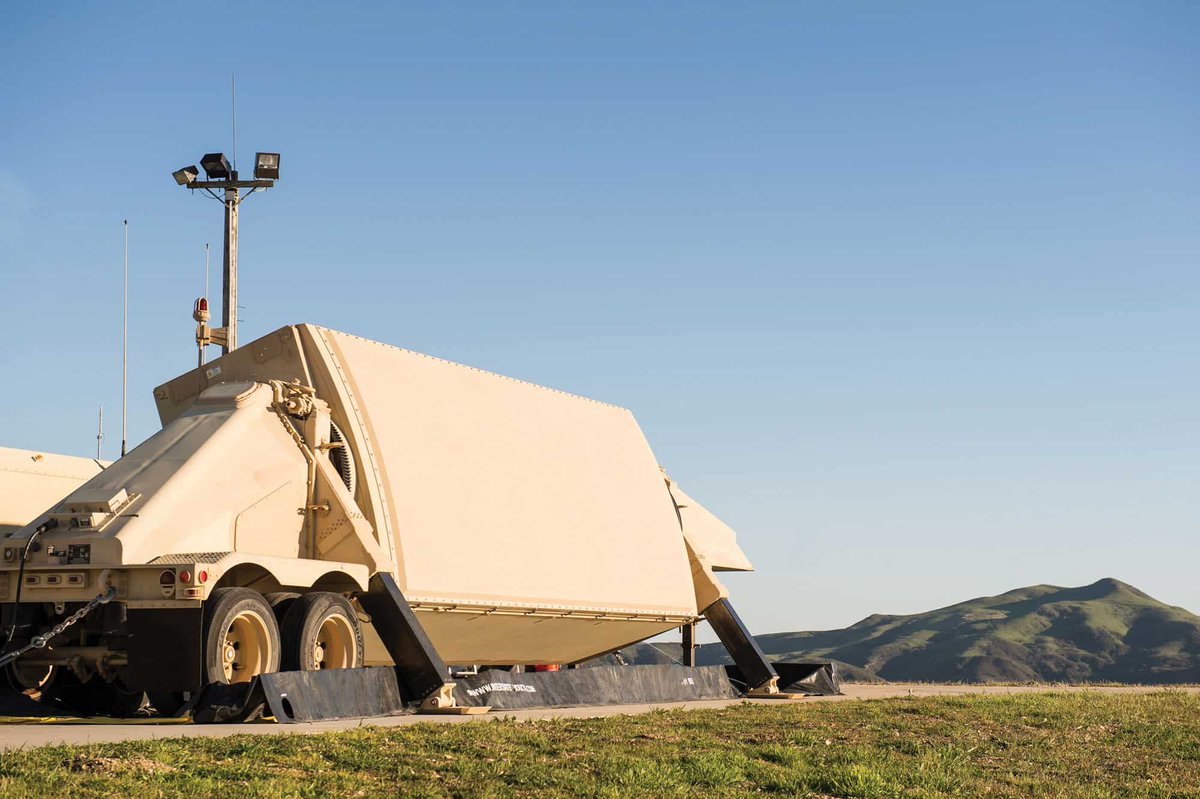
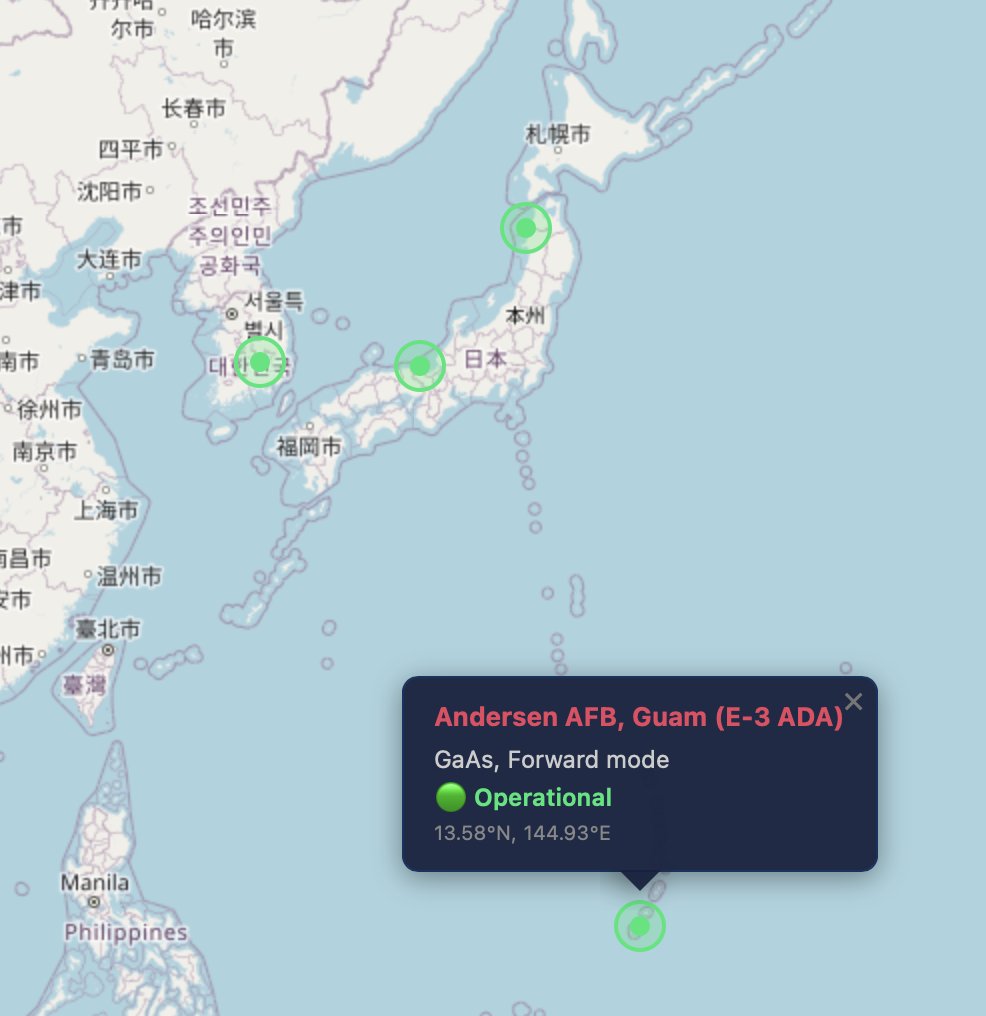
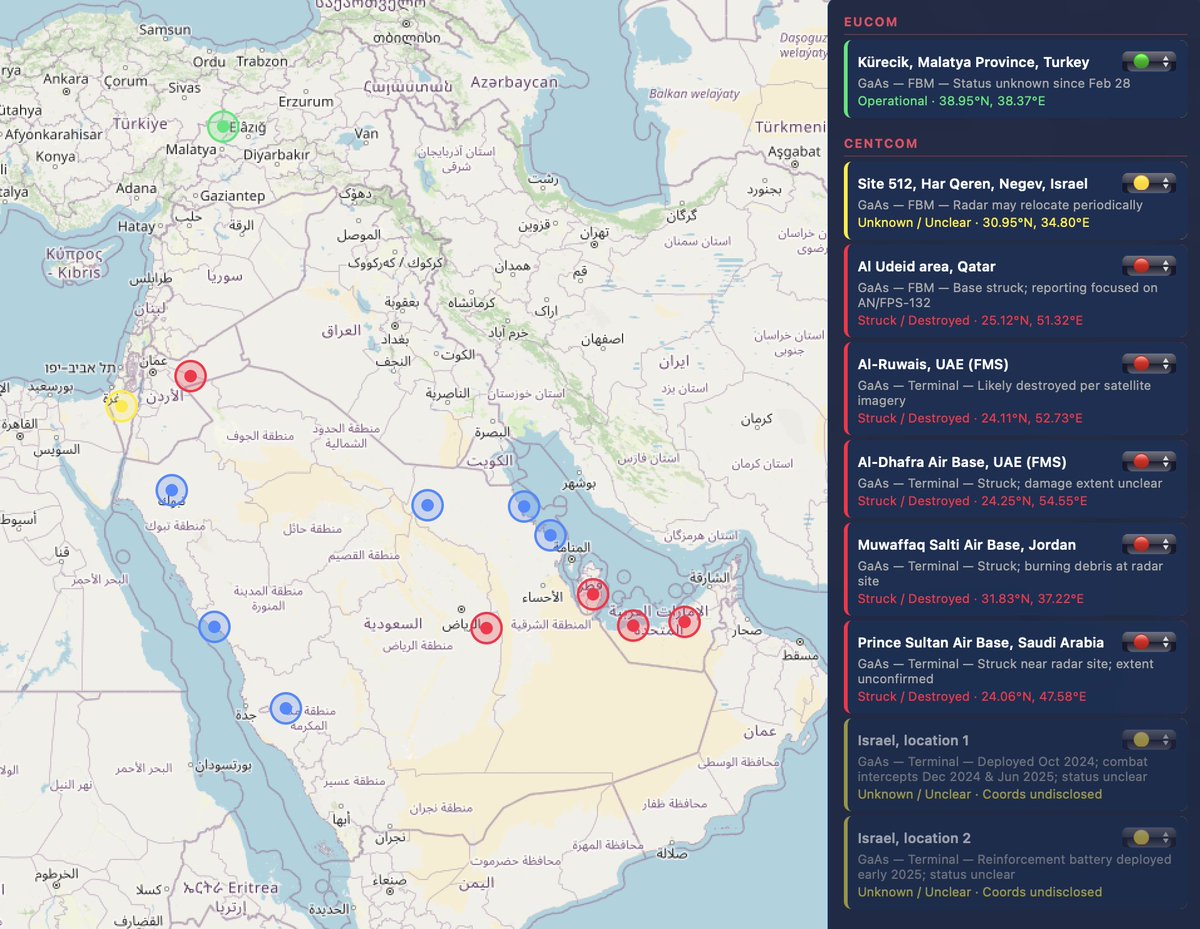
I've audited all the planned and installed THAAD batteries. Each of these include their own radars, an AN/TPY2 AESA GaAs or GaN based X-band extremely high performance portable radar. GaN just means it can take twice the power if you can provide it, giving you way more range but of course glowing like an even brighter target. I will group them in the most logical manner possible.
Let's start with USPACOM.
I'll give you the best known coordinates, the type of radars (most will be GaAs) and the mode of operation, whether it's forward or terminal mode. Terminal mode means it's used to track incoming objects within interception range. Forward mode means it's used to track launches at great ranges. This mode can change without warning, but it will be whatever is publicly known.
Here is the legend for the maps/descriptions:
🟢 Operational: 6 (4 INDOPACOM + 2 CONUS)
🟡 Unknown/Unclear: 6 (1 EUCOM + 2 CENTCOM + 2 Israel + 1 Saudi delivered)
🔴 Struck/Destroyed: 4 (2 UAE FMS + 1 Jordan + 1 Saudi Arabia)
🔵 Under Construction: 6 (Saudi FMS GaN planned deliveries)
Let's go!
USPACOM THAAD installations
There are a total of four batteries in the Asia-Pacific region. All are the older GaAs type T/R modules.
A deeply flawed and demonic chaos parasitic species, created by an enemy of our super-species. Almost eradicated by our ancestors (my species, Cro-Magnons), but we could only seemingly get rid of their males.
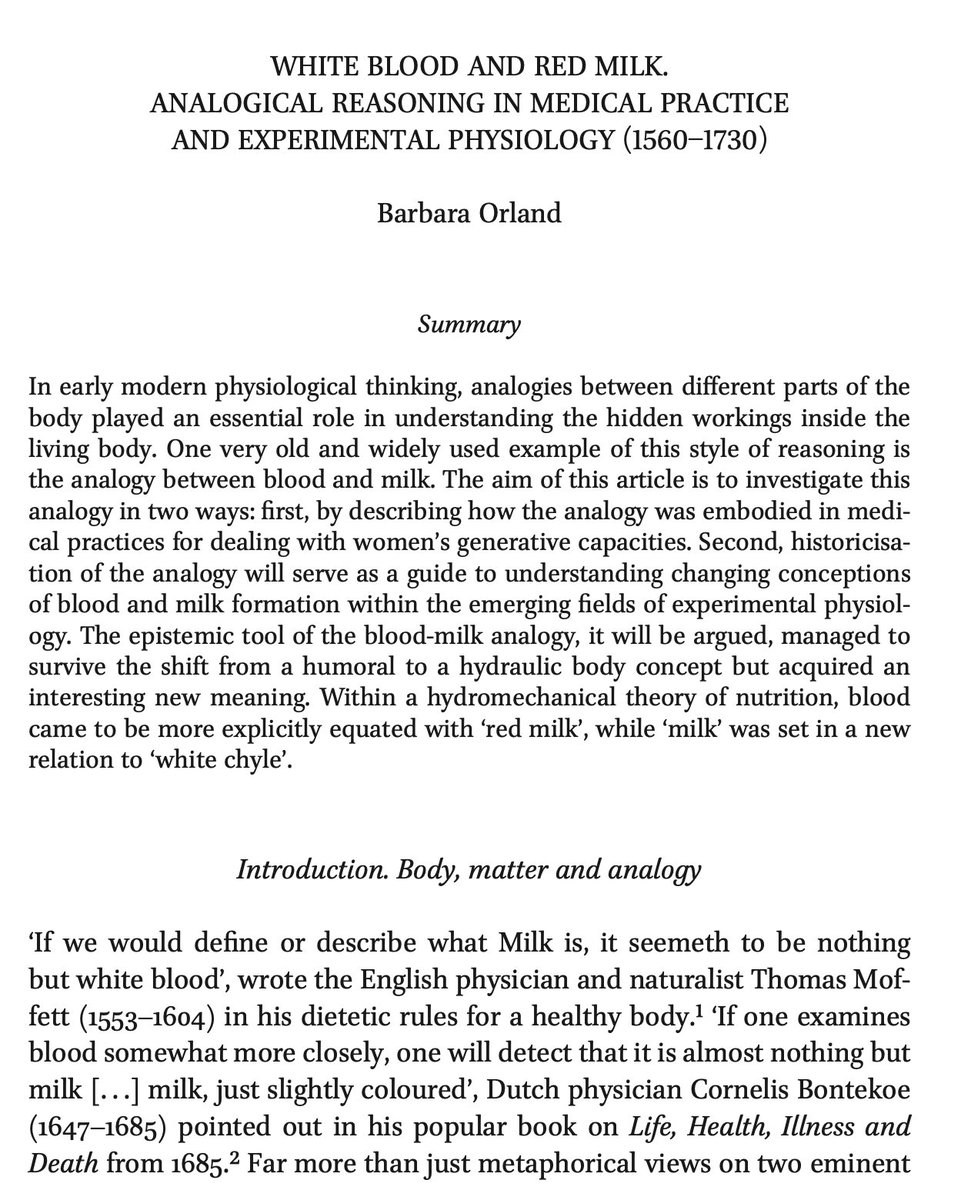
The chapter of interest is "White Blood and Red Milk".
This details the ancient confusion of the origin of milk. Most societies assumed that mothers converted their blood into milk. I discussed this in part 3 of the thread "Red vs White" species.
The other chapters are also interesting, e.g. "blood as the source of life", but one thing at a time.
It's important to understand how ancient, medieval and renaissance thinkers understood milk and blood for numerous reasons. This book starts with a quote from the latter era:
"If we would define or describe what Milk is, it seemeth to be nothing but white blood", wrote the English physician and naturalist Thomas Moffett (1553–1604) in his dietetic rules for a healthy body. "If one examines
blood somewhat more closely, one will detect that it is almost nothing but milk [. . .] milk, just slightly coloured", -- Dutch physician Cornelis Bontekoe (1647–1685)
Fine structure constant.
How strange. Accurate to 0.03%. I don't feel confident enough to include this amazing thing in my paper so I'll share it on here. Has anyone encountered this approximation before?
[My head hurts and I want to finish this thing. I'm sorry I tried my best.]
It's bizarre because ln(8R/a) is in the toroid inductance formula. If you identify R/a=1/alpha, then you get something very close to an integer out of the logarithm... What?!
To re-emphasise it's not out of no where. It came from identify the Compton wavelength with R and the classical radius with a. This formula brought out the electron mass to within 3.6% accuracy. The trouble is the R on the outside is different: It has to use a Hopfin fibration and torodial/polodial twists, resulting in Compton wavelength/(4*pi^2).
I can't explain it and my head hurts from all the other stuff which I've worked on (more significant in many ways if I can't close this), so I have to admit defeat and leave this in someone else's hands. Someone smarter than me I hope!
The 8 comes pure from ring geometry.
The "a" is saying physically -- if you had a sphere that contained the charge necessary to produce the field of a electron what radius would it be if it also equalled the energy of the electron.
The R comes from the wavelength we've detected.
The 7? I have no idea. Maybe it's just a coincidence.