After ignoring Ukraine's Aug 2025 pitch to bolster US cUAS capabilities in CENTCOM, US officials are quietly admitting they made a big mistake. Now Ukraine is deploying teams to assist US forces, and the Gulf States in countering the drone threat. Even Bibi is calling now.
2/10
Ukraine has much to share. It goes beyond any one particular system, its all the tactics, techniques and procedures that Ukraine has. It's how they integrate everything together. It's valuable knowledge born of experience, and they know what its worth.
🇮🇱 I keep seeing a lot of incorrect information about Iron Beam, so here's a short explanation. It isn't just one system, it's a family of systems, some of which are operational, and some not, including:
▶️ Iron Beam
▶️ Iron Beam-Mobile
▶️ Lite Beam
▶️ Naval Iron Beam
1/7 🧵
Iron Beam is a 100-120 Kilowatt High Energy Laser, deployed via a 20ft container, with *advertised* capability vs UAS, mortars, rockets, artillery, and cruise missiles. It is not ballistic missile defense capable.
It is possibly in "Early Operational Capability".
2/7
Iron Beam-M(obile) is a 50-60 kW High Energy Laser (HEL), transportable via a Heavy Expanded Mobility Tactical Truck (HEMTT). Its reference threats are UAS & loitering munitions.
I would describe Iron Beam-M as being in Initial Operational Capability (more on this later).
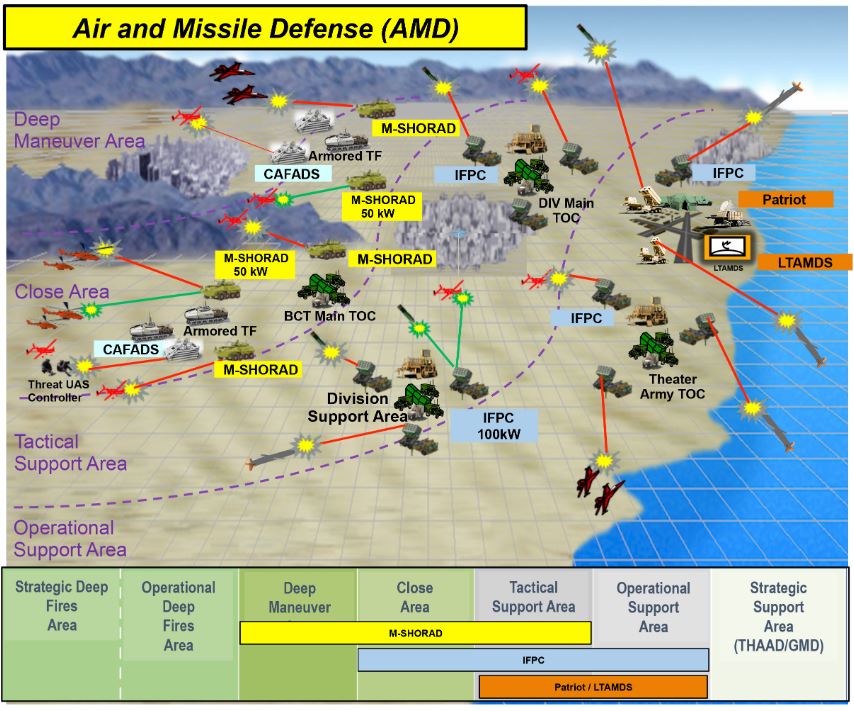
What is the actual purpose of theater missile defense (TMD)?
I keep seeing people who work in defense policy get this question completely wrong.
It isn't "cost effective" interception of 100% of enemy threats.
So what is it?
An explanatory thread. 🧵⬇️
1/17
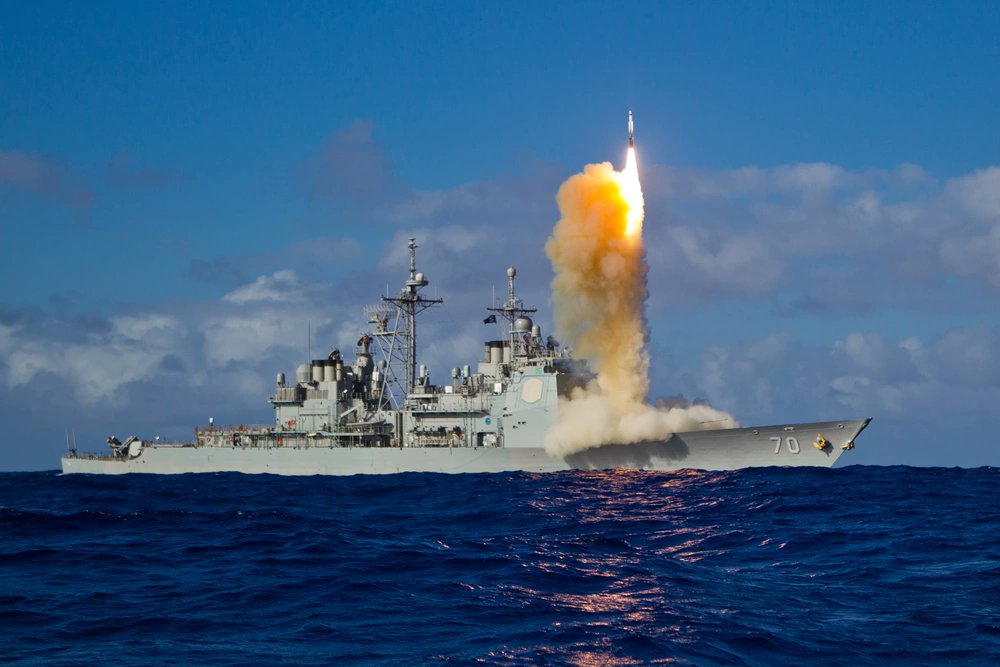
A fundamental challenge in TMD is that interceptors are generally more expensive than their targets. This is compounded by the fact that most air defense doctrine calls for 2 interceptors to be expended per target to help ensure a probable kill.
2/17
At face value, this isn't cost effective, but we need to consider the cost of *not* intercepting the incoming threat, rather than just the cost of the engagement. Those who detract from or don't understand TMD seldom seem to consider this question of opportunity cost.
Should the United States launch offensive operations against Iran?
A brief munitions analysis.
The purpose of this thread is to provide context that I find currently lacking in the discourse on this question. I'm not going to address legality or broader strategy.
🧵⬇️
1/17
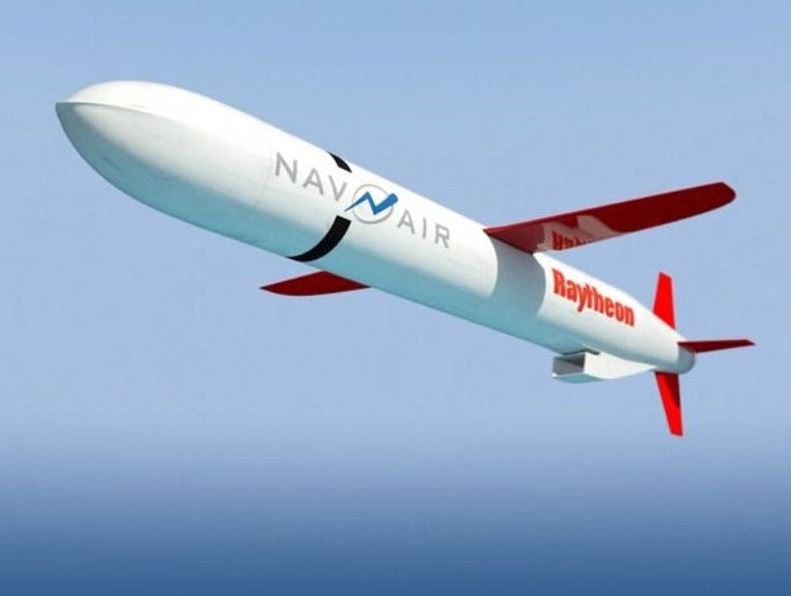
Over the last 2 and a half years, considerable numbers of munitions have been expended by CENTCOM against Iran & its proxies. This has included both missile defense interceptors, air to air missiles and strike weapons, including standoff missiles like Tomahawk.
2/17
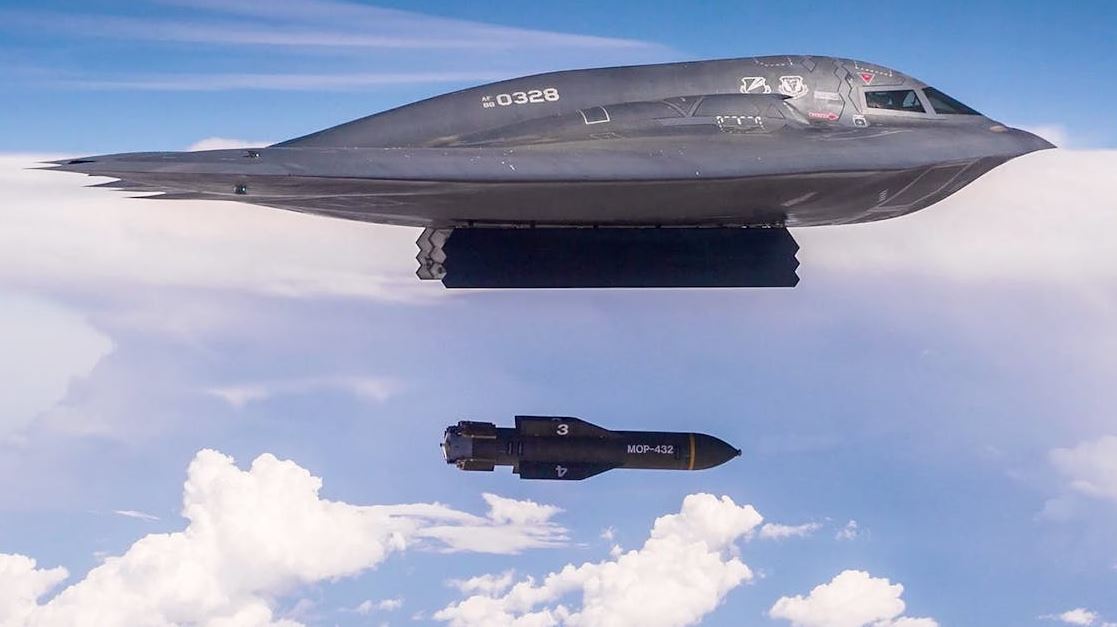
Operation Midnight Hammer saw 14 GBU-57 Massive Ordnance Penetrators employed, which was a significant portion of a limited inventory. While this was a major setback to Iran's nuclear program, they retain considerable conventionally armed missile capabilities.
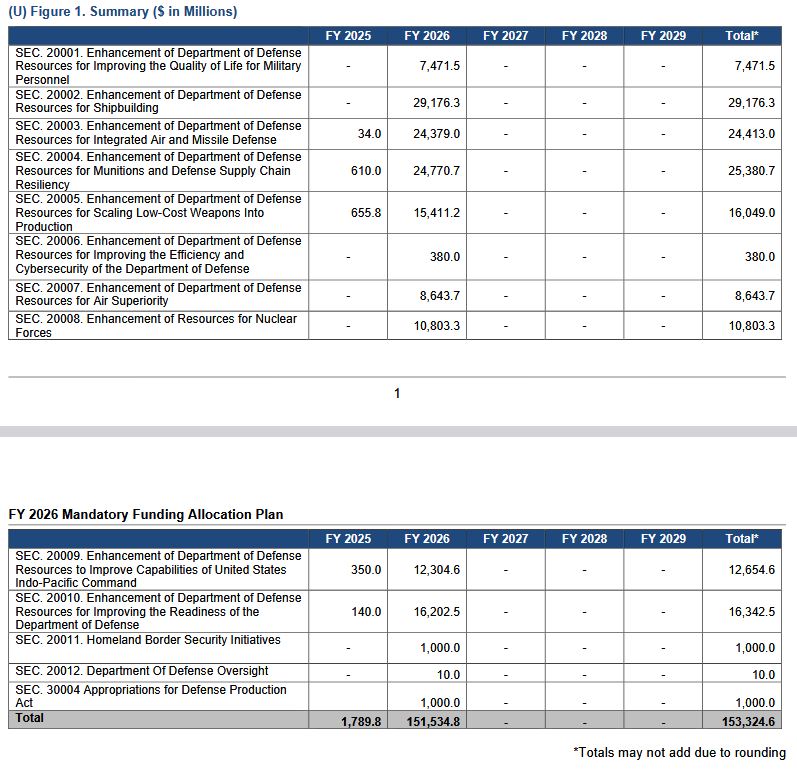
🚨🇺🇸 BREAKING: The Pentagon has finally released their spending plan for the $153.3 billion in additional defense spending that was included in the reconciliation package. Highlights include:
🚢 $29.2 billion for shipbuilding
🚀 $24.4 billion for air & missile defense
🏭 $24.8 billion for munitions procurement/industrial base
📈 $15.4 billion for scaling production of low cost weapons
✈️ $8.5 billion for air superiority
☢️ $10.8 billion for nuclear forces
🌏 $12.3 billion for INDOPACOM
🛠️ $16.2 billion for readiness
Will add additional details below in a thread 🧵 ⬇️
1/xx
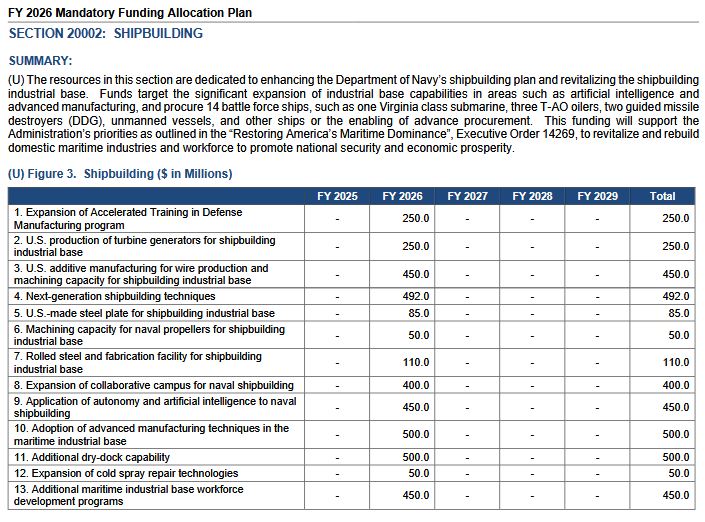
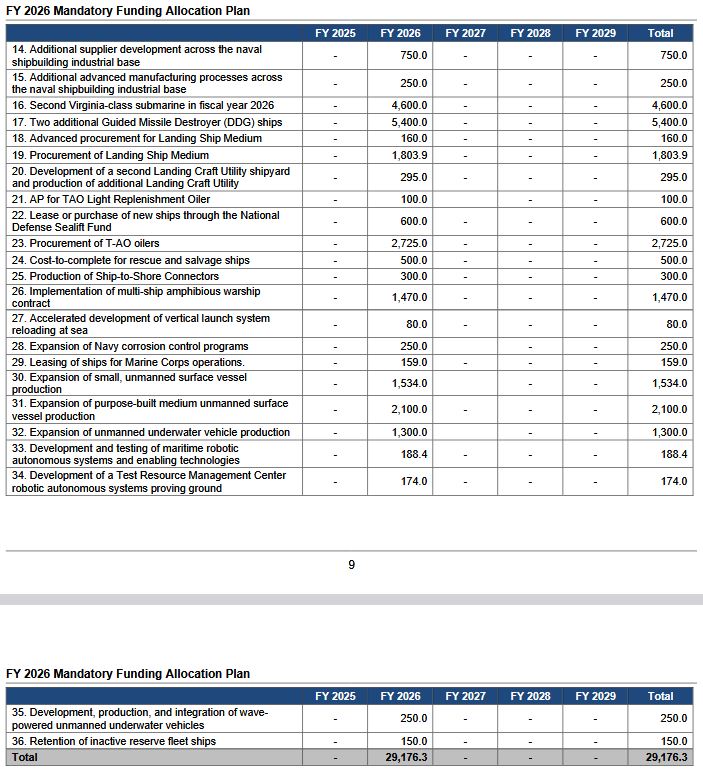
Shipbuilding section. Big ticket items are 2 additional Arleigh Burke-class destroyers and an additional Virginia-class submarine.
2/xx
Homeland Missile Defense/Golden Dome. Big ticket items are AMTI satellites ($2bn), space-based and boost phase interceptors ($5.6bn), space-based sensors ($7.2bn), missile defense integration ($2.55bn), acceleration of hypersonic defense ($2.2bn), & GMD radars ($1.98bn).
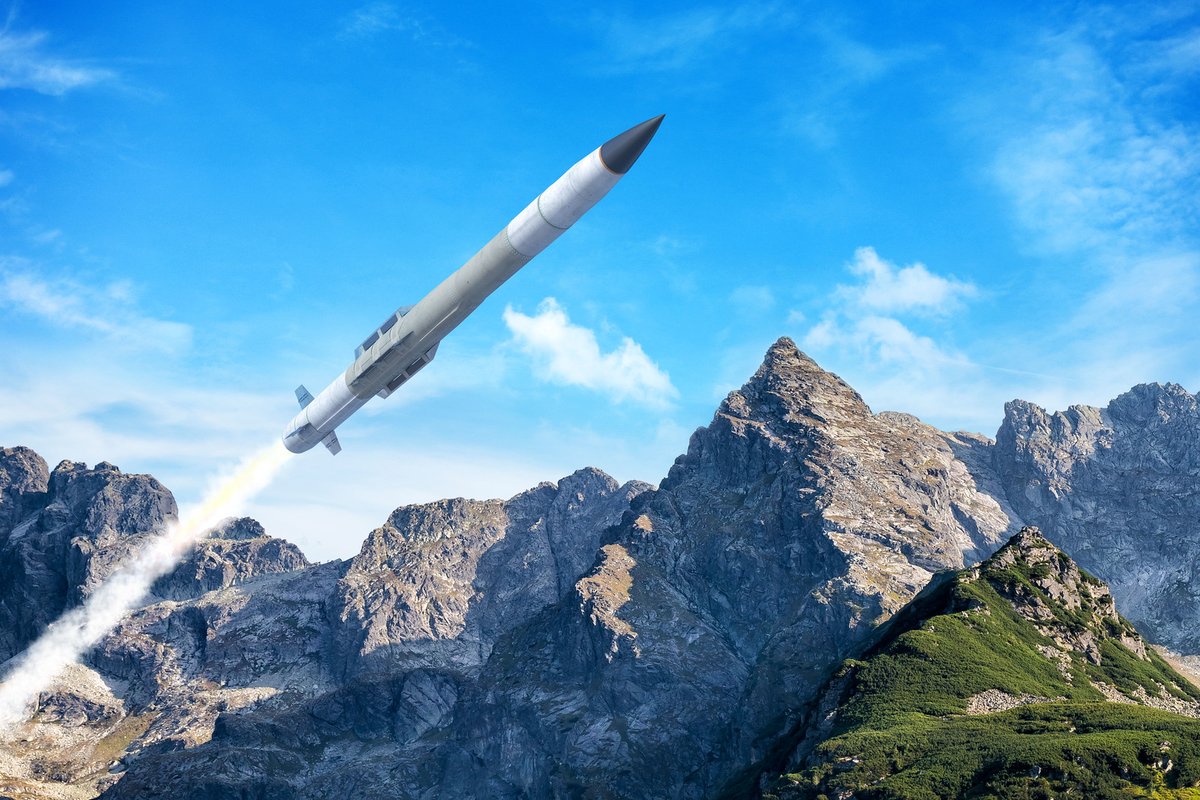
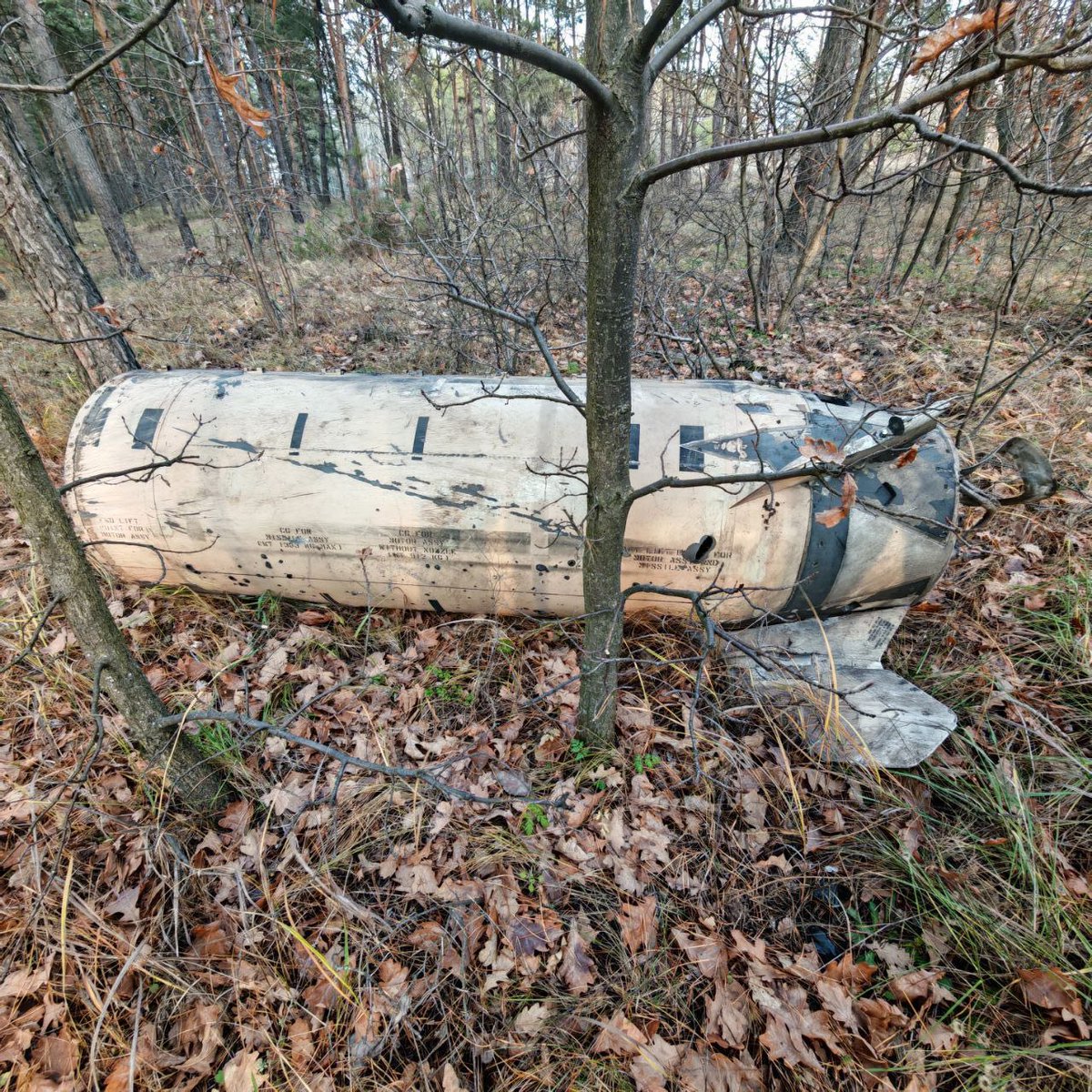
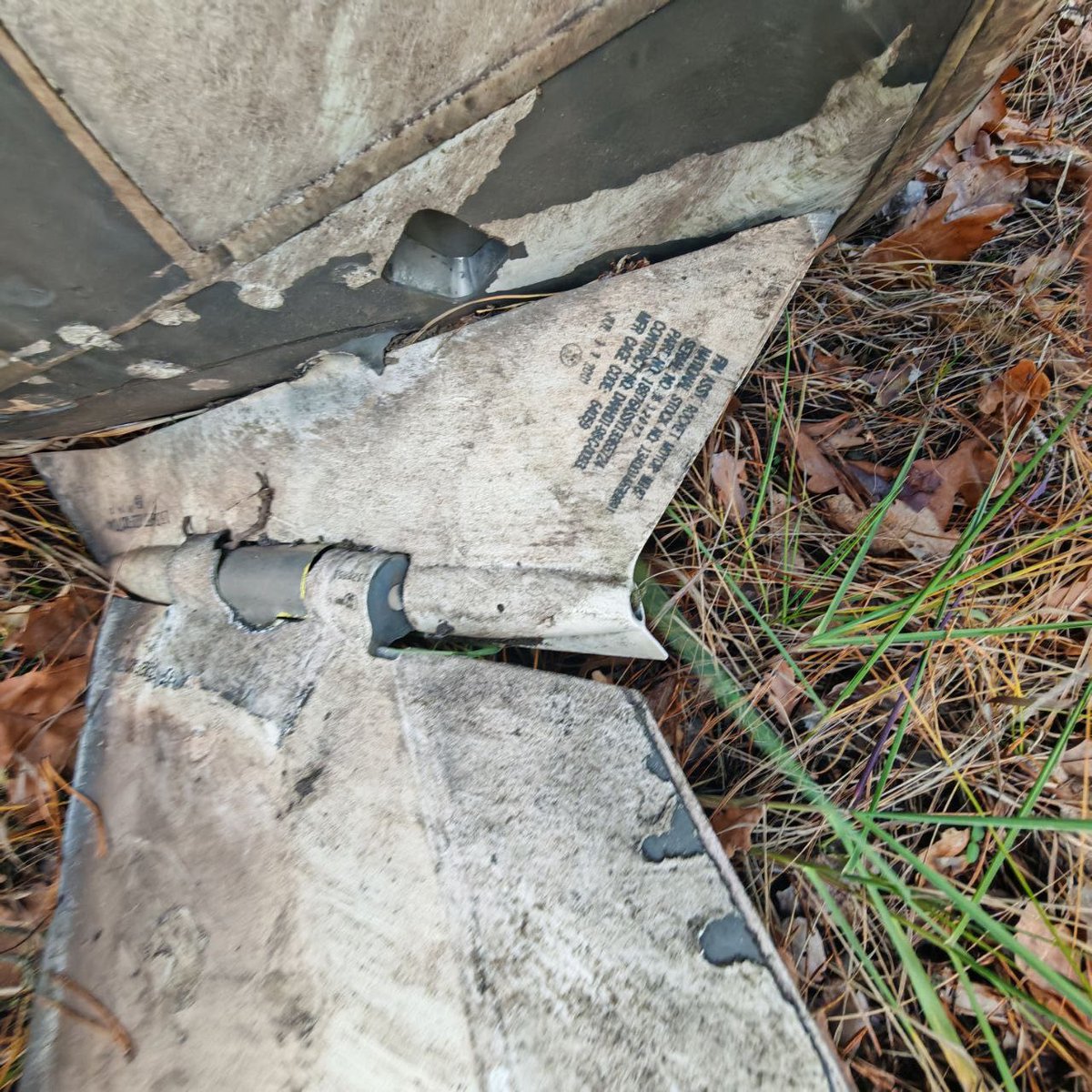
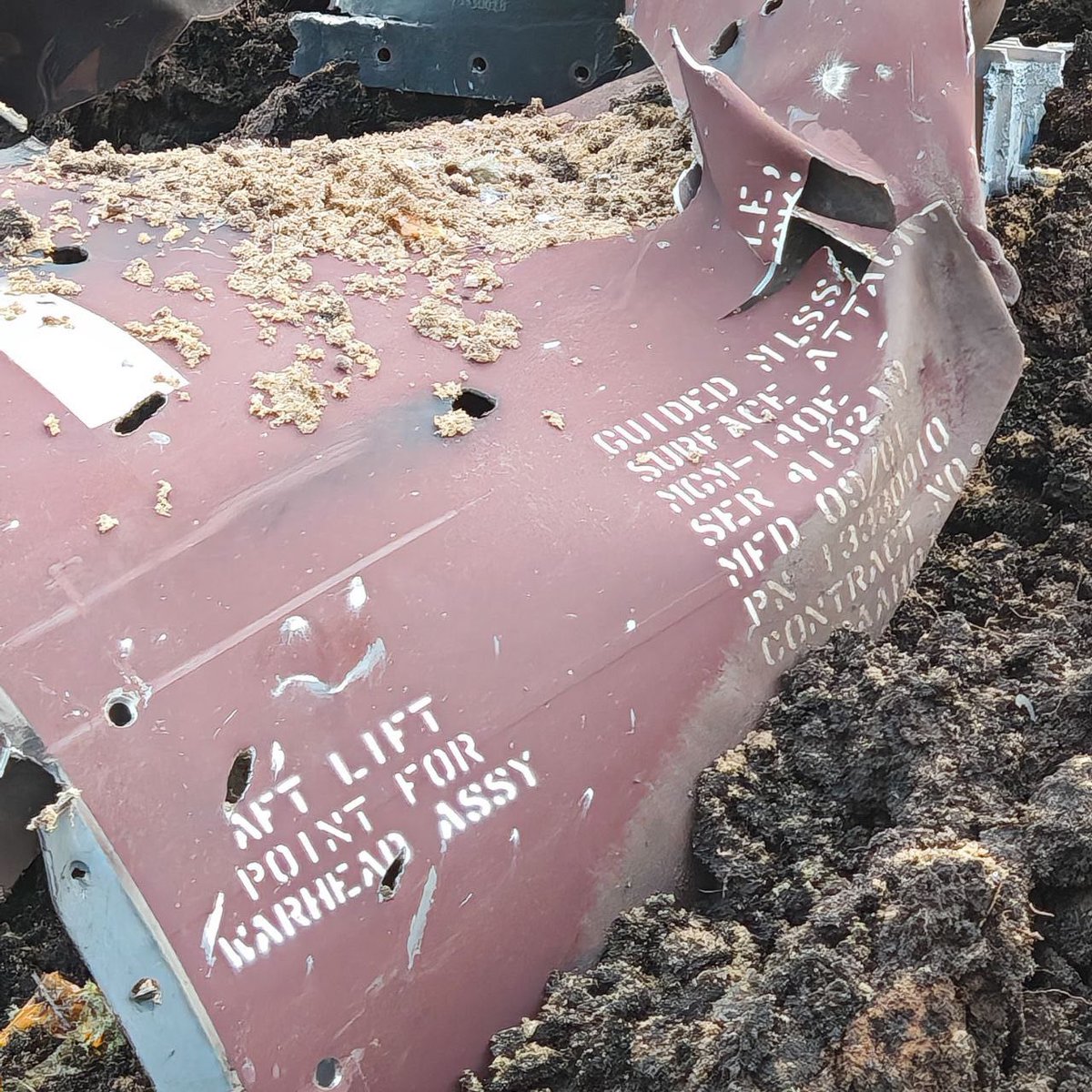
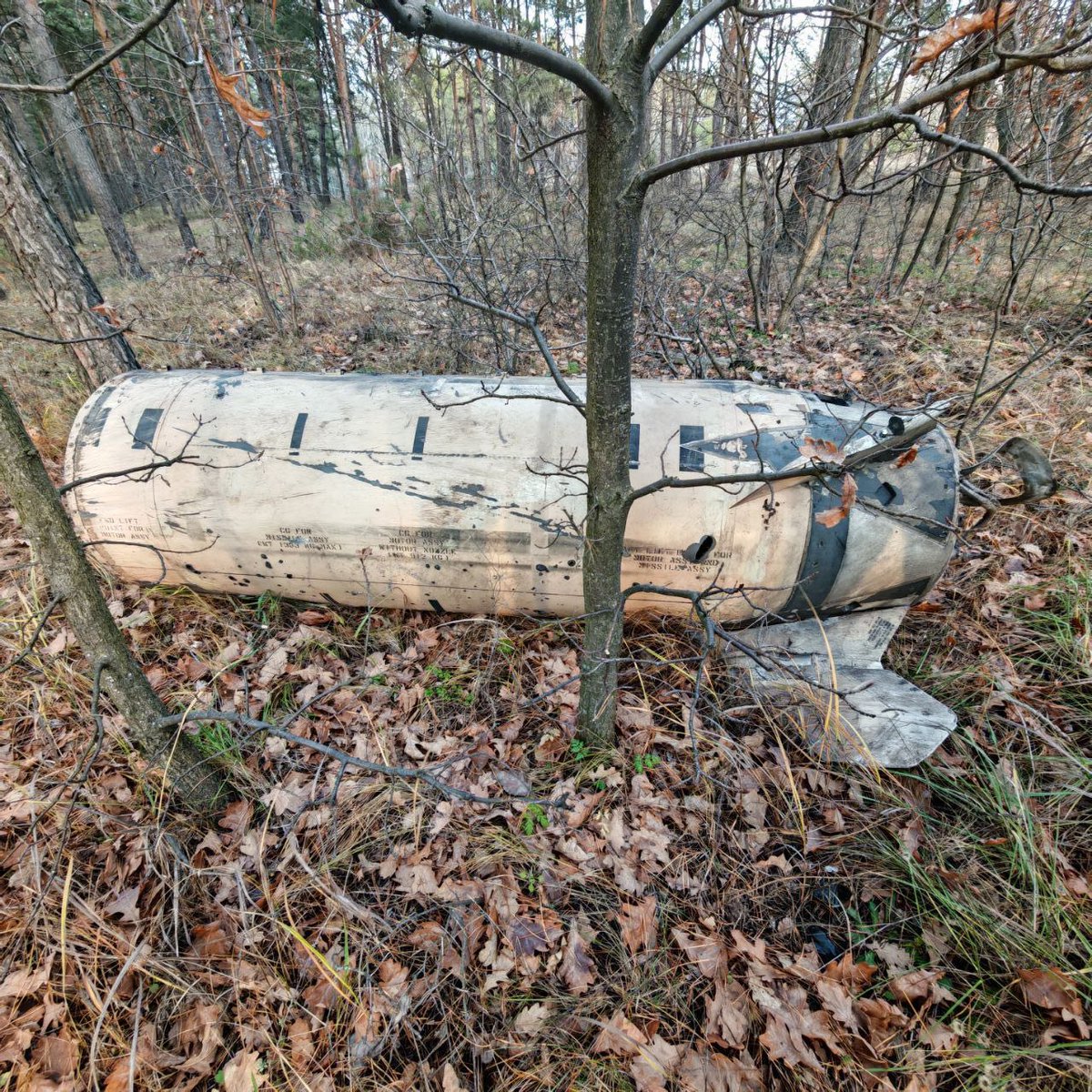
🇺🇸🇺🇦 The Russians have published photos of ATACMS debris from the Ukrainian strikes on Voronezh.
Here's what I gather from these images.
🧵 ⬇️
1/8
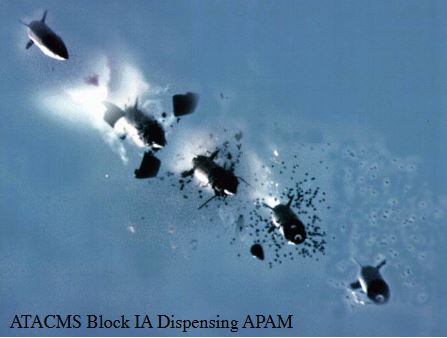
This intact motor assembly is consistent with most of the previous instances of ATACMS debris being photographed after Ukrainian fire missions. The missing warhead suggests a successful dispersal of the APAM submunitions.
2/8
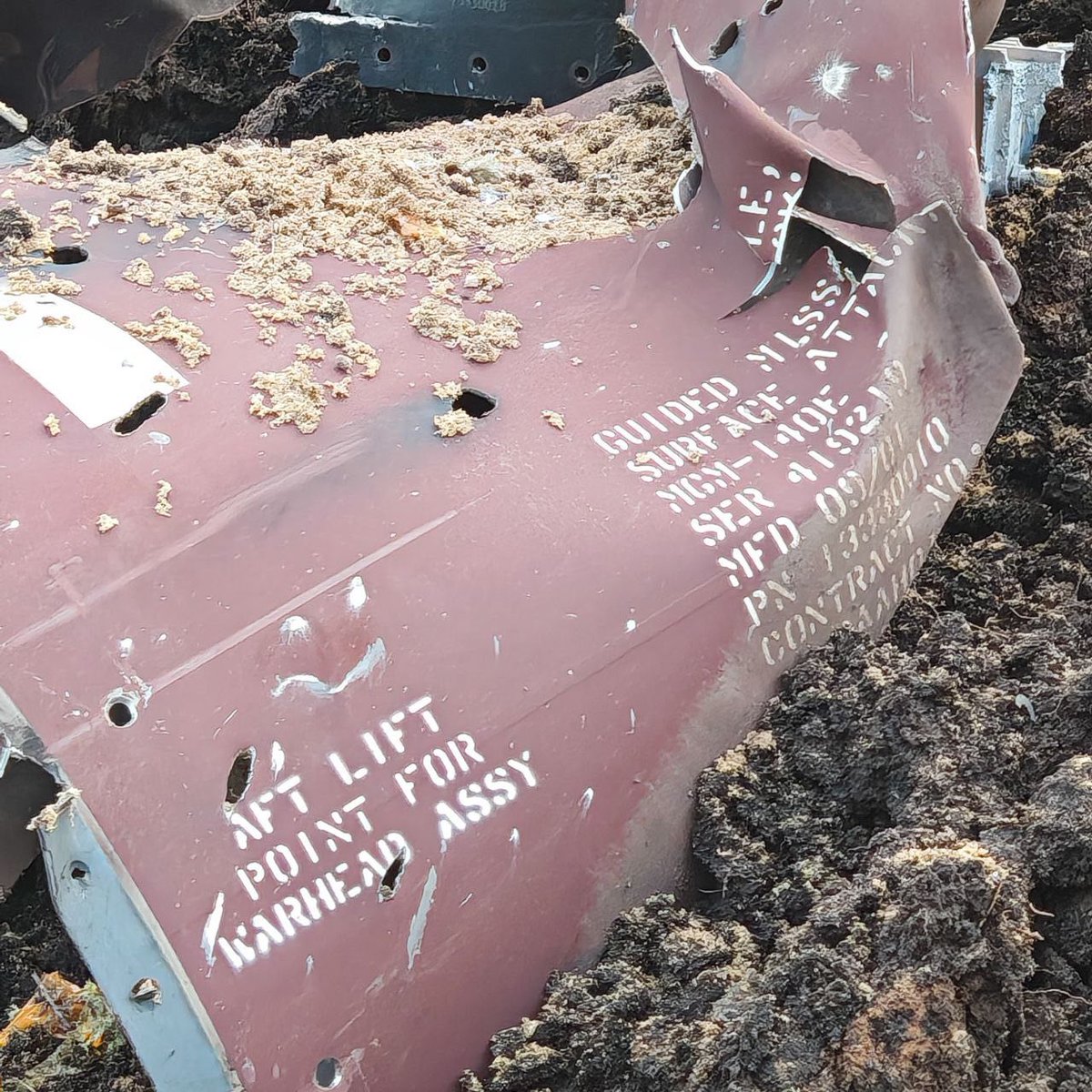
This picture, of a warhead section, is clearly from a different debris field. The manufacture date, Sept 2001, indicates a Block IA missile from the FY00 order lot.