Russia plans to shut down Telegram in early April — even as its own military relies on app for all battlefield communication.
"That would be like shooting entire Russian army in the head" — Russian soldier to Politico. 1/

In February SpaceX cut off Starlink terminals used by Russian forces. Traffic inside Ukraine dropped 75%.
Days later Russian authorities began slowing down Telegram nationwide. Roskomnadzor plans full shutdown in April — though not on front line. 2/
Kremlin already blocked WhatsApp, Meta's Facebook and Instagram, LinkedIn, YouTube, FaceTime, Snapchat and X.
Apps Signal and Discord inaccessible since 2024. In March 3 Putin signed law requiring telecom operators to block internet at Federal Security Service request. 3/
Russia pushing citizens toward MAX — government-controlled messaging app launched March 2025, compared to China's WeChat.
Authorities steering Russians through employers, neighborhood chats, government services portal Gosuslugi, banks and retailers. 4/
Unlike China's centralized "Great Firewall," Russia's system operates internally. Internet providers required to route traffic through state-installed deep packet inspection equipment.
Klimarev, Internet Protection Society: "It's not one wall. It's thousands of fences." 5/
Pro-war Telegram channels view restrictions as sabotage of war effort.
Telegram used not only for battlefield coordination but for volunteer fundraising networks providing basic logistics — transport, fuel, body armor, trench materials, evacuation equipment. 6/
Roughly half of Russian internet users now know what VPN is, millions pay for one.
Levada Center polling: about one-quarter of Russians said they have used VPN services. I September Russia banned advertising for VPN services. 7/
Carnegie Russia Eurasia Center director Alexander Gabuev: Deepening digital isolation could turn Russia into "large, nuclear-armed North Korea and junior partner to China." 8X
A Russian soldier surrendered via Telegram instead of fighting.
POW: I wrote to the “I Want to Live” hotline. A bot took my details and passport. I sent my location. Then they gave a password, passed me to another operator, and connected me with someone on the ground.
1/
POW: I came from conscription, spent 6–7 months without work. After a fight in the city, four people filed charges.
I got 3 years in a correctional facility and a $8,000 fine. I signed a contract to clear it and debts, but nothing was cleared. They sent me to assault units.
2/
POW: I was sent to Kupiansk and thrown into assault within a day.
Moved 13 km through a pipe, held a building for 5 months with no rotation or supply. We decided to surrender — otherwise we would die.
Ukrainian soldier Mykyta Semenov on Russian captivity:
"Russian: What unit? Semenov: Azov.
Russian: This is the end for you. Your country abandoned you. Look where they brought you. You will never know. You’ll die here. But you have a choice: fight for us." 1/
Semenov: I was captured in May 2022 in Mariupol.
In Olenivka, we started starving. I lost 25 kg. What they gave us to eat — dogs wouldn’t eat, maybe only pigs would. The cereal didn’t digest. Fish head bones. Pasta with rotten green fish. 2/
Semenov: In the 1st week, they took me into an office and forced me to my knees. I was curled up in a ball, lying there as they kicked me and used stun guns on me.
They asked me simultaneously random questions to confuse me — you get lost, and they beat you harder for it. 3/
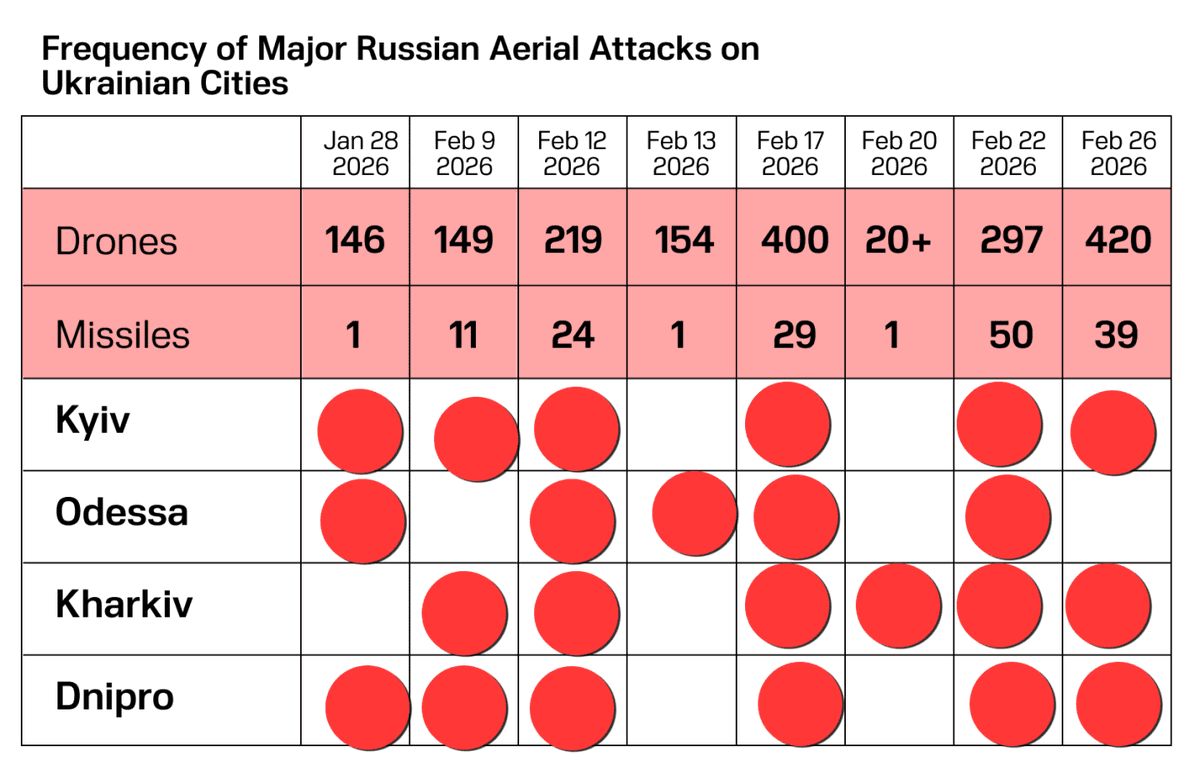
Russia’s goal is simple: make civilian life unbearable until Ukrainians want to surrender.
This winter alone — 19,000 drones and 738 ballistic missiles. Cost to Russia: roughly $465 million in February alone, writes United24. 1/
Russia produces around 2,700 Geran drones per month at $35,000 each and roughly 150 missiles per month at $1 million each. 2/
Ukraine intercepts about 85% of drones — combining air defense missiles, interceptor drones, MANPADS and electronic warfare to keep interception costs below attack costs. 3/
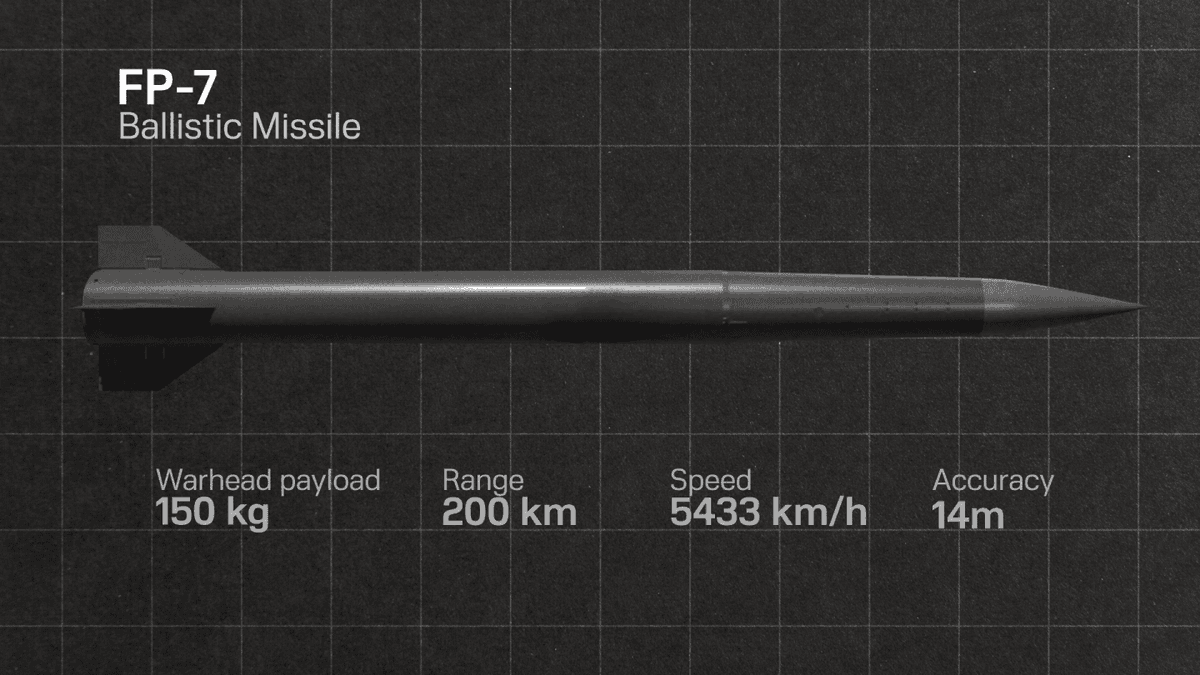
Ukraine’s ballistic missile industry is being reborn.
A film producer, an architect, and an IT engineer founded Fire Point in 2022. Today their weapons strike targets 3000 km deep inside Russia — United24. 1/
FP-1 accounts for 59% of Ukrainian long-range strike missions and 54% of confirmed hits. Range: 1,600 km.
Targets: oil refineries in Saratov, Novokuibyshevsk and Volgograd. 2/
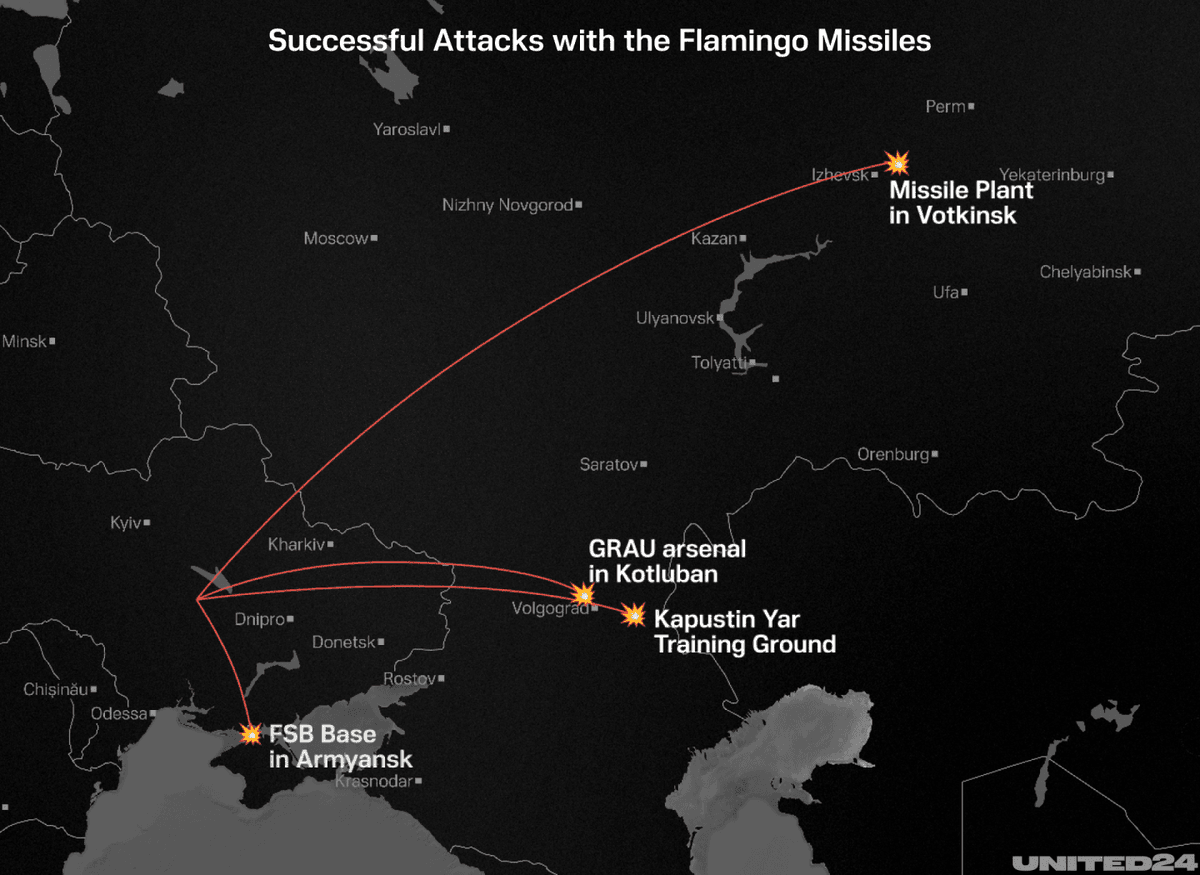
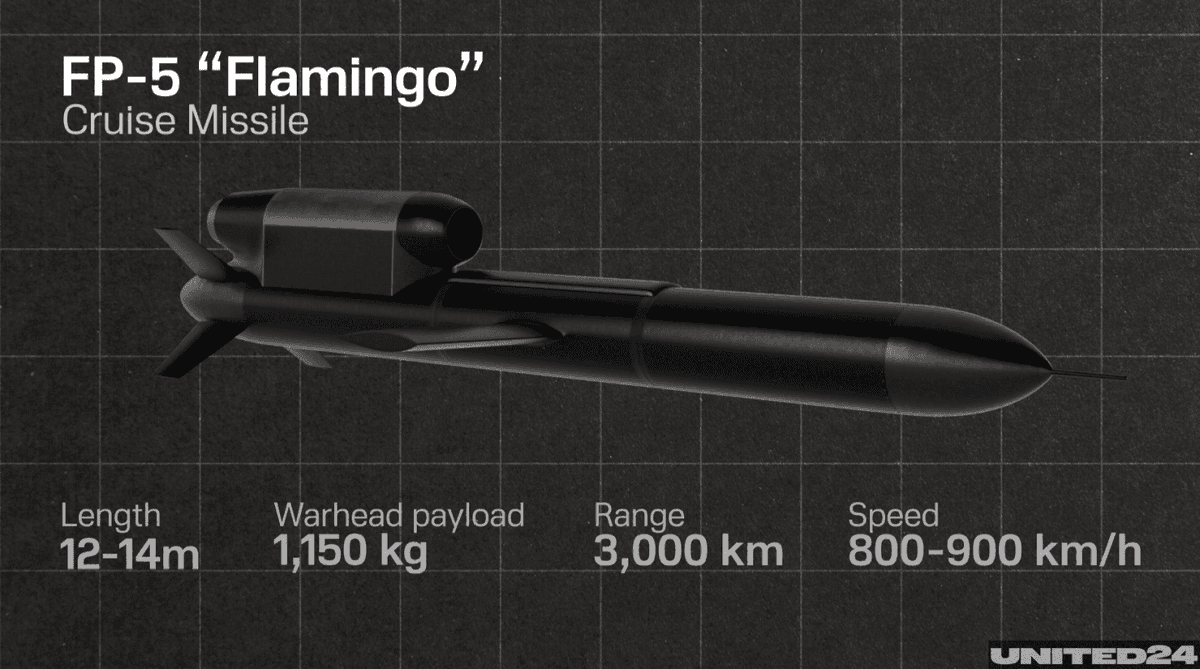
FP-5 Flamingo cruise missile: 3,000+ km range, 1,150 kg warhead.
Confirmed targets: Votkinsk ballistic missile factory in Udmurtia and Kapustin Yar missile test range in Astrakhan. 3/
US Gen. Grynkewich: Russia invaded Ukraine thinking it would be a two-week war. The hardest part of a short two-week war is the first couple of years.
Putin has learned that because of the problems he's had with fielding a modern and effective force. 1/
Grynkewich: Putin as an autocrat is able to control the information environment in Russia.
So the Russian people are probably not hearing all of the trials and tribulations that their forces are facing or understanding the high casualty rates of the Russian forces. 2/
Grynkewich: In Ukraine today, Russia has well over 500,000 troops. Should the war in Ukraine end, we will have to monitor Russian behavior.
When 500,000 battle-hardened Russian troops are repositioned to other areas, it will be a potential military threat to the alliance. 3/
Trump is considering ending Iran war without reopening Strait of Hormuz.
Would leave other countries to clean up hugely consequential economic quagmire he created. Extraordinary step to withdraw without solving major crisis driving gas prices up at home — Axios. 1/
Trump on Truth Social: "We are getting very close to meeting our objectives as we consider winding down our great Military efforts.
Hormuz Strait will have to be guarded by other Nations who use it — United States does not. If asked, we will help, but it's not necessary." 2/
Trump is trapped: Can't end war on his terms unless he breaks Iran's chokehold on Gulf oil, but reopening strait by force would potentially put US troops in line of fire.
He wanted to end war before end of March, but Hormuz crisis compelled him to press on longer. 3/