From 1928 to 1972, the Alberta Eugenics Board imposed sterilization on individuals deemed by an appointed board to be "mentally defective".
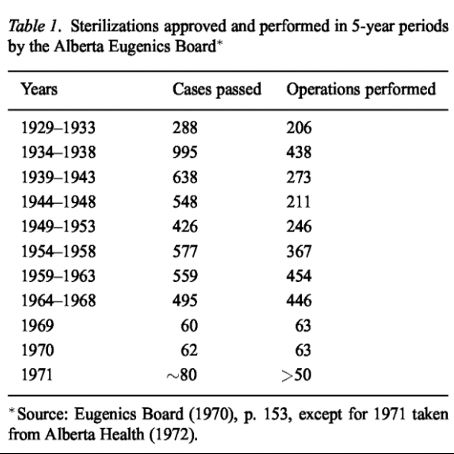
In that time, 2,832 sterilizations were conducted, the vast majority without consent.
This is the story.
🧵 1/10
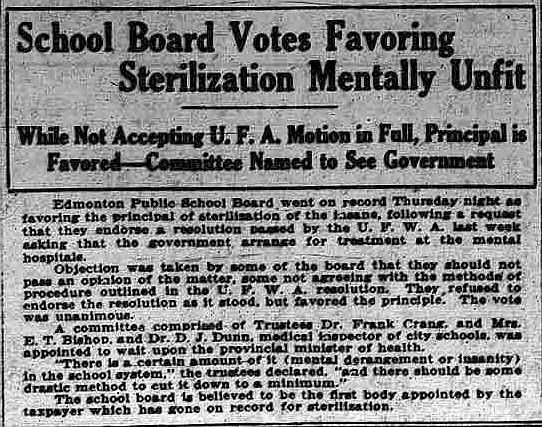
In the early-1900s, eugenics was growing in popularity. By the early-1920s, eugenics supporters began to lobby Alberta's ruling party, the United Farmers of Alberta, to implement eugenics legislation. On March 25, 1927, the UFA introduced a sexual sterilization bill.
🧵 2/10
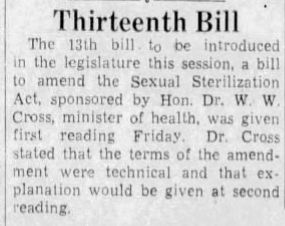
The bill was opposed by the Conservative and Liberal parties and did not reach second reading. It was reintroduced on Feb. 23, 1928 and passed one month later.
The Act formed the Alberta Eugenics Board, which was chaired by Dr. J.M. MacEachran.
🧵 3/10
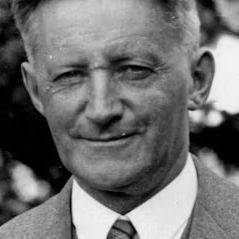
Between 1928 and 1972, the board had 21 board members and held 398 meetings. MacEachran was the chair until 1965. He was succeeded by Dr. R.K. Thompson who served until the board was disbanded in 1972. The board first met in January 1929.
🧵 4/10
The board looked at the medical, family and sexual history of individuals, along with criminal records, ethnicity, religion and IQ scores. On average, only 13 minutes were spent reviewing each case. At first, consent was required for any sterilization.
🧵 5/10
In 1937, the ruling Social Credit Party removed the need to get consent. By that year, 400 people had been sterilized. In 1942, another amendment was passed to include individuals who were diagnosed with syphilis, epilepsy, and Huntington's Chorea.
🧵 6/10
Between 1929 and 1972, 4,785 cases were presented to the Alberta Eugenics Board. Of those, 99% were approved. Of the approved cases, 2,832 saw the sterilization of adults and children. About 89% of the cases were without the person's consent.
🧵 7/10
In 1972, the recently elected Progressive Conservatives repealed the Sexual Sterilization Act after passing the Alberta Bill of Rights. From the 1990s to today, 850 people have filed lawsuit and received $142 million in damages.
🧵 8/10
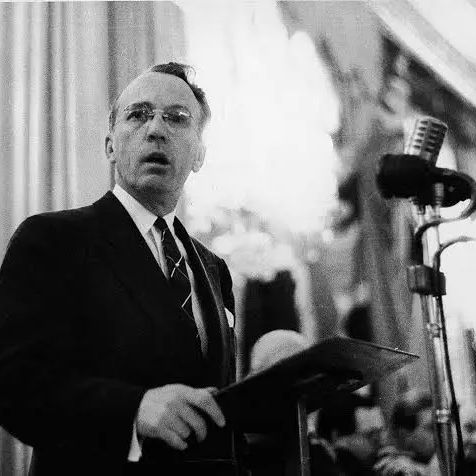
British Columbia had sterilization legislation and did 200 to 400 sterilizations from 1933 to 1973. While Tommy Douglas wrote a thesis on eugenics, by the time he was Premier of Saskatchewan had abandoned the concept in favour of therapy and vocational training.
🧵 9/10
I hope you found the story of the Alberta Eugenics Board interesting.
If you enjoy my Canadian history content, you can support my work with a donation at 👇
In pre-colonial Canada, the First Nations established many prominent settlements.
Two of the most famous were Hochelaga and Stadacona, located on the sites of Montreal and Quebec City.
These two villages were home to nearly 4,000 people.
This is their story.
🧵 1/9
It is not known when Hochelaga first appeared.
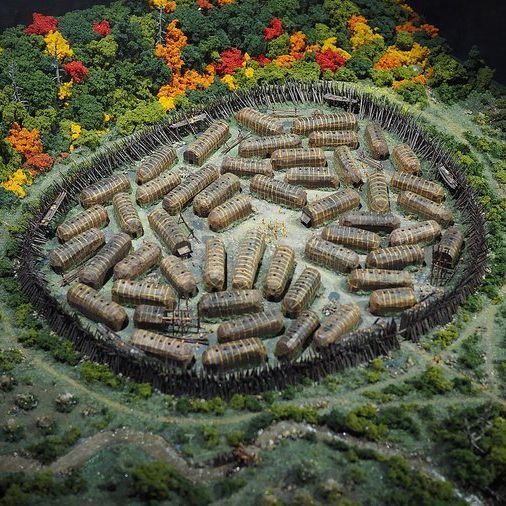
Historians believe the village was established at some point between 1200 CE and 1500 CE. The village apparently sat at the base of Mount Royal, and was surrounded by farmland.
🧵2/9
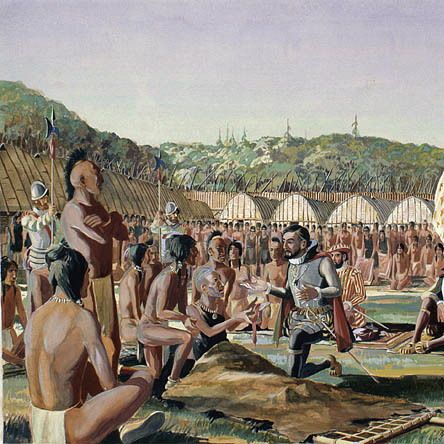
The size of the village varied by the time of year. When Jacques Cartier arrived in 1535 it had between 1000 and 3000 people.
Within the village there was at least 50 homes, according to Cartier.
Each home measured 15 metres in length and 3.5-4.5 metres in width.
There is a unique dialect of the Irish language that evolved in Newfoundland and became forever linked with the island.
It is called Newfoundland Irish and many work to keep the language alive.
This is the story.
🧵 1/7
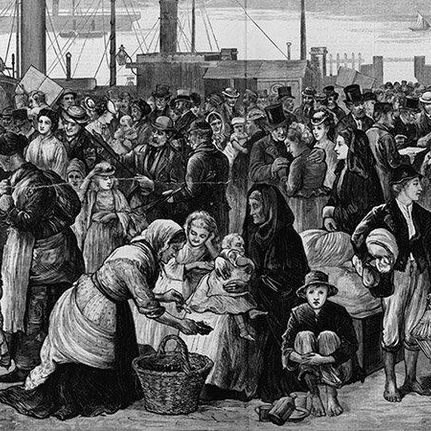
Irish immigrants arrived on the island to work in the late-1600s. Over the next 200 years, the Irish language was used heavily on the island, and became its own dialect. Church services were even done in Newfoundland Irish on the island.
🧵2/7
Irish poet Donnchadh Ruadh Mac Commara sailed around the island and used Newfoundland Irish in his Irish language poems. By the 1780s, the Irish were the dominant ethnic group of St. John's and by 1815, 19,000 Irish lived in Newfoundland.
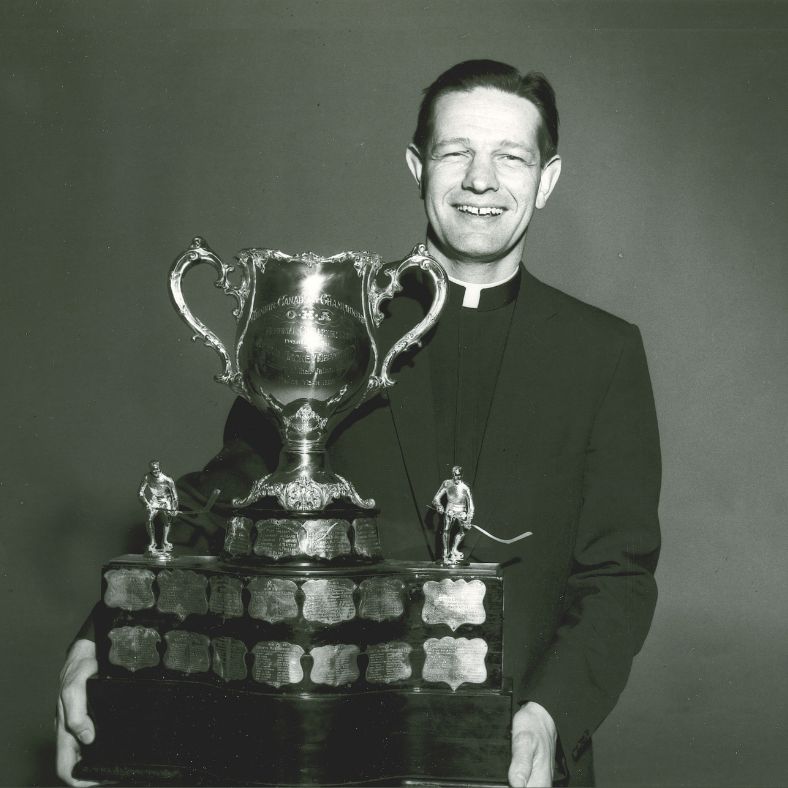
Father David Bauer loved the game of hockey.
A gifted player, he turned down playing pro hockey to become a priest.
But hockey never left him.
He mentored many players and created Canada's men's national hockey team program.
This is his story.
🧵 1/12
David Bauer was born on Nov. 2, 1924 in Waterloo, Ontario. The youngest 11 children, his family loved hockey. His brother Bobby went on to play in the NHL, winning two Stanley Cups on his way to the Hockey Hall of Fame. David hoped to one day play in the NHL.
🧵 2/12
When he was 15, he attended a training camp for the Boston Bruins. They offered him a contract to play for their farm team but he turned it down as his father believed he was too young and needed a proper education. While attending school, he kept playing hockey.
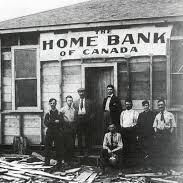
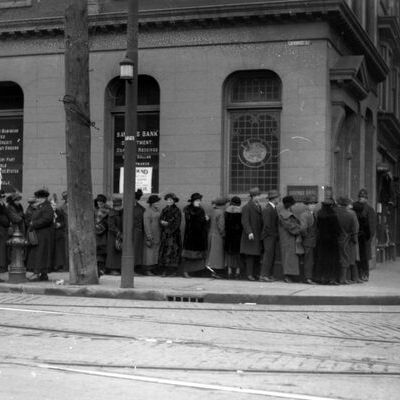
On Aug. 17, 1923, the 71-branch Home Bank of Canada failed.
Faced with public outcry over constant bank failures, the government acted.
Since 1923, two Canadian banks have failed, while 17,000 have failed in the USA.
This is the story of Home Bank of Canada
🧵 1/12
For the first half century of Canada's existence, the only safeguard that customers had with their banks was the competency of management and the hope that assets covered deposits. It was not a good system and by 1923, 40% of Canadian banks had failed.
🧵 2/12
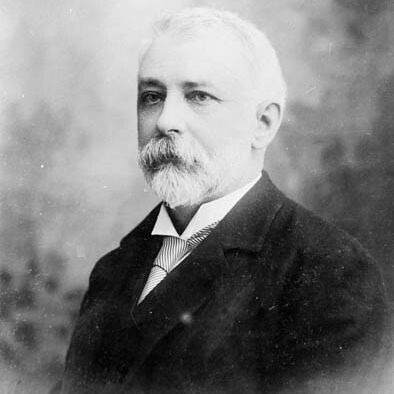
Finance Minister W.S. Fielding, who assumed the post in 1896, saw nine bank failures by 1910. Many Canadians, and even industry leaders like H.C. McLeod, the GM of the Bank of Nova Scotia, wanted to have government inspections to prevent fraud in Canada's banks.
Every Canadian province and territory has a capital.
The names of those capitals come from many different sources.
Sometimes it is royalty, and sometimes it is an Indigenous name.
Here is how each capital received its name.
🧵 1/15
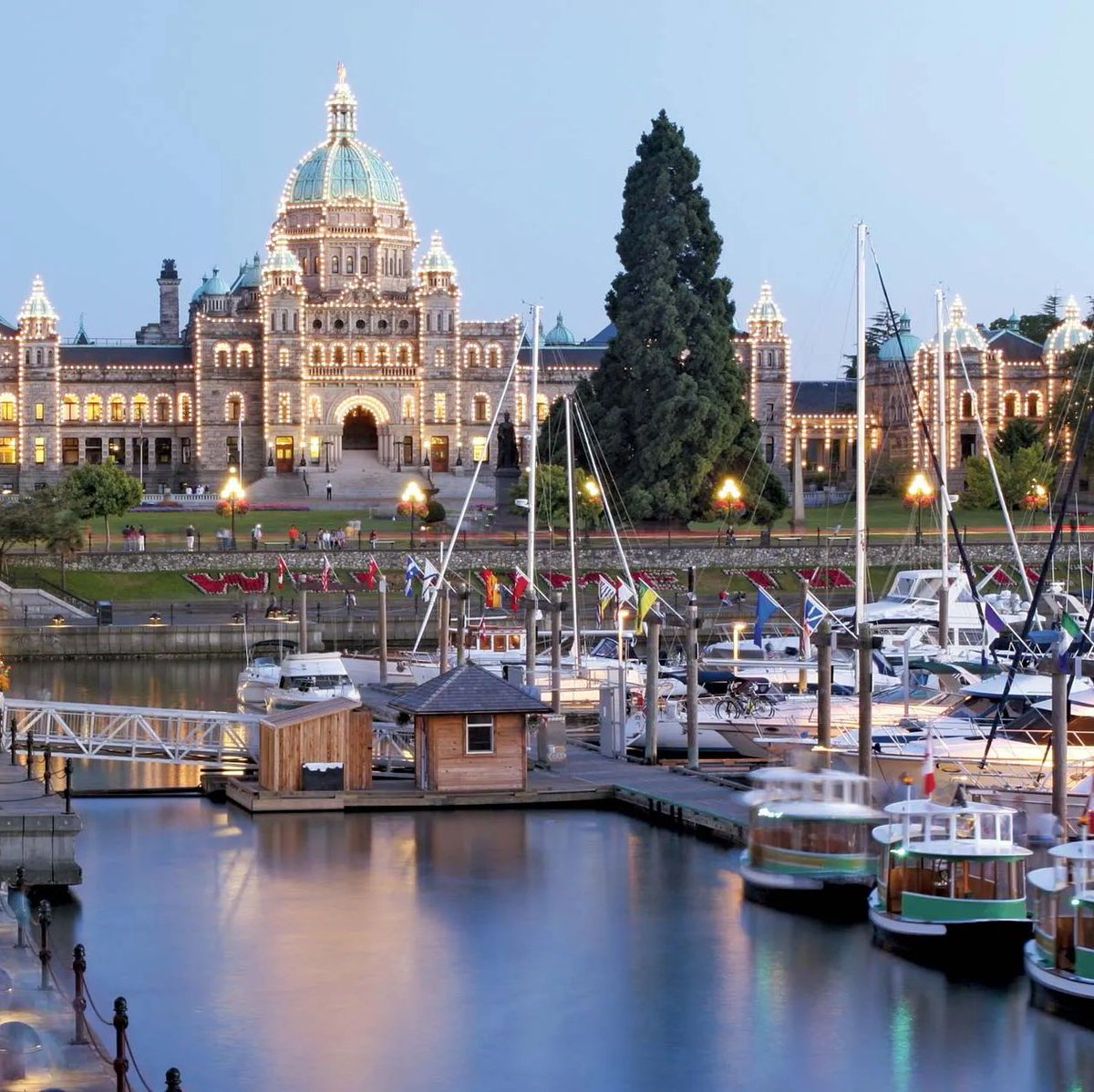
Victoria, British Columbia:
The site the city sits on was called Camosack by the local Indigenous, meaning "rush of water". In 1843, Fort Albert was founded but it was soon after renamed to Fort Victoria in honour of Queen Victoria.
🧵 2/15
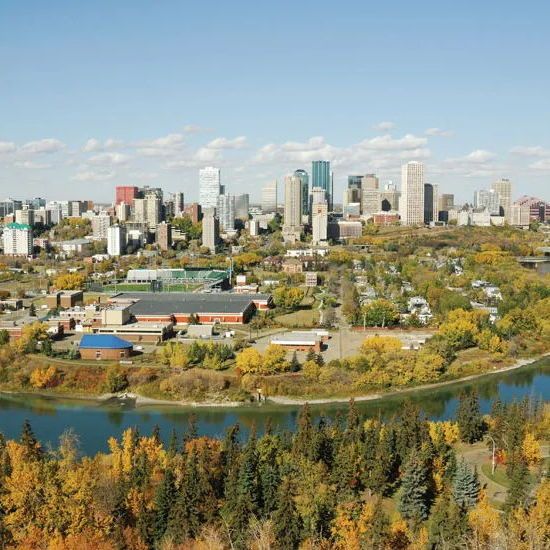
Edmonton, Alberta:
The Cree called the area amiskwacîy (Beaver Hills). The current name comes from Edmonton, Middlesex, England, which was the hometown of the Lake family. The Lake family were influential in the Hudson's Bay Company.
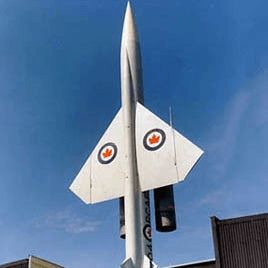
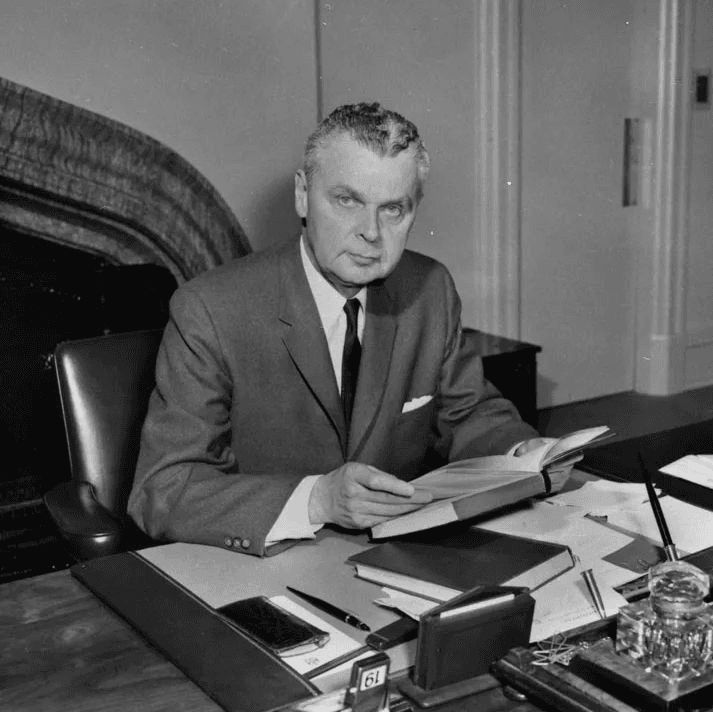
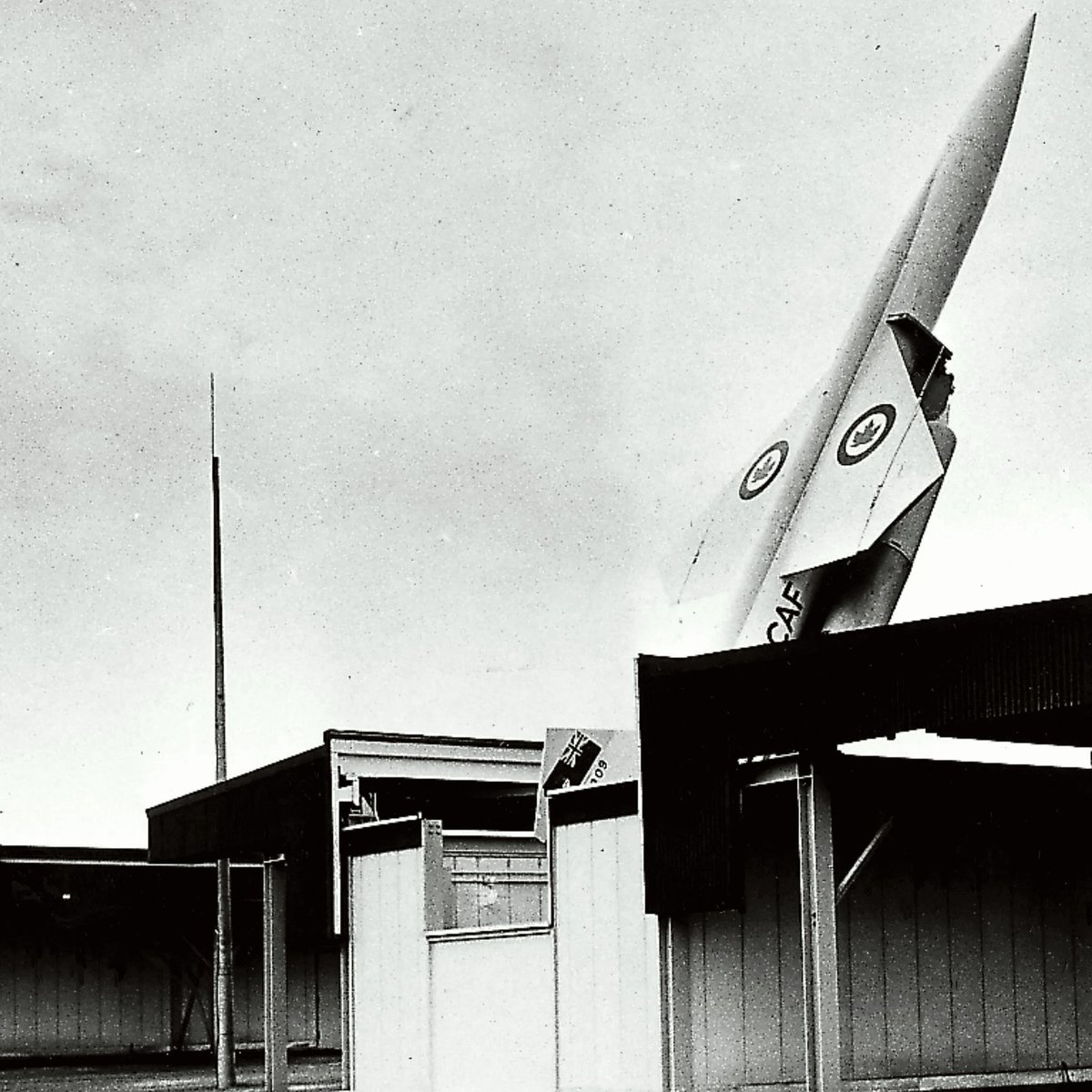
When John Diefenbaker cancelled the Avro Arrow, he announced that Canada would purchase 56 Bomarc Missiles from the USA.
When the public learned the missiles were only effective if tipped with nuclear warheads.
it sparked the Bomarc Missile Crisis.
This is the story.
🧵 1/12
During the Cold War in 1957, Canada and the United States created NORAD to handle continental air defence against the Soviet Union. As part of NORAD obligations, Prime Minister John Diefenbaker Canada was pressured to put Bomarc missiles on its soil.
🧵 2/12
The plan was to have the missiles deployed near La Macaza, Quebec and North Bay, Ontario. Both sites would have storage and launch facilities, and quarters for US personnel. Diefenbaker's plan was to have the missiles replace the Avro Arrow program.