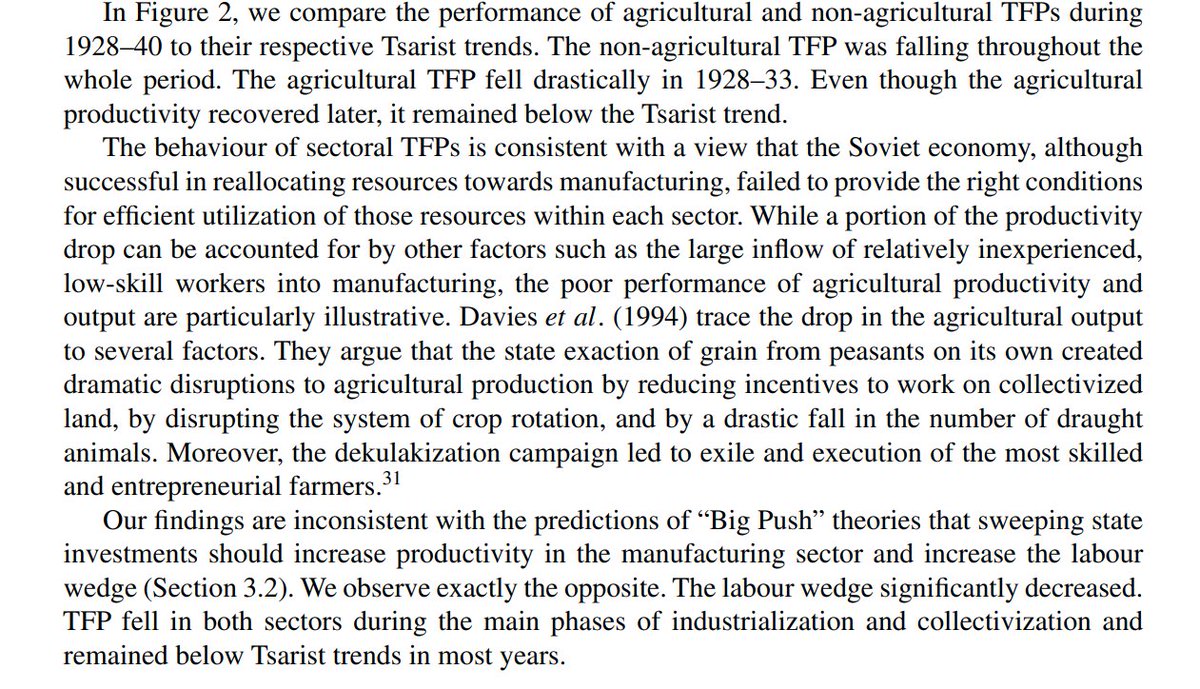
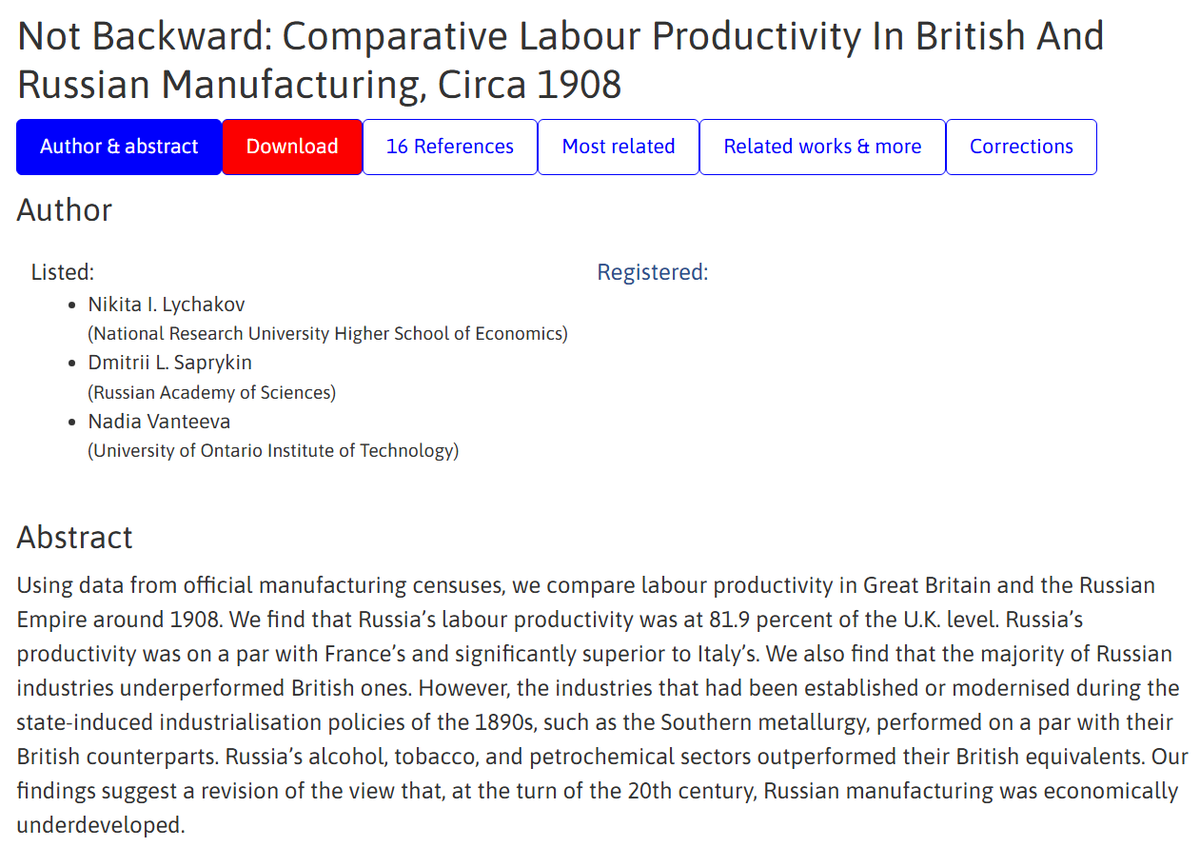
The important thing to understand about (rapid) Soviet industrialization and economic growth 1928-40 was that it was driven by sectoral reallocation from agriculture to industry, not rising productivity within these groups (agriculture in particular badly suffered).
Also the Tsarist industrial economy was bigger than that of France and close in productivity to the UK, it was just stapled to a continental empire of peasants.
• • •
Missing some Tweet in this thread? You can try to
force a refresh

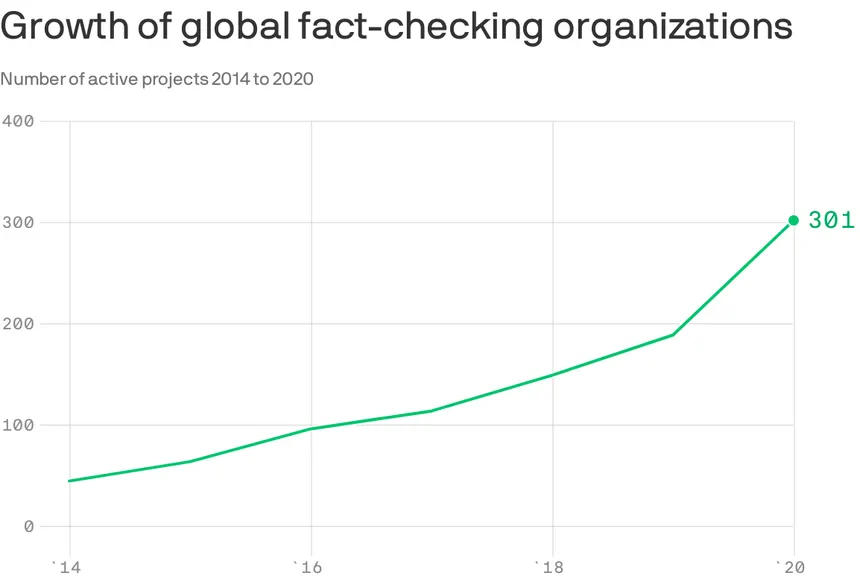
To make fact-checking work during the closure of the Internet, social media platforms had to know the ground truth of claims. Since this is not precisely knowable, they outsourced determining the truth to a web of news organizations and NGOs. Thread on these.
Most official fact-checking organizations were certified by other the International Fact-Checking Network (IFCN) or the European Fact-Checking Standards Network (EFCSN), which created a chokepoint in the ecosystem.
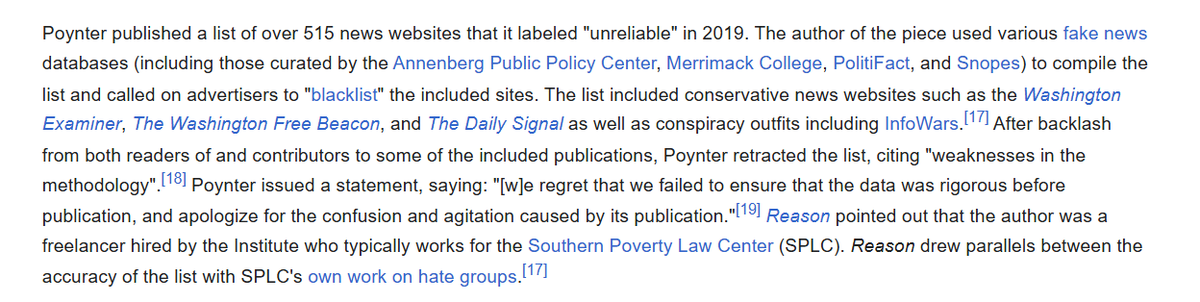
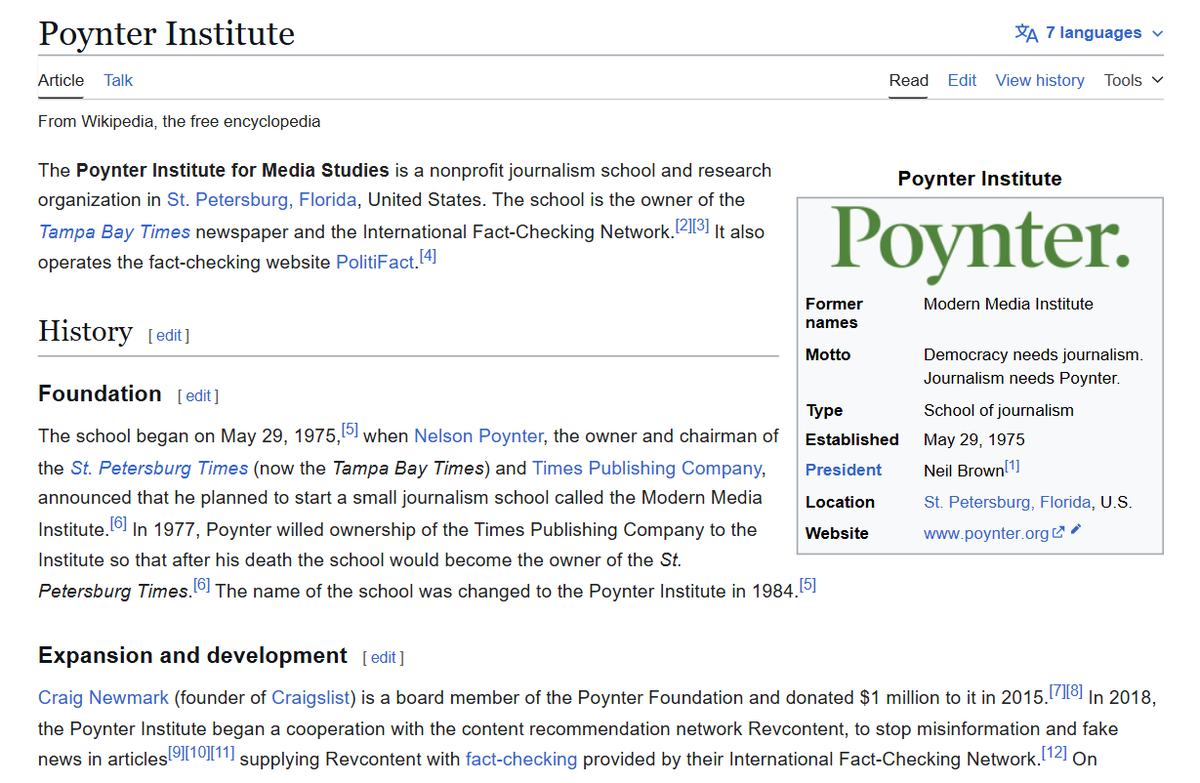
The IFCN was founded by the Poynter Institute, a school of journalism, in 2015, after a $1M foundation grant. They hired an ex-SPLC employee to create a list of 515 orgs to be used in ad blacklists, including mainstream conservative ones like the Washington Examiner.
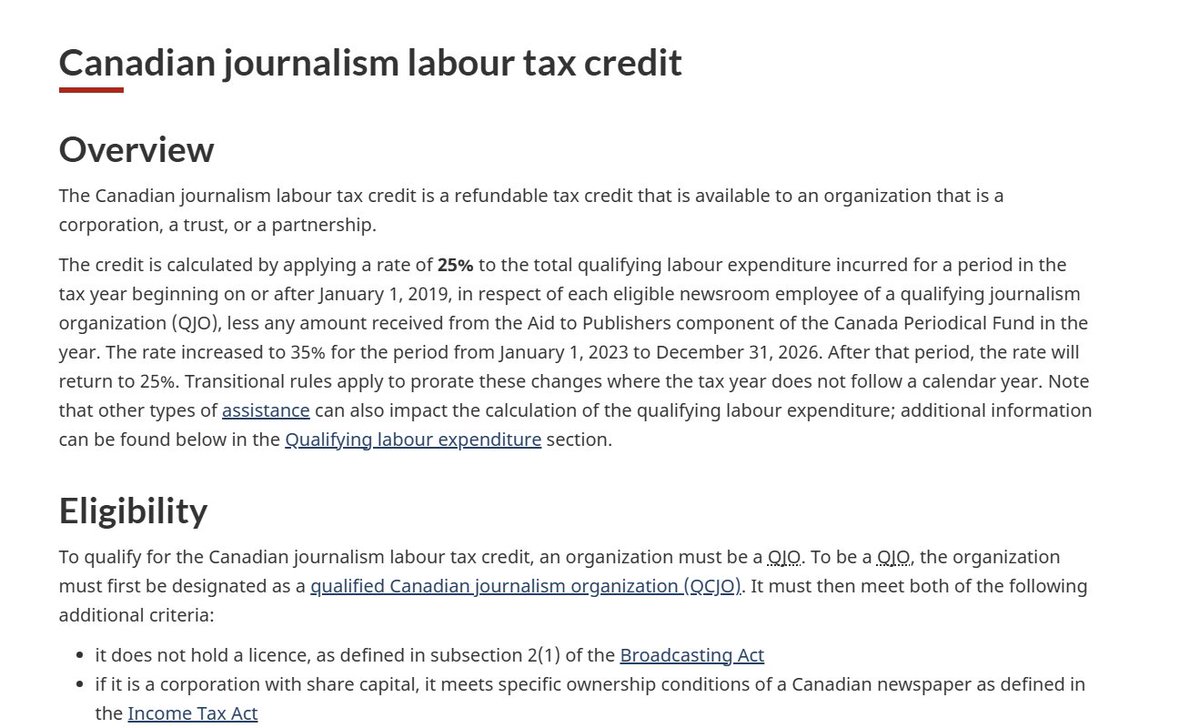
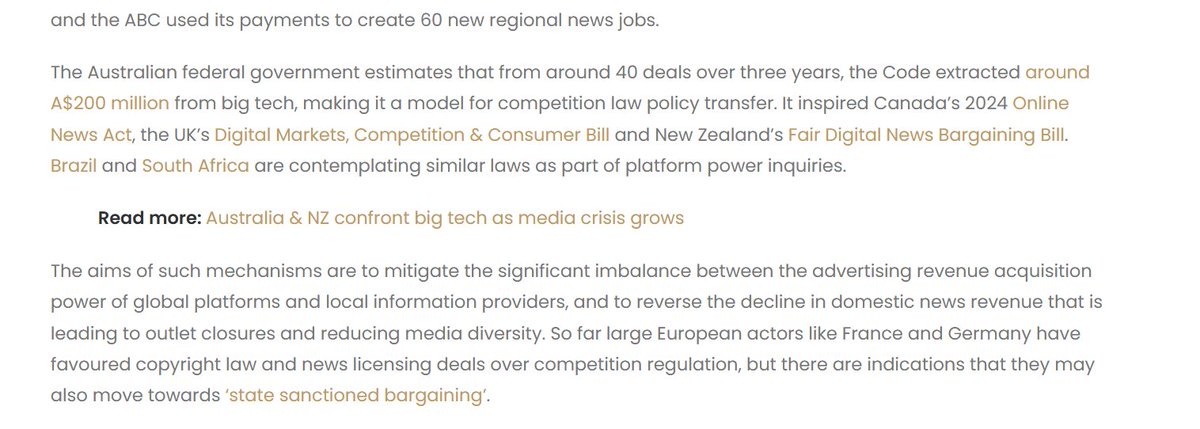
Canada provides several privileges for officially-recognized media organizations, such as tax refunds up to 35% of labor costs and huge transfers directly from platforms where their content is posted. Australia, UK, South Africa, Brazil, and NZ have similar programs.
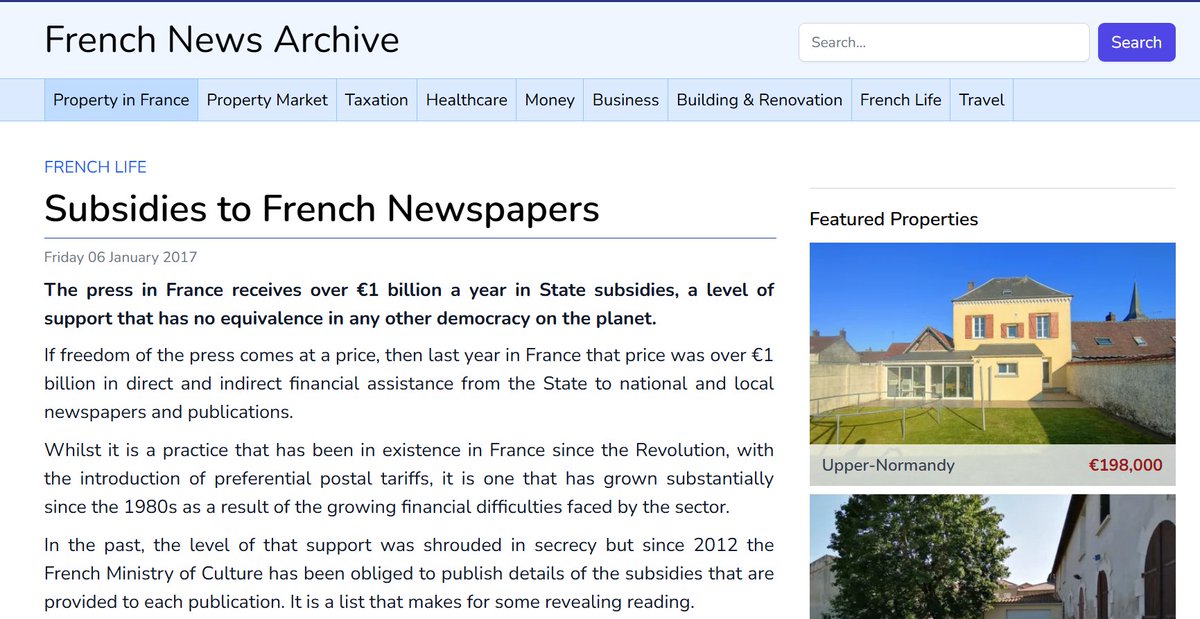
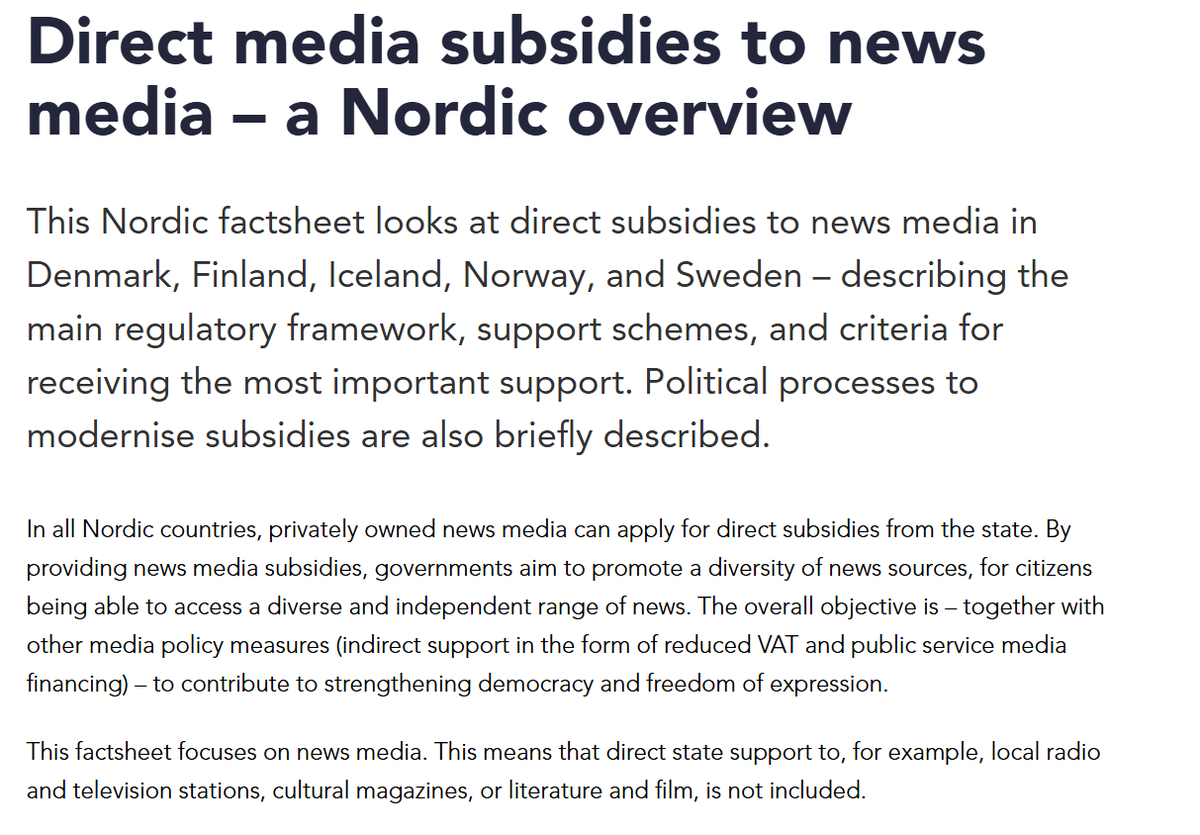
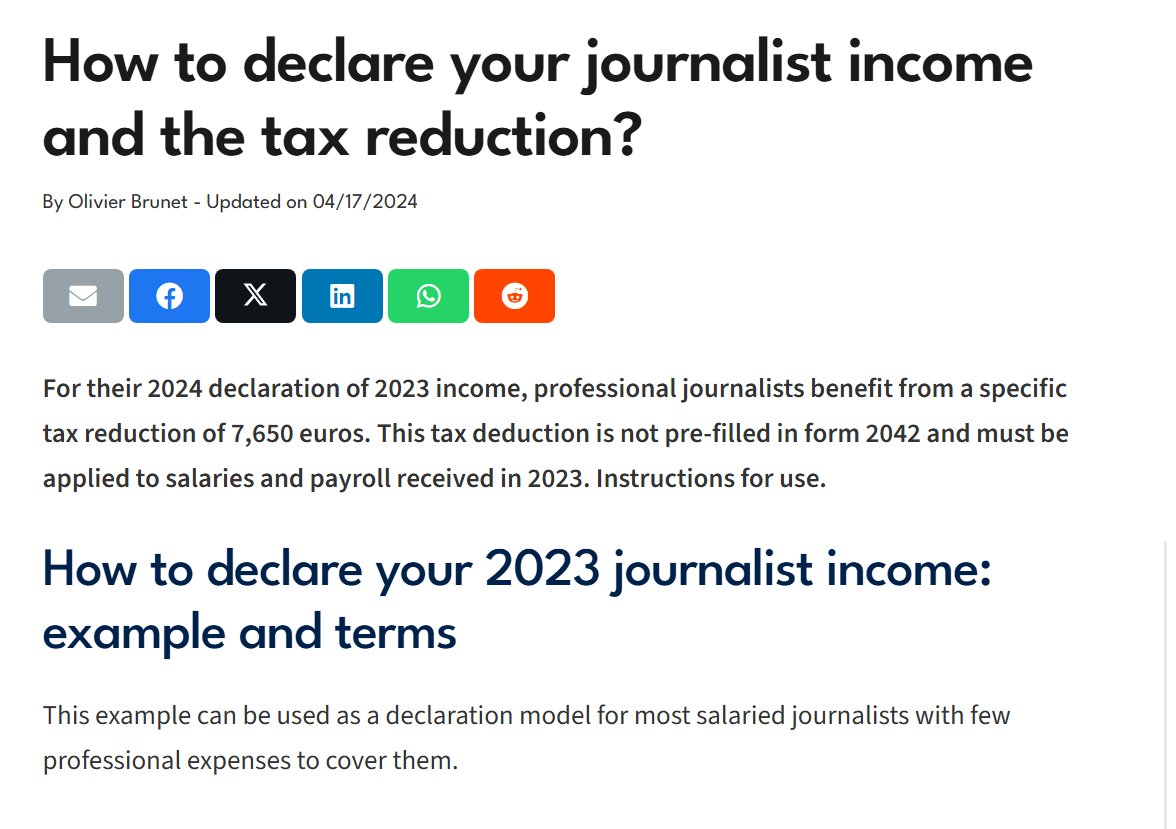
France subsidizes officially-recognized journalists to the tune of a billion pounds a year. The Nordics have a similar program. France and Italy also provide recognized journalists with tax credits.
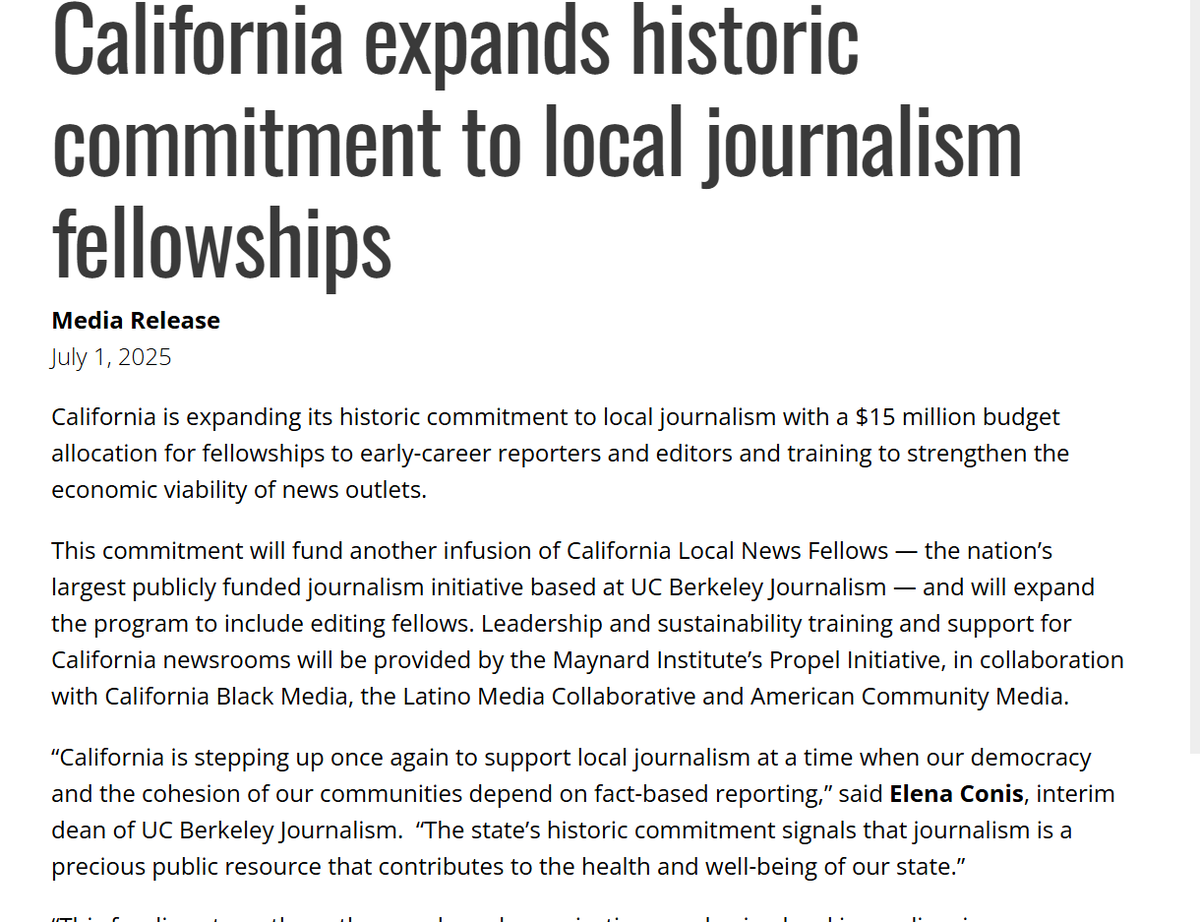
Unsurprisingly (it is basically the UK with good weather and Silicon Valley), California is going down a similar route of state-subsidized media.
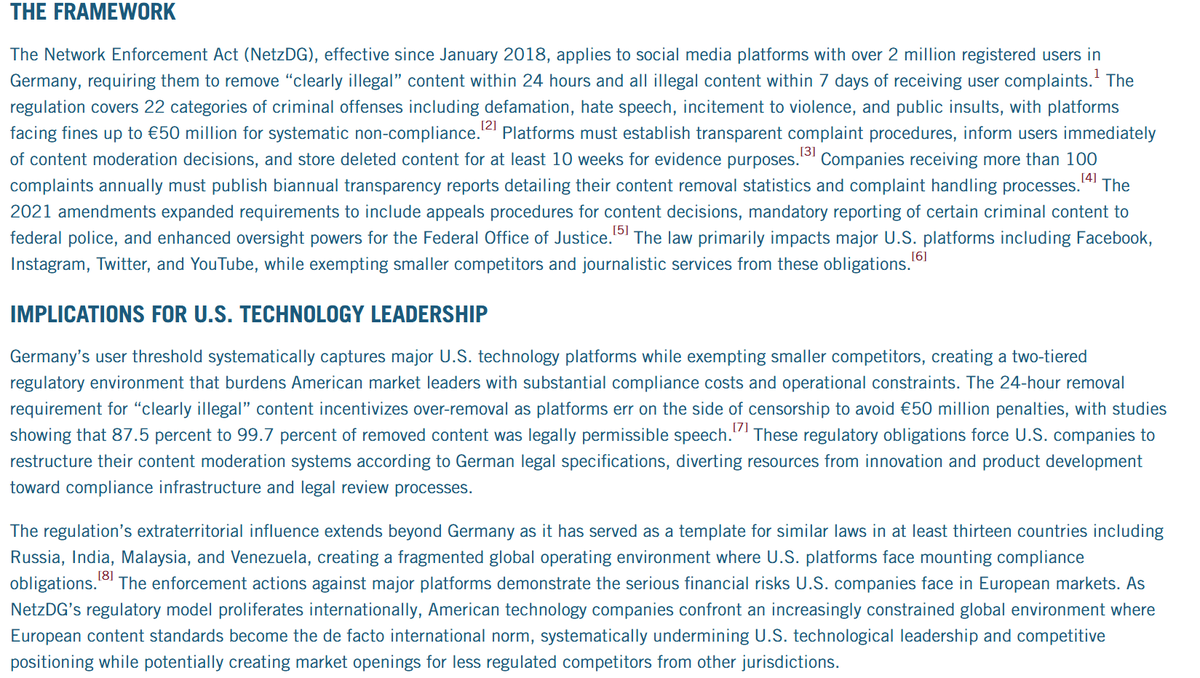
Thread on the role of Western government's in the closure of the Internet. Germany's 2017 NetzDG act, which forced large platforms to hire thousands of moderators or potentially face huge fines for hosting illegal content even outside of Germany, was the first major law.
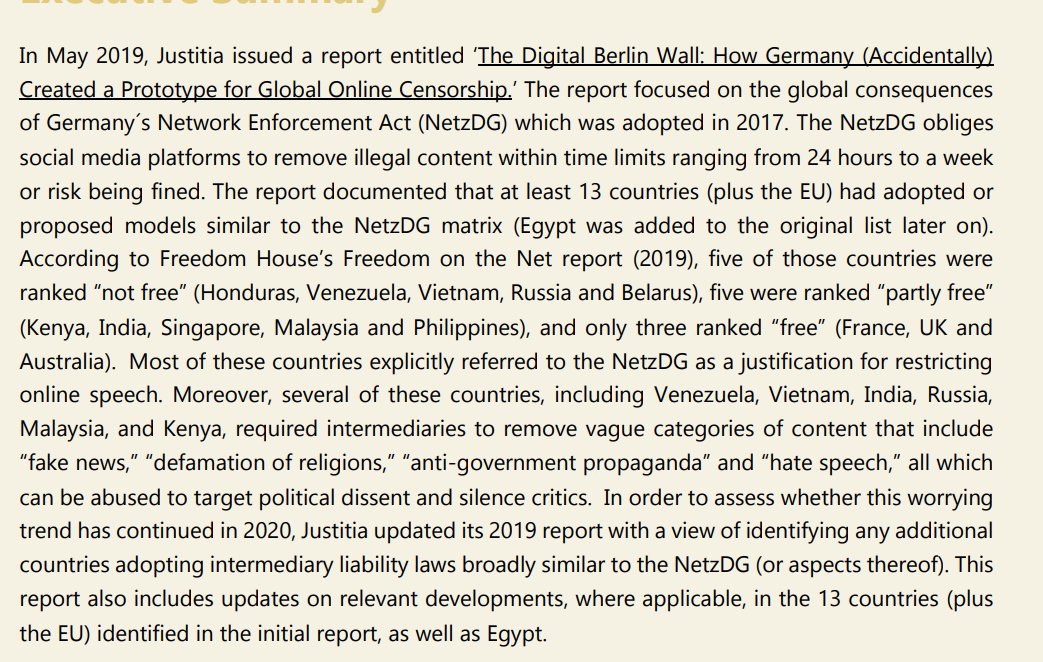
This German law served as the template for similar laws in other authoritarian despotisms, such as Russia, Belarus, Venezuela, Vietnam, the United Kingdom, and India.
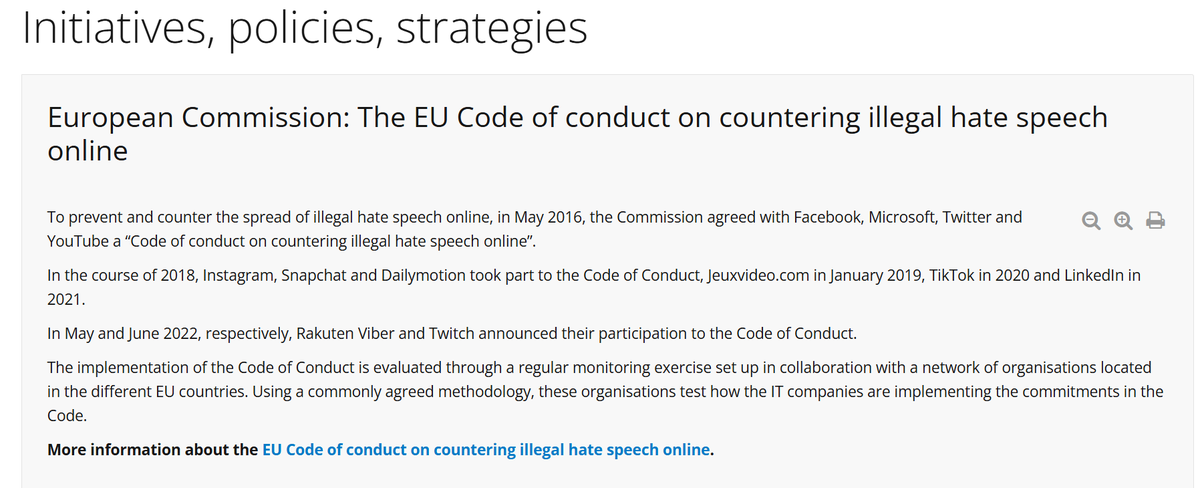
The EU has also exercised informal pressure, imposing a "Code of conduct on countering illegal hate speech online" on YouTube, Facebook, Twitter, and Microsoft in 2016.
This paper's analysis ofsocial science abstracts over time. Economics is slightly left-of-center but has been roughly consistent since 1960. The rest were solidly left of center in 1960, grew dramatically moreso 1960-70, and have continued trending left since then.
Between 1960 and 1970 you had physical violent takeovers of many colleges by leftist radicals, who succeeded in creating fake leftist academic fields and thereby institutionally capturing academia over the course of generations.
Because social sciences academia relies on consensus for promotion, without much feedback from reality, once an intolerant clique gains sufficient cohesion and numerical dominance, which happened 1960-70, they can kickstart a positive feedback loop with no self-correction.
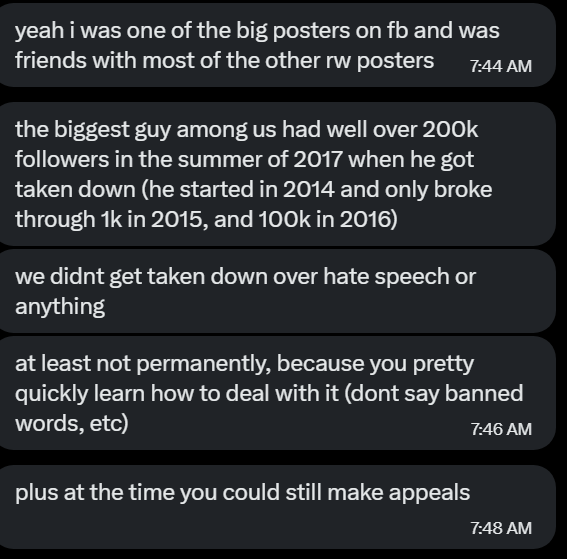
An admin for one of the biggest right-wing Facebook groups DM'd me with his impressions/experience with Facebook moderation and censorship (and gave me permission to post this thread). RW Facebook was big in 2016/17.
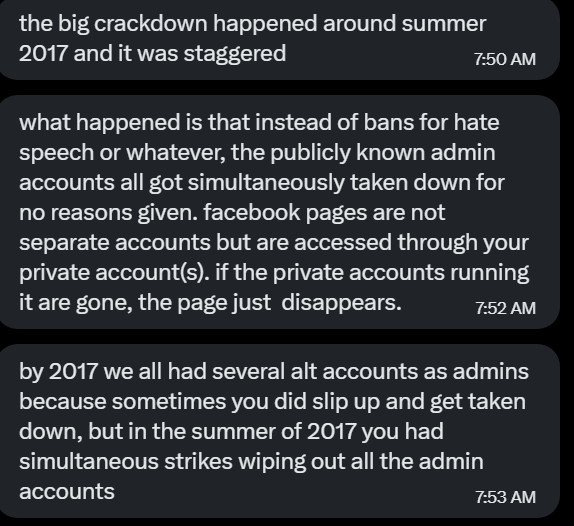
The big crackdown began in summer 2017; it did not take the form of bans for hate speech but rather all publicly-known admin accounts getting suspended for no reason, leading to the pages disappearing.
This included device bans which permanently destroyed most of the pages.
Thread on Apple's role in the closure of the Internet. From 2016 to 2023, Apple's App Store, half the mobile duopoly, went from a curated software marketplace to one of the most important content control systems on Earth.
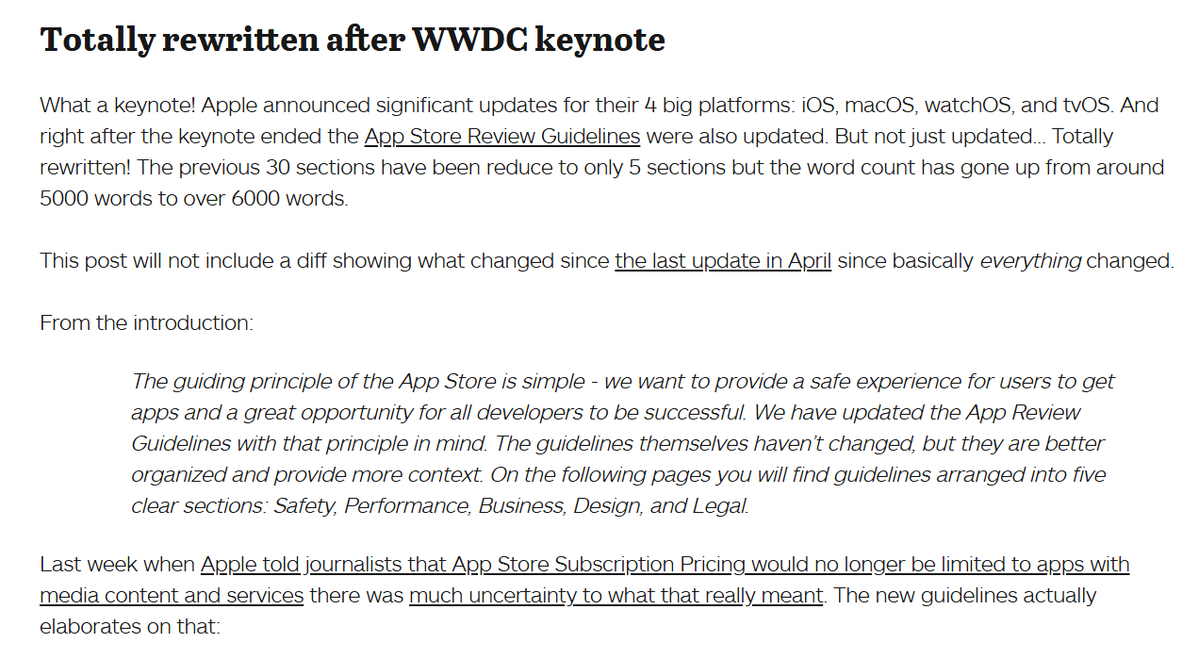
In June 2016, Apple completely reorganized their App Store Review Guidelines into five pillars: Safety, Performance, Business, Design, and Legal.
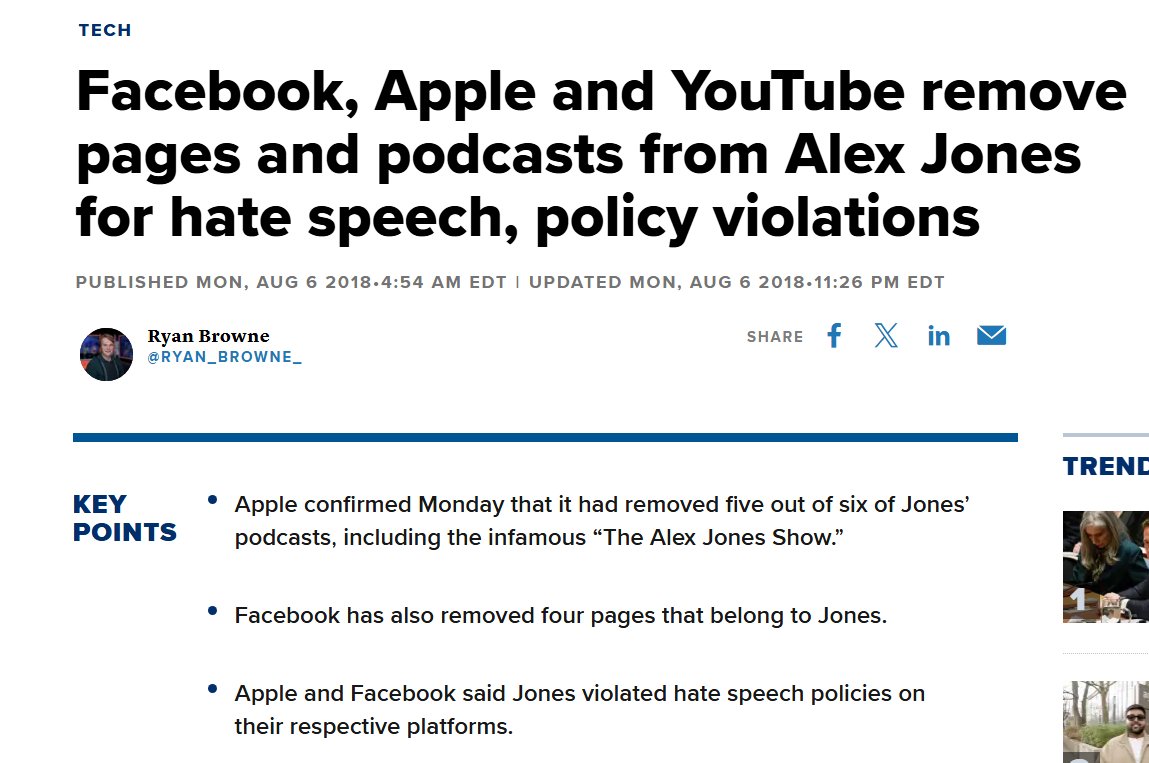
Most of Apple's big decisions were not policy ones but specific removals that had a chilling effect on future discourse. In Aug 2018, Apple removed 5/6 Alex Jones podcasts for hate speech. This was done jointly with similar actions from Facebook, YouTube, and Spotify.