To make fact-checking work during the closure of the Internet, social media platforms had to know the ground truth of claims. Since this is not precisely knowable, they outsourced determining the truth to a web of news organizations and NGOs. Thread on these. 
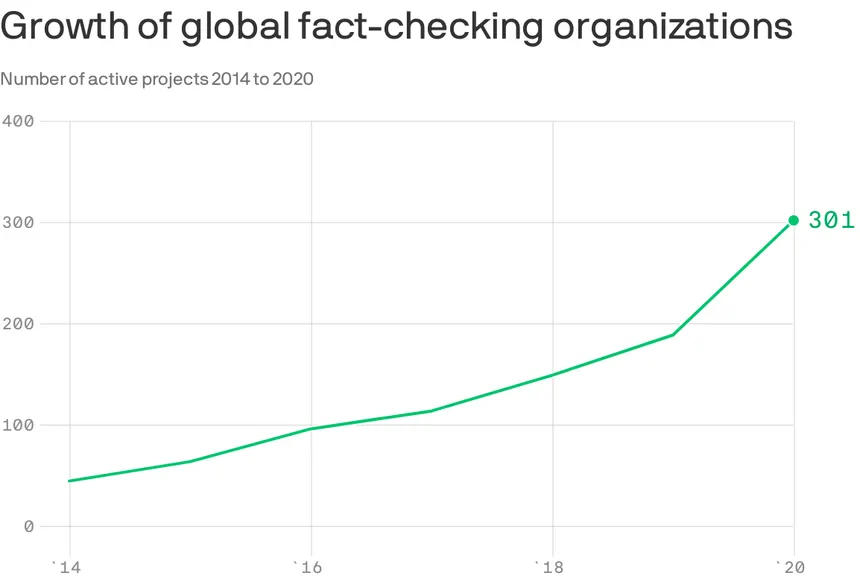
Most official fact-checking organizations were certified by other the International Fact-Checking Network (IFCN) or the European Fact-Checking Standards Network (EFCSN), which created a chokepoint in the ecosystem.

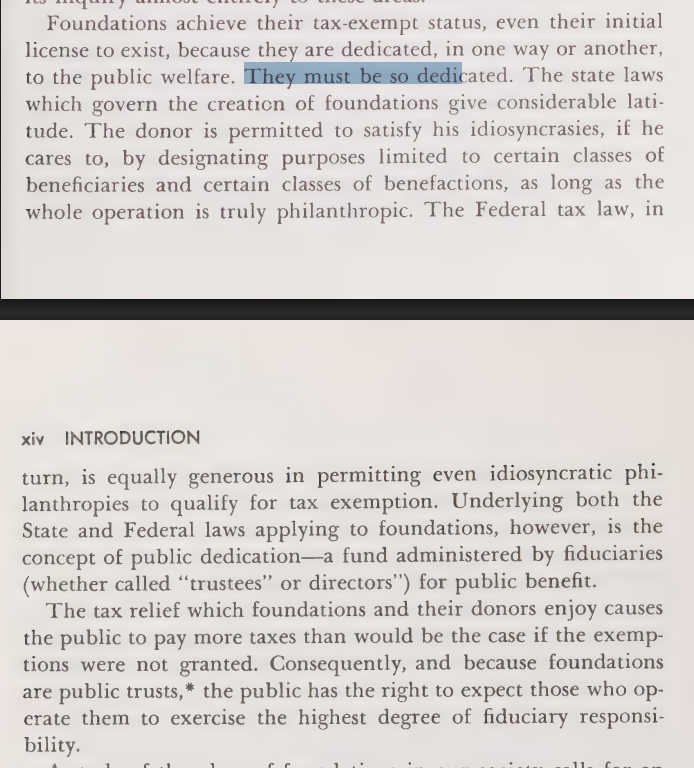
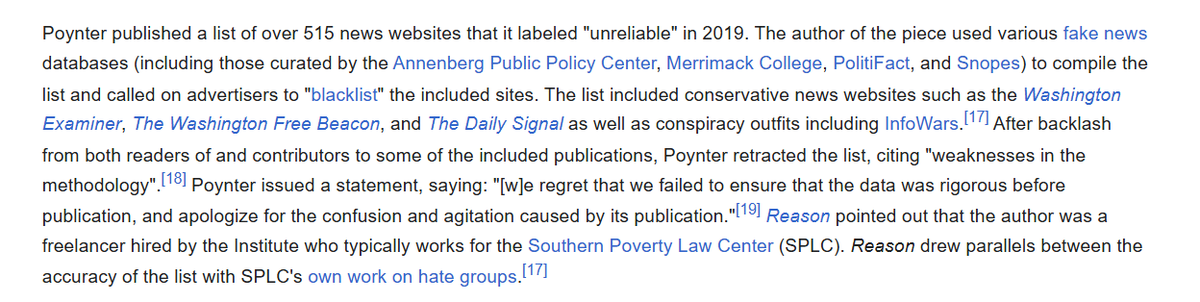
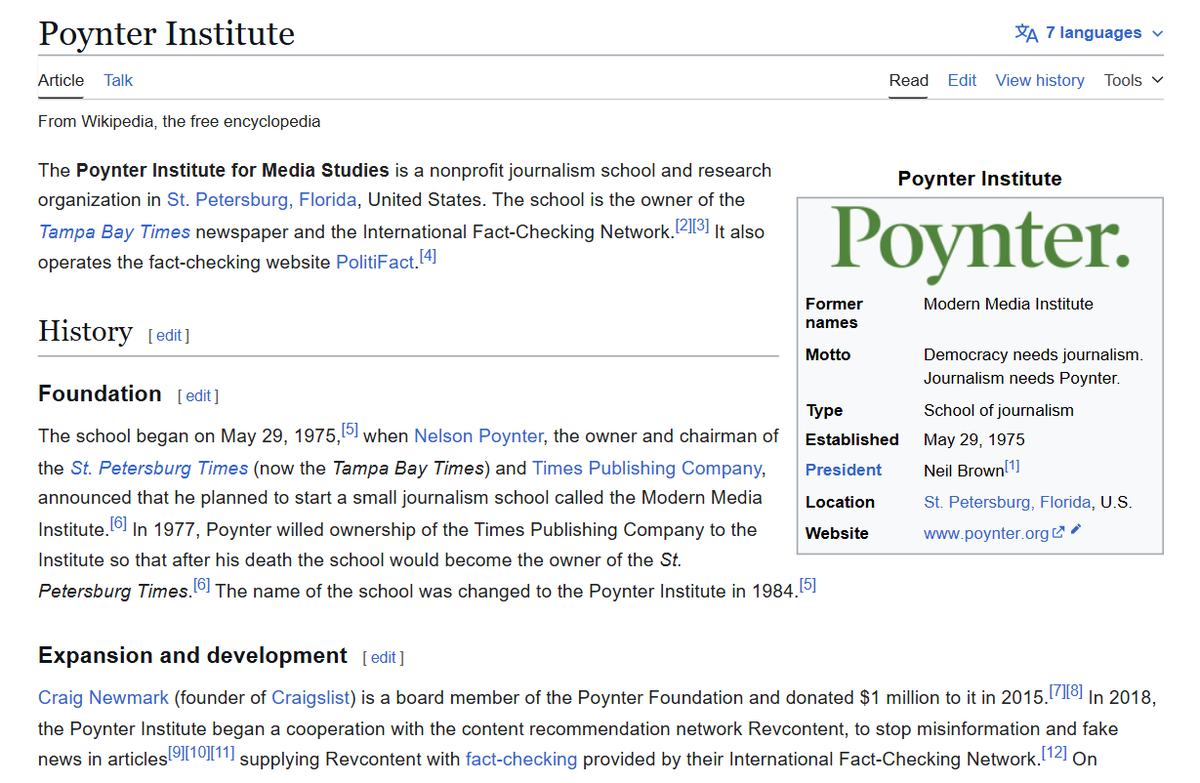
The IFCN was founded by the Poynter Institute, a school of journalism, in 2015, after a $1M foundation grant. They hired an ex-SPLC employee to create a list of 515 orgs to be used in ad blacklists, including mainstream conservative ones like the Washington Examiner.
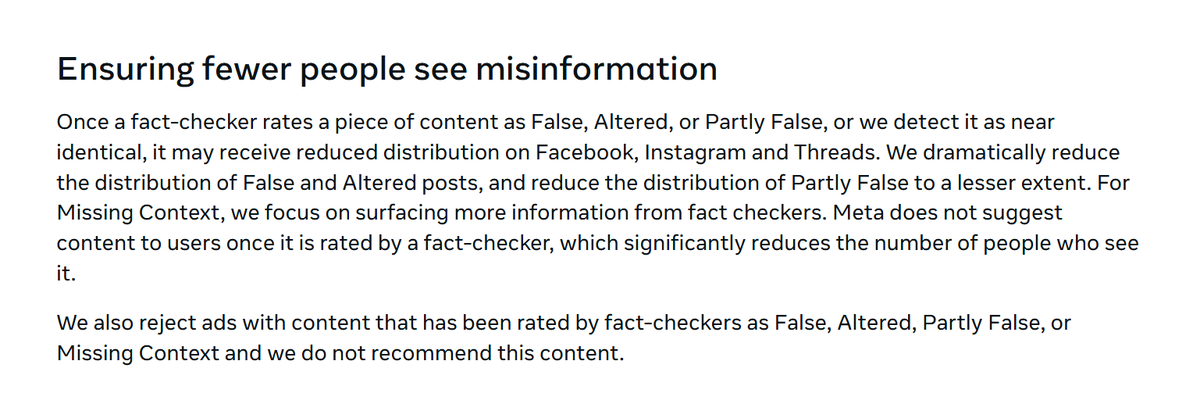
Sometimes, claims are just wrong. But often, they are judged by fact-checkers as misleading for missing context (which may or may not be true - but what context is relevant is not prima facie obvious) or partly false based on nitpicking. Both types get suppressed.
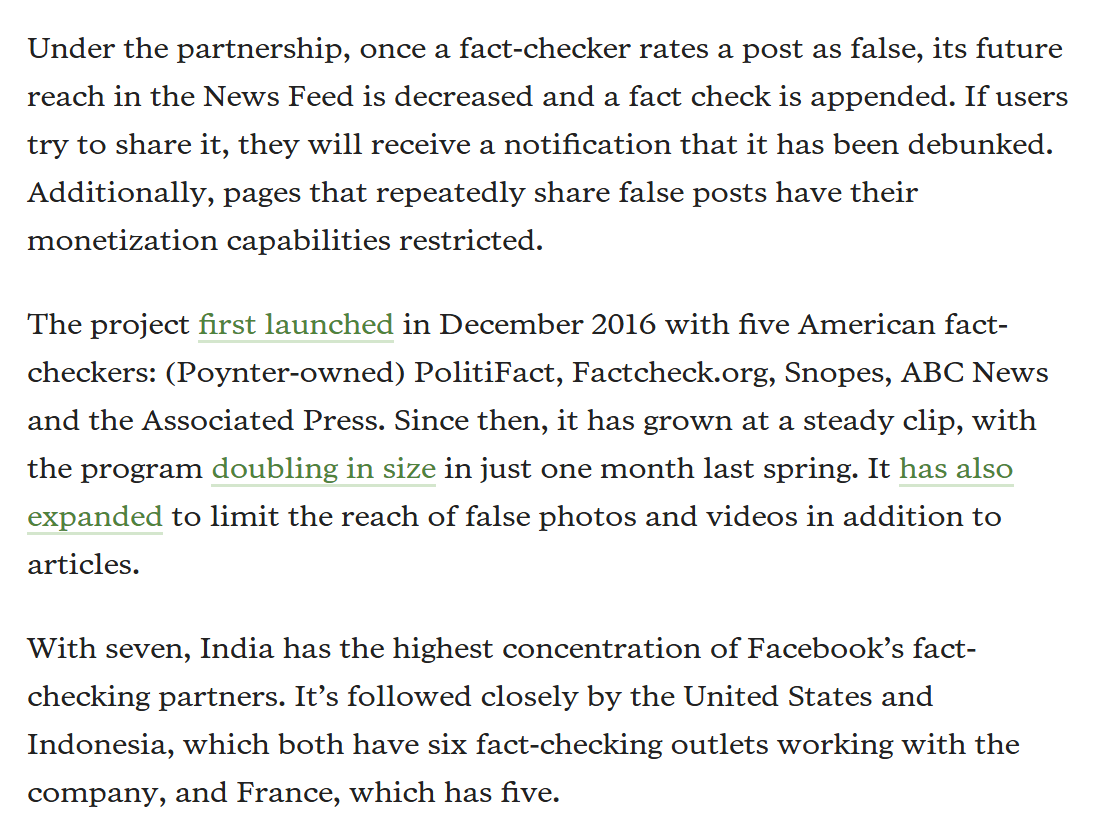
Meta's initial source of ground truth was five US fact checkers, hired in 2016: PolitiFact, Factcheck[.]org, Snopes, ABC News, and the AP. All are correctly known to be strongly leftist and Democratic orgs, albeit with more neutrality than one like HuffPo.
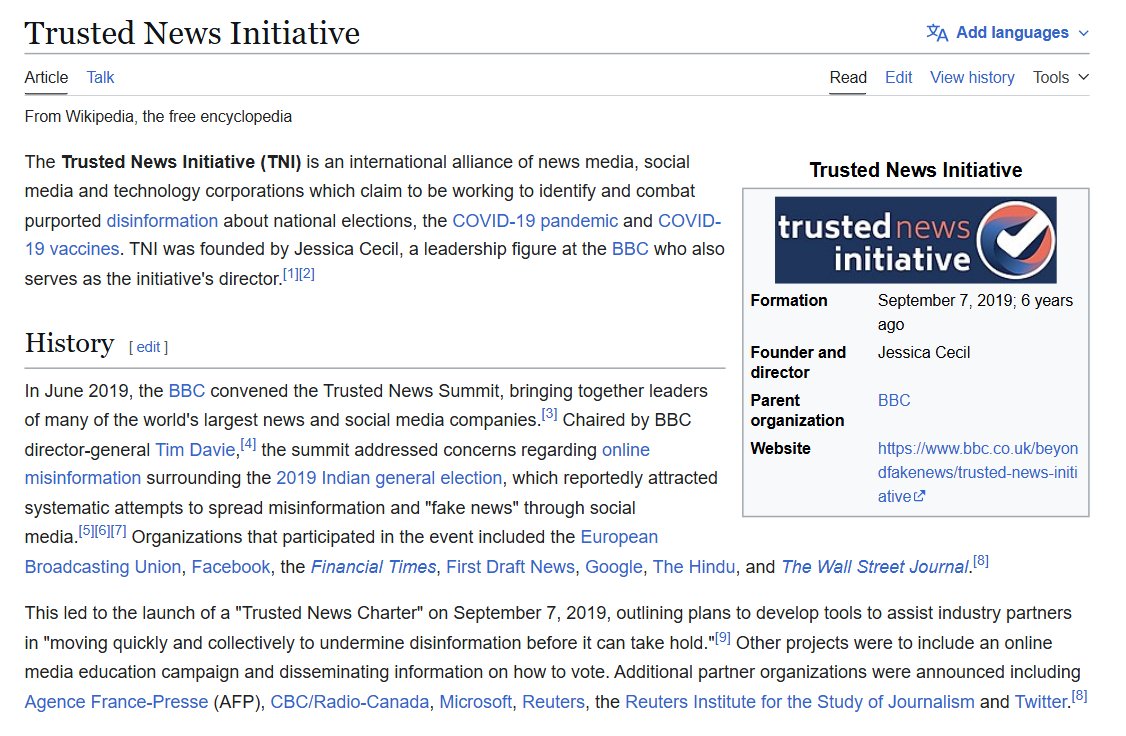
Another IFCN-like "alliance of news media, social media, and technology corporations" to "combat disinformation" was the Trusted News Initiative, founded in 2019 and closely linked to the British government.
An example of one of the most academic orgs used by these various alliances was the SIO, the Stanford Internet Observatory, funded by the US government. This was eventually dismantled after House Republicans noticed it kept id'ing conservative arguments as disinformation.
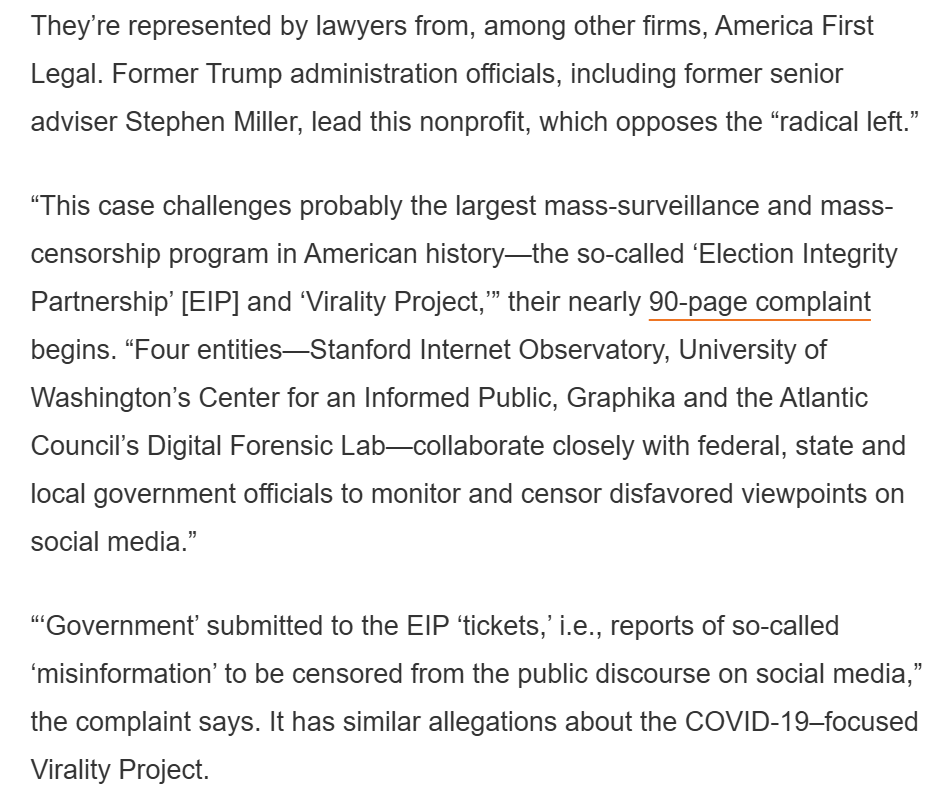
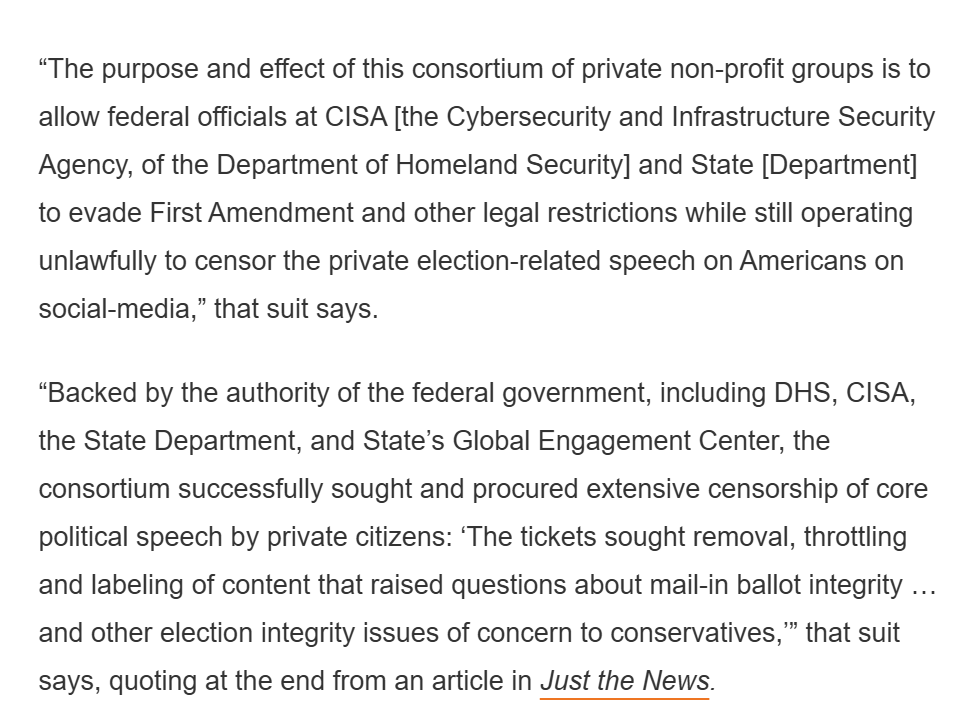
Another similar org is the Digital Forensic Research Lab (note the date: founded 2016).

Hamilton 68 was an extremely prominent "low-level" group which was used as a source by bigger fact-checkers (Snopes, Politifact). Their alpha was a list of Russian disinfo accounts... almost all of which turned out to be ordinary conservatives with no links to Russia.
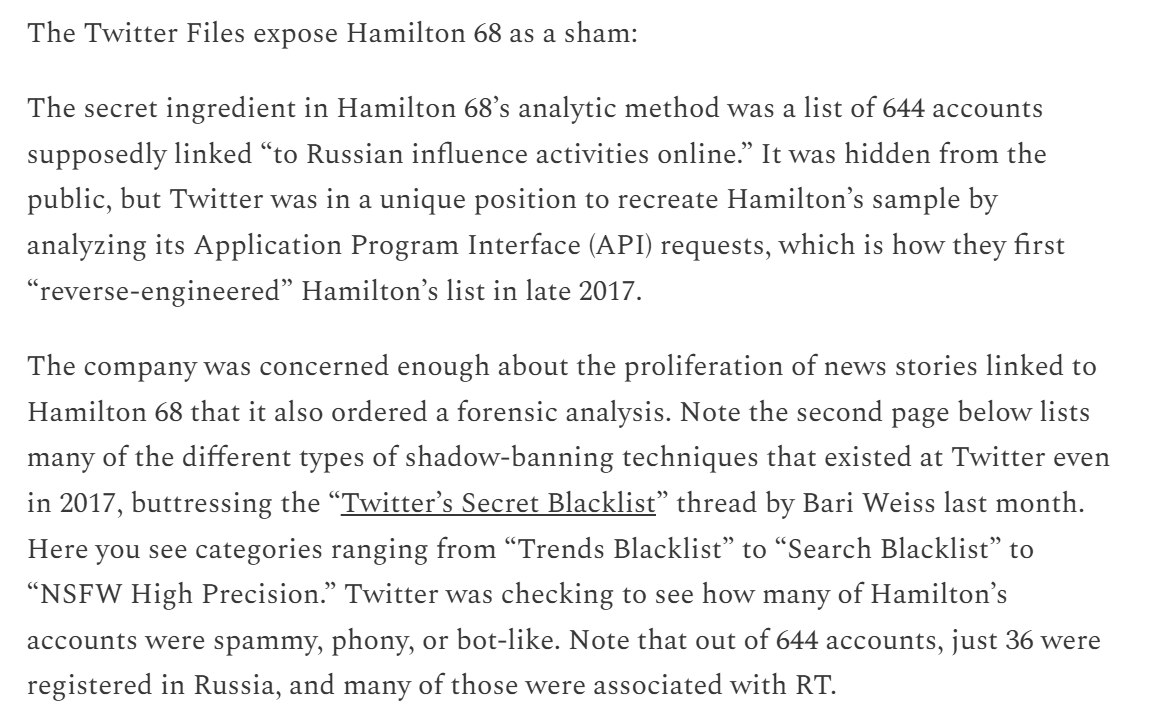
(You can see how easily national security concerns were weaponized against domestic opponents.)

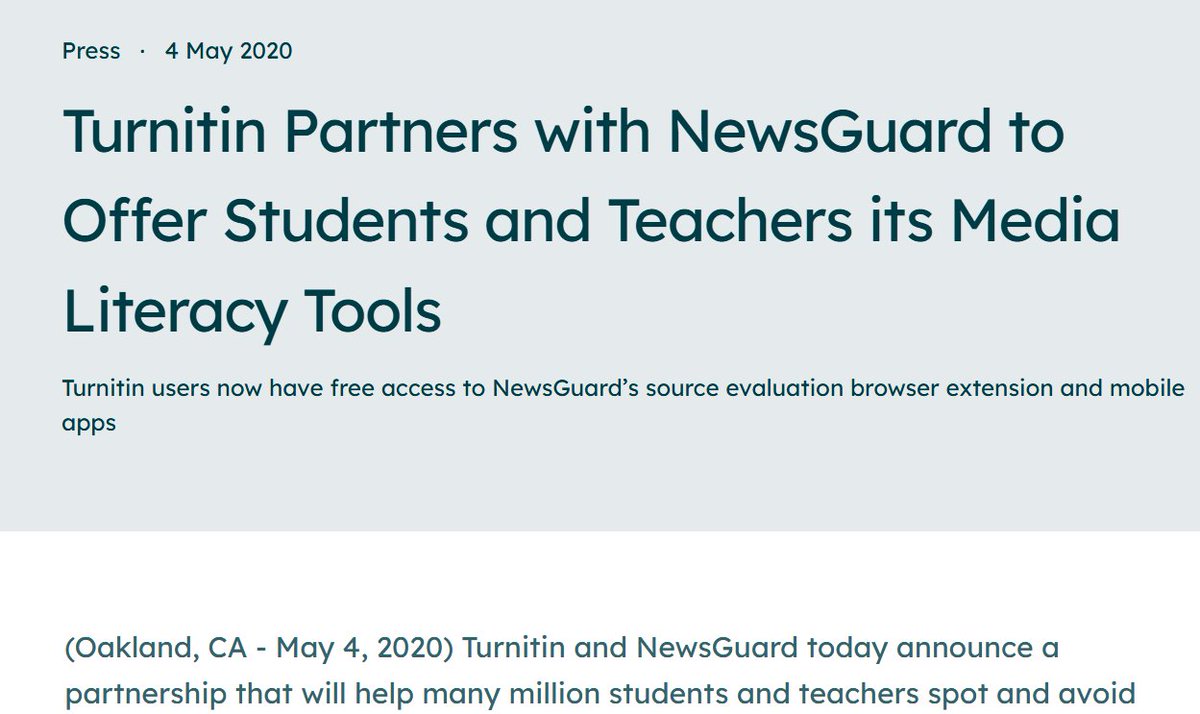
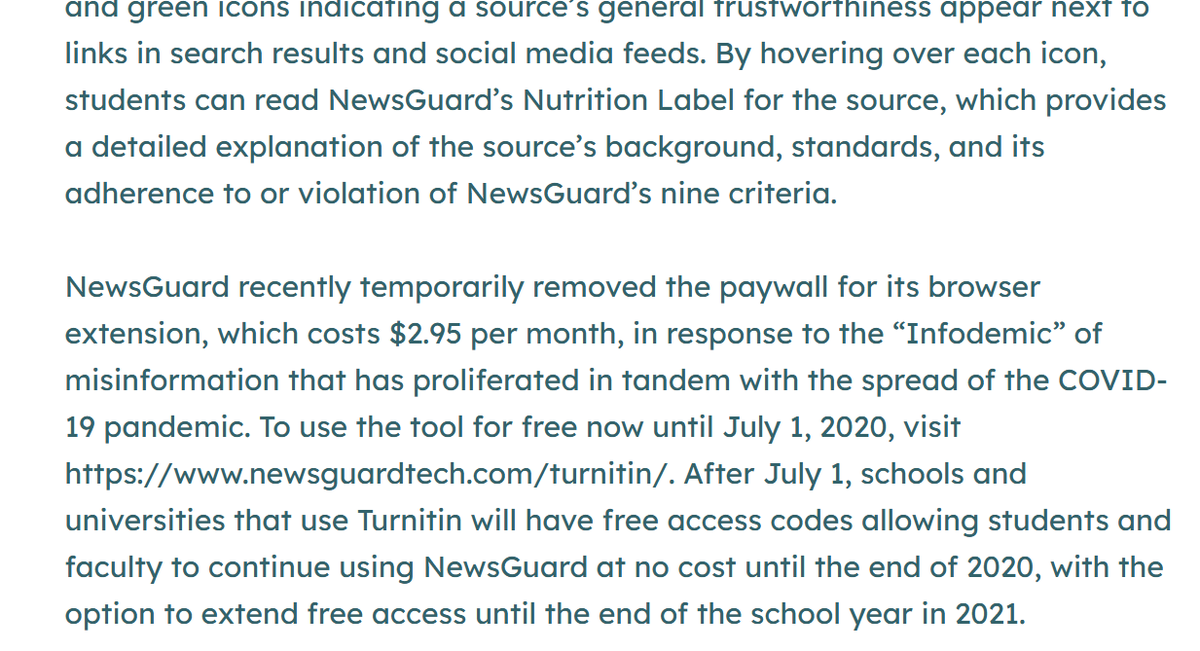
Another example of what these orgs looks like: Turnitin, which created a browser extensions for students that automatically flagged "misinformation."
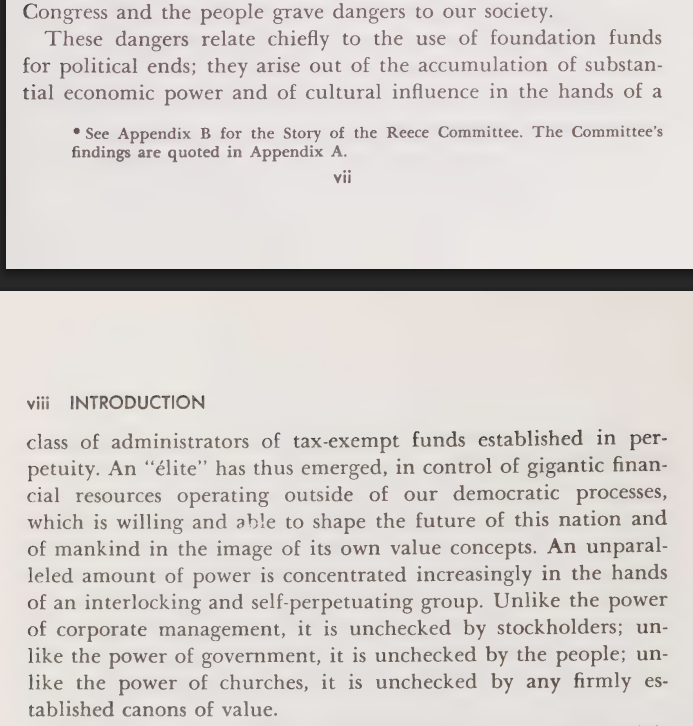
Many fact-checking orgs were funded by, who else, the EU. The other major sources of funding were the tech platforms using them as ground truth and the big US foundations (think Ford Foundation), which have been notoriously leftist since the 60s.

Another problem with these orgs: flagging obvious satire like the Babylon Bee. Why was this a problem? Because this automatically led to algorithmic suppression and potential demonetization on tech platforms.
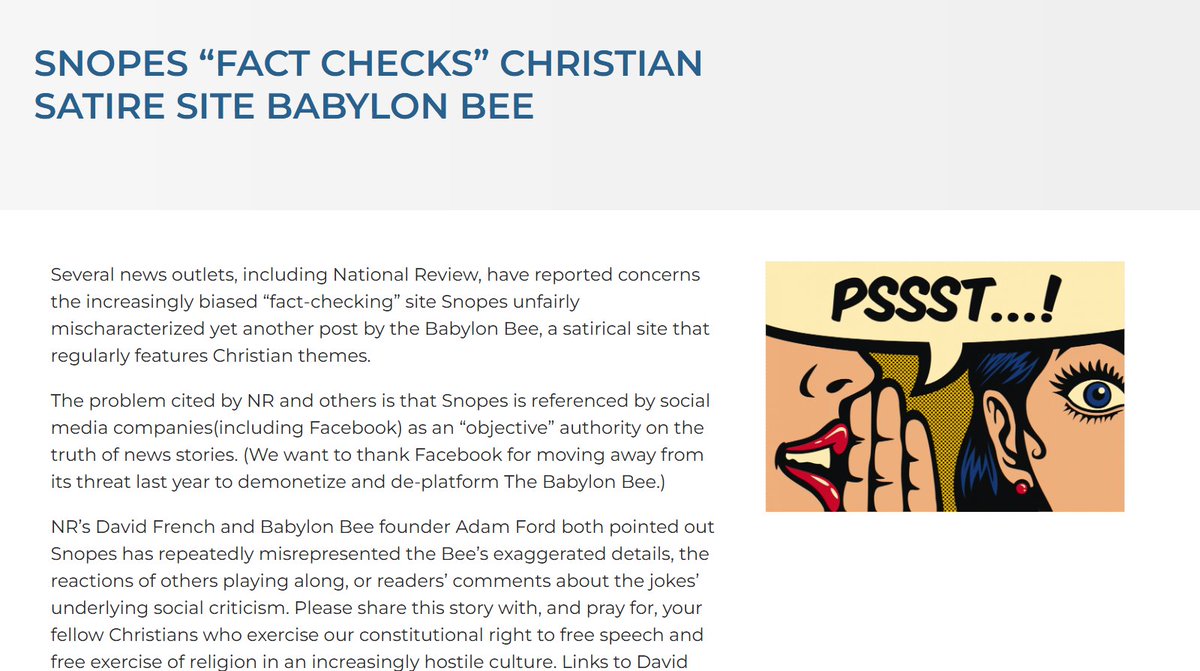
The problems with fact-checking orgs can be summed as follows:
1) These were partisan, left-leaning, and Democratic orgs. Even strictly within the bounds of factuality, there is (what you check vs don't, what counts as misleading, etc) almost infinite grounds for bias...
1) These were partisan, left-leaning, and Democratic orgs. Even strictly within the bounds of factuality, there is (what you check vs don't, what counts as misleading, etc) almost infinite grounds for bias...

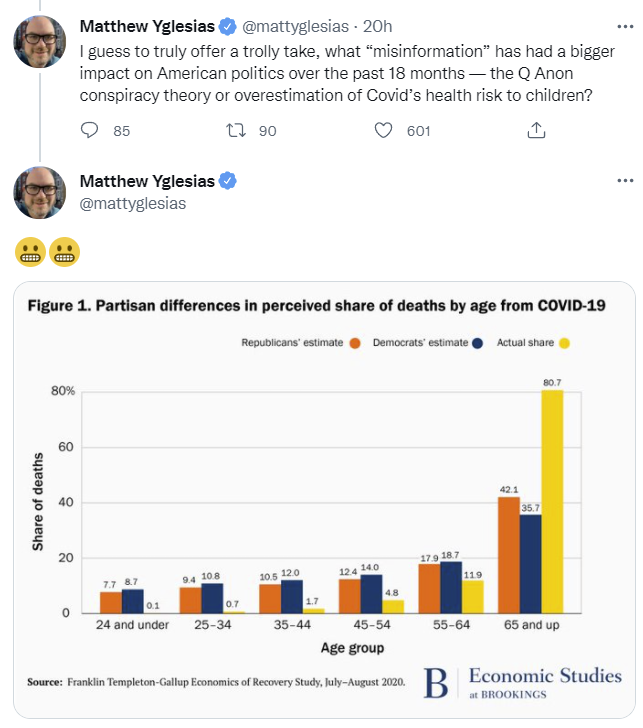
(As an example: fact-checking claims that COVID wasn't very dangerous in 2020 by pointing out it was 10x as dangerous as the flu, and failing to do similar quantitative fact-checks for claims that huge numbers of unarmed blacks were slaughtered by police)
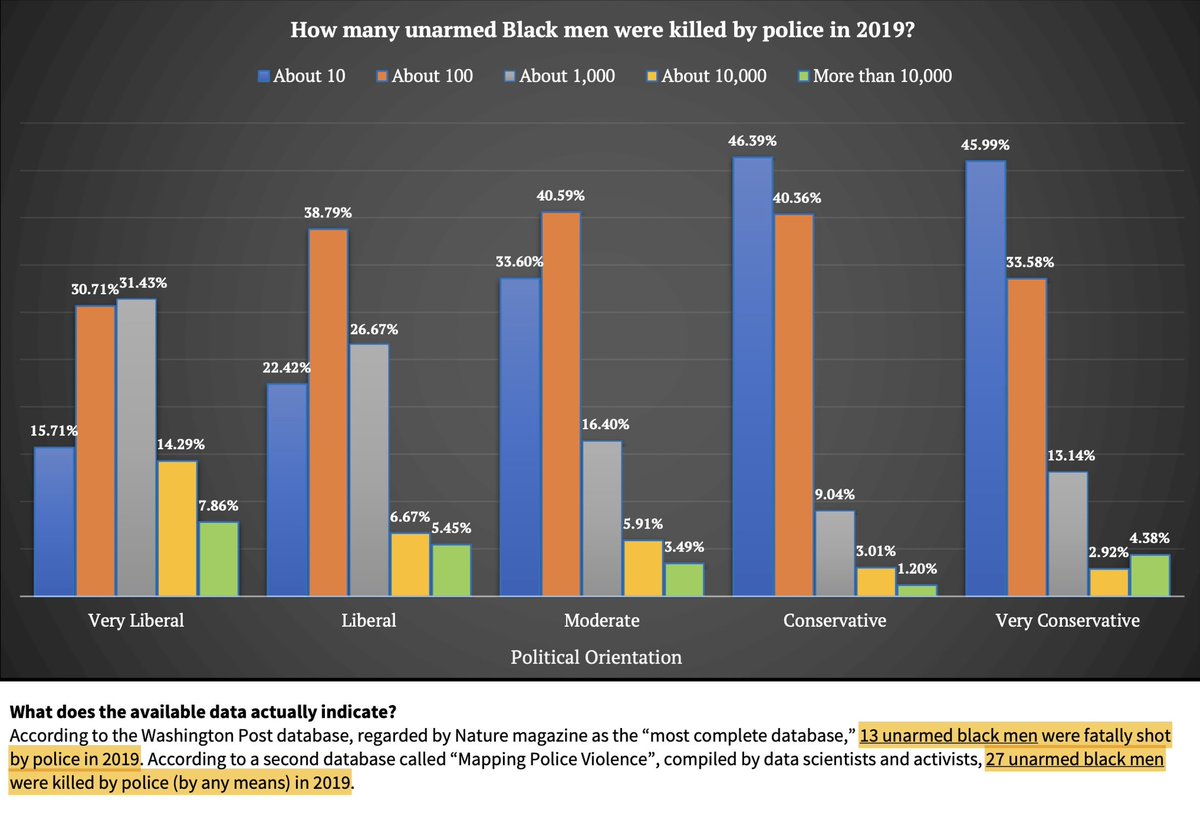
2)...and these orgs did not stay strictly within the bounds of factuality; they were regularly wrong (eg COVID lab leak, actually almost everything related to COVID and the lockdowns, Hunter Biden laptop) and often waded into strictly political issues (mail-in ballots).
What you see with people who trust fact-checkers is that they are usually more than right on average (an extremely low bar) on most issues, but badly and systematically wrong (ironically, misinformed) on select issues of key national importance (eg COVID, police shootings).
These orgs produced countless "media bias charts" which are taught in middle schools right now, and look like this. AP, to their credit, is often misleading but rarely lies, but NPR? HuffPost?:
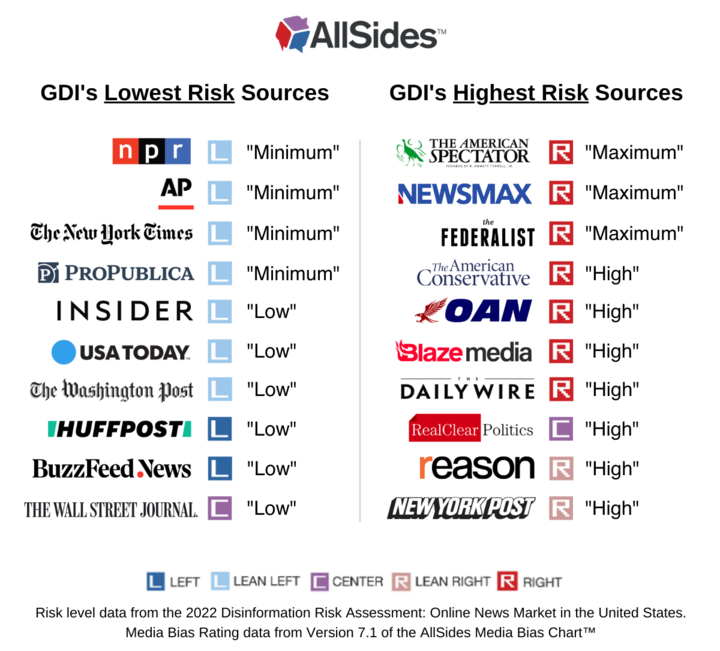
Or this. (LOL at Socialist Alternative being on par with the New York Post, or AP and Reuters not being solidly 'skews left')
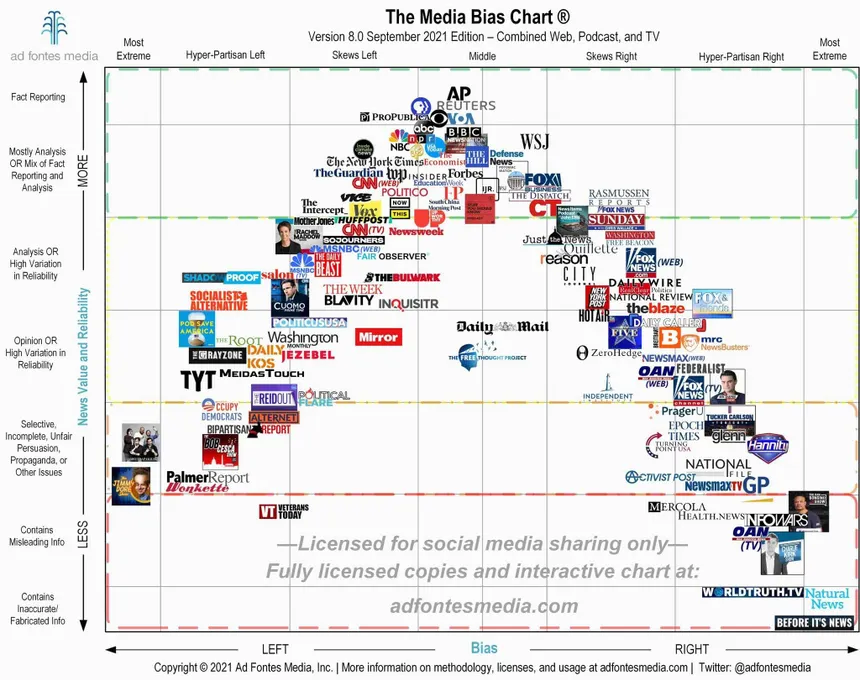
So you had "ground truth" deputized to a network of (Democratic, left-wing) partisans, whose personal views not only gained the sheen of neutral fact-checking, but had the power to systematically censor and suppress literally billions of social media posts.
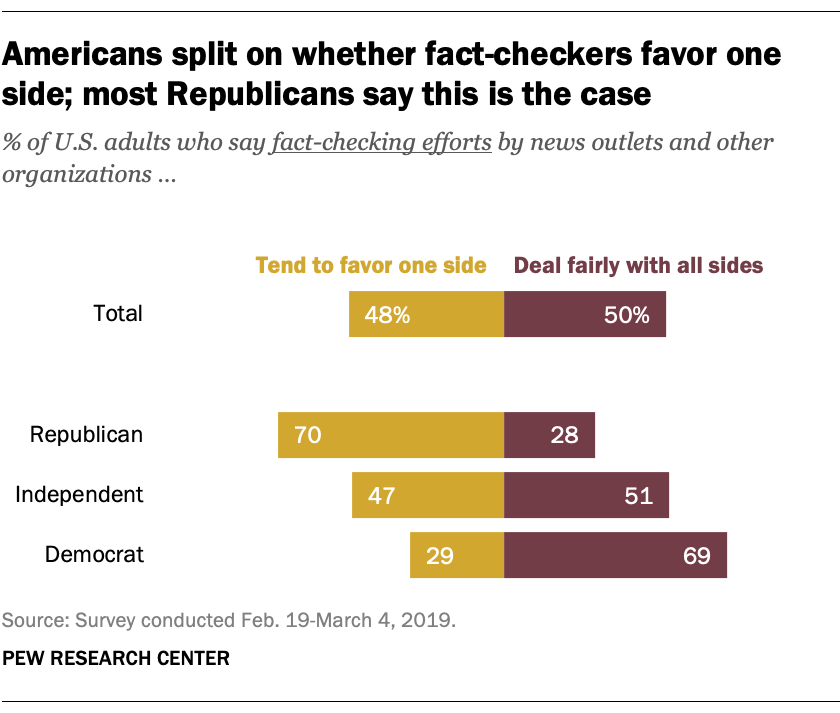
These fact-check networks were often publicly funded, and ~always funded by tax-advantaged foundations. They should be seen as a decentralized version of China's censorship apparatus. But it's worse, because unlike China, official truth changes daily and is never explicit.
Sources used in this thread:
ncll.org/news-alerts/sn…,
web.archive.org/web/2023080401…,
washingtonexaminer.com/news/2749593/d…,
turnitin.com/press/turnitin…,
digital-strategy.ec.europa.eu/en/policies/fu…,
racket.news/p/move-over-ja…,
atlanticcouncil.org/programs/digit…,
insidehighered.com/news/faculty-i…,
en.wikipedia.org/wiki/Trusted_N…,
poynter.org/fact-checking/…,
transparency.meta.com/features/how-f…,
en.wikipedia.org/wiki/Poynter_I…
ncll.org/news-alerts/sn…,
web.archive.org/web/2023080401…,
washingtonexaminer.com/news/2749593/d…,
turnitin.com/press/turnitin…,
digital-strategy.ec.europa.eu/en/policies/fu…,
racket.news/p/move-over-ja…,
atlanticcouncil.org/programs/digit…,
insidehighered.com/news/faculty-i…,
en.wikipedia.org/wiki/Trusted_N…,
poynter.org/fact-checking/…,
transparency.meta.com/features/how-f…,
en.wikipedia.org/wiki/Poynter_I…
• • •
Missing some Tweet in this thread? You can try to
force a refresh