
We already knew the Kremlin was sending men to die in Ukraine.
But a new @dossier_center investigation based on leaked military records shows it's far worse than anyone imagined. For soldiers in front-line assault units, the odds of surviving the war are approaching zero.
(Read on)
But a new @dossier_center investigation based on leaked military records shows it's far worse than anyone imagined. For soldiers in front-line assault units, the odds of surviving the war are approaching zero.
(Read on)
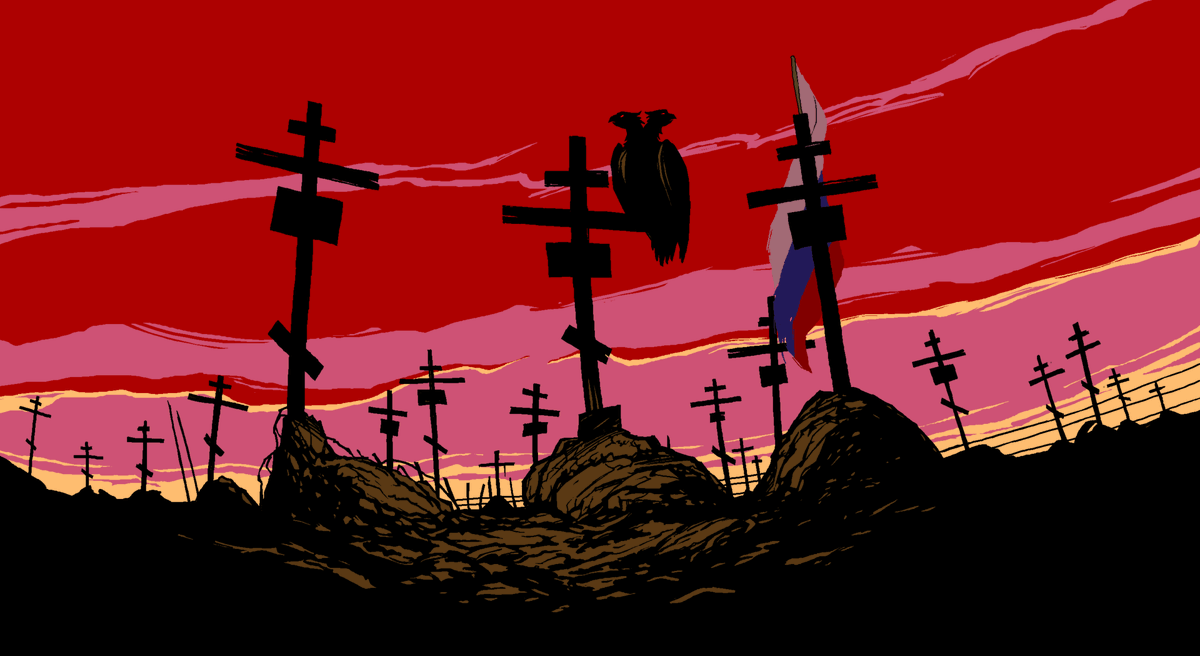
According to internal documents, more than 28,000 soldiers were assigned to a single Russian division in 2024. Its full wartime strength should not exceed 14,000.
That means roughly a whole division's worth of personnel was lost in one year — killed, wounded beyond return, captured, or missing.
[2/12]
That means roughly a whole division's worth of personnel was lost in one year — killed, wounded beyond return, captured, or missing.
[2/12]
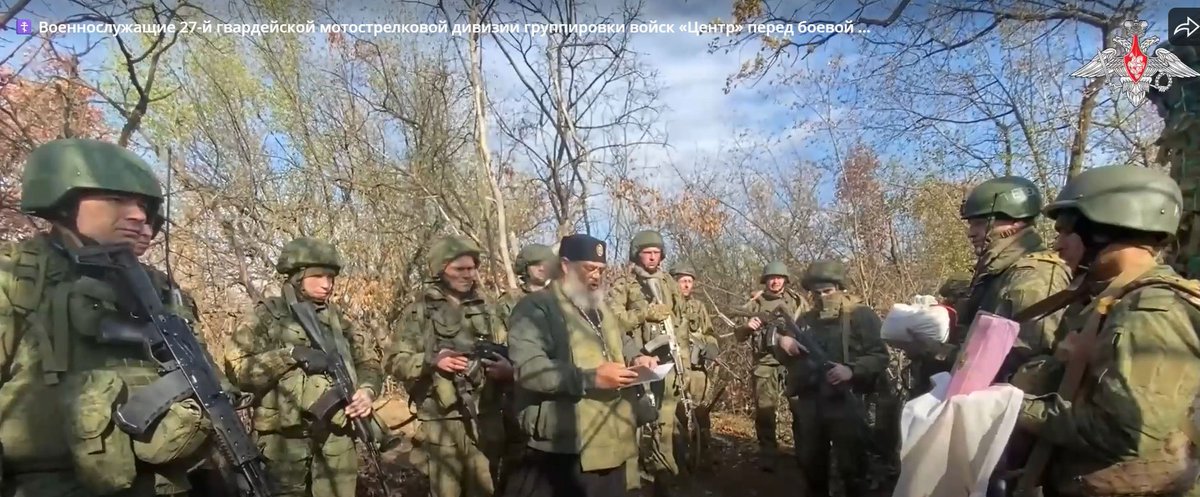
This unit has been at the front line since April 2024 and has never been withdrawn for rest or reconstitution. Instead, it is sustained by a constant inflow of new recruits from across Russia, sent directly into assault groups to replace the dead. They die. They are replaced. The cycle continues.
[3/12]
[3/12]

The structure mirrors what Wagner Group did under Prigozhin: a relatively protected core of command and support staff, and expendable assault units fed by a steady stream of fresh bodies.
The difference is that Wagner relied on convicts. Today, many filling the same role are ordinary citizens who signed contracts — often with little understanding of what they were walking into.
[4/12]
The difference is that Wagner relied on convicts. Today, many filling the same role are ordinary citizens who signed contracts — often with little understanding of what they were walking into.
[4/12]

Officially, Russia recorded just 12 deaths for this division in all of 2024. In reality, nearly 4,800 soldiers are listed as "missing for more than one day." Cross-referencing the data suggests most of them are dead.
[5/12]
[5/12]
Independent estimates put the real toll at roughly 5,000 killed or missing, and up to 10,000 severely wounded and permanently removed from service. That's around 15,000 irreversible losses from a single unit in a single year.
[6/12]
[6/12]
A new recruit joining this division had a 15-17% chance of being killed within a year, and a 30-35% chance of suffering an injury that ended their service permanently. For those assigned to assault roles — which is where most new recruits are sent — the odds were even worse.
[7/12]
[7/12]
New soldiers are not distributed evenly. They are overwhelmingly funneled into front-line rifle companies where losses are highest. In one regiment alone, more than 6,800 soldiers passed through in 2024. Around 5,000 were lost.
[8/12]
[8/12]
The data also shows that older soldiers are more likely to be killed, and many officers are not career professionals but reservists or hastily trained personnel. This is not an army built for sustainability. It is built to absorb losses.
[9/12]
[9/12]
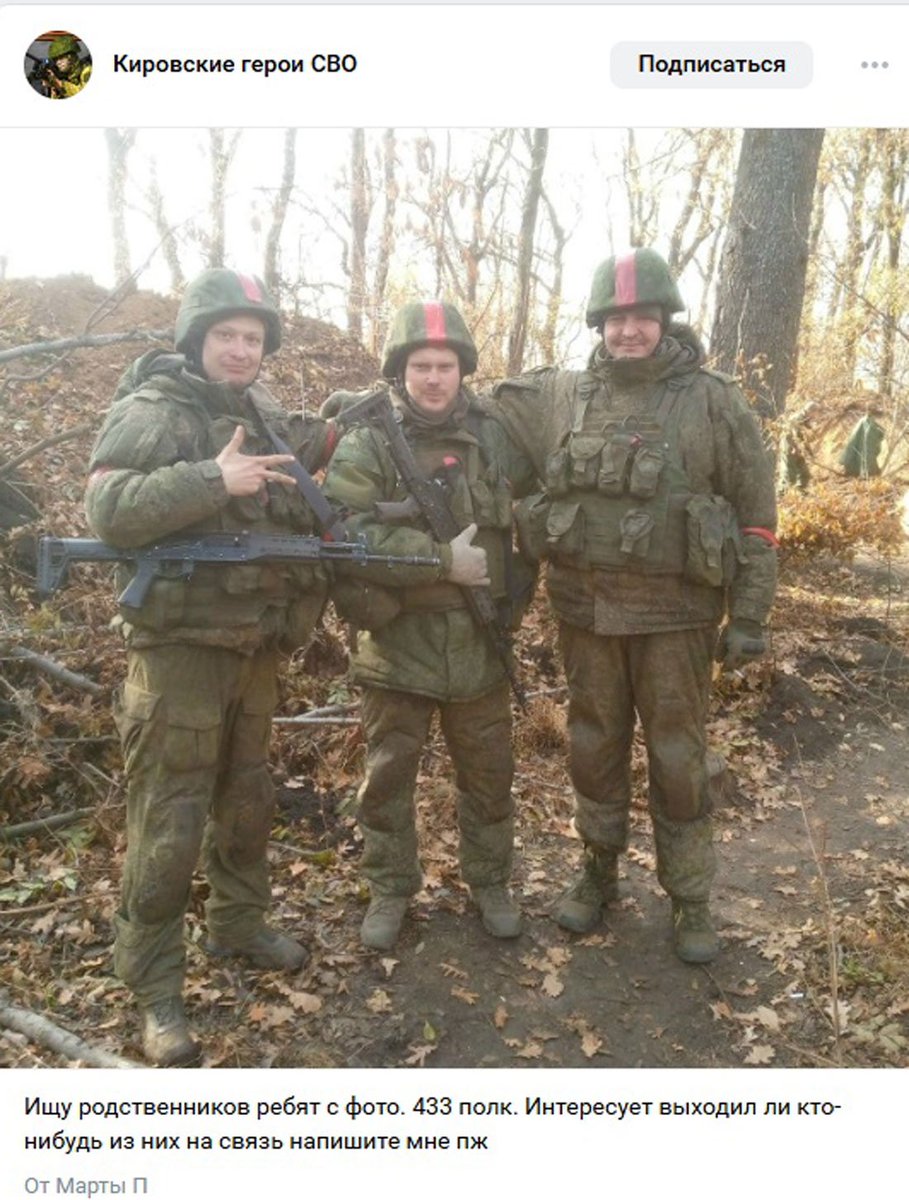
Over two years of fighting, this division advanced roughly 50 kilometers — taking tens of thousands of casualties in the process. This isn't speculation or battlefield anecdotes. It's based on internal personnel records that were never supposed to be made public.
[10/12]
[10/12]
Putin's complete disregard for human life — including the lives of his own citizens — should surprise no one at this point. He doesn't care how many people need to die, Russians or Ukrainians, as long as he remains in power.
[11/12]
[11/12]
• • •
Missing some Tweet in this thread? You can try to
force a refresh






