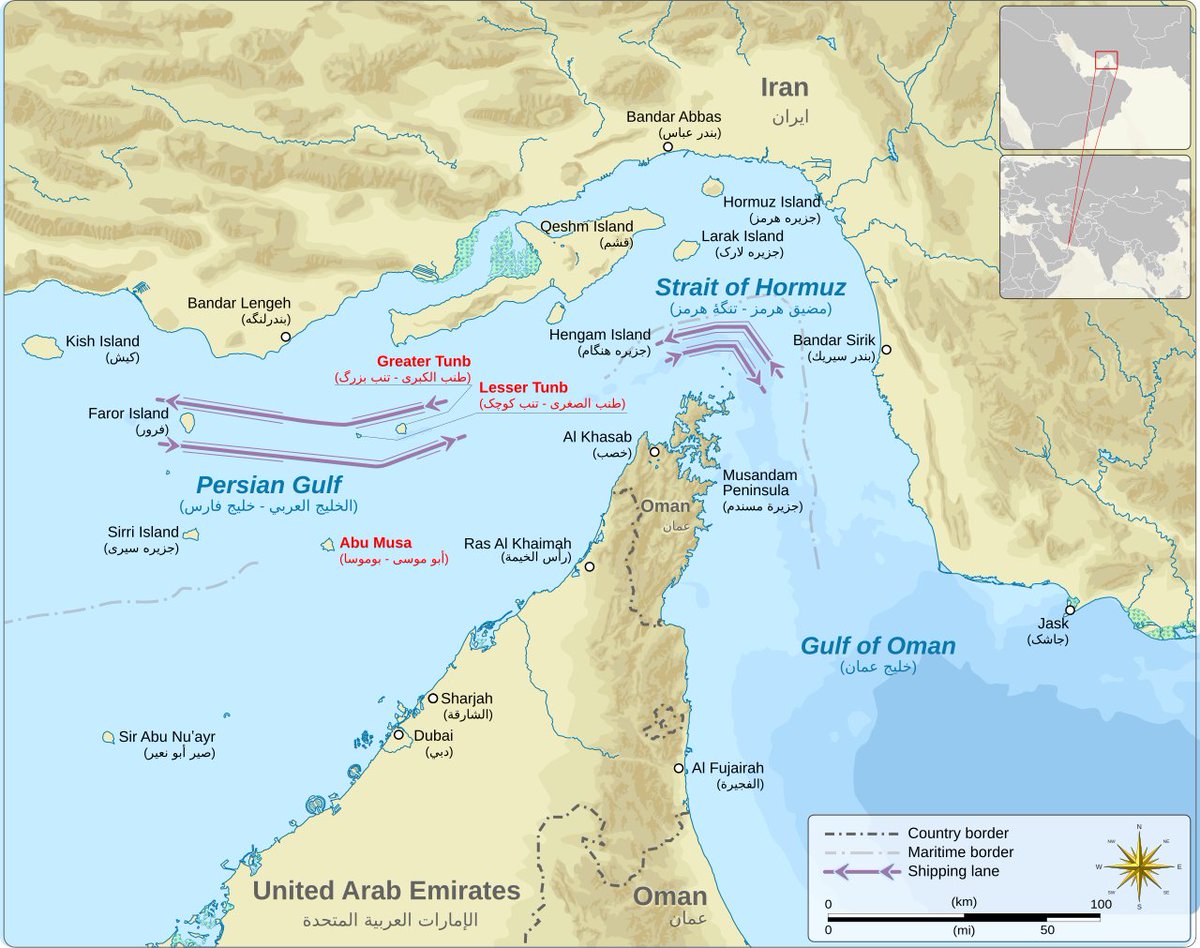
1/ Claims by pro-Russians that Ukrainian drone attacks on Russian Baltic ports went via Poland and the Baltic states have been met with scepticism by warblogger 'Fighterbomber'. If that's so, why has Russia not protested to those states?, he asks. ⬇️ 
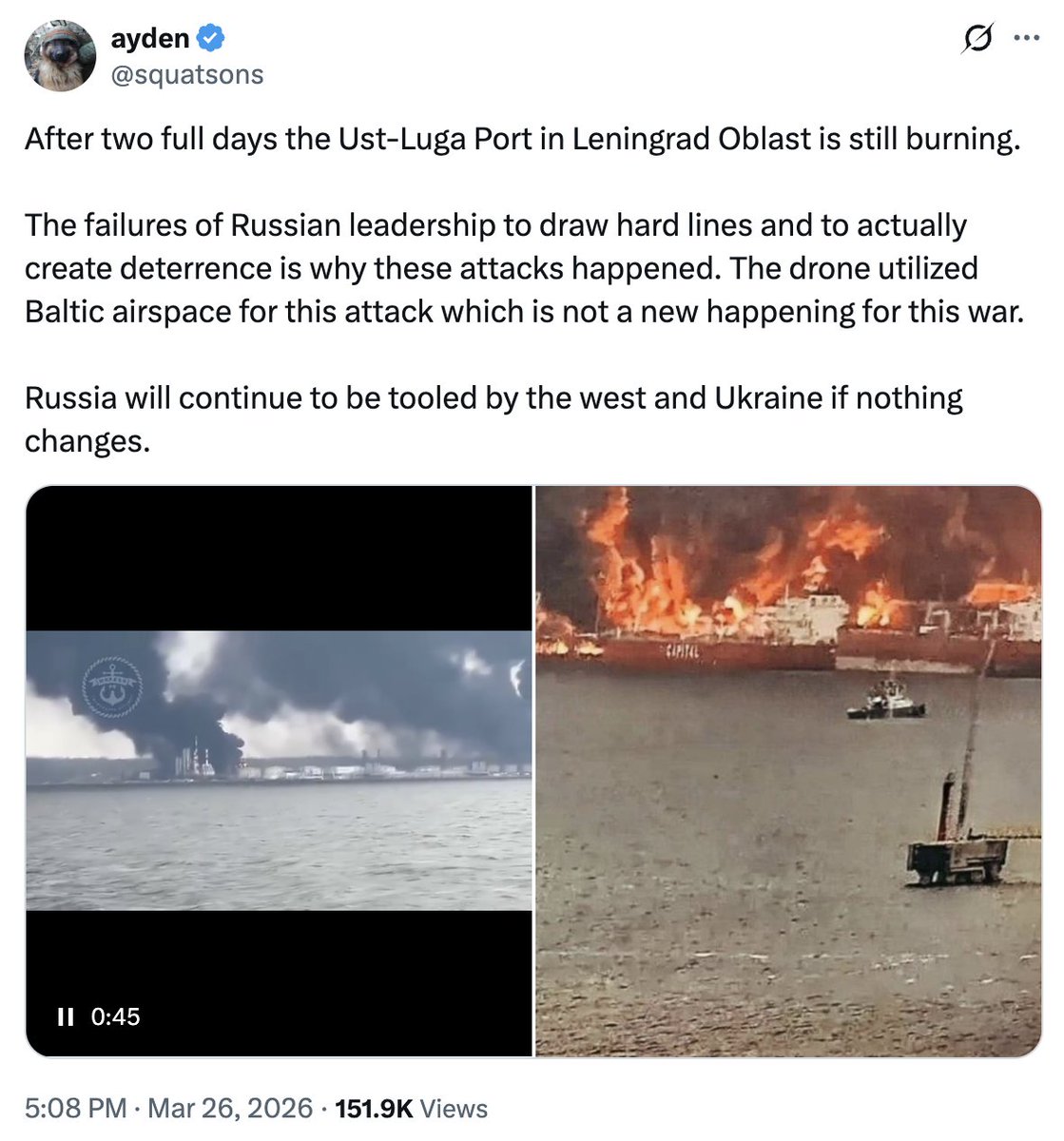
2/ 'Fighterbomber', who has close links with the Russian Air Force, points out what Conan Doyle might have called the dog that didn't bark: the fact that the Russian government has said nothing about Ukrainian drones supposedly being routed over NATO territory:

3/ "Well, first of all, the airspace bordering Russia has been closed in countries like Poland and the Baltics for a long time.
Accusations from beauty bloggers that drones are being launched from the territory of these countries have been circulating for several years as well.
Accusations from beauty bloggers that drones are being launched from the territory of these countries have been circulating for several years as well.
4/ "No evidence whatsoever, aside from arrows and lines drawn “from verified and unparalleled sources,” has ever been presented.
I don’t recall our Foreign Ministry ever issuing any official protests regarding the use of these countries’ airspace for attacks on Russia.
I don’t recall our Foreign Ministry ever issuing any official protests regarding the use of these countries’ airspace for attacks on Russia.
5/ "It's unlikely that these actions by the Foreign Ministry would necessarily entail a nuclear strike against these countries, or a declaration of war against them.
In other words, I’m hinting that if we had something to hold against them, we could do so.
In other words, I’m hinting that if we had something to hold against them, we could do so.
6/ "We’d eventually bombard them with brown lines or inform them that we’re aware of their involvement in one form or another. Even if they weren’t aware and were used without their knowledge, they’re still responsible for what’s going on in their country.
7/ "Airspace is also part of a country. Whether it’s closed off or slightly open—nobody cares.
But that did not happen.
But that did not happen.
8/ "This means that the theory regarding the drones’ route through these countries either lacks evidence (though this usually doesn’t stop anyone from voicing protests) or is not considered valid by our side.
9/ "At the same time, I would like to remind you that the Belarusians allowed us to use the territory and airspace of the Republic of Belarus as we saw fit for military purposes against Ukraine, and this did not result in strikes against Belarus from the Ukrainian side.
10/ "But if the territories of these countries are indeed being used to launch strikes against Russia, that raises even more questions.
11/ "Our top brass has been telling us for a long time that we’re at war with all of NATO, not just the Ukrainians. These countries are NATO countries through and through. The very ones from whose territory NATO would attack us 100% of the time, if it came to that.
12/ "The very ones we were preparing to fight in the late ’80s.
And it won’t attack using drones made of shit, sticks, and cardboard. But with missiles, aircraft, shells, and other high-tech weapons that are much harder to take down than those slow-moving drones.
And it won’t attack using drones made of shit, sticks, and cardboard. But with missiles, aircraft, shells, and other high-tech weapons that are much harder to take down than those slow-moving drones.
13/ "It’s hard to imagine what would happen in that case. Of course, the inevitable and long-awaited nuclear catfight. But that’s not certain.
But that doesn’t explain why something could fly at us from the territory of those countries without any resistance on our part.
But that doesn’t explain why something could fly at us from the territory of those countries without any resistance on our part.
14/ "Especially since the attack lasted three days. And it’s happening again today. It wasn’t a surprise.
And it doesn’t explain how [defending against] such a strike could be screwed up [by us]." /end
Source:
t.me/bomber_fighter…
And it doesn’t explain how [defending against] such a strike could be screwed up [by us]." /end
Source:
t.me/bomber_fighter…
Worth also noting:
https://x.com/i/status/2037302875638858081
• • •
Missing some Tweet in this thread? You can try to
force a refresh