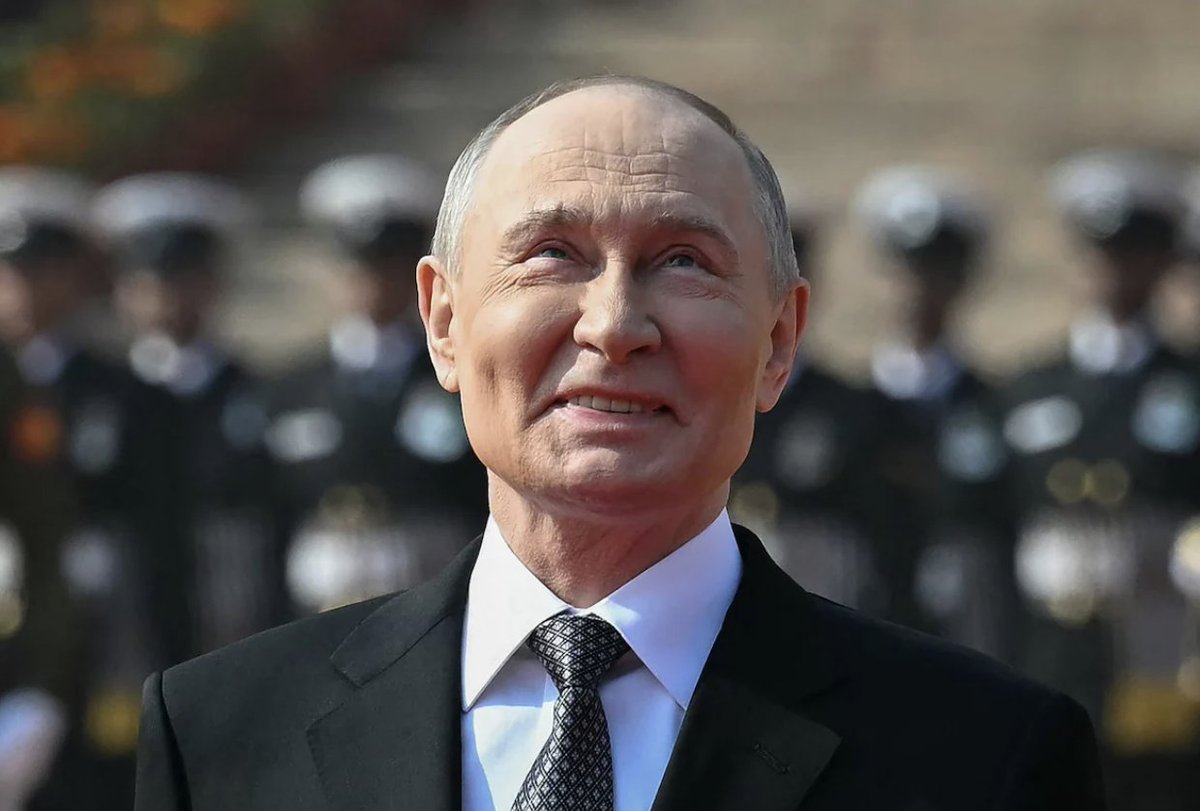
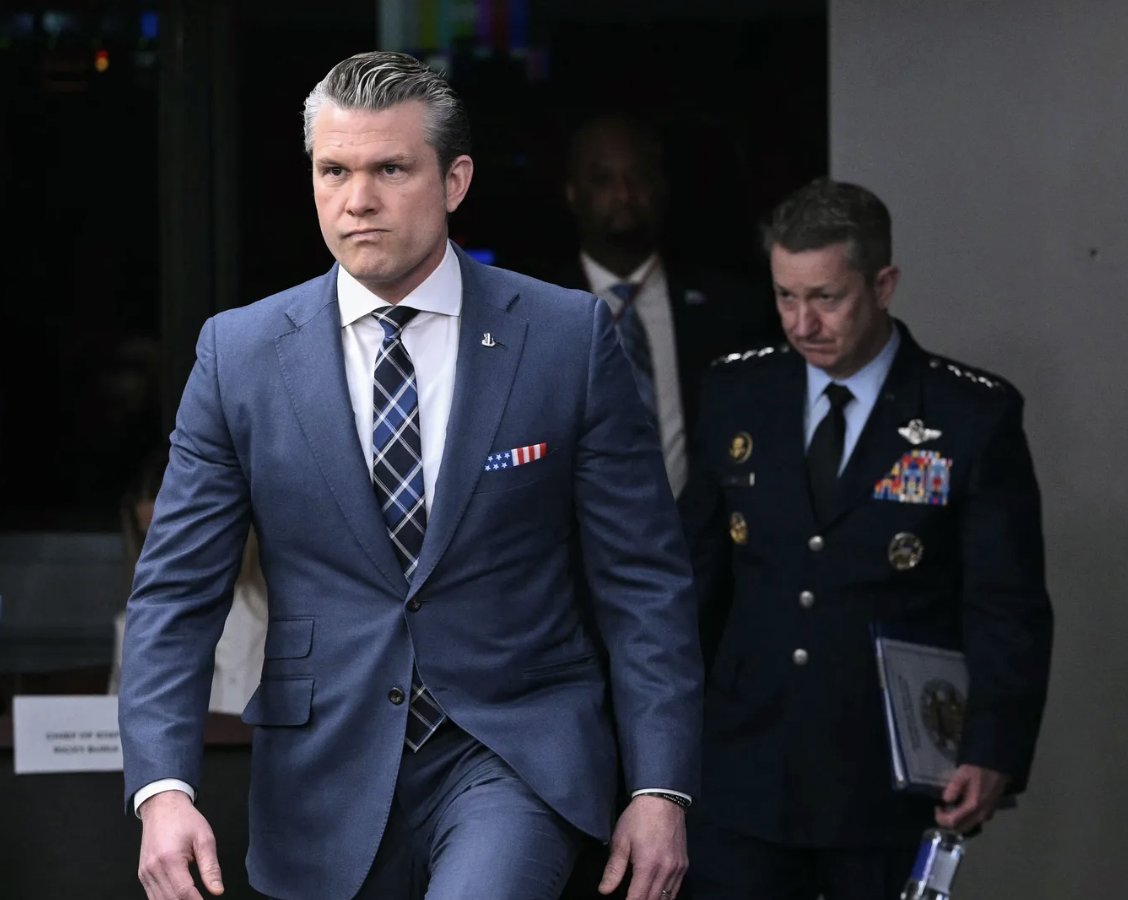
US senators move to sanction Hungary over blocking Ukraine aid.
A bipartisan bill from Shaheen and Tillis would target Hungarian officials with asset freezes and visa bans for obstructing support to Kyiv and buying Russian energy — as Orbán holds up a €90B EU loan, FT. 1/
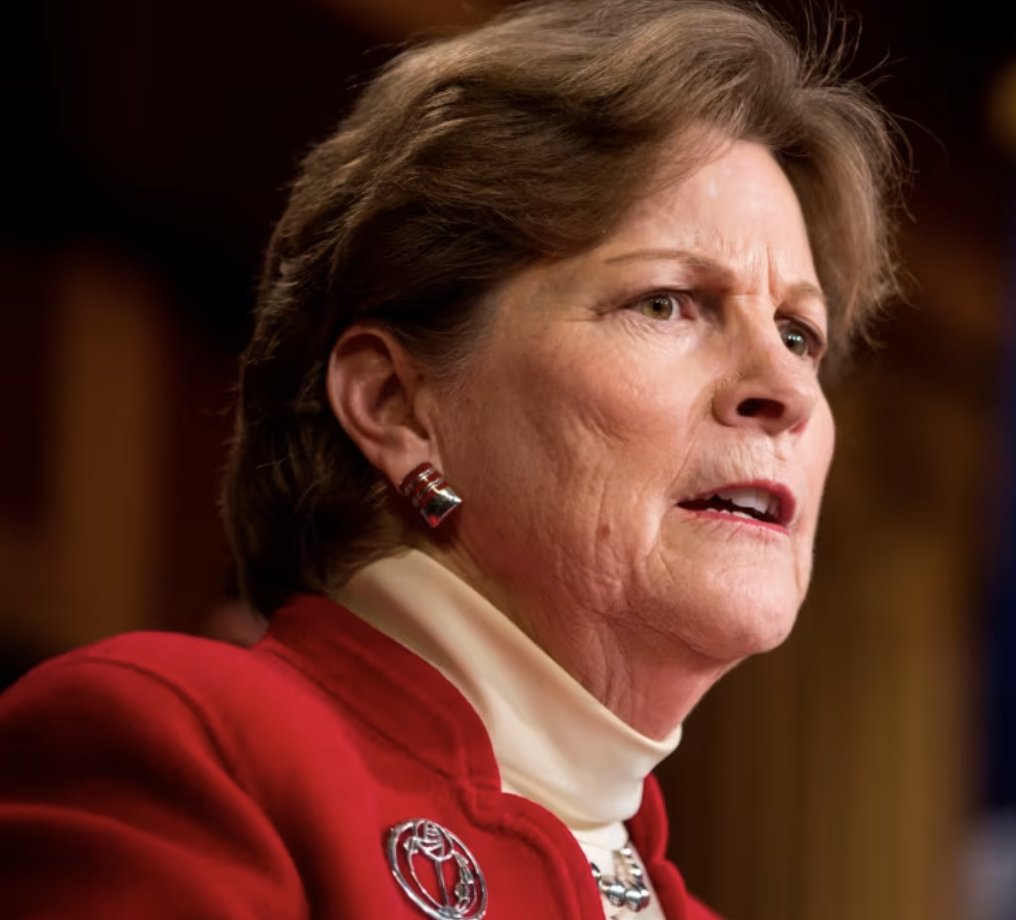
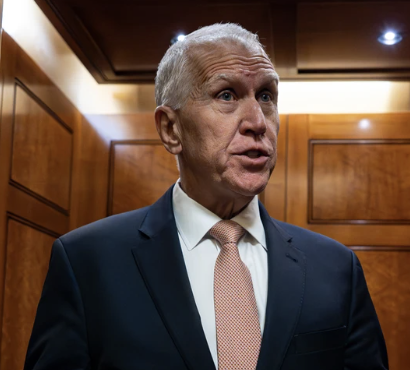
The “Block Putin Act” is led by Dem. Sen. Jeanne Shaheen and Rep. Sen. Thom Tillis.
It would force Trump to sanction officials tied to Russian oil and gas deals and efforts to block Ukraine support. 2/
The trigger is Budapest’s veto. Orbán is blocking a €90B EU loan to Ukraine ahead of elections where polls show his party trailing by 23 points against Tisza. 3/
Hungary has increased reliance on Russian energy since 2022 — alongside Slovakia — while most of Europe cut imports.
Orbán accuses Kyiv of restricting oil flows via the Druzhba pipeline through Ukraine. 4/
Orbán’s message: “No oil — no money.” He links Ukraine aid to reopening Russian crude transit, tying EU financing directly to energy concessions. 5/
Tillis: “Allies must cut revenue streams fueling Putin’s war.” Shaheen: “No country should get a free pass for enabling Moscow.” 6/
Trump has backed Orbán’s re-election. JD Vance may visit Hungary before the vote — signaling political support amid the dispute. 7X
Russia poured $11.8B into occupied Ukrainian territories in 2024–2026 — 3x more than the combined development funds for 20 other Russian regions — Reuters.
The money is permanently building occupied Ukraine into Russia — ahead of any peace deal. 1/
Reuters analyzed thousands of satellite images using a machine-learning model.
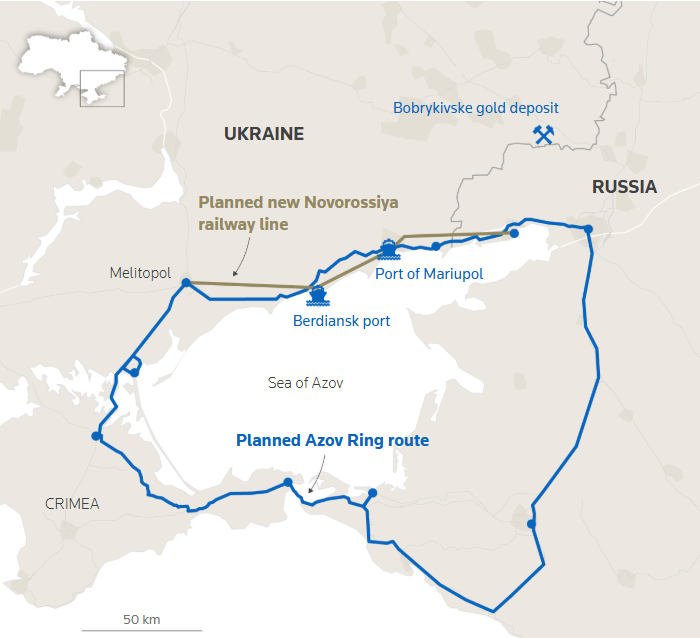
Result: 2,500+ km of railroads, highways and roads newly built or upgraded across occupied Donetsk, Luhansk, Zaporizhzhia and Kherson since 2022. 2/
Novorossiya Railways: $425M spent since 2023. A 525 km main line is under construction across all four occupied Ukrainian regions
Satellite images show a 60 km section in Donetsk already laid, built to deliver ammunition and military vehicles away from Ukrainian strike range. 3/
John Foreman: The factors that drove Putin to war have not been settled. Russia is not a great power.
Putin’s legacy is not secure. NATO expanded. Americans are still in Europe. Europe and NATO need to provide security guarantees to Ukraine to prevent Russia from reattacking. 1/
Foreman: American sanctions and pressure were having a serious effect on the Russian economy in December, January, February.
Then the Iran war happens, the pressure’s off, and there’s war fatigue in the West — Ukraine becomes “yesterday’s news,” mentioned mainly after missile attacks. 2/
Foreman: That has driven Ukrainians down the path of self-sufficiency. They can’t trust the Americans and they’re not going to get into NATO.
They are producing 60–65% of their own arms and placing long-term relationships in Europe. Some capabilities only allies can provide. 3X
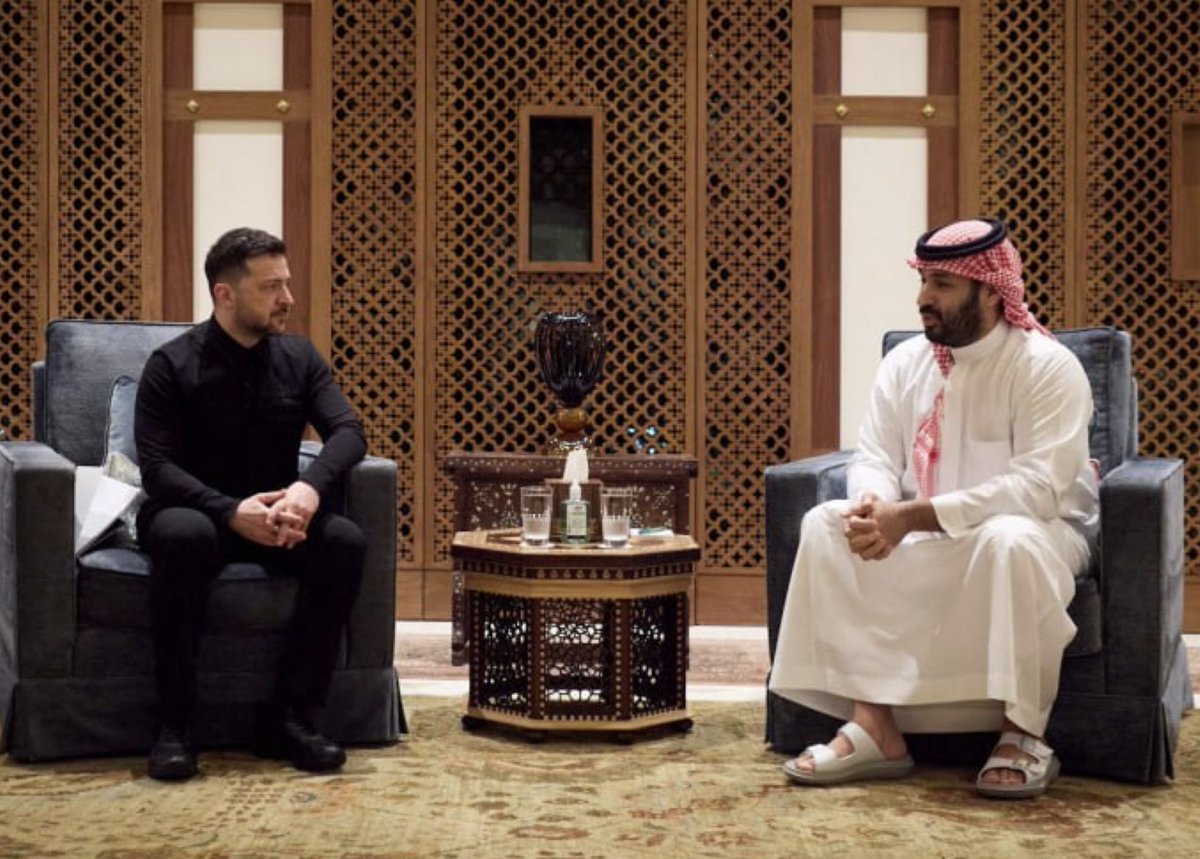
Zelenskyy: I signed a defense deal with Saudi Crown Prince Mohammed bin Salman.
We reached an important agreement between the defense ministries of Ukraine and Saudi Arabia on defense cooperation.
We are ready to cooperate with Saudi Arabia to better protect lives. 1/
Zelenskyy: The agreement lays the foundation for future contracts, technological cooperation, investment, and strengthens Ukraine’s international role as a security provider.
We are ready to share our expertise and systems with Saudi Arabia. 2/
Zelenskyy: For 5 years, Ukrainians have been fighting against the same kind of terrorist attacks using ballistic missiles and drones that the Iranian regime is now carrying out in the Middle East and the Gulf region. 3/
Iran may be winning the war despite losing battles.
Tehran's goal is to show US and Israel cost of confronting Iran is militarily, economically and politically unsustainable. Strategy is survive and exhaust — Foreign Affairs. 1/
Iran has been preparing for this war for nearly 40 years.
Tehran decentralized command, distributed political authority across regional nodes and cultivated multiple successors at every IRGC level. This enabled regime to withstand assassination of many high-ranking leaders. 2/
US and Israel's decapitation campaign created unexpected problem: replacement commanders are more dangerous.
Younger, fought Americans in Iraq and Israelis in Lebanon and Syria. They don't share older generation's caution who remembered catastrophic Iran-Iraq War costs. 3/
Putin is making $760M a day from oil as the Iran war drives prices higher.
Russia’s oil and gas revenues are set to double this month — from $12B to nearly $24B — boosted by price spikes and US sanctions waivers, Telegraph and KSE Institute. 1/
Even if the war ends soon, Russia’s energy revenues are projected at $218.5B this year. That’s +63% vs pre-war expectations — an $84B windfall under an optimistic scenario. 2/
If the conflict lasts 6 months, revenues could reach $386.5B. That’s +188% vs baseline projections — turning a regional war into a massive cash surge for Moscow. 3/
The Pentagon prepares “final blow” options for Iran.
Plans include ground invasions, seizure of key islands, and a massive bombing campaign if talks fail and Hormuz remains blocked, Axios. 1/
US officials outlined 4 main scenarios.
Seizing Kharg Island (Iran’s main oil hub), Larak (controls Hormuz), Abu Musa and nearby islands, or intercepting Iranian oil shipments in the strait. 2/
Plans also include strikes or raids on nuclear sites.
Options range from ground operations to secure enriched uranium to large-scale airstrikes to destroy facilities. 3/