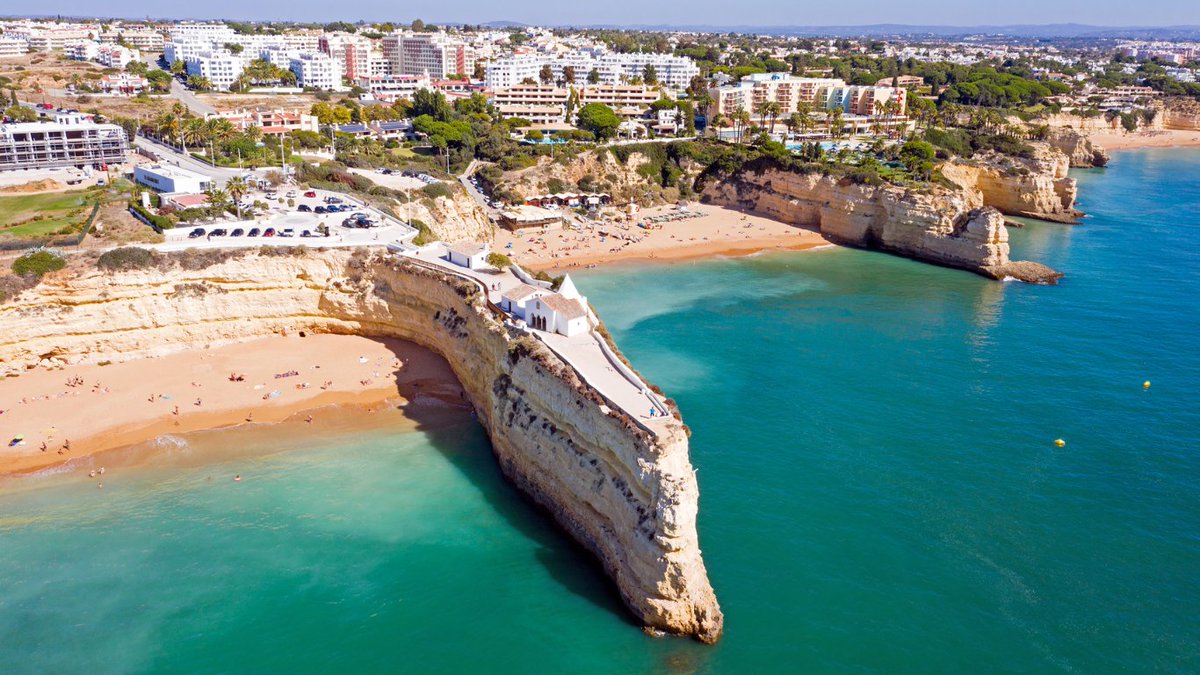
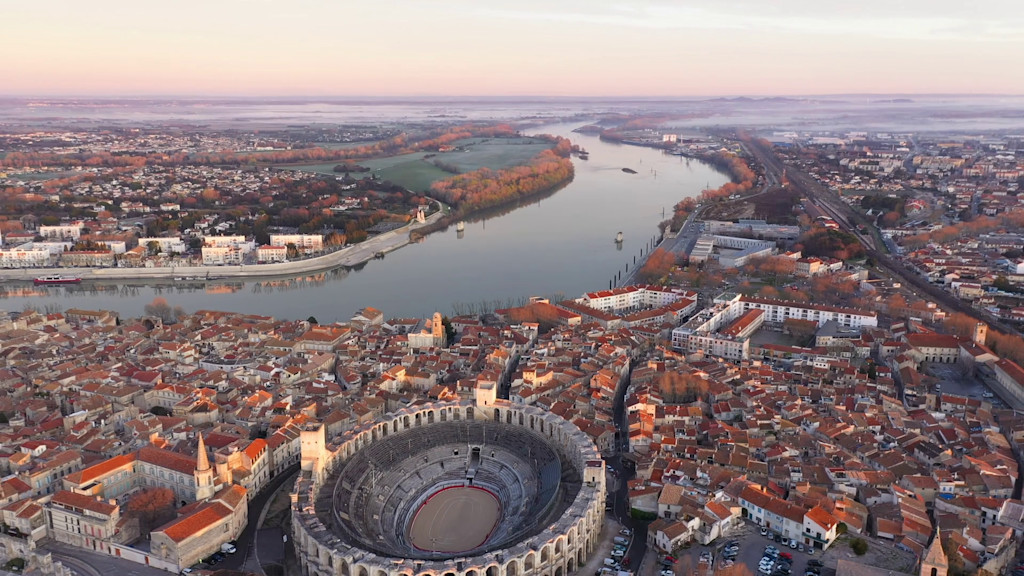
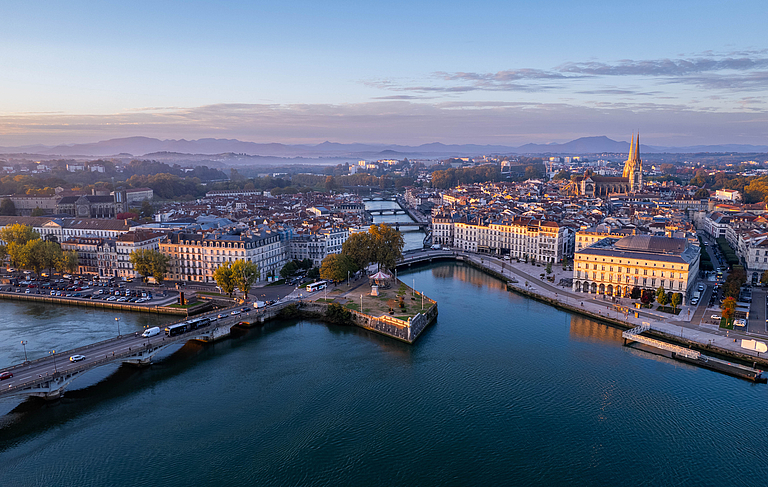
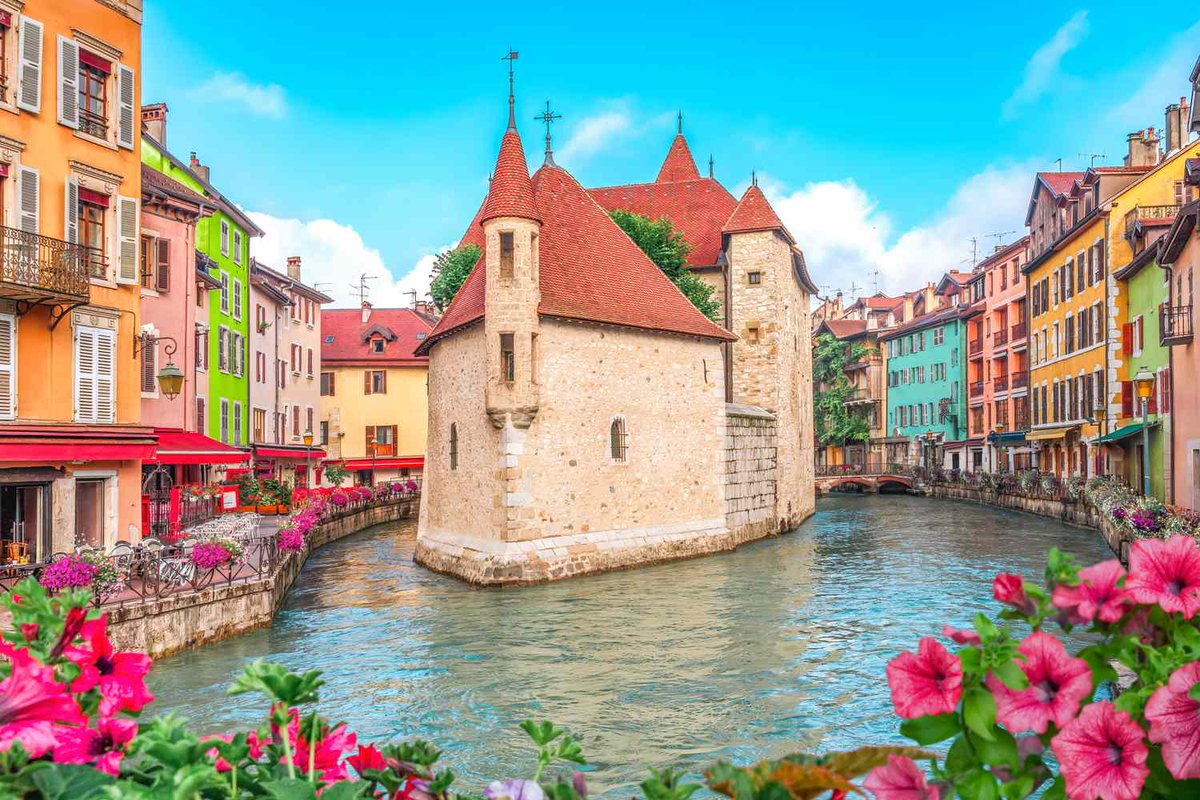
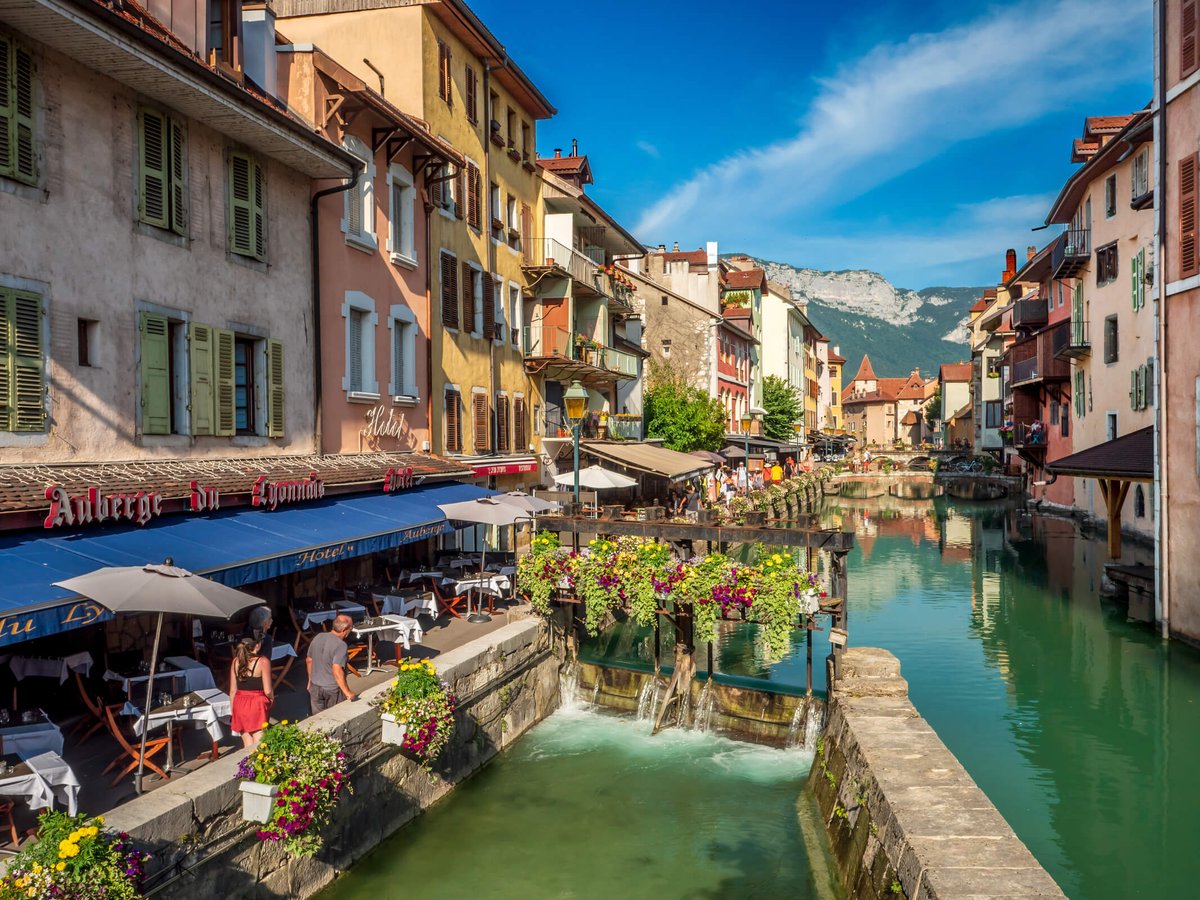
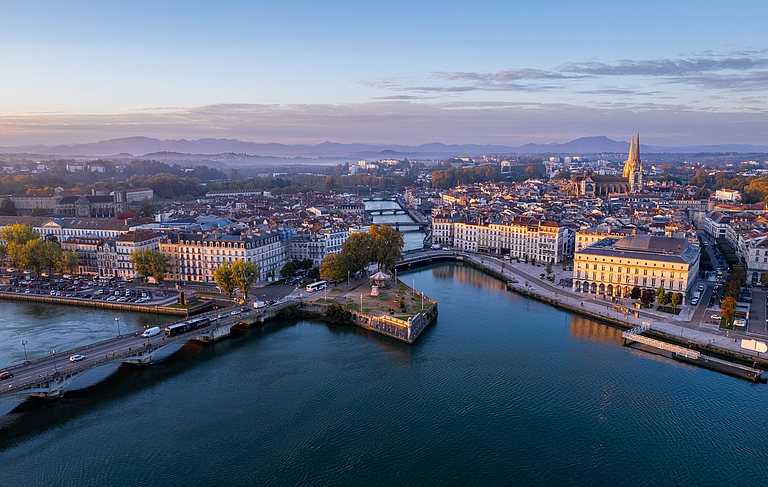
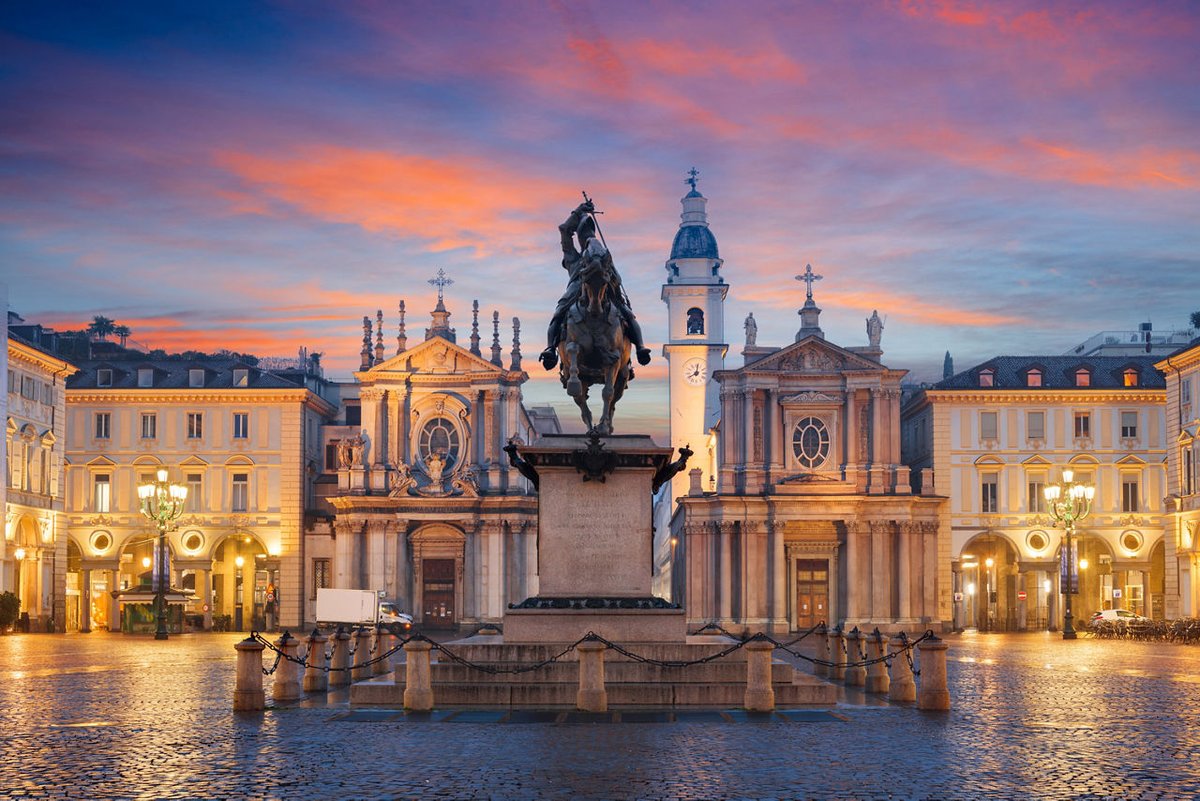
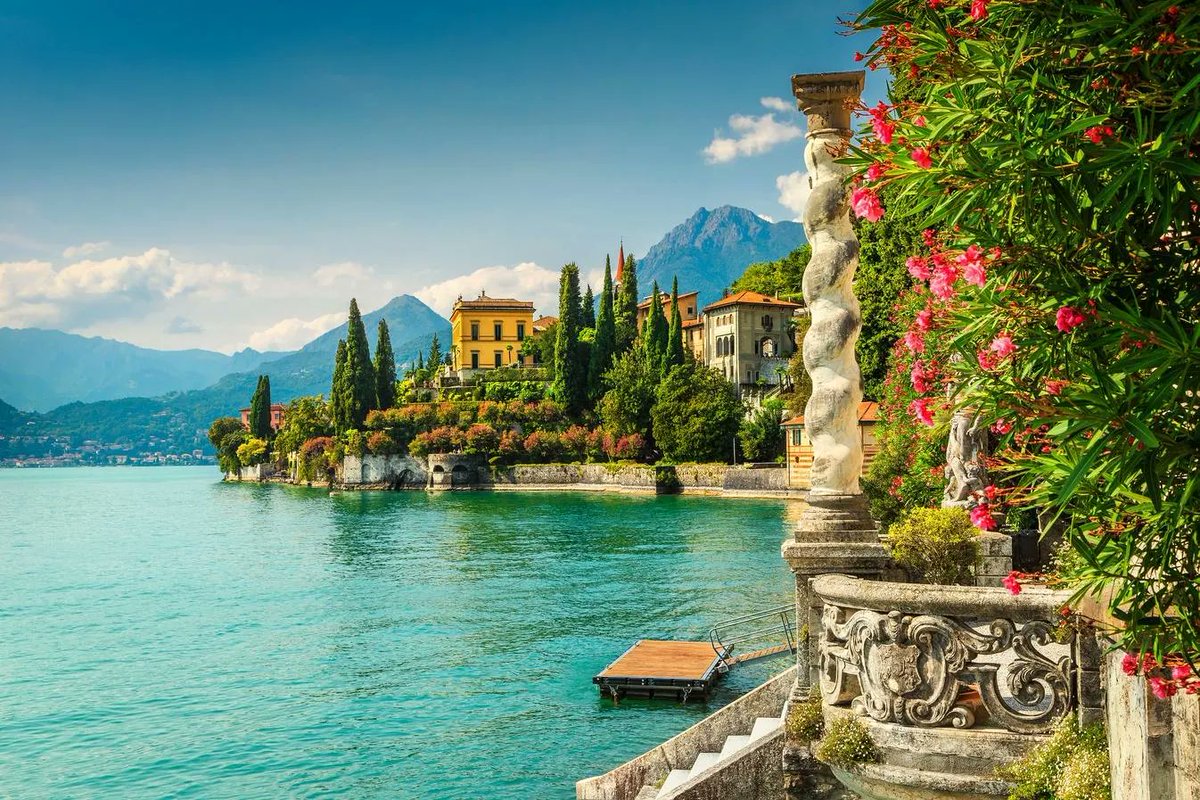
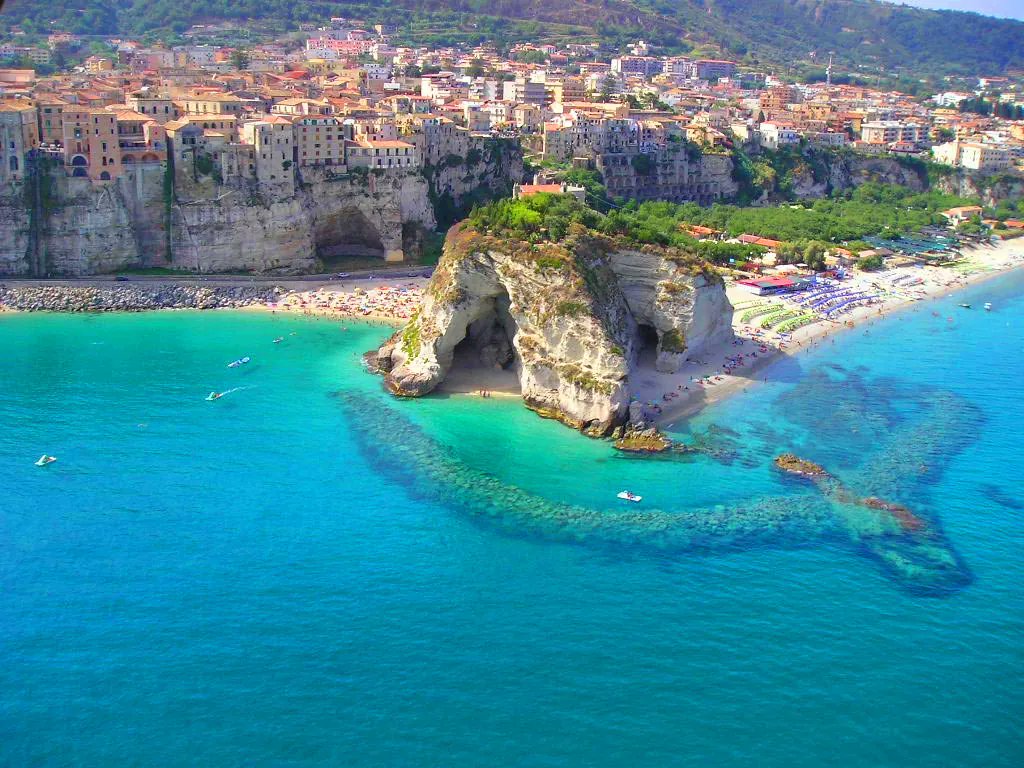
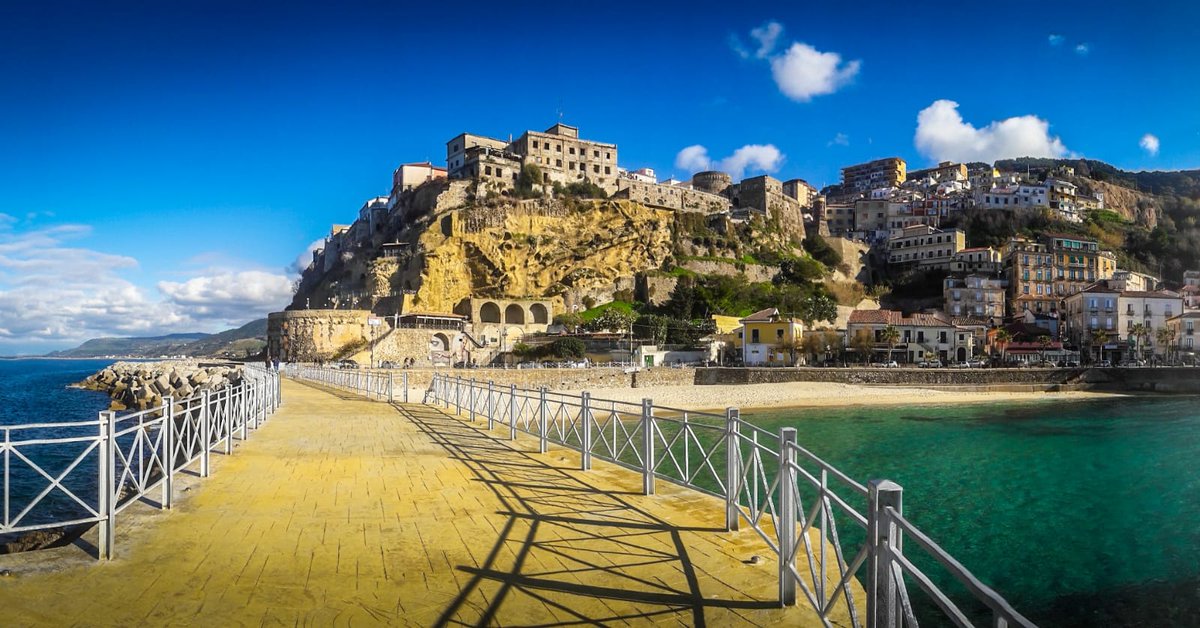
There are European countries that keep coming up in conversations but NEVER go mainstream.
A friend moved to Cluj, Romania 10 years ago. I didn't get it for a long time.
Italian friends recently moved to Albania to open ice cream shops. Crazy as that would have sounded 20 years ago.
I selected 7 underrated European countries, with specific cities to make it tangible, plus a bonus, that have a real chance of emerging in the coming years.
One will likely surprise you
🧵
A friend moved to Cluj, Romania 10 years ago. I didn't get it for a long time.
Italian friends recently moved to Albania to open ice cream shops. Crazy as that would have sounded 20 years ago.
I selected 7 underrated European countries, with specific cities to make it tangible, plus a bonus, that have a real chance of emerging in the coming years.
One will likely surprise you
🧵

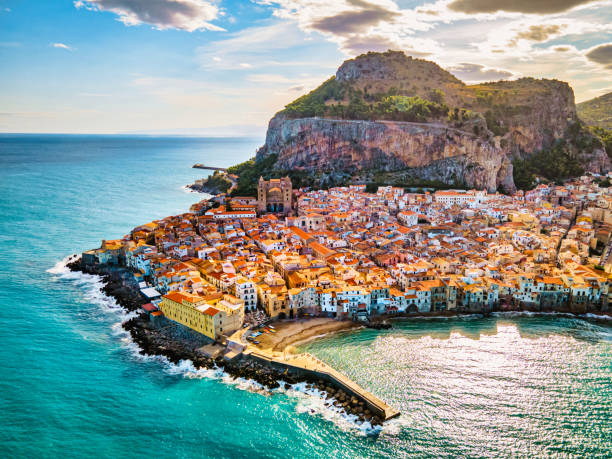
I won't be covering Portugal or Spain or alike. Everyone knows about those.
These are the countries that offer real tax advantages, lower cost of living, strong infrastructure, and genuine quality of life.
Yet almost nobody talks about them.
Let's begin:
These are the countries that offer real tax advantages, lower cost of living, strong infrastructure, and genuine quality of life.
Yet almost nobody talks about them.
Let's begin:


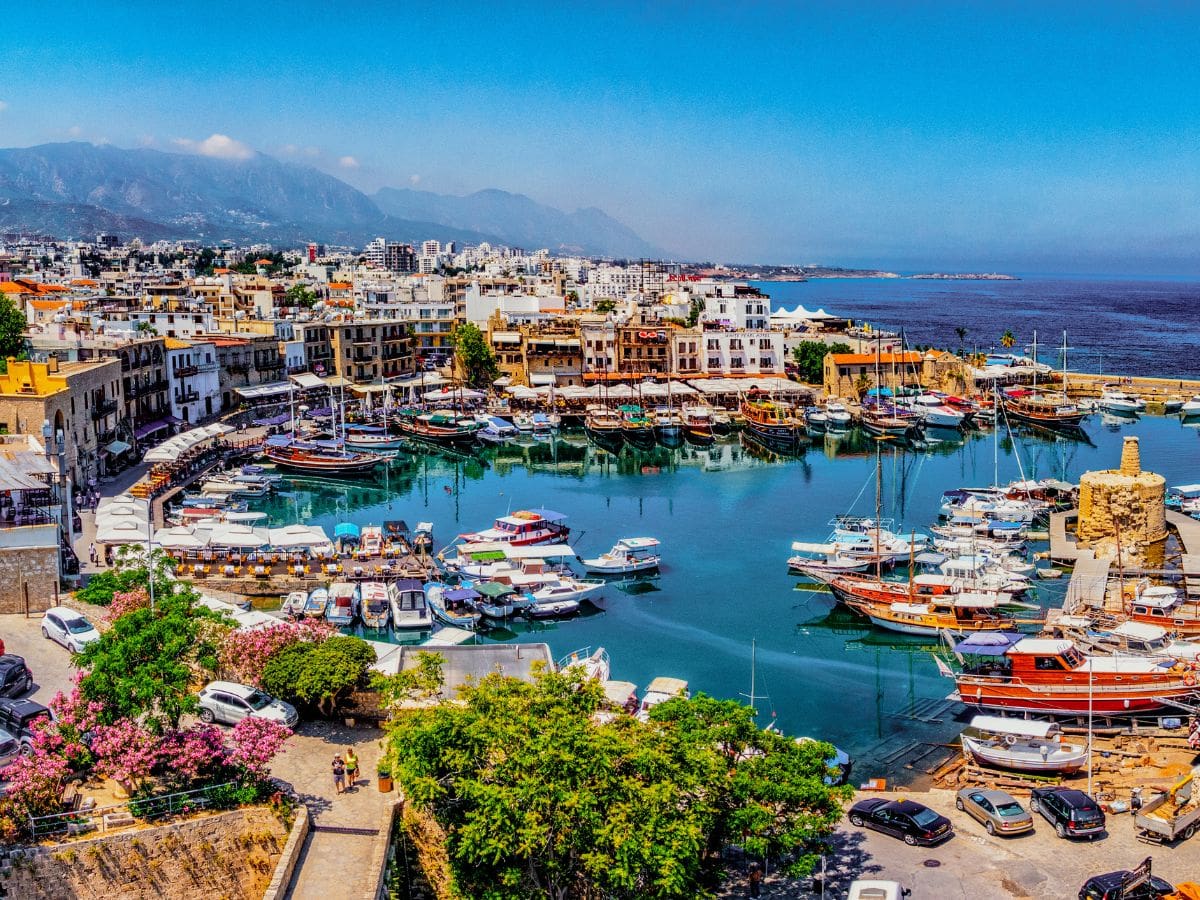
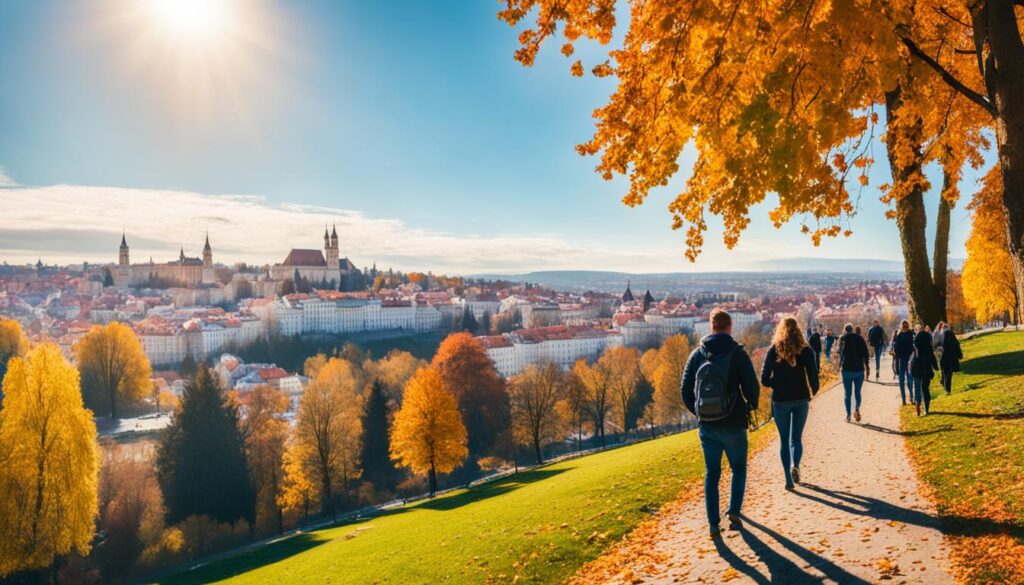
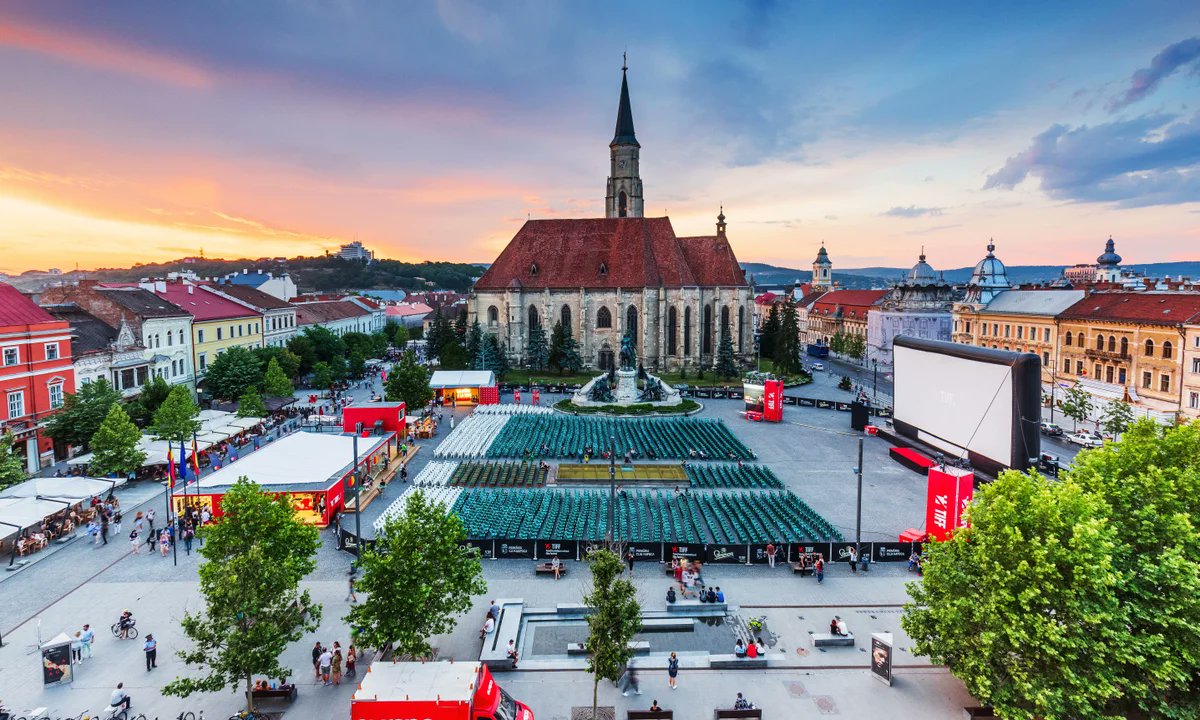
1/ This is Cluj-Napoca, Romania:
- 1% tax on micro-company revenue (under €100K)
- Salary from foreign employers for work performed abroad: tax-exempt for residents
- Gigabit fiber internet for €9/month
- Growing tech hub with a serious engineering ecosystem
Total monthly budget: €1,200-1,500
My friend moved here when the micro-company revenue cap was €250K.
Today the cap dropped to €100K, but the rate is still 1%. I thought he was crazy. He saw something the rest of us didn't.
- 1% tax on micro-company revenue (under €100K)
- Salary from foreign employers for work performed abroad: tax-exempt for residents
- Gigabit fiber internet for €9/month
- Growing tech hub with a serious engineering ecosystem
Total monthly budget: €1,200-1,500
My friend moved here when the micro-company revenue cap was €250K.
Today the cap dropped to €100K, but the rate is still 1%. I thought he was crazy. He saw something the rest of us didn't.
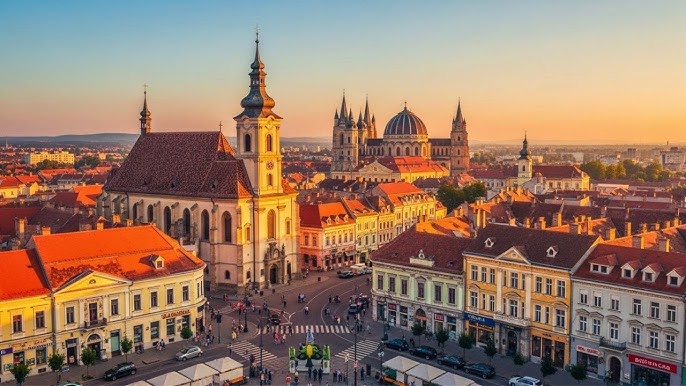


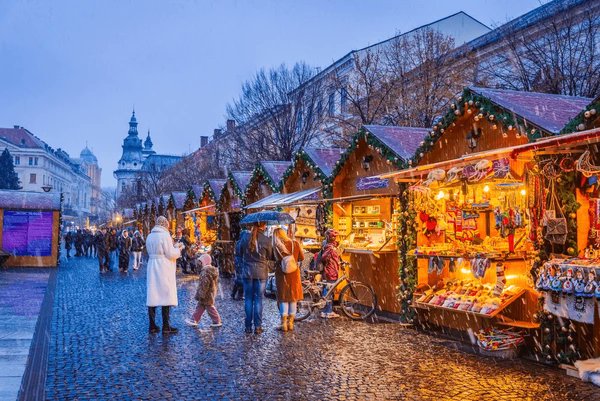
Even winter, he told me, is great. Red wine, speakeasy wine bars, cozy restaurants, genuine community.
1 in 5 residents is a student, the energy never stops.
He loves the vibe, the lifestyle. He made close local friends and learned Romanian.
He's never coming back.
1 in 5 residents is a student, the energy never stops.
He loves the vibe, the lifestyle. He made close local friends and learned Romanian.
He's never coming back.

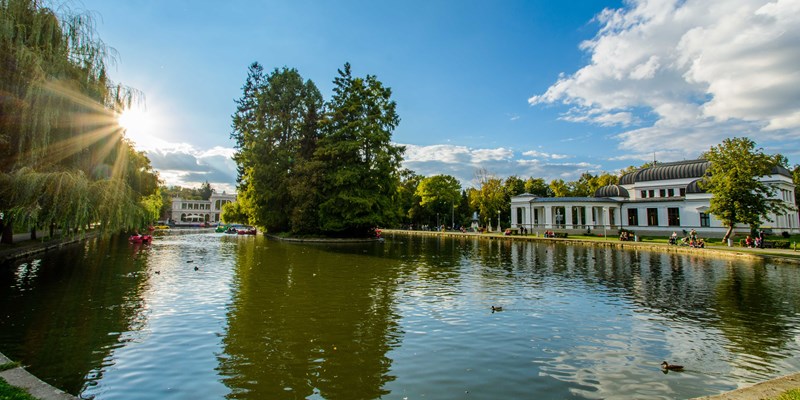
These are the honest trade-offs:
- Winter is cold (heavy snow, limited daylight)
- Romanian bureaucracy is notoriously slow
- Food culture is meat-heavy
- Nomad community is still smaller than you'd expect
But for an EU city with zero tourist saturation and that tax setup? Hard to beat.
- Winter is cold (heavy snow, limited daylight)
- Romanian bureaucracy is notoriously slow
- Food culture is meat-heavy
- Nomad community is still smaller than you'd expect
But for an EU city with zero tourist saturation and that tax setup? Hard to beat.

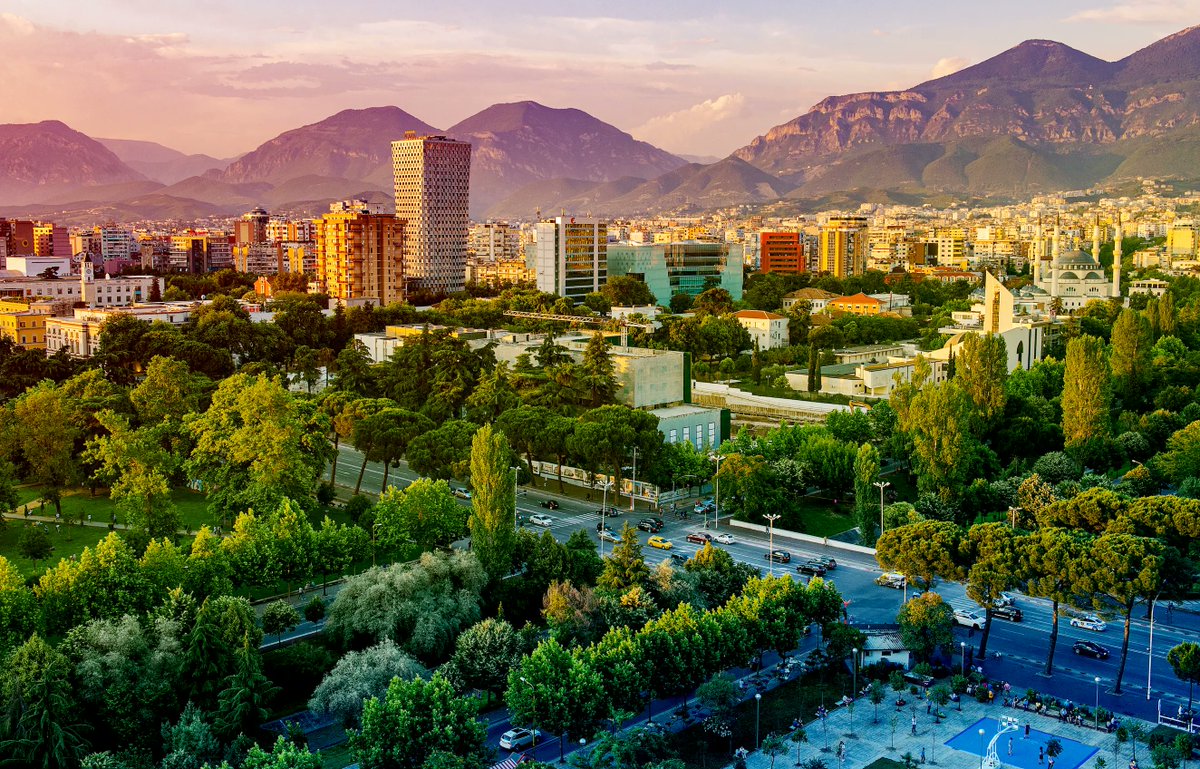
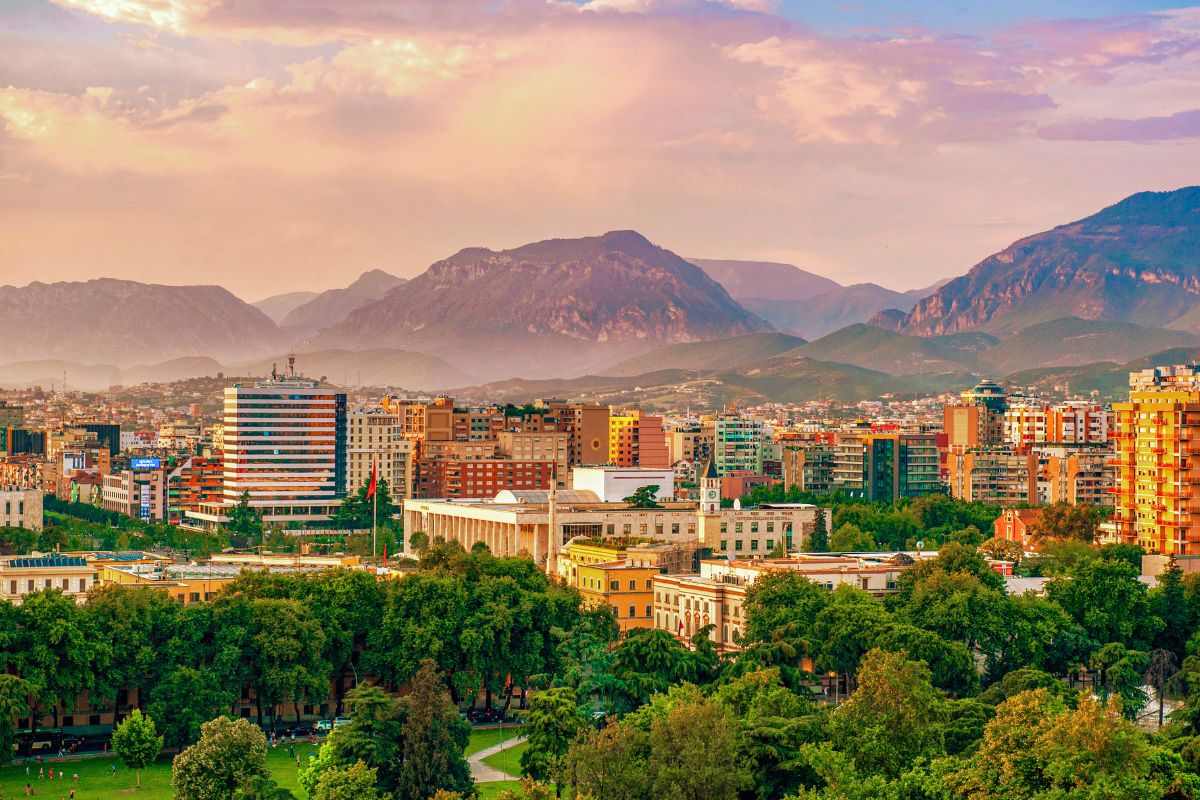
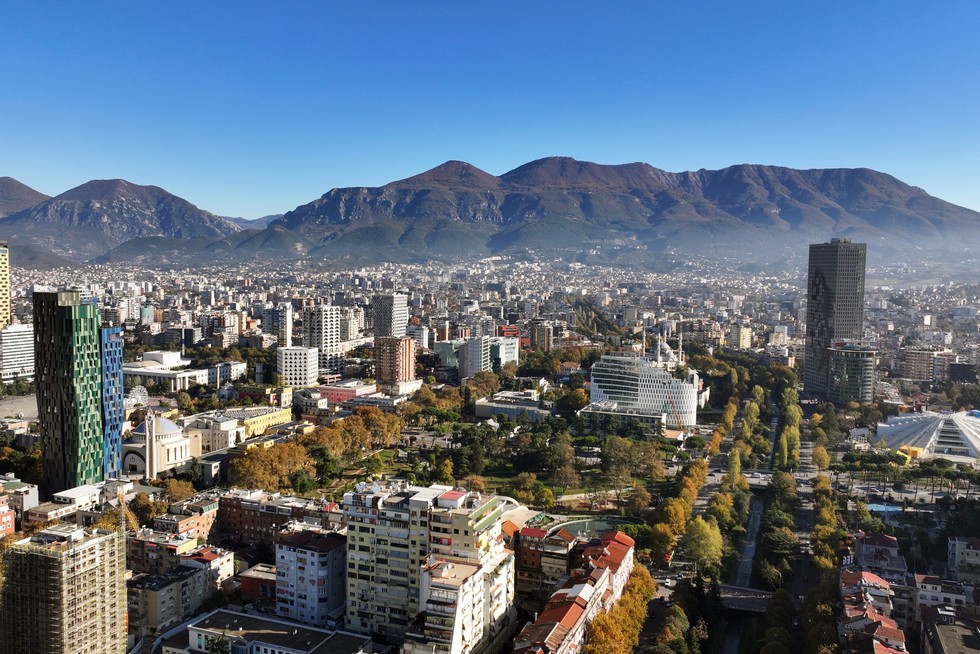
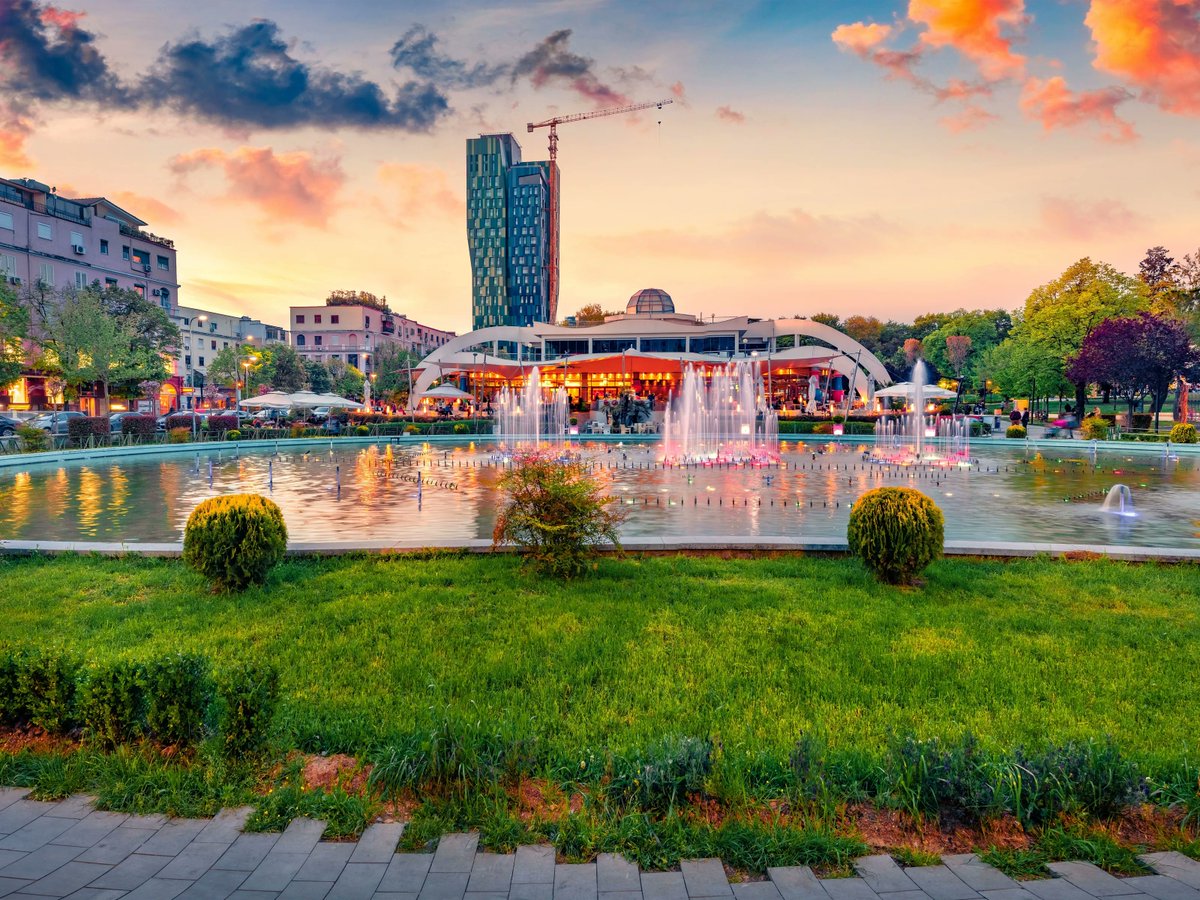
2/ This is Tirana, Albania:
- €900-1,200/month for a comfortable life
- Unique Permit requires just ~€333/month income
- 12-month tax exemption on foreign income (temporary, not permanent)
- Small businesses under ~€135K revenue: 0% income tax until 2029
The cost of living alone makes it worth a serious look.
Almost nobody is talking about this country.
- €900-1,200/month for a comfortable life
- Unique Permit requires just ~€333/month income
- 12-month tax exemption on foreign income (temporary, not permanent)
- Small businesses under ~€135K revenue: 0% income tax until 2029
The cost of living alone makes it worth a serious look.
Almost nobody is talking about this country.


20-25 years ago, Albania was "hic sunt leones". Nobody was moving there.
The country was completely off the map for Europeans.
Today? Italians are moving TO Albania. Opening shops, restaurants, businesses.
The 2nd generation of a famous Italian pastry shop I know recently moved there to open a gelato shop.
When a country goes from exporting people to importing entrepreneurs, pay attention.
The country was completely off the map for Europeans.
Today? Italians are moving TO Albania. Opening shops, restaurants, businesses.
The 2nd generation of a famous Italian pastry shop I know recently moved there to open a gelato shop.
When a country goes from exporting people to importing entrepreneurs, pay attention.


These are the honest trade-offs:
- Infrastructure is still developing
- Cash economy in many places
- Tirana can be noisy and chaotic
- English is limited outside expat areas
This is not a polished destination. But it feels like Bulgaria 5 years ago, before it got discovered.
Bonus: if you lent an Albanian a lighter 10 years ago, he still remembers. And he'll invite you for dinner to thank you. Genuinely warm people.
- Infrastructure is still developing
- Cash economy in many places
- Tirana can be noisy and chaotic
- English is limited outside expat areas
This is not a polished destination. But it feels like Bulgaria 5 years ago, before it got discovered.
Bonus: if you lent an Albanian a lighter 10 years ago, he still remembers. And he'll invite you for dinner to thank you. Genuinely warm people.
By the way, I write about these topics every week on Substack.
Deep dives on relocation, tax, and building a life abroad.
Subscribe and you'll also receive The Ultimate Guide to Citizenship & Residency Programs in 2026:
-->
Now, 6 more places to go. palombo.substack.com
Deep dives on relocation, tax, and building a life abroad.
Subscribe and you'll also receive The Ultimate Guide to Citizenship & Residency Programs in 2026:
-->
Now, 6 more places to go. palombo.substack.com

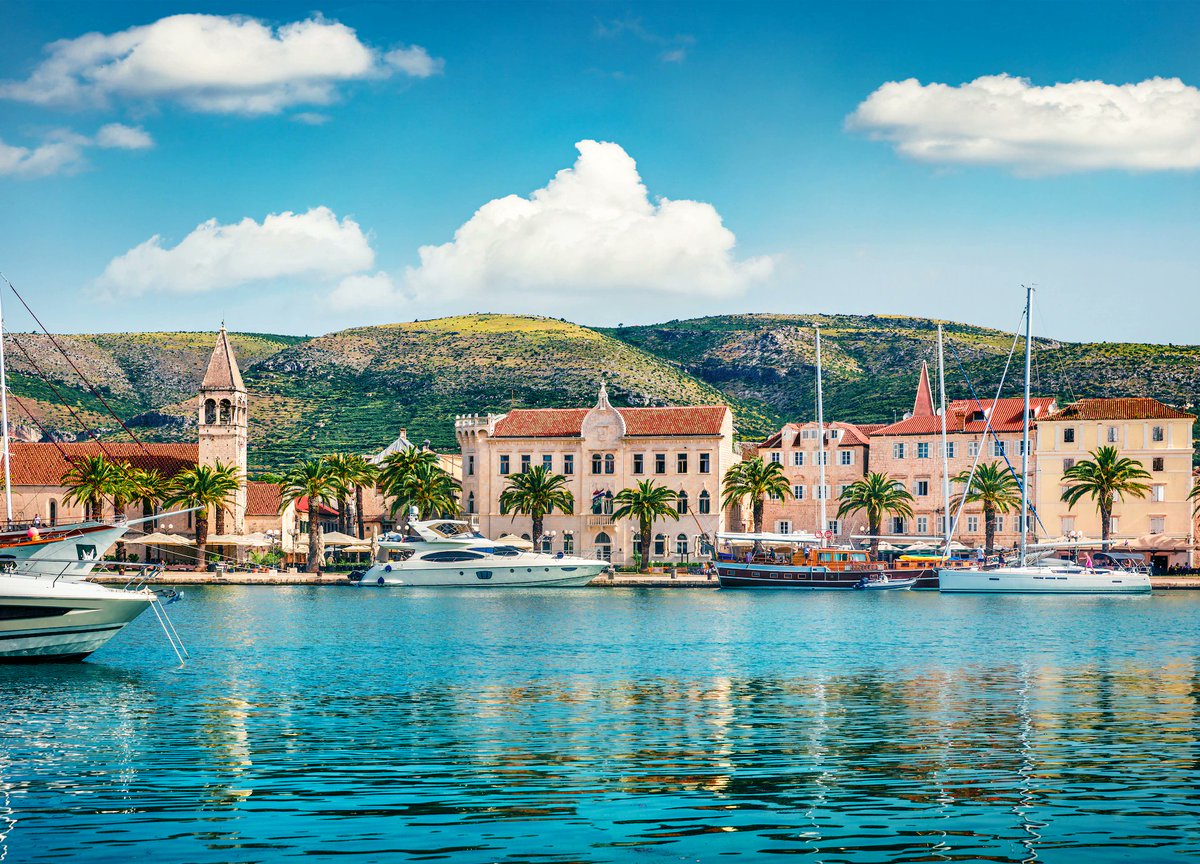
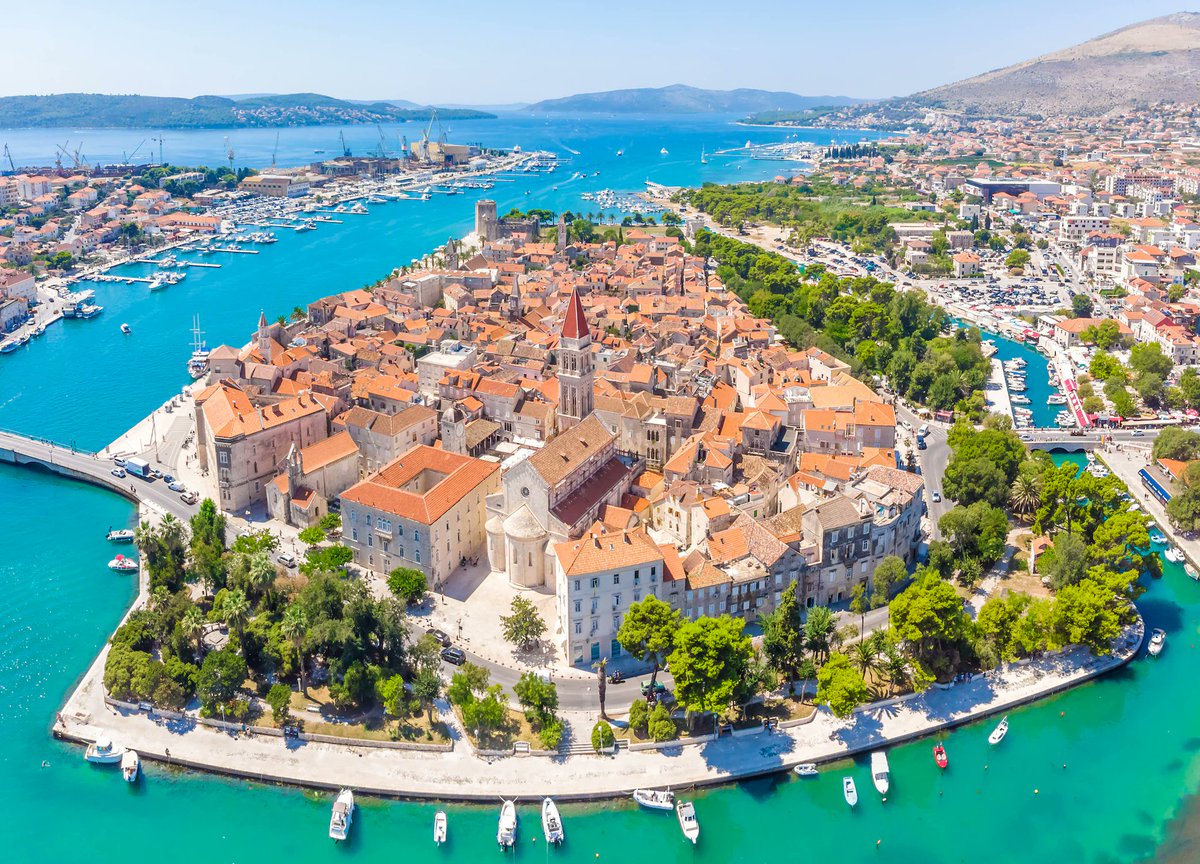
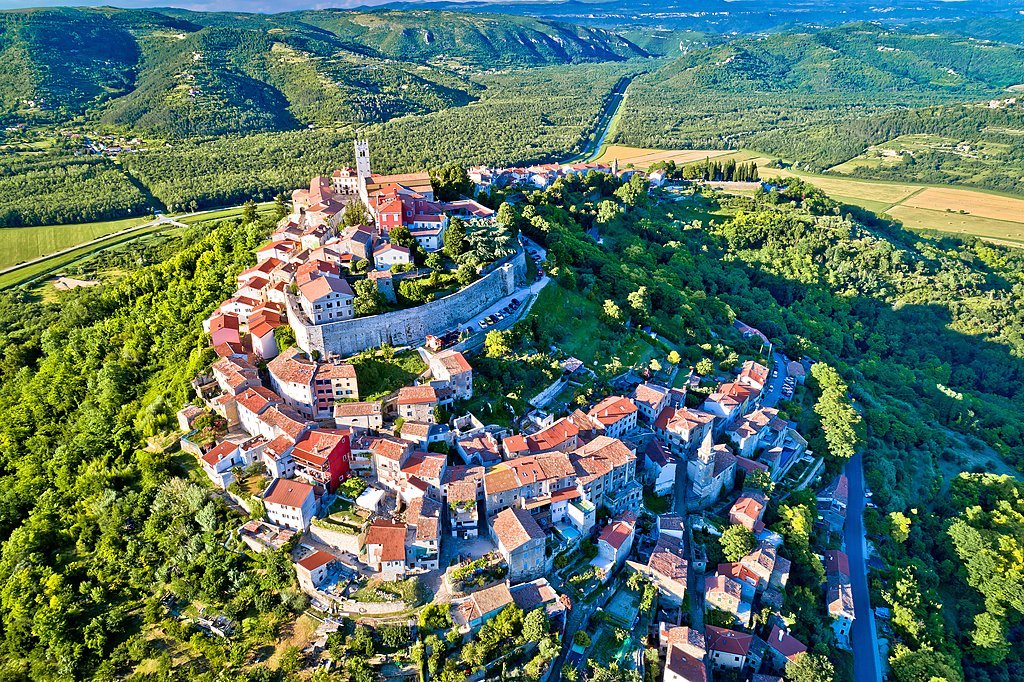
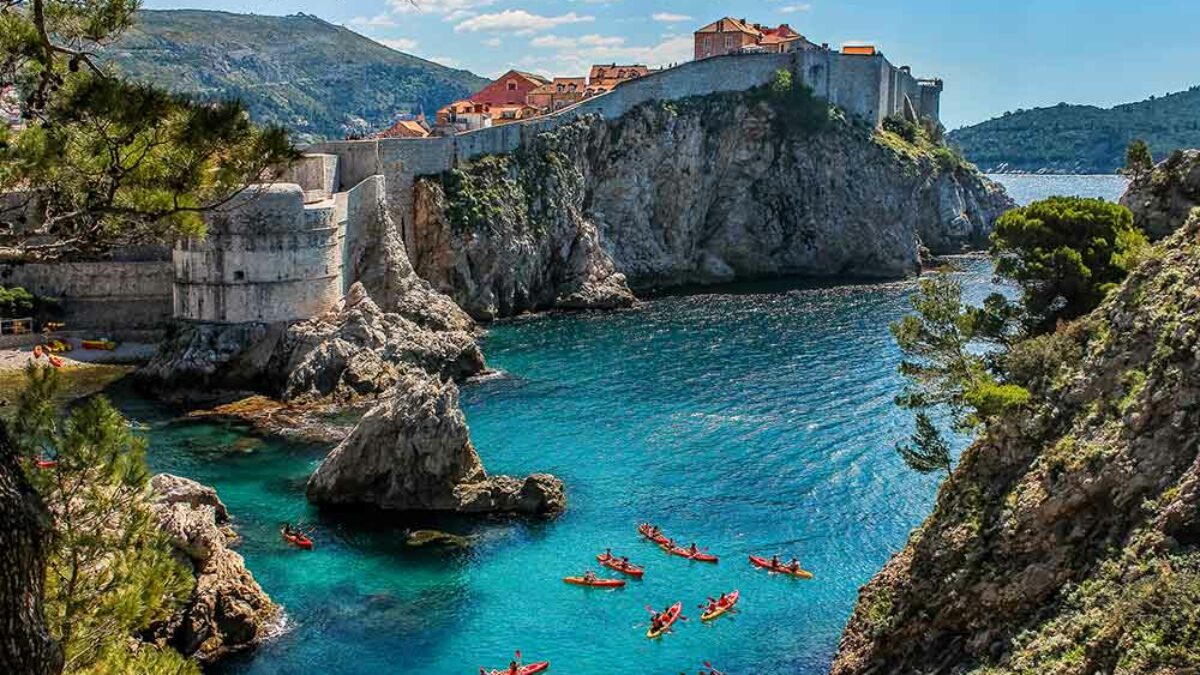
3/ This is Croatia (specifically Istria and Opatija):
- EU member since 2013
- Digital nomad visa (1 year, renewable up to 2 years total, no tax on foreign income)
- Adriatic coastline rivaling Italy's
- Rent roughly 25-30% cheaper than Spain's coast
A friend of mine just left Malaga after 3 years to move to Croatia.
His words: "Same quality of life, less saturated, more affordable."
- EU member since 2013
- Digital nomad visa (1 year, renewable up to 2 years total, no tax on foreign income)
- Adriatic coastline rivaling Italy's
- Rent roughly 25-30% cheaper than Spain's coast
A friend of mine just left Malaga after 3 years to move to Croatia.
His words: "Same quality of life, less saturated, more affordable."

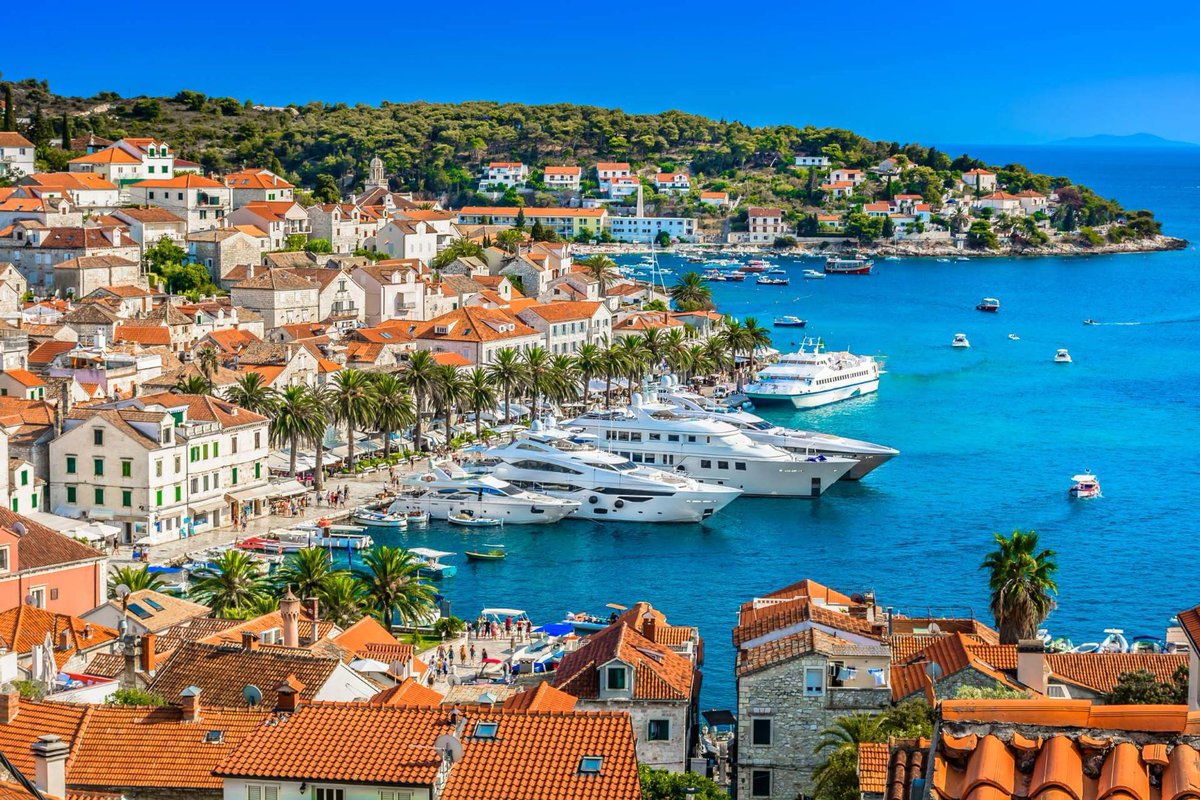

Where to live: Split, Zagreb, Zadar all work. But the real hidden gem is Istria.
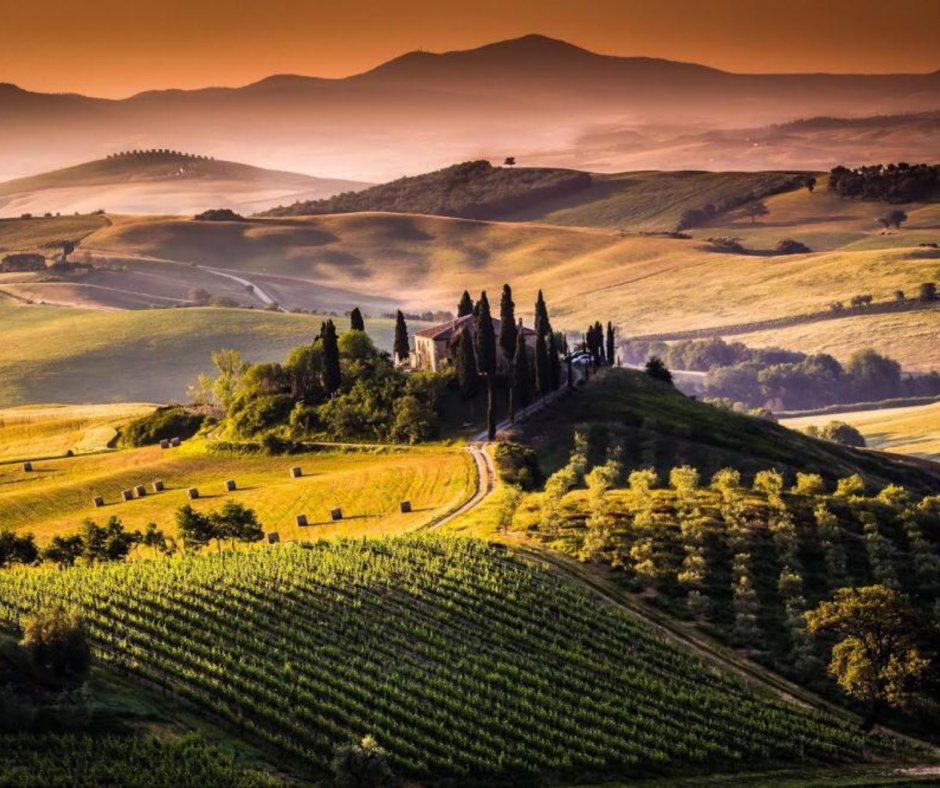
Istria is Croatia's answer to Tuscany. Rolling hills, vineyards, truffle forests, hilltop medieval villages. Rovinj feels more Italian than Croatian (it was part of Italy between the wars). Significantly cheaper than Tuscany. Almost nobody outside Croatia knows about it.
Special mention: Opatija. Seems a lot of internationals have already moved there.
My friend is looking at houses and the realtor keeps telling him how many are occupied by Americans and other Europeans.
Istria is Croatia's answer to Tuscany. Rolling hills, vineyards, truffle forests, hilltop medieval villages. Rovinj feels more Italian than Croatian (it was part of Italy between the wars). Significantly cheaper than Tuscany. Almost nobody outside Croatia knows about it.
Special mention: Opatija. Seems a lot of internationals have already moved there.
My friend is looking at houses and the realtor keeps telling him how many are occupied by Americans and other Europeans.

These are the honest trade-offs:
- Winters are cold, grey, and quiet
- Bureaucracy is Balkan-tier
- Language barrier outside tourist zones
- The nomad visa can't be renewed (must leave 6 months, then reapply)
Croatia is where Spain was 10 years ago.
People moving there now are early.
- Winters are cold, grey, and quiet
- Bureaucracy is Balkan-tier
- Language barrier outside tourist zones
- The nomad visa can't be renewed (must leave 6 months, then reapply)
Croatia is where Spain was 10 years ago.
People moving there now are early.

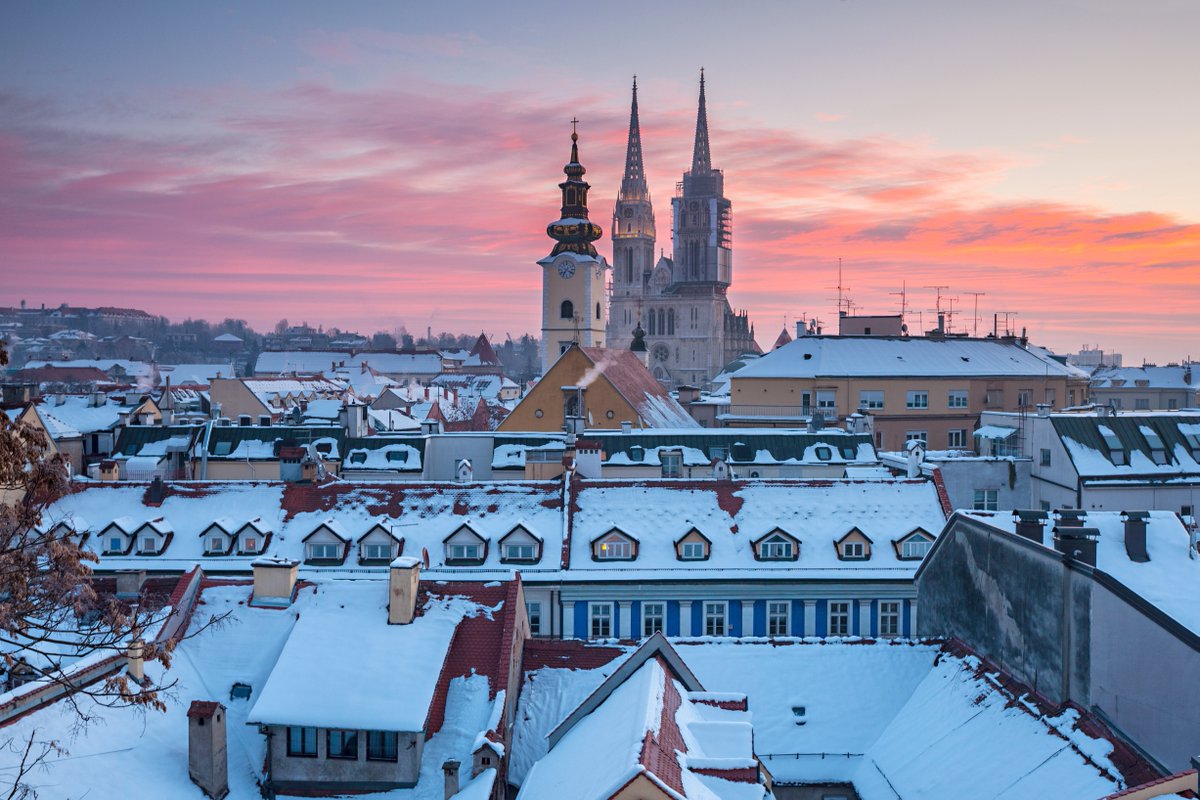

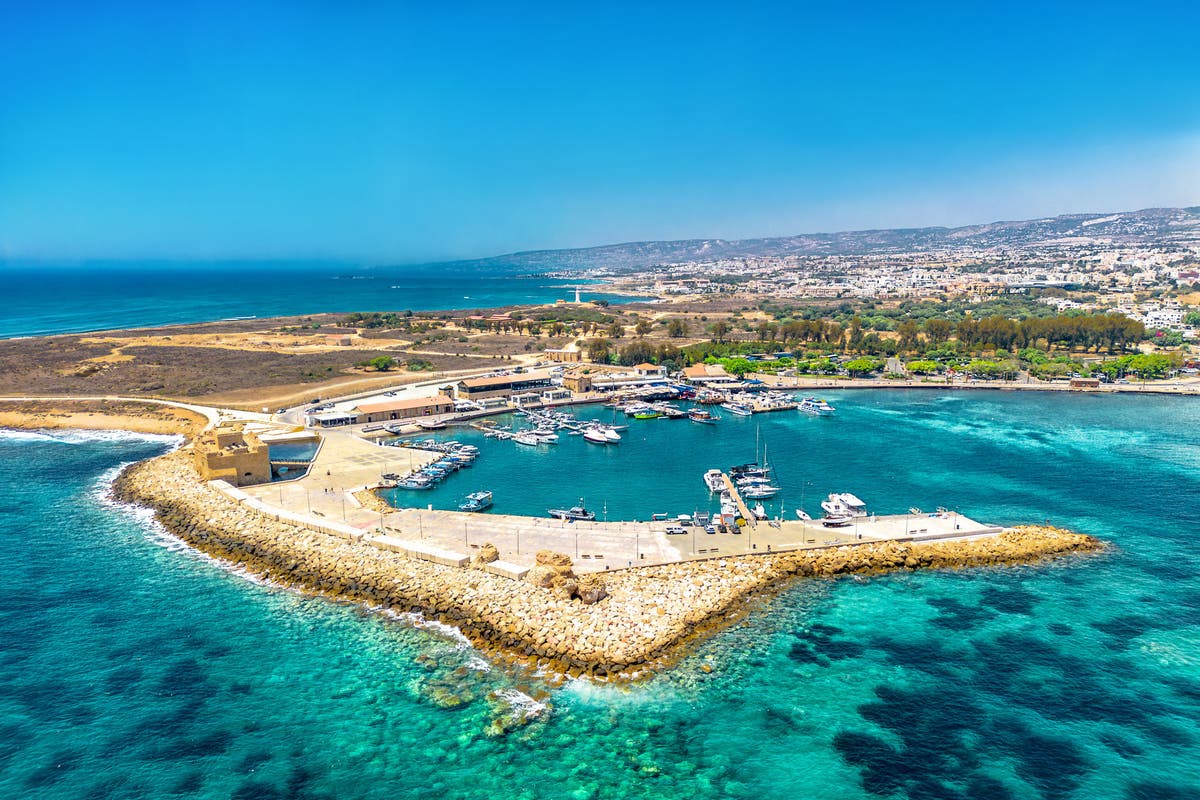
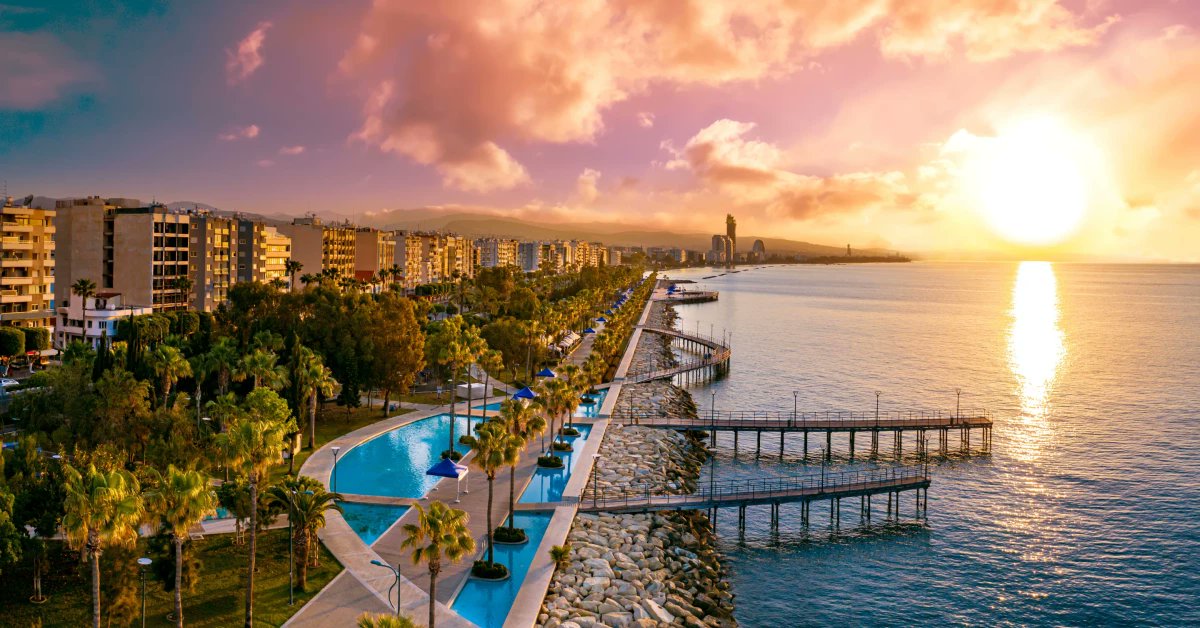
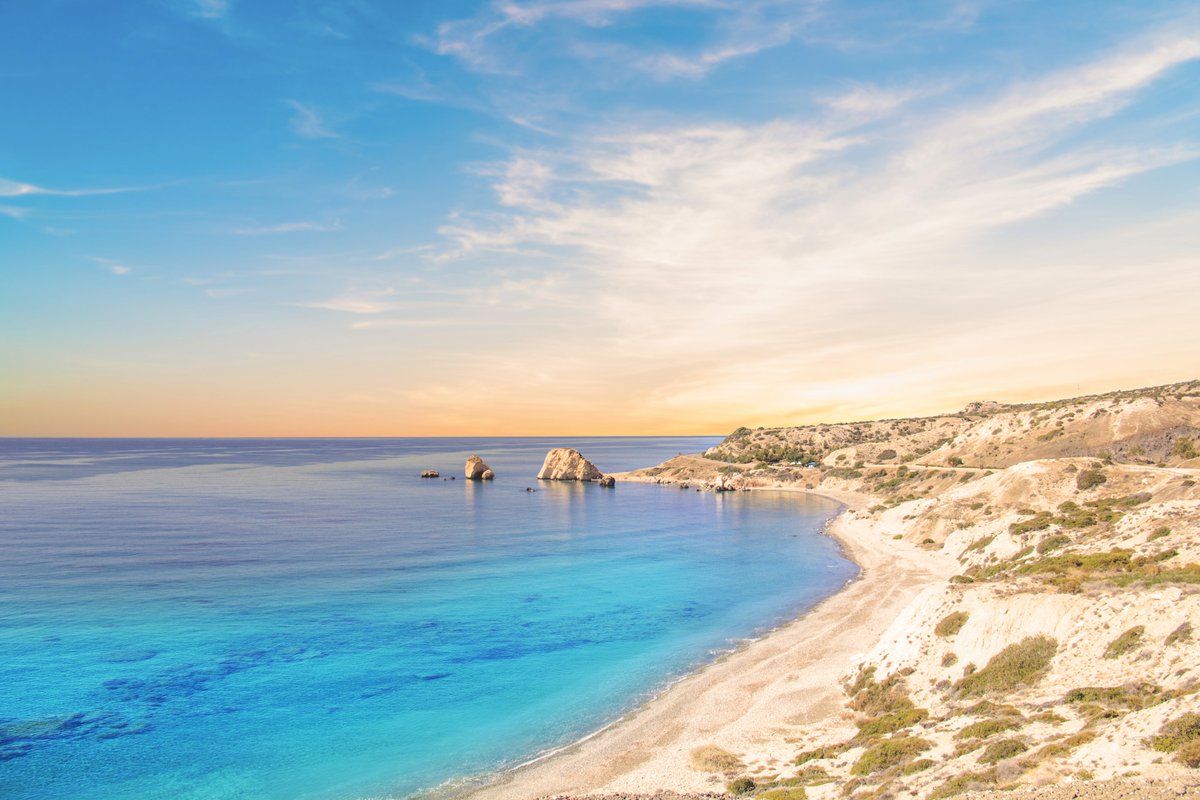
4/ This is Cyprus:
- 300+ days of sunshine, English everywhere, EU member
- Non-dom regime: 0% on dividends, interest, and capital gains for 17 years
- No inheritance tax
- IP Box: effective ~3% tax on qualifying tech/software income (was 2.5% before the corporate tax increase)
- Startup visa with fast-track EU citizenship path (3-4 years with language proficiency)
For tech founders, this is incredible value. I said this many times already.
- 300+ days of sunshine, English everywhere, EU member
- Non-dom regime: 0% on dividends, interest, and capital gains for 17 years
- No inheritance tax
- IP Box: effective ~3% tax on qualifying tech/software income (was 2.5% before the corporate tax increase)
- Startup visa with fast-track EU citizenship path (3-4 years with language proficiency)
For tech founders, this is incredible value. I said this many times already.


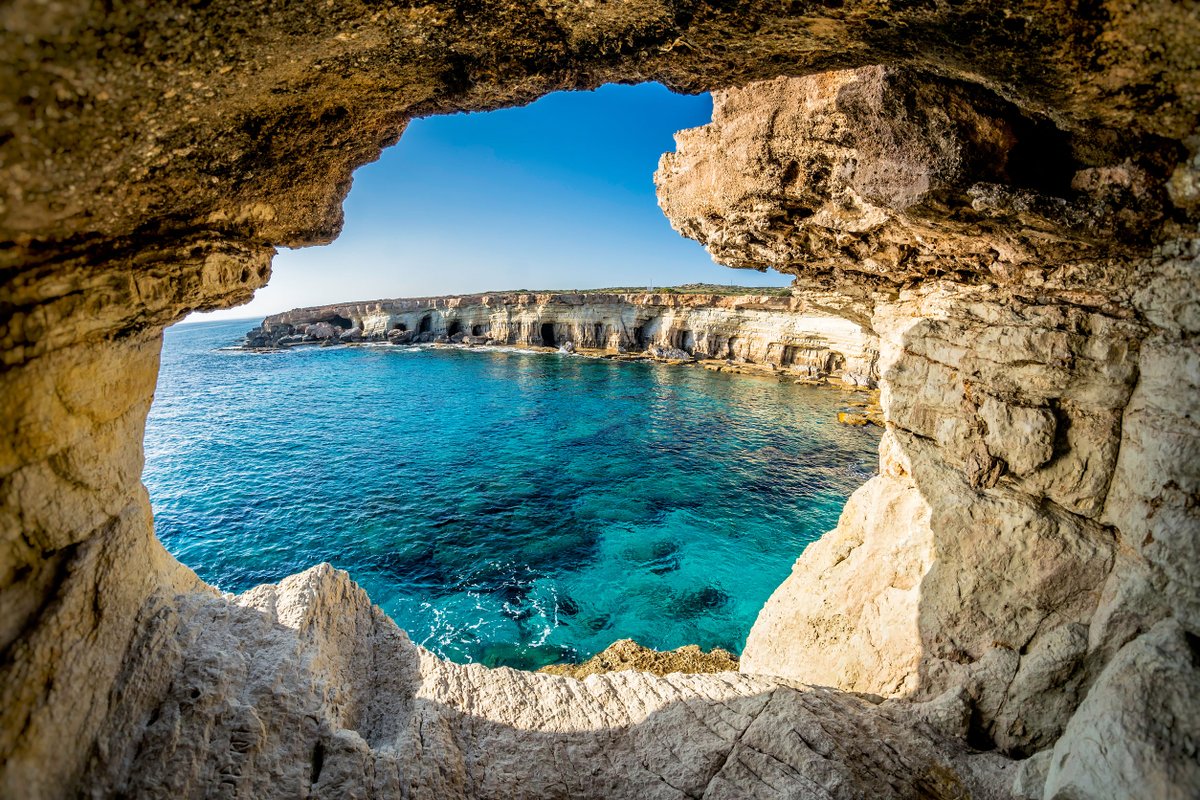
Cyprus is becoming trendy now. But there's still real criticism, mainly around the banking system.
That's fair. The 2013 crisis left scars and trust takes time to rebuild.
But that's exactly why the non-dom regime makes sense. You don't need to move your assets there. You live there, you enjoy the tax benefits, your money stays where you trust it.
That's the play.
That's fair. The 2013 crisis left scars and trust takes time to rebuild.
But that's exactly why the non-dom regime makes sense. You don't need to move your assets there. You live there, you enjoy the tax benefits, your money stays where you trust it.
That's the play.
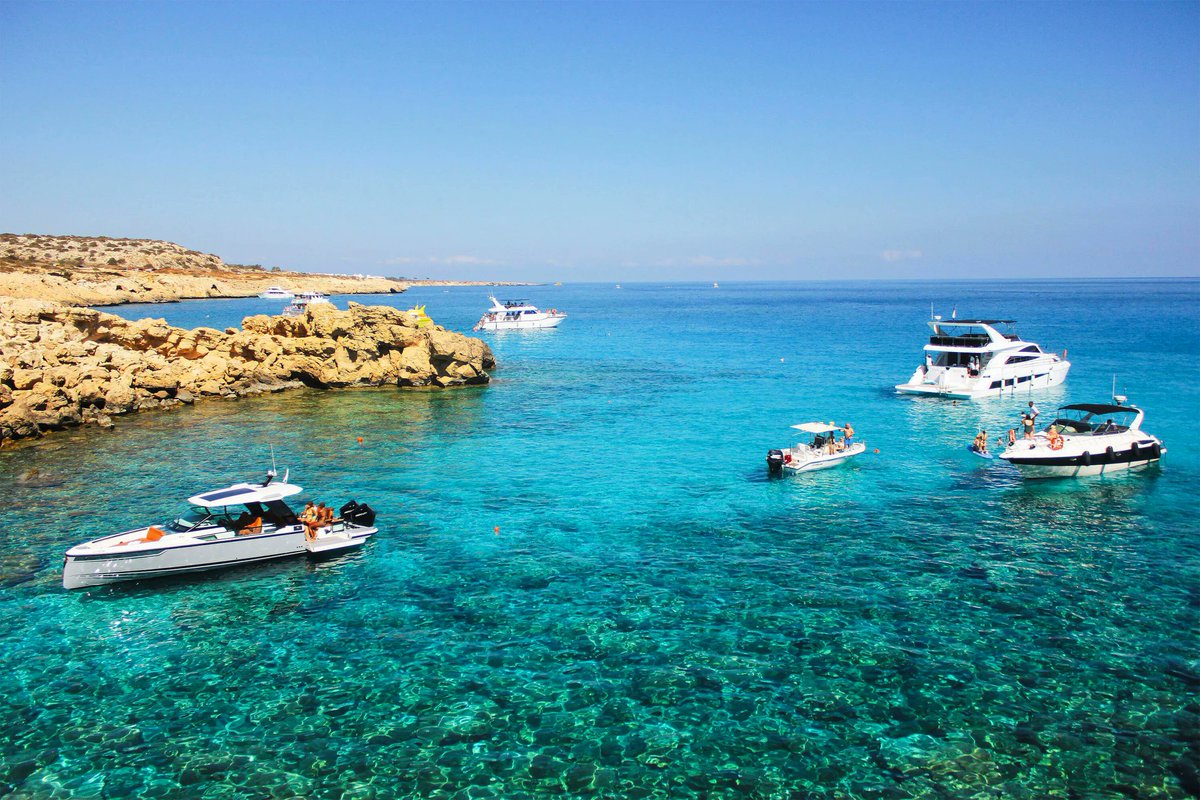

Some honest trade-offs:
- Summer heat is brutal (40°C+)
- You need a car, public transport barely exists
- Nightlife outside Limassol is thin
- Corporate tax increased to 15% in 2026 (from 12.5%)
Still, for a Mediterranean EU base with those tax advantages and English everywhere? Objectively underrated, in my view.
- Summer heat is brutal (40°C+)
- You need a car, public transport barely exists
- Nightlife outside Limassol is thin
- Corporate tax increased to 15% in 2026 (from 12.5%)
Still, for a Mediterranean EU base with those tax advantages and English everywhere? Objectively underrated, in my view.
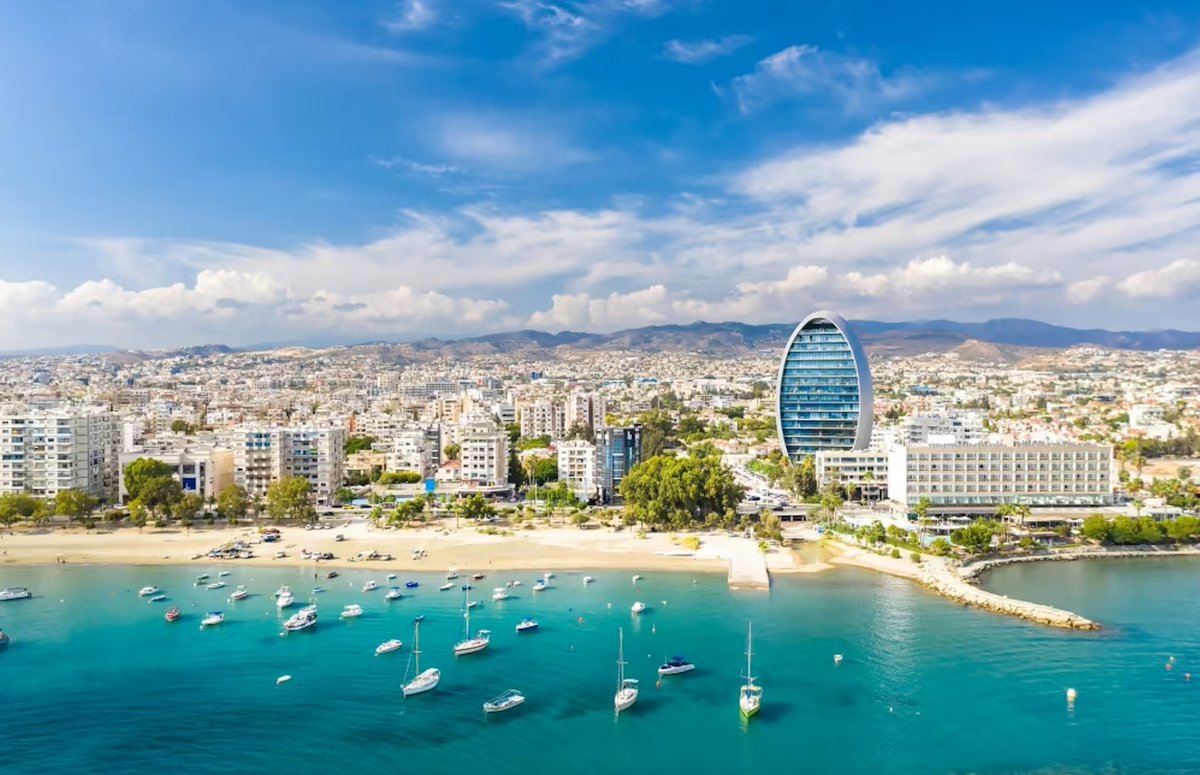
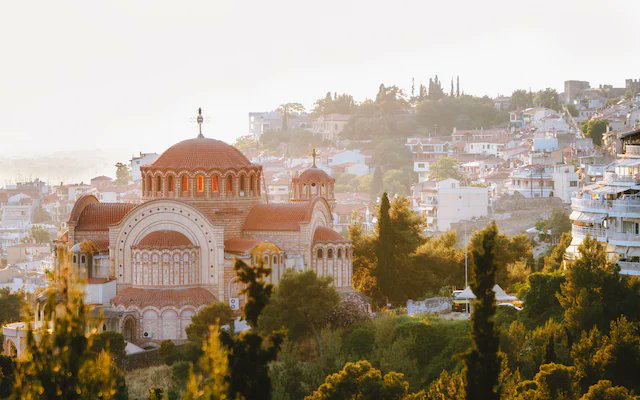
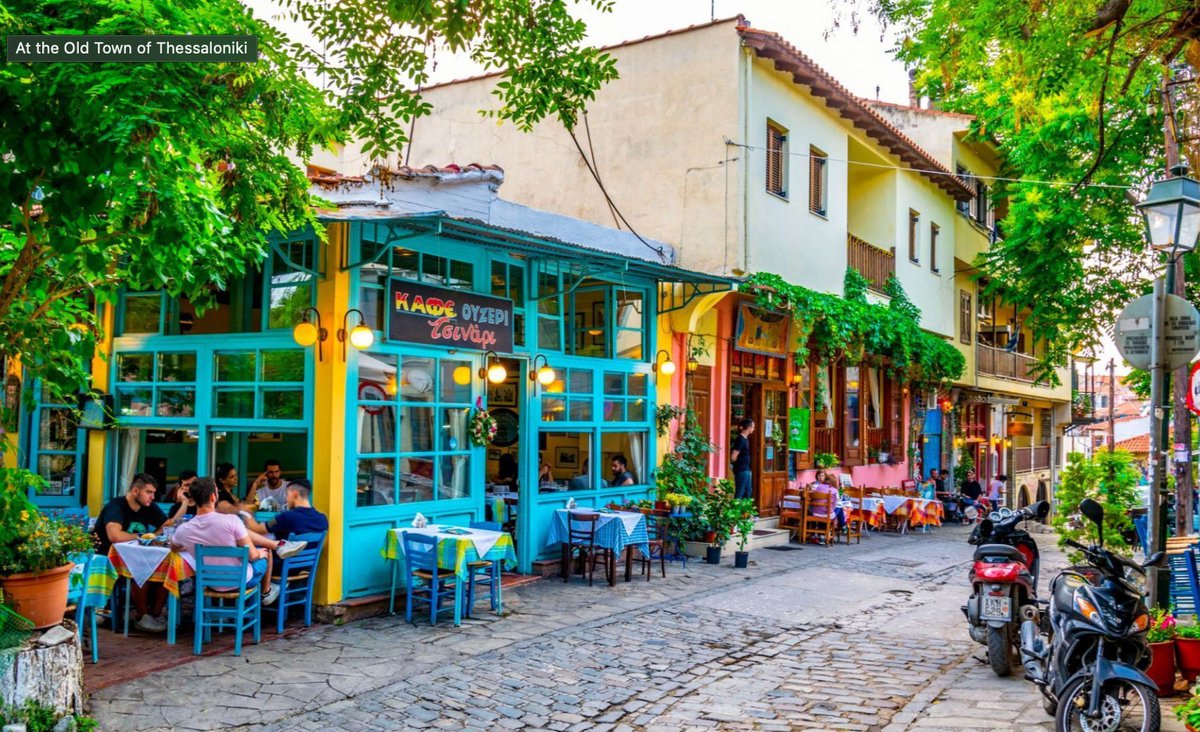
Everyone knows Greece. Almost nobody considers Thessaloniki.
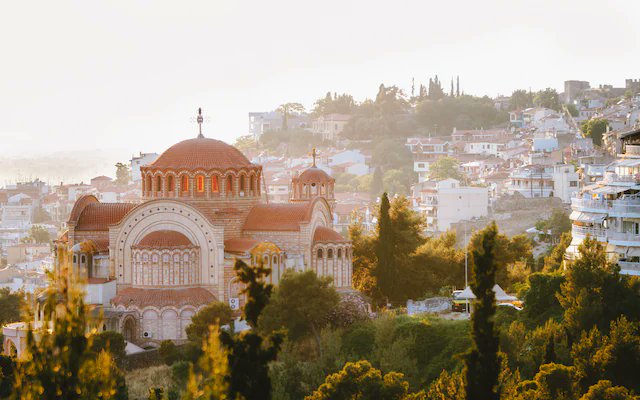
5/ This is Thessaloniki:
- 15-30% cheaper than Athens
- Monthly budget: roughly €1,000-1,500
- University town with genuine energy
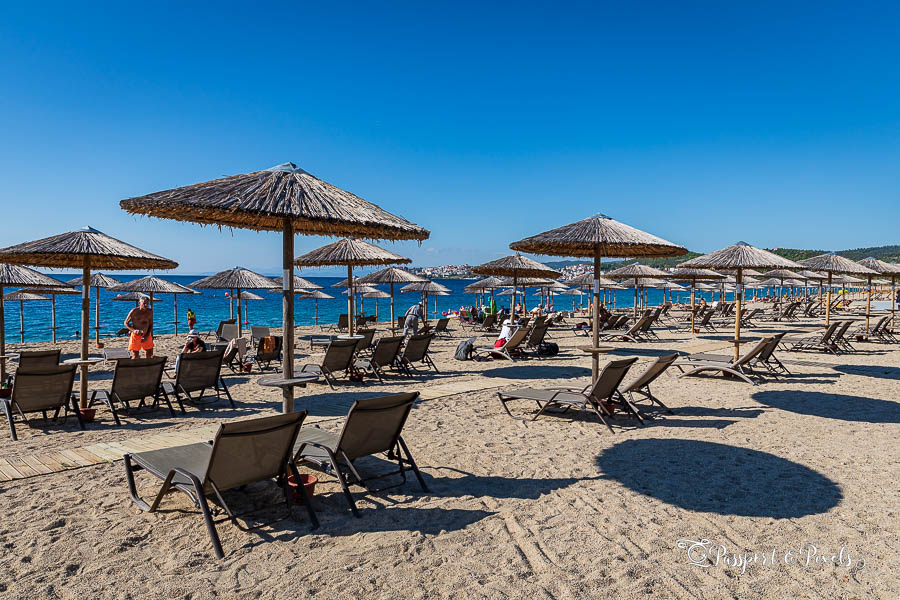
- Mediterranean climate year-round
I've said it many times: this is a hidden gem.
5/ This is Thessaloniki:
- 15-30% cheaper than Athens
- Monthly budget: roughly €1,000-1,500
- University town with genuine energy
- Mediterranean climate year-round
I've said it many times: this is a hidden gem.


Greece offers serious incentives for people relocating:
- 50% income tax exemption for 7 years (if you haven't been a Greek tax resident for 5 of the past 6 years)
- 7% flat tax on foreign pensions for up to 15 years
- €100K flat tax for HNWIs (covers all foreign income, 15 years, requires €500K investment)
Most people associate Greece with islands, not tax strategy.
- 50% income tax exemption for 7 years (if you haven't been a Greek tax resident for 5 of the past 6 years)
- 7% flat tax on foreign pensions for up to 15 years
- €100K flat tax for HNWIs (covers all foreign income, 15 years, requires €500K investment)
Most people associate Greece with islands, not tax strategy.
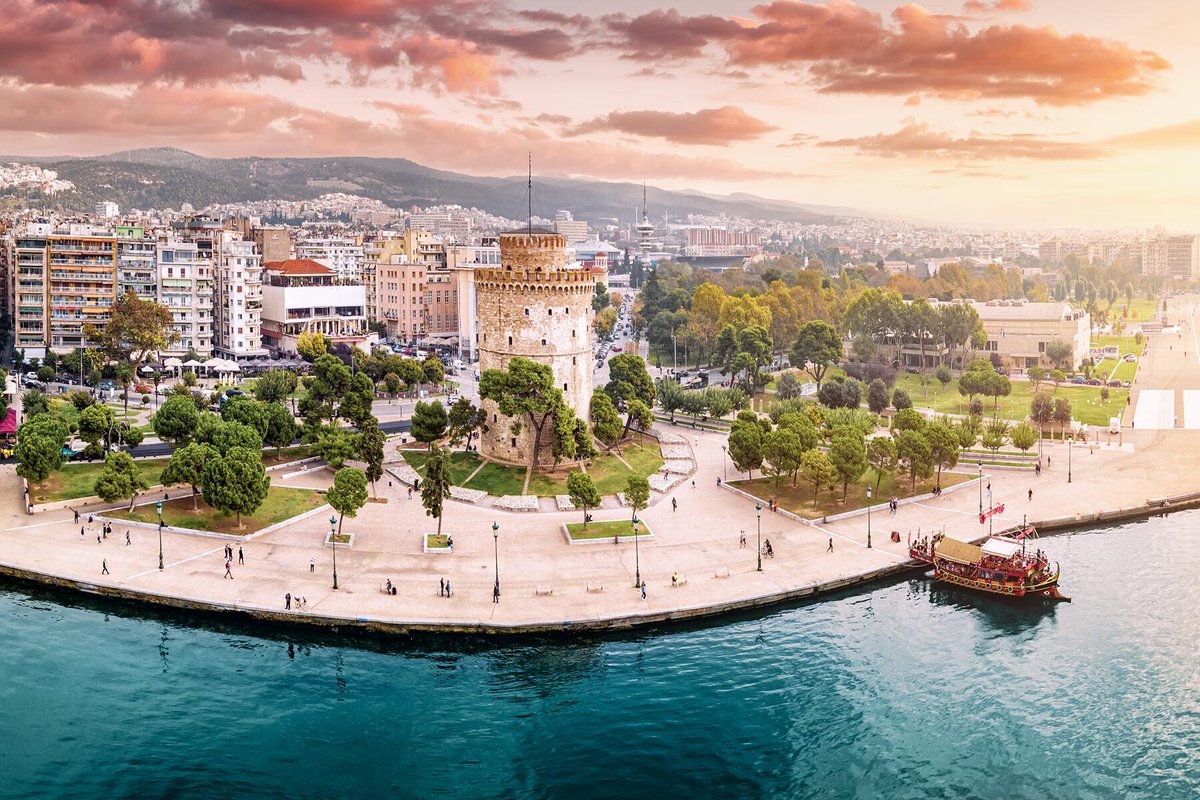

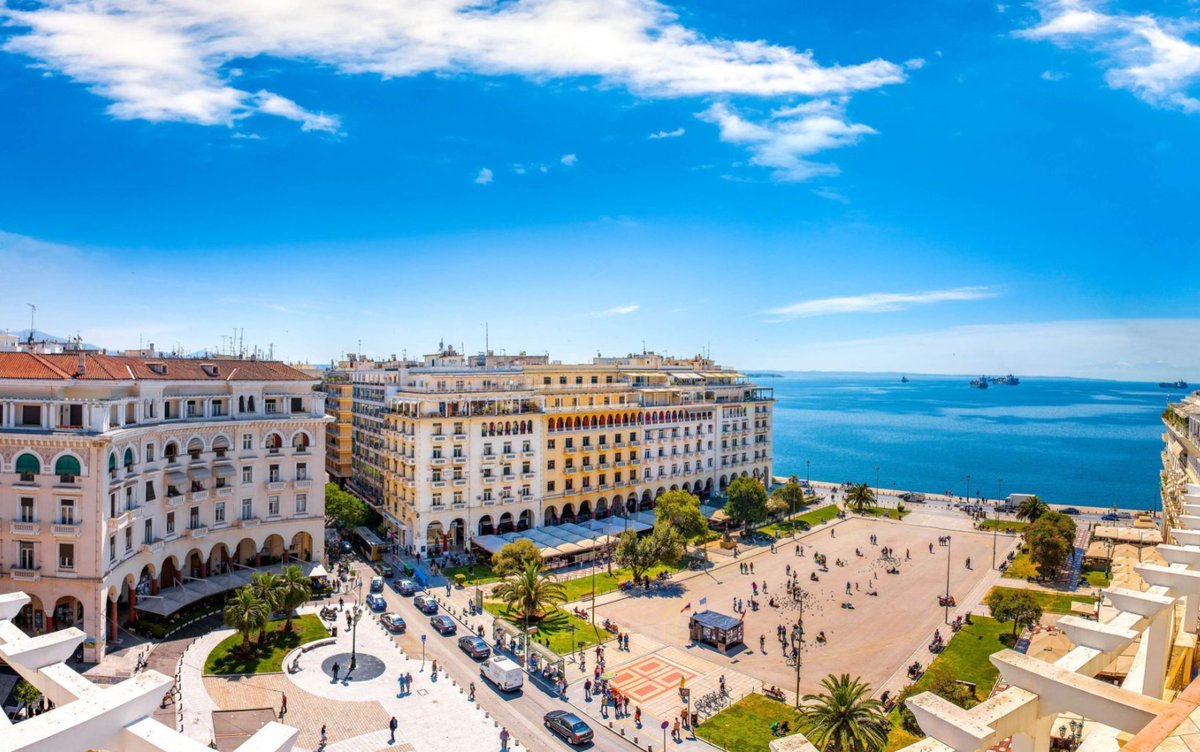
I visited Thessaloniki and the beauty of the center is incredible.
The vibe is unlike anything else in Greece. Less touristy, more alive.
I went to a gym right on the sea once. Honestly, it felt absurdly great.
That's the kind of lifestyle you get here for a fraction of what you'd pay in Western Europe.
The vibe is unlike anything else in Greece. Less touristy, more alive.
I went to a gym right on the sea once. Honestly, it felt absurdly great.
That's the kind of lifestyle you get here for a fraction of what you'd pay in Western Europe.


Some honest trade-offs:
- Greek bureaucracy is inconsistent (rules applied differently depending on who you ask)
- Housing costs spike during tourist season
-English is limited outside central areas
But for a Mediterranean EU city at this price point, with those tax incentives?
Most people don't even know it exists.
- Greek bureaucracy is inconsistent (rules applied differently depending on who you ask)
- Housing costs spike during tourist season
-English is limited outside central areas
But for a Mediterranean EU city at this price point, with those tax incentives?
Most people don't even know it exists.


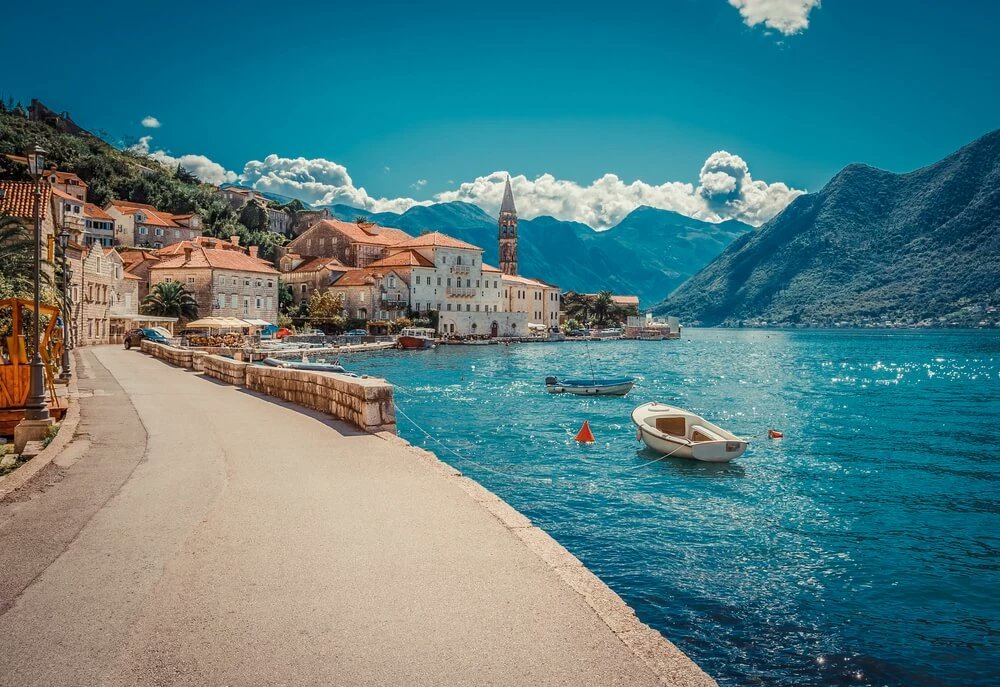
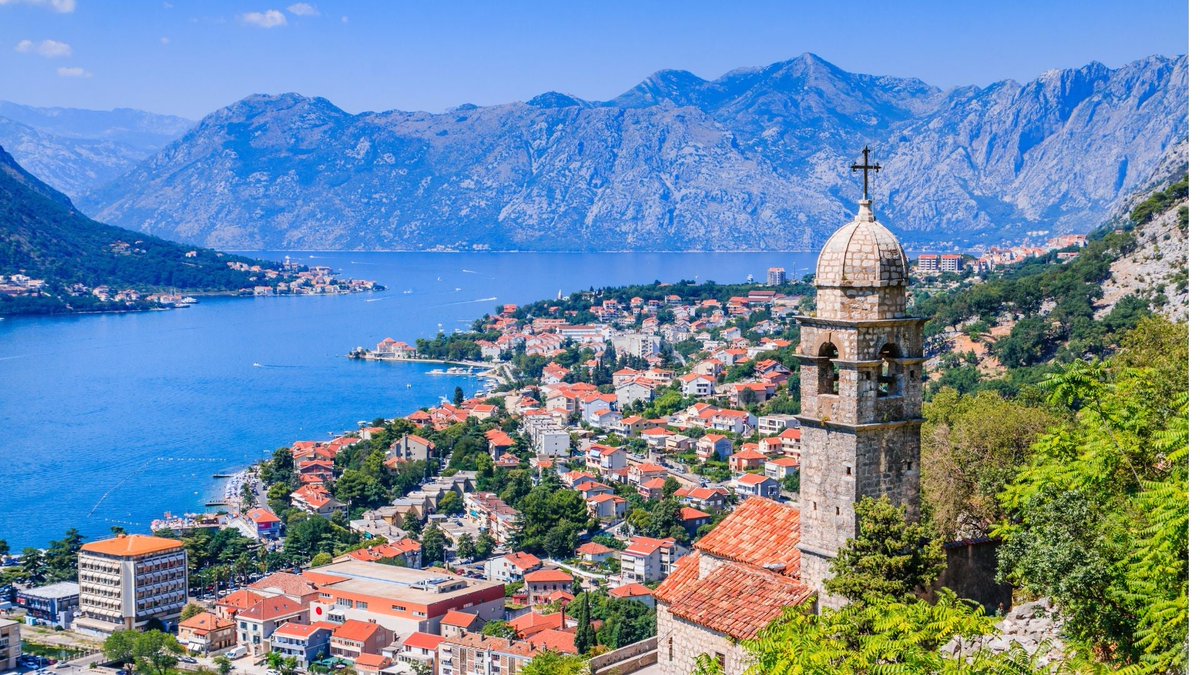
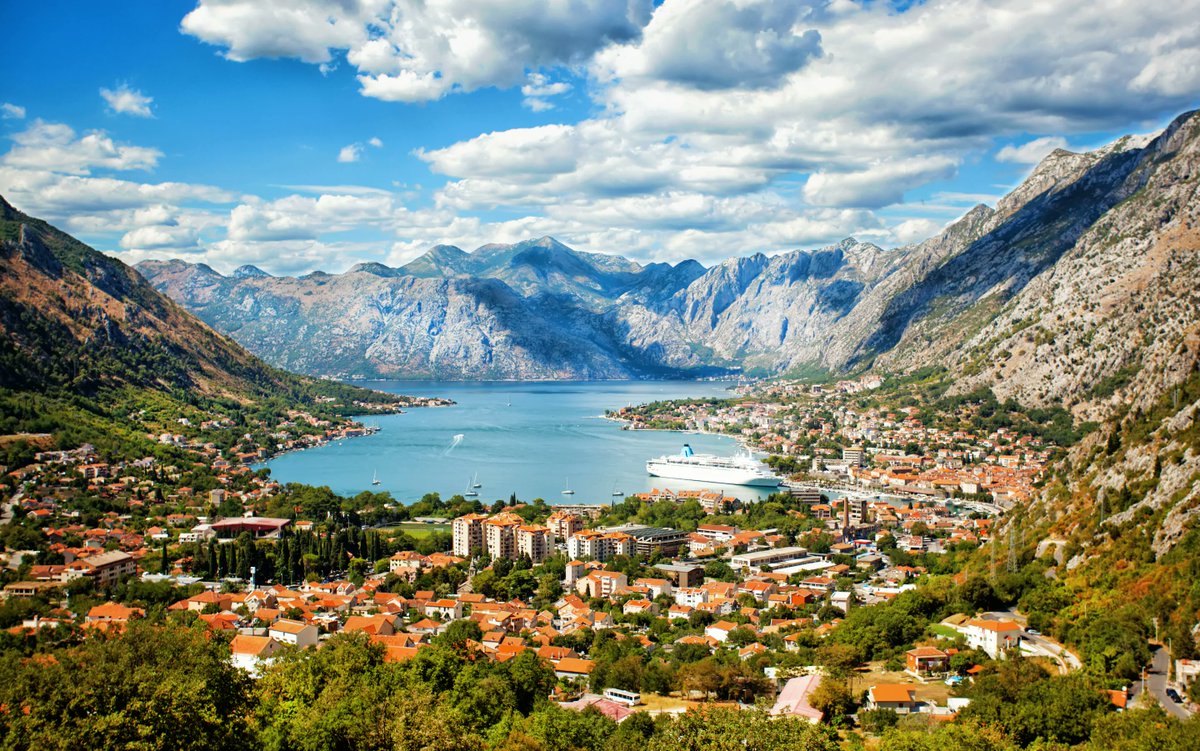
6/ This is Montenegro:
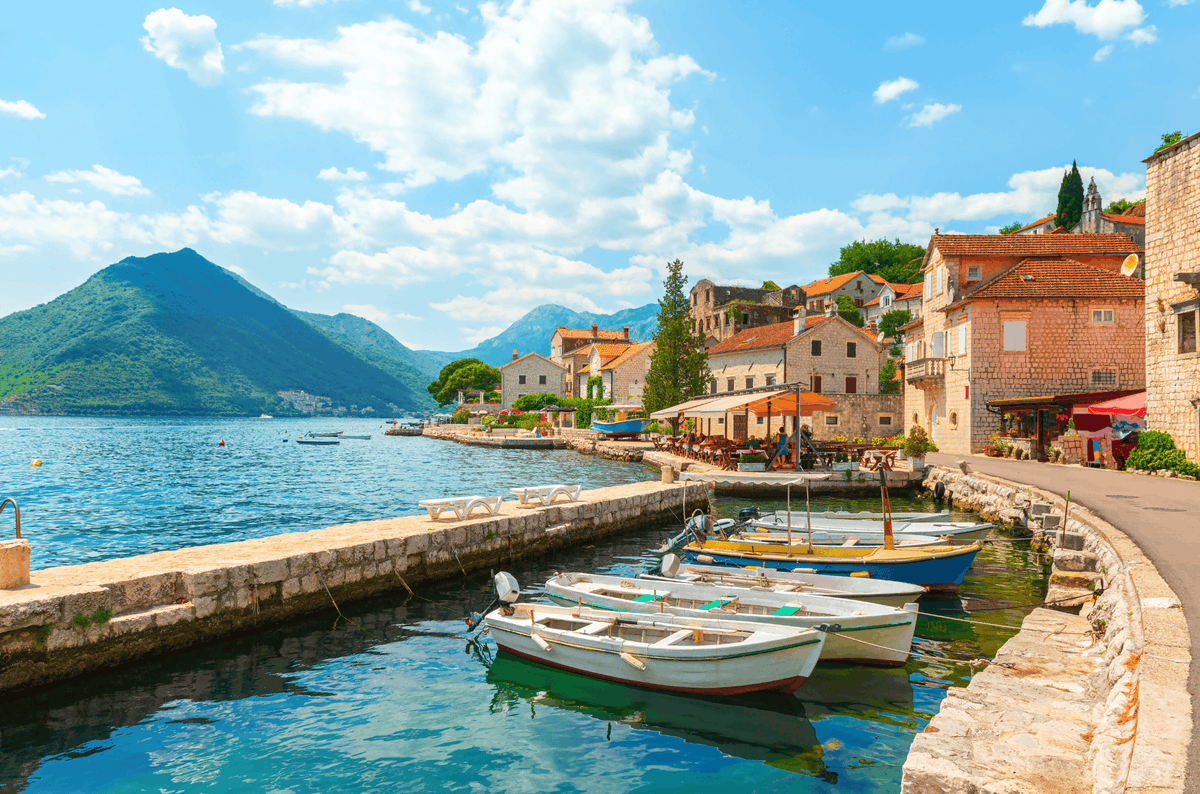
- Adriatic coastline, significantly cheaper than Croatia
- €1,200-1,500/month budget
- 2-year digital nomad visa (up to 4 years total)
- Corporate tax: 9% on profits up to €100K
- Personal income tax: 9% up to €12K, 15% above
Montenegro gets hyped sometimes, but I don't know a single person living there, unlike Portugal, Greece, Italy, or Spain.
That gap between buzz and reality is where opportunity lives.
- Adriatic coastline, significantly cheaper than Croatia
- €1,200-1,500/month budget
- 2-year digital nomad visa (up to 4 years total)
- Corporate tax: 9% on profits up to €100K
- Personal income tax: 9% up to €12K, 15% above
Montenegro gets hyped sometimes, but I don't know a single person living there, unlike Portugal, Greece, Italy, or Spain.
That gap between buzz and reality is where opportunity lives.

Where to live: Budva is the tourist trap. Skip it.
Podgorica is the capital but feels like a small town. Kotor is the real pick: a UNESCO old town tucked into a fjord-like bay, surrounded by mountains.
Bar and Tivat are also worth a look.
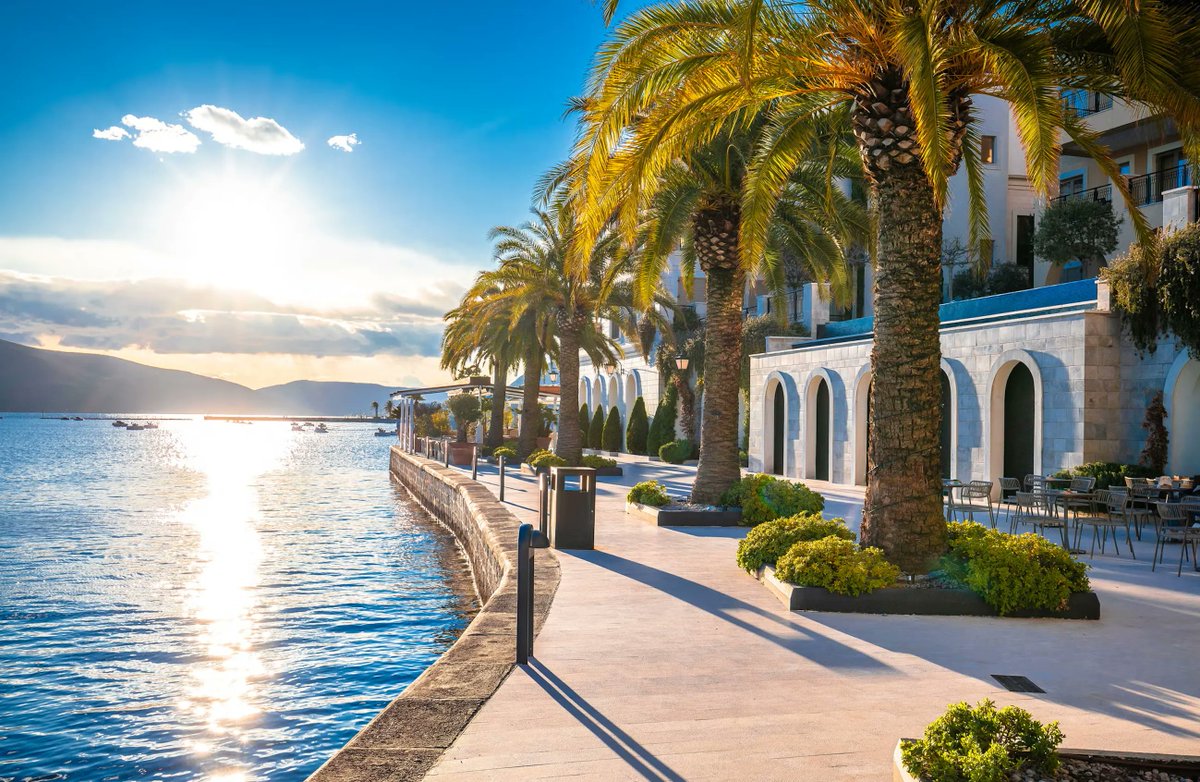
Tivat has a marina that feels like a mini Monaco, at a fraction of the price.
Podgorica is the capital but feels like a small town. Kotor is the real pick: a UNESCO old town tucked into a fjord-like bay, surrounded by mountains.
Bar and Tivat are also worth a look.
Tivat has a marina that feels like a mini Monaco, at a fraction of the price.
These are the honest trade-offs:
- Summer is overcrowded with tourists
- Winter is dead (many places close Nov-March)
- Visa program runs until end of 2026 with no guaranteed extension
- No US double taxation treaty
Not a long-term bet yet. But for a 6-12 month stint with Adriatic views and those tax rates? Hard to argue against.
- Summer is overcrowded with tourists
- Winter is dead (many places close Nov-March)
- Visa program runs until end of 2026 with no guaranteed extension
- No US double taxation treaty
Not a long-term bet yet. But for a 6-12 month stint with Adriatic views and those tax rates? Hard to argue against.
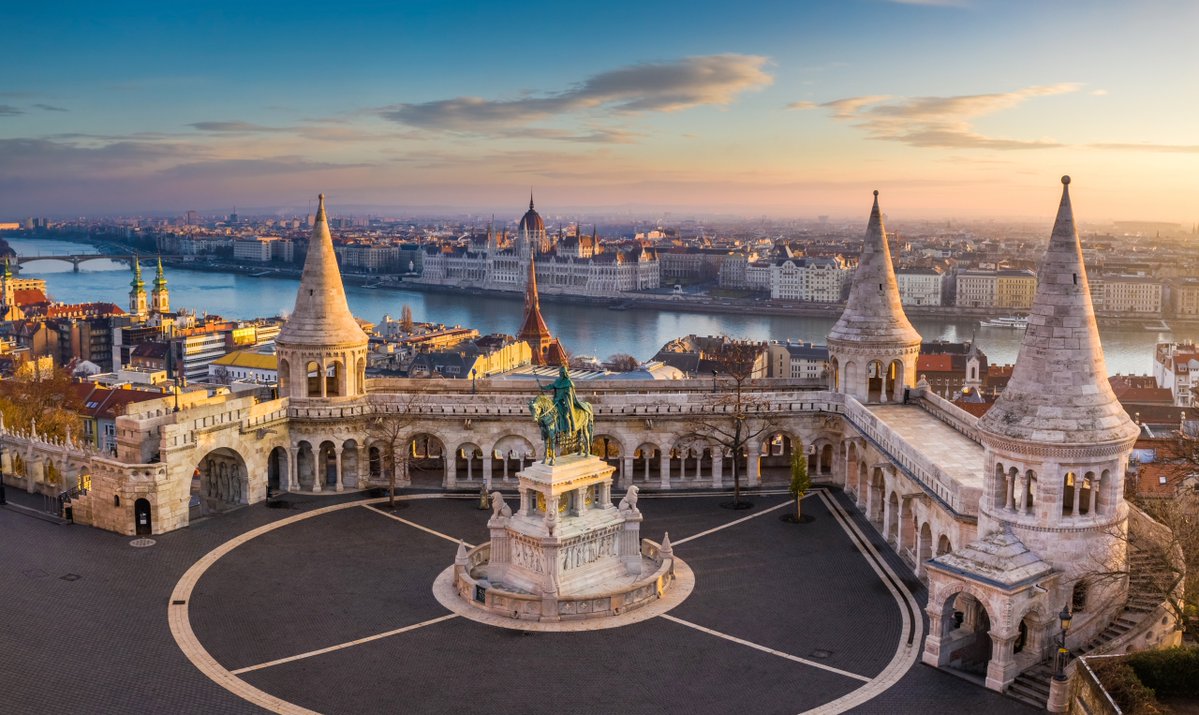
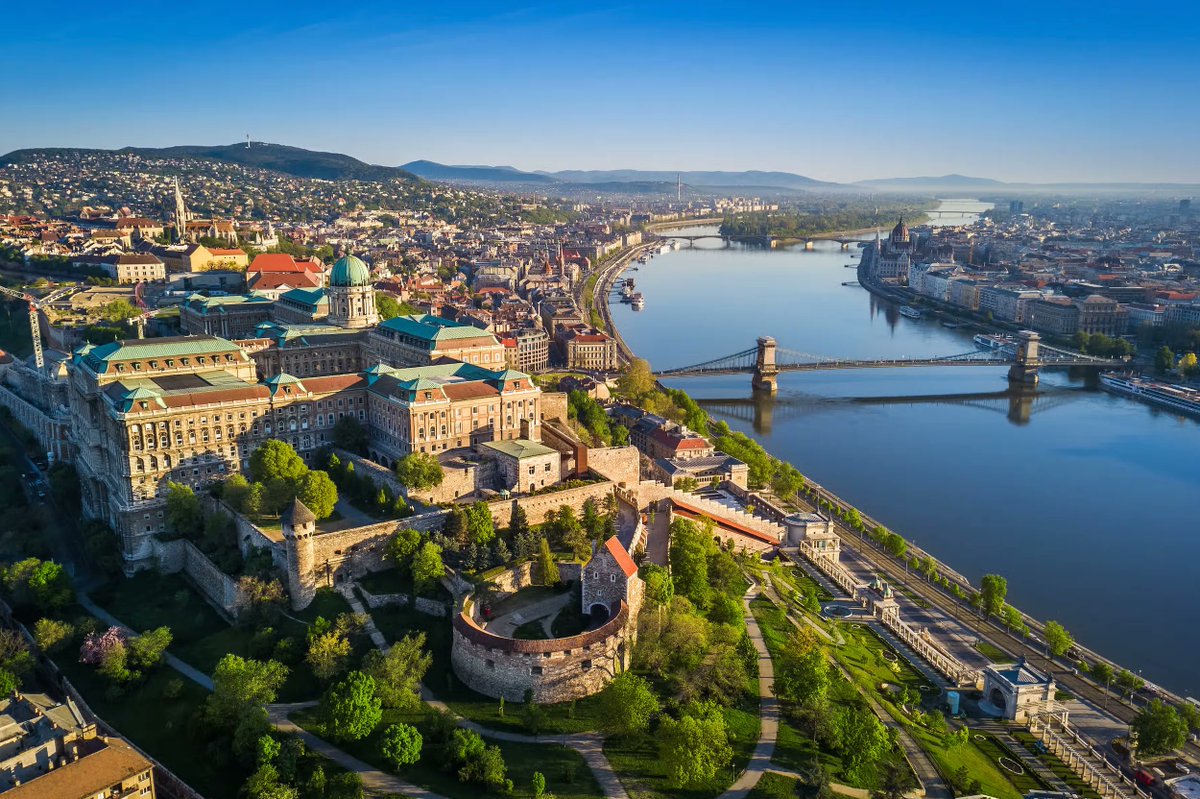
7/ This is Budapest:
- IWG ranked it #1 city in the world for digital nomads
- White Card visa costs €110 (cheapest in Europe)
- Monthly budget: €1,200-1,800
- 7,000+ members in the nomad community
Yet it keeps getting dismissed as a "party city."
- IWG ranked it #1 city in the world for digital nomads
- White Card visa costs €110 (cheapest in Europe)
- Monthly budget: €1,200-1,800
- 7,000+ members in the nomad community
Yet it keeps getting dismissed as a "party city."
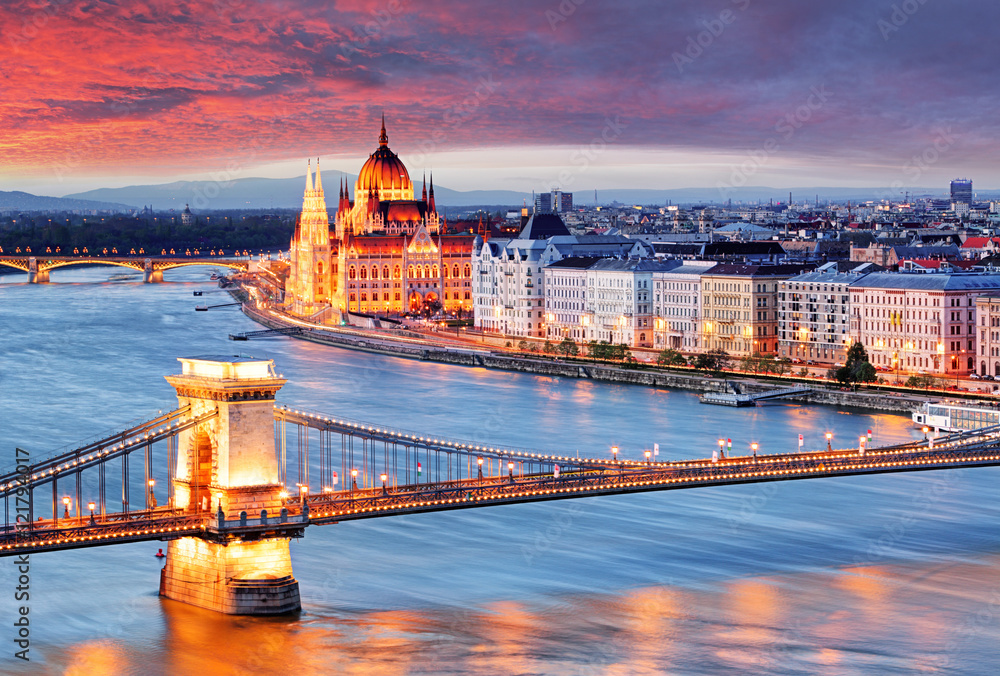
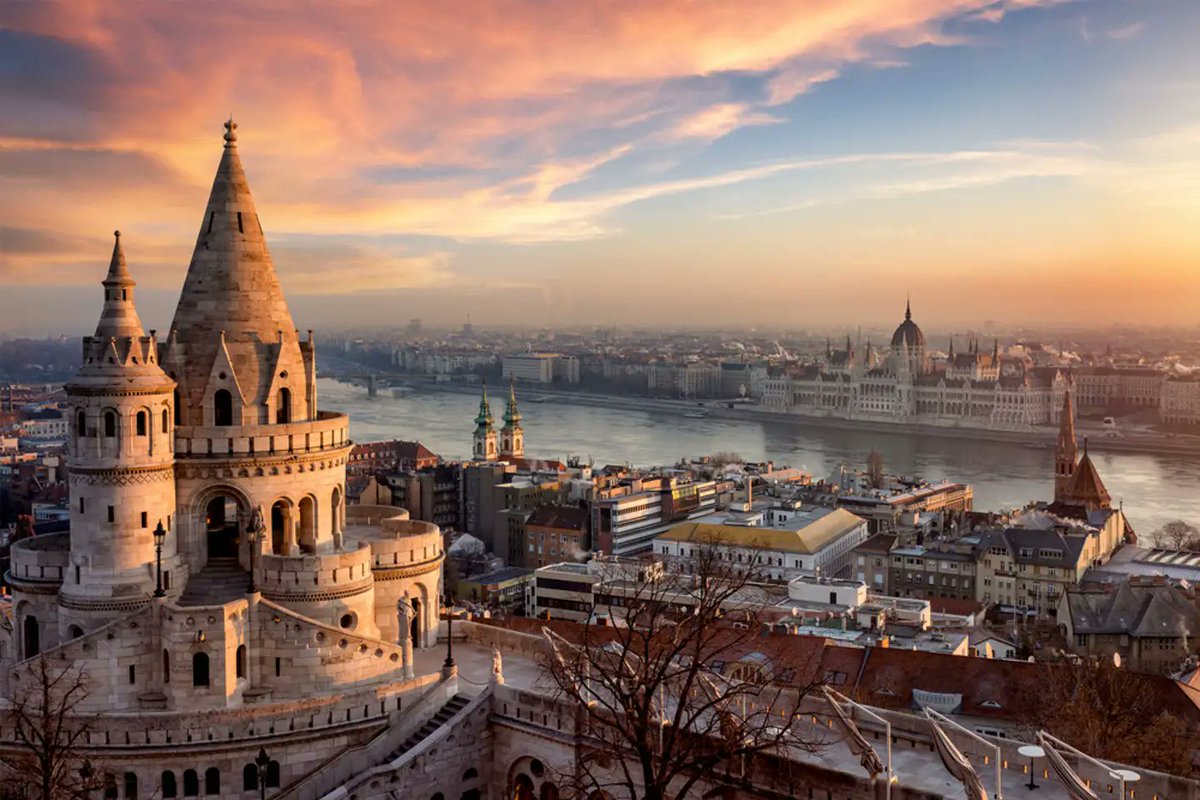

Budapest has something most nomad cities don't: depth.
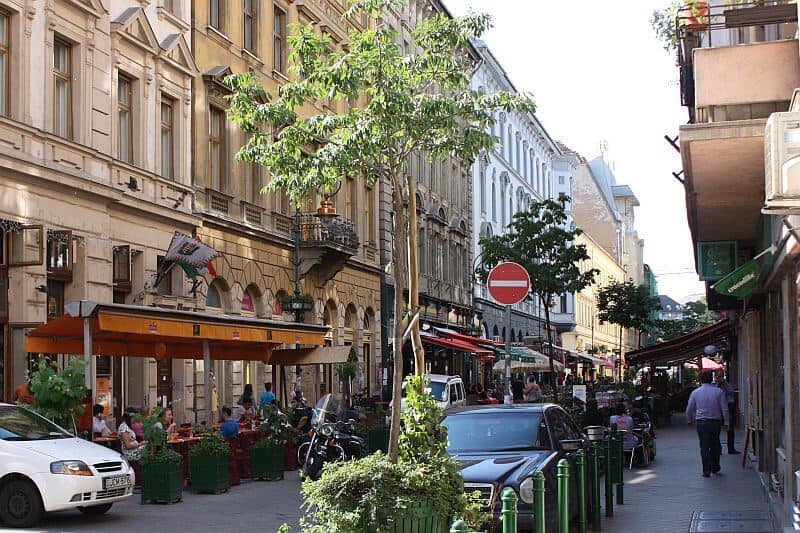
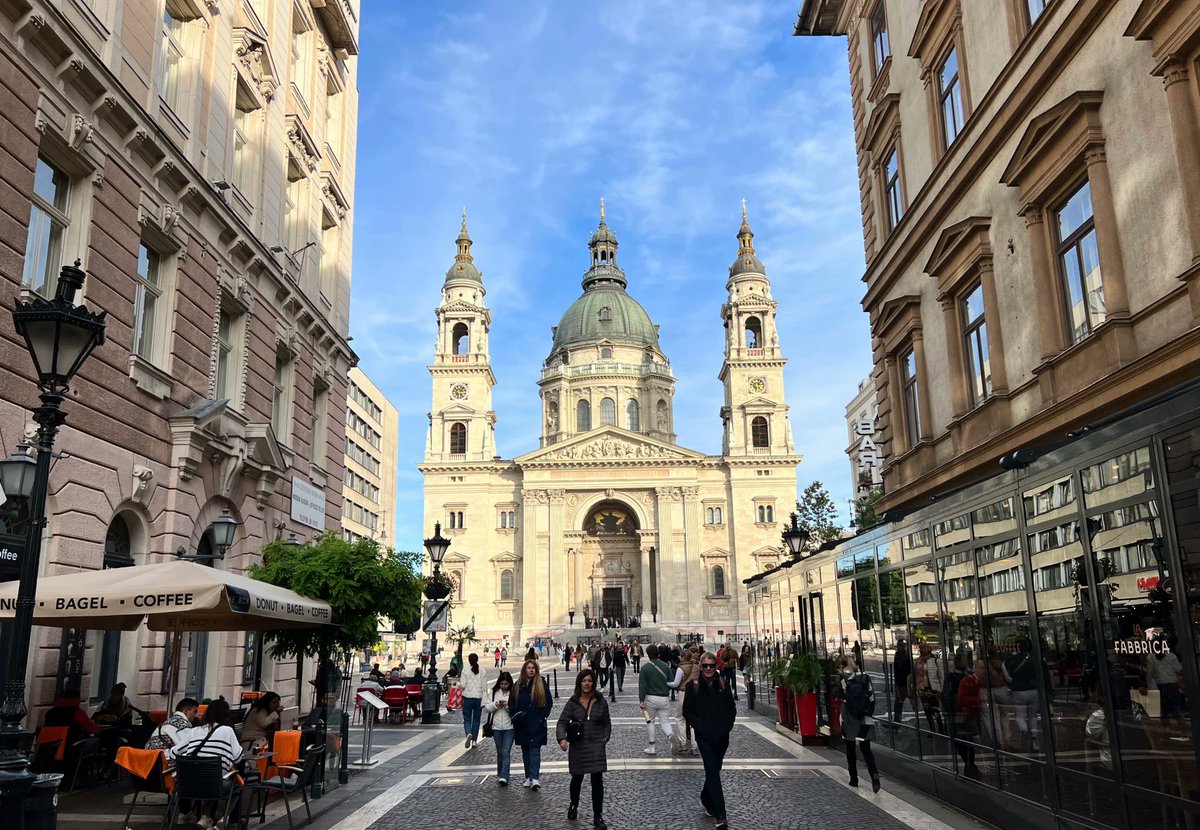
Ruin bars, thermal baths, a serious food scene that goes way beyond goulash. The architecture alone makes you feel like you're in Vienna, at half the price.
District VII is where most nomads land. But the real move is District V or IX: walkable, central, quieter.
Ruin bars, thermal baths, a serious food scene that goes way beyond goulash. The architecture alone makes you feel like you're in Vienna, at half the price.
District VII is where most nomads land. But the real move is District V or IX: walkable, central, quieter.

These are the honest trade-offs:
- Winter is cold and dark
- White Card is only for non-EU citizens
- Can't work with Hungarian companies (all contracts must be foreign)
- Maximum stay: 2 years
But for a fully functioning EU capital with world-class food, thermal baths, and this price point?
Budapest is the most obviously underrated city on this list.
- Winter is cold and dark
- White Card is only for non-EU citizens
- Can't work with Hungarian companies (all contracts must be foreign)
- Maximum stay: 2 years
But for a fully functioning EU capital with world-class food, thermal baths, and this price point?
Budapest is the most obviously underrated city on this list.

To conclude: I'm Italian... I saved this one for last.
People will say "Italy isn't underrated." They're right. Italy isn't.
But Southern Italy is.
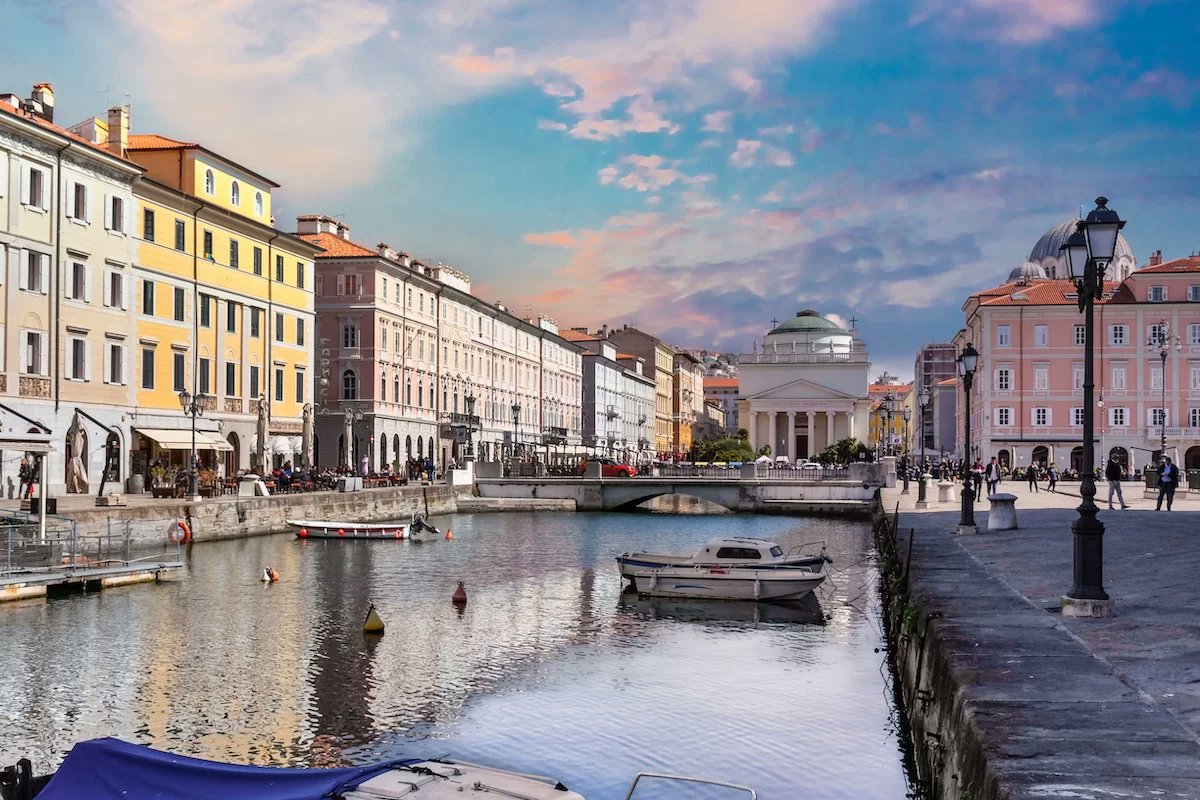
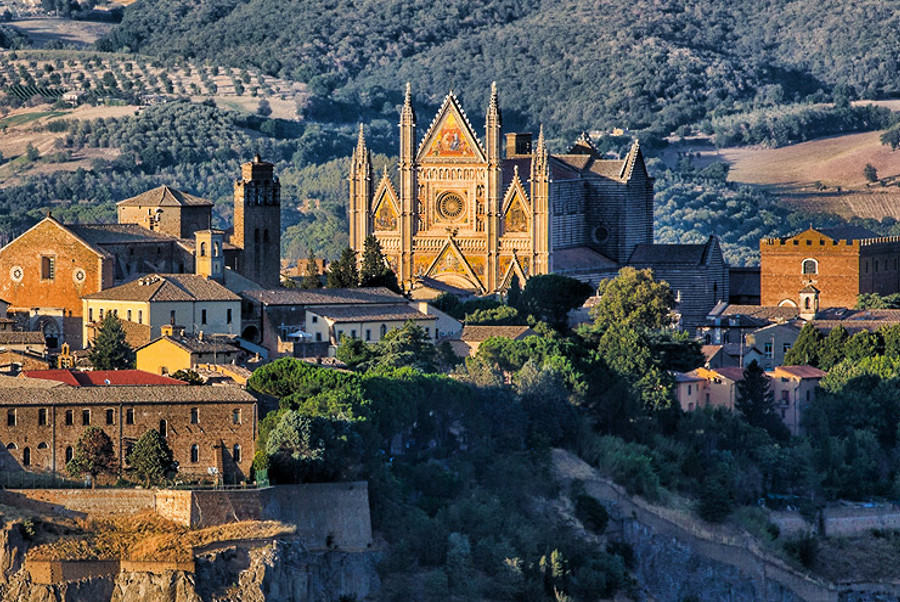
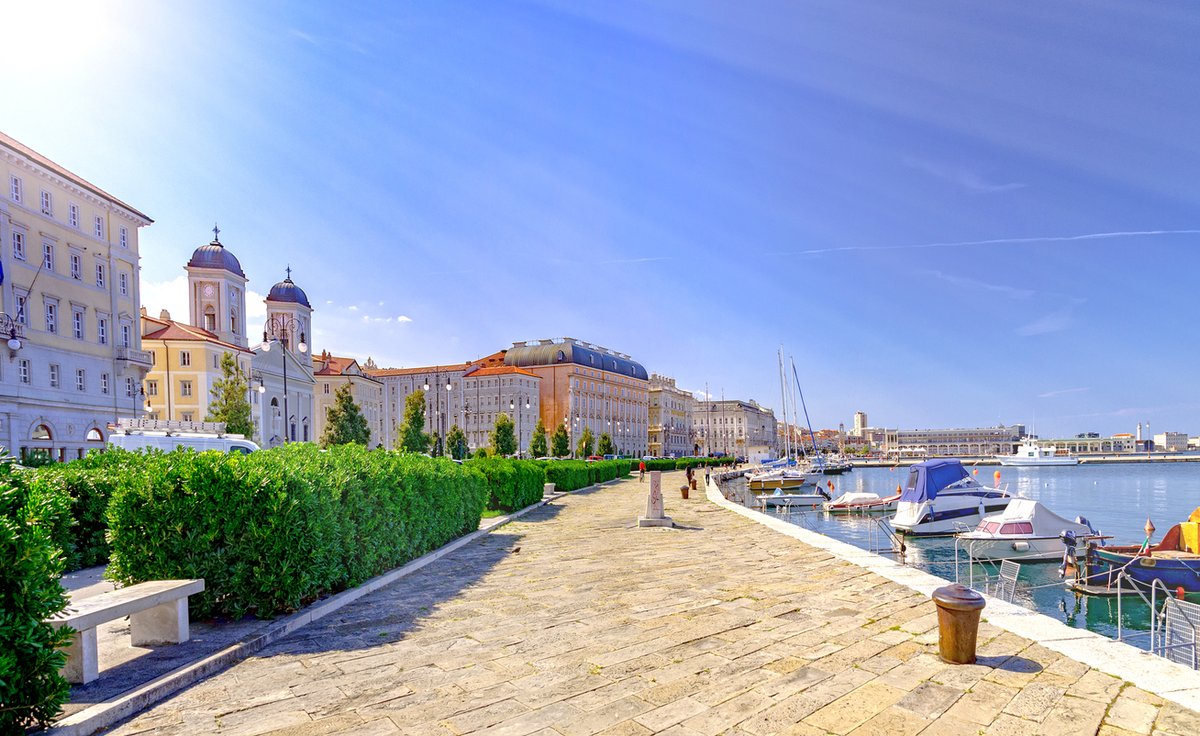
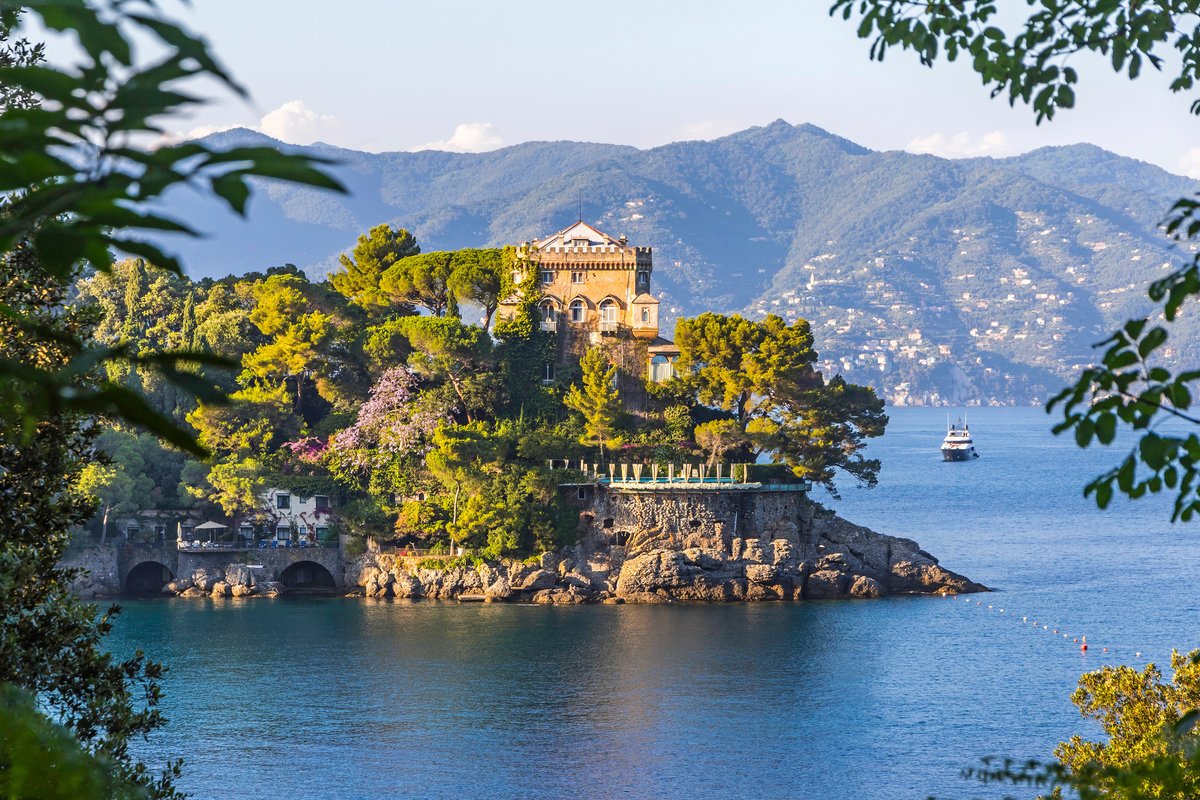
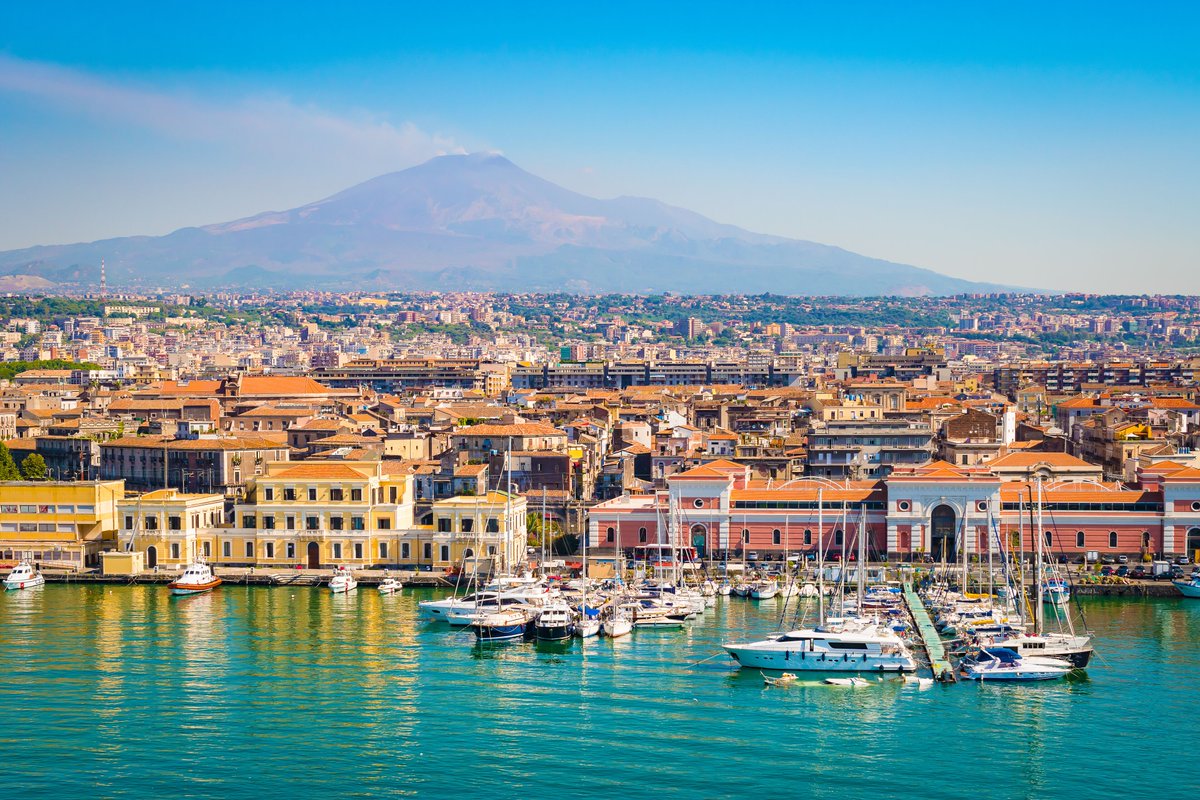
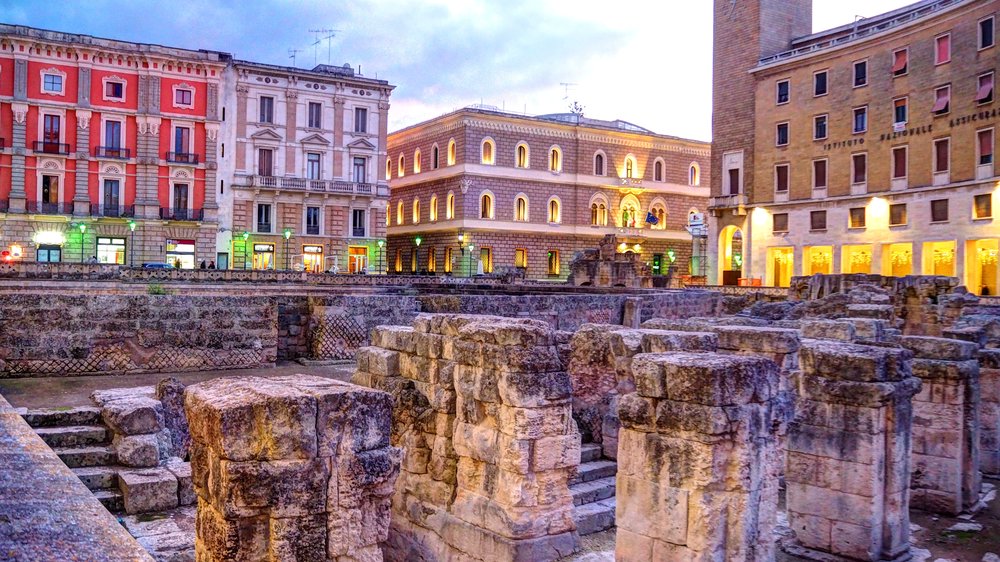
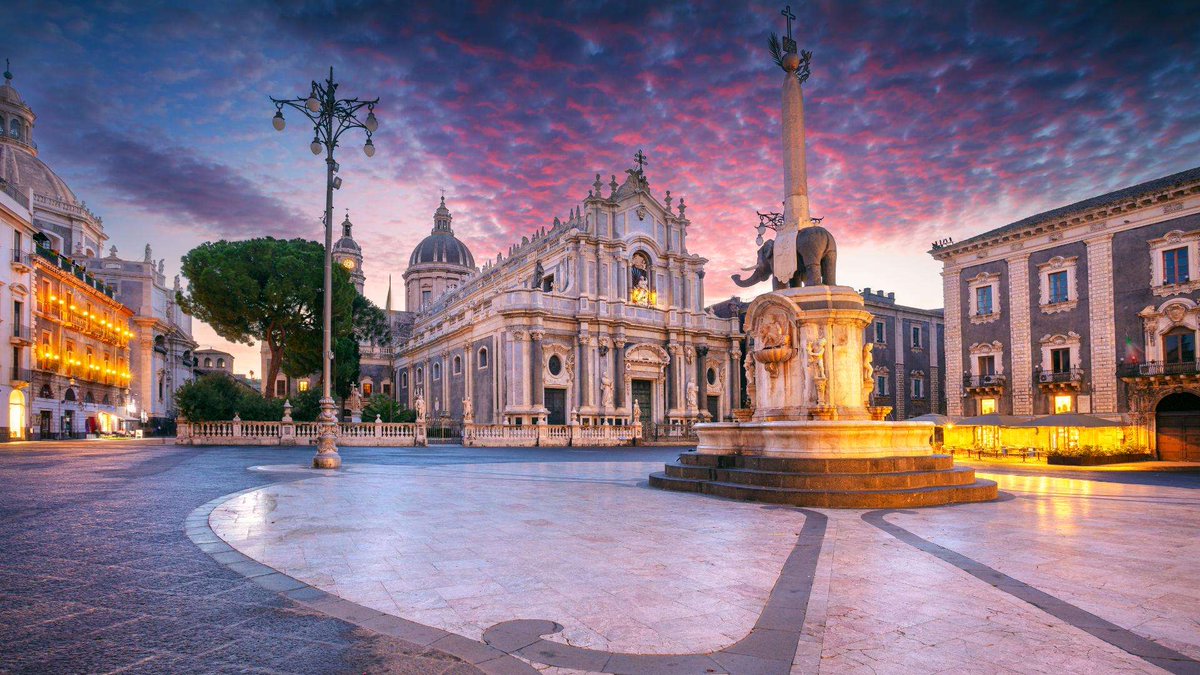
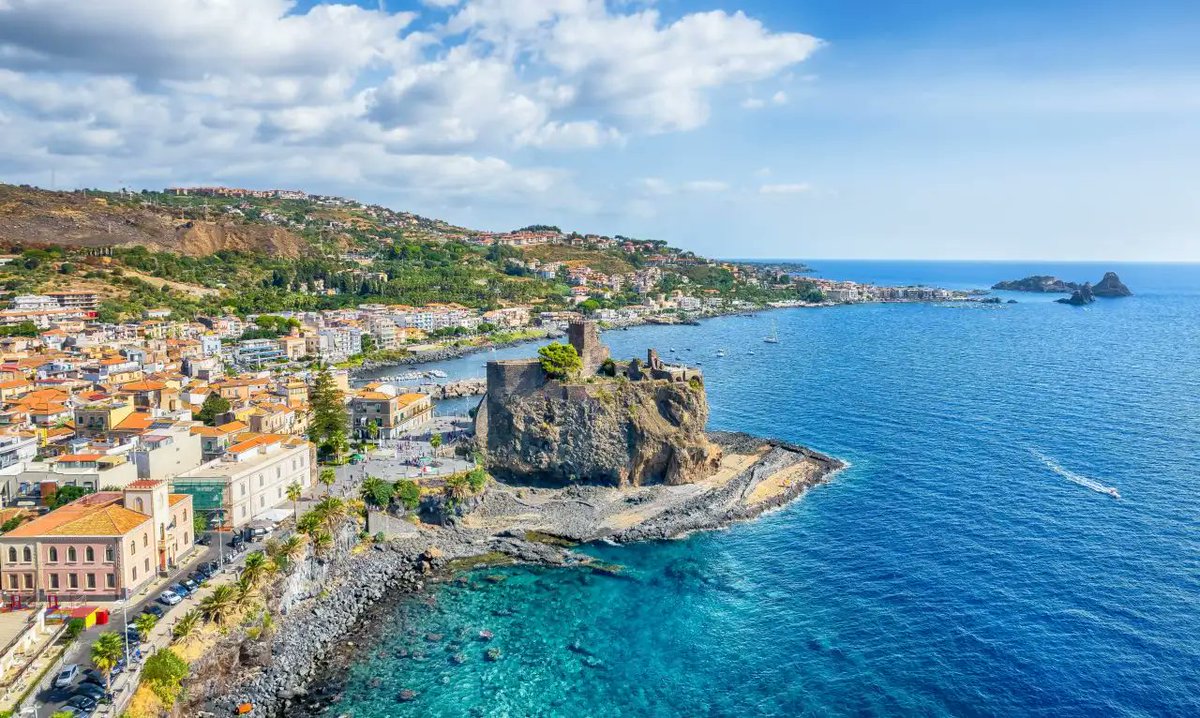
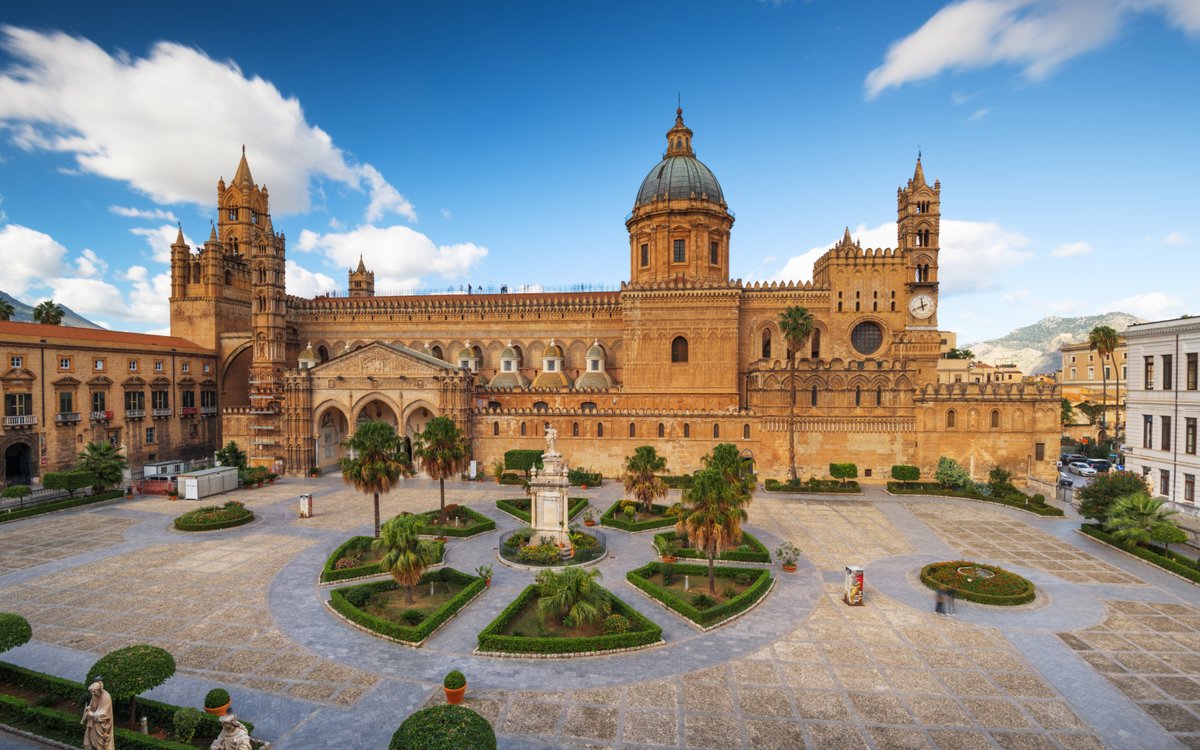
8/ This is Lecce, Catania, Bari, Palermo:
- €900-1,200/month total budget
- Rent for a 1BR: €350-700
- Coffee: €1.50
- Restaurant meal: €15
People will say "Italy isn't underrated." They're right. Italy isn't.
But Southern Italy is.
8/ This is Lecce, Catania, Bari, Palermo:
- €900-1,200/month total budget
- Rent for a 1BR: €350-700
- Coffee: €1.50
- Restaurant meal: €15


The tax play:
- 7% flat tax on foreign pensions for 10 years if you relocate to a southern town under 20,000 residents
- 50% income tax exemption for 5 years under the Impatriati regime (social security still applies)
- Digital nomad visa launched in 2024 (minimum income: €28,000/year)
The food, the coastline, the weather, at this price.
I'm biased. But the numbers speak for themselves.
- 7% flat tax on foreign pensions for 10 years if you relocate to a southern town under 20,000 residents
- 50% income tax exemption for 5 years under the Impatriati regime (social security still applies)
- Digital nomad visa launched in 2024 (minimum income: €28,000/year)
The food, the coastline, the weather, at this price.
I'm biased. But the numbers speak for themselves.
The inevitable trade-offs:
- Internet outside city centers is unreliable (verify at address level)
- Italian bureaucracy is legendary (not in a good way)
- You'll need to learn Italian
- The €1 house programs are real, but actual renovation costs are €150,000+
Still, there's a reason people who move to Southern Italy rarely leave.
- Internet outside city centers is unreliable (verify at address level)
- Italian bureaucracy is legendary (not in a good way)
- You'll need to learn Italian
- The €1 house programs are real, but actual renovation costs are €150,000+
Still, there's a reason people who move to Southern Italy rarely leave.


I hope this thread made you consider places you hadn't before.
Now... if I had to choose one place for specific categories:
- Romania: tech workers who want low tax and zero tourists
- Albania: entrepreneurs chasing the lowest cost of entry in Europe
- Croatia: people leaving Spain who want the same lifestyle for less
- Cyprus: tech founders optimizing for tax (80% will end up here in my view)
- Thessaloniki: anyone who wants Mediterranean life without the price tag
- Montenegro: short-term stays with Adriatic views and low rates
- Budapest: nomads who want a real city, not a beach town
- Southern Italy: if you know, you know :)
I'll confess: writing these, I always learn more than I expect. This time I'm positively impressed by Montenegro. But Romania and Albania could also be a great fit for many.
What's your favorite one? Anything I missed?
Now... if I had to choose one place for specific categories:
- Romania: tech workers who want low tax and zero tourists
- Albania: entrepreneurs chasing the lowest cost of entry in Europe
- Croatia: people leaving Spain who want the same lifestyle for less
- Cyprus: tech founders optimizing for tax (80% will end up here in my view)
- Thessaloniki: anyone who wants Mediterranean life without the price tag
- Montenegro: short-term stays with Adriatic views and low rates
- Budapest: nomads who want a real city, not a beach town
- Southern Italy: if you know, you know :)
I'll confess: writing these, I always learn more than I expect. This time I'm positively impressed by Montenegro. But Romania and Albania could also be a great fit for many.
What's your favorite one? Anything I missed?

If you enjoyed this, I write about these topics every week on Substack.
Deep dives on relocation, tax, and building a life abroad.
Subscribe and you'll also receive The Ultimate Guide to Citizenship & Residency Programs in 2026:
palombo.substack.com
Deep dives on relocation, tax, and building a life abroad.
Subscribe and you'll also receive The Ultimate Guide to Citizenship & Residency Programs in 2026:
palombo.substack.com

Thank you for reading!
For more posts and insights like this, follow @thealepalombo
And repost this to share with your audience:
For more posts and insights like this, follow @thealepalombo
And repost this to share with your audience:
https://twitter.com/953352286255886338/status/2039348459204223461
• • •
Missing some Tweet in this thread? You can try to
force a refresh