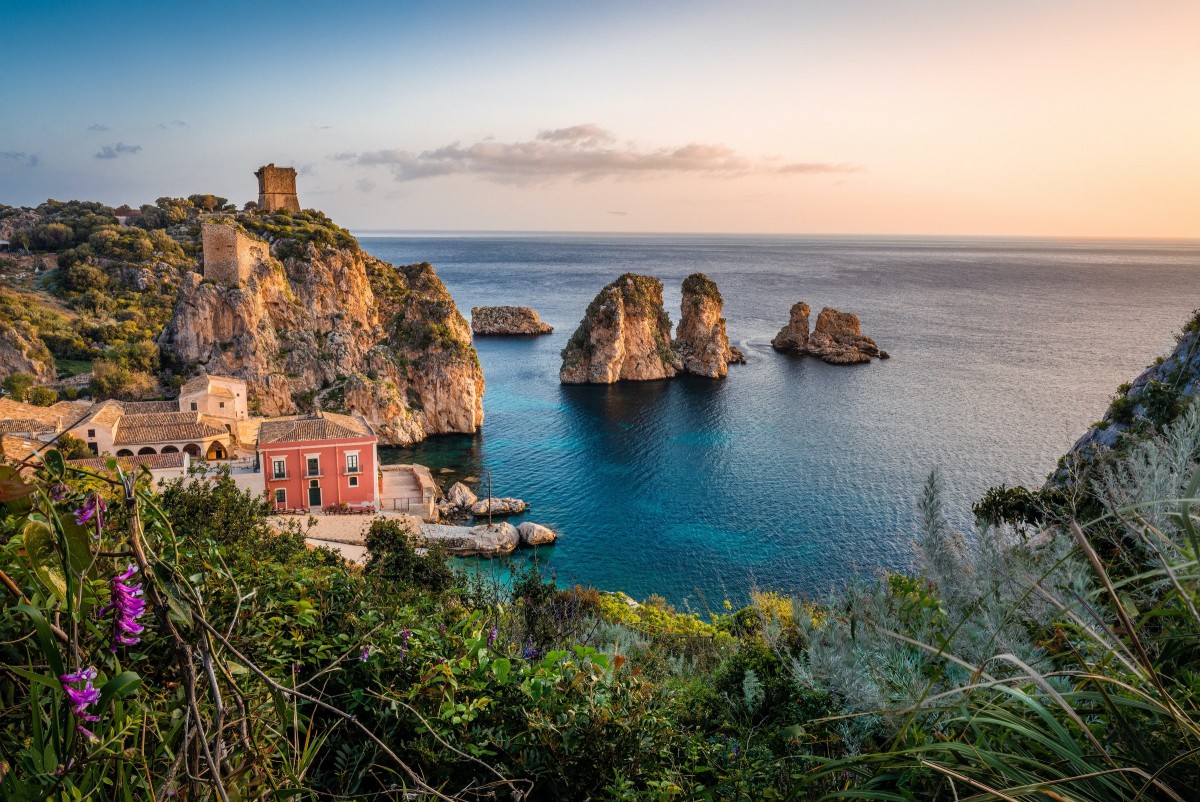
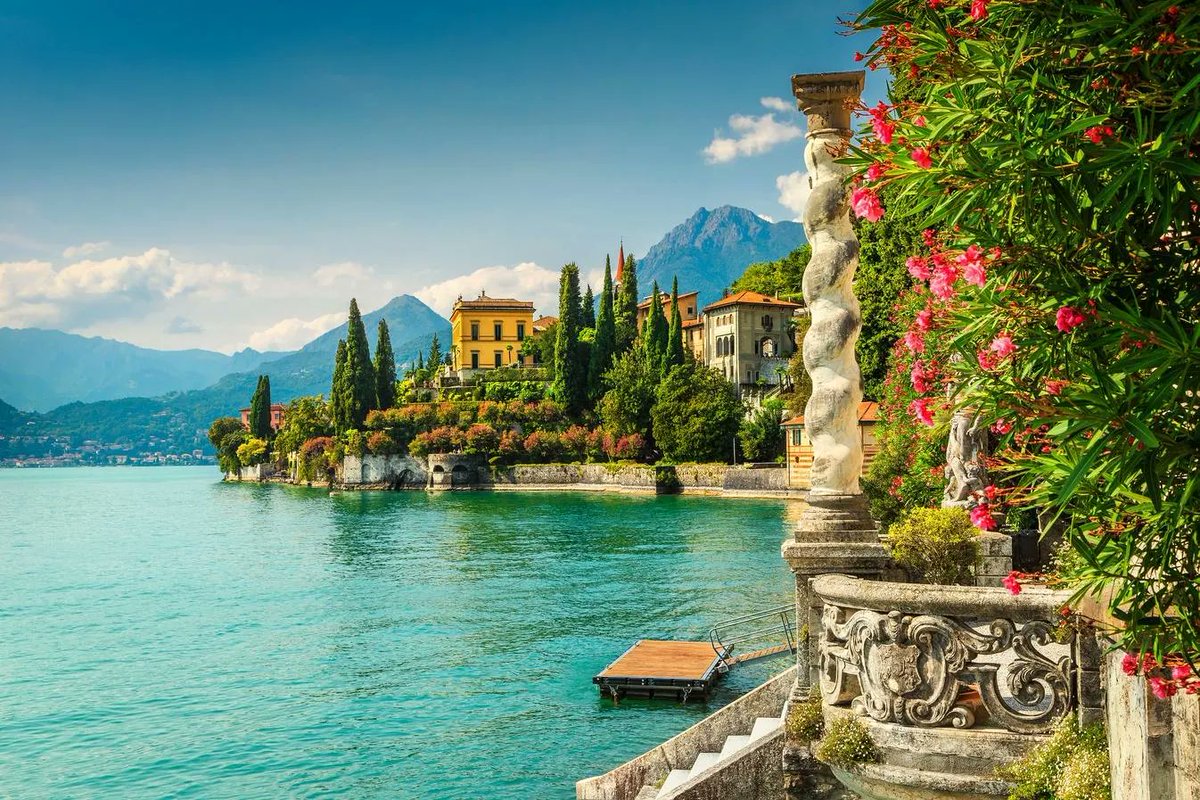
Easter lunch with the family got me thinking.
Most people default to London, Barcelona, or Amsterdam for their kids. Great cities. Also: €2,500/month for a 3BR in Amsterdam. £15K/year school fees in London. Per child.
A friend of mine, well-known author, just moved his family from Lisbon to Genoa. Nobody saw that coming. His reason: the food, the proximity to France, one of Europe's best pediatric hospitals.
That conversation sent me down a rabbit hole.
7 cities where your family will actually thrive, usually not that considered, that I'd opt in for myself.
🧵
Most people default to London, Barcelona, or Amsterdam for their kids. Great cities. Also: €2,500/month for a 3BR in Amsterdam. £15K/year school fees in London. Per child.
A friend of mine, well-known author, just moved his family from Lisbon to Genoa. Nobody saw that coming. His reason: the food, the proximity to France, one of Europe's best pediatric hospitals.
That conversation sent me down a rabbit hole.
7 cities where your family will actually thrive, usually not that considered, that I'd opt in for myself.
🧵
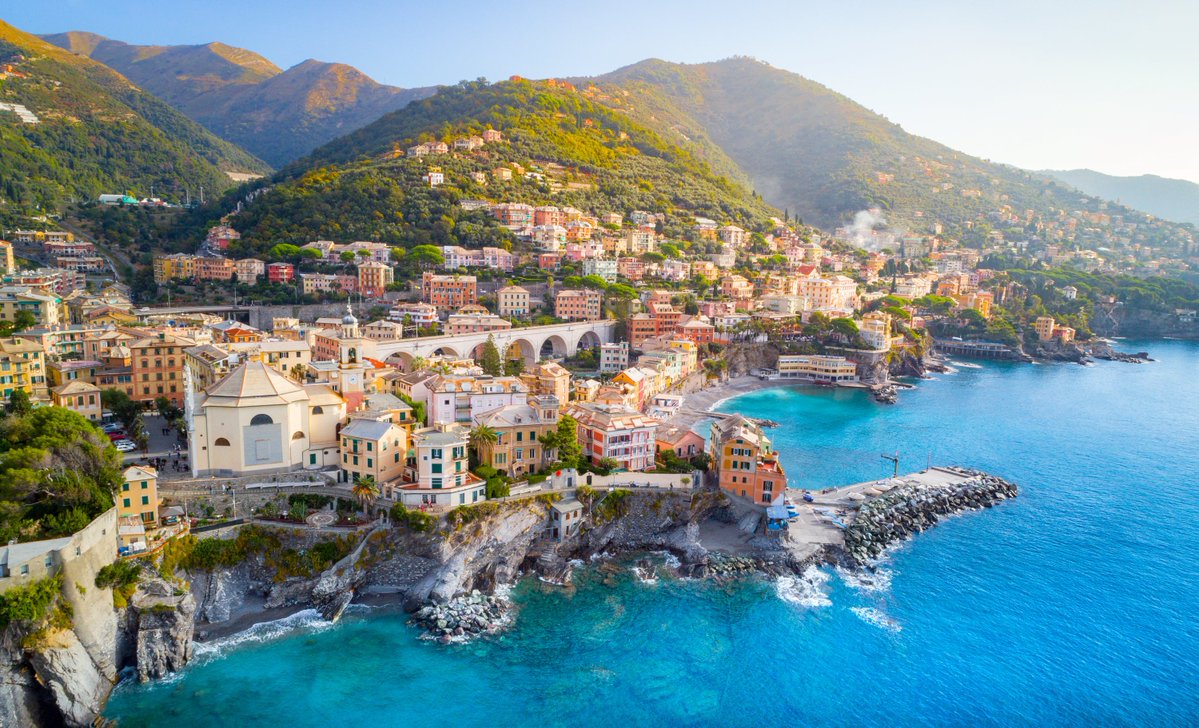
I took the cities my friends with families like the most and re-assessed with some criteria.
What I looked at for each:
- Safety and walkability
- International schools (quality + real cost)
- Pediatric healthcare
- Monthly budget for a family of 4
- Parental leave and childcare
- Outdoor life, beach and mountain access
- The honest downsides worth mentioning
The output is the below list: not just places to park your family. But places where kids can grow up well and you can actually enjoy life too.
Let's go.
What I looked at for each:
- Safety and walkability
- International schools (quality + real cost)
- Pediatric healthcare
- Monthly budget for a family of 4
- Parental leave and childcare
- Outdoor life, beach and mountain access
- The honest downsides worth mentioning
The output is the below list: not just places to park your family. But places where kids can grow up well and you can actually enjoy life too.
Let's go.


1/ Valencia, Spain 🇪🇸
Population: 824,000
Family of 4 budget: €2,500–3,500/month
3BR rent: €1,200–1,800
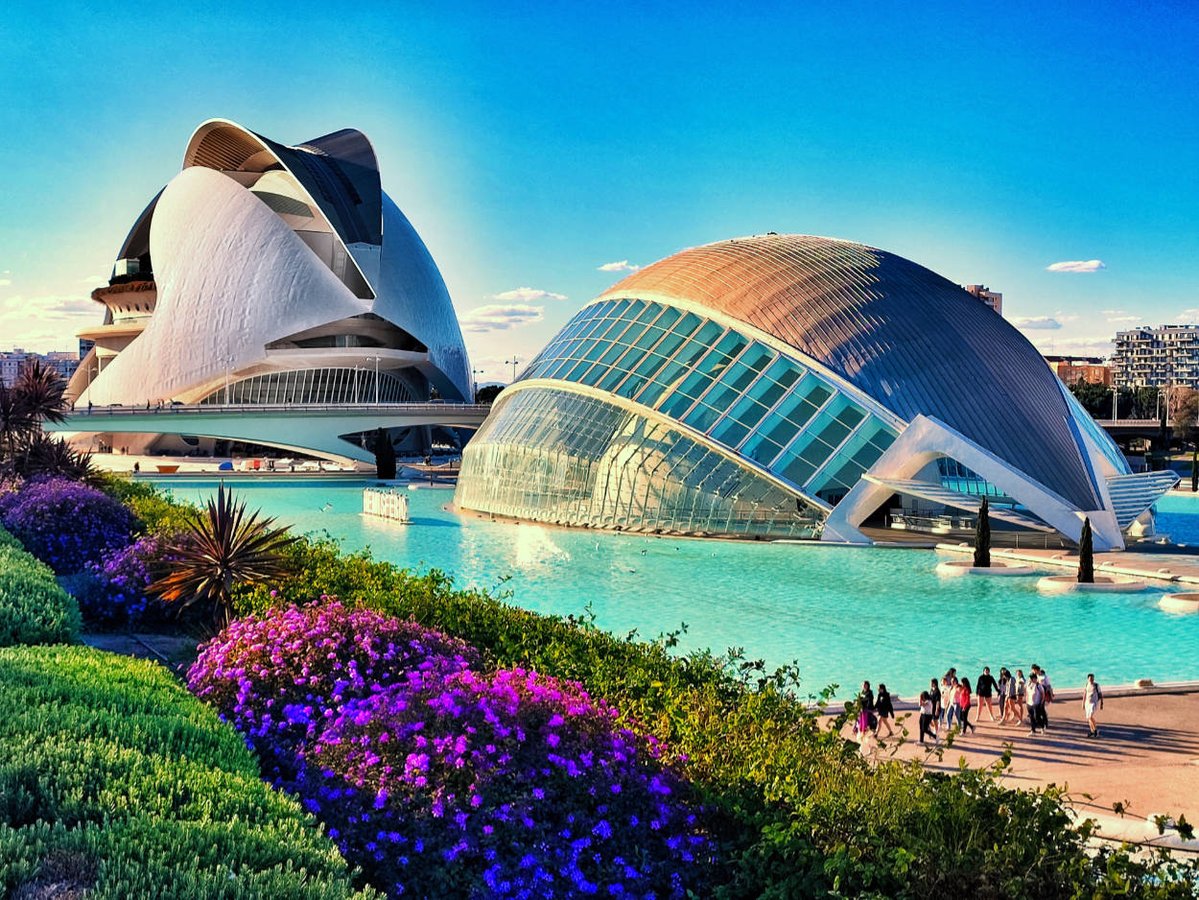
Valencia is one of my favorites. Many people consider it, but somehow not too many mention it online.
Same beach as Barcelona. Same weather. Better paella (this is literally where it was invented). A fraction of the price.
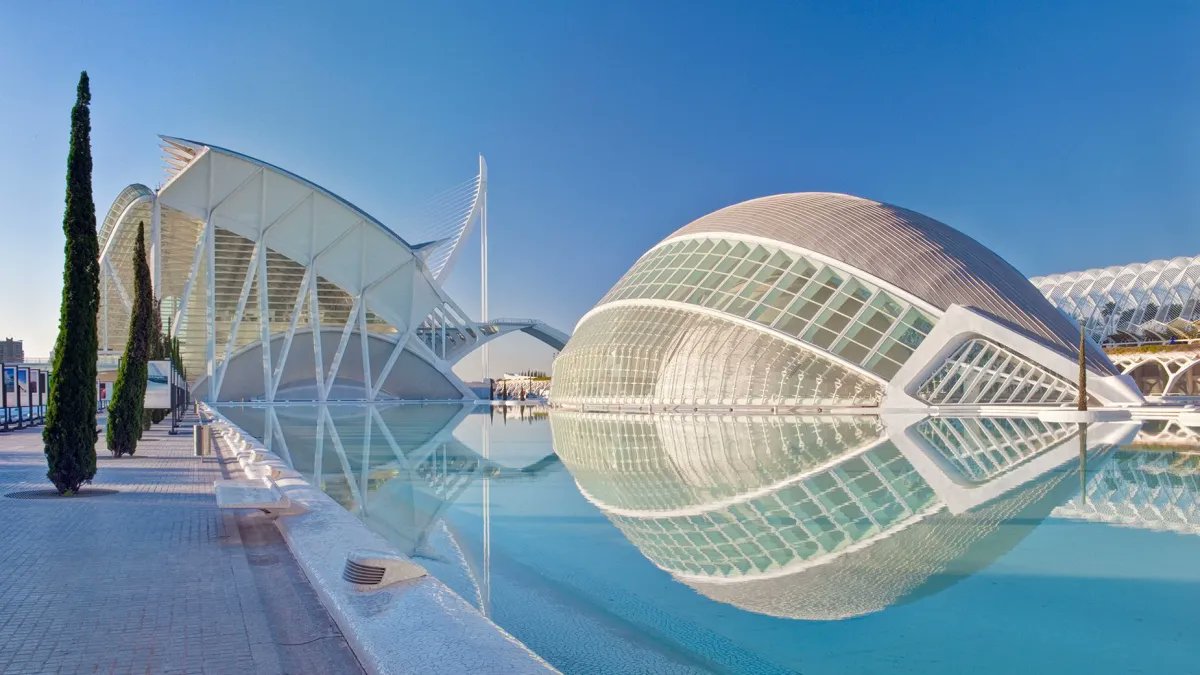
City of Arts & Sciences. 9 km Turia Gardens park built on a former riverbed. Kids cycling everywhere. Parents having wine at outdoor terraces while the kids play.
One of the lowest crime indexes in Spain. Safer than Barcelona, safer than Madrid.
Population: 824,000
Family of 4 budget: €2,500–3,500/month
3BR rent: €1,200–1,800
Valencia is one of my favorites. Many people consider it, but somehow not too many mention it online.
Same beach as Barcelona. Same weather. Better paella (this is literally where it was invented). A fraction of the price.
City of Arts & Sciences. 9 km Turia Gardens park built on a former riverbed. Kids cycling everywhere. Parents having wine at outdoor terraces while the kids play.
One of the lowest crime indexes in Spain. Safer than Barcelona, safer than Madrid.

Schools: American School of Valencia (IB, €5K–20K/year), British School of Valencia (IB, ~€11K/year), Caxton College, Cambridge House. Serious options at every level.
Spain just expanded parental leave to 19 weeks per parent at 100% salary (32 weeks for single parents). One of Europe's best.
Hospital La Fe is a top public facility. Private pediatric care: €50–80/visit.
The expat family community here is real and growing. Play groups, school WhatsApp chats, international parent meetups. You won't feel alone.
Beach: 10 min. Alicante: 2 hrs. Madrid: 4 hrs. Ibiza: 1 hr flight.
Downsides: Spanish bureaucracy is real (55% of expats frustrated with paperwork). You need Spanish, English is limited outside tourist areas. Job market thin for non-Spanish speakers. Rent rising 6–8% yearly.
But for a Mediterranean city with this infrastructure, this safety, this lifestyle, at half Barcelona's price? Valencia is the single strongest play on this list.
Spain just expanded parental leave to 19 weeks per parent at 100% salary (32 weeks for single parents). One of Europe's best.
Hospital La Fe is a top public facility. Private pediatric care: €50–80/visit.
The expat family community here is real and growing. Play groups, school WhatsApp chats, international parent meetups. You won't feel alone.
Beach: 10 min. Alicante: 2 hrs. Madrid: 4 hrs. Ibiza: 1 hr flight.
Downsides: Spanish bureaucracy is real (55% of expats frustrated with paperwork). You need Spanish, English is limited outside tourist areas. Job market thin for non-Spanish speakers. Rent rising 6–8% yearly.
But for a Mediterranean city with this infrastructure, this safety, this lifestyle, at half Barcelona's price? Valencia is the single strongest play on this list.
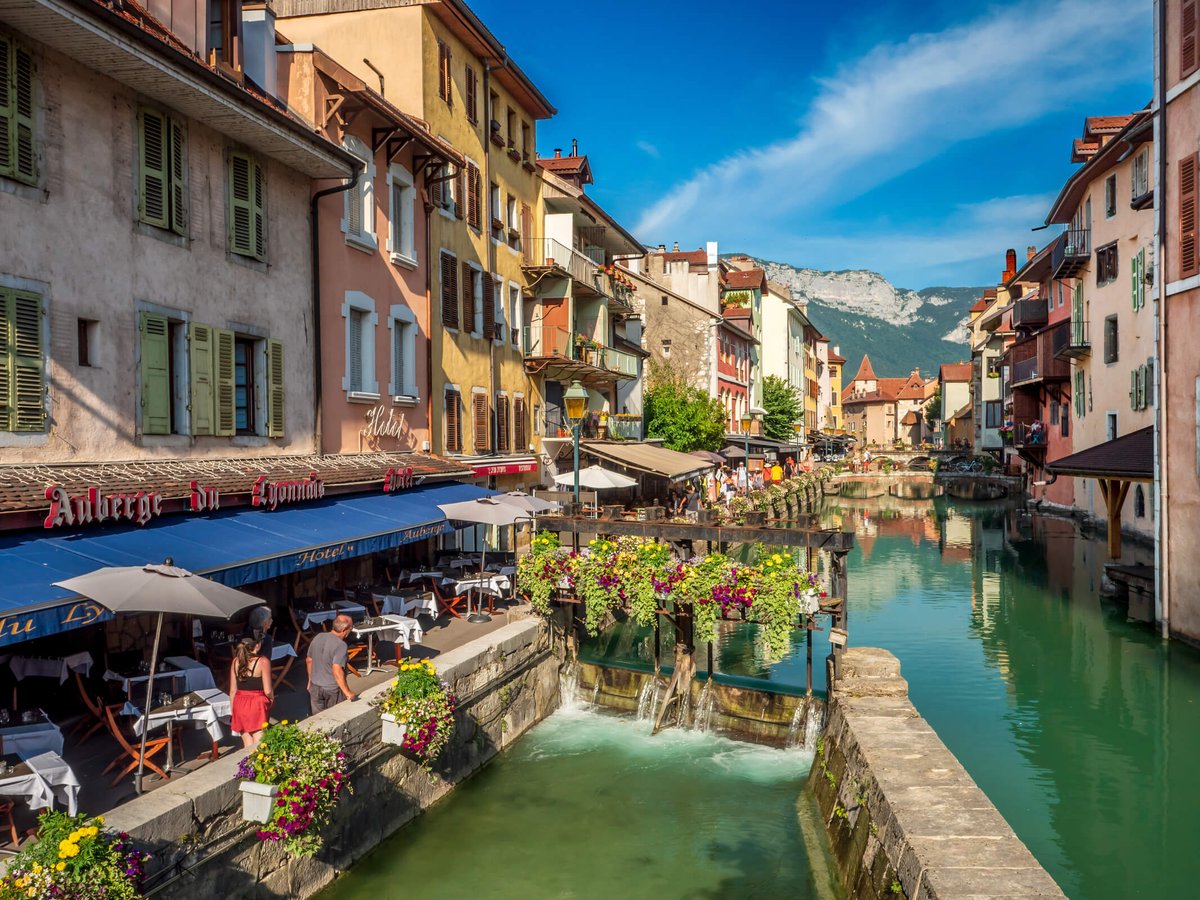
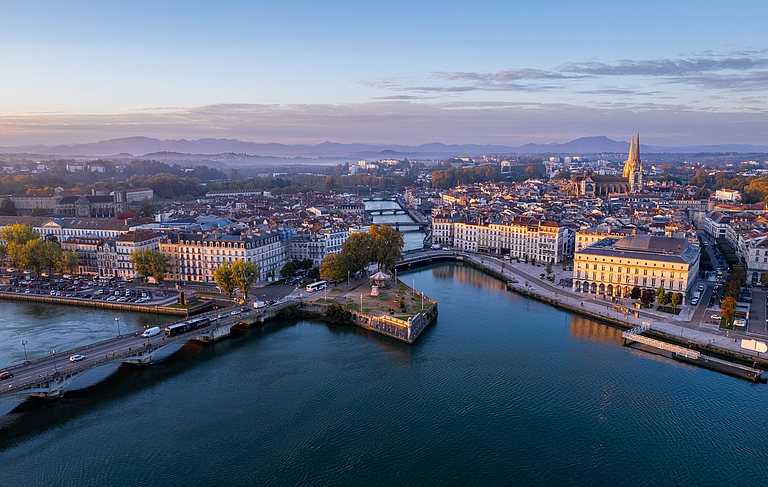
2/ Bordeaux, France 🇫🇷
Population: 274,000 (metro: 1M+)
Family of 4 budget: €3,300–4,500/month
3BR rent: €1,200–1,800
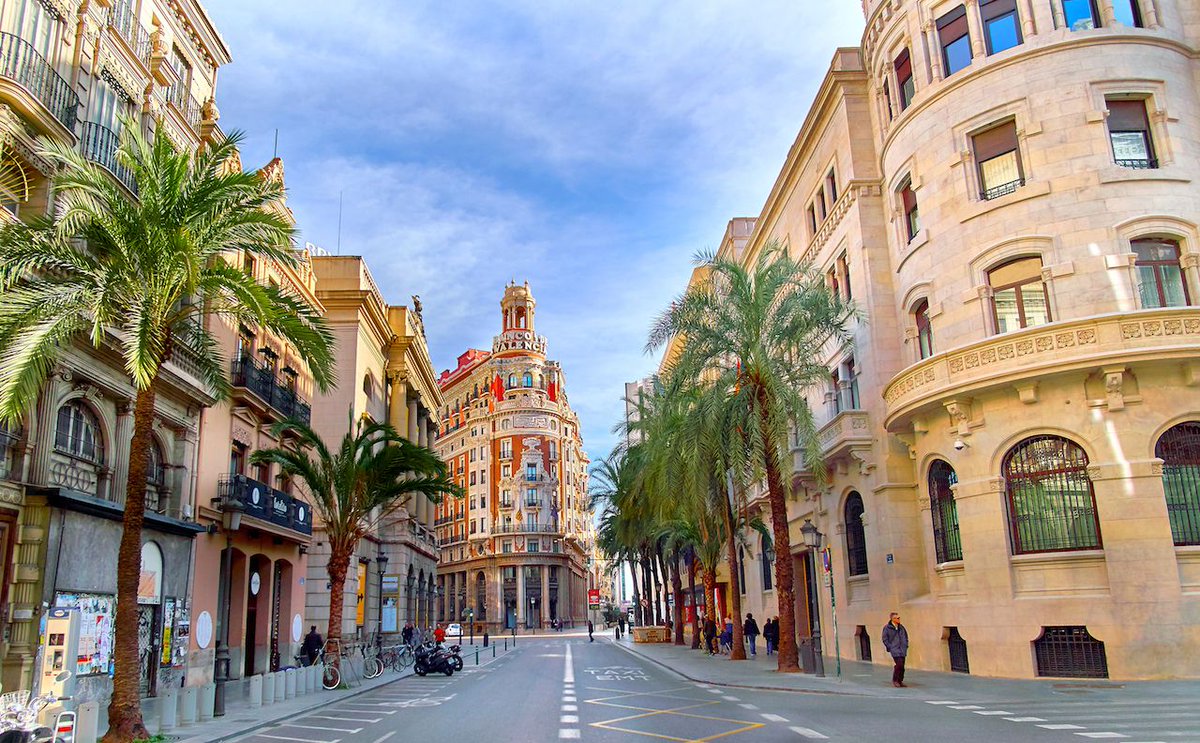
I'll be honest, Bordeaux surprised me when I started looking at it through a family lens.
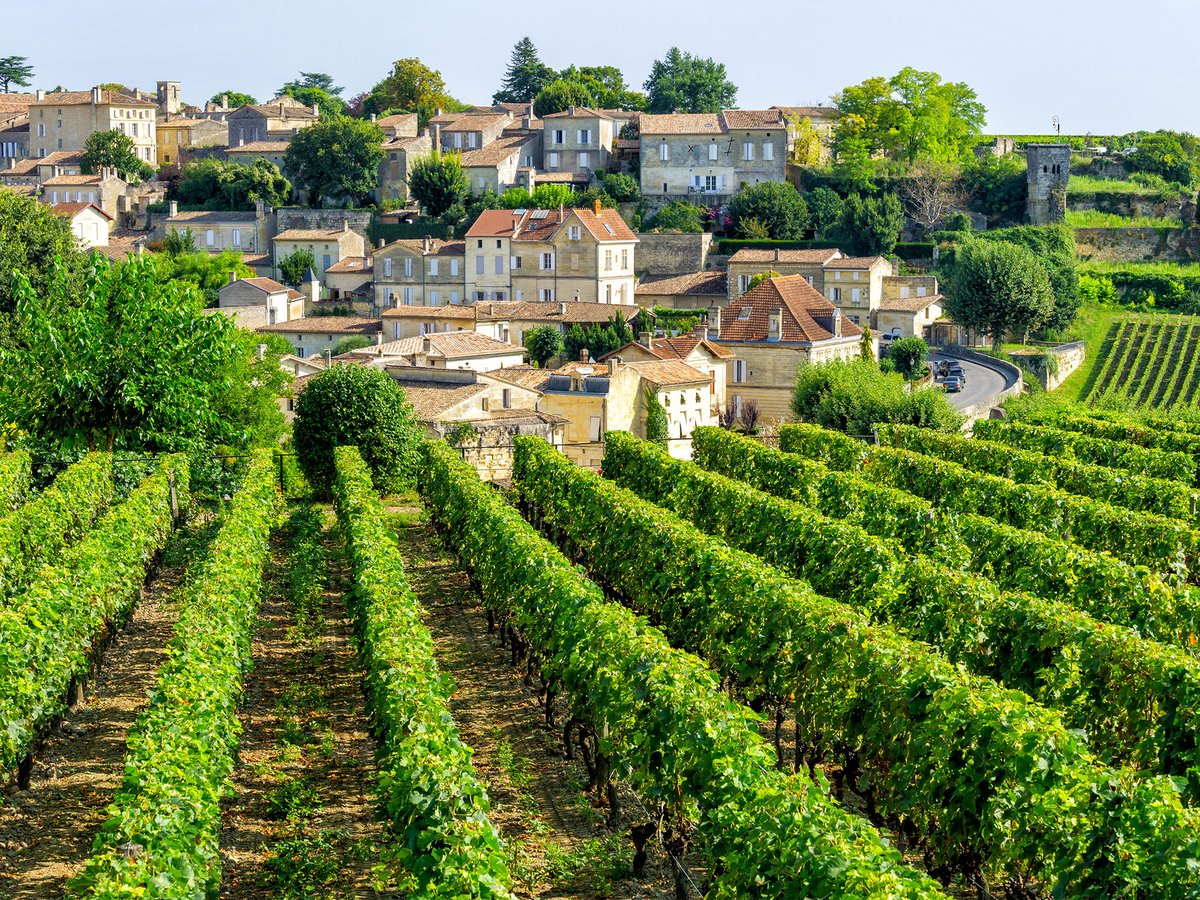
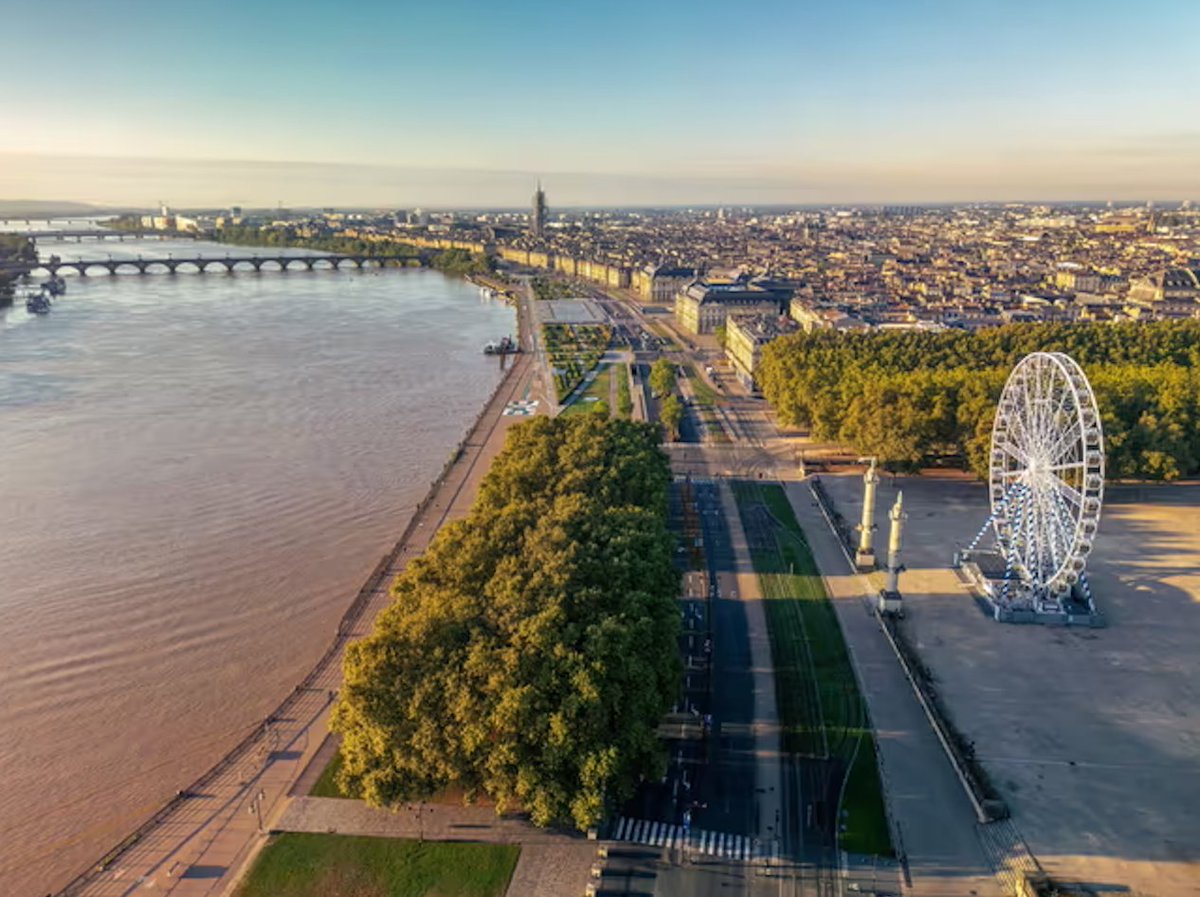
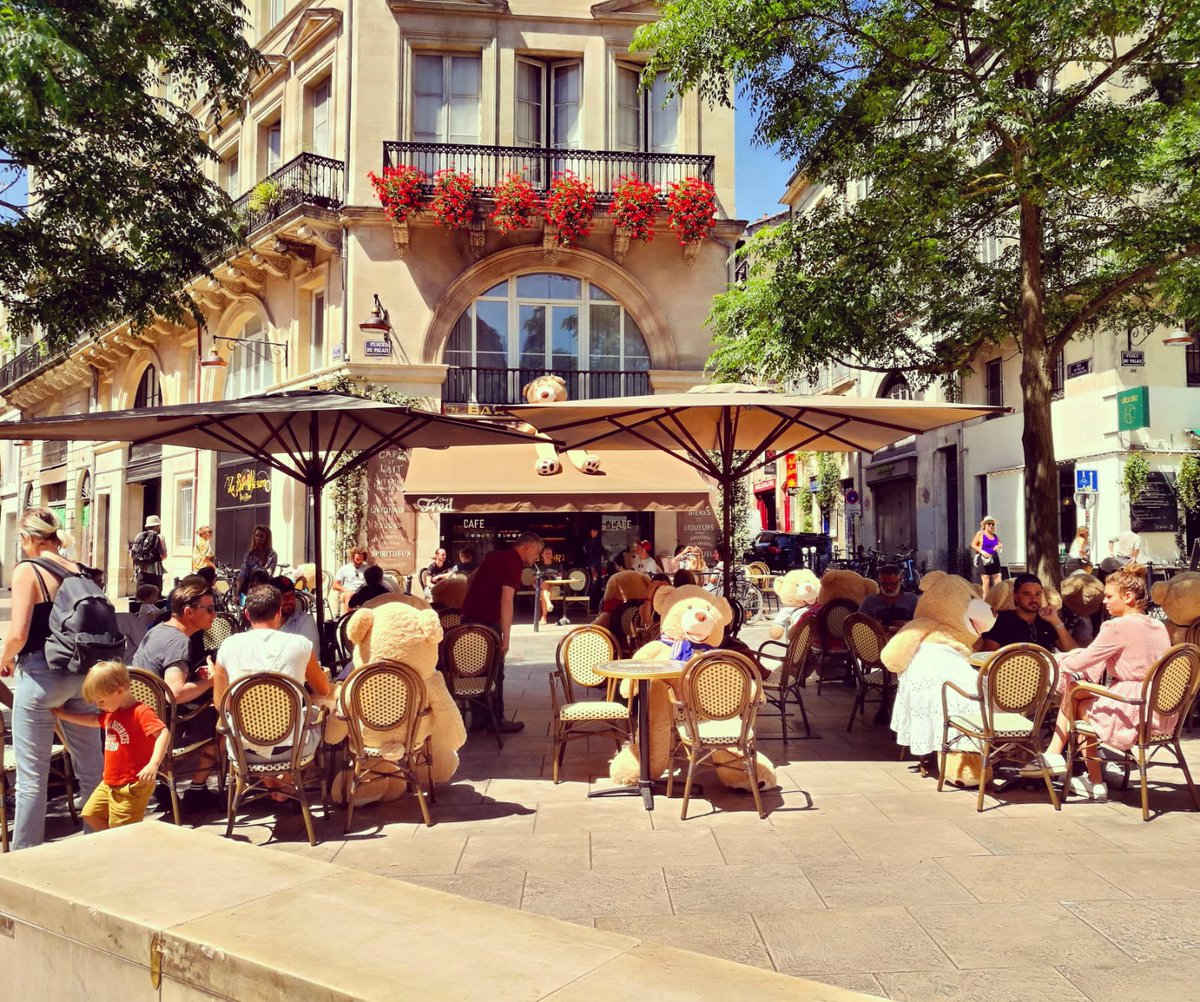
Wine capital of the world. UNESCO World Heritage city. Atlantic surf. TGV to Paris in 2 hours. You can live the French life without the Parisian stress.
Significantly cheaper than Paris (rent alone is ~40% less). Every bit as beautiful. Arguably more liveable with kids. The Miroir d'Eau turns into a giant splash pad in summer and the kids go absolutely wild.
Population: 274,000 (metro: 1M+)
Family of 4 budget: €3,300–4,500/month
3BR rent: €1,200–1,800
I'll be honest, Bordeaux surprised me when I started looking at it through a family lens.
Wine capital of the world. UNESCO World Heritage city. Atlantic surf. TGV to Paris in 2 hours. You can live the French life without the Parisian stress.
Significantly cheaper than Paris (rent alone is ~40% less). Every bit as beautiful. Arguably more liveable with kids. The Miroir d'Eau turns into a giant splash pad in summer and the kids go absolutely wild.

Schools: Bordeaux International School (bilingual, ages 3–18, €8K–18K/year). International School 33 (IB, French/English/Spanish/Chinese immersion).
Hôpital Pellegrin-Enfants: 225-bed children's hospital, 15,000 pediatric surgeries/year. Regional referral center for 6 million people. This alone makes Bordeaux a serious family pick.
France's family benefits are among the best in the world. From 2026: each parent gets 2 extra months paid leave on top of 16 weeks maternity + 28 days paternity.
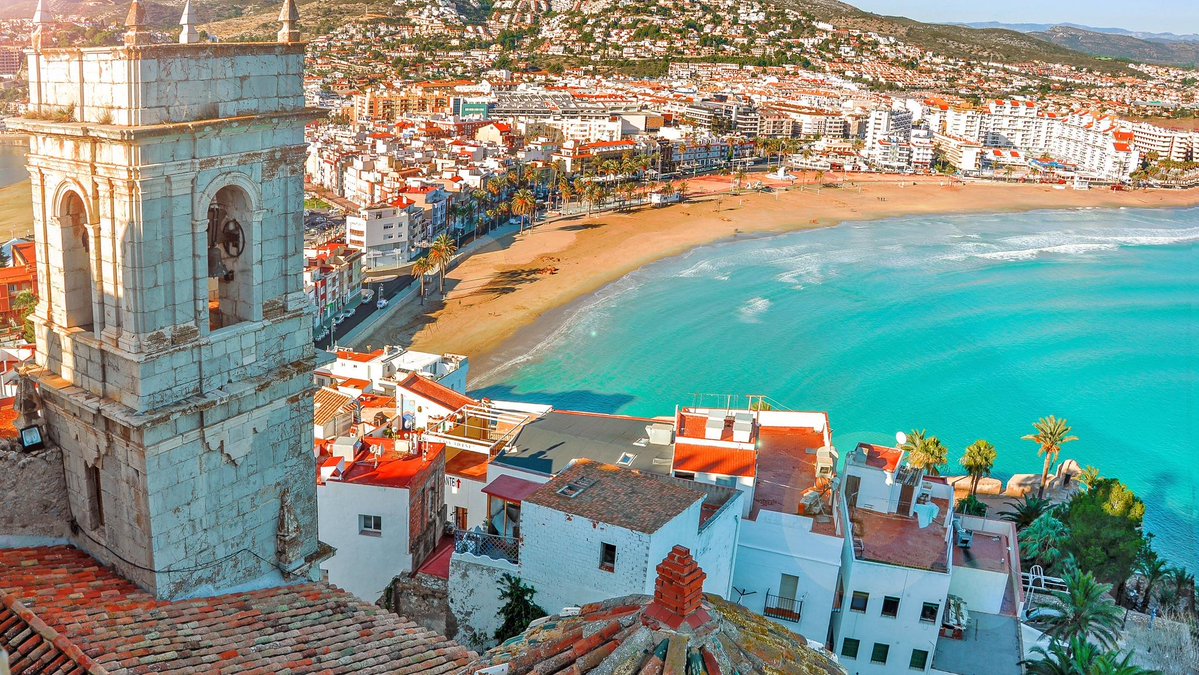
Atlantic beaches: 45 min. Basque Country: 2 hrs. Spain: 2 hrs. Dune du Pilat (Europe's largest sand dune): day trip. Weekend surf trips become a family ritual.
Downsides: You need French, non-negotiable. Winter is rainy (it's the Atlantic). No metro, you'll want a car. Housing market competitive. French bureaucracy is legendary.
But for a UNESCO city with world-class wine, surf, a top children's hospital, and a 2-hour train to Paris? Bordeaux is the coolest family city nobody's talking about.
Hôpital Pellegrin-Enfants: 225-bed children's hospital, 15,000 pediatric surgeries/year. Regional referral center for 6 million people. This alone makes Bordeaux a serious family pick.
France's family benefits are among the best in the world. From 2026: each parent gets 2 extra months paid leave on top of 16 weeks maternity + 28 days paternity.
Atlantic beaches: 45 min. Basque Country: 2 hrs. Spain: 2 hrs. Dune du Pilat (Europe's largest sand dune): day trip. Weekend surf trips become a family ritual.
Downsides: You need French, non-negotiable. Winter is rainy (it's the Atlantic). No metro, you'll want a car. Housing market competitive. French bureaucracy is legendary.
But for a UNESCO city with world-class wine, surf, a top children's hospital, and a 2-hour train to Paris? Bordeaux is the coolest family city nobody's talking about.

By the way, I write about this every week on Substack. Deep dives on relocation, tax, and building a life abroad.
Subscribe and you'll receive The Ultimate Guide to Citizenship & Residency Programs in 2026:
5 more cities. palombo.substack.com
Subscribe and you'll receive The Ultimate Guide to Citizenship & Residency Programs in 2026:
5 more cities. palombo.substack.com
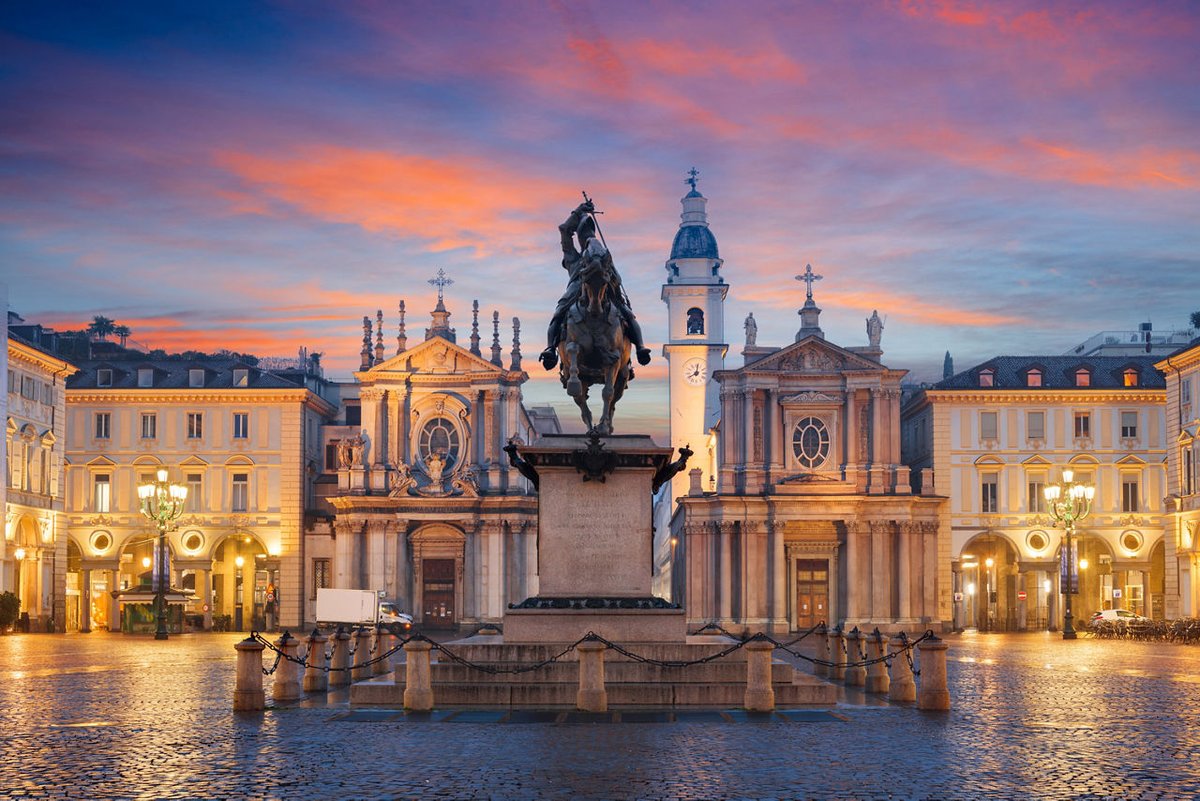
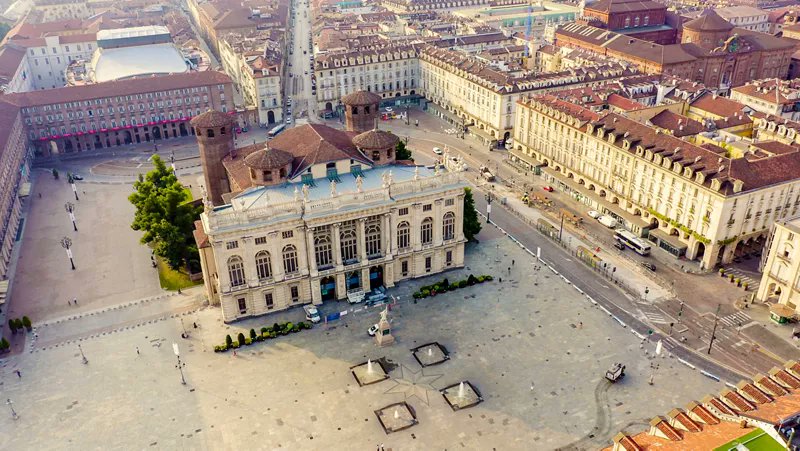
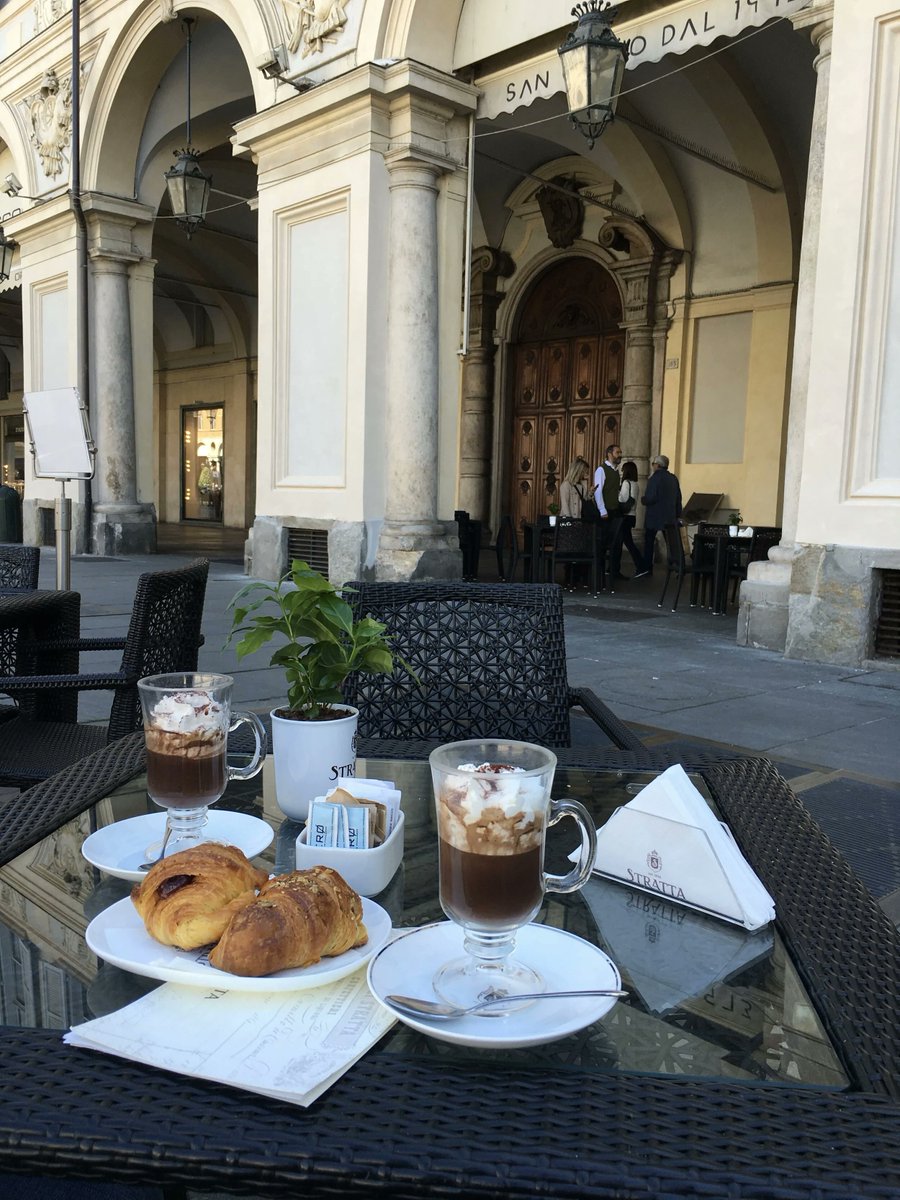
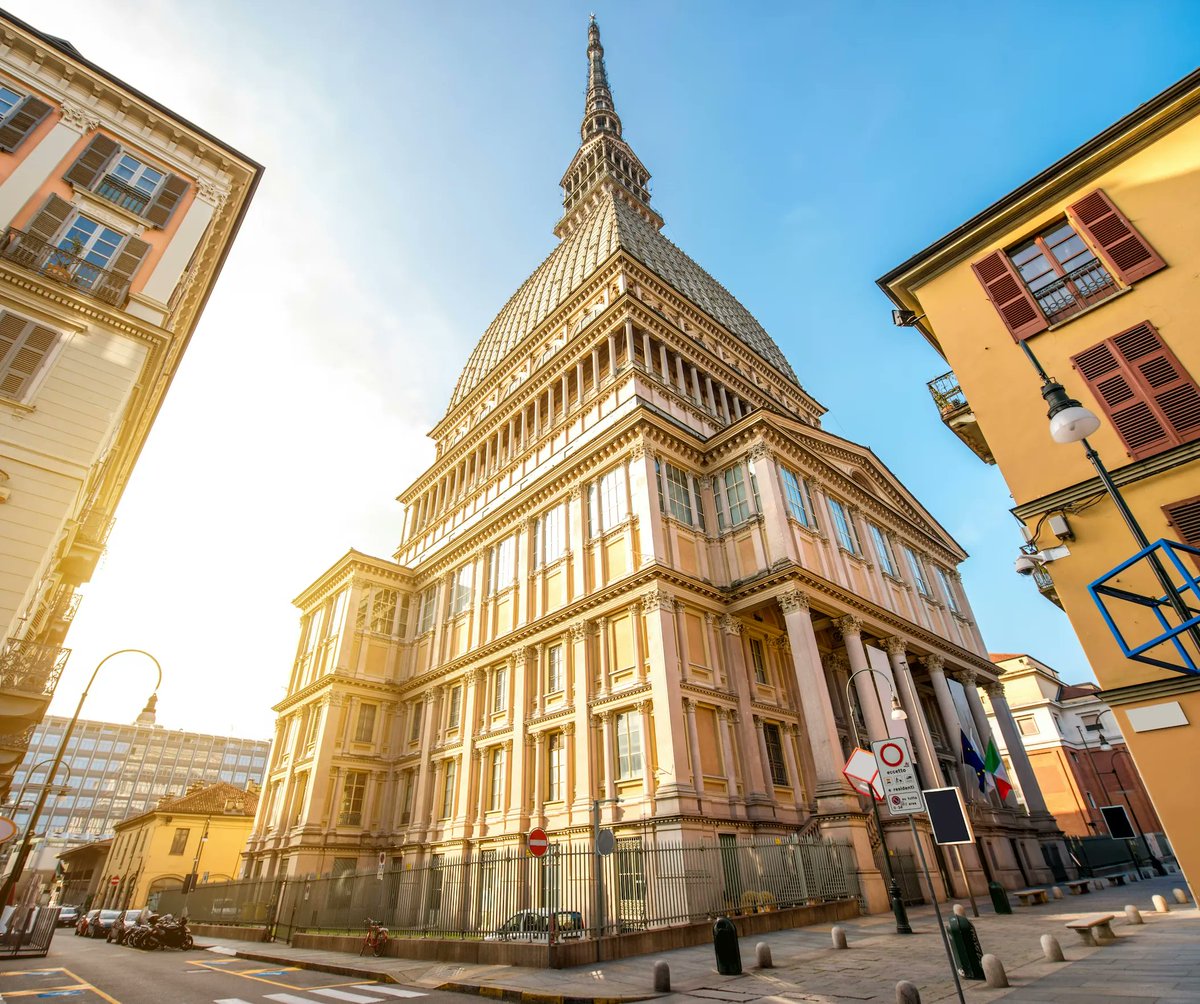
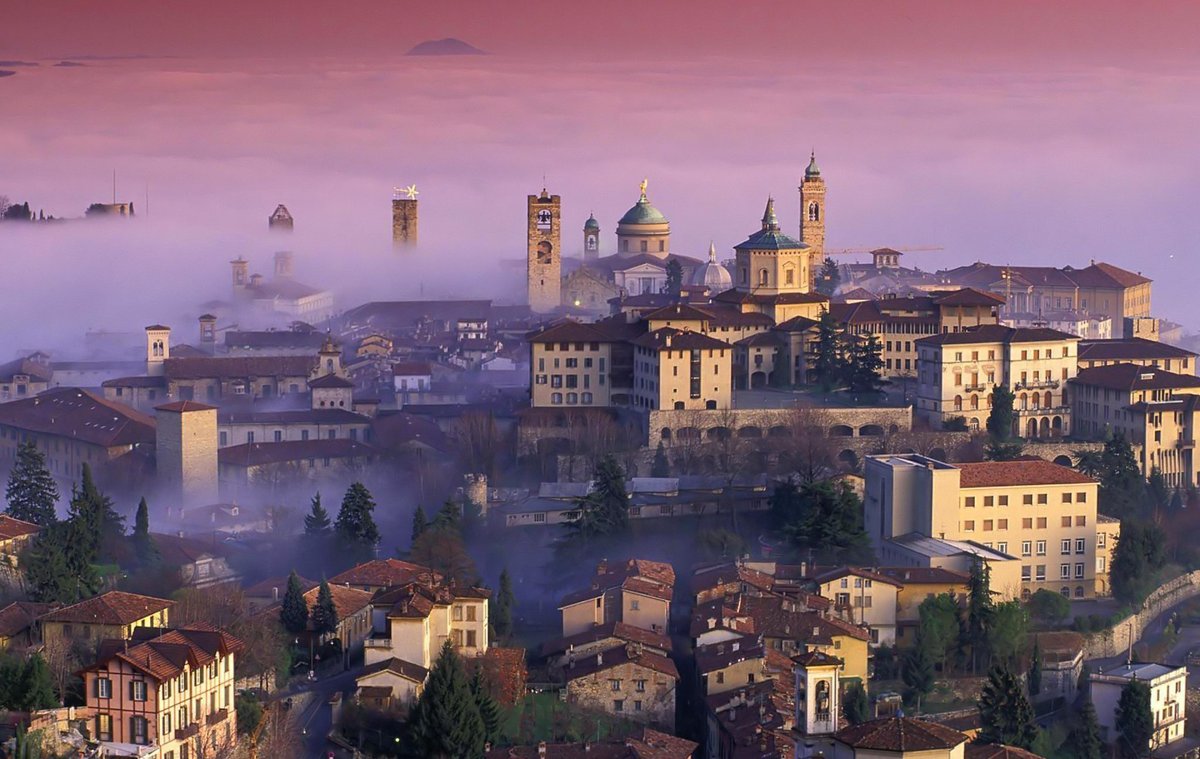
3/ Turin, Italy 🇮🇹
Population: 843,000 (metro: 1.8M)
Family of 4 budget: €2,500–3,500/month
3BR rent: €800–1,100
As I recently discussed, Turin is truly underrated. 1 hour by high-speed train from Milan and yet a completely different city.
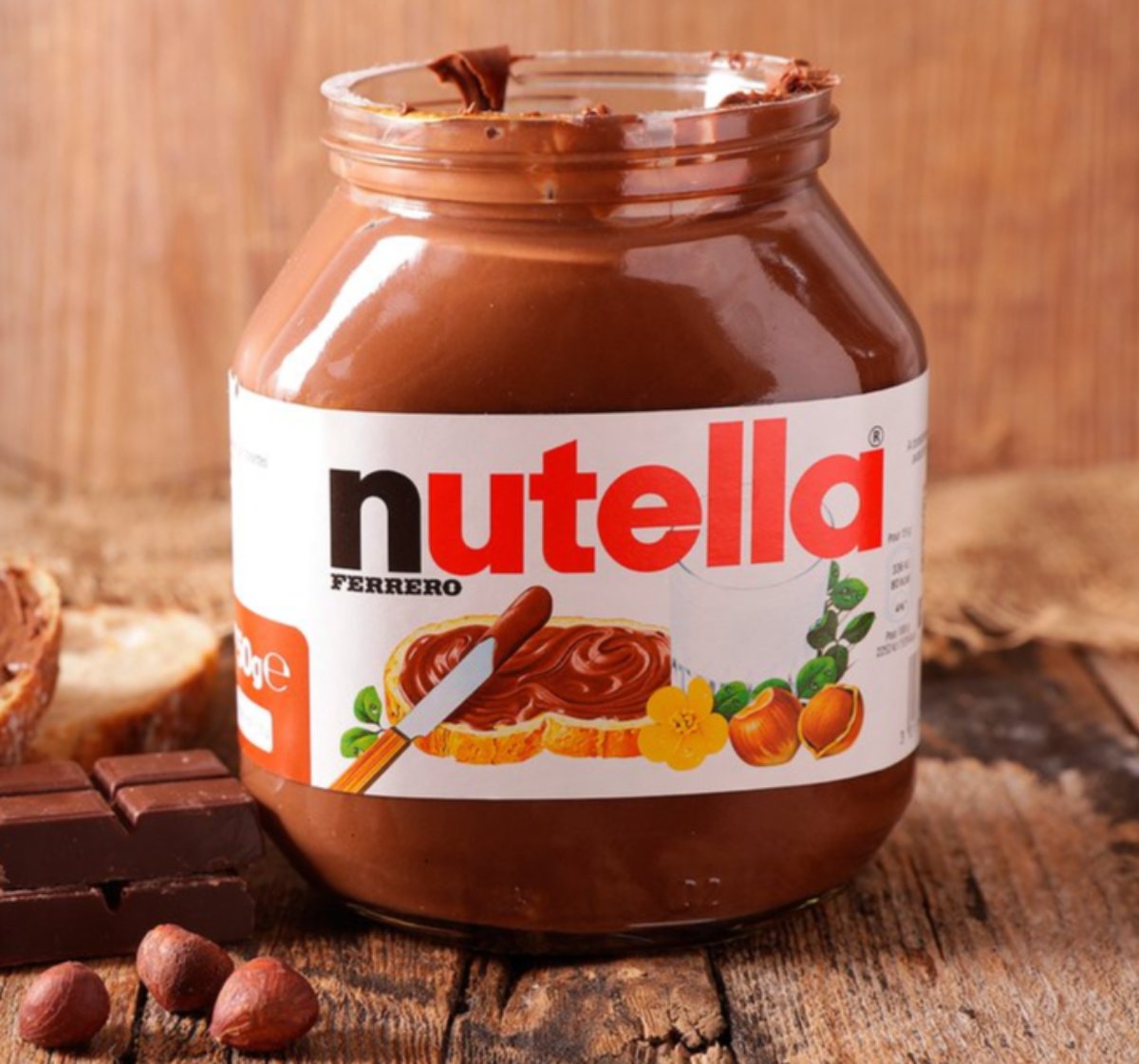
The Alps are RIGHT THERE. Food capital of Italy, slow food movement was born right here in Piedmont. Fiat, Lavazza, Nutella, all Turin.
50 parks. 320 km of tree-lined avenues. The most green space of any Italian city. Way cheaper than Milan. And honestly? More liveable and real.
Schools: International School of Turin (IB + American diploma, since 1963). World International School of Torino (IB, €8,300–18,800/year). Lycée Français. Vittoria International. Four solid international options for a city this affordable is unusual.
Population: 843,000 (metro: 1.8M)
Family of 4 budget: €2,500–3,500/month
3BR rent: €800–1,100
As I recently discussed, Turin is truly underrated. 1 hour by high-speed train from Milan and yet a completely different city.
The Alps are RIGHT THERE. Food capital of Italy, slow food movement was born right here in Piedmont. Fiat, Lavazza, Nutella, all Turin.
50 parks. 320 km of tree-lined avenues. The most green space of any Italian city. Way cheaper than Milan. And honestly? More liveable and real.
Schools: International School of Turin (IB + American diploma, since 1963). World International School of Torino (IB, €8,300–18,800/year). Lycée Français. Vittoria International. Four solid international options for a city this affordable is unusual.

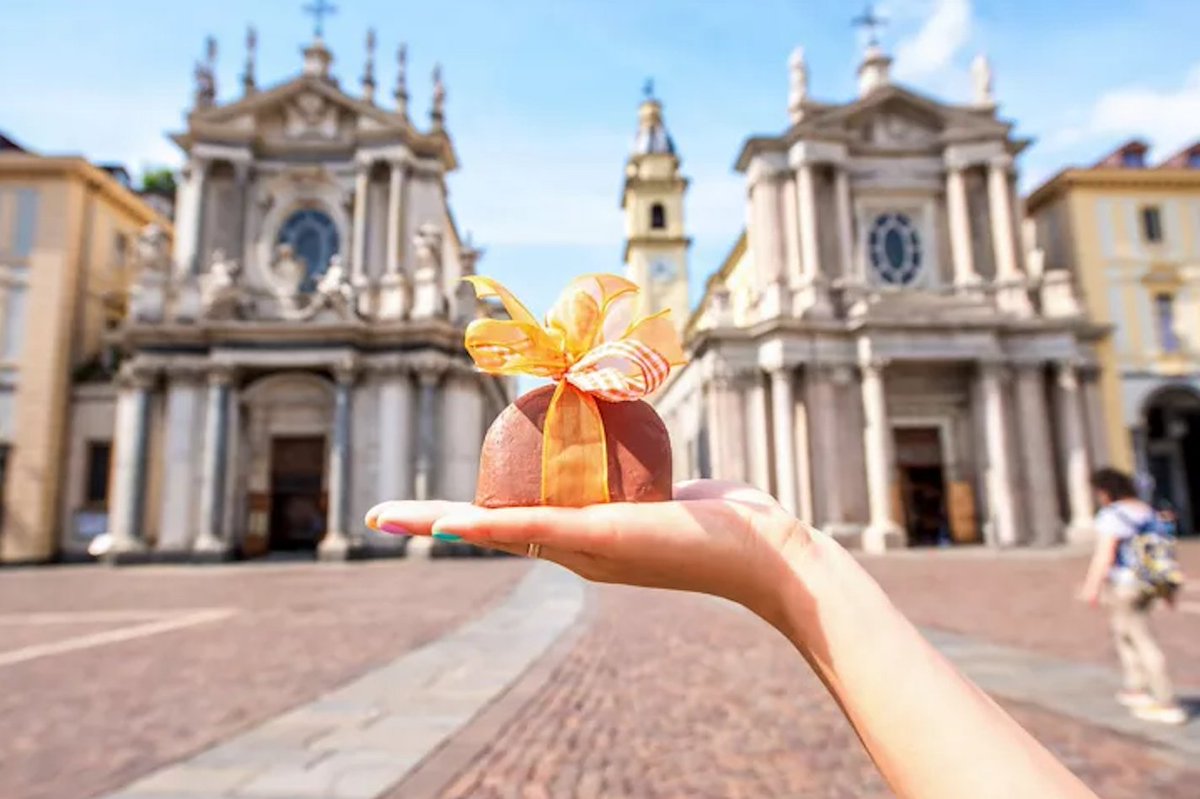
Ospedale Infantile Regina Margherita: one of Italy's oldest and largest pediatric hospitals.
Italy's assegno unico: up to €175/month per child. Parental leave extended to 14 months in 2026, with 80% salary for 3 months. Daycare subsidies expanding.
Saturday mornings? You're at a farmers market with some of the best produce in Europe. Sunday? Skiing with the kids. That's the Turin life.
Ski slopes: 1.5 hrs. Milan: 1 hr (high-speed train). Geneva: 3 hrs. French Alps via Fréjus Tunnel: 2 hrs.
Downsides: Po Valley winters are cold, damp, and grey. Fog is real. City can feel disconnected from the rest of Italy. Italian bureaucracy. Nighttime safety uneven in some areas.
But for a city with the Alps at your back, the best food in Italy, world-class schools, and rent under €1,000? Turin is the gritty-cool Italian pick that nobody's making. I keep coming back to it.
Italy's assegno unico: up to €175/month per child. Parental leave extended to 14 months in 2026, with 80% salary for 3 months. Daycare subsidies expanding.
Saturday mornings? You're at a farmers market with some of the best produce in Europe. Sunday? Skiing with the kids. That's the Turin life.
Ski slopes: 1.5 hrs. Milan: 1 hr (high-speed train). Geneva: 3 hrs. French Alps via Fréjus Tunnel: 2 hrs.
Downsides: Po Valley winters are cold, damp, and grey. Fog is real. City can feel disconnected from the rest of Italy. Italian bureaucracy. Nighttime safety uneven in some areas.
But for a city with the Alps at your back, the best food in Italy, world-class schools, and rent under €1,000? Turin is the gritty-cool Italian pick that nobody's making. I keep coming back to it.

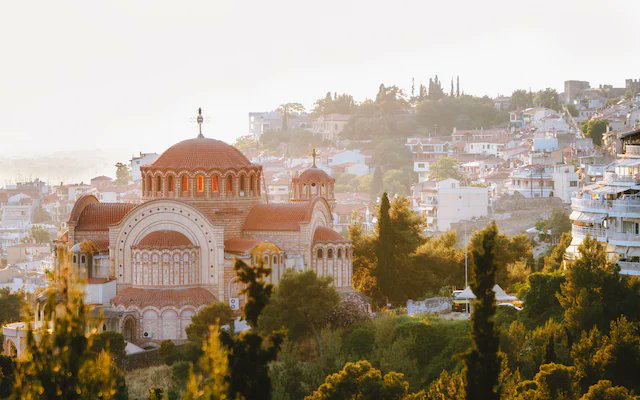
4/ Thessaloniki, Greece 🇬🇷
Population: 816,000 (metro)
Family of 4 budget: €3,500–4,500/month
3BR rent: €750–1,300
Another one I recently discussed, and I keep rediscovering it. This time as a serious fit for families.
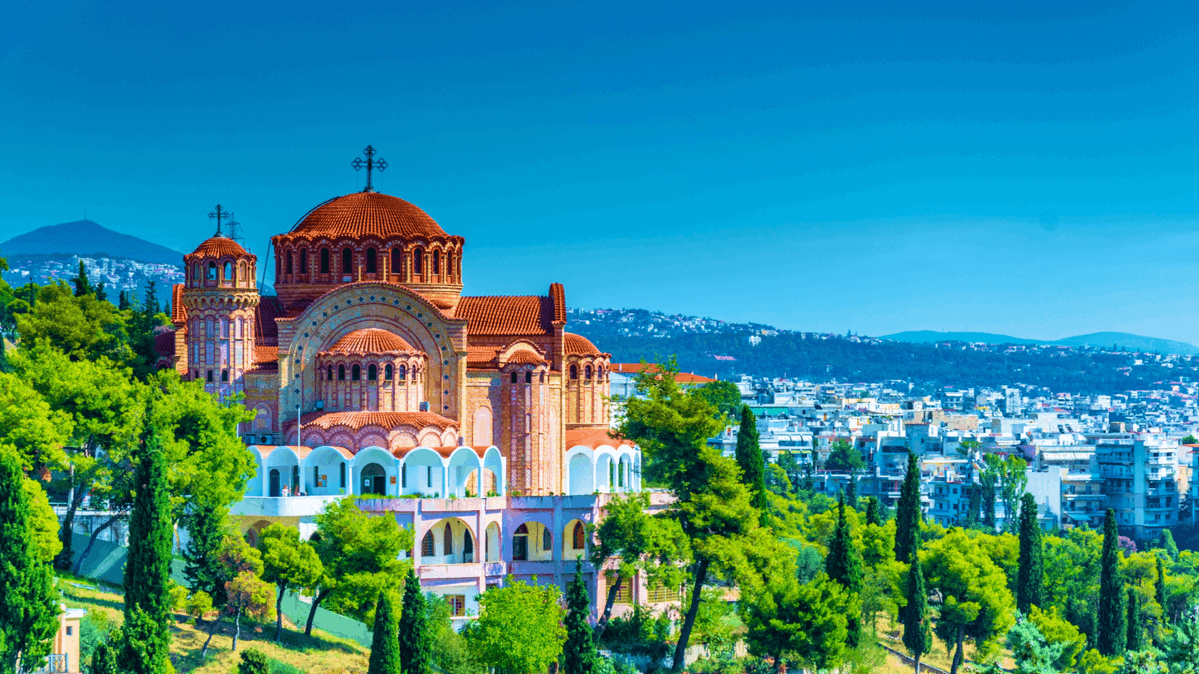
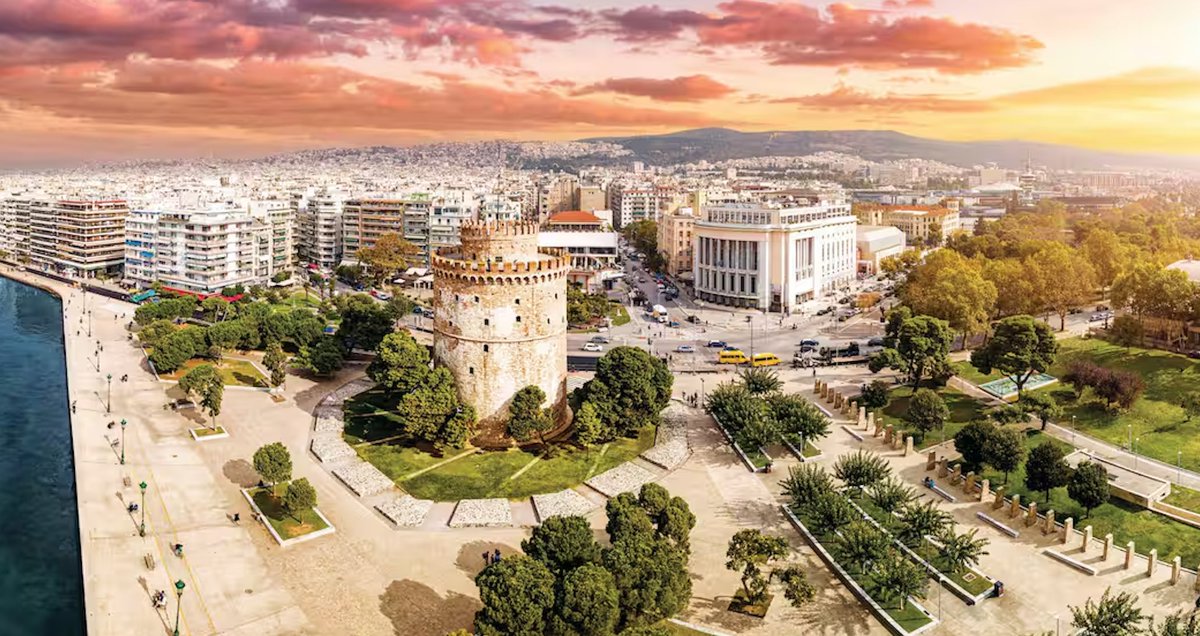
Greece's second city. Mediterranean climate. 7+ km waterfront promenade. Arguably the best food scene in Greece. And Greeks love kids. I mean genuinely love them. Your toddler will be treated like royalty at every taverna.
Everyone looks at the islands or Athens. Thessaloniki is the family play nobody's making.
Population: 816,000 (metro)
Family of 4 budget: €3,500–4,500/month
3BR rent: €750–1,300
Another one I recently discussed, and I keep rediscovering it. This time as a serious fit for families.
Greece's second city. Mediterranean climate. 7+ km waterfront promenade. Arguably the best food scene in Greece. And Greeks love kids. I mean genuinely love them. Your toddler will be treated like royalty at every taverna.
Everyone looks at the islands or Athens. Thessaloniki is the family play nobody's making.

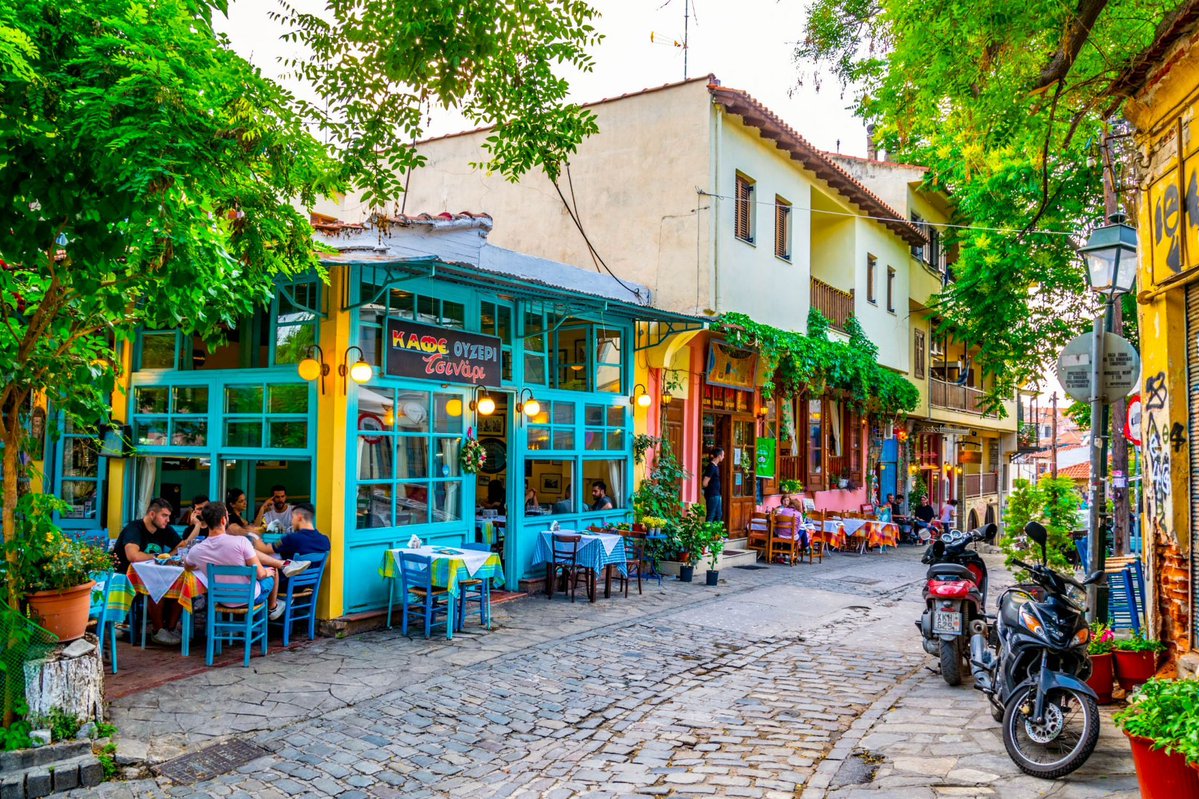
Schools: Pinewood American International School (Pre-K to Grade 12, €6,600–12,550/year). Anatolia College (IB + American, scholarships up to 100%).
A brand-new SNF University Pediatric Hospital is opening. World-class. LEED Platinum. Full neonatal and pediatric ICU.
Greece offers 17 weeks maternity + 14 days paternity + 4 months parental leave (first 2 months paid).
Halkidiki beaches: 45 min. Mount Olympus: 1.5 hrs. Meteora: 3 hrs. Your weekends look very different here.
Downsides: Greek bureaucracy is paper-heavy and slow. Language barrier is real for admin. Economy is modest, local earning potential limited. Petty theft in center. Some specialists still require Athens.
But for a Mediterranean city with swimmable beaches, a brand-new pediatric hospital, serious schools, and Greek family warmth at this price?
Thessaloniki deserves to be in every conversation.
A brand-new SNF University Pediatric Hospital is opening. World-class. LEED Platinum. Full neonatal and pediatric ICU.
Greece offers 17 weeks maternity + 14 days paternity + 4 months parental leave (first 2 months paid).
Halkidiki beaches: 45 min. Mount Olympus: 1.5 hrs. Meteora: 3 hrs. Your weekends look very different here.
Downsides: Greek bureaucracy is paper-heavy and slow. Language barrier is real for admin. Economy is modest, local earning potential limited. Petty theft in center. Some specialists still require Athens.
But for a Mediterranean city with swimmable beaches, a brand-new pediatric hospital, serious schools, and Greek family warmth at this price?
Thessaloniki deserves to be in every conversation.

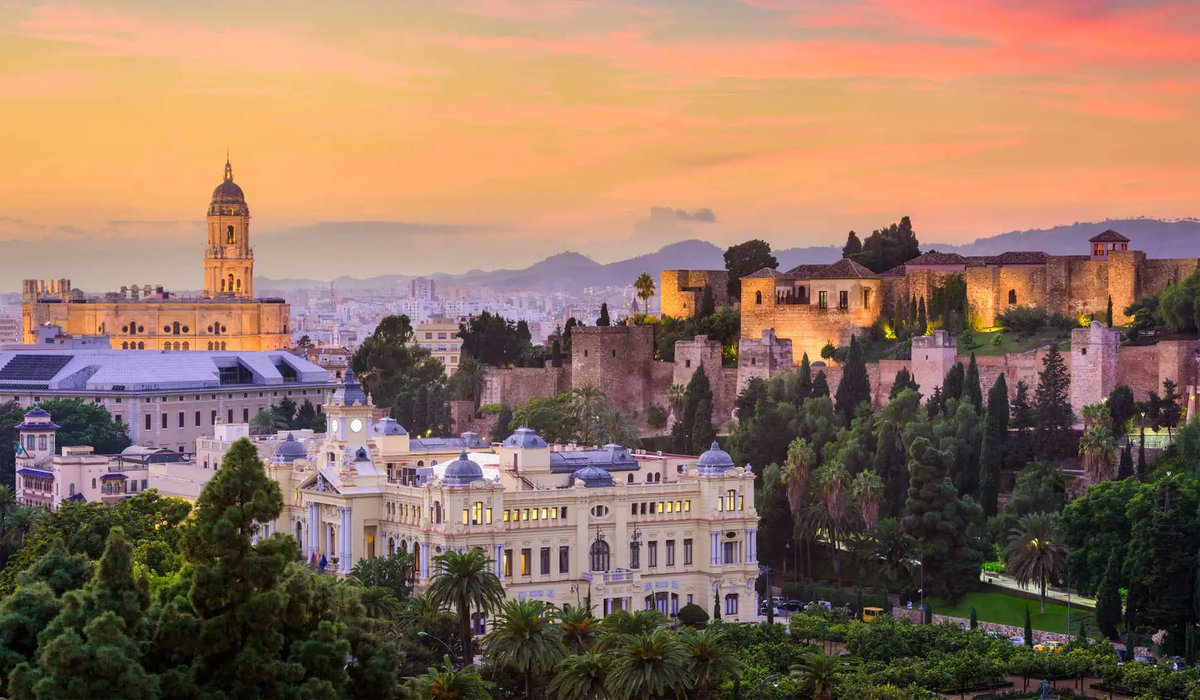
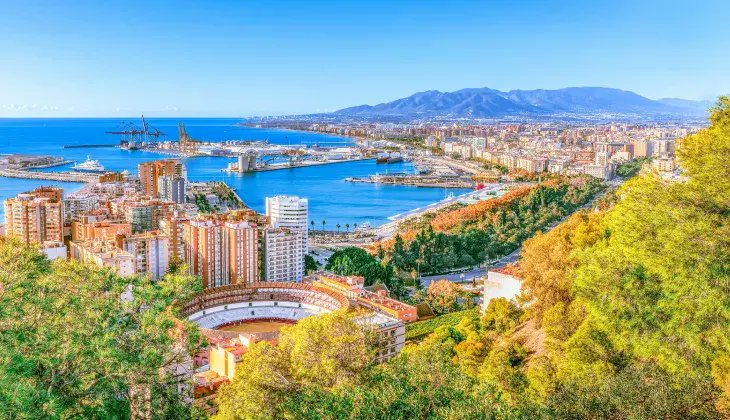
5/ Málaga, Spain 🇪🇸
Population: 592,000
Family of 4 budget: €2,500–3,500/month
3BR rent: €1,000–1,600
Easy pick. Winning choice.
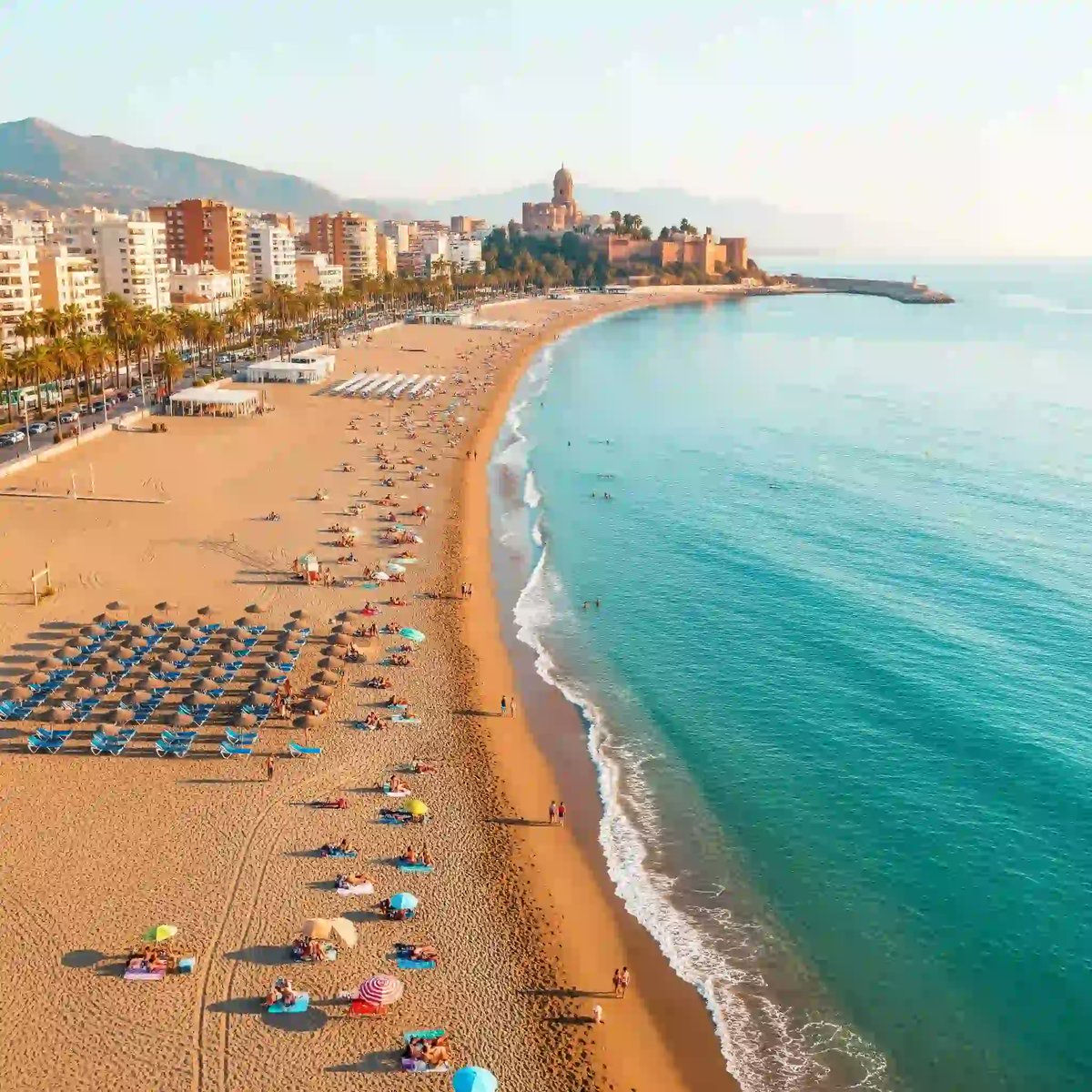
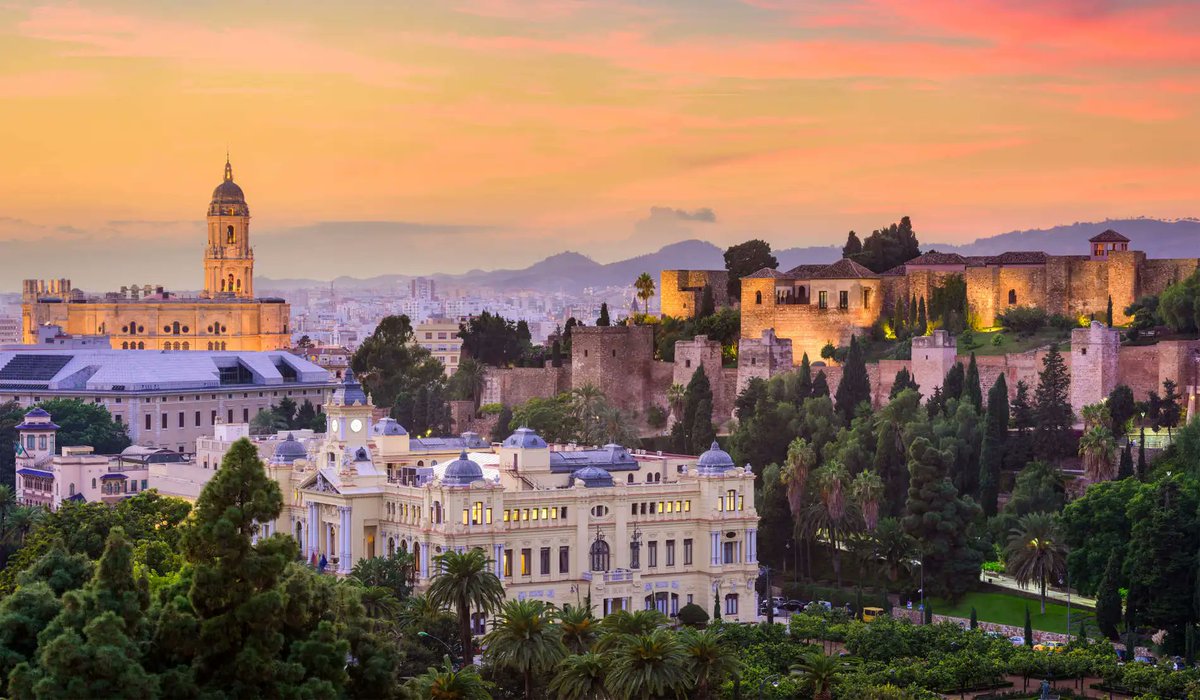
Picasso's birthplace. 320 days of sunshine. Costa del Sol without the tourist kitsch.
630+ tech companies have opened offices here (including Google). It's becoming Spain's tech hub. But the beach is still 10 minutes away and tapas are still €2. Your partner works from a coworking space with sea views. Your kids are at the beach by 4pm. That's Málaga.
Population: 592,000
Family of 4 budget: €2,500–3,500/month
3BR rent: €1,000–1,600
Easy pick. Winning choice.
Picasso's birthplace. 320 days of sunshine. Costa del Sol without the tourist kitsch.
630+ tech companies have opened offices here (including Google). It's becoming Spain's tech hub. But the beach is still 10 minutes away and tapas are still €2. Your partner works from a coworking space with sea views. Your kids are at the beach by 4pm. That's Málaga.
Schools: British School of Málaga (€7,700–10,450/year). NovaSchool Sunland International (British, €6,200–11,450). Sotogrande International (IB full pathway, boarding available).
Hospital Quirónsalud Málaga: top 20 in Spain. HM Málaga: top 5 private hospital nationally. Costa del Sol children's hospital is award-winning.
Same Spanish parental leave: 19 weeks per parent at 100% salary.
Low crime index, one of Spain's safest cities.
Granada: 1.5 hrs. Ronda: 1.5 hrs. Seville: 2 hrs. Gibraltar: 1.5 hrs. Tangier (Morocco): ferry + short drive.
Downsides: Overtourism is becoming a real issue and locals are frustrated.
They raise some valid points, and overall mobility and healthy competition among places and cities bring real benefits. Since I’m not from there, I’ll defer to people with deeper local knowledge. On the measurable side, the digital nomad influx is increasing demand for housing, and rents are rising quickly. Beyond the historic center, some neighborhoods feel more modern and uniform.
An English-speaking expat community can also form easily. Learning Spanish helps you connect more deeply and experience the city as locals do.
But for a safe, sunny, affordable city with top healthcare, strong schools, and one of Europe's best-connected airports (150+ direct routes)? Málaga is the open secret that's getting louder. Move before it does.
Hospital Quirónsalud Málaga: top 20 in Spain. HM Málaga: top 5 private hospital nationally. Costa del Sol children's hospital is award-winning.
Same Spanish parental leave: 19 weeks per parent at 100% salary.
Low crime index, one of Spain's safest cities.
Granada: 1.5 hrs. Ronda: 1.5 hrs. Seville: 2 hrs. Gibraltar: 1.5 hrs. Tangier (Morocco): ferry + short drive.
Downsides: Overtourism is becoming a real issue and locals are frustrated.
They raise some valid points, and overall mobility and healthy competition among places and cities bring real benefits. Since I’m not from there, I’ll defer to people with deeper local knowledge. On the measurable side, the digital nomad influx is increasing demand for housing, and rents are rising quickly. Beyond the historic center, some neighborhoods feel more modern and uniform.
An English-speaking expat community can also form easily. Learning Spanish helps you connect more deeply and experience the city as locals do.
But for a safe, sunny, affordable city with top healthcare, strong schools, and one of Europe's best-connected airports (150+ direct routes)? Málaga is the open secret that's getting louder. Move before it does.

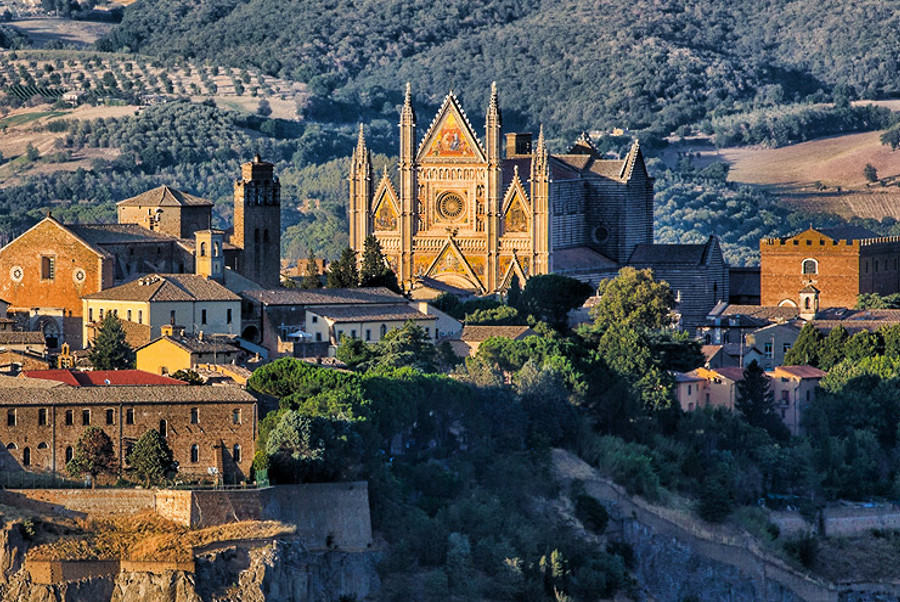
6/ Bolzano, Italy 🇮🇹
Population: 108,000
Family of 4 budget: €3,000–3,800/month
3BR rent: €1,000–1,400
This is a unique play. And let me tell you why.
Trilingual.
Your kids don't just learn a second language. They grow up thinking in three. Italian at home, German at school (or vice versa), English as a third. That's the default here. Not a private school perk. The default.
Officially bilingual: Italian AND German. Surrounded by the Dolomites. Autonomous province with its own budget. Italy without the chaos. It's called South Tyrol.
And it actually works.
Population: 108,000
Family of 4 budget: €3,000–3,800/month
3BR rent: €1,000–1,400
This is a unique play. And let me tell you why.
Trilingual.
Your kids don't just learn a second language. They grow up thinking in three. Italian at home, German at school (or vice versa), English as a third. That's the default here. Not a private school perk. The default.
Officially bilingual: Italian AND German. Surrounded by the Dolomites. Autonomous province with its own budget. Italy without the chaos. It's called South Tyrol.
And it actually works.
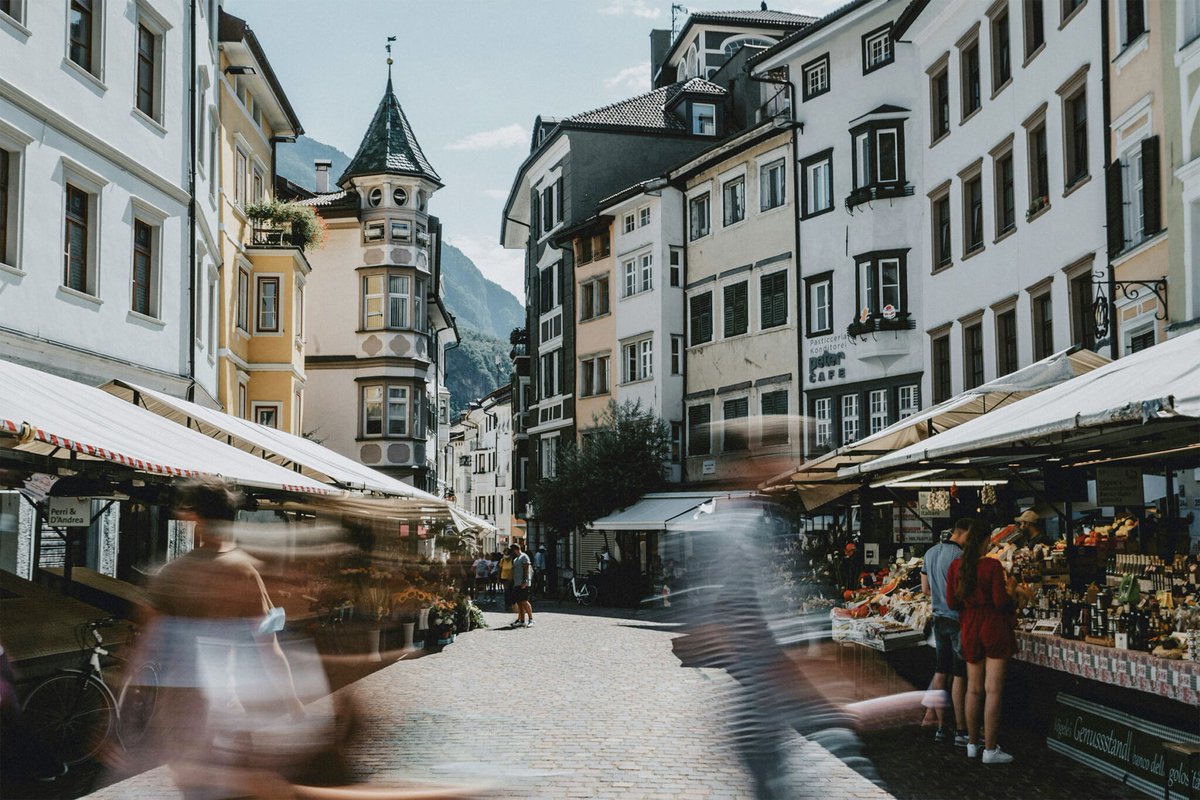
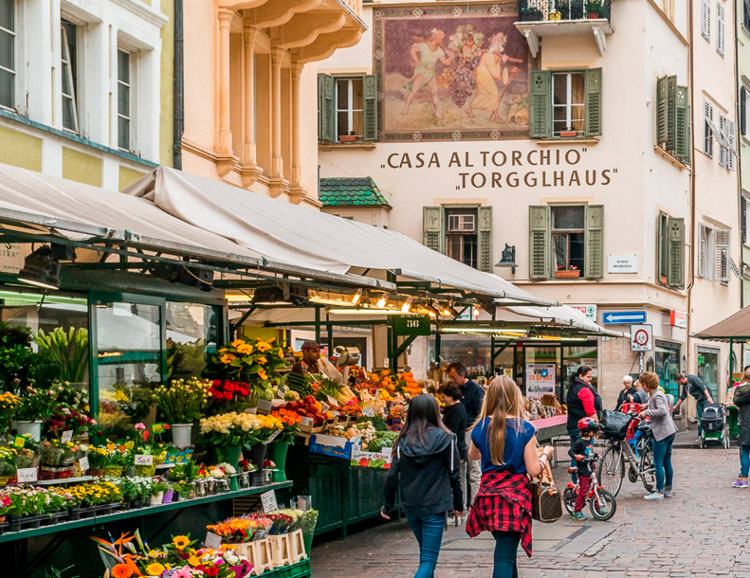
South Tyrol is Italy's wealthiest province. Infrastructure works. Buses run on time. Healthcare is excellent and efficient. If you've ever said "I love Italy but I wish things actually worked," this is your city.
Schools: Bilingual education is built into the public system. Free. Your kids come out bilingual with strong English as a mandatory third language. Without paying a cent in tuition.
Italy's assegno unico PLUS South Tyrol's additional regional family support. Subsidized childcare. Free school meals in many municipalities.
Innsbruck: 1.5 hrs. Verona: 1.5 hrs. Venice: 3 hrs. Munich: 3 hrs.
Downsides: Cost is higher than the rest of Italy (Alpine premium). You need both Italian AND German to fully integrate. Culture is more Austrian than Italian, if you want la dolce vita, look south. Housing supply is tight. And it's small. 108,000 people small.
But for an Alpine city where your kids grow up with three languages, the Dolomites outside your window, and infrastructure that actually functions? Nothing else in Europe compares. That's why it's the wildcard.
Schools: Bilingual education is built into the public system. Free. Your kids come out bilingual with strong English as a mandatory third language. Without paying a cent in tuition.
Italy's assegno unico PLUS South Tyrol's additional regional family support. Subsidized childcare. Free school meals in many municipalities.
Innsbruck: 1.5 hrs. Verona: 1.5 hrs. Venice: 3 hrs. Munich: 3 hrs.
Downsides: Cost is higher than the rest of Italy (Alpine premium). You need both Italian AND German to fully integrate. Culture is more Austrian than Italian, if you want la dolce vita, look south. Housing supply is tight. And it's small. 108,000 people small.
But for an Alpine city where your kids grow up with three languages, the Dolomites outside your window, and infrastructure that actually functions? Nothing else in Europe compares. That's why it's the wildcard.


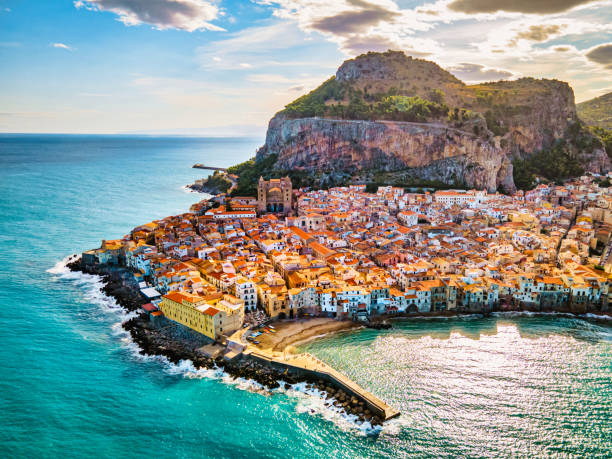
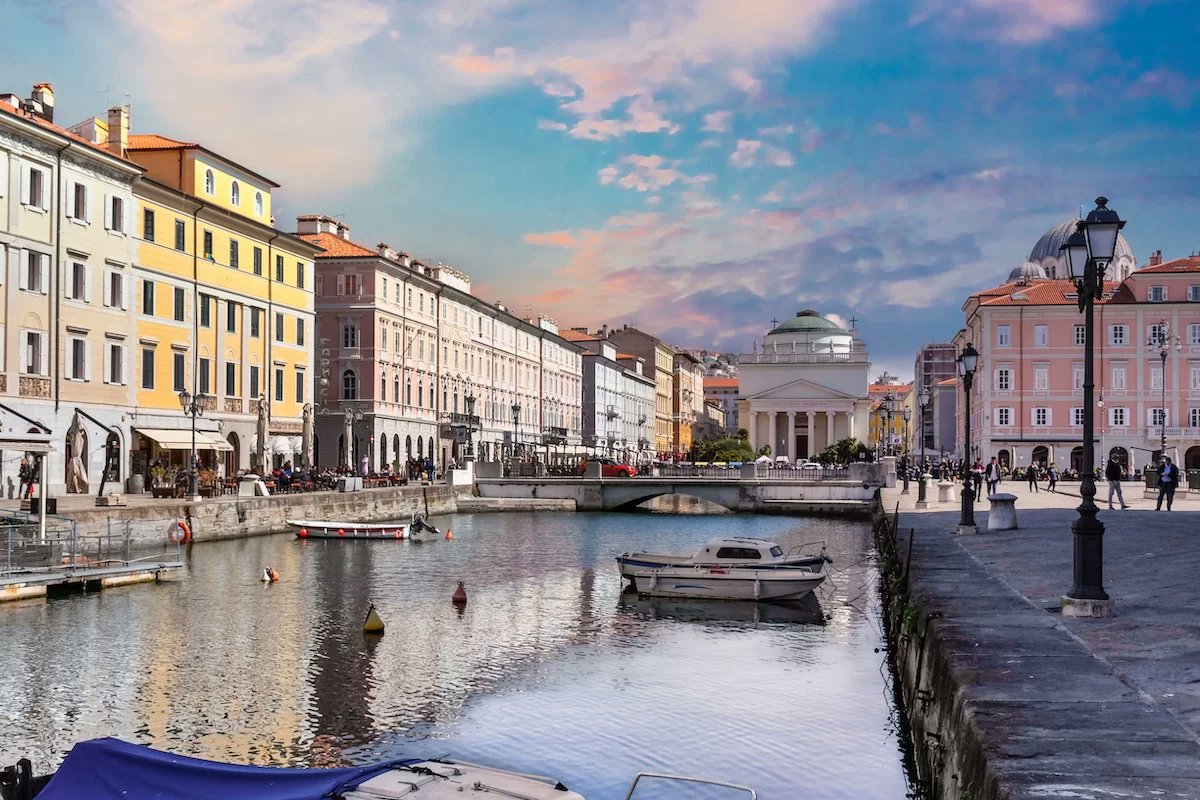
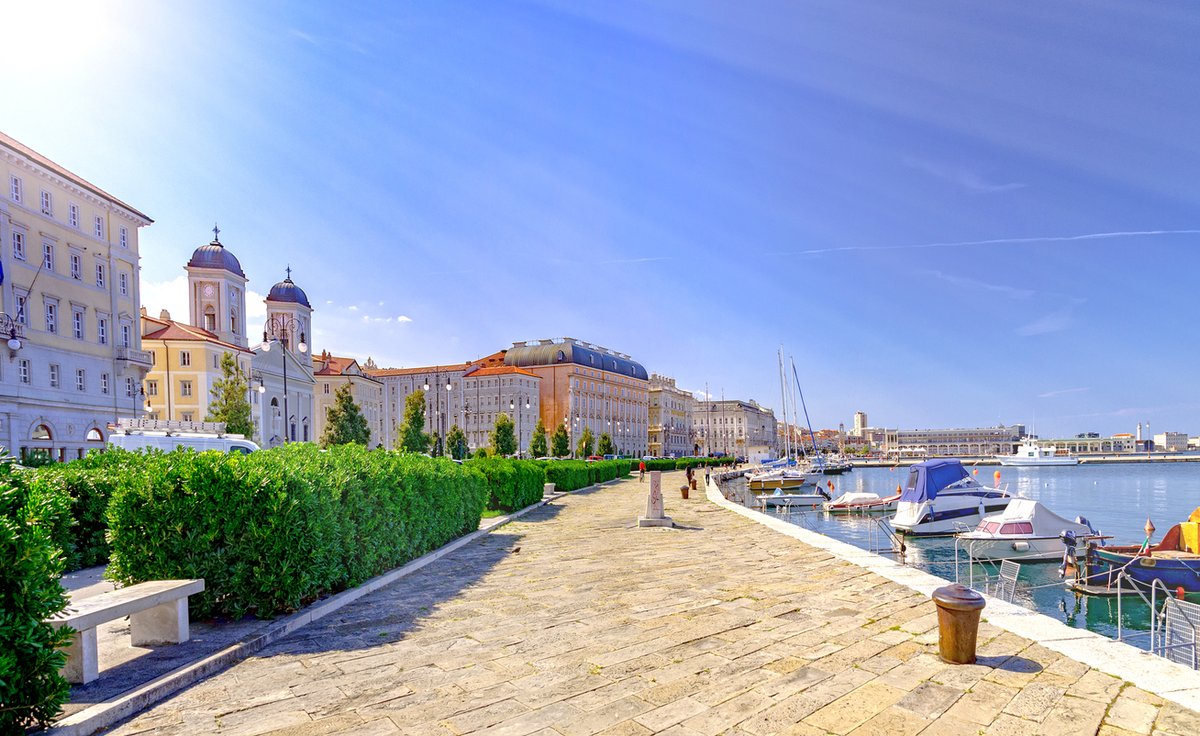
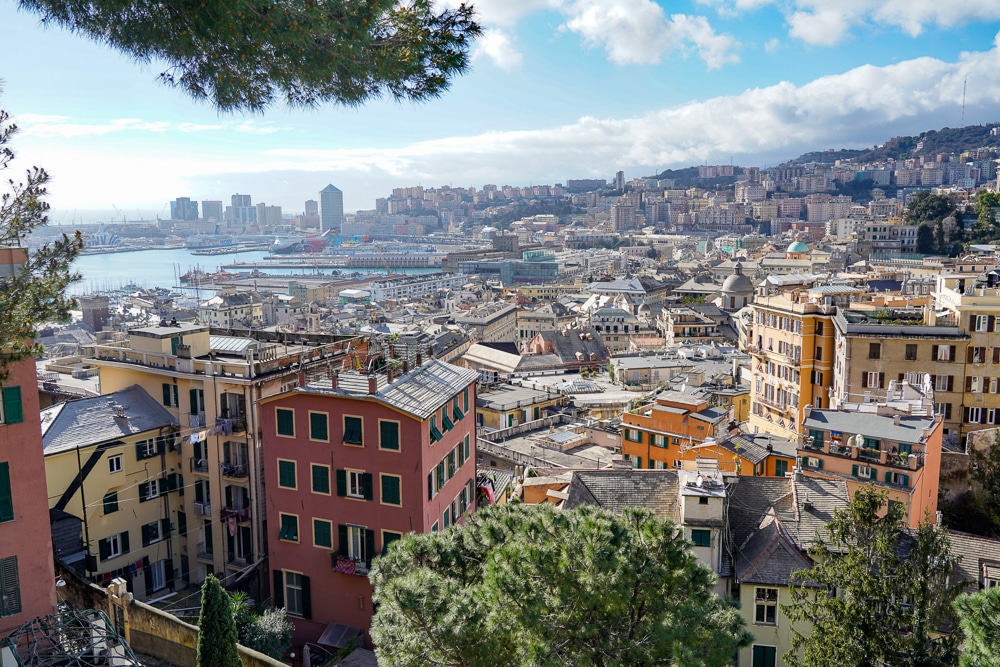
7/ Genoa, Italy 🇮🇹
Population: 565,000
Family of 4 budget: €3,200–4,200/month
3BR rent: €900–1,400
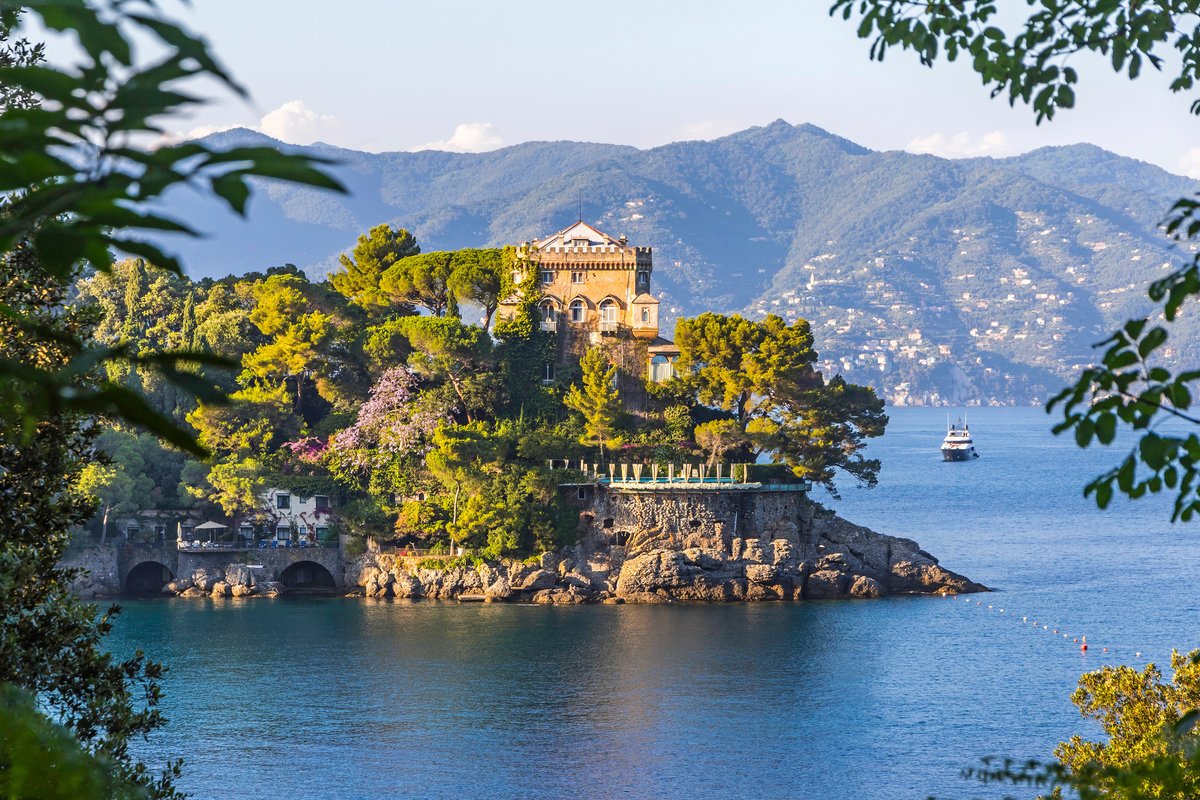
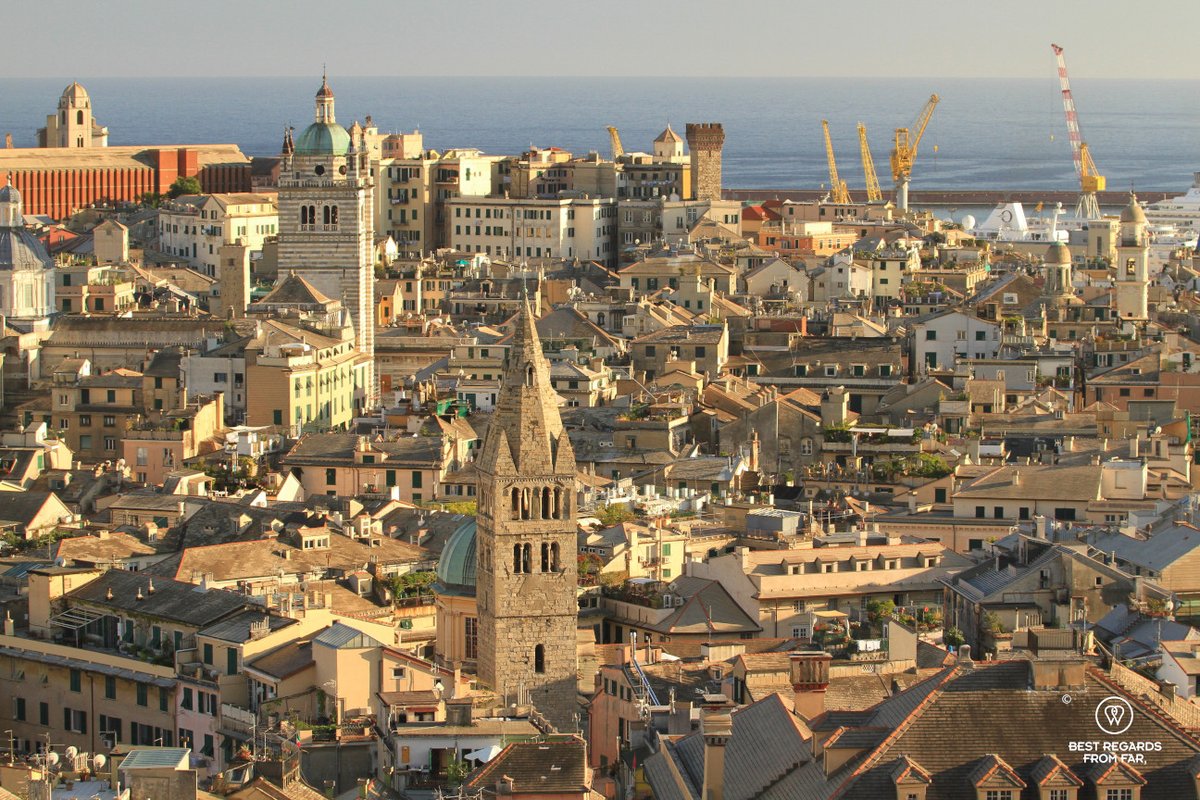
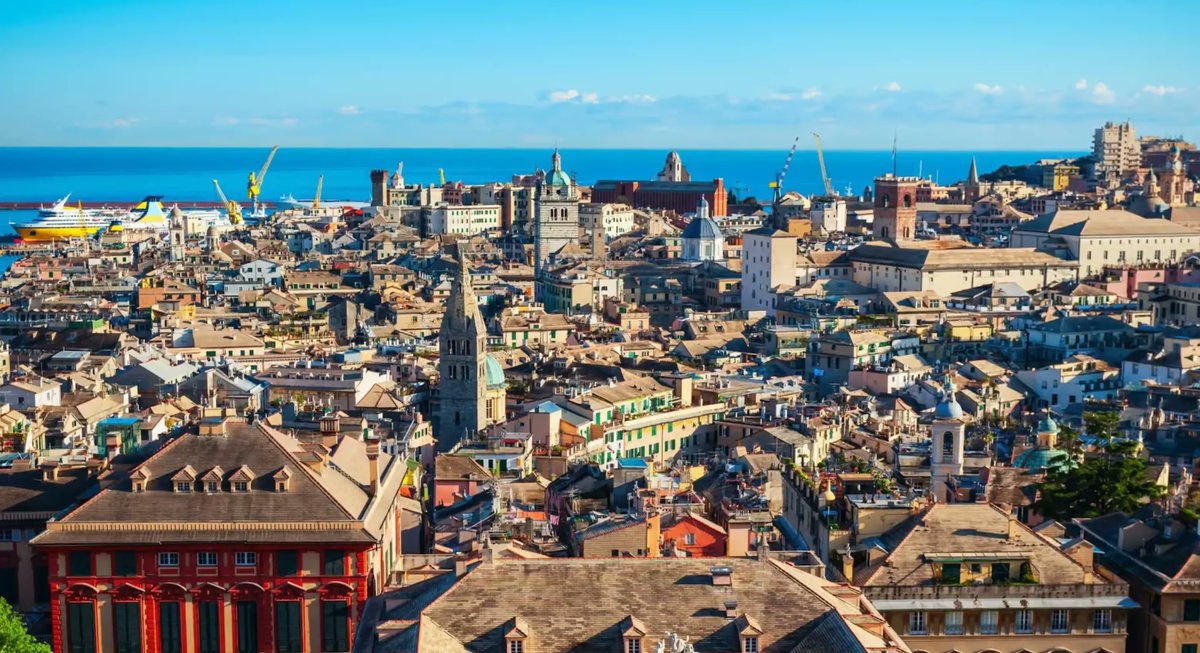
Genoa is the blindspot I myself had before chatting with my friend. He's a well-known author, moving his family from Lisbon to Genoa. When I asked why, he said: the food, the port energy, the proximity to France. Truly underrated.
A Mediterranean port city with real character, incredible pesto and focaccia culture, and the French Riviera 2 hours away.
Not polished. Not touristy. Just deeply, authentically Italian.
Population: 565,000
Family of 4 budget: €3,200–4,200/month
3BR rent: €900–1,400
Genoa is the blindspot I myself had before chatting with my friend. He's a well-known author, moving his family from Lisbon to Genoa. When I asked why, he said: the food, the port energy, the proximity to France. Truly underrated.
A Mediterranean port city with real character, incredible pesto and focaccia culture, and the French Riviera 2 hours away.
Not polished. Not touristy. Just deeply, authentically Italian.
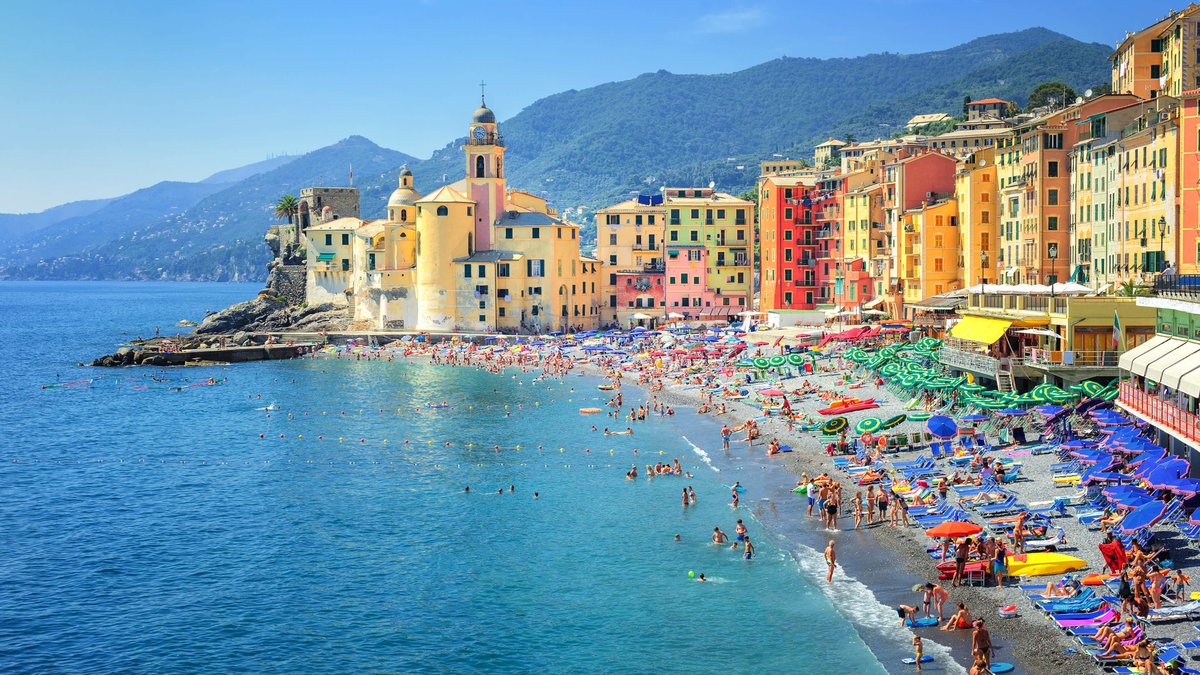

Schools: International School of Genoa (IB continuum, ages 2–17, ~€8K–9.5K/year). First IB Continuum school in Liguria. Languages offered: French, Spanish, Mandarin, German on top of English and Italian.
Healthcare: Istituto Gaslini. This is the one. One of Europe's best pediatric hospitals. Nearly 400 beds. 18,000+ hospitalizations a year. JCI certified. Only Italian pediatric hospital with a Da Vinci robotics surgery center. If you have kids, this alone puts Genoa on the map.
Same Italian benefits: assegno unico, 14 months parental leave, expanding daycare subsidies.
Nice: 2.5 hrs. Portofino: 30 min. Cinque Terre: 1.5 hrs. Milan: 1.5 hrs. The Ligurian coast is right there.
Healthcare: Istituto Gaslini. This is the one. One of Europe's best pediatric hospitals. Nearly 400 beds. 18,000+ hospitalizations a year. JCI certified. Only Italian pediatric hospital with a Da Vinci robotics surgery center. If you have kids, this alone puts Genoa on the map.
Same Italian benefits: assegno unico, 14 months parental leave, expanding daycare subsidies.
Nice: 2.5 hrs. Portofino: 30 min. Cinque Terre: 1.5 hrs. Milan: 1.5 hrs. The Ligurian coast is right there.


Downsides: Traffic and parking are painful (steep, narrow streets). Limited direct international flights (27 routes, you'll connect through Rome or Milan for long haul). English is limited in daily life. Job market thin for expats. Some areas to avoid at night.
But for a Mediterranean port city with Europe's best pediatric hospital, an IB school, the Riviera next door, and a cost of living well below Milan or Rome?
Genoa is the pick that insiders are making quietly. My friend included.
But for a Mediterranean port city with Europe's best pediatric hospital, an IB school, the Riviera next door, and a cost of living well below Milan or Rome?
Genoa is the pick that insiders are making quietly. My friend included.


The comparative picture:
- Best overall value: Valencia (lifestyle + cost + safety + infrastructure)
- Coolest lifestyle: Bordeaux (wine + surf + TGV to Paris)
- Best food city: Turin (slow food capital, fight me)
- Best beach access: Málaga or Thessaloniki
- Best for trilingual kids: Bolzano (Italian + German + English by default)
- Best healthcare: Genoa (Gaslini, one of Europe's best pediatric hospitals)
- Best parental leave: Valencia/Málaga (Spain's 19 weeks at 100% salary)
- Best overall value: Valencia (lifestyle + cost + safety + infrastructure)
- Coolest lifestyle: Bordeaux (wine + surf + TGV to Paris)
- Best food city: Turin (slow food capital, fight me)
- Best beach access: Málaga or Thessaloniki
- Best for trilingual kids: Bolzano (Italian + German + English by default)
- Best healthcare: Genoa (Gaslini, one of Europe's best pediatric hospitals)
- Best parental leave: Valencia/Málaga (Spain's 19 weeks at 100% salary)

Who should consider each:
REMOTE WORKERS WITH YOUNG KIDS:
→ Valencia (safe, walkable, affordable, beach)
→ Turin (cheap, green, Alps, great schools)
SUN AND SEA FAMILIES:
→ Málaga (320 days of sunshine, beach in 10 min)
→ Thessaloniki (Halkidiki 45 min, Mediterranean warmth)
FAMILIES WHO WANT CULTURE + COOL:
→ Bordeaux (wine, surf, UNESCO, TGV to Paris)
→ Genoa (port city soul, pesto, Riviera next door)
FAMILIES OPTIMIZING FOR EDUCATION:
→ Bolzano (trilingual by default, free)
→ Turin (4 international schools, IB options)
REMOTE WORKERS WITH YOUNG KIDS:
→ Valencia (safe, walkable, affordable, beach)
→ Turin (cheap, green, Alps, great schools)
SUN AND SEA FAMILIES:
→ Málaga (320 days of sunshine, beach in 10 min)
→ Thessaloniki (Halkidiki 45 min, Mediterranean warmth)
FAMILIES WHO WANT CULTURE + COOL:
→ Bordeaux (wine, surf, UNESCO, TGV to Paris)
→ Genoa (port city soul, pesto, Riviera next door)
FAMILIES OPTIMIZING FOR EDUCATION:
→ Bolzano (trilingual by default, free)
→ Turin (4 international schools, IB options)


If I had to pick ONE city from this list for you?
Valencia.
Safe. Warm. Affordable. Beach in 10 minutes. Turia Gardens for the kids. Paella for dinner. Spain's best parental leave. Growing tech scene. International schools at every level.
Not glamorous enough to be overrun. Not obscure enough to lack infrastructure.
But since I'm Italian, personally? I'd take Genoa.
Valencia is amazing for many. Genoa is the one that speaks to me.
Of course, three important rules before relocating with your family:
1. Visit in WINTER with your kids. If it works in February, it works all year.
2. Talk to parents already there. Not bloggers. Not influencers. Parents.
3. Facebook groups. School WhatsApp chats. That's where the truth lives.
Valencia.
Safe. Warm. Affordable. Beach in 10 minutes. Turia Gardens for the kids. Paella for dinner. Spain's best parental leave. Growing tech scene. International schools at every level.
Not glamorous enough to be overrun. Not obscure enough to lack infrastructure.
But since I'm Italian, personally? I'd take Genoa.
Valencia is amazing for many. Genoa is the one that speaks to me.
Of course, three important rules before relocating with your family:
1. Visit in WINTER with your kids. If it works in February, it works all year.
2. Talk to parents already there. Not bloggers. Not influencers. Parents.
3. Facebook groups. School WhatsApp chats. That's where the truth lives.


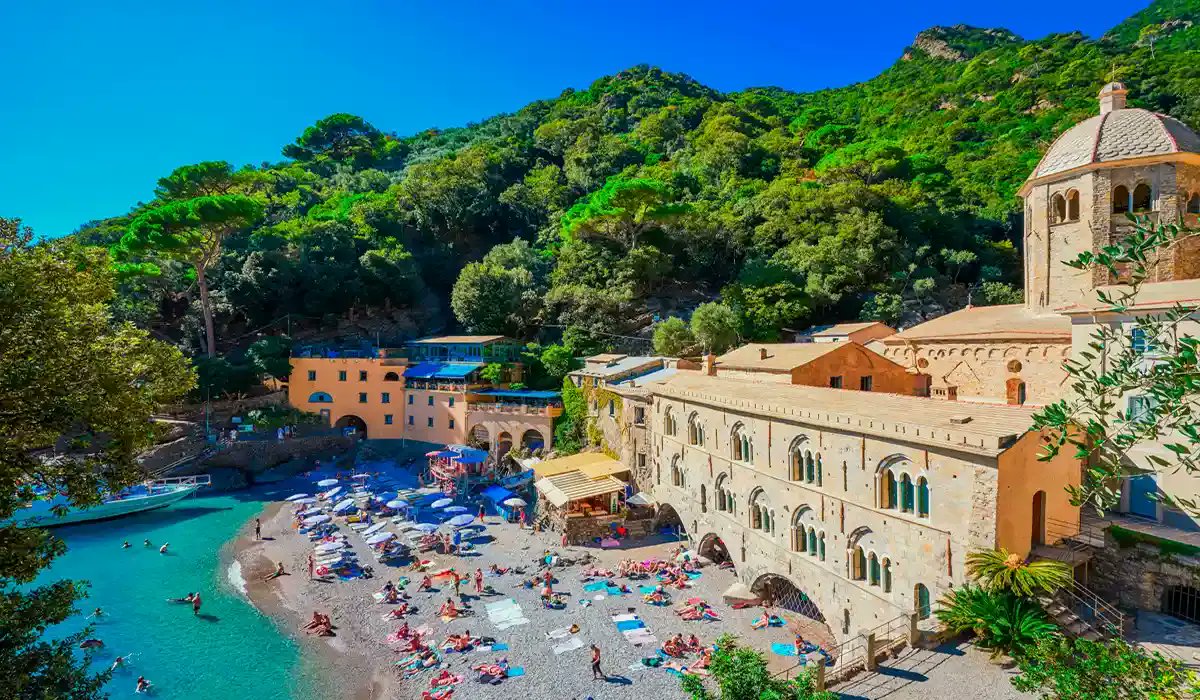
This Easter, most families will go back to planning a 2-week holiday to the same overcrowded spots.
A few will start planning something bigger.
The best cities for growing a family aren't trending. They're just underratedly excellent.
And this was just Part 1.
I've got a Part 2 coming with 7 more cities that almost made this list.
Some of them might surprise you even more
A few will start planning something bigger.
The best cities for growing a family aren't trending. They're just underratedly excellent.
And this was just Part 1.
I've got a Part 2 coming with 7 more cities that almost made this list.
Some of them might surprise you even more

If you enjoyed this thread…
I write about these topics every week.
Subscribe and get The Ultimate Guide to Citizenship & Residency Programs in 2026:
-->
Which city would you move your family to?
Drop it below. palombo.substack.com
I write about these topics every week.
Subscribe and get The Ultimate Guide to Citizenship & Residency Programs in 2026:
-->
Which city would you move your family to?
Drop it below. palombo.substack.com

Thank you for reading!
For more posts and insights like this, follow @thealepalombo
And repost this to share with your audience:
For more posts and insights like this, follow @thealepalombo
And repost this to share with your audience:
https://twitter.com/953352286255886338/status/2040801111859413432
• • •
Missing some Tweet in this thread? You can try to
force a refresh