Eating 1000 Sardines Gave Me THIS Superpower
(New 2026 Findings!)
1/8) I ran a self-experiment where I ate 1000 sardines in a month.
Sure, it made me stink—but it also gave me one epic superpower. Let me explain. 🧵 (link at the end)
We all know sardines make your breath stink and that they’re nutrient-dense.
That’s basic.
But eating that many sardines changed me. It gave me a “superpower” that had my inner Marvel nerd activated—and my scientist brain scrambling to explain it.
Eventually, I found those data.
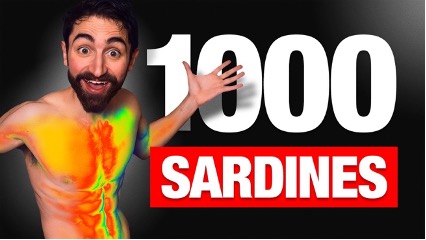
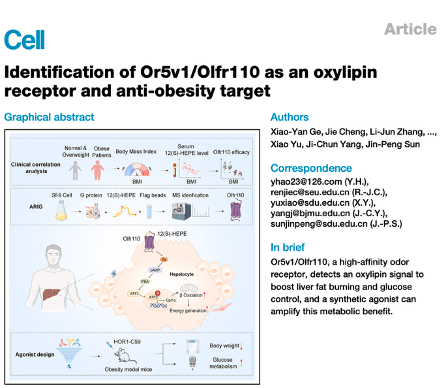
2/8) It was new paper in a top journal turned confusion into clarity and left me in awe of how much we’re still uncovering about human physiology.
3/8) I became cold resistant. The effect wasn’t subtle. I could stand shirtless in a Boston blizzard without so much as a goosebump.
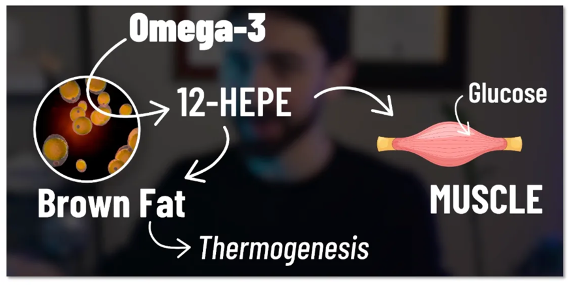
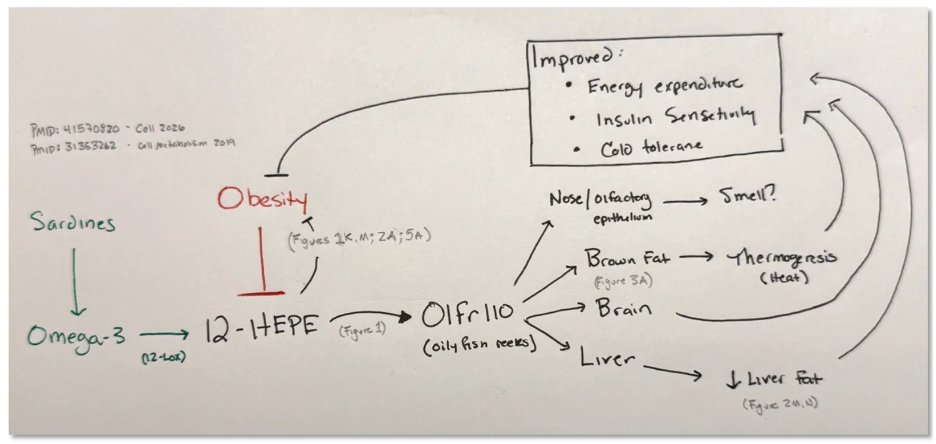
4/8) One mechanism may involve 12-HEPE, a molecule derived from omega-3s (abundant in sardines). 12-HEPE is produced by brown fat and appears to enhance both muscle metabolism and brown fat activity.
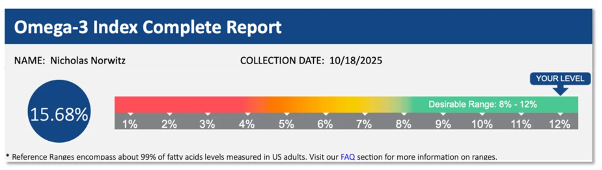
5/8) Most people won’t notice anything like this. Why? Their omega-3 levels aren’t anywhere close to mine. Mine tripled the human average—approaching levels seen in marine mammals.
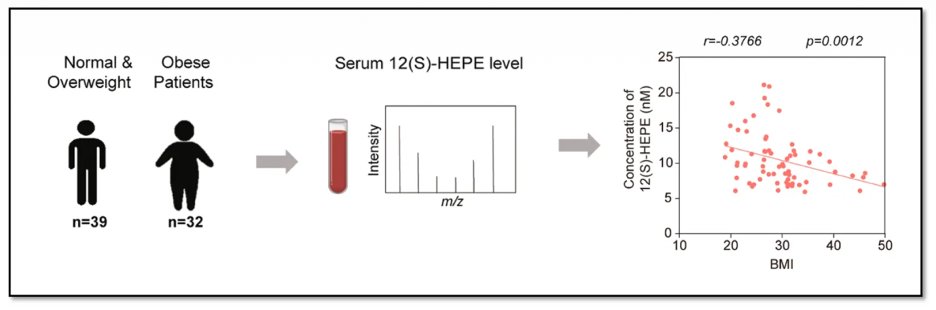
6/8) In humans, 12-HEPE levels are inversely associated with BMI.
7/8) Then came the finding that made everything click:
The receptor for 12-HEPE is…a smell receptor! But not just in the nose—it’s also expressed in brown fat, brain, and liver. It’s a Swiss army knife smell receptor repurposed all over the body!
8/8) This is a reminder of just how interconnected—and surprising—human physiology is.
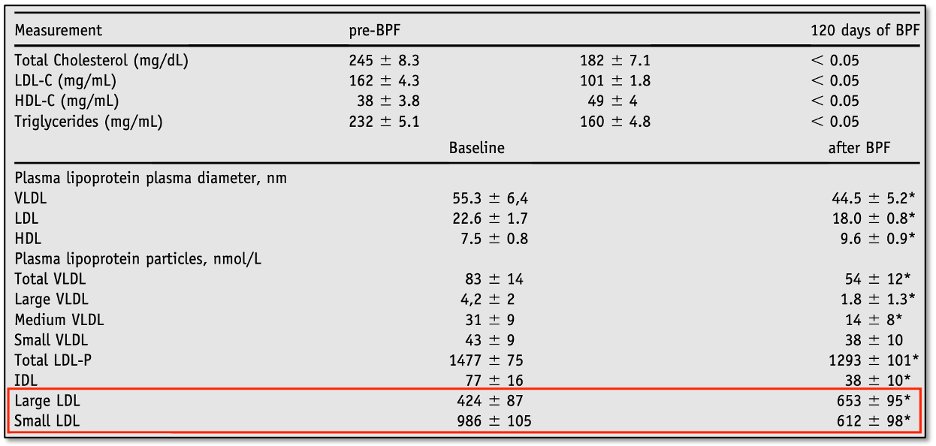
1/5) One meta-analysis of controlled human trials found that citrus bergamot extract lowers triglycerides, increases HDL, and lowers LDL — to a substantial degree.
But that’s not all... (link at the end)
2/5) More interestingly, one trial showed that while bergamot decreased small dense LDL, it increased‘large, fluffy’ LDL.
This shift towards a preponderance of large LDL vs small LDL is a metabolic fingerprint of improved metabolic health.
3/5) So how does citrus bergamot work?
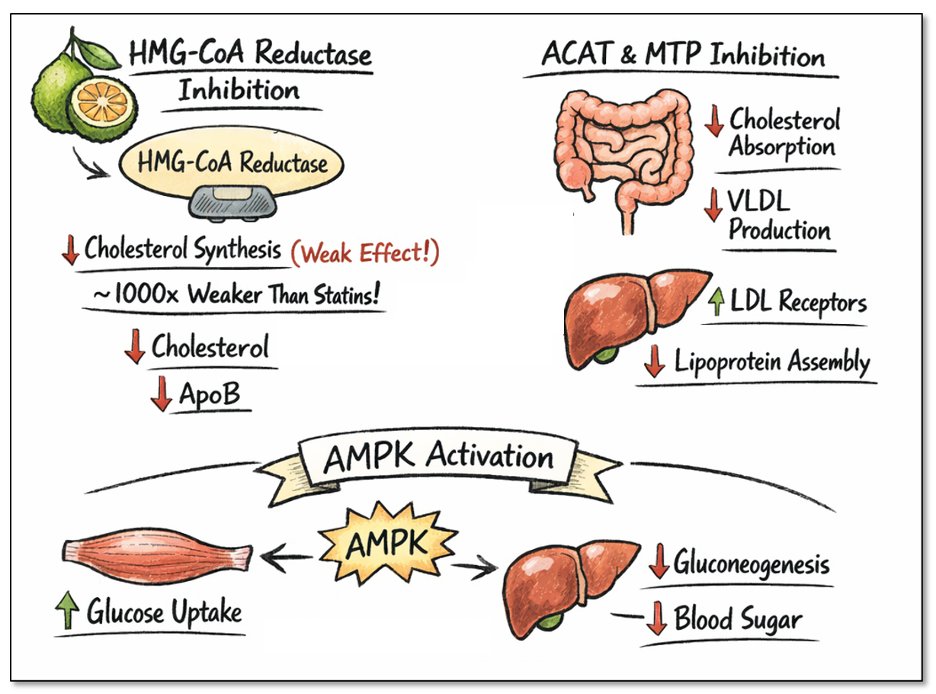
Citrus bergamot isn’t a single nutrient — it’s a cocktail of polyphenolic compounds that influence multiple metabolic enzymes.
For example, the bergamot polyphenols inhibit the enzyme ACAT, contributing to downstream increase LDL receptor expression.
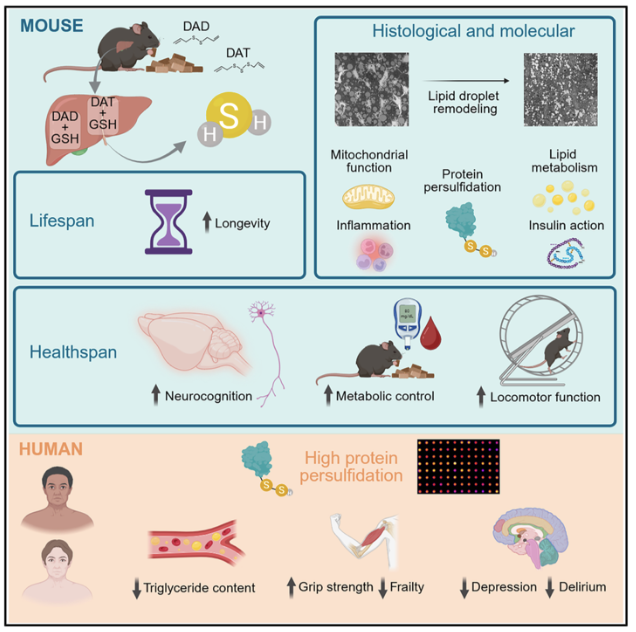
A strange new 2026 study suggests compounds in garlic might:
👉Extend lifespan (11.4% in animals)
👉 Improve insulin sensitivity (lower glucose and insulin levels)
👉Reduce fatty liver & reduce inflammation
Let’s break down this bizarre but compelling research.
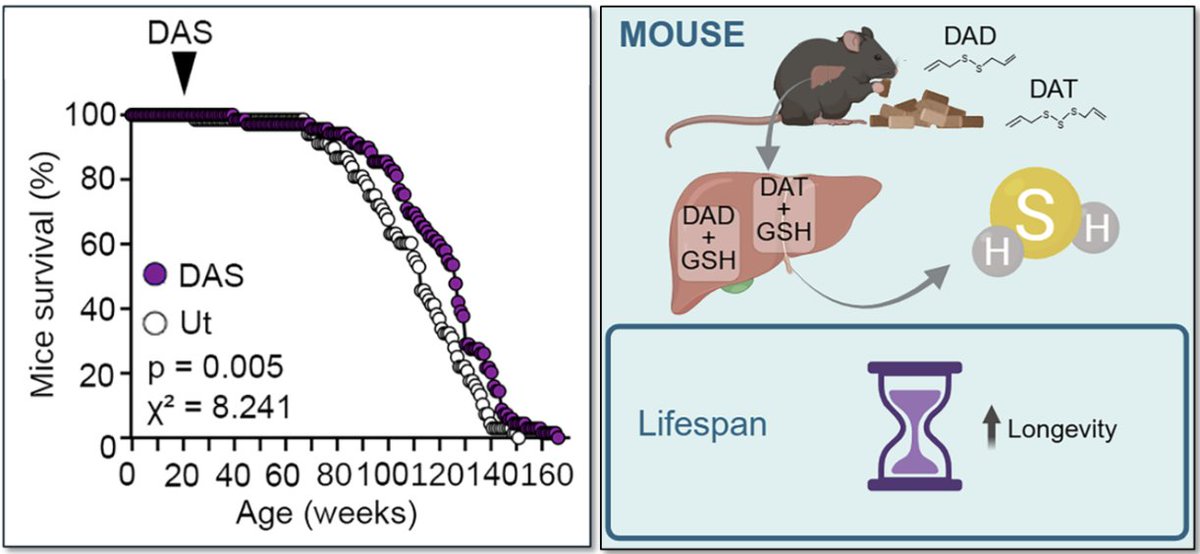
2/7) Garlic is rich in diallyl sulfides (DAS) — sulfur compounds that increase hydrogen sulfide (H₂S) levels. H₂S acts like a hormone: it diffuses through membranes, triggering cellular pathways across the body.
Researchers fed mice a diet enriched with DAS, leading to an 11.4% increase in lifespan, more than double the effect of metformin.
3/7) Furthermore, on a glucose tolerance test, DAS-treated mice showed: Lower total glucose and much lower insulin levels
How Sleep Deprivation Causally Drives Atherosclerosis
1/5) It’s well established that poor sleep is associated with an increased risk of cardiovascular disease.
But the big question has always been: How… Exactly?
Impressive research published in Nature — one of the world’s top scientific journals — reveals a fascinating biological mechanism. (link at the end)
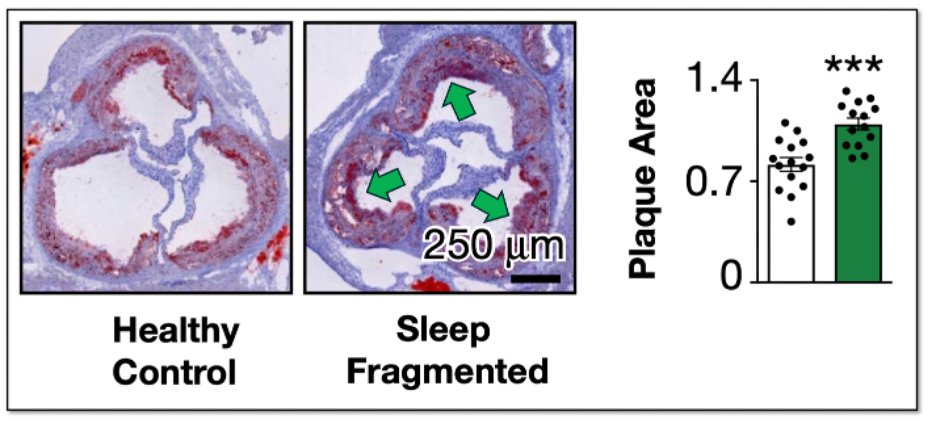
2/5) To test for a causal connection between sleep deprivation and atherosclerosis (the buildup of plaque in arteries), researchers sleep-deprived mice genetically predisposed to developing atherosclerosis.
Compared to well-rested healthy control mice, the sleep-deprived mice developed significantly more atherosclerotic plaque (quantified on the right).
But that’s not all…
3/5) The sleep-deprived animals also accumulated more inflammatory immune cells inside their arteries — the very cells that drive plaque formation and instability.
Below you can see a quantification of the immune cells (three types) in the arteries of sleep deprived animals (green) versus healthy controls.
As a Neuroscientist, this Graph changed how I think about Dementia Risk Factors
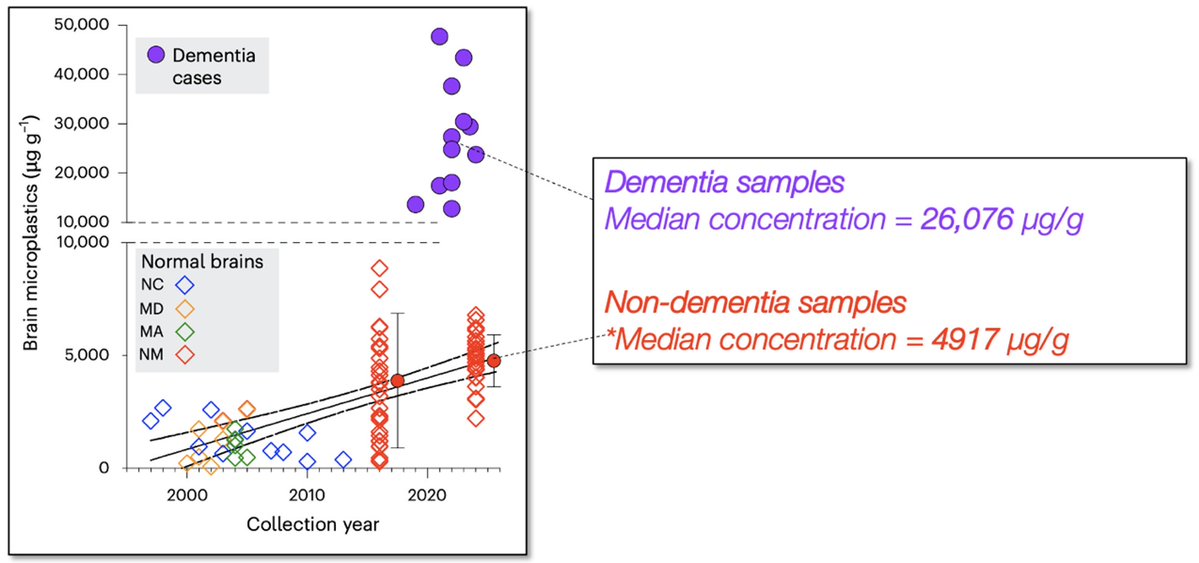
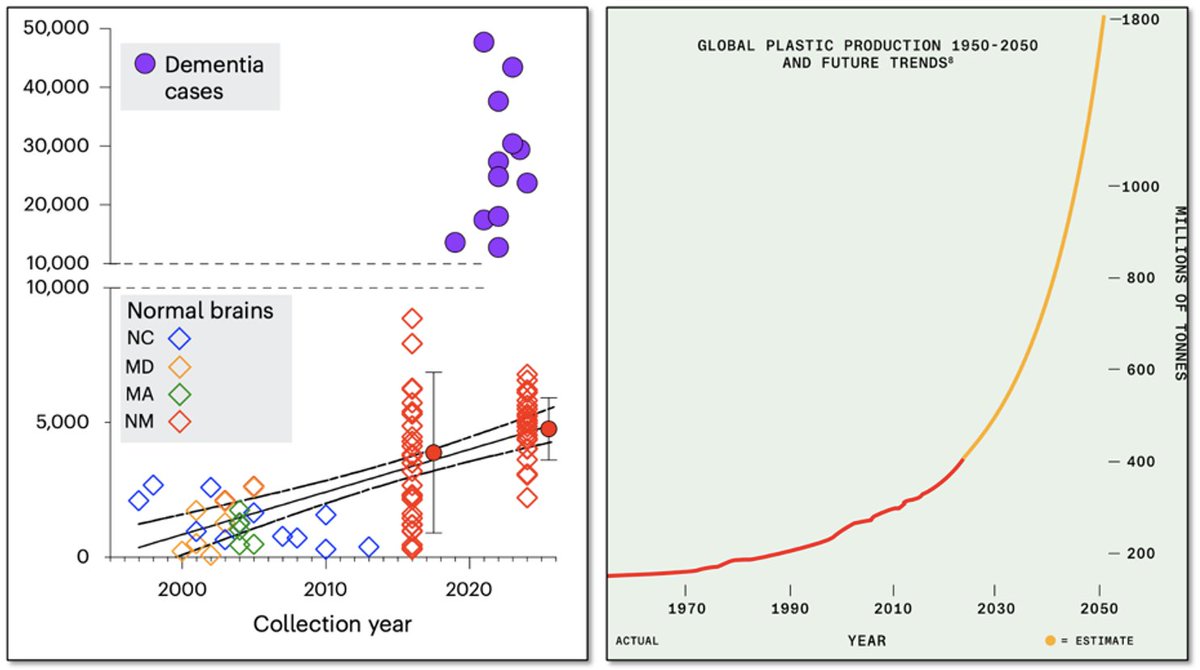
1/5) Microplastics are accumulating in the human brain at an alarming rate. Over the past ~8 years, brain microplastics have increased by ~50%.
But that’s not the worst part…
Consistently, microplastic levels in the brain are much higher in people with dementia (purple) than in those without dementia.
The association is so massive the graphs needs a Y-axis break!
2/5) The researchers behind this work hypothesize that the exponentially increasing concentrations of micro- and nanoplastics in the environment are driving a parallel increase in plastic accumulation in the human brain.
True—correlation ≠ causation. But you cannot do randomized controlled trials here. It’s neither ethical nor feasible.
And when an association is this large—and reverse causality is unlikely—it demands serious attention.
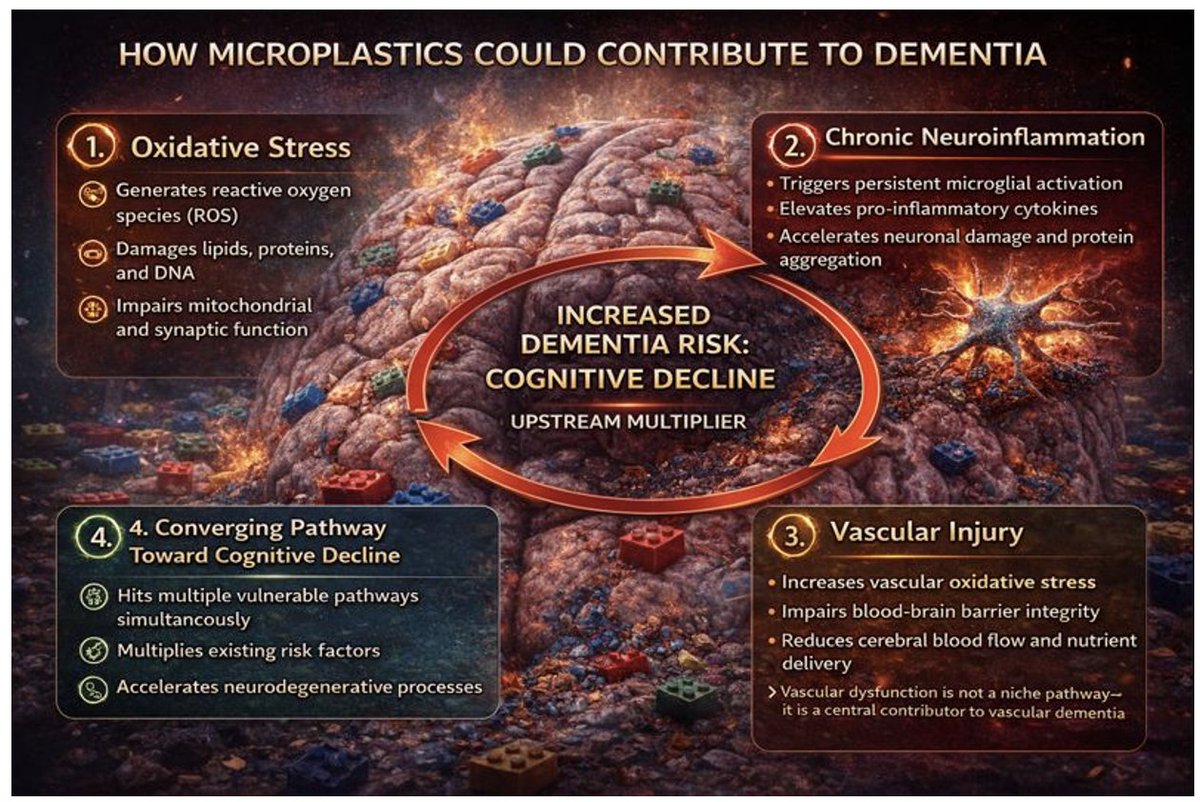
3/5) Mechanistically, this makes sense. Microplastics can drive oxidative stress, chronic neuroinflammation, and vascular injury—three core pillars underlying dementia.
Cholesterol Debates in the Era of Medical Mistrust
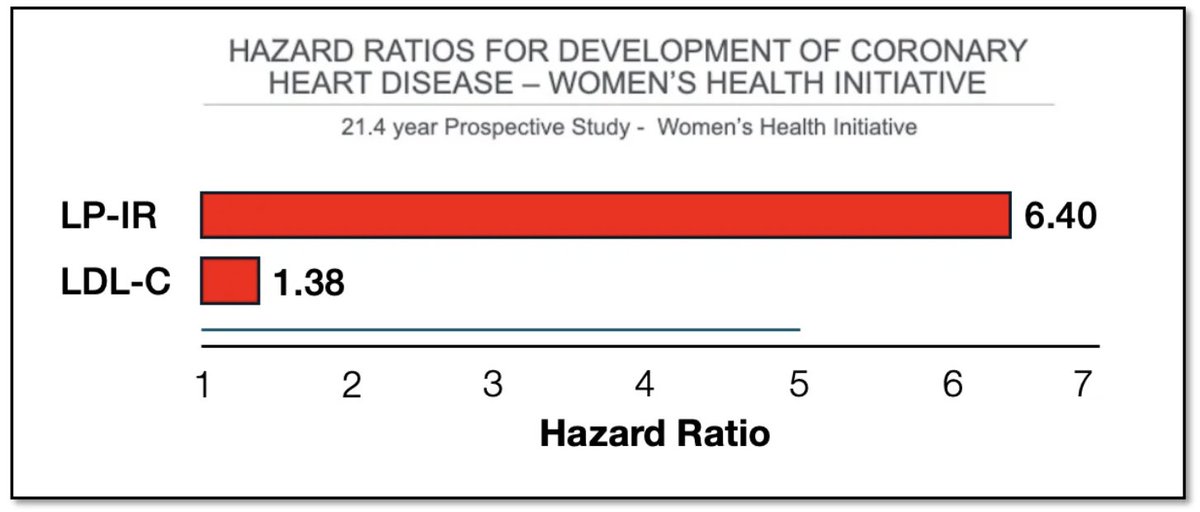
1/4) This graph shows the hazard ratio for coronary heart disease associated with insulin resistance score (LP-IR) versus LDL cholesterol.
It’s not even close. Insulin resistance dwarfs LDL—with a >14-fold difference in relative risk.
2/4) So why does LDL get all the attention?
Simple: It’s easy to manipulate—and highly profitable.
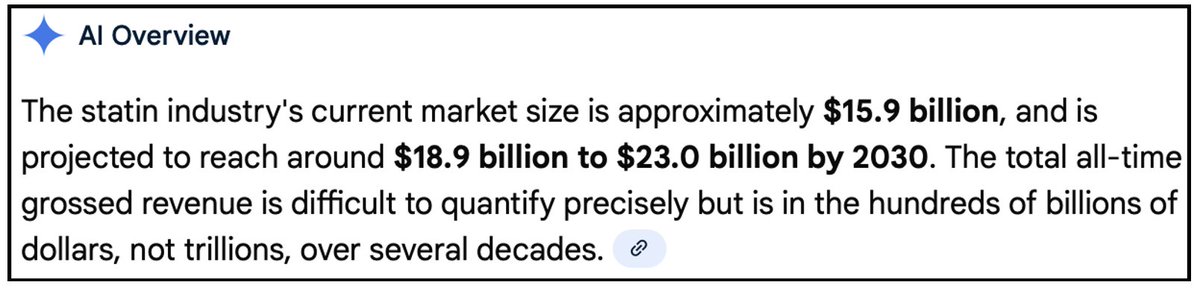
The statin industry alone generates over $20 billion annually. It would be naive to pretend financial interests don’t shape medical priorities.
That’s not a conspiracy theory. It’s acknowledgement of incentive structures that ultimately dictate the spotlight of research, guidelines and medicine.
3/4) And—despite better drugs and relentless focus on LDL as the biomarker cardiology loves to hate—CVD remains a top killer.
That shouldn't be acceptable. Big problems demand hard conversations—and honest autopsies on where we’ve gone wrong in medicine.
If we’re serious about orphaning cardiovascular disease, we must target the metabolic dysfunctions beneath the surface—the ones that often get overlooked and left in the shadows.