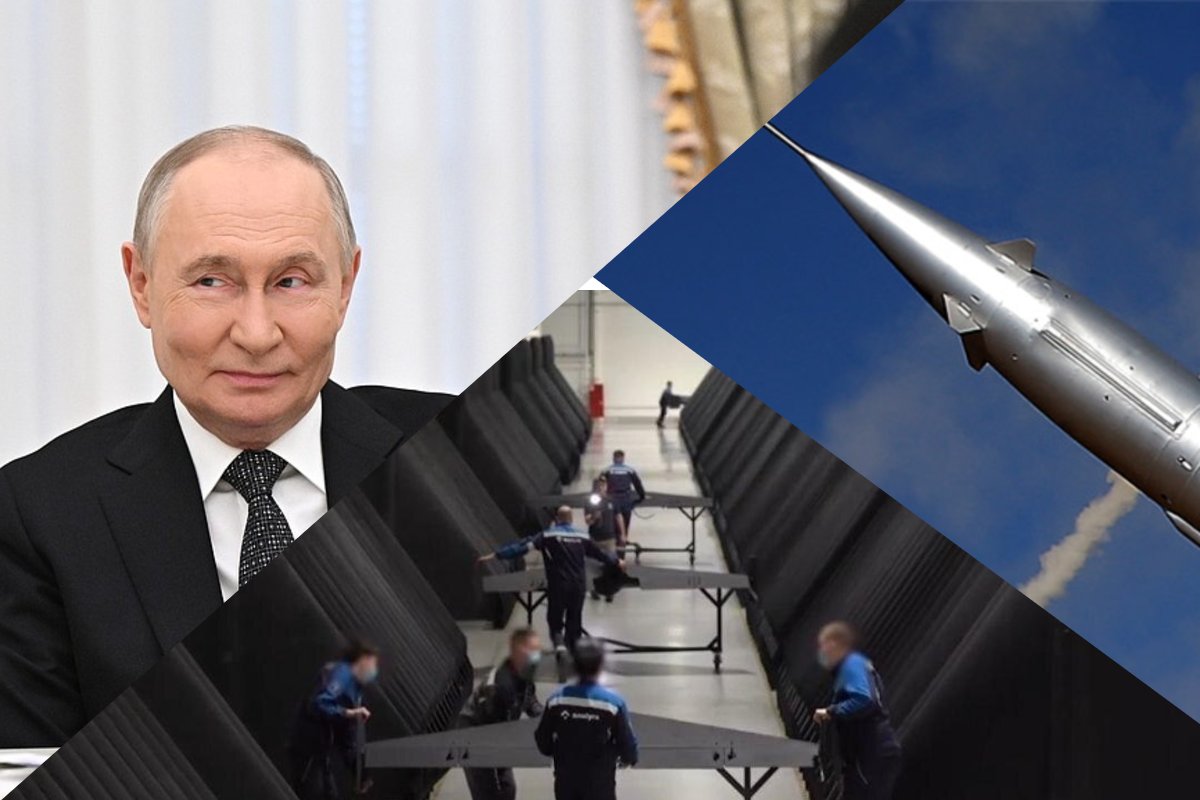
Over the past couple of months, russian military sources have been reporting that the intensity of Ukrainian strikes on logistics has increased many times over. We are talking about so-called middle strike. Until 2025, despite innovations in drone technology, Ukraine was
🧵
losing to russia in this segment. The “drone wall” developed by Ukraine is effective at relatively short distances - up to 20 km from the line of contact. At the same time, long-range drones were developed, which Ukraine has been actively using to strike oil refineries and
the military industry of russia, but until recently Ukraine could not effectively carry out middle strike. This problem began to be actively discussed in the summer of 2025, and since then the Armed Forces of Ukraine have taken the right steps in the right direction. In June,
Deputy Prime Minister Mikhail Fedorov announced the appearance on the front line of an analogue of the Lancet - the Bulava strike and reconnaissance complex from the Ukrainian company DeViro. A drone called FP-2 was also presented to perform similar tasks. Today we are seeing
the results of this work. Strikes on logistics have become more frequent, and now russia is experiencing major difficulties in supplying the front line. The new drones are especially active in Crimea. We have all seen numerous strikes on air defense systems, factories and
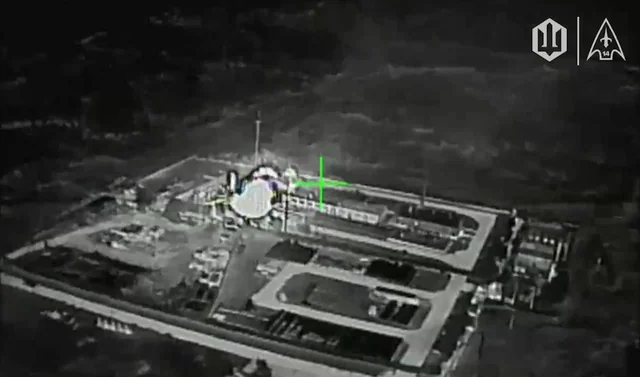
transport. Without middle strike, it was almost impossible to stop the russian war machine. Despite huge losses during assault operations, russia continued to advance because it was able to quickly replenish losses and accumulate new resources deep in the rear for further attacks
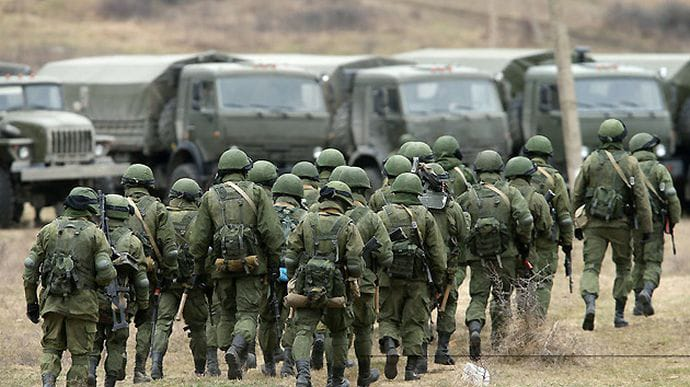
Now, almost every concentration of equipment and personnel does not go unnoticed, and strike drones hit positions or, using obtained intelligence data, cruise missiles are launched at targets. The reduction in russia’s offensive capabilities is due to many factors,
but the fact that Ukraine has solved the middle strike problem directly affects this.
• • •
Missing some Tweet in this thread? You can try to
force a refresh

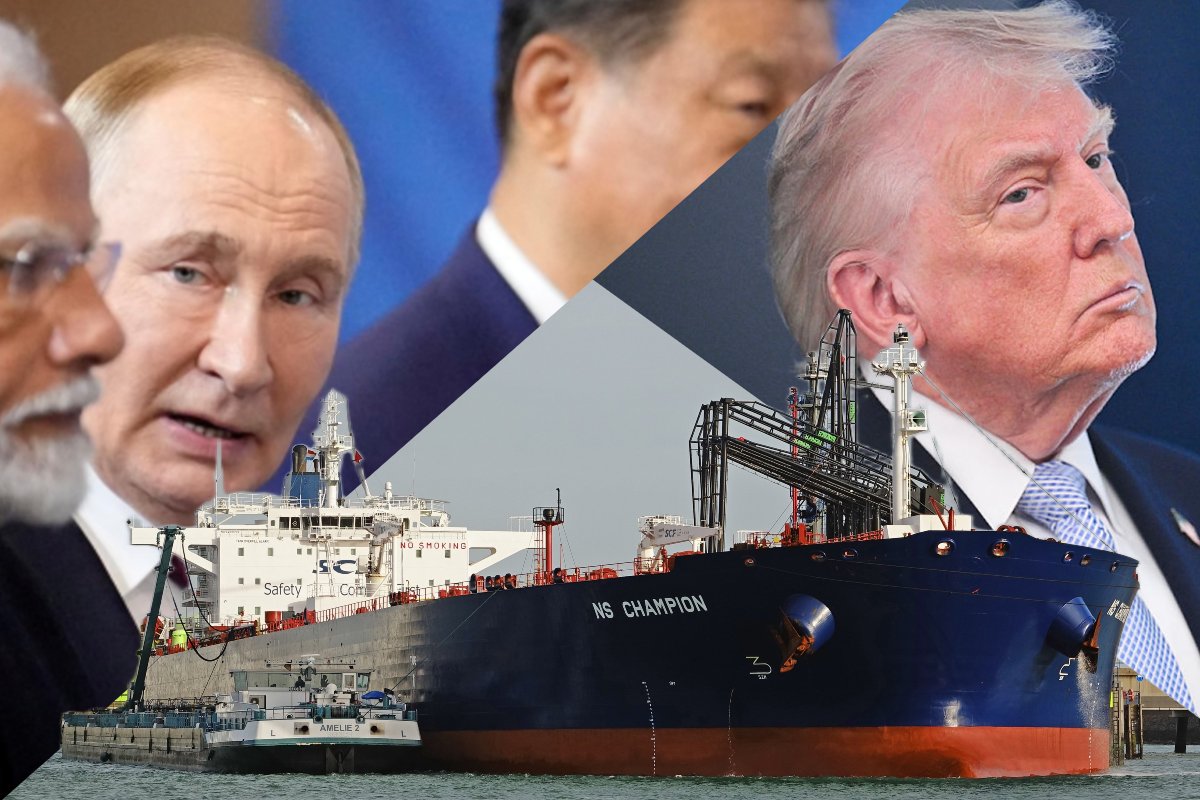
On average, from March 8 to April 5, russia exported 3.35 million barrels of oil per day - the highest export level since June 2022. Bloomberg reports this. The largest deliveries went to Asian countries, particularly India and China. In China, an average of 1.07 million
🧵
barrels of oil per day was delivered, and to India - 1.9 million. Turkey also purchased 210 thousand barrels per day. Overall, russia earned about $2.02 billion per week from this export. Some russian tankers also do not have a specified destination. Instead, Suez or Port Sudan
is often listed as the final point. The number of such tankers is increasing, while the number of tankers officially heading to China and India is decreasing. In addition, the amount of oil loaded onto tankers at sea dropped to 105 million barrels. By mid-March, this figure was
The sharp rise in oil prices due to the war in Iran strongly plays into russia’s hands, as prices for russian oil grades have exceeded 100 dollars per barrel and Asian countries such as Vietnam, Thailand, the Philippines, Indonesia and Sri Lanka are actively ordering russian
🧵
oil, increasing the likelihood that demand in the region will exceed russian supply. This is driven by the easing of US sanctions. This allows russia, despite waging an aggressive war, to improve its standing on the international stage. Along with oil contracts, russia also
offers investments in other sectors and new business opportunities, including military cooperation. Thus, instead of isolation and toxicity, russia gains new markets and expands its influence. All thanks to Trump. However, oil is not only russia’s strength but also its most
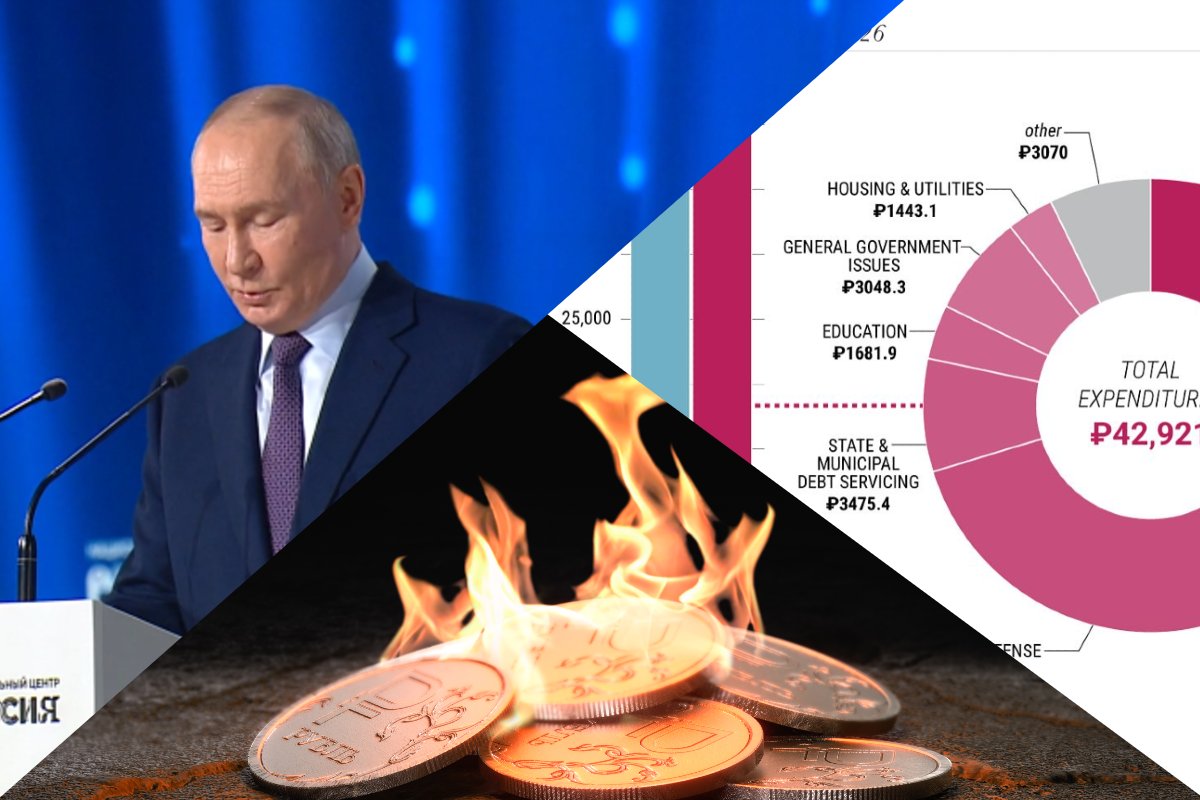
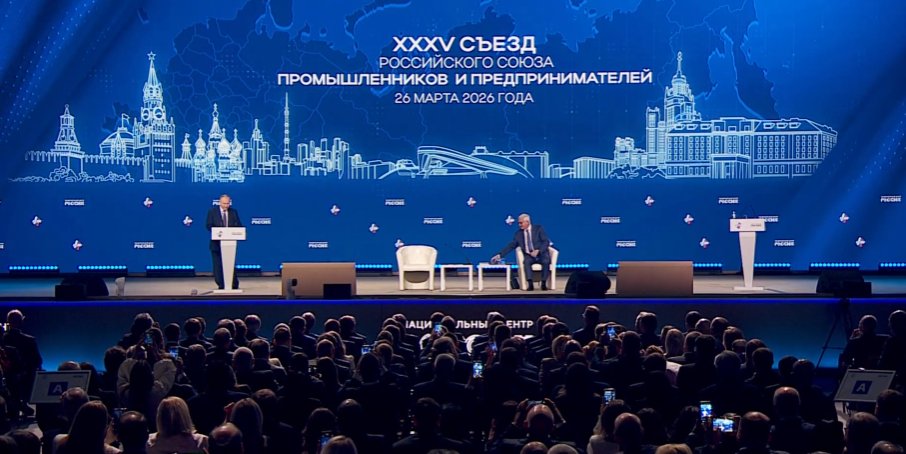
Russia is facing severe budget problems and is looking for additional ways to replenish it. At a closed meeting with oligarchs held on March 26 after the congress of the Russian Union of Industrialists and Entrepreneurs (RSPP), Vladimir Putin stated his intention to continue
🧵
the war against Ukraine and proposed that large businesses make voluntary contributions to the budget. This was reported by The Bell citing sources familiar with the discussion. “They said, we will keep fighting,” one source summarized Putin’s remarks. “We will go to the borders
of Donbas,” another added. Some businessmen responded to the request immediately during the meeting. Suleiman Kerimov promised to contribute 100 billion rubles (~ $1.22 bln), according to The Bell’s sources. At least one other major businessman present at the meeting supported
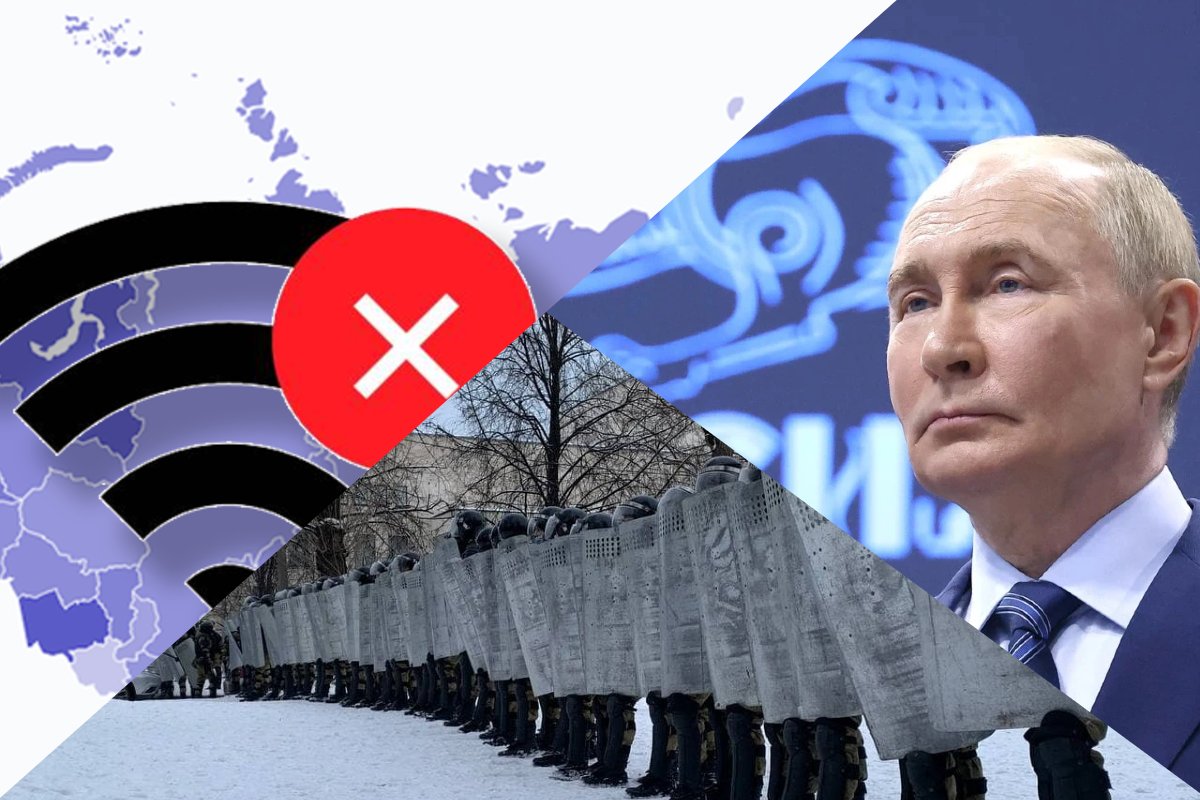
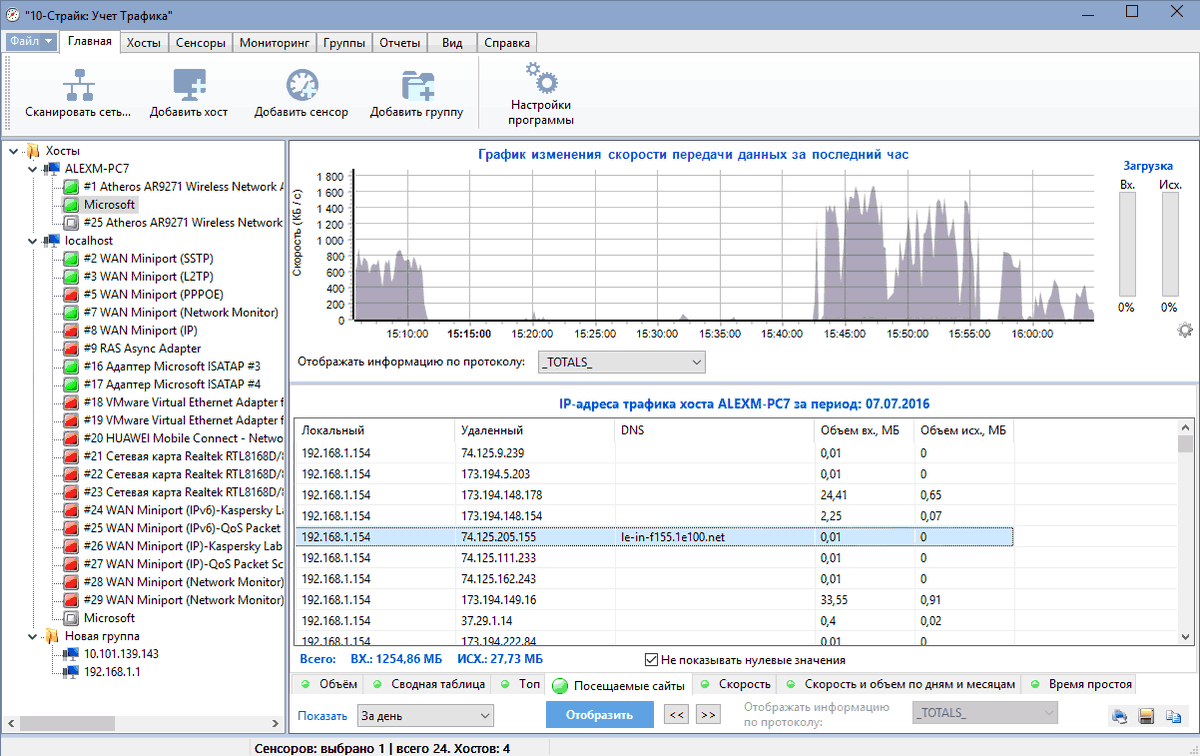
The story of internet shutdowns in Russia is not an accident and not a “temporary measure.” It is a system that has been built for years and has now simply begun to operate at full capacity. What many people saw in Moscow in March 2026 - the inability to pay a bill,
🧵
open a map, or simply send a message - has long been the norm for other regions; Moscow has simply been the last to enter this reality. The timeline is important here: back in 2019, the law on the “sovereign internet” was adopted - formally to protect against external threats,
but in reality to create an infrastructure for centralized traffic control, forcing operators to install equipment under state supervision. This was followed by annual drills in which the network was tested for isolation and autonomous operation - no longer theory, but
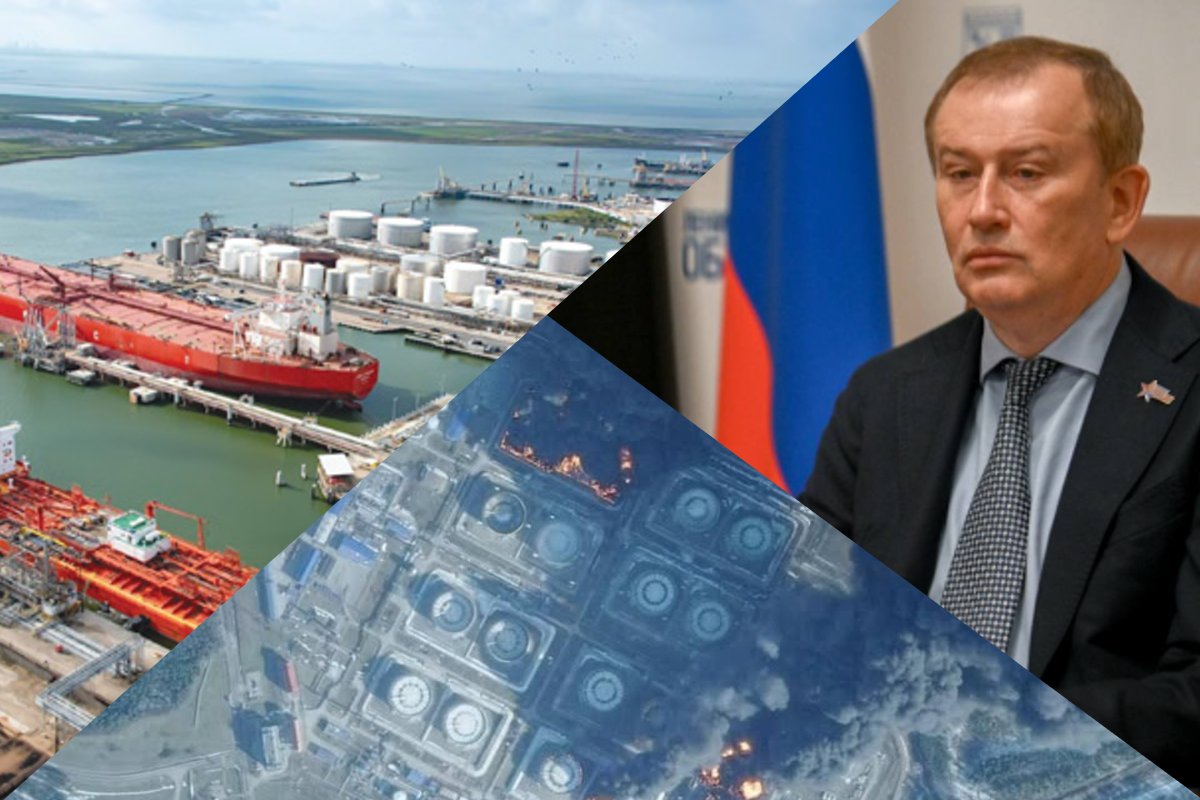
Exports of Russian oil through Baltic Sea ports - the main channel for shipping “black gold” abroad - have been completely halted, Reuters reports citing industry sources familiar with the situation. According to them, due to a drone attack on the Leningrad region, which 🧵
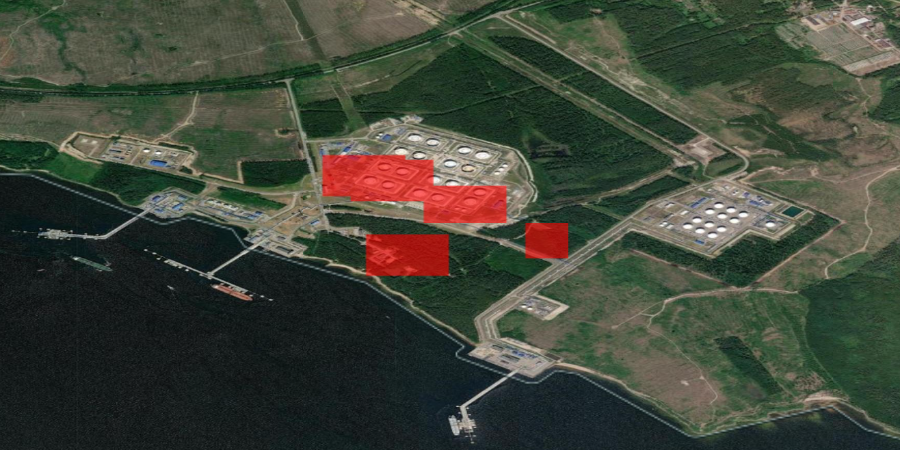
became the largest since the start of the war and involved at least 60 UAVs, both Baltic ports - Primorsk and Ust-Luga - have stopped operations, and together they handle up to half of all oil exported from Russia. On the evening of March 22, Leningrad region governor
Alexander Drozdenko reported a drone attack on Primorsk, through which about 1 million barrels per day are exported. According to him, several fuel storage tanks caught fire in the port. Reuters sources also report that shipments at the port of Ust-Luga, through which oil
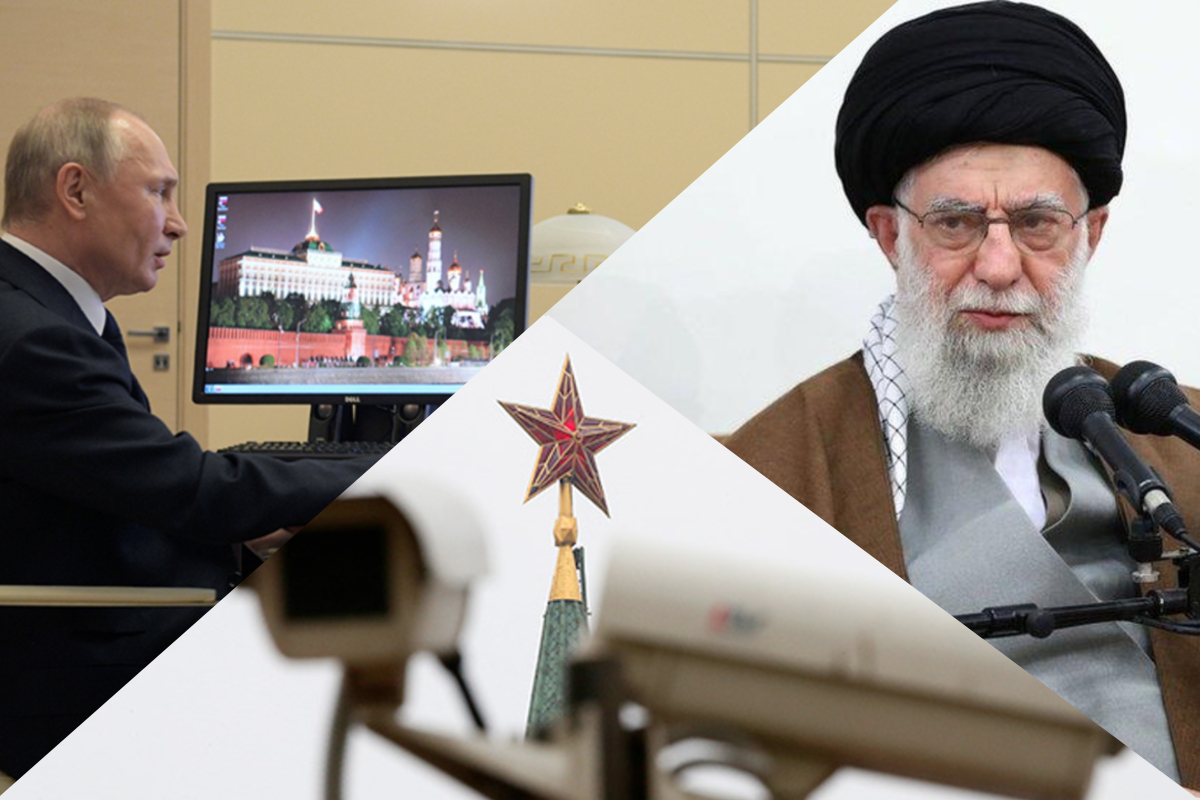
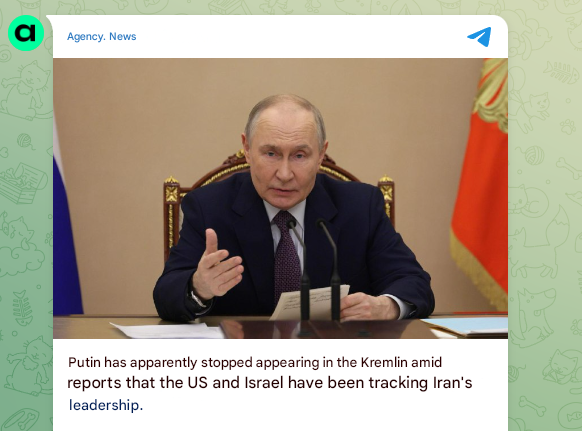
Vladimir Putin has stopped appearing at public events in the Kremlin after details emerged about a US and Israeli operation to eliminate Iran’s Supreme Leader Ayatollah Ali Khamenei. As previously reported by Financial Times, before the strike Israeli intelligence tracked
Khamenei’s movements using hacked surveillance cameras. According to calculations by the outlet “Agentstvo,” the last time Putin held a public event in the Kremlin was on March 9 - a meeting on the situation in the global oil and gas market. After that, according to the
presidential press service, he met several times with regional governors, the Minister of Education, and the head of Sberbank, and also participated in Security Council meetings via video link. However, as “Agentstvo” notes, such meetings are often recorded in advance,