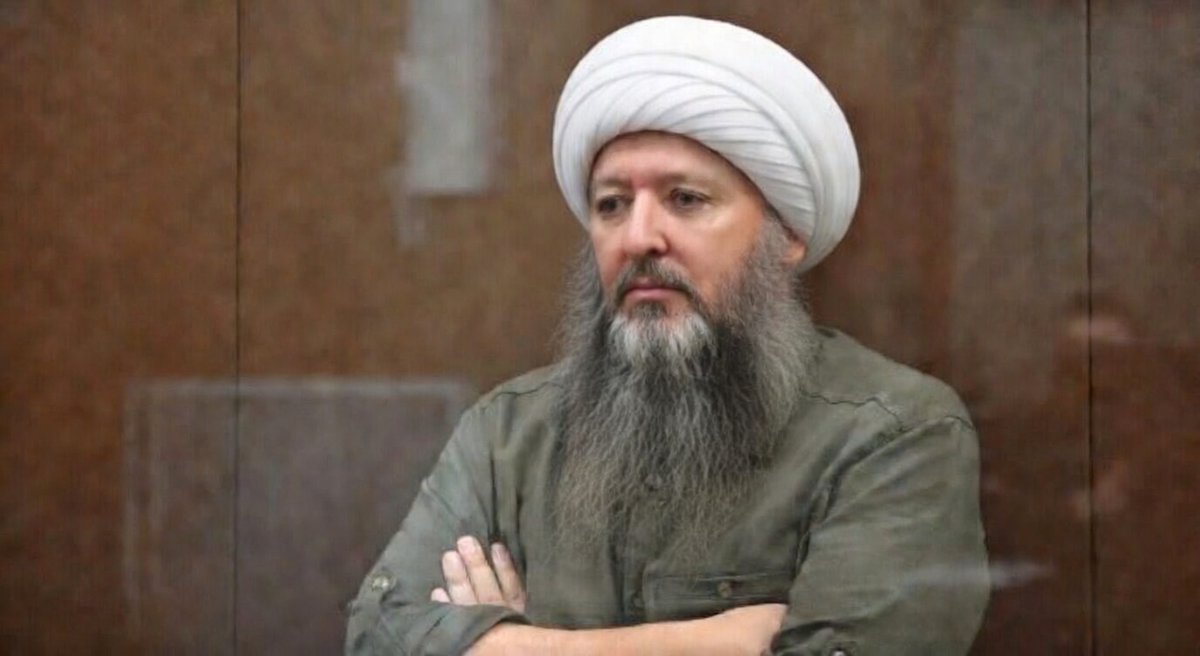
1/ Iran faces very serious problems even if the currently paused war ends with an agreement, warns Russian political scientist Nikolai Sevostyanov. While many Russians are celebrating the Iranian 'victory', Sevostyanov says the hardest part is still ahead. ⬇️ 
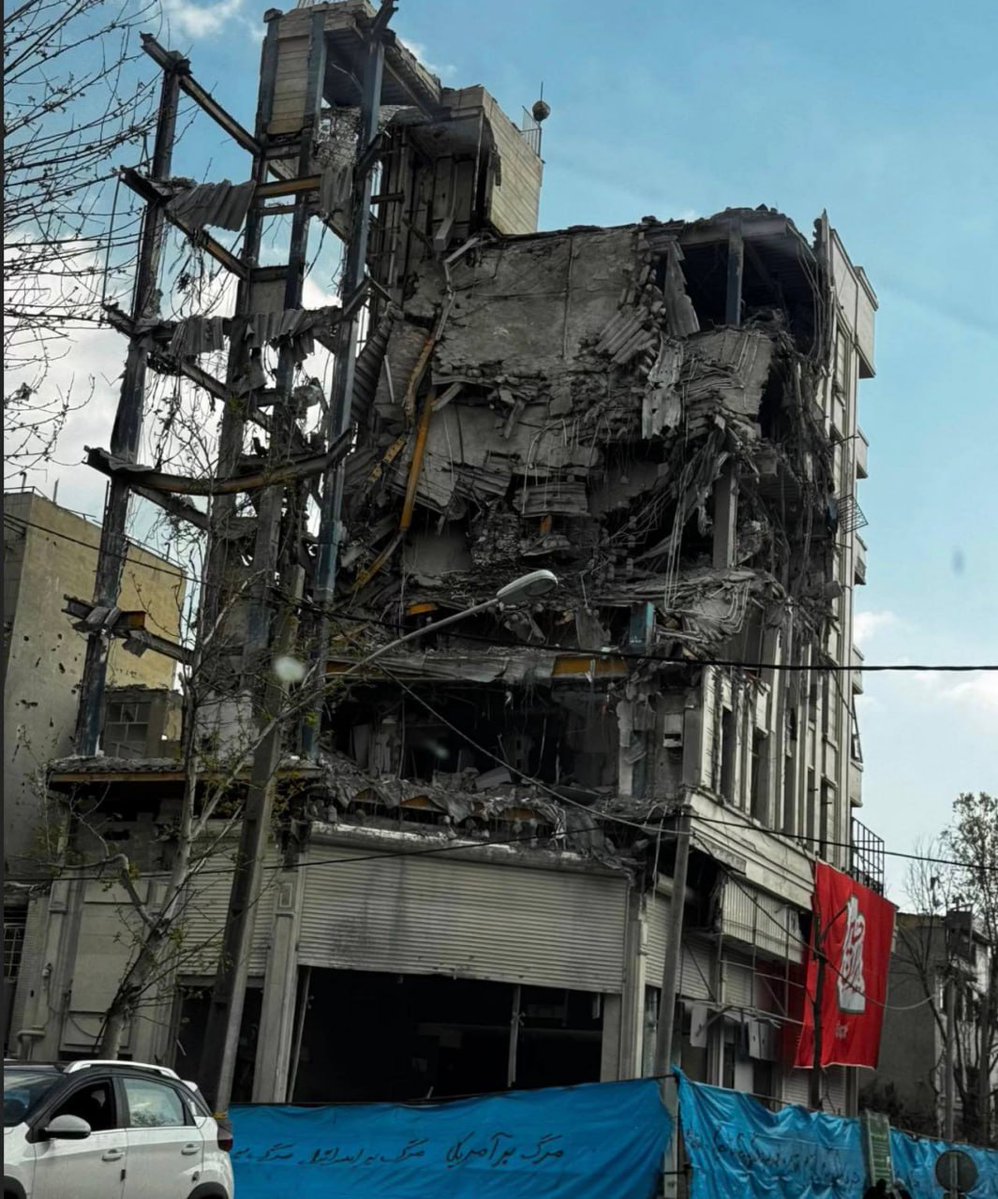
2/ Guest-writing on the 'Voenkor Kotenok' Telegram channel, Sevostyanov says:
3/ "The Iranians are the clear winners today.Trump raised the stakes as high as they could go and then backed down; the Islamic Republic has preserved its territorial integrity;…
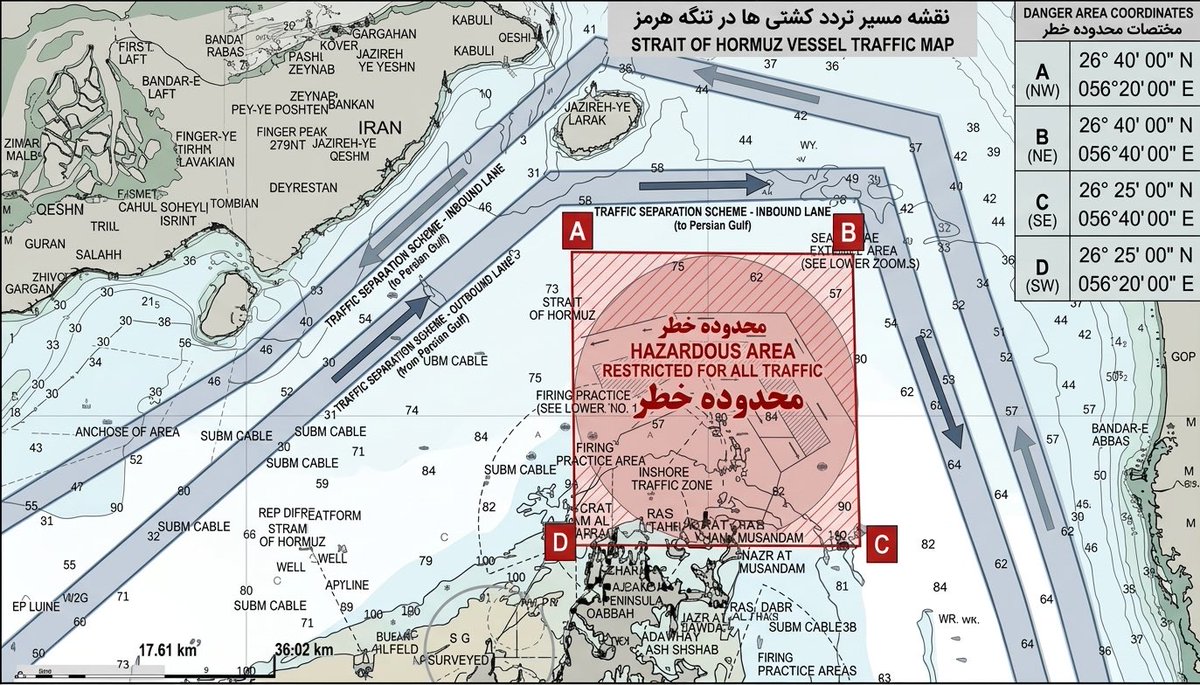
4/ …and the key issue in the upcoming negotiations will be the status of the Strait of Hormuz, which Iran now regards as a legitimate prize.
And now a very important point, which is that there is another side to everything that is happening.
And now a very important point, which is that there is another side to everything that is happening.
5/ "Let's assume that stable agreements are reached, the Strait of Hormuz remains with Iran, and everyone in the world will come to the conclusion that Trump has lost his war. What next?
6/ "1) And then Iran in any case enters an even more acute phase of the economic crisis. The fuel situation, which has already become a trigger for mass protests, will worsen. The situation with budget payments will worsen. The national currency will continue to depreciate.
7/ "Inflation will continue to rise. Even if Tehran will be able to receive the coveted $2 million from some portion (!) of the ships passing through the strait, this in itself will not save the economy,…
8/ …which was in a terrible state even without the war, not to mention the fact that all the freed up resources will be directed to restoring military potential.
9/ "2) The monarchies of the Persian Gulf will from now on perceive the Islamic Republic quite clearly – as an existential threat. A return to the format of a "complex partnership" is impossible.
10/ "This means not only the rapid militarisation of the Arabian Peninsula and the building of strategic relations with Israel, but also the resumption of discussions about the advisability of the UAE and Saudi Arabia developing their own nuclear weapons.
11/ "And as a "bonus" – that Tehran will no longer be able to circumvent sanctions through the "sheikhs".
12/ "3) Iran will in any case face management difficulties. Administering a country in a war is often much easier than in a fragile, but peace.
13/ "In relation to Iran, this is especially relevant, since in recent weeks a number of very "tasty", high-status and profitable positions were effectively perceived as "vacancies for kamikazes."
14/ "As soon as this perception begins to fade into the background, intra-elite contradictions will rapidly escalate. We will definitely see a "witch hunt for Israeli spies."
15/ "4) Moreover, one of the key problems could be precisely the radical strengthening of the IRGC's role, which has proven itself so effectively in the face of active combat. If before the war, the Corps was a "state within a state," now its appetites have grown rapidly.
16/ "And if previously, according to various estimates, the IRGC controlled between a quarter and a half of Iran's GDP, this figure is guaranteed to increase in the near future, which, in turn, will only exacerbate economic problems.
17/ "5) New protests are also inevitable. There are tens of millions of people in Iran who sincerely hate the Islamic Republic and believe it has led the country to a civilisational dead end. This is not American or Israeli propaganda; it is an objective factor.
18/ "Despite the fact that Trump, with his idiotic statements about the "Stone Age" and the "destruction of Iranian civilisation," has done literally everything to consolidate as many Iranians as possible around the regime, such consolidation is a short-lived process.
19/ "During the 12-Day War, many opposition-minded Iranians also rallied around the flag, but that didn't stop them from immediately posing a direct threat to the ayatollahs' power in January 2026. It won't stop them from doing so again.
20/ "Yes, the Islamic Republic won the battle itself. It won simply because it stood firm. But then again, that's assuming the battle is over. But then, the country will face all its past problems, some of which will be doubled. And new ones will emerge alongside them.
21/ "And while Iran demonstrated during this war that it can learn from mistakes in military strategy, there are very serious and well-founded doubts…
22/ …about its ability to address domestic issues and its willingness to engage in dialogue with a significant portion of its own population." /end
Source:
t.me/voenkorKotenok…
Source:
t.me/voenkorKotenok…
• • •
Missing some Tweet in this thread? You can try to
force a refresh