Jack | amatica health Profile picture
Apr 8 25 tweets 3 min read Read on X
New long COVID study suggests tiny packets released by gut bacteria may help drive gut problems, immune activation, and brain-related symptoms in some people with long COVID.
This study focused on extracellular vesicles. In simple terms, these are tiny packages released by bacteria and other cells. They can carry different materials and may send signals from the gut to other parts of the body.
The team used stool samples from 103 people: 12 pandemic controls and 91 people with long COVID. Samples were taken 3 to 6 months and or 12 months after infection.
They grouped people by neurological symptom burden. This included brain fog, memory and concentration issues, but also sleep problems, anxiety, depression, and post-exertional malaise.
First, they checked whether the gut microbiome differed between long COVID and controls. It did. And among people with long COVID, those with more neurological symptoms also had different gut bacteria patterns.
An important point: this was not just a simple case of “lower diversity = worse.” In some women with worse neurological symptoms, diversity was actually higher. So the issue may be which microbes are present, not just how many.
Next, they transplanted gut microbes from long COVID donors into germ-free mice. Mice given microbes from donors with neurological symptoms showed more signs of gut barrier damage and more immune cell activation in the brain.
The behavior changes in those mice were less clear than the tissue findings. The gut and brain inflammation signals looked stronger than the movement and behavior results.
Then the researchers isolated the bacterial vesicles themselves from human stool and tested them directly. This matters because they were no longer testing the whole microbiome, just the tiny packets released by it.
In human gut cell models, vesicles from long COVID samples increased inflammatory signals. In a standard gut barrier model, vesicles from the neurological symptom group weakened the barrier the most.
A weaker gut barrier means the lining of the gut may become more “leaky,” so unwanted bacterial products can pass through more easily and may increase immune activity.
In immune cells called macrophages, long COVID vesicles also increased inflammatory signals. The strongest effects usually came from vesicles from people with neurological symptoms.
The researchers also tested the vesicles on human microglia, which are immune cells in the brain. Long COVID vesicles pushed these cells toward an inflammatory state.
They found big shifts in gene activity in the microglia, including pathways linked to immune signaling, inflammation, cell movement, and responses seen in infection.
One repeated signal across the study was BAFF, an immune molecule linked to B cell activity and chronic immune stimulation. It showed up in gut cells, immune cells, brain immune cells, colon tissue, and blood in mice.
That does not prove BAFF is the key driver. The study did not block BAFF to show that the problem goes away. So BAFF may be a useful clue, but it is not proven as the main cause.
The team then gave purified bacterial vesicles by mouth to normal mice for 6 weeks. Even without transferring the full microbiome, the vesicles alone were enough to produce several concerning changes.
Those mice showed signs of gut barrier damage, higher blood markers linked to bacterial leakage and immune activation, and more activation of astrocytes and microglia in the brain.
Astrocytes and microglia are support and immune cells in the brain. When they become overactive, that may be a sign of brain inflammation or stress.
The vesicle-treated mice also showed behavior changes, especially increased movement. But the memory and anxiety-style tests were less definitive, so those parts should be interpreted carefully.
Another interesting finding was that long COVID vesicles also changed the gut microbiome of the mice. So these vesicles may not just come from dysbiosis. They may also help keep it going.
Overall, this study suggests a possible chain: COVID may alter gut bacteria, those bacteria may release harmful vesicles, the vesicles may weaken the gut barrier and activate the immune system, and that may then affect the brain.
This is a strong mechanistic study, but it is still a preprint, so it has not yet been peer reviewed. It also does not prove this happens in every person with long COVID, or identify the exact bacterial cargo responsible.
So the main takeaway is not that this paper proves the full cause of long COVID. It suggests a credible gut-brain pathway that may help explain symptoms in at least a subgroup of patients.

• • •

Missing some Tweet in this thread? You can try to force a refresh

 

Keep Current with Jack | amatica health

Jack | amatica health Profile picture

Stay in touch and get notified when new unrolls are available from this author!

Read all threads

This Thread may be Removed Anytime!

PDF

Twitter may remove this content at anytime! Save it as PDF for later use!

Try unrolling a thread yourself!

how to unroll video
  1. Follow @ThreadReaderApp to mention us!

  2. From a Twitter thread mention us with a keyword "unroll"
@threadreaderapp unroll

Practice here first or read more on our help page!

More from @JackHadfield14

Apr 7
A new ME/CFS study found signs that people with more severe illness may show different spinal fluid protein patterns linked to immune activity, blood clotting, cell stress, and brain-related signaling. People with POTS also showed a different pattern. Simple breakdown 🧵
The study looked at cerebrospinal fluid, or CSF. That is the fluid around the brain and spinal cord. The researchers wanted to see whether CSF proteins differed by ME/CFS severity and by whether someone also had POTS.
They started with 34 people with ME/CFS and ended with 31 after excluding 3 samples. All patients met Canadian Consensus Criteria. There were no healthy controls in this study.
Read 21 tweets
Apr 5
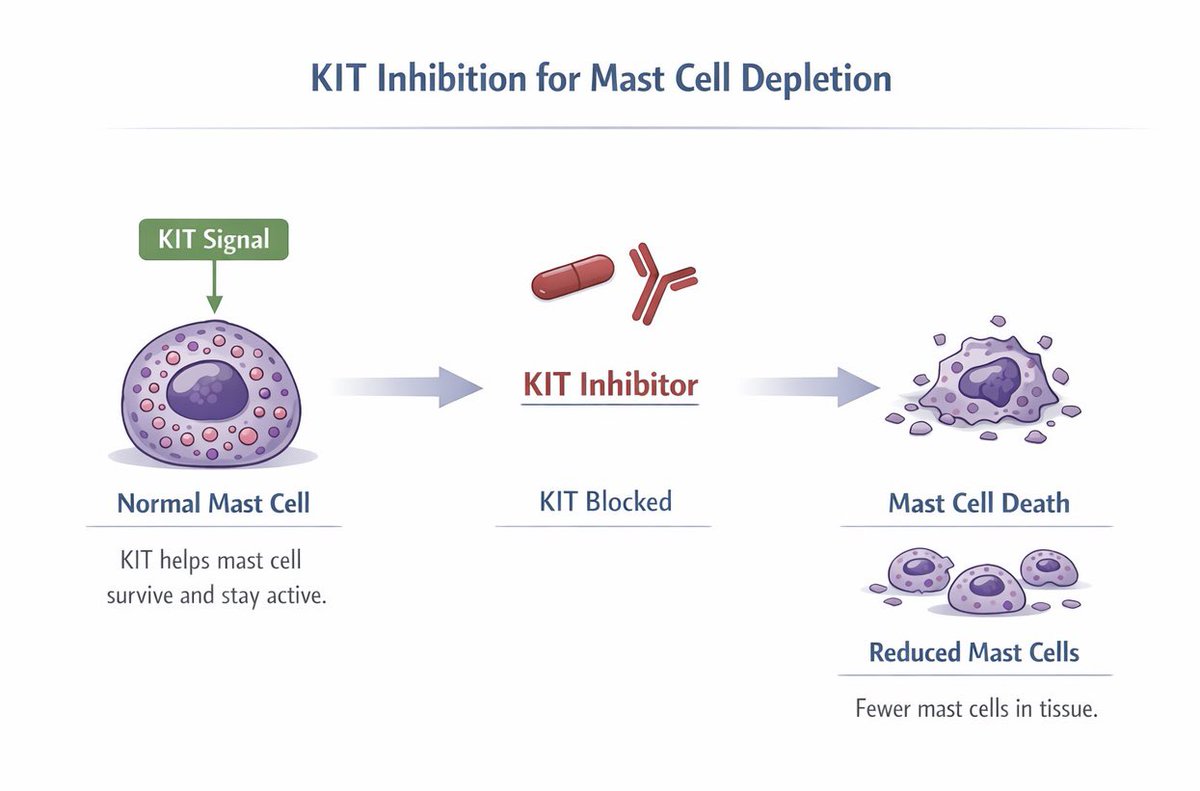
The strongest new mast cell-targeting drugs are in CSU, and the best of them may represent potential remission-level treatments for central mast cell diseases by directly reducing the pathological cell rather than just blocking one pathway. Image
CSU is chronic spontaneous urticaria.

In simple terms, it is long-lasting hives and sometimes swelling without a clear trigger. It is one of the clearest human diseases where mast cells are known to play a central role.
Mast cells are tissue-resident immune cells that sit at barrier sites like the skin, airways, gut, and around blood vessels and nerves. They help sense threats and coordinate immune responses, but when dysregulated they may drive a wide range of symptoms.
Read 19 tweets
Mar 30
Two recent stories suggested AI may help find highly personal treatment routes in cancer, one in Sid Sijbrandij and one in Rosie the dog. There is some nuance here, so I’ll break down what happened in simple language, including cost, and how similar logic could apply to chronic disease.
The key point is not that AI acted like a robot in a lab. It is that AI helped do discovery work. It processed large amounts of biological data, linked them to past research, and helped narrow down specific treatment routes that were then tested in real life.
Sid’s case involved osteosarcoma, a type of bone cancer. He first had standard treatment. Then the cancer came back after the usual options were becoming limited. After that, he built a very intense personal research effort around his own disease.
Read 20 tweets
Mar 18
A new brain scan study found widespread inflammation-related changes across the brain’s wiring in ME/CFS, and some matched worse mental health, more disability, and greater illness severity. Image
Older ME/CFS brain scans often disagreed. The usual method can show change, but not clearly whether it means extra fluid, extra cells, damaged fibres, or something else. This also builds on earlier blood and brain-scan work that hinted at inflammation.
So the researchers used a more detailed diffusion MRI method. It tracks water movement and tries to separate extra fluid, extra cells linked to inflammation, and changes in nerve fibres. It also looks at water moving along fibres or across them.
Read 23 tweets
Mar 10
A study of 40,537 people found key immune cells that fight infections were still below earlier levels up to 20 months after the major COVID wave. In people with heart and blood vessel disease, some of these cells were about 70% lower than earlier levels.
The paper looked at lymphocytes, which are white blood cells that help fight infection.

T cells help organize the response and can kill infected cells.
B cells make antibodies.
NK cells are fast-acting white blood cells.
CD4 and CD8 are two main T-cell groups.
The researchers used records from 3 hospitals in Jinan, China. They included 40,537 adults who had this blood test from Jan 2021 to Aug 2024. They excluded people whose immune tests could be heavily changed by things like ICU care, cancer, pregnancy, or transplant.
Read 23 tweets
Mar 9
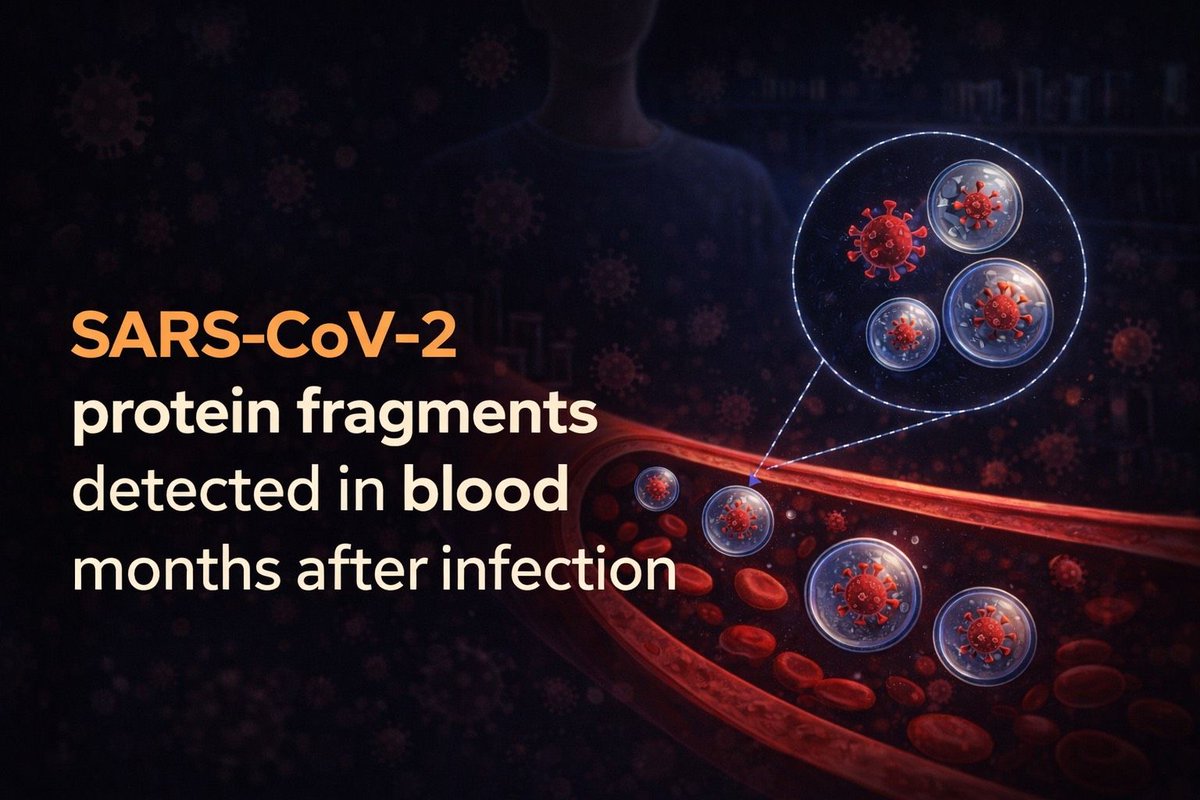
Pieces of SARS-CoV-2 proteins were found in tiny blood particles in many people with long COVID, even about 17 months after infection. This may point to a measurable biological signal, not just symptoms. Breakdown in simple language 🧵 Image
Those tiny particles are extracellular vesicles (EVs). EVs are small packages released by cells into the blood that can carry proteins and other material.
The researchers studied 14 adults with long COVID (symptoms lasting >12 weeks, like fatigue, shortness of breath, trouble tolerating exercise, and feeling worse after activity).

Most were not hospitalized during their initial COVID illness.
Read 15 tweets

Did Thread Reader help you today?

Support us! We are indie developers!


This site is made by just two indie developers on a laptop doing marketing, support and development! Read more about the story.

Become a Premium Member ($3/month or $30/year) and get exclusive features!

Become Premium

Don't want to be a Premium member but still want to support us?

Make a small donation by buying us coffee ($5) or help with server cost ($10)

Donate via Paypal

Or Donate anonymously using crypto!

Ethereum

0xfe58350B80634f60Fa6Dc149a72b4DFbc17D341E copy

Bitcoin

3ATGMxNzCUFzxpMCHL5sWSt4DVtS8UqXpi copy

Thank you for your support!

Follow Us!

:(