Western civilization is not declining. It is already dead. What you are living in is the corpse.
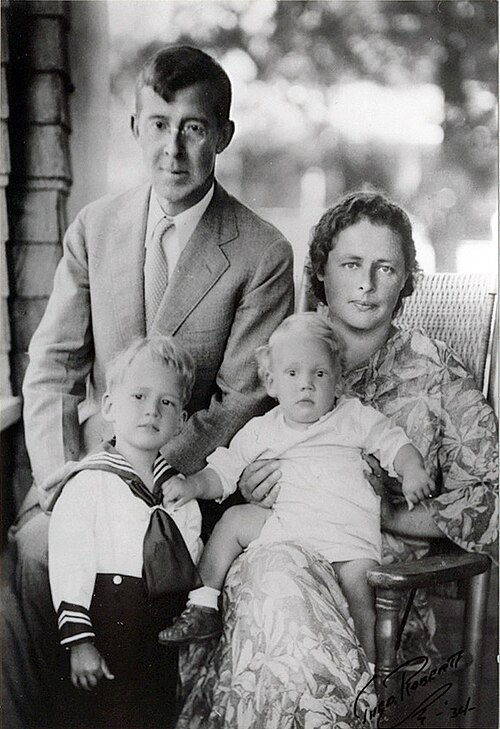
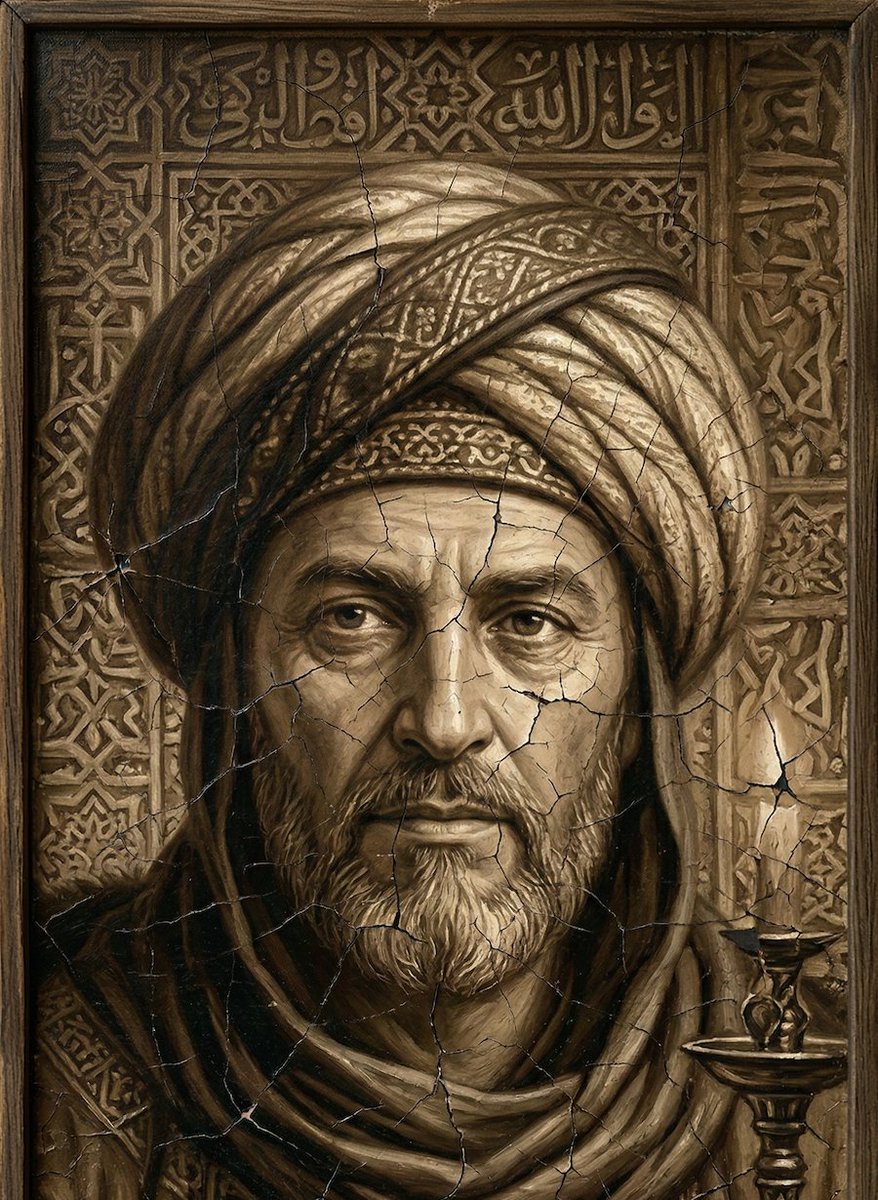
In 1918, a German philosopher studied every civilization that collapsed and found they all shared one trait in the final stage:
The population stops having children.
And it stops having children because it no longer sees the point.
His work was mocked, dismissed, and debated by 400 scholars. But he was right (thread) 🧵
In 1918, a German philosopher studied every civilization that collapsed and found they all shared one trait in the final stage:
The population stops having children.
And it stops having children because it no longer sees the point.
His work was mocked, dismissed, and debated by 400 scholars. But he was right (thread) 🧵

Schoolteacher Oswald Spengler published his work that rejected the idea that history moves in a straight line from "primitive" to "progress."
He called this the Ptolemaic view of history. We place ourselves at the center and assume everything is building toward us. A form of chronological snobbery.
He offered a more Copernican view: every great civilization is its own world. Egypt, China, India, Babylon, Greece, Rome, the West. Each one blooms and dies according to the same pattern.
None is the "goal" of another.
He called this the Ptolemaic view of history. We place ourselves at the center and assume everything is building toward us. A form of chronological snobbery.
He offered a more Copernican view: every great civilization is its own world. Egypt, China, India, Babylon, Greece, Rome, the West. Each one blooms and dies according to the same pattern.
None is the "goal" of another.
There is a difference between a Culture and a Civilization.
A Culture is the living, creative phase. It produces cathedrals, great art, deep philosophy, genuine faith. It is rooted in the soil.
A Civilization is the dying phase. It produces world-cities, money-worship, sterile intellectualism, and imperial expansion. It is rootless.
Every Culture eventually hardens into a Civilization.
And every Civilization eventually collapses.
A Culture is the living, creative phase. It produces cathedrals, great art, deep philosophy, genuine faith. It is rooted in the soil.
A Civilization is the dying phase. It produces world-cities, money-worship, sterile intellectualism, and imperial expansion. It is rootless.
Every Culture eventually hardens into a Civilization.
And every Civilization eventually collapses.
A culture can be mapped onto four seasons:
- Spring: a young people emerges, deeply spiritual, bound to the land. Think early medieval Christendom, the Crusades, the great cathedrals.
- Summer: the Culture matures. Grand philosophy, high art, rich theology. Think the Reformation, Bach, Shakespeare.
- Autumn: the Culture reaches its peak and begins to intellectualize. Doubt creeps in. Think Kant, the Enlightenment.
- Winter: the Culture dies and becomes a Civilization.
What season are we in? 👇
- Spring: a young people emerges, deeply spiritual, bound to the land. Think early medieval Christendom, the Crusades, the great cathedrals.
- Summer: the Culture matures. Grand philosophy, high art, rich theology. Think the Reformation, Bach, Shakespeare.
- Autumn: the Culture reaches its peak and begins to intellectualize. Doubt creeps in. Think Kant, the Enlightenment.
- Winter: the Culture dies and becomes a Civilization.
What season are we in? 👇
The single most visible marker of civilizational winter is the rise of the world-city.
Spengler saw the world-city as a parasite. It devours the countryside and drains the villages of their strongest blood. It replaces rootedness with rootlessness, tradition with fashion, and faith with clever skepticism.
The man of the world-city is an "intellectual nomad." Free in the way a hunter is free but homeless in the way a hunter is homeless.
Spengler saw the world-city as a parasite. It devours the countryside and drains the villages of their strongest blood. It replaces rootedness with rootlessness, tradition with fashion, and faith with clever skepticism.
The man of the world-city is an "intellectual nomad." Free in the way a hunter is free but homeless in the way a hunter is homeless.
In every dying civilization, the same pattern appears in the cities:
1. Religion fades into philosophy. Philosophy fades into skepticism. Skepticism fades into indifference.
2. The countryside empties. The peasant vanishes. The small town becomes a satellite of the metropolis.
3. Art becomes a sport for connoisseurs. Literature becomes a product for jaded urban palates.
4. Money replaces soil as the basis of power.
1. Religion fades into philosophy. Philosophy fades into skepticism. Skepticism fades into indifference.
2. The countryside empties. The peasant vanishes. The small town becomes a satellite of the metropolis.
3. Art becomes a sport for connoisseurs. Literature becomes a product for jaded urban palates.
4. Money replaces soil as the basis of power.
The most sure marker of civilizational death: the population stops reproducing.
Spengler documented this across every civilization that reached its winter. The intelligent, urban, "liberated" classes stop having children.
The peasant has children because life demands it. The cosmopolitan weighs pros and cons. The moment you are weighing pros and cons about whether to create life, life itself has become questionable.
Polybius warned that this was destroying Greece. Augustus passed desperate laws trying to force Roman elites to have families.
Nothing worked.
Spengler documented this across every civilization that reached its winter. The intelligent, urban, "liberated" classes stop having children.
The peasant has children because life demands it. The cosmopolitan weighs pros and cons. The moment you are weighing pros and cons about whether to create life, life itself has become questionable.
Polybius warned that this was destroying Greece. Augustus passed desperate laws trying to force Roman elites to have families.
Nothing worked.
Birth rates across the entire Western world have collapsed below replacement level. The United States, Europe, Canada, Australia, Japan, South Korea. The places with the highest education and wealth have the lowest fertility.
Marriage is a "lifestyle choice" and children are a financial calculation.
This is the oldest pattern in human history reaching a predictable conclusion.
Marriage is a "lifestyle choice" and children are a financial calculation.
This is the oldest pattern in human history reaching a predictable conclusion.
Spengler identified the world-city as the engine of decline.
Today, we carry world-cities in our pockets.
Social media, 24-hour news, algorithmic entertainment. The cosmopolitan outlook that once required living in Paris or London now reaches every farmhouse and hamlet on earth.
A teenager in rural Iowa now has the soul-structure of a Hellenistic Alexandrian. Rootless. Distracted. Ironic. Consuming, not creating.
The countryside doesn't even have to empty into the cities anymore. The city comes to the countryside.
Today, we carry world-cities in our pockets.
Social media, 24-hour news, algorithmic entertainment. The cosmopolitan outlook that once required living in Paris or London now reaches every farmhouse and hamlet on earth.
A teenager in rural Iowa now has the soul-structure of a Hellenistic Alexandrian. Rootless. Distracted. Ironic. Consuming, not creating.
The countryside doesn't even have to empty into the cities anymore. The city comes to the countryside.
In every dying civilization, money becomes the dominant force.
You can understand Greeks without ever mentioning economics. You cannot understand Romans without it. The shift from Culture to Civilization is the shift from soil-values to money-values.
Today, a man's worth is his net worth, represented by abstract numbers on a screen.
Housing is an "asset class." Children are a "cost center." Marriage has a "return on investment."
You've watched the language of finance colonize every human relationship.
You can understand Greeks without ever mentioning economics. You cannot understand Romans without it. The shift from Culture to Civilization is the shift from soil-values to money-values.
Today, a man's worth is his net worth, represented by abstract numbers on a screen.
Housing is an "asset class." Children are a "cost center." Marriage has a "return on investment."
You've watched the language of finance colonize every human relationship.
The belief in inevitable progress is itself a symptom of decline.
Democracy is not as the endpoint of political evolution but as a late-stage phenomenon.
The urban intellect demands it. The press manufactures it. A small number of superior minds make the real decisions while elected officials maintain the theater.
Every man who has worked near politics knows this is true.
Democracy is not as the endpoint of political evolution but as a late-stage phenomenon.
The urban intellect demands it. The press manufactures it. A small number of superior minds make the real decisions while elected officials maintain the theater.
Every man who has worked near politics knows this is true.
The most bracing thing about reading Spengler is how its a mirror for each of us.
You scroll through content designed for restless cosmopolitan minds. You consume culture but create none. You measure your life in career milestones and financial targets. You have delayed or avoided the deepest commitments a man can make.
Spengler described the "intellectual nomad" a century ago.
He described you.
You scroll through content designed for restless cosmopolitan minds. You consume culture but create none. You measure your life in career milestones and financial targets. You have delayed or avoided the deepest commitments a man can make.
Spengler described the "intellectual nomad" a century ago.
He described you.
Porn, casual sex, "hookup culture." These are seen as rebellions against an old order, but really, they are the exhaustion of a civilization too tired to discipline itself.
Spengler would have recognized them instantly. Rome had them. Babylon had them. Every world-city in the late phase has them.
They promise freedom, but they are signs of a people who have become, in his words, "slaves to the moment."
Spengler would have recognized them instantly. Rome had them. Babylon had them. Every world-city in the late phase has them.
They promise freedom, but they are signs of a people who have become, in his words, "slaves to the moment."
We are not approaching winter. We are in it.
The birth rates, the dying towns, the money-worship, the sterile art, the rootless population drifting from city to city.
Spengler predicted all of it before most of our grandparents were born.
But Spengler was no nihilist. He demanded that men face their season with courage.
The peasant endures. He always has.
He is "the eternal man," rooted in the soil, bound to his family, independent of every fashion the cities produce. The cities rise and fall. The man who plants, builds, and raises children persists.
The birth rates, the dying towns, the money-worship, the sterile art, the rootless population drifting from city to city.
Spengler predicted all of it before most of our grandparents were born.
But Spengler was no nihilist. He demanded that men face their season with courage.
The peasant endures. He always has.
He is "the eternal man," rooted in the soil, bound to his family, independent of every fashion the cities produce. The cities rise and fall. The man who plants, builds, and raises children persists.
You cannot reverse the season, but you can refuse to be its victim.
Marry. Have children (more than two). Plant yourself somewhere and stay. Build something with your hands. Read old books. Attend a church that has existed for longer than 5 minutes.
The world-city will do what it does. Let it. Your job is to be the root that outlasts the frost.
Marry. Have children (more than two). Plant yourself somewhere and stay. Build something with your hands. Read old books. Attend a church that has existed for longer than 5 minutes.
The world-city will do what it does. Let it. Your job is to be the root that outlasts the frost.
The oak does not panic at the arrival of winter. It has been through winter before.
If you liked this thread, you'll love the Foundation Father newsletter. Practical tips every week on fatherhood, masculinity and homeschooling.
And get a free gift:
foundationfather.com/about
If you liked this thread, you'll love the Foundation Father newsletter. Practical tips every week on fatherhood, masculinity and homeschooling.
And get a free gift:
foundationfather.com/about
• • •
Missing some Tweet in this thread? You can try to
force a refresh