1/11
My theory on the peace deal is a foiled assault and them buying time to try again:
* They planned action for Tuesday night.
* B-52 bombers were a distraction for a planned ground operation.
* The ground operation was intended to be deployed from Bubiyan Island in Kuwait, and be an amphibious assault on Kharg Island.
My theory on the peace deal is a foiled assault and them buying time to try again:
* They planned action for Tuesday night.
* B-52 bombers were a distraction for a planned ground operation.
* The ground operation was intended to be deployed from Bubiyan Island in Kuwait, and be an amphibious assault on Kharg Island.
https://x.com/adamscochran/status/2042311129654051282
2/11
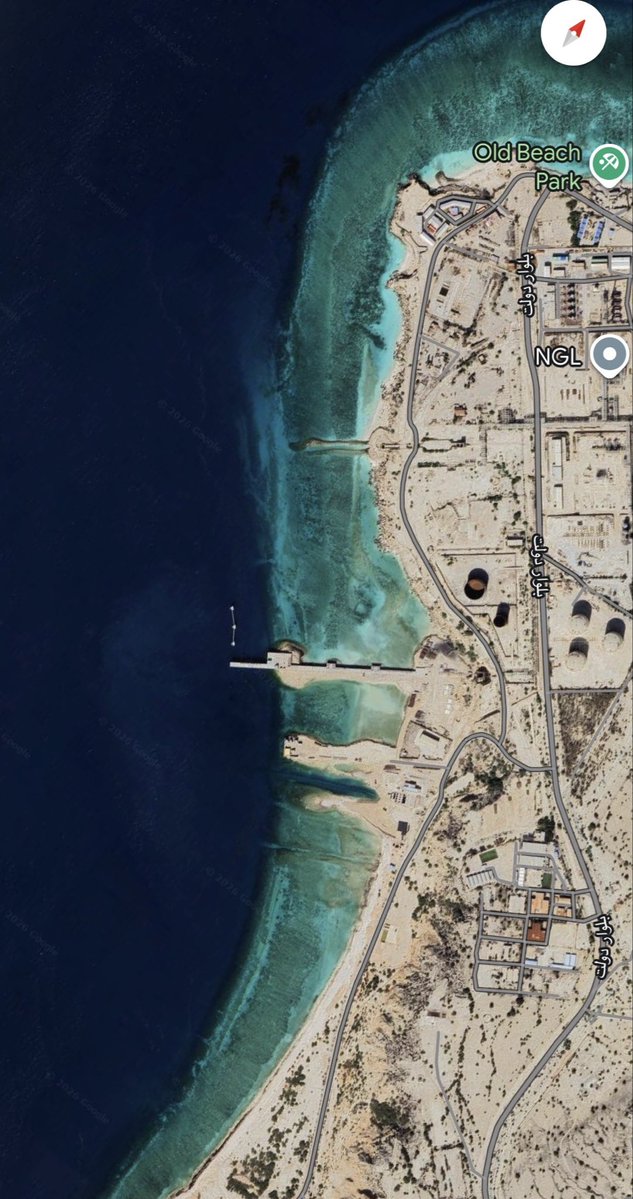
* Bubiyan Island is home to Mubarak Al Kabeer Port, which frequently sees roll-on/roll-off ships used for connecting heavy equipment between Kuwait and other gulf countries.
* It also faces the shallow landing port side of Kharg island.
* Bubiyan Island is home to Mubarak Al Kabeer Port, which frequently sees roll-on/roll-off ships used for connecting heavy equipment between Kuwait and other gulf countries.
* It also faces the shallow landing port side of Kharg island.


3/11
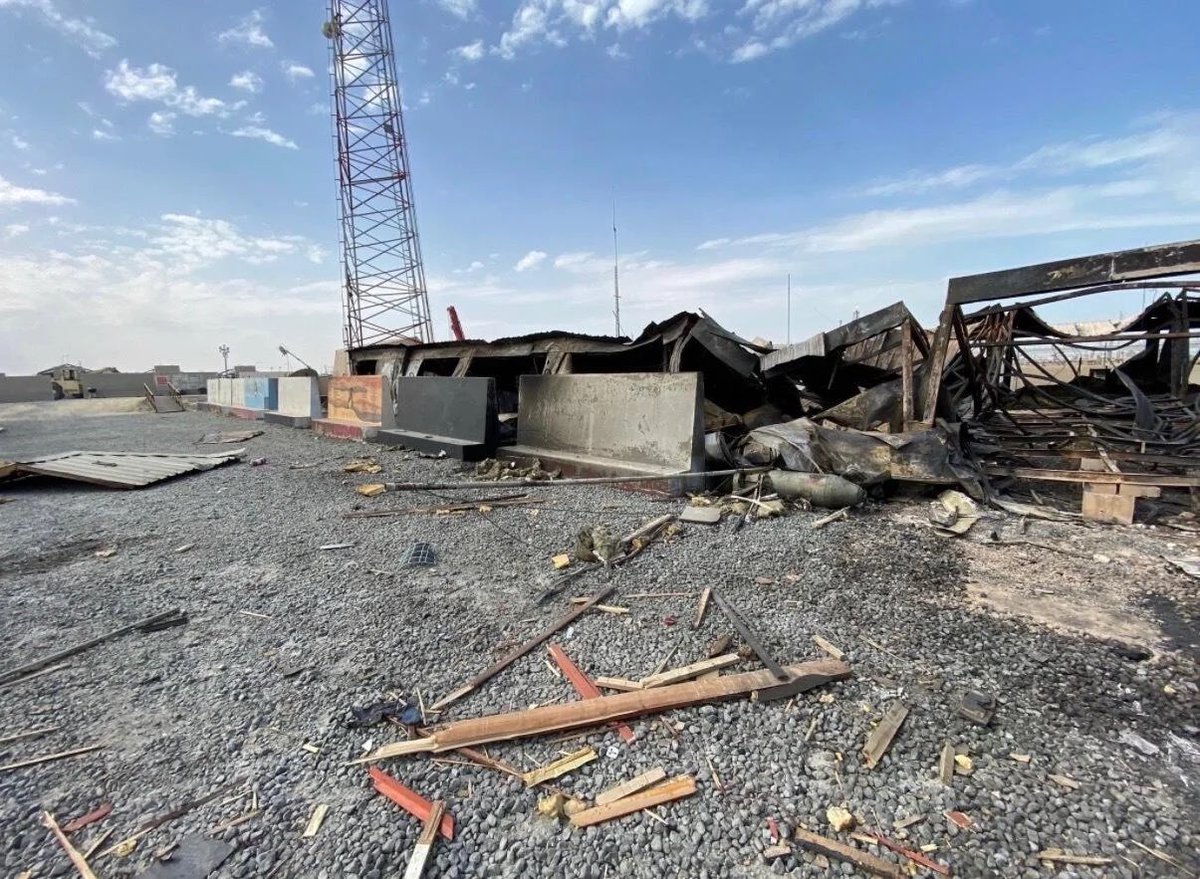
* The US has relocated forces from Kuwait to a makeshift base on the island, apparently containing munitions and satellite equipment.
* That base was suddenly struck on April 6th, likely with intel support from China or Russia.
* The US has relocated forces from Kuwait to a makeshift base on the island, apparently containing munitions and satellite equipment.
* That base was suddenly struck on April 6th, likely with intel support from China or Russia.
4/11
* It was after this that we suddenly see the desperate “ceasefire” plan from the Pakistani Prime Minister dramatically start to escalate.
* The next day we see his public ceasefire message which many now believe were written by Washington.
* This led to the US suddenly “agreeing” to basically any terms - much to the surprise of Israel.
* It was after this that we suddenly see the desperate “ceasefire” plan from the Pakistani Prime Minister dramatically start to escalate.
* The next day we see his public ceasefire message which many now believe were written by Washington.
* This led to the US suddenly “agreeing” to basically any terms - much to the surprise of Israel.
5/11
* The US turned around the B-52s and declared peace.
* Almost immediately it becomes clear neither side agree on deal terms, and statements get walked back.
So why the sudden position change from the US?
* The US turned around the B-52s and declared peace.
* Almost immediately it becomes clear neither side agree on deal terms, and statements get walked back.
So why the sudden position change from the US?
6/11
Nearly all US assets in the Gulf region are in the Arabian Sea, with no way to Kharg.
And because of the mountainous coast line, those landing dock ships are basically only useful in an assault on the port city of Bandar Abbas.
Nearly all US assets in the Gulf region are in the Arabian Sea, with no way to Kharg.
And because of the mountainous coast line, those landing dock ships are basically only useful in an assault on the port city of Bandar Abbas.

7/11
With no landing craft and minimal covering interceptors, an assault on Kharg would be dangerous.
It would involve small, slow vulnerable craft, or converting commandeered commercial vessels.
With no landing craft and minimal covering interceptors, an assault on Kharg would be dangerous.
It would involve small, slow vulnerable craft, or converting commandeered commercial vessels.
8/11
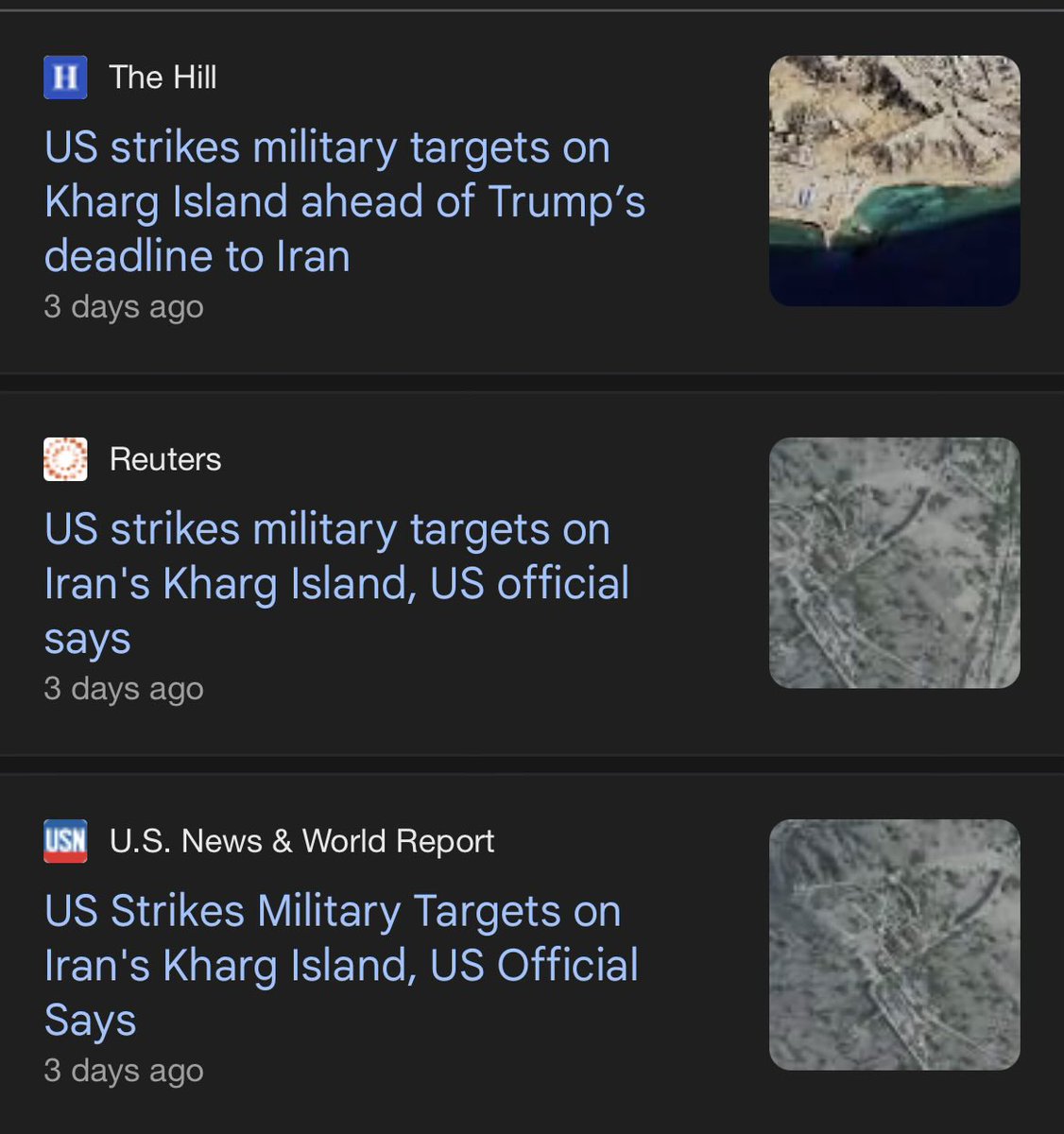
It would also require striking defensive infrastructure in the island, which the US happened to do before their own deadline.
It would also require striking defensive infrastructure in the island, which the US happened to do before their own deadline.
9/11
It seems likely that the US had a plan to:
* Attack somewhere in Southern Iran with sea assets, possibly even as far as Bandar Abbas or Qeshm.
* Use that distraction to launch an assault on Kharg from Bubiyan Island - using commercial ships to transport heavy loads to the existing Kharg docks.
It seems likely that the US had a plan to:
* Attack somewhere in Southern Iran with sea assets, possibly even as far as Bandar Abbas or Qeshm.
* Use that distraction to launch an assault on Kharg from Bubiyan Island - using commercial ships to transport heavy loads to the existing Kharg docks.
10/11
* Whatever Iran hit on Bubiyan included critical munitions, or transports for that assault.
* So Trump “agreed” to a hasty peace.
* It’s why we see a massive re-supply effort, to resupply and fix whatever was damaged there.
Just in time to put options back on the table after market close.
* Whatever Iran hit on Bubiyan included critical munitions, or transports for that assault.
* So Trump “agreed” to a hasty peace.
* It’s why we see a massive re-supply effort, to resupply and fix whatever was damaged there.
Just in time to put options back on the table after market close.


11/11
It is one of the only outcomes that can reconcile, the strange behavior we’ve seen.
Where Trump was willing to agree to almost anything, and has spent the entire week backtracking.
It was just a ploy for time.
It is one of the only outcomes that can reconcile, the strange behavior we’ve seen.
Where Trump was willing to agree to almost anything, and has spent the entire week backtracking.
It was just a ploy for time.
• • •
Missing some Tweet in this thread? You can try to
force a refresh