IbnHikmah Profile picture
Apr 17 13 tweets 13 min read Read on X
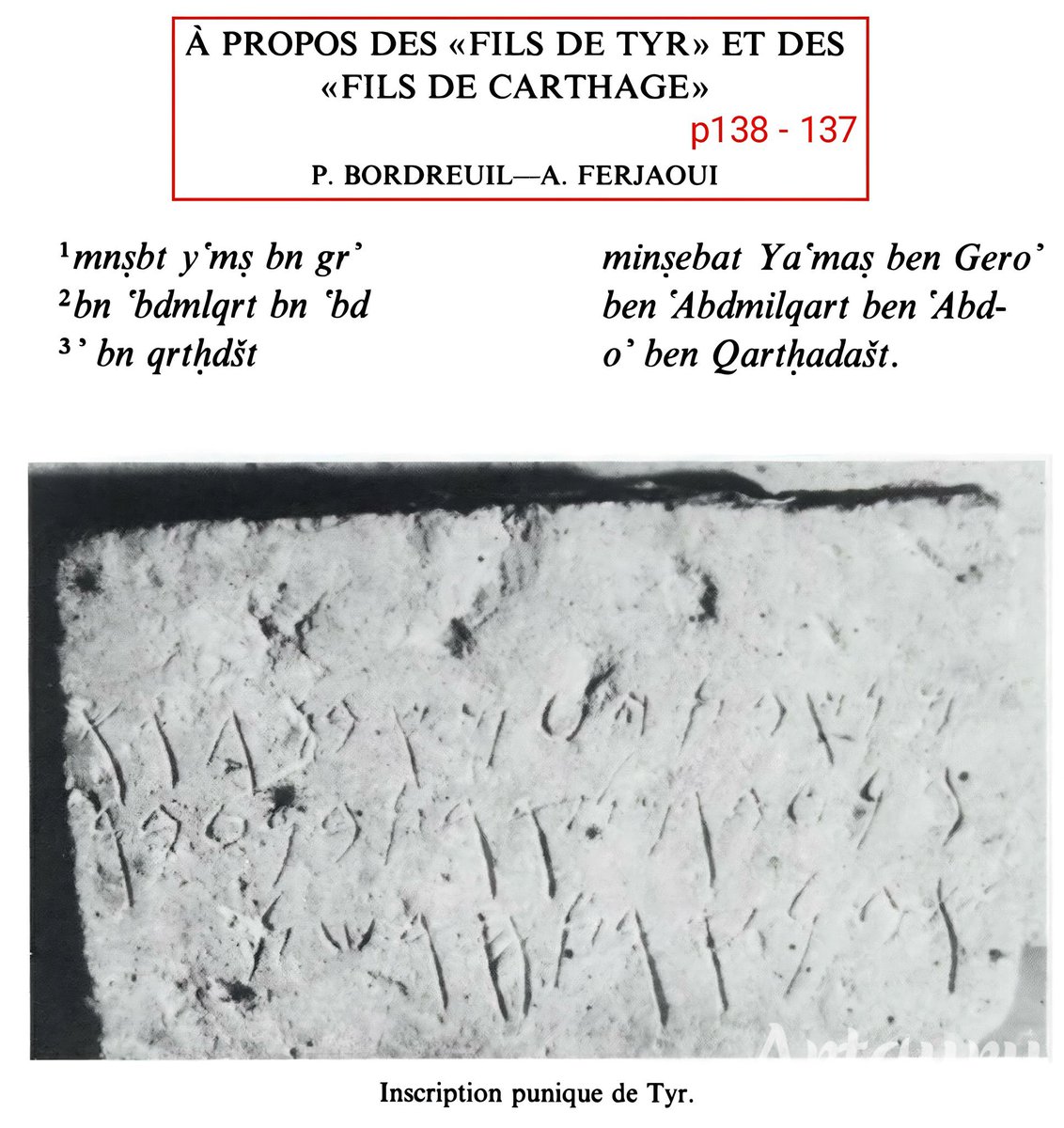
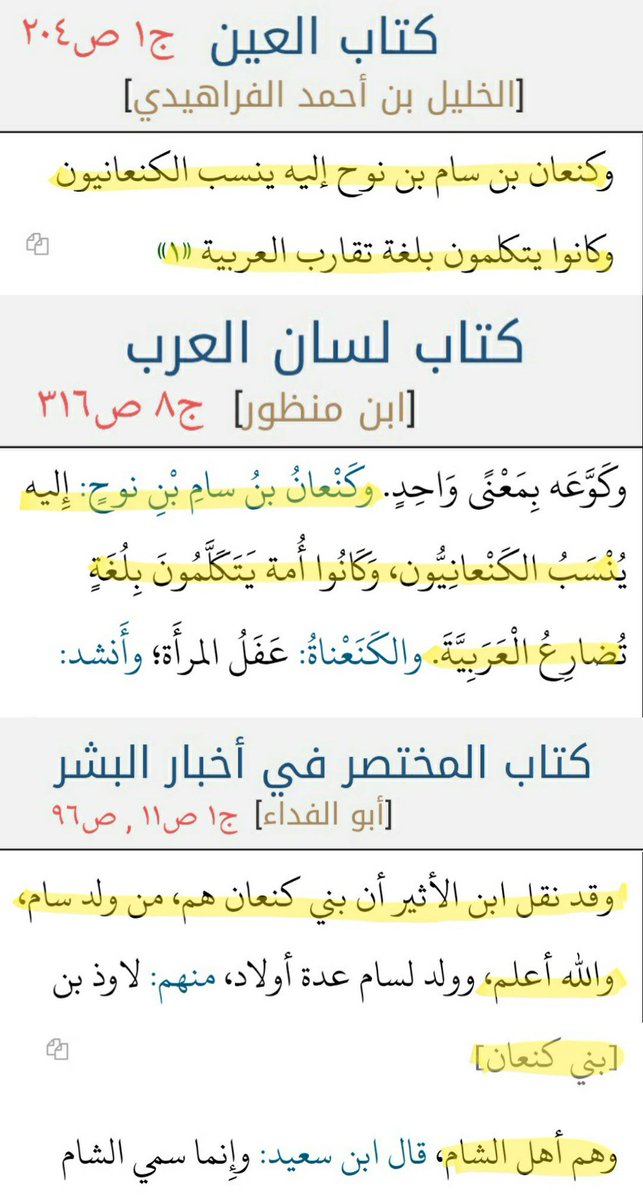
The Carthaginians traced roots to Phoenician Semitic cities like Tyre and Arqa. Sources from Josephus to Ibn Manzur and Abu al-Fida describe Canaanites as descendants of Shem, with Phoenicians as their line. Thus Carthage is viewed as a Semitic Phoenician civilization. THREAD 🧵 Image
Image
Image
Image
Phoenicians 🇱🇧 built fortified temples with courtyards and bi-portal facades. They are said to have helped build Solomon’s Temple. Reliefs of Sennacherib show decorated city windows. They built strong walls, ports (cothons), bridges, and cities like Tyre, Arwad, and Carthage. Image
Image
Image
Image
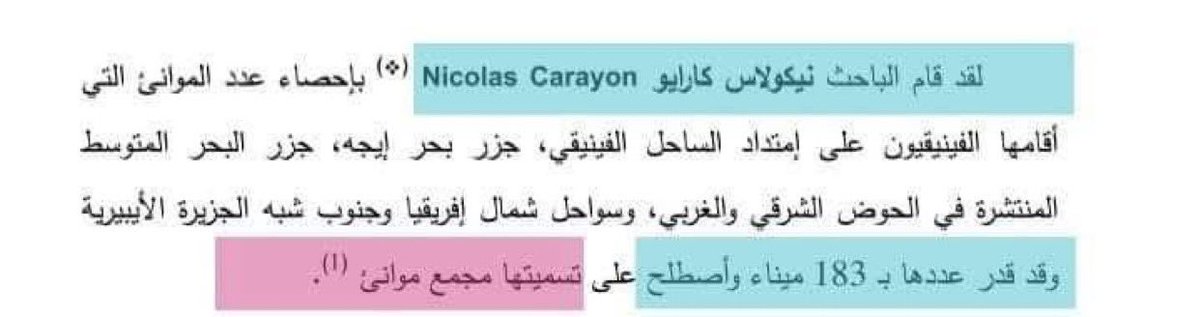
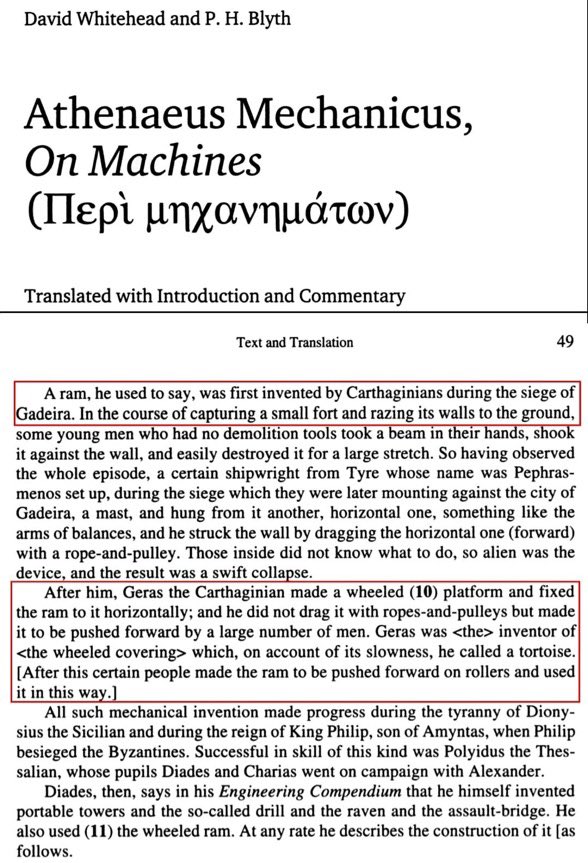
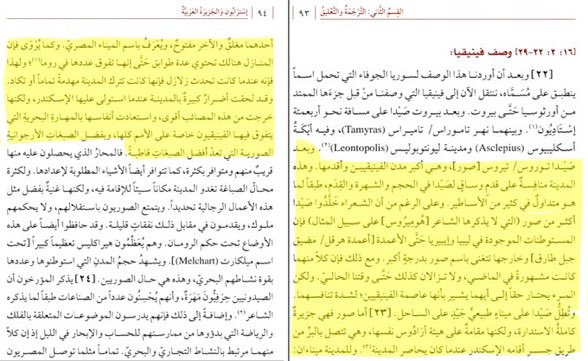
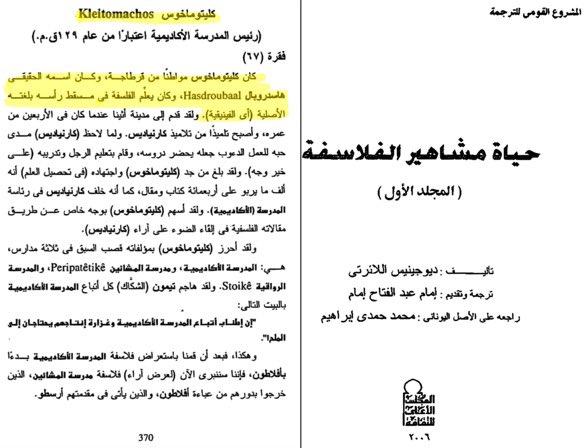
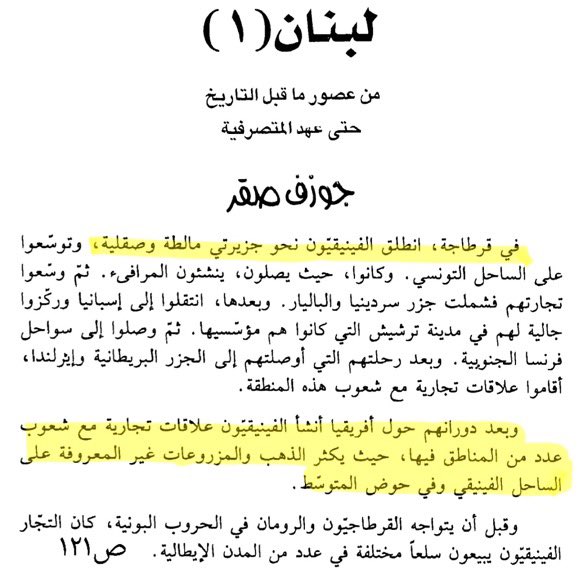
Carthage, a Phoenician state, was a Western Mediterranean power with a large fleet and trade empire. It used naval rams, produced thinkers like Cleitomachus, and Phoenicians built 183 ports across the Mediterranean, North Africa, and Spain. Image
Image
Image
Image
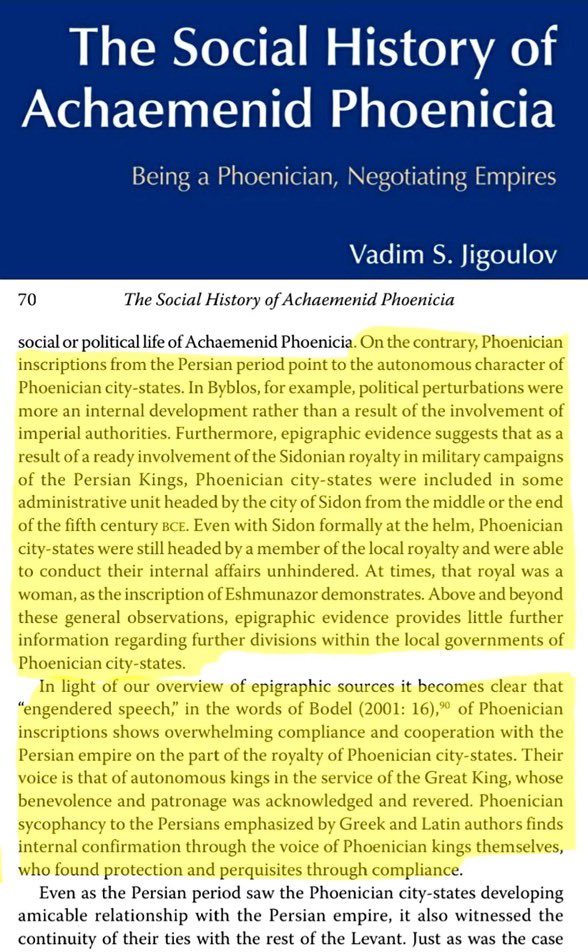
Phoenicians founded early North African and Spanish cities like Cadiz, Lixus, Agadir, and Utica. Deserts were Berber areas, coasts Phoenician. Phoenician coastal cities like Sidon had autonomy, and Hercules was linked in tradition to Phoenician origins. Image
Image
Image
Image
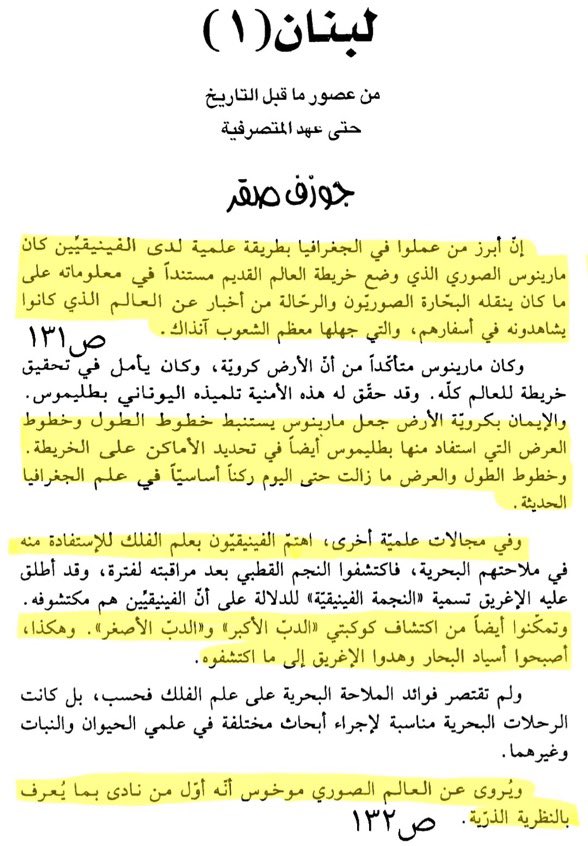
After Carthage’s fall, Phoenicians remained active in the Mediterranean under Rome, noted for advanced navigation. Marinus of Tyre founded cartography and scientific geography and produced early Roman maps reaching as far as China. Image
Image
Image
Image
Tyre’s houses, noted by Strabo as surpassing Rome, were multi-storied and shaped Phoenician housing in the western Mediterranean, including Cadiz. Carthage, called Canaan, mirrored Phoenicia, and Phoenicians influenced Berber kingdoms and regional political systems. Image
Image
Image
Image
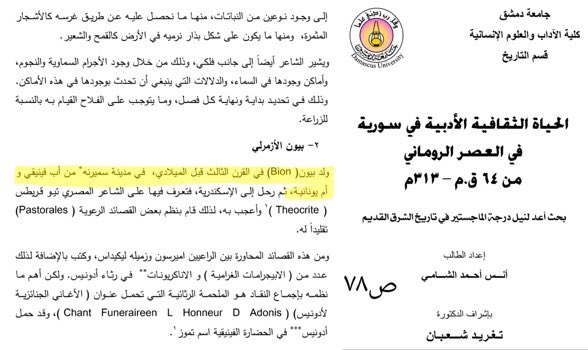
Arameans influenced the East, with peoples from China to Anatolia and Egypt using their language. Phoenicians produced Roman figures like Maximus of Tyre, teacher of Marcus Aurelius, Paul and Hadrianus of Tyre, and the poet Bion of Phlosis of mixed Phoenician-Greek origin. Image
Image
Image
Image
Among Levantine figures were Phoenicians, Arabs, and Aramaeans such as Polemon of Laodicea, Beutos of Sidon, Eusebolis of Tyre, Nicolaus of Damascus, Meleager the poet, Avienus and Athanasius of Homs, and Antipater of Manbij, secretary to Severus. Image
Image
Image
Image
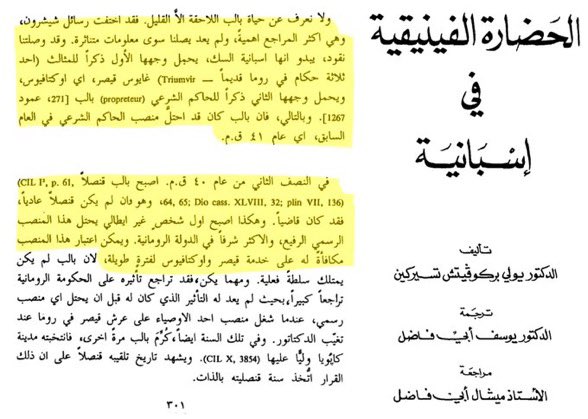
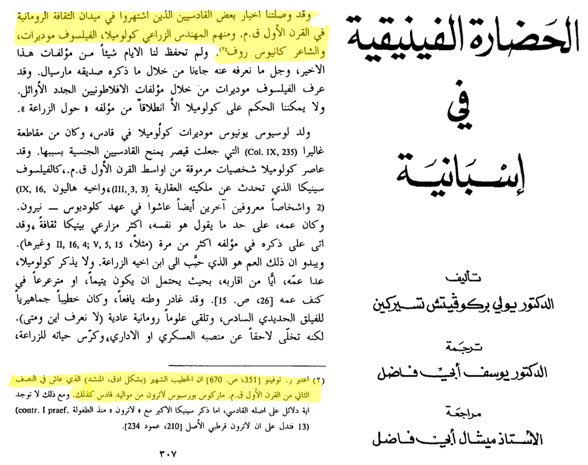
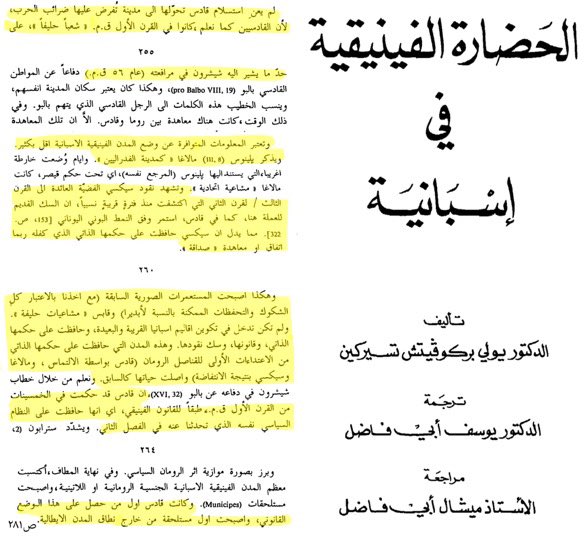
Phoenicians in the Levant, al-Andalus, and Maghreb were Roman allies, not subjects, governed by their laws and early Roman citizens (e.g., Cadiz). Figures include Balbus, Moderatus, Columella, poets Rufus and Latron, and imperial mothers Paulina and Sabina. Image
Image
Image
Image
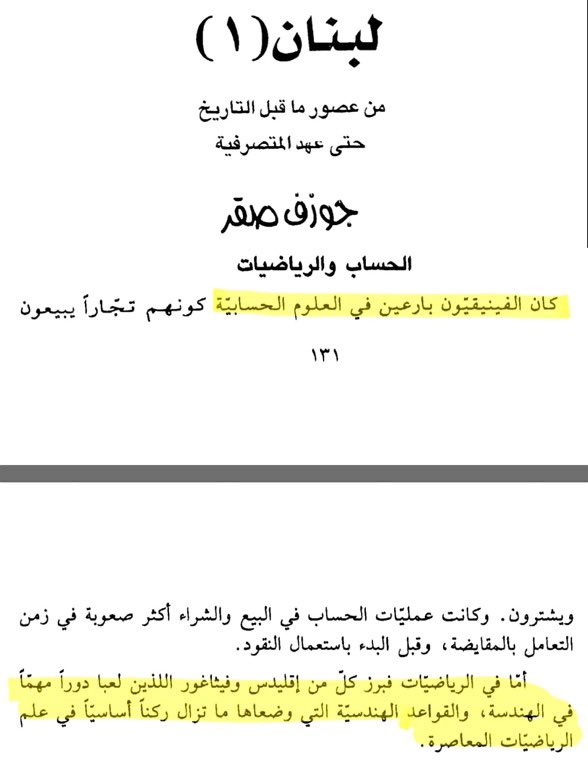
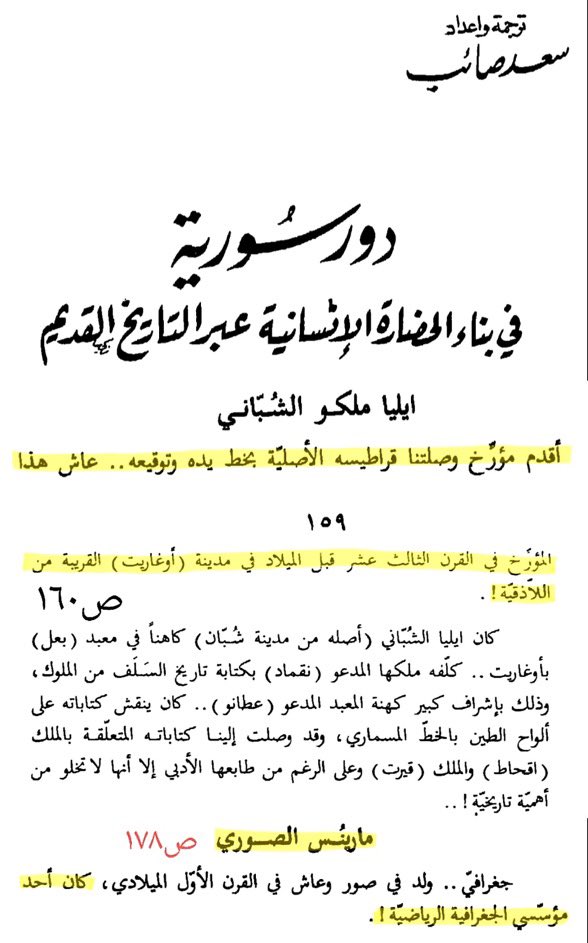
Phoenicians of Carthage are said to have circumnavigated Africa. Anatolian Phoenicians include Euclid and Pythagoras Levantine Phoenicians include Marinus of Tyre, founder of longitude/latitude, Mochus of Tyre linked to atomic theory, and Iliya Malko of Ugarit an early historian. Image
Image
Image
Image
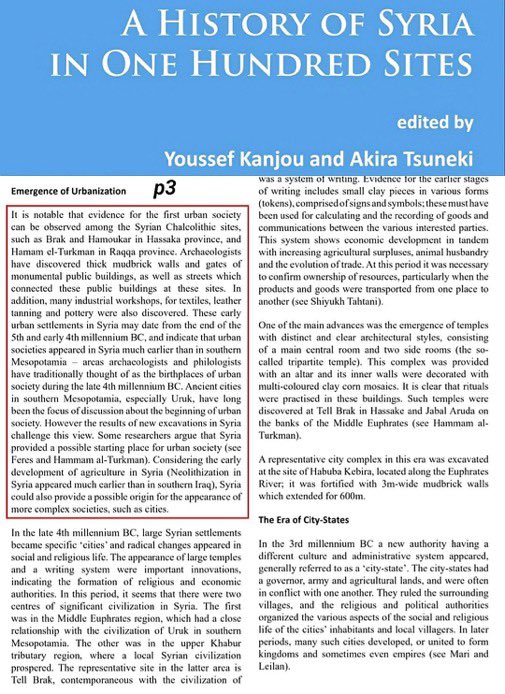
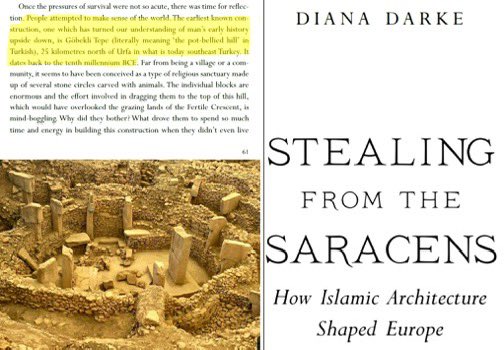
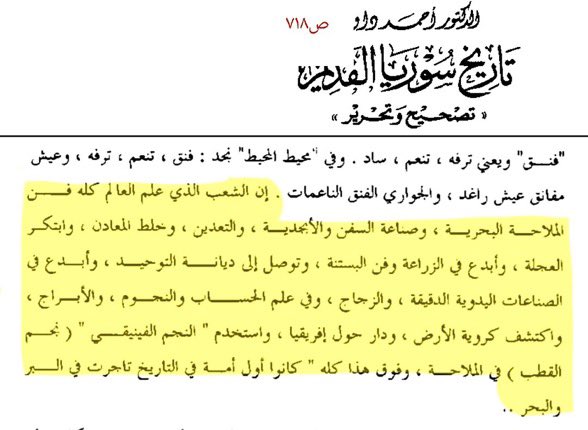
Levantine Phoenicians were maritime and land powers known for navigation, trade, shipbuilding, the alphabet, metallurgy, glass, and crafts, spreading Mediterranean commerce and knowledge. The Fertile Crescent shaped agriculture, influencing Mediterranean science and culture. Image
Image
Image
Image
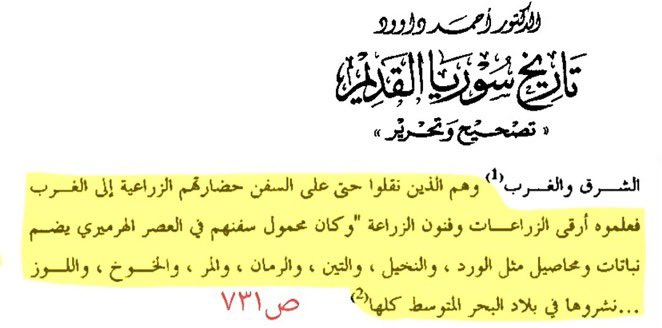
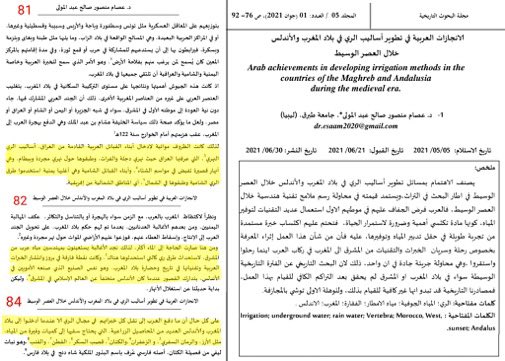
In the Islamic era, Fertile Crescent peoples spread crops to the Mediterranean, Africa, and Europe via Sicily, Cyprus, and al-Andalus. Fruits like bananas, lemons, mangoes, watermelons and crops like spinach, eggplant, rice, saffron, cotton, sugarcane, and flax were introduced. Image
Image
Image
Image
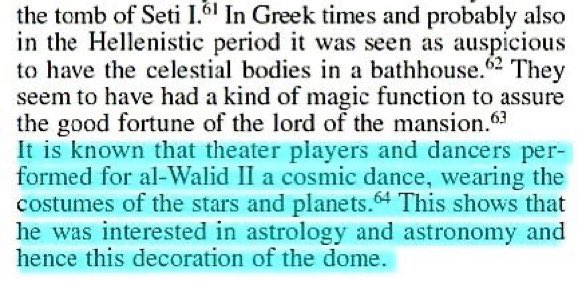
Artaxata, Armenia’s ancient capital, was said by Plutarch and Strabo to have been planned or advised by Hannibal of Carthage under King Artaxias I, later called “Armenian Carthage.” Qusayr Amra in Jordan has an early dome star map built for al-Walid II showing constellations. Image
Image
Image
Image

• • •

Missing some Tweet in this thread? You can try to force a refresh

 

Keep Current with IbnHikmah

IbnHikmah Profile picture

Stay in touch and get notified when new unrolls are available from this author!

Read all threads

This Thread may be Removed Anytime!

PDF

Twitter may remove this content at anytime! Save it as PDF for later use!

Try unrolling a thread yourself!

how to unroll video
  1. Follow @ThreadReaderApp to mention us!

  2. From a Twitter thread mention us with a keyword "unroll"
@threadreaderapp unroll

Practice here first or read more on our help page!

More from @BaytAlHikmah1

Oct 19, 2025
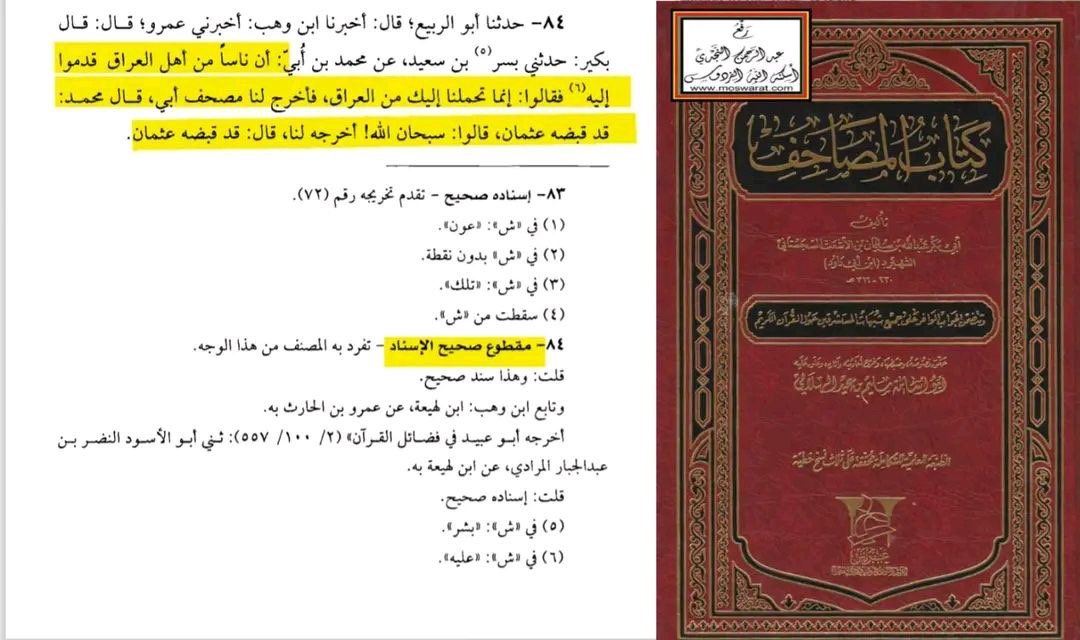
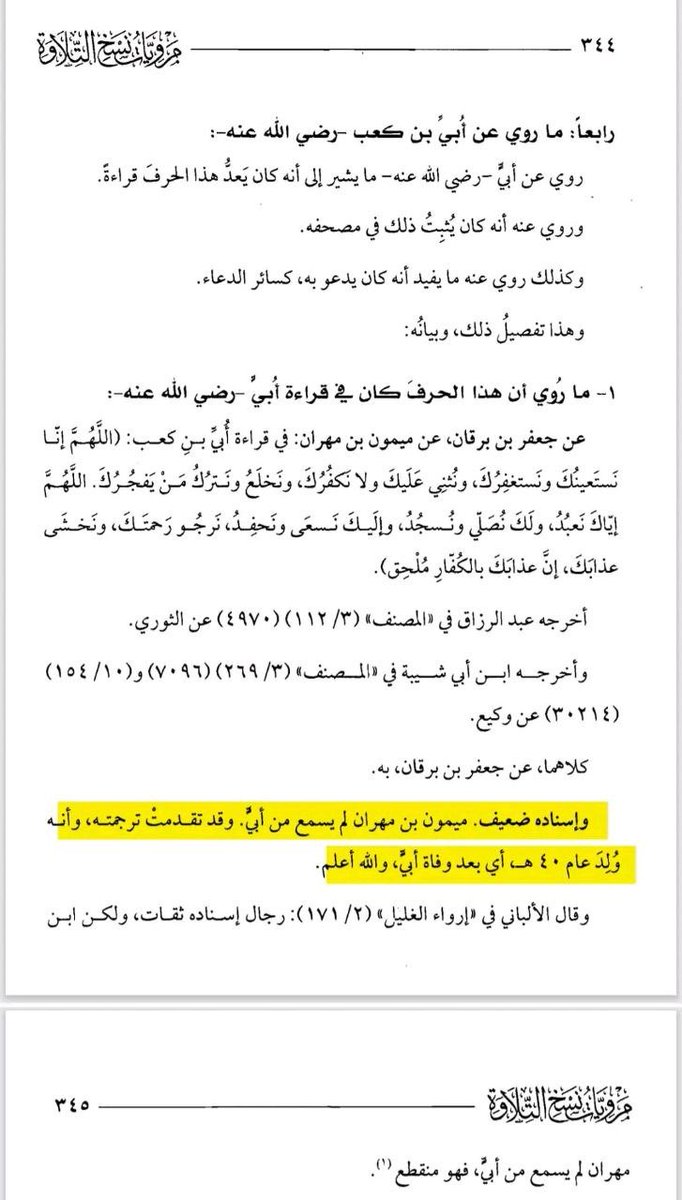
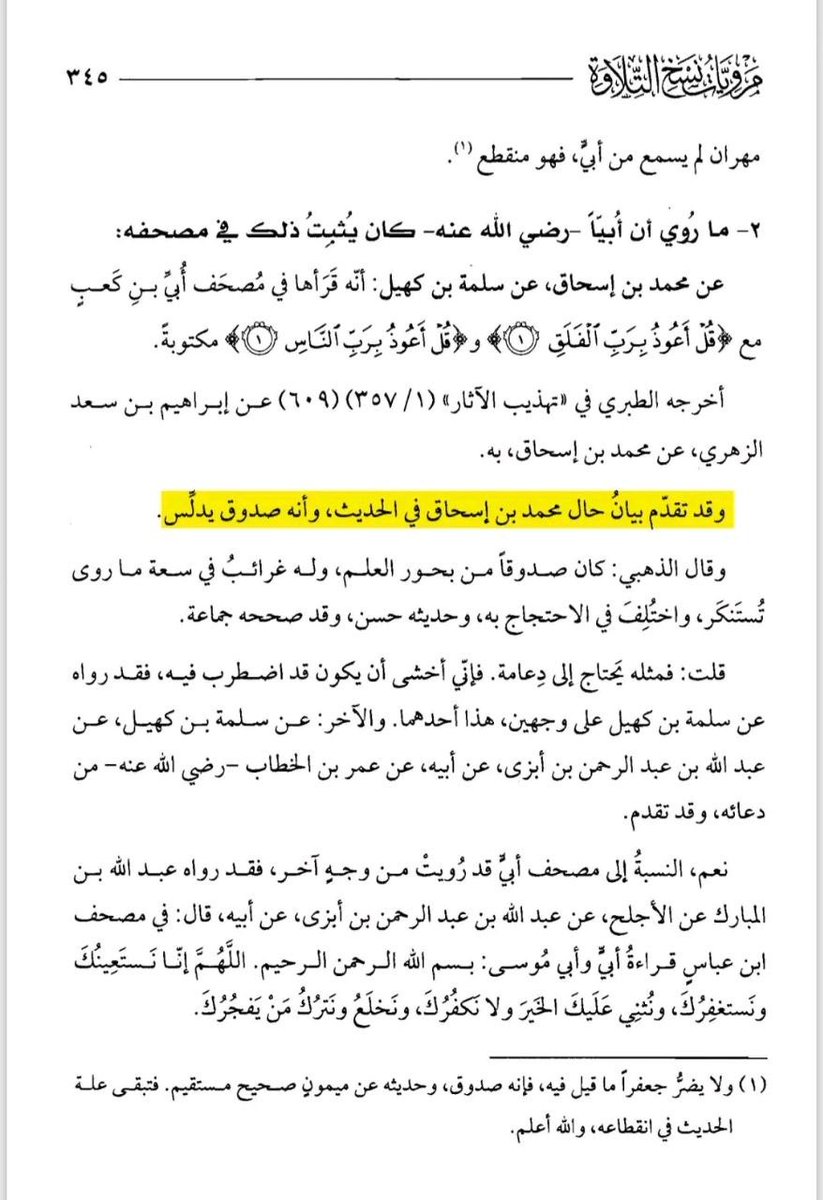
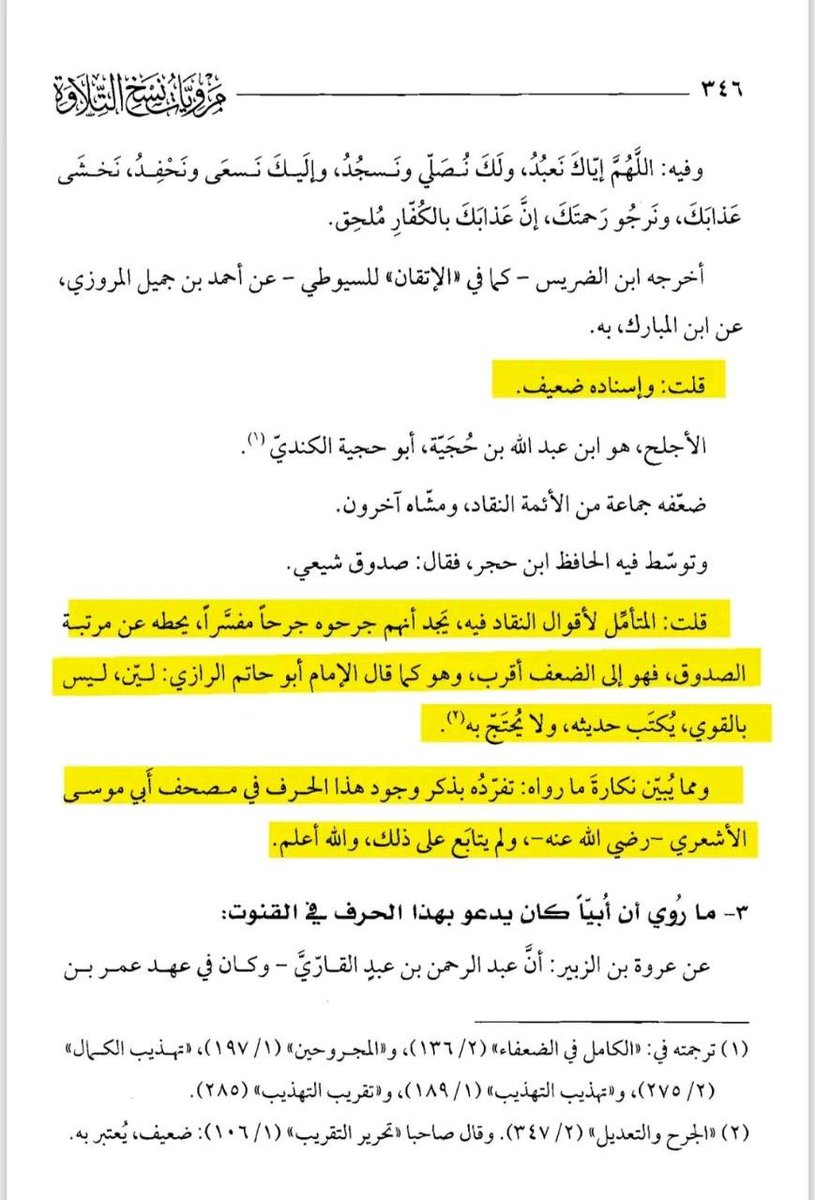
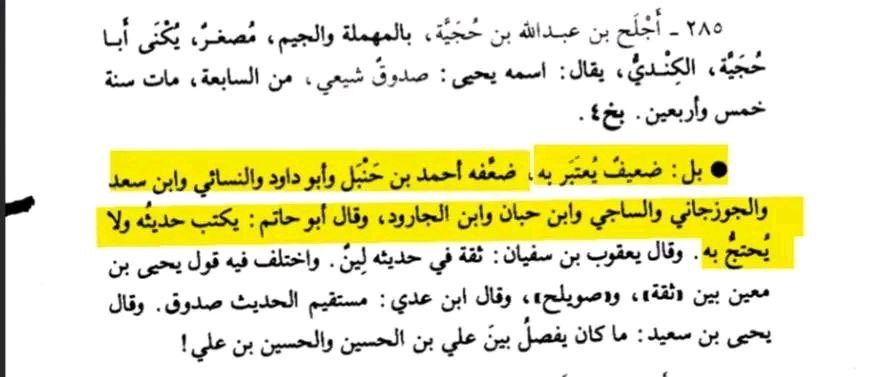
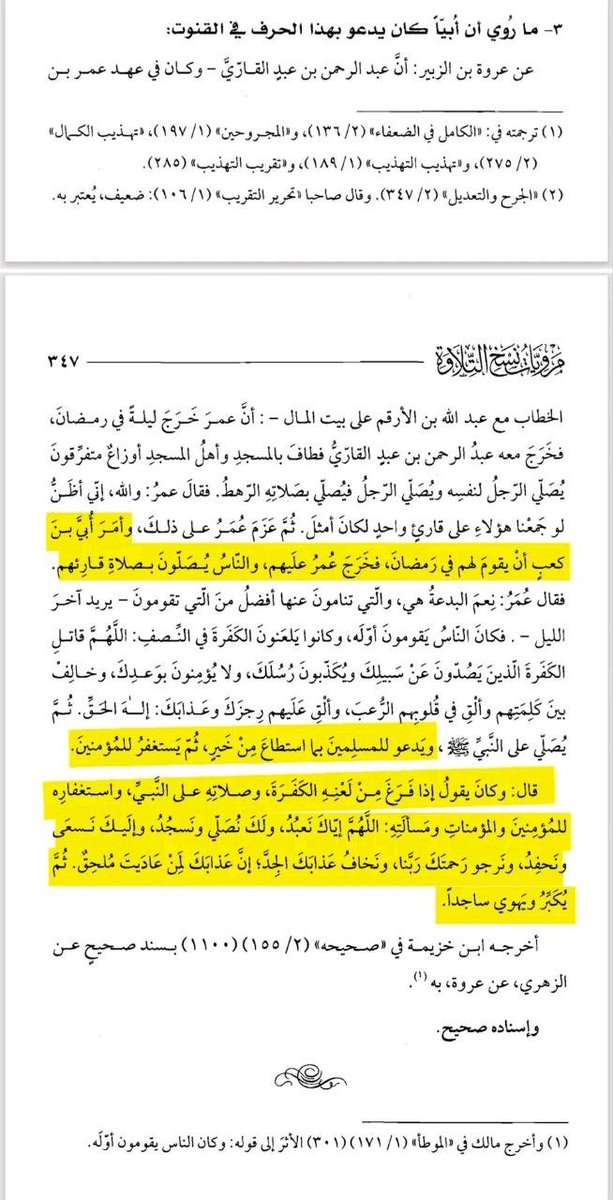
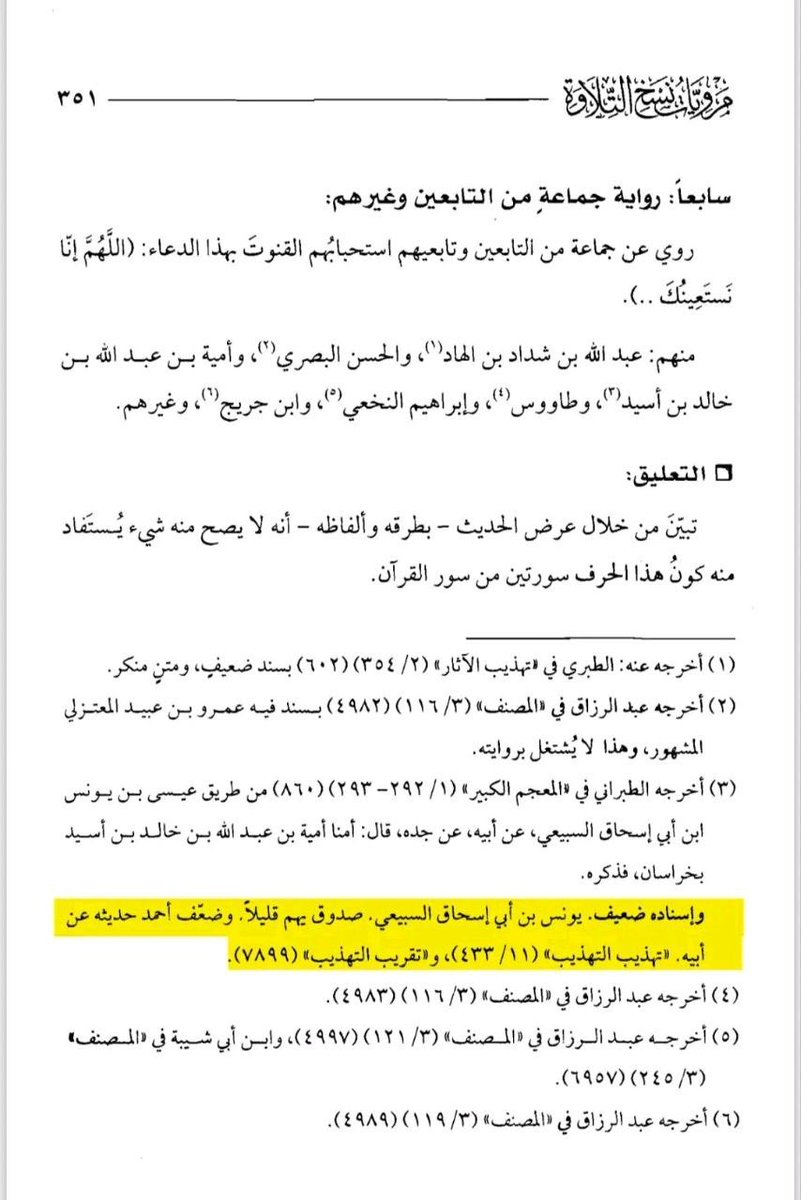
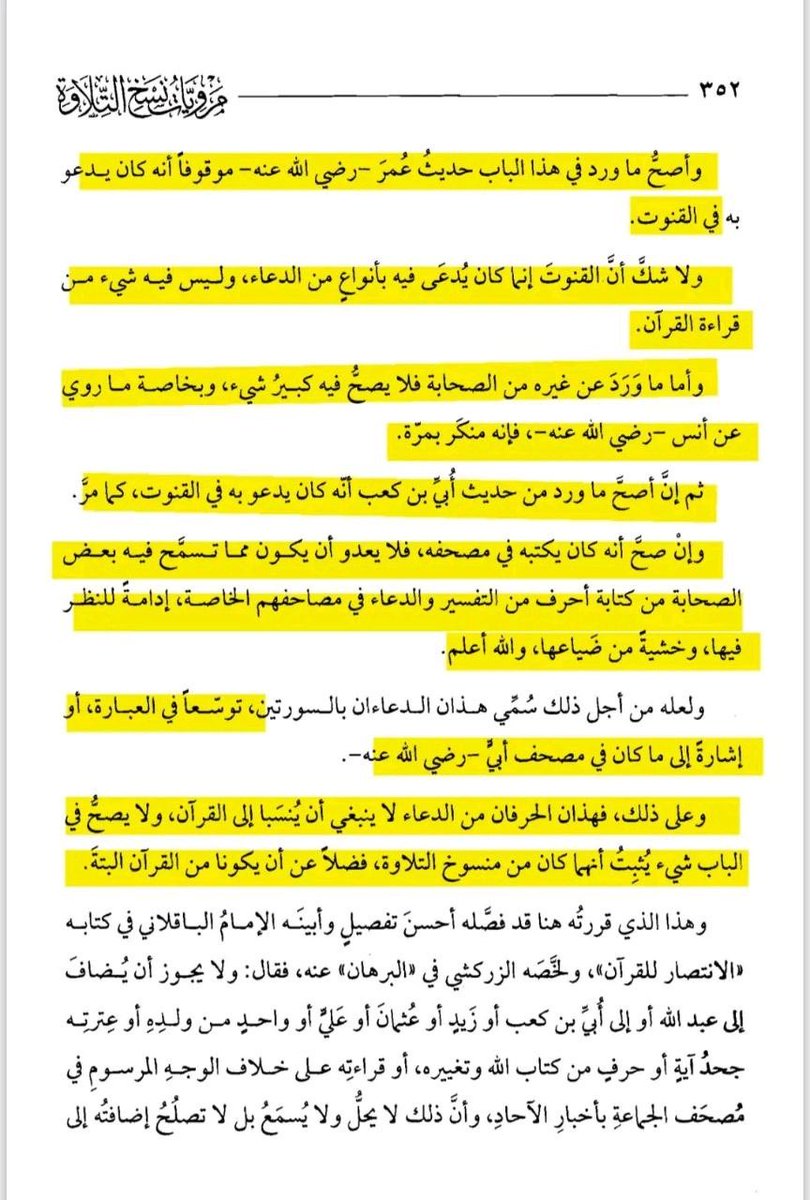
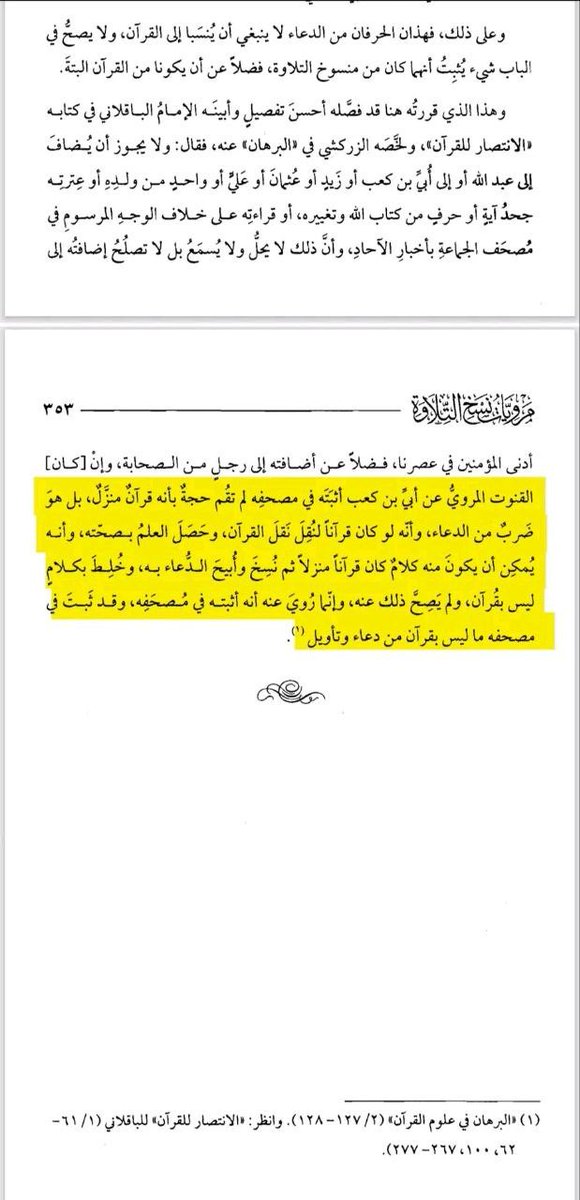
No authentic narration has been established proving that any of the Companions wrote Surat al-Hafd and Surat al-Khal‘ in their copies of the Qur’an or that they considered them Qur’an. The most authentic report is that they were recited during qunūt (the supplication in prayer)🧵 Image
Image
Image
Image
either before or after bowing. 1. The report from Ibn Mas‘ūd:
It is narrated from ‘Ubayd ibn ‘Umayr that it reached him that they were two surahs in Ibn Mas‘ūd’s mushaf and that he used to recite them in witr every night. Image
Image
Image
Image
I say: this is a balāgh (a report with a missing link), and as is known, such a chain is munqaṭi‘ (disconnected) therefore, its isnād is weak.

2. The report from Ibn ‘Abbās and Abū Mūsā al-Ash‘arī:
Ibn al-Ḍurays said: Aḥmad ibn Jamīl al-Marwazī narrated to us from Image
Image
Image
Image
Read 20 tweets
Oct 12, 2025
[ The Seven Sacraments of the Church ]

1: The Sacrament of Baptism:
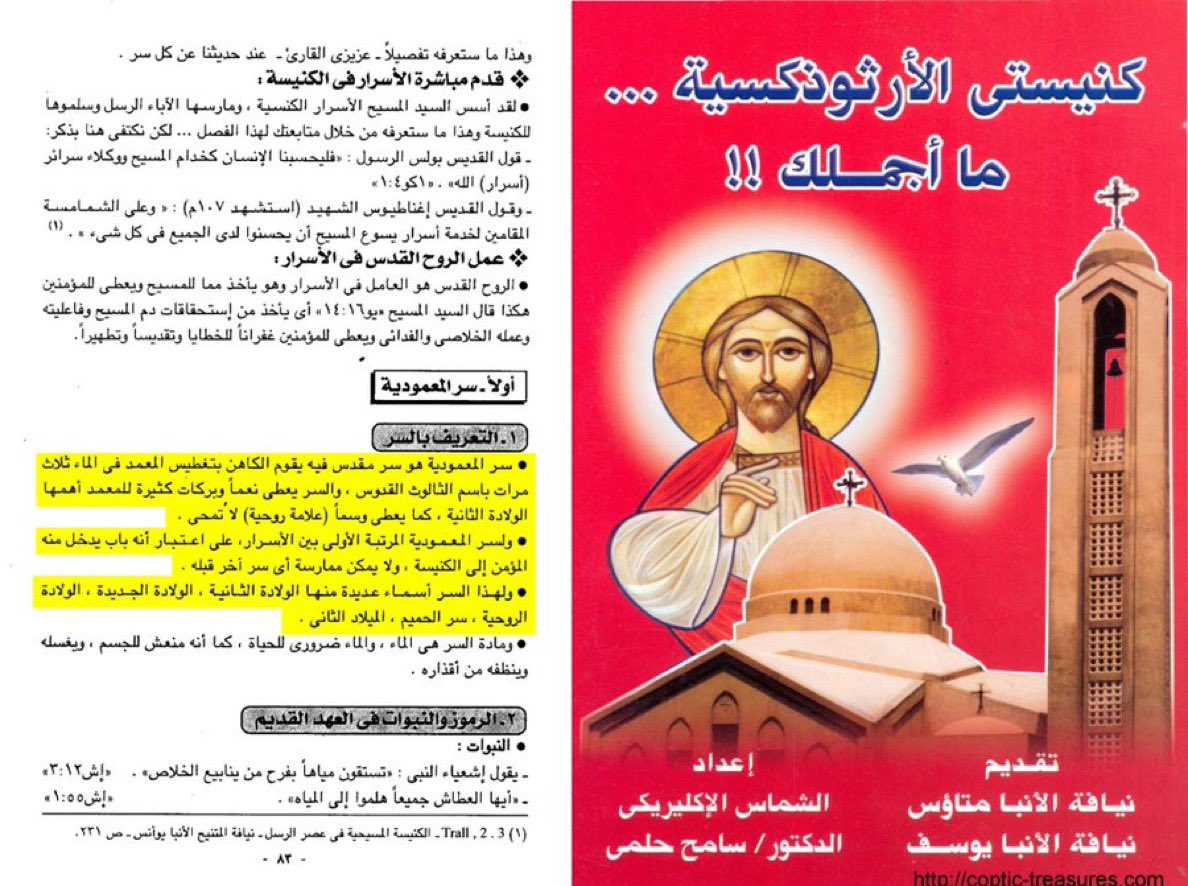
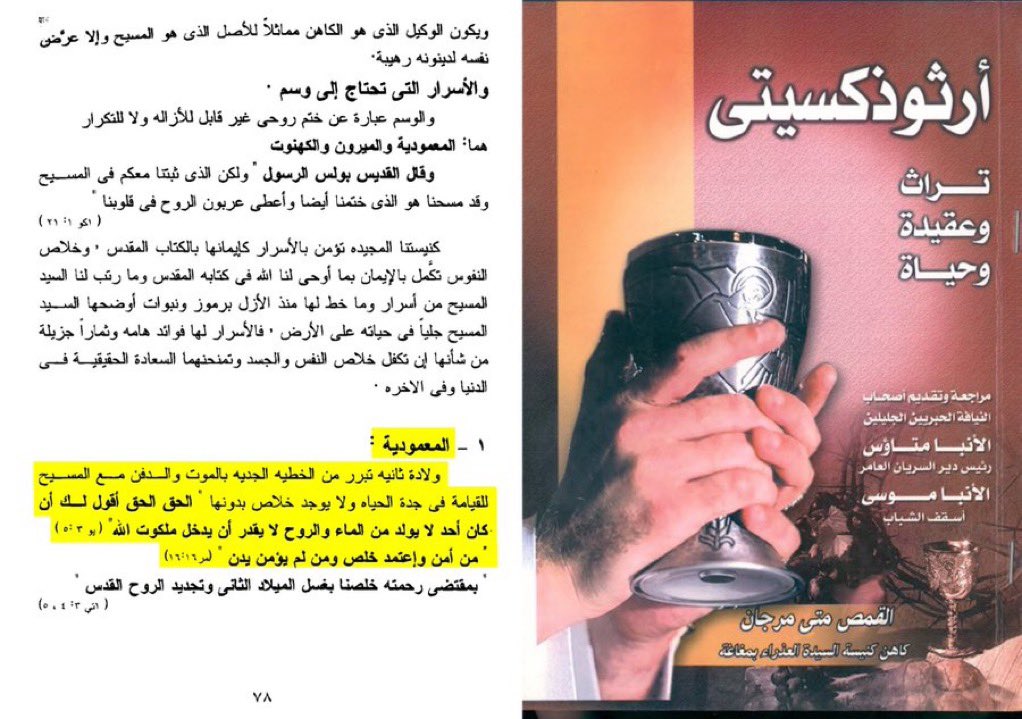
Baptism is the key sacrament marking entry into Christianity, also called the second birth, spiritual birth, or sacrament of immersion. THREAD 🧵 Image
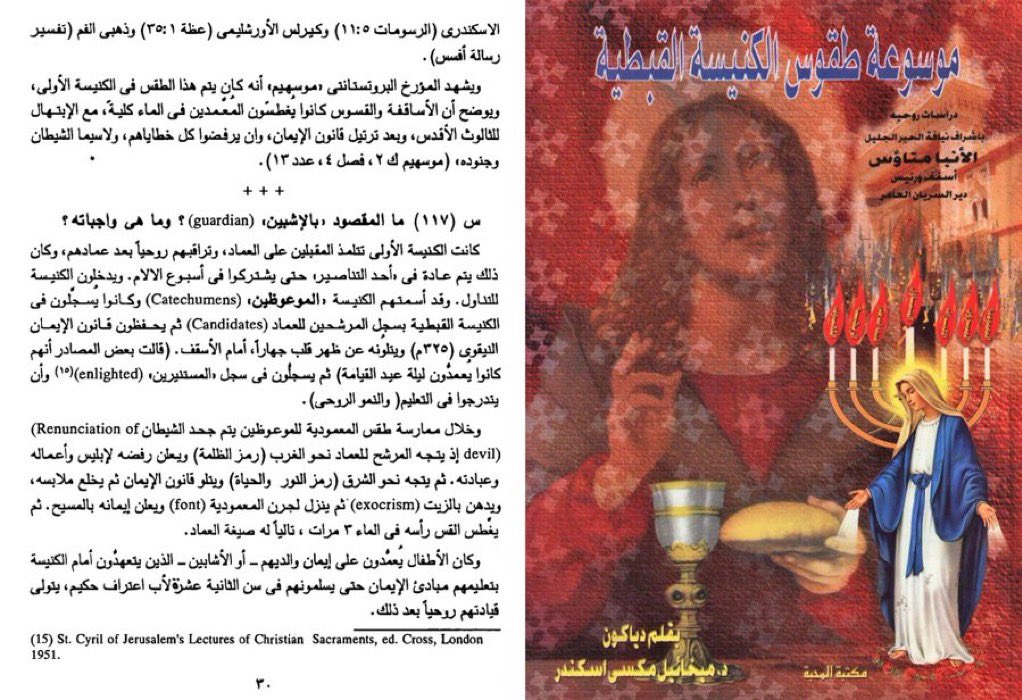
Baptism, for Christians, is a second birth that cleanses from original sin through death and burial with Christ granting new life. “Unless one is born of water and the Spirit he cannot enter God’s kingdom” (John 3:5). “Whoever believes and is baptized will be saved” (Mark 16:16). Image
How to Perform Baptism:
Those wishing to become Christians are first observed by the church as catechumens. During baptism, they must completely remove all clothes and stand naked before the priest, as part of the sacrament required to enter the faith. Image
Read 17 tweets
Sep 30, 2025
In short:
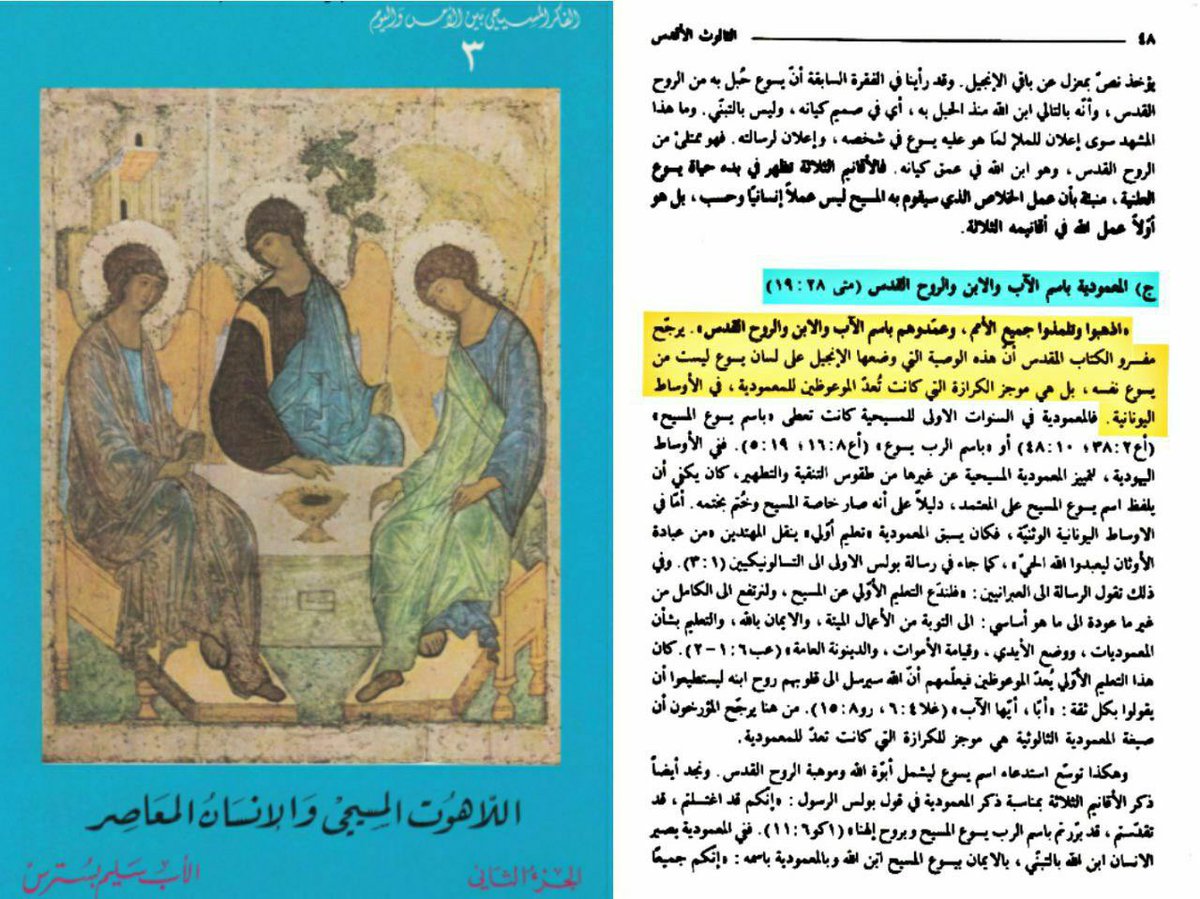
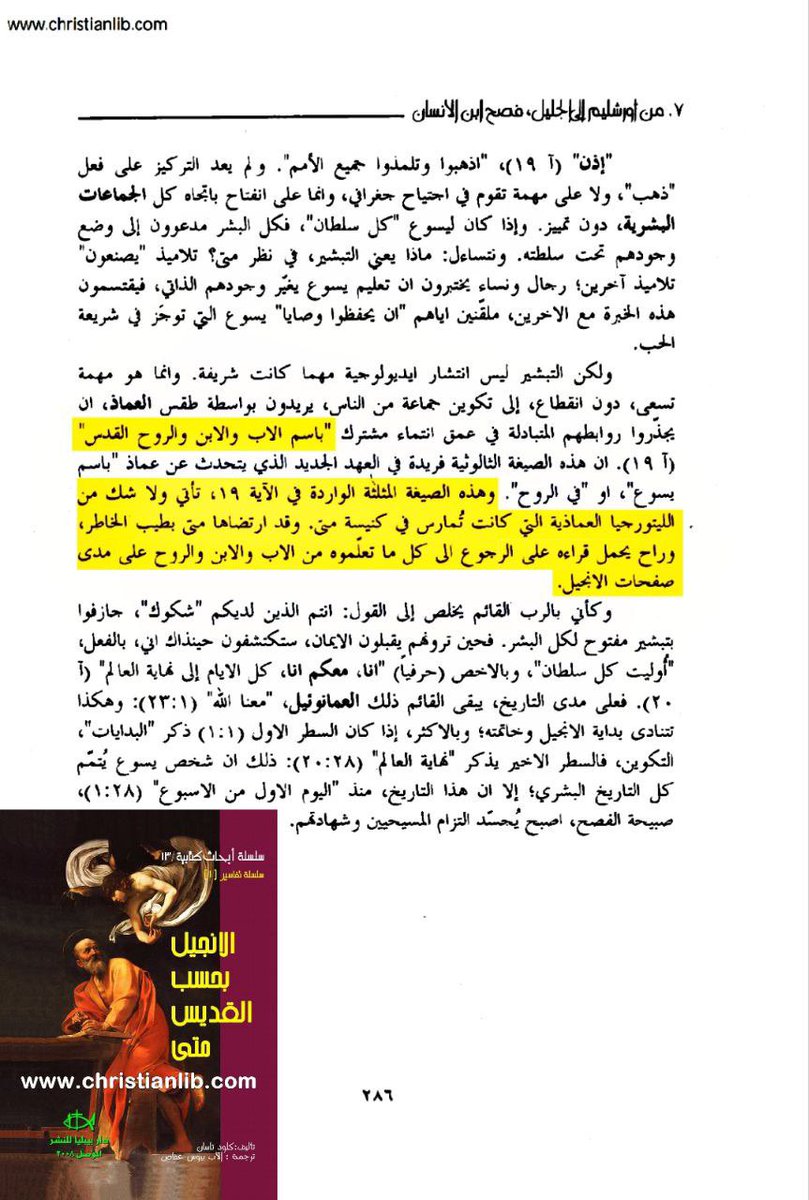
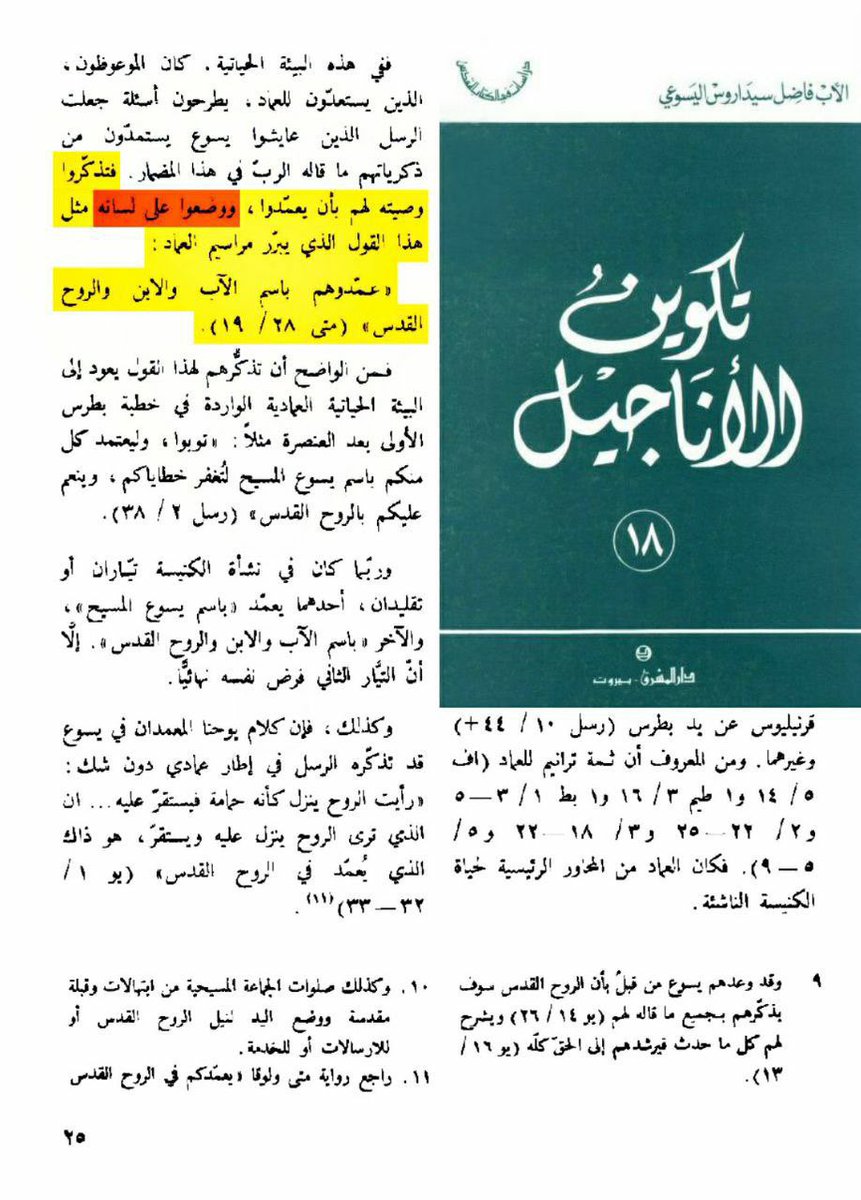
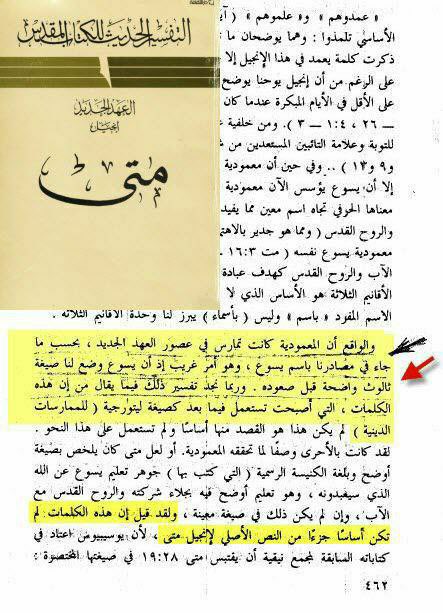
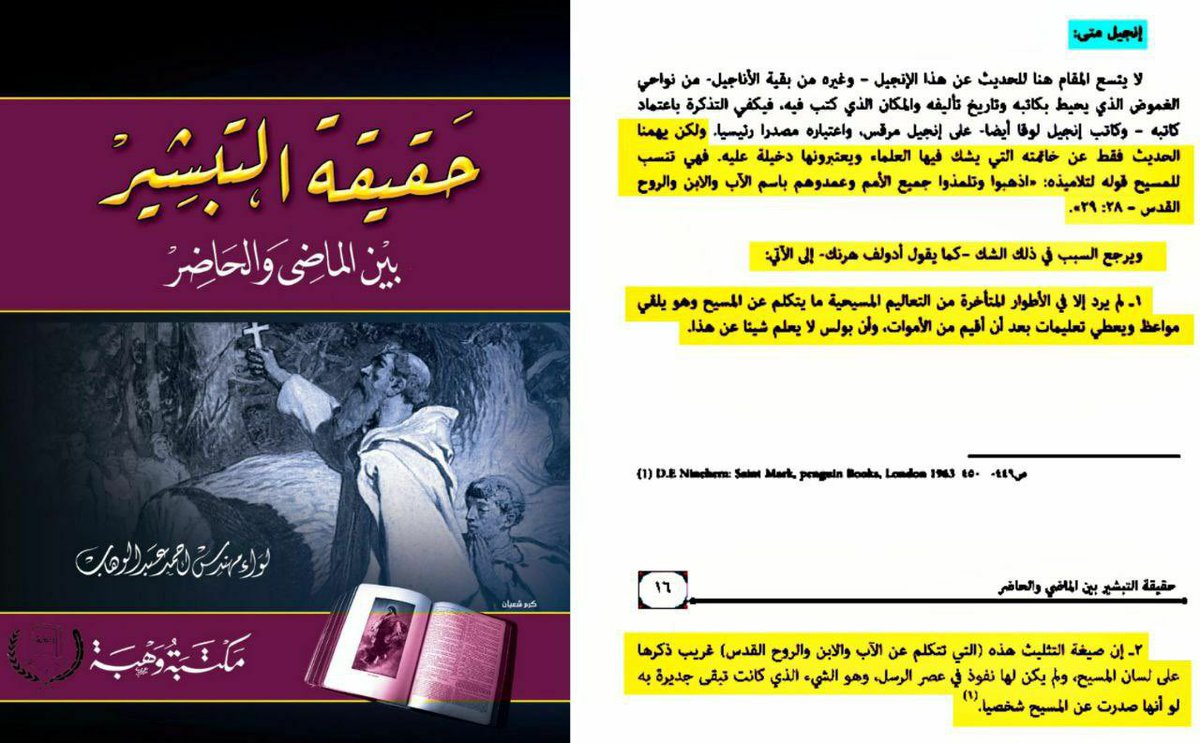
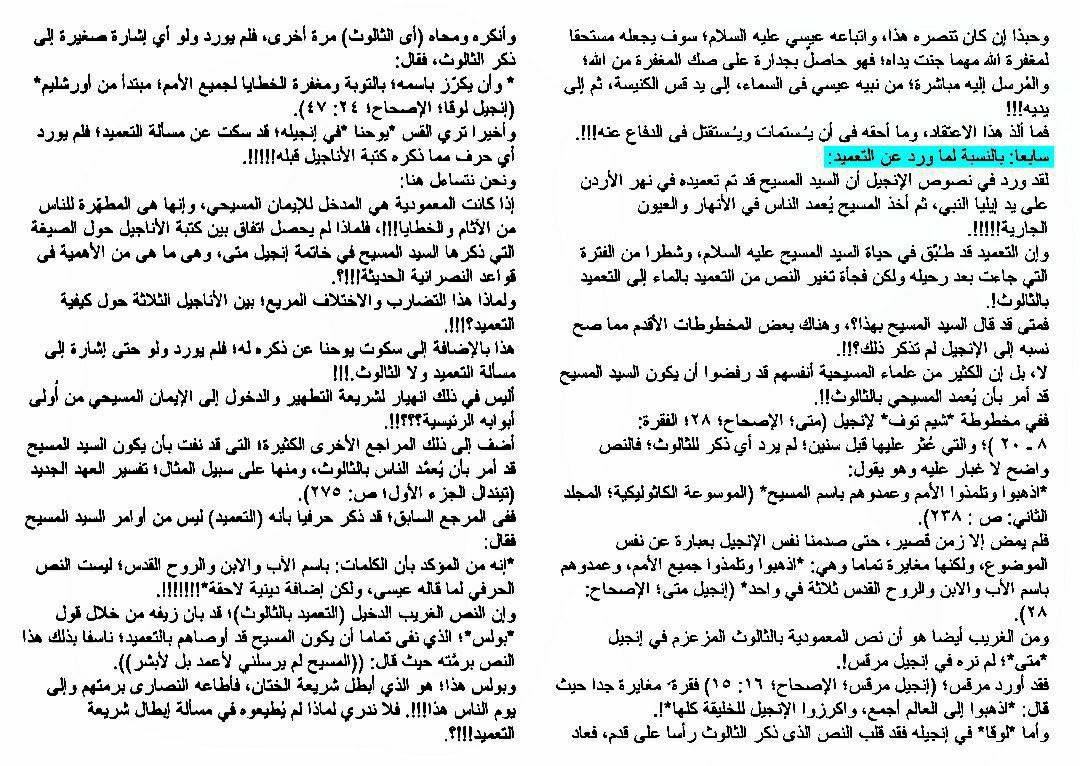
•Many Christian scholars say that this formula was placed on the lips of Christ and is not part of the original Gospel of Matthew (see images).
•Eusebius of Caesarea cited the formula differently several times: “Go and make disciples of all nations in my name”🧵 Image
Image
Image
Image
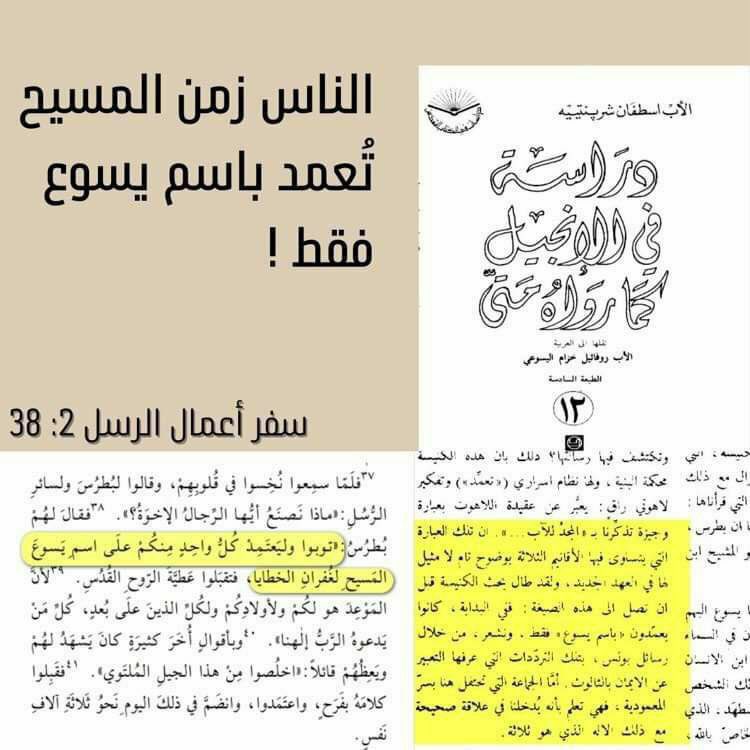
•Some might argue that Eusebius was an Arian, and that’s why he quoted the text this way. But the problem is that there are people more important than Eusebius who cited the formula in the name of Jesus only. Here are some texts where this occurs: Image
Image
Image
Image
Acts 2:38 – Then Peter said to them: “Repent, and let each of you be baptized in the name of Jesus Christ for the forgiveness of your sins, and you will receive the gift of the Holy Spirit.”

Acts 10:45-48 – All the believers from among the circumcised who came with Peter were
Read 9 tweets
Sep 8, 2025
Short Thread 🧵on Arab identity of Syria and its people.

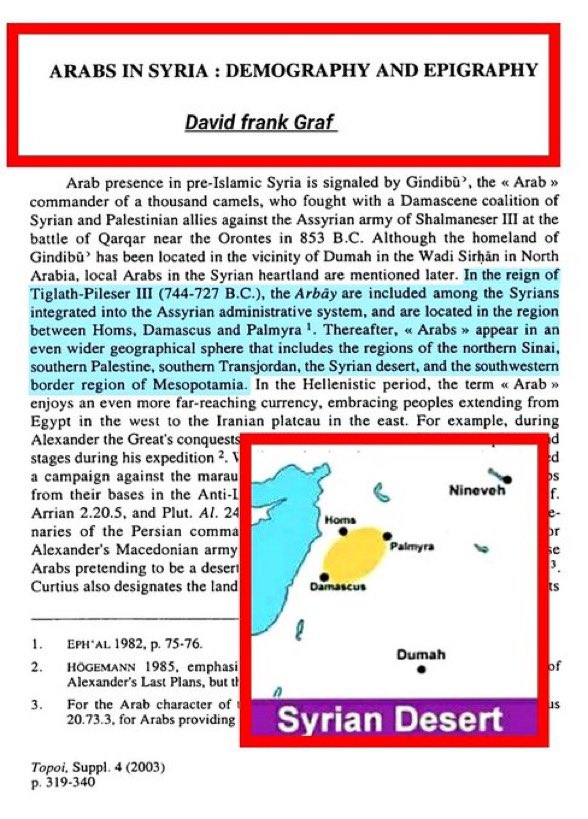
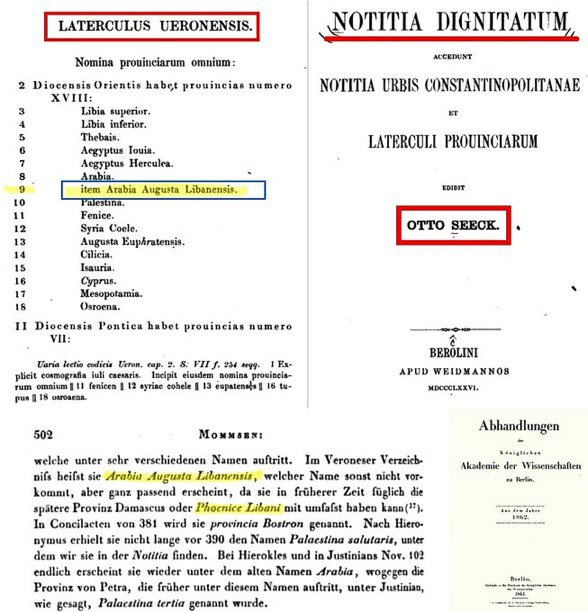
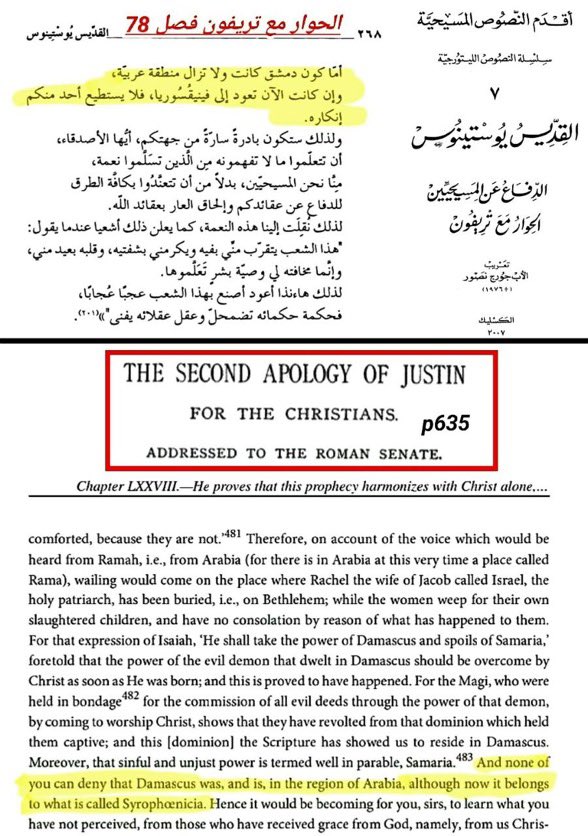
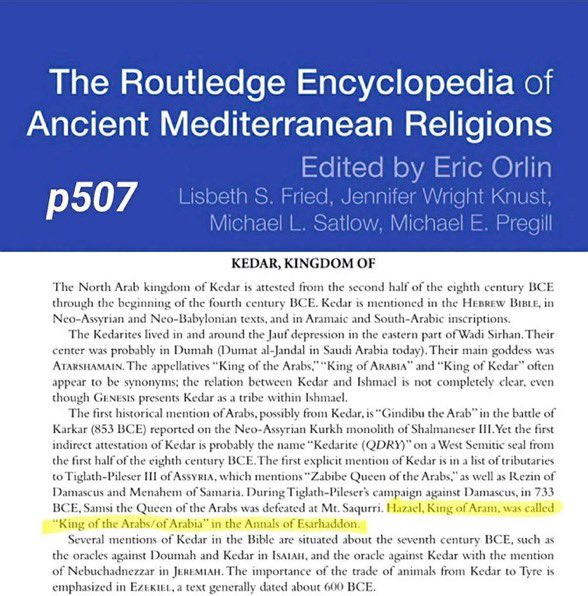
Damascus was called Arab land by Justinus (2nd c. CE). Assyrians called Hazael of Aram-Damascus “king of the Arabs.” Romans named Phoenicia Secunda Arabia Augusta Libanensis Proof Arabs were native to Syria, not outsiders. Image
Image
Image
Image
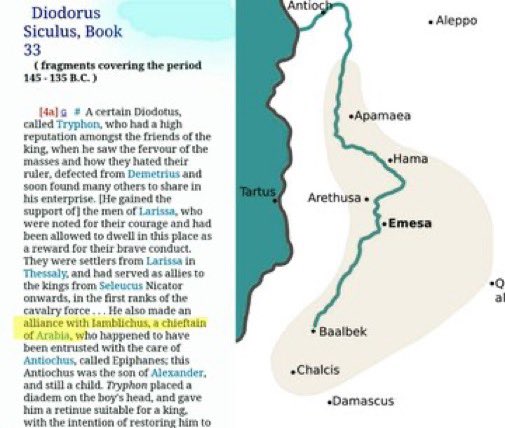
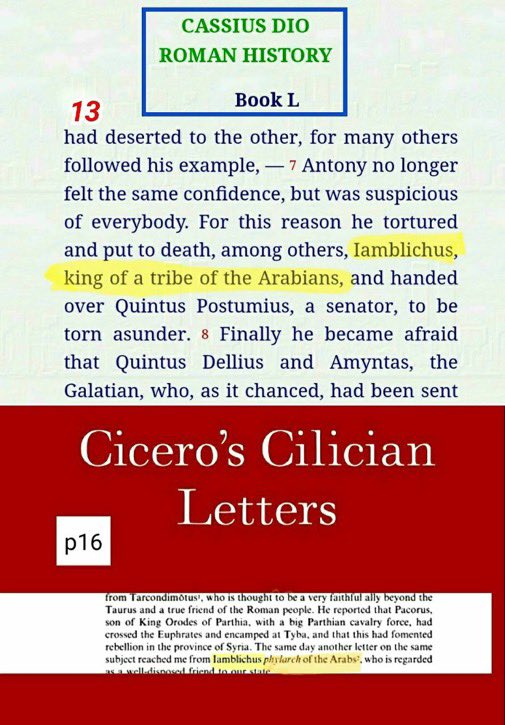
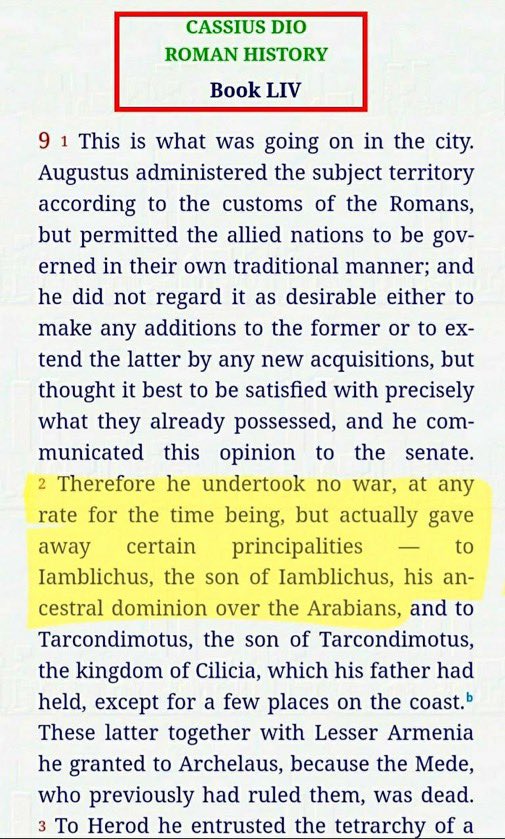
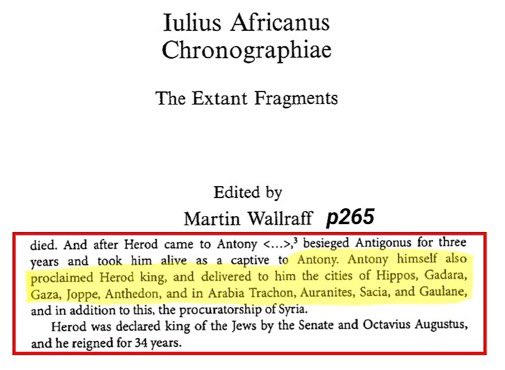
Homs & Surroundings: Cicero, Cassius Dio, and Diodorus Siculus show Iamblichus, prince of Homs, was Arab, making Homs Arab land. Arabs inhabited Homs, Apamea, and nearby areas. Sextus Africanus shows Golan, Hauran, and Lajat were also part of Arab lands under Herod. Image
Image
Image
Image
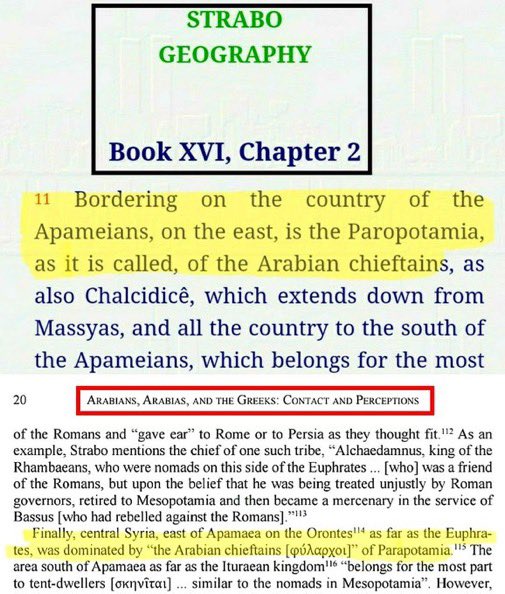
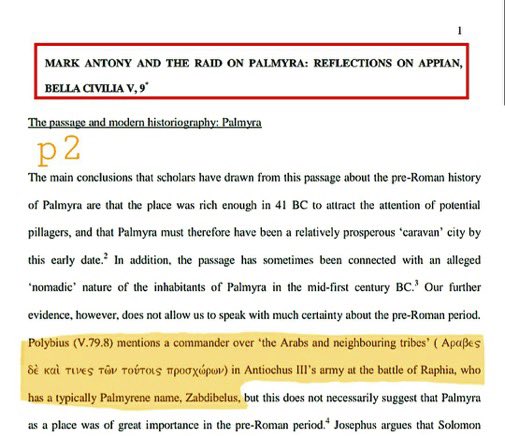
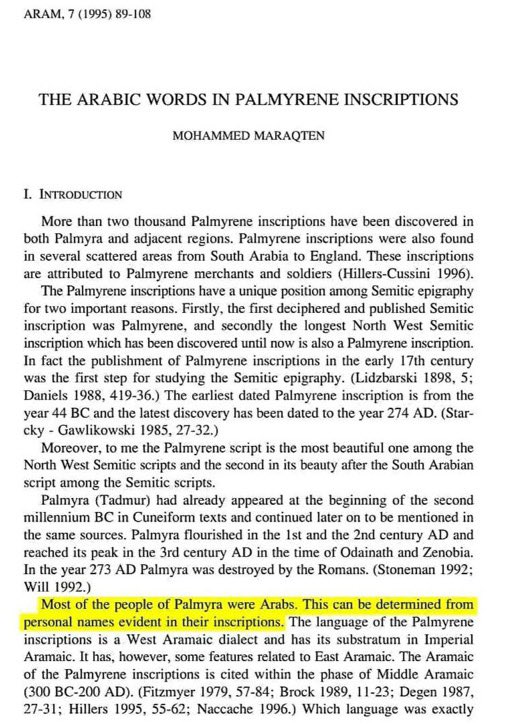
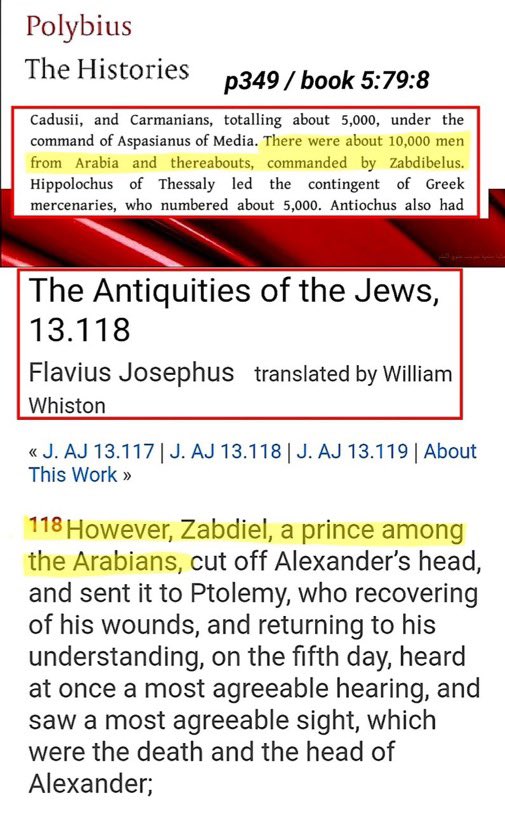
Central & Southern Syria: Strabo notes lands east & south of Apamea were Arab-inhabited, including Parapotamia & Saracen herding regions. Palmyra: Polybius & Josephus show Arab leadership under Zabdibel/Zabelos. Inscriptions confirm most of Palmyra’s inhabitants were Arabs. Image
Image
Image
Image
Read 5 tweets
Sep 6, 2025
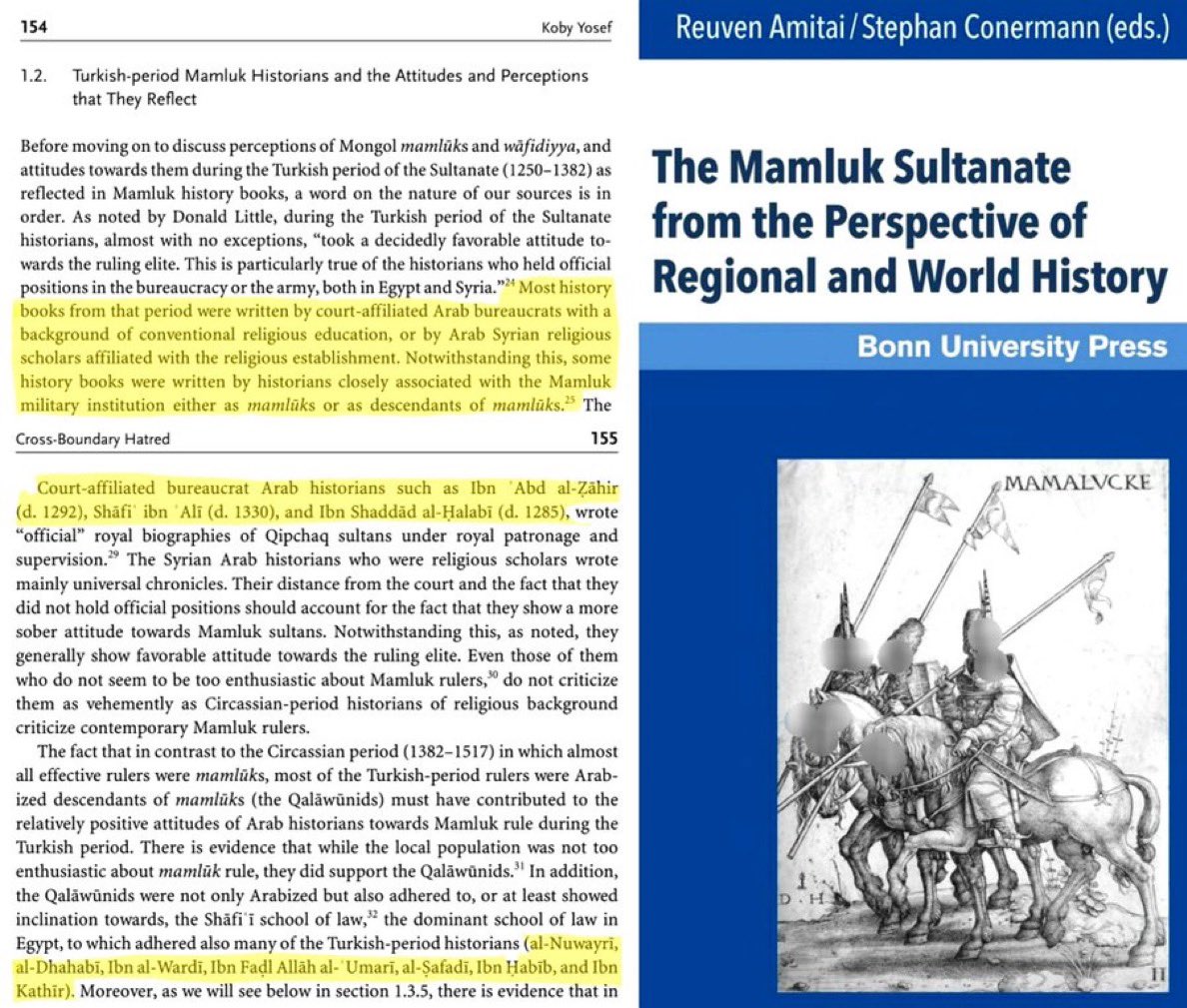
Prominent statesmen of the Mamluk state from the Levant and Egypt

- The Vizier Ibn al-Saluus al-Tanukhi: Levantine Arab from Palestine
- Mahmoud bin Salman al-Hanbali al-Halabi: Levantine Arab, a poet and Muslim scholar who served as a scribe in the chancery of the Mamluk state Image
- Ahmad bin Abdullah al-Tarabulsi: Levantine Arab, known as Ibn al-Hibbal al-Hanbali, served as a judge in Damascus and later in Tripoli during the Mamluk state
- Ibn Fadl Allah al-Umari al-Dimashqi: Levantine Arab, a historian and writer of official correspondence
- Ibn Wasil al-Hamawi: Levantine Arab, a judge and litterateur
- Ibn Muzhir al-Dimashqi: Levantine Arab, held positions in market inspection, special oversight, and confidential correspondence
- Ibn al-Barizi al-Hamawi: Levantine Arab, served as overseer of the armies and
Read 7 tweets
Sep 4, 2025
Firearms in the Islamic World during the Middle Ages

• The armies of the Islamic world, such as the Mamluks, used gunpowder bombs against the Mongols and Crusaders since the 13th century. The Mongols were defeated in 1260, and the Crusaders were expelled from Acre in 1291..+ Image
Image
using the same bombs.

• During the Mongol campaign against China in 1276, they relied on Arab engineers from Iraq and Iran to develop an Arab-style trebuchet that launched bombs over longer distances.

• The armies of the Islamic world used an incendiary substance from Iraq
known as "Iraqi pots," which terrified the Crusaders according to de Joinville, and some Western sources, such as Partington, described it as resembling "ancient atomic bombs."
Ibn al-Rammah documented these techniques,
Read 4 tweets

Did Thread Reader help you today?

Support us! We are indie developers!


This site is made by just two indie developers on a laptop doing marketing, support and development! Read more about the story.

Become a Premium Member ($3/month or $30/year) and get exclusive features!

Become Premium

Don't want to be a Premium member but still want to support us?

Make a small donation by buying us coffee ($5) or help with server cost ($10)

Donate via Paypal

Or Donate anonymously using crypto!

Ethereum

0xfe58350B80634f60Fa6Dc149a72b4DFbc17D341E copy

Bitcoin

3ATGMxNzCUFzxpMCHL5sWSt4DVtS8UqXpi copy

Thank you for your support!

Follow Us!

:(