Psychiatry Excellence Profile picture
Apr 17 8 tweets 3 min read Read on X
Autoimmune Encephalitis (AE) is a relatively rare neuroinflammatory disorder.

However, what makes AE so hard for clinicians to spot isn't just its rarity.

Rather, it is that it can look psychiatric early.

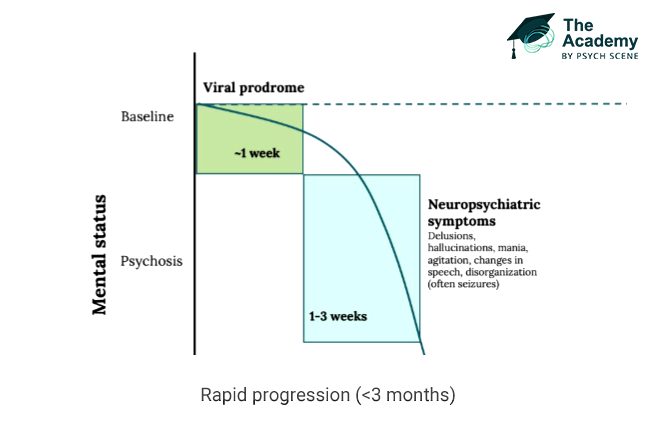
To avoid misdiagnosis, here’s a 3-point AE diagnostic criteria clinicians should know:🧵👇Image
AE diagnosis can be considered when all three of the following criteria are met.

1/ Subacute Onset

The first criterion is a subacute onset, defined as a rapid progression over less than 3 months.

Clinically, this may present as:

- working memory deficits or short-term memory loss
- altered mental status
- psychiatric symptoms

The key signal is not just symptom type, but how quickly the syndrome evolves.
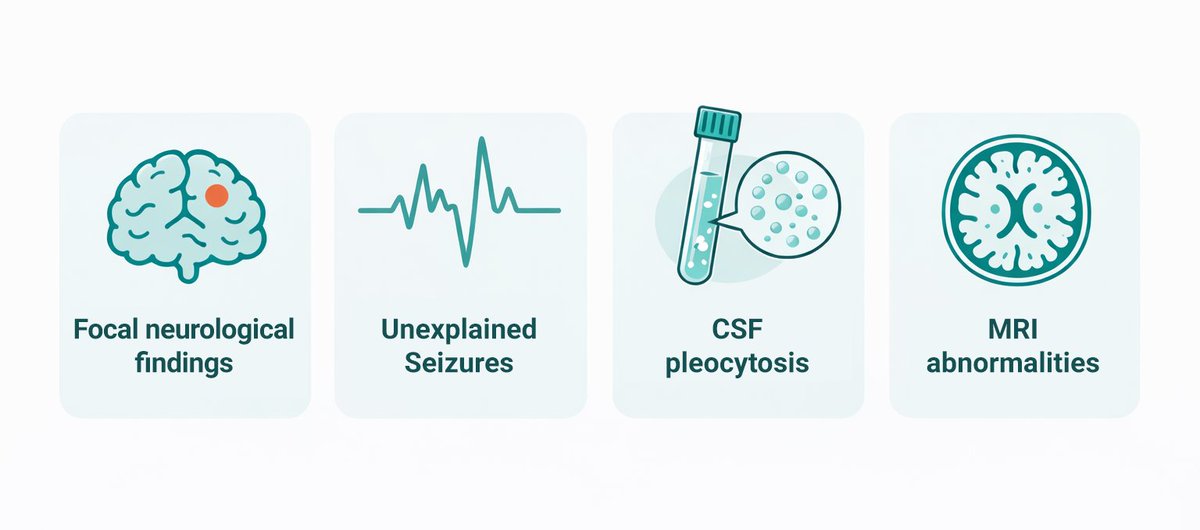
2/ At Least One Supportive Neurological or Paraclinical Feature

The second criterion requires at least one of the following:

- new focal CNS findings
- seizures not explained by a previously known seizure disorder
- CSF pleocytosis
- MRI features suggestive of encephalitis

This is where the picture starts to move beyond a purely psychiatric presentation.Image
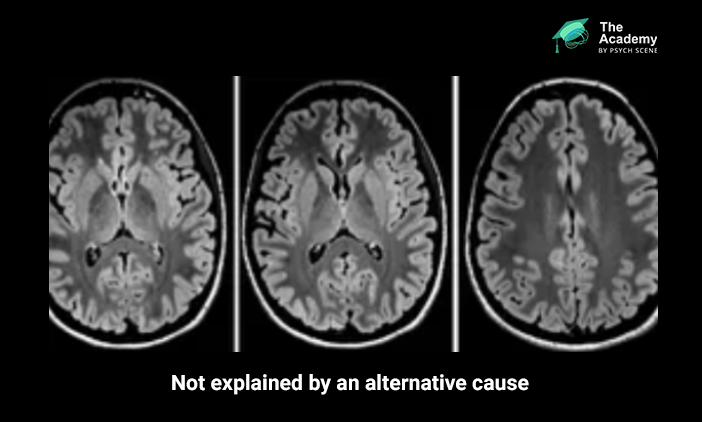
3/ Exclude Alternative Causes

The third criterion requires reasonable exclusion of alternative causes.

So the task is not only to identify a compatible syndrome, but to show that another explanation does not account for it.

Here, altered mental status may include reduced or altered consciousness, lethargy, or personality change.

Supportive MRI findings may include T2-FLAIR hyperintensity in the medial temporal lobes or in multifocal grey or white matter areas compatible with inflammation.Image
What happens if the clinical picture is phenotypically indicative, but one of the first three criteria is not entirely met?

A diagnosis of definite limbic encephalitis can still be confirmed in these instances, but it requires the explicit detection of highly specific antibodies against cell-surface, synaptic, or onconeural proteins.Image
3-Point Diagnostic Criteria for Autoimmune Encephalitis

A possible diagnosis of autoimmune encephalitis requires all three of these criteria:

1. Subacute Onset: Progression of memory deficits, altered mental status, or psychiatric symptoms in under 3 months.

2. Supportive Features: Presence of new focal CNS findings, unexplained seizures, CSF pleocytosis, or MRI abnormalities.

3. Reasonable Exclusion: Systematic elimination of alternative infectious, toxic, or metabolic aetiologies.
💡 Psych Scene Tip: In suspected AE, shift from symptom description to syndrome verification.

If psychiatric symptoms are rapidly evolving, ask whether there is at least one supportive neurological or paraclinical feature, then actively rule out competing explanations rather than defaulting to a primary psychiatric label.
To learn more about the neurobiological intricacies of Autoimmune Encephalitis and how to apply the AE diagnostic criteria in practice, click the link below and check out our course on Autoimmune Psychosis & Autoimmune Encephalitis inside The Academy:

psychscene.co/4sZTzyr

• • •

Missing some Tweet in this thread? You can try to force a refresh

 

Keep Current with Psychiatry Excellence

Psychiatry Excellence Profile picture

Stay in touch and get notified when new unrolls are available from this author!

Read all threads

This Thread may be Removed Anytime!

PDF

Twitter may remove this content at anytime! Save it as PDF for later use!

Try unrolling a thread yourself!

how to unroll video
  1. Follow @ThreadReaderApp to mention us!

  2. From a Twitter thread mention us with a keyword "unroll"
@threadreaderapp unroll

Practice here first or read more on our help page!

More from @psycheureka

Apr 9
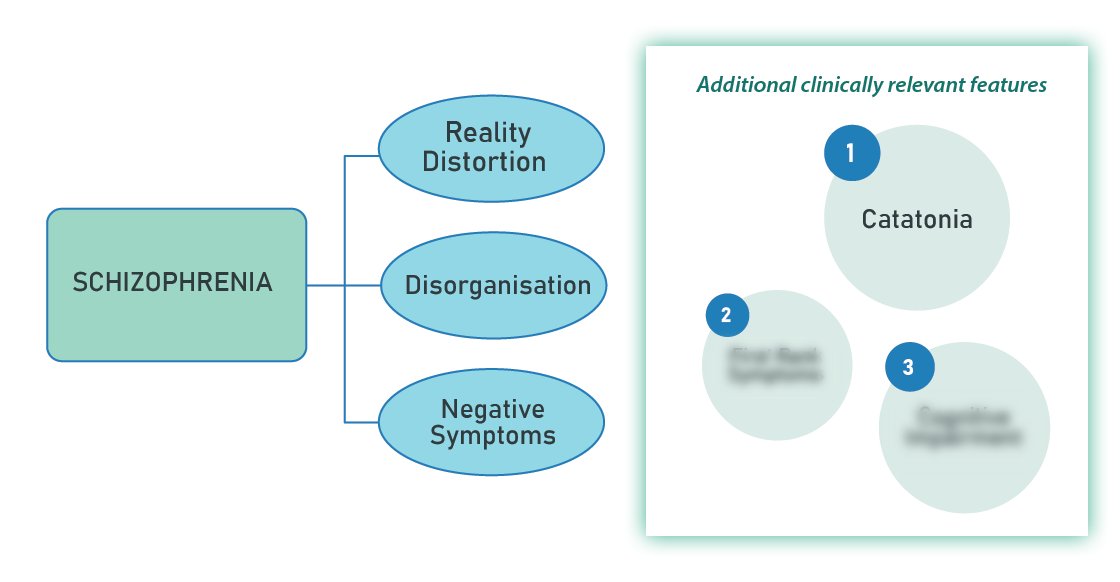
Schizophrenia is often conceptualised across 3 domains:

- Reality distortion: delusions and hallucinations

- Disorganisation: formal thought disorder, disorganised behaviour, inappropriate affect 

- Negative symptoms: alogia, avolition, anhedonia, asociality

But this framework doesn’t fully capture clinical complexity.

Here are 3 additional features that remain clinically relevant in schizophrenia, even if they are not specific to it alone:🧵👇

(Click through to see all 3 additional clinically relevant features)Image
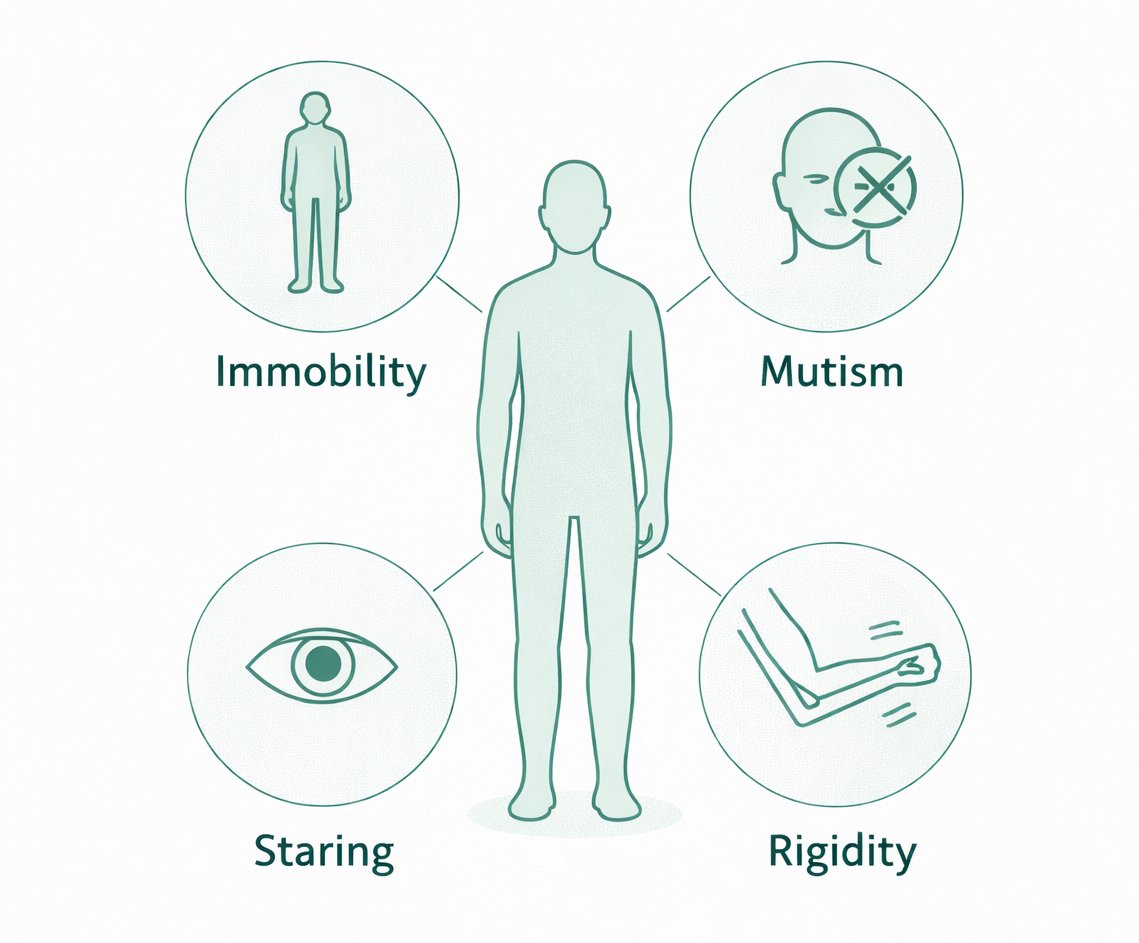
1/ Catatonia

Catatonia is a psychomotor syndrome that can occur in schizophrenia.

Catatonic stupor may be a recognisable presentation, but immobility, mutism, staring, and rigidity are also described clinical signs.

Although DSM frameworks have reclassified catatonia from a core feature of schizophrenia to a specifier across several disorders, it remains clinically relevant and still manifests in around 9% of schizophrenia cases. (Solmt et. al., 2018)Image
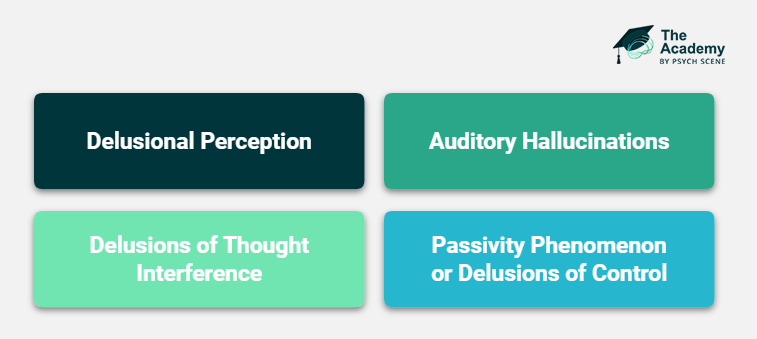
2/ First Rank Symptoms

This includes third-person auditory hallucinations, disturbances in the ownership of thought, and passivity.

A 2015 Cochrane review verified that first-rank symptoms identified those with schizophrenia in 75-95% of cases. (Soares-Weiser et al., 2015)

Despite this evidence, first rank symptoms have now been removed from the DSM as core features, but as Heinz et al. (2016) stress, this may be a premature move.Image
Read 8 tweets
Apr 8
Why do some patients not improve, despite the “right” medication?

Because prescribing is not purely biological…

It is not only metabolised by the body.
it is also filtered through trust, ambivalence, and transference.

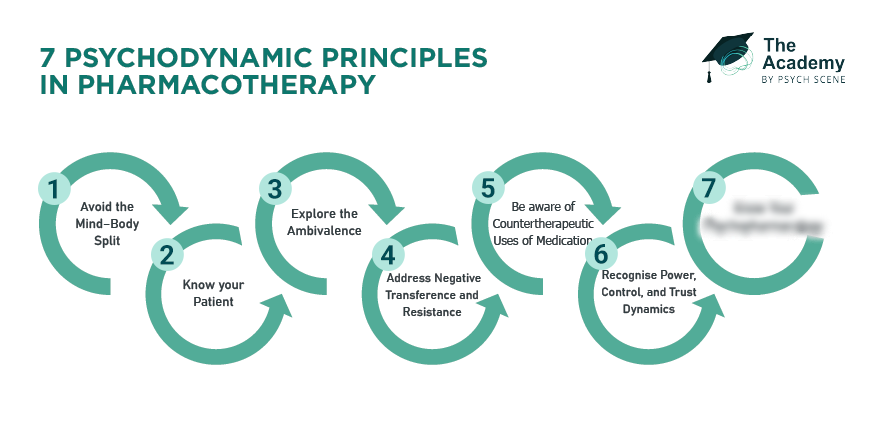
To minimise avoidable treatment limitations, here are 7 psychodynamic principles in pharmacotherapy every clinician should understand 🧵👇Image
1/ Avoid the Mind–Body Split

Psychopharmacology and psychotherapy are not separate.

Medication acts on biology…

But the mind shapes how it is experienced, tolerated, and adhered to. Image
2/ Know the Patient Before the Prescription

Developmental history matters.

Trauma, mistrust, and sensitivity can amplify nocebo effects and reduce tolerability.

In these cases, trust-building is not separate from treatment, it is a part of the treatment. Image
Read 11 tweets
Apr 2
Addiction is not just about reward.

It reflects predictable dysfunction across brain systems governing behaviour, learning, and control.

Here are 5 core neurobiological processes underlying addiction and relapse: 🧵👇

(Click through to see all 5) Image
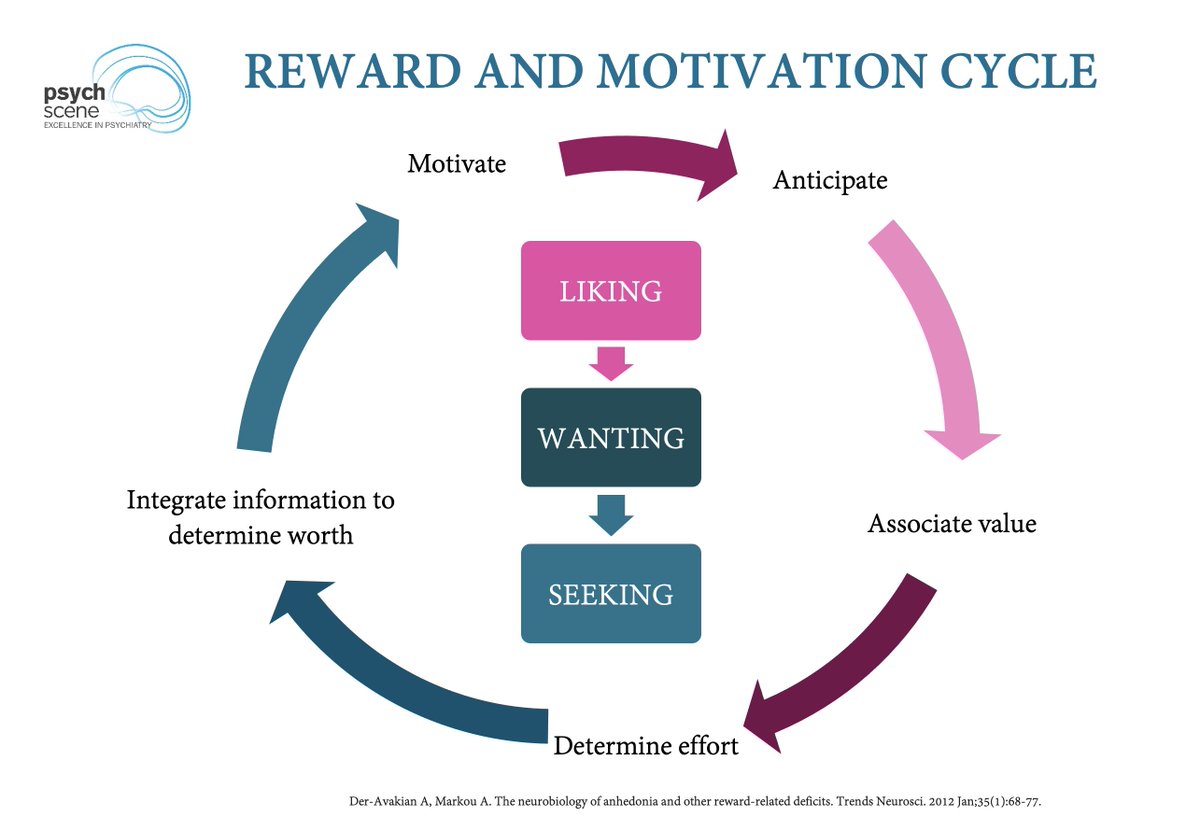
1/ Reward & Motivation

Chronic substance use floods the brain with dopamine, eventually downregulating D2 receptors.

This structurally shifts the brain from "liking" the drug (hedonic pleasure) to intensely "wanting" it (incentive salience).

The biological urge to use becomes overpowering, even when the substance ceases to provide actual pleasure.

Educating patients that the craving they feel is a structural reflex, not a reflection of character, relieves guilt and contextualises relapse.Image
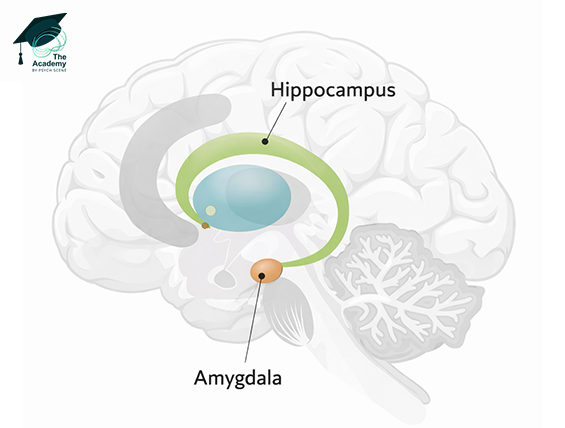
2/ Conditioning

When a substance repeatedly spikes dopamine, the amygdala and hippocampus form pathological associative memories linking the high to neutral environmental cues (places, paraphernalia).

This Pavlovian learning rewires the brain to anticipate the substance, meaning a single stimulus can provoke involuntary cravings years into recovery.

It helps explain why conditioned cues can contribute to craving and relapse risk even after prolonged abstinence.Image
Read 9 tweets
Apr 1
More than 50% of patients with schizophrenia smoke tobacco. [Fond et al 2017]; [Dickerson et al 2018]; [Oluwoye et al 2019]

Despite heavily substantiated nicotine-induced metabolic and pharmacokinetic risks, this number refuses to drop.

This raises the question: “What does nicotine do that makes this specific patient population so uniquely dependent on it?”

Here’s a neurobiological breakdown of nicotine dependence in schizophrenic patients clinicians should know: 🧵👇Image
The Intrinsic Receptor Deficit

In the general population, chronic smoking leads to an upregulation of α4β2 nicotinic receptors.

In schizophrenia, this compensatory upregulation is impaired.

This suggests an intrinsic defect in the nicotinic receptor system. 

Theoretically, for schizophrenia patients, smoking is an attempt to achieve receptor saturation to overcome this deficit, though it rarely leads to sustained cognitive improvement.Image
Chasing Prefrontal Dopamine

The prefrontal cortex (PFC) is often hypo-active in schizophrenia.

Nicotine attempts to bypass this.

By stimulating receptors on glutamatergic terminals, nicotine:

- Facilitates PFC activity
- Triggers a release of dopamine

This temporarily improves executive function and working memory.
Read 8 tweets
Mar 30
Depression is not a single, uniform brain pattern.

It does not present the same way in every patient.

Sometimes it appears as rumination.
Sometimes as cognitive dysfunction.
Sometimes as emotional over-reactivity.

So how do we make sense of what’s happening beneath the surface? There is a structured way to approach this.

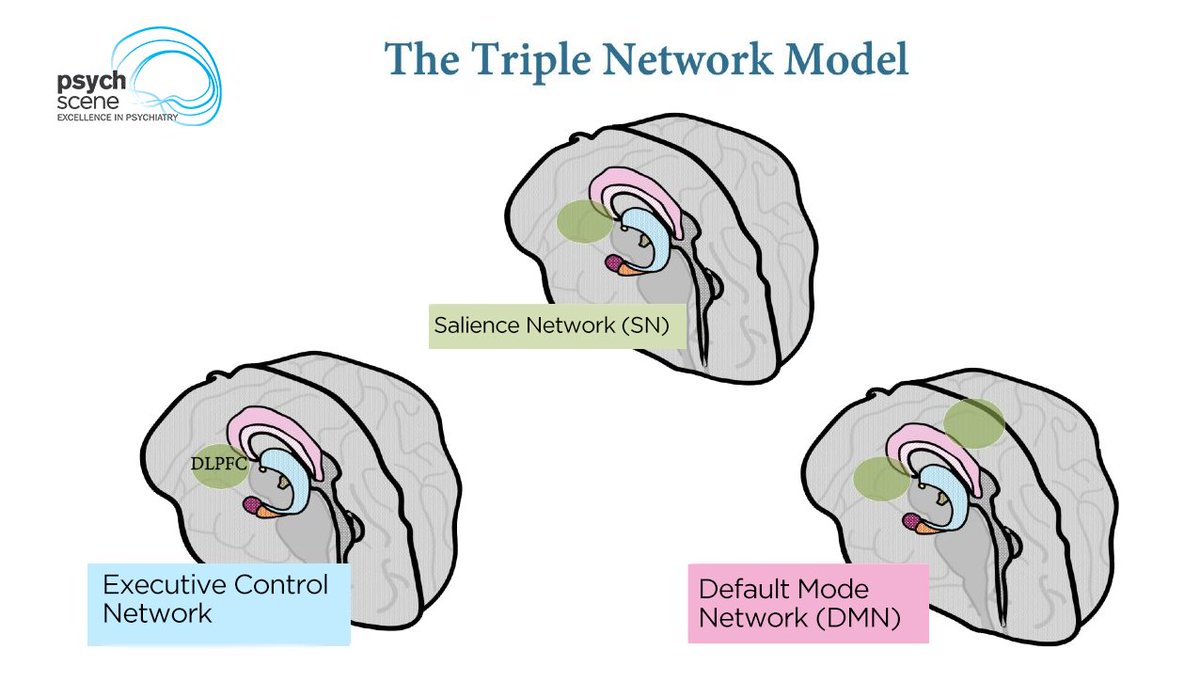
Here is a clinical breakdown of the Triple Network Model, a framework for understanding functional brain changes in depression 🧵👇Image
The Triple Network Model frames depression as dysregulation within and between three major functional brain systems.

Rather than locating the disorder in one isolated region, it conceptualises depression as a disturbance in large-scale network organisation.

This gives clinicians a more structured way to think about why depressive presentations can differ so markedly.
1/ Default Mode Network (DMN)

In depression, dysfunction of the DMN is linked to altered self-referential processing.

The DMN is primarily active at rest and is involved in emotional regulation, social cognition, future-oriented thinking, autobiographical memory, and self-focused mental activity.

When dysregulated, external information may be processed through a more self-referential lens.

Dysfunction in parietal DMN components is also linked to rumination.Image
Read 8 tweets
Mar 27
PTSD treatment is not just about reducing symptoms.

The other half of the clinical equation is about interrupting the mechanisms that make the brain increasingly reactive over time.

To do so, there are 2 clinical PTSD concepts clinicians must take into full consideration in treatment planning: 🧵👇Image
PTSD develops through a combination of psychological and biological mechanisms.

This dual foundation also means that effective treatment must address both sides of the disorder, often integrating psychotherapy with pharmacotherapy.

This is where the following concepts come in, illustrating exactly what is happening in the dysregulated brain, helping clinicians align their intervention strategies with the underlying pathology.Image
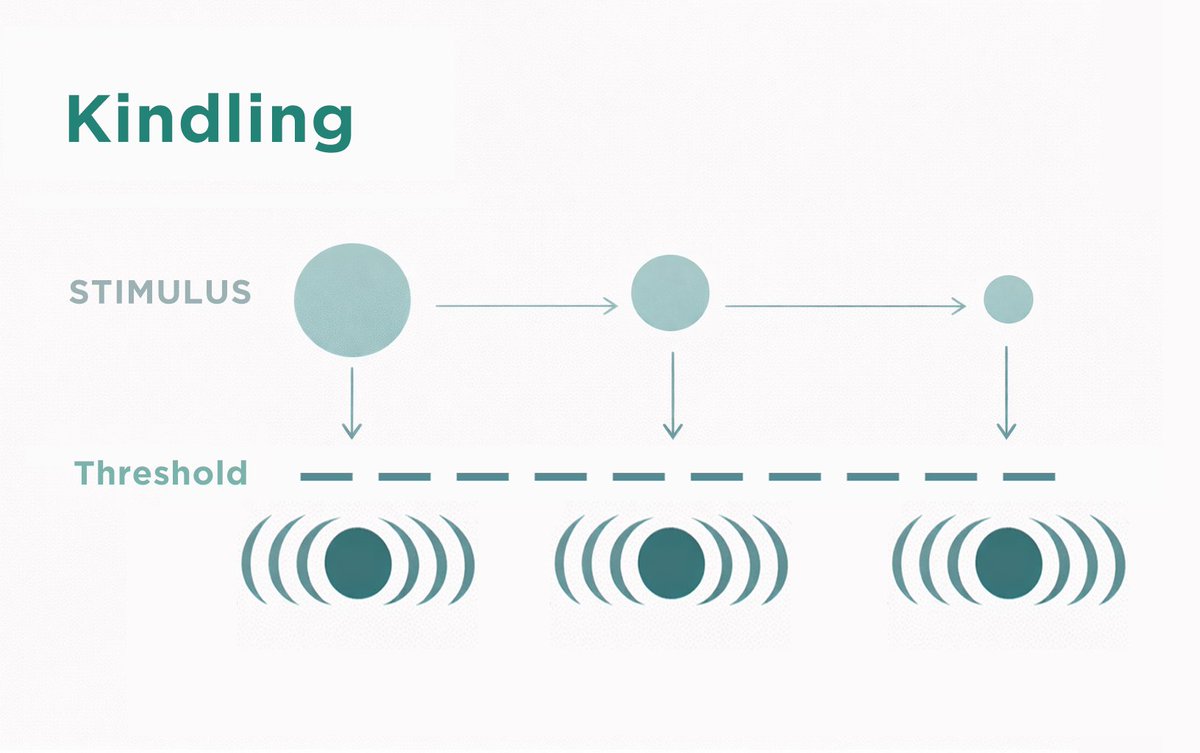
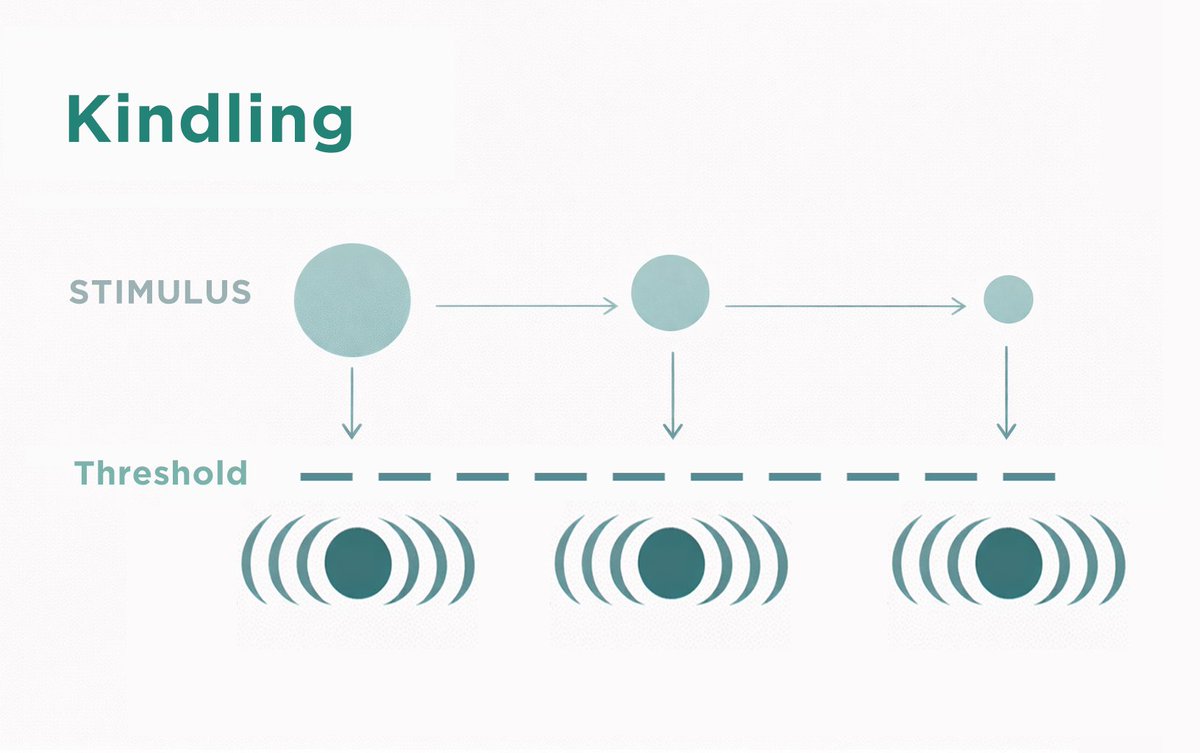
1/ The Concept of Kindling 

Following trauma, the brain’s stress systems become dysregulated, creating heightened fear conditioning where even neutral stimuli become associated with threat.

Kindling is the process where increasingly lower-severity stimuli begin to elicit significant negative emotional or physiological responses over time.

This explains why patients often react strongly to seemingly minor cues.Image
Read 8 tweets

Did Thread Reader help you today?

Support us! We are indie developers!


This site is made by just two indie developers on a laptop doing marketing, support and development! Read more about the story.

Become a Premium Member ($3/month or $30/year) and get exclusive features!

Become Premium

Don't want to be a Premium member but still want to support us?

Make a small donation by buying us coffee ($5) or help with server cost ($10)

Donate via Paypal

Or Donate anonymously using crypto!

Ethereum

0xfe58350B80634f60Fa6Dc149a72b4DFbc17D341E copy

Bitcoin

3ATGMxNzCUFzxpMCHL5sWSt4DVtS8UqXpi copy

Thank you for your support!

Follow Us!

:(