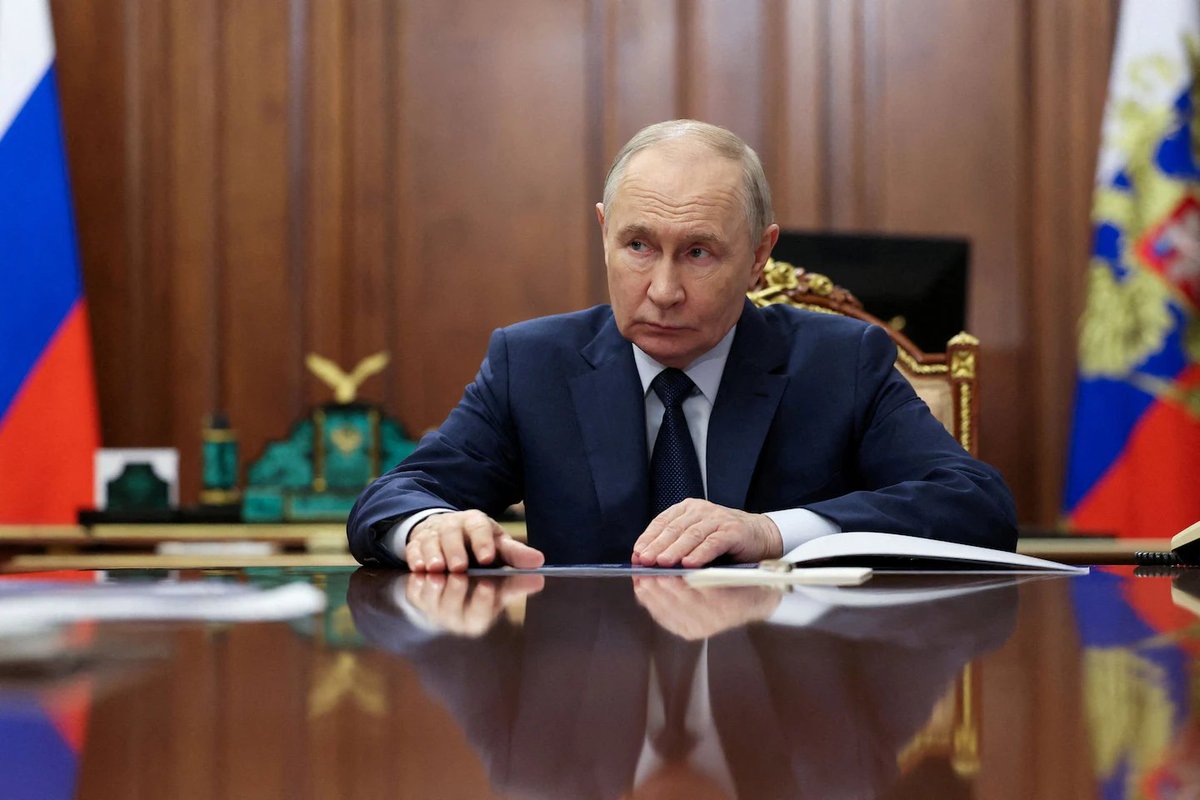
Ukraine has 900,000 active soldiers. Drones kill and robots advance.
But the most valuable asset on the battlefield is still a human being who is willing to fight, writes Luke McGee in Foreign Policy. 1/
But the most valuable asset on the battlefield is still a human being who is willing to fight, writes Luke McGee in Foreign Policy. 1/
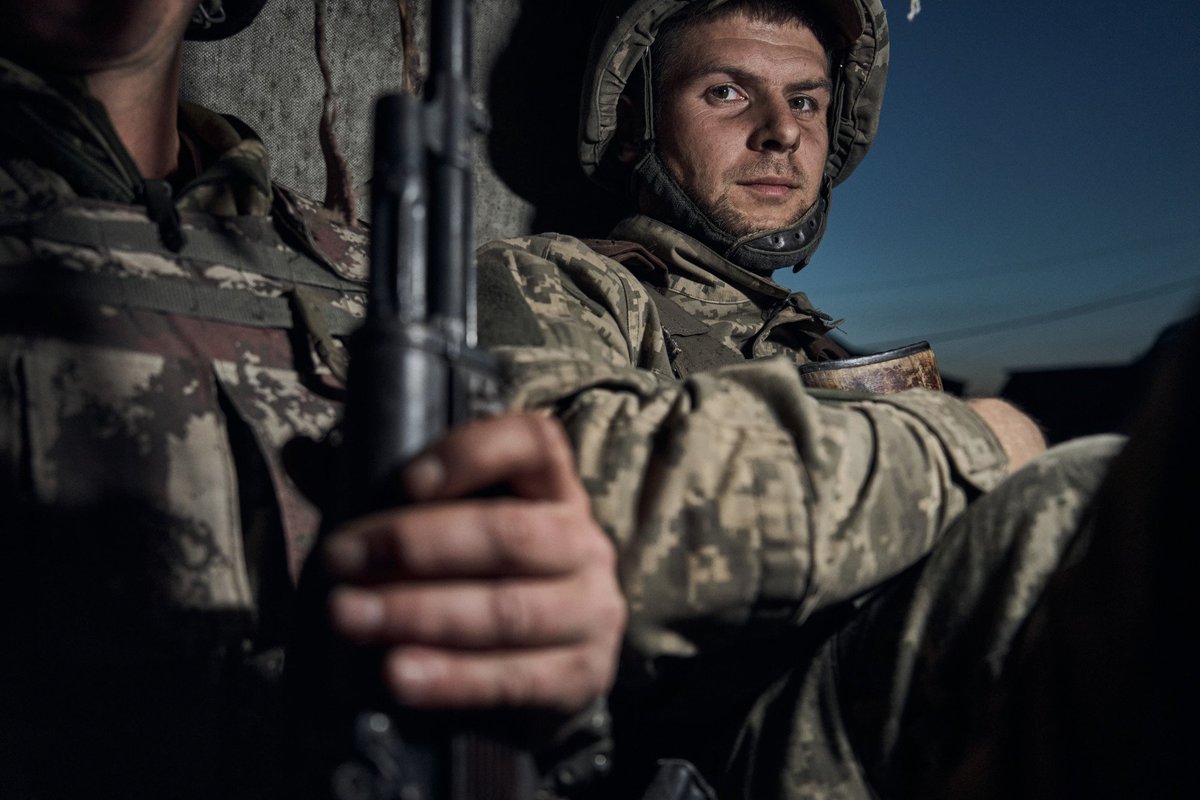
When people saw what unmanned vehicles could achieve, some suggested wars could be fought without personnel. It is a nice idea.
But to hold territory and operate UAVs and ground robots, you need people physically there. 2/
But to hold territory and operate UAVs and ground robots, you need people physically there. 2/
The problem is motivation in practice.
Pavlo Zaichenko, 59th Brigade: “When there is no clear understanding of where one will serve, how the service will look, and how long it will last, this becomes a significant barrier for potential volunteers.” 3/
Pavlo Zaichenko, 59th Brigade: “When there is no clear understanding of where one will serve, how the service will look, and how long it will last, this becomes a significant barrier for potential volunteers.” 3/
Maksym Horbunov, naval captain and head of naval recruitment: “The armed forces is now the biggest employer in Ukraine. It is reasonable that people want to understand their career progression and what benefits they will receive.” 4/
Russia runs a deliberate disinformation campaign to demoralize Ukrainians and disrupt mobilization.
The core messages are consistent: Zelensky is a traitor spending soldiers’ blood, wealthy elites buy their way out of service, and Ukraine is a failed state heading for ruin. 5/
The core messages are consistent: Zelensky is a traitor spending soldiers’ blood, wealthy elites buy their way out of service, and Ukraine is a failed state heading for ruin. 5/
The lesson Ukraine wants allies to take is straightforward: build your military in peacetime, not after a war starts.
Tell recruits the truth from day one — you may end up somewhere dangerous doing a job you did not choose. 6/
Tell recruits the truth from day one — you may end up somewhere dangerous doing a job you did not choose. 6/
But you will be paid, looked after, and can build a real career using your existing professional skills. Motivated soldiers fight better. 7X
Thank you for reading this post!
Please also consider donating to support Ukrainian students who study during the war if this cause resonates with you.
foundation.kse.ua/en/donate-to-e…
Please also consider donating to support Ukrainian students who study during the war if this cause resonates with you.
foundation.kse.ua/en/donate-to-e…

• • •
Missing some Tweet in this thread? You can try to
force a refresh