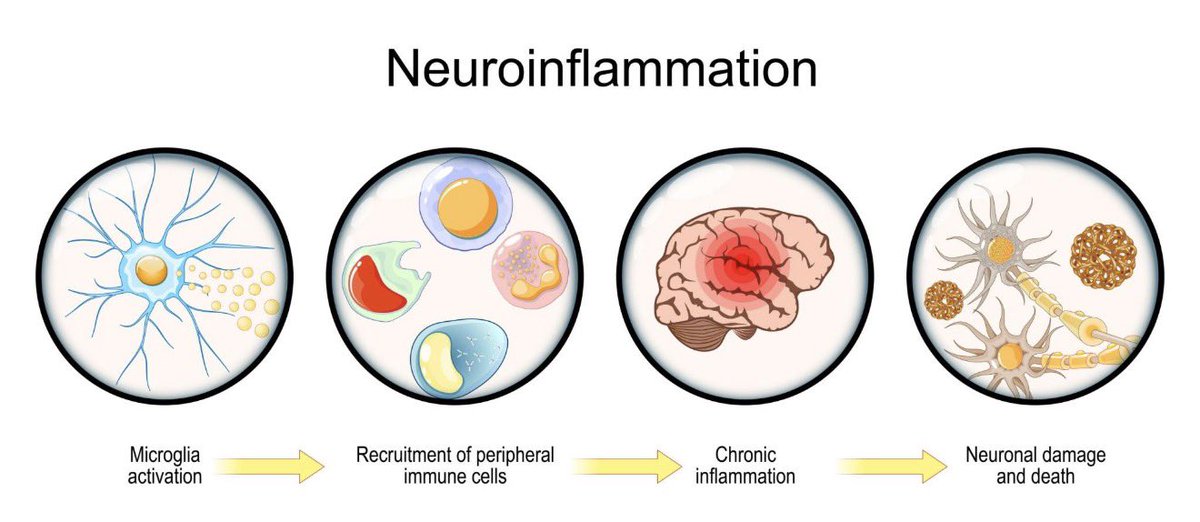
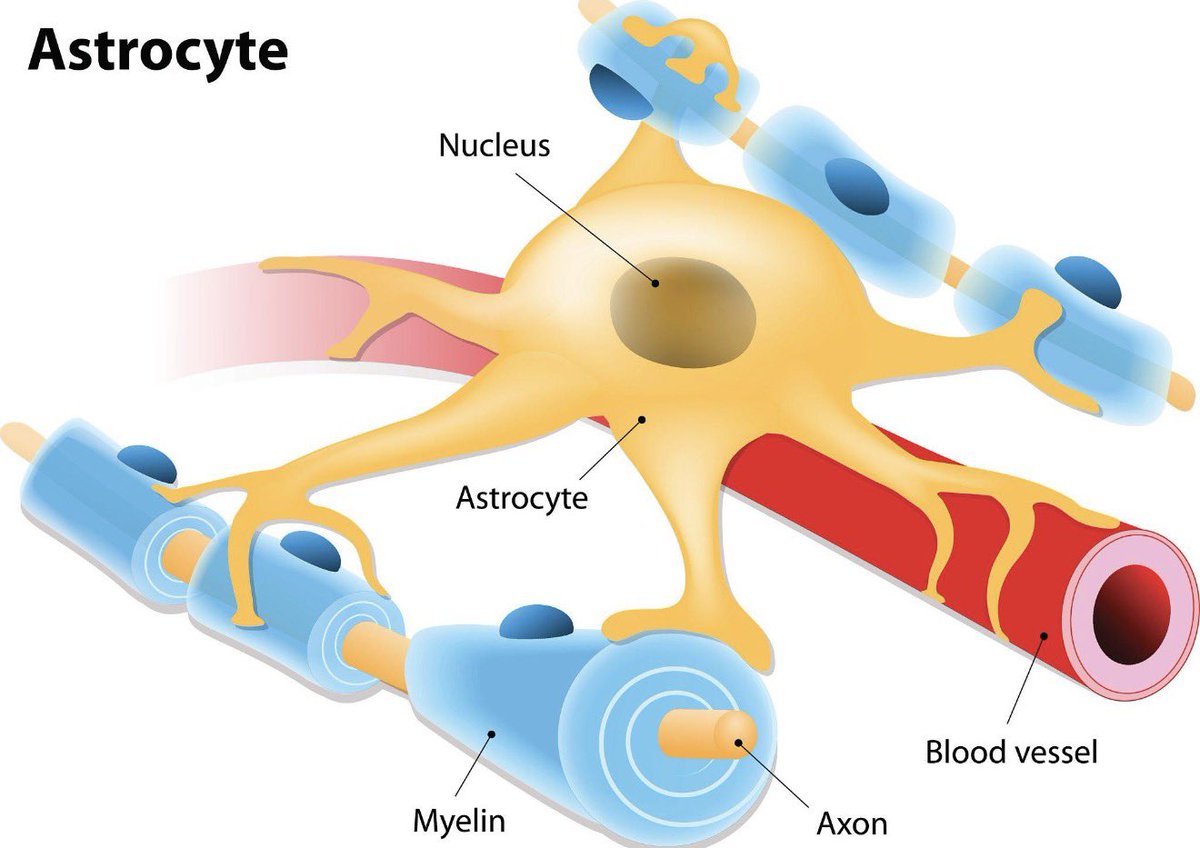
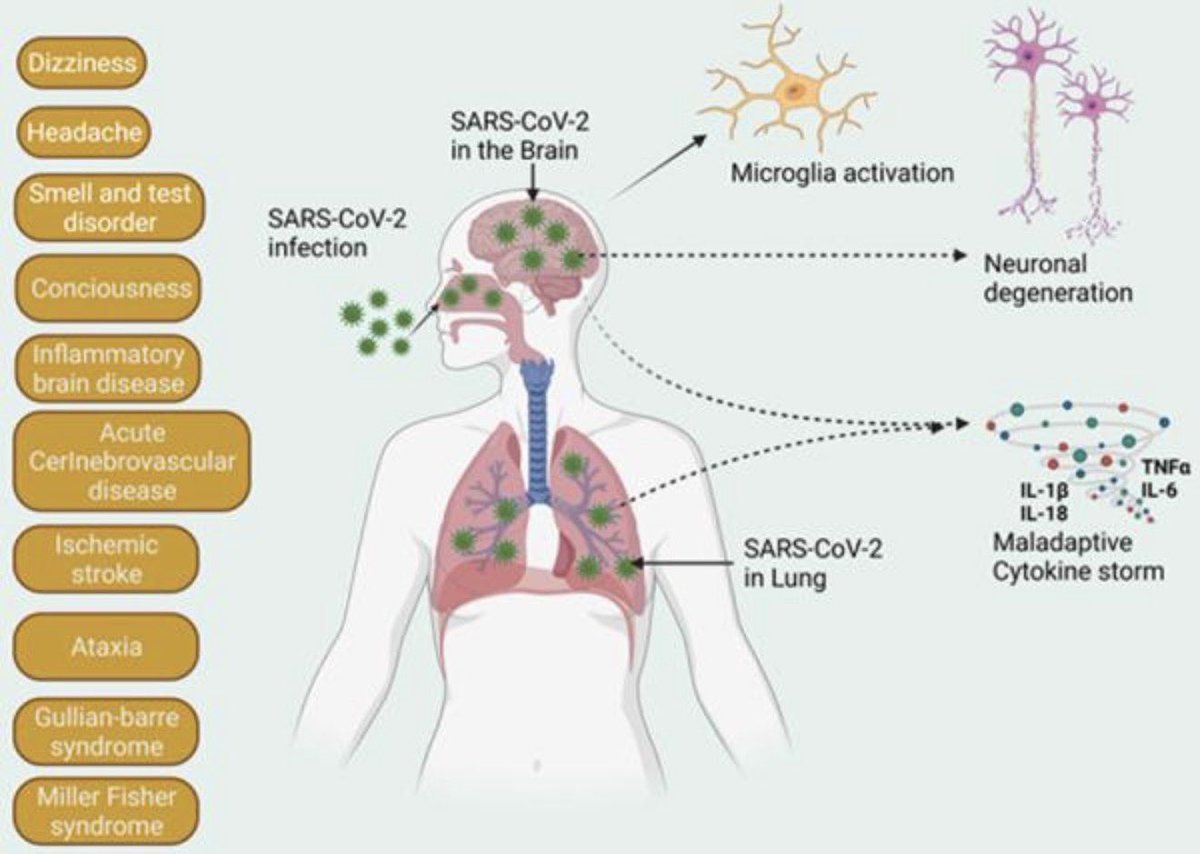
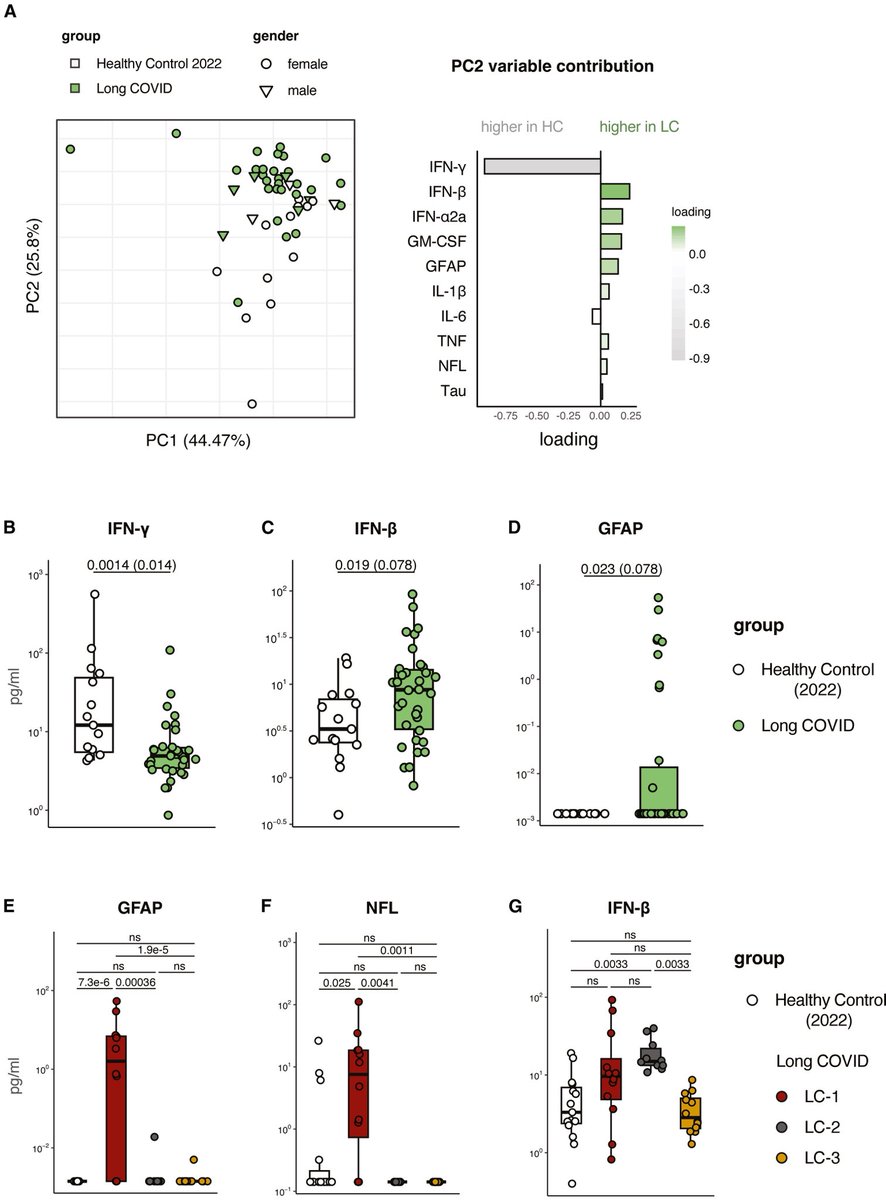
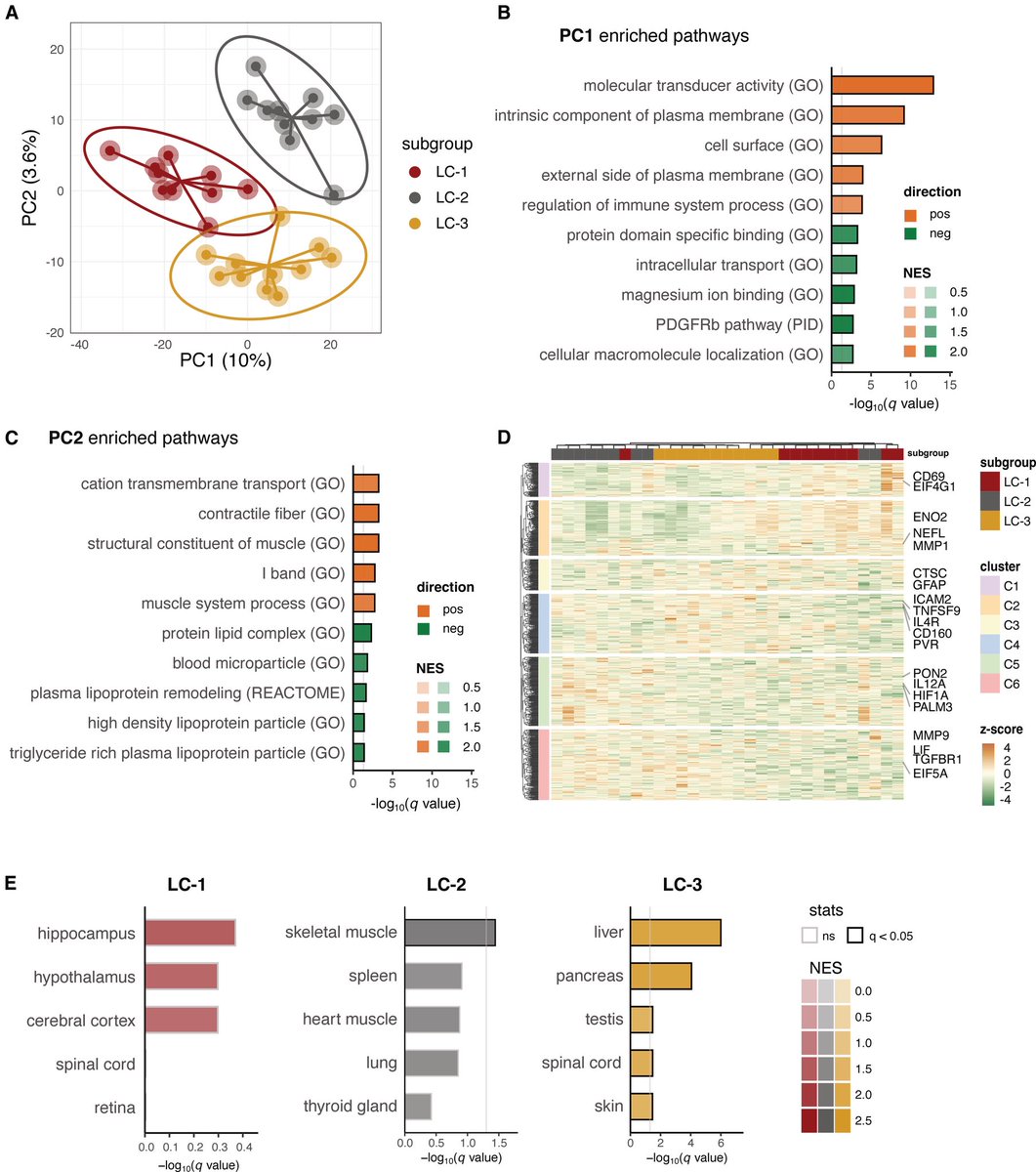
Emerging research suggests COVID-19 may cause long-term brain changes, including persistent inflammation and small blood vessel injury even after recovery. 1/
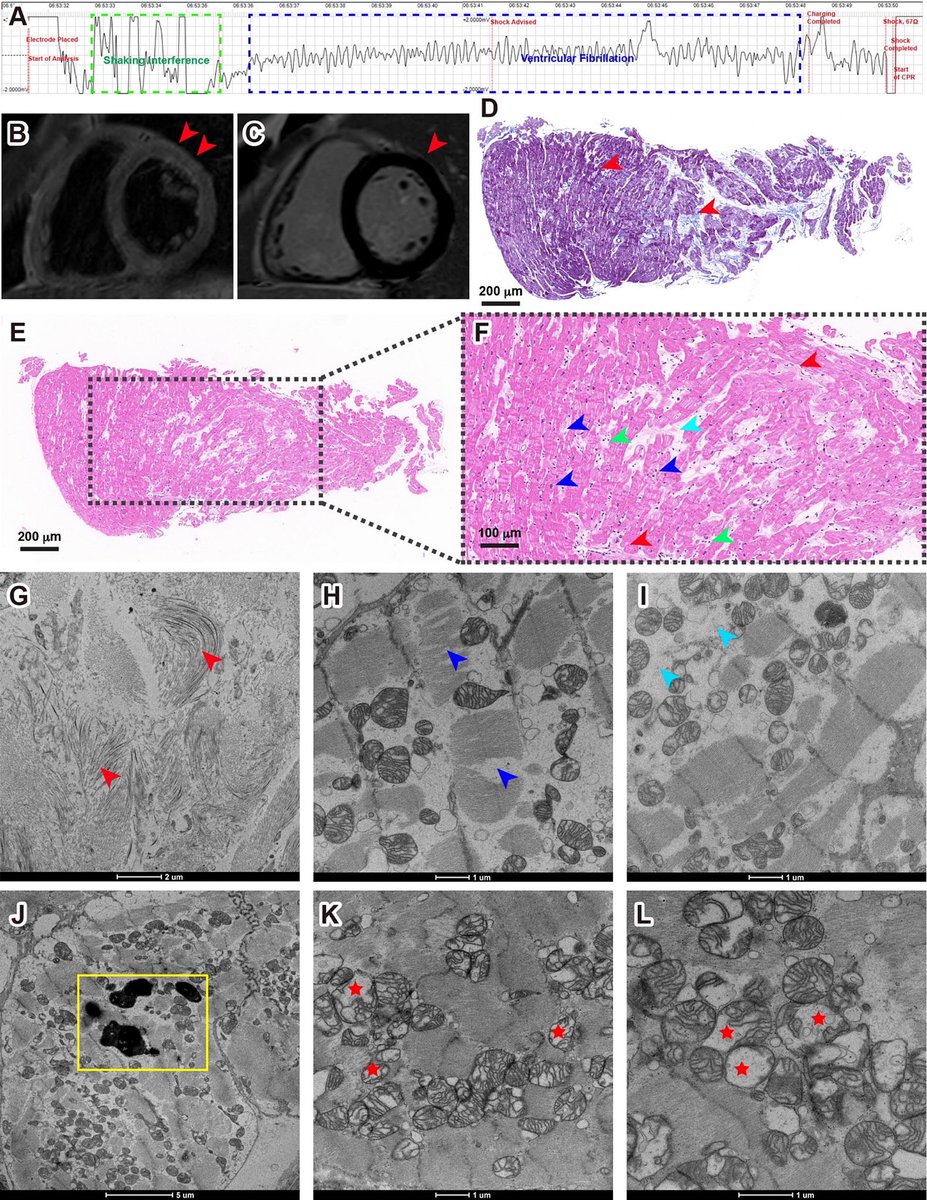
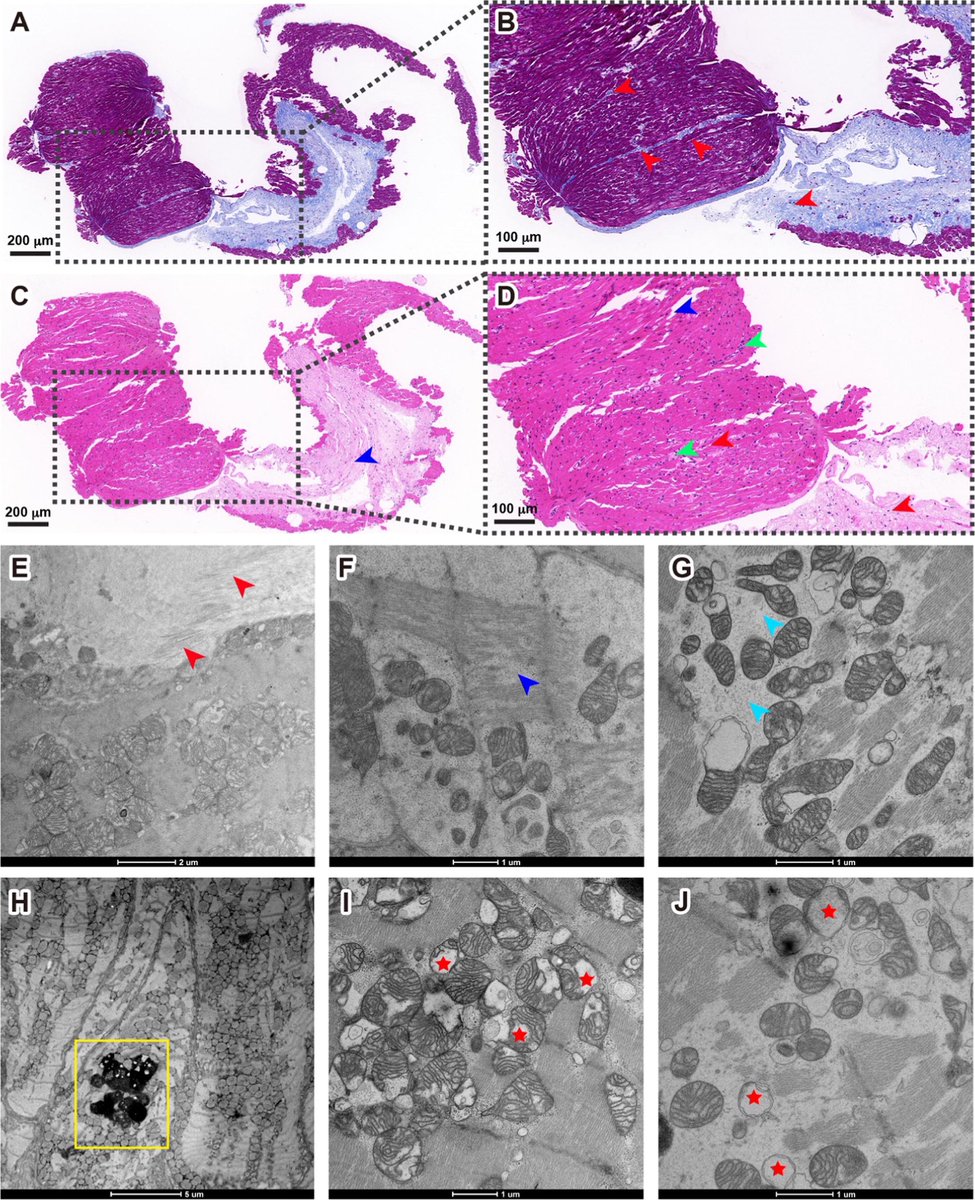
New study shows SARS-CoV-2 directly damages heart cell mitochondria—key energy engines—offering a mechanistic link to #LongCOVID cardiovascular symptoms. 1/
#LongCOVID may be a mitochondrial disease: electron microscopy reveals structural damage & myofilament breakdown in cardiomyocytes. 2/
Biopsies from LongCOVID patients confirm myocarditis with mitochondrial disruption—mirrored in infected animal models. Strong biological plausibility for persistent cardiac symptoms. 3/
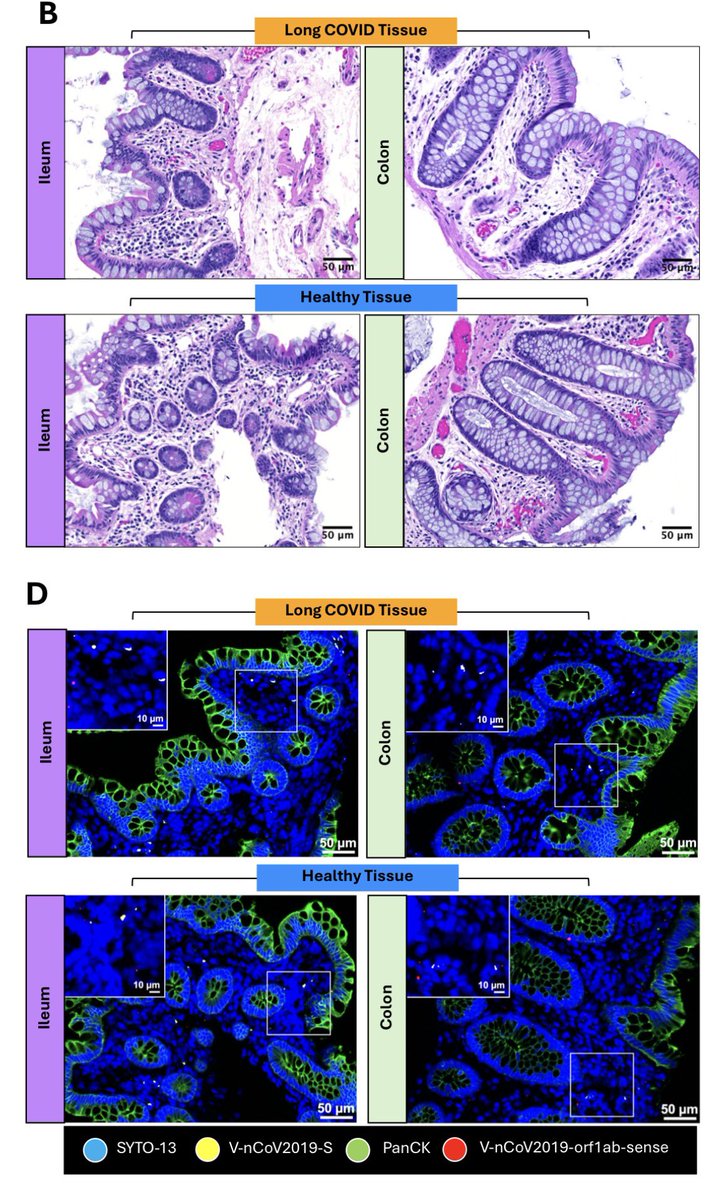
New research finds that SARS-CoV-2 spike protein can persist in the gut of people with #LongCOVID, even months after infection.
➡️ This persistent viral antigen may drive ongoing immune changes in intestinal tissue.
➡️ Scientists detected viral spike RNA and protein in colon and ileum biopsies from Long COVID patients.
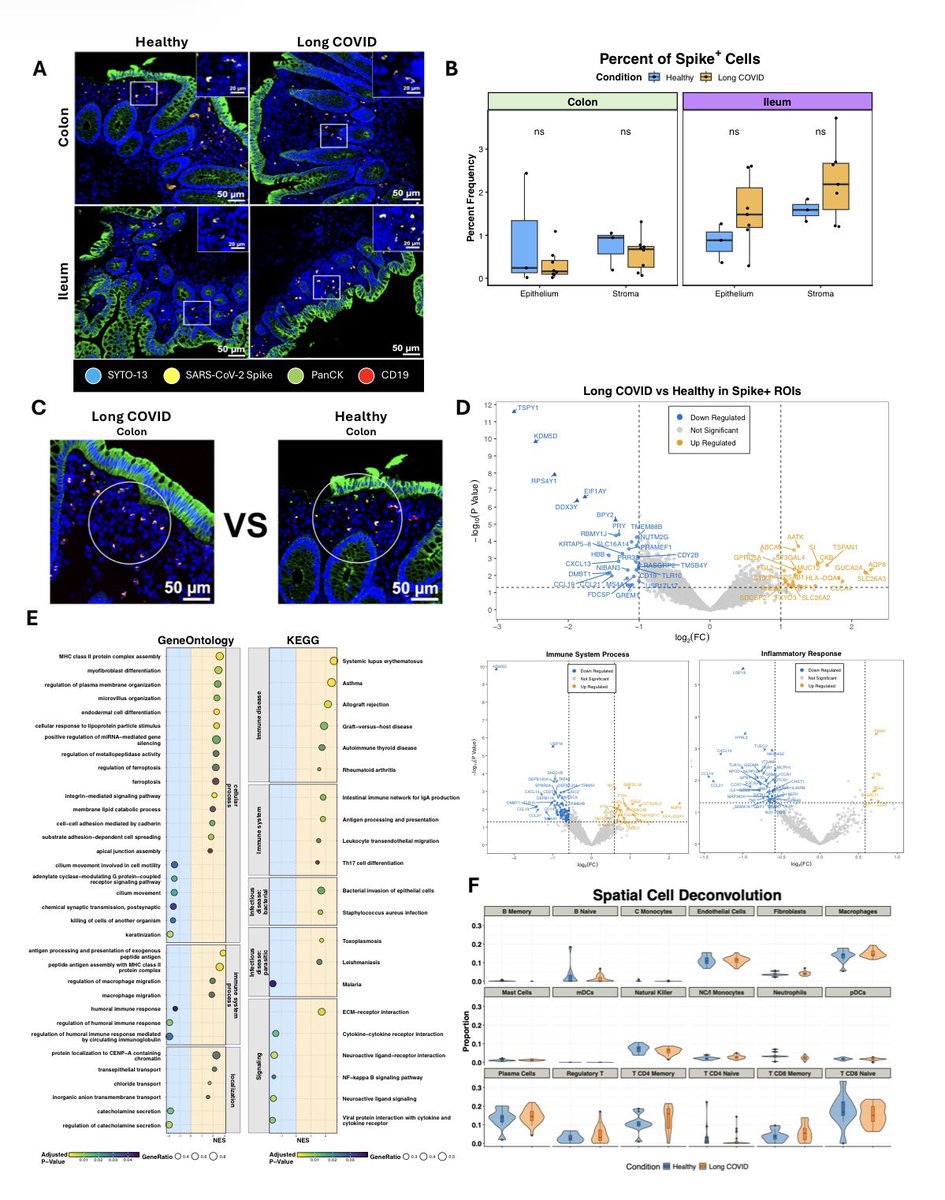
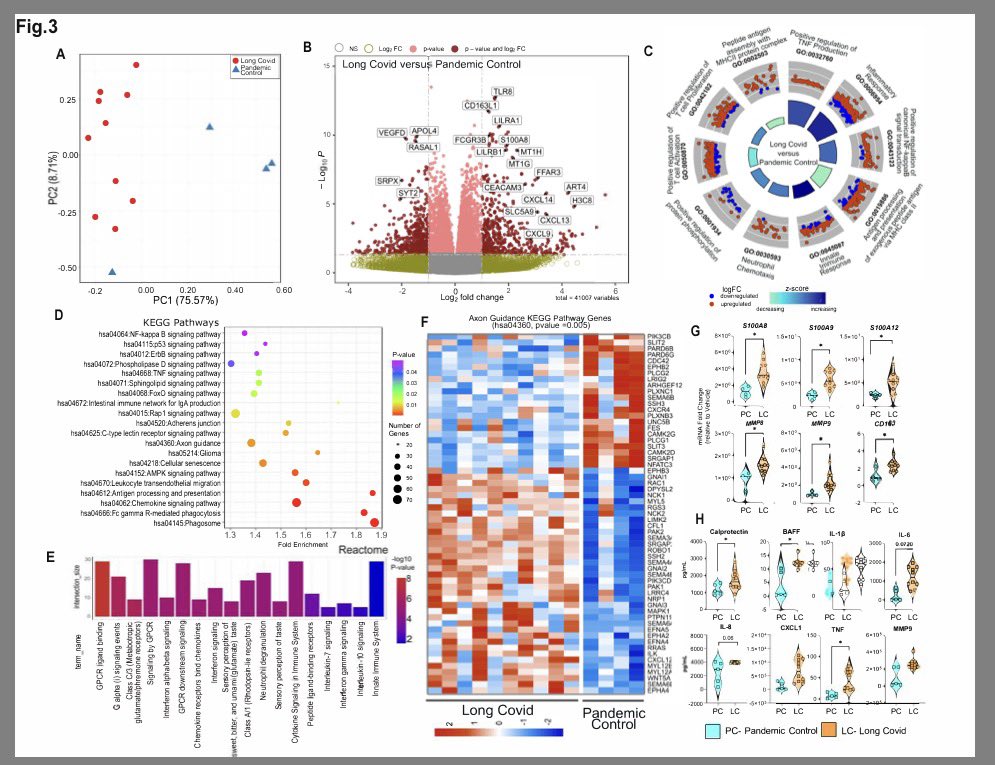
➡️ In these regions, genes linked to inflammation, immune dysfunction, and tissue stress were altered. 1/
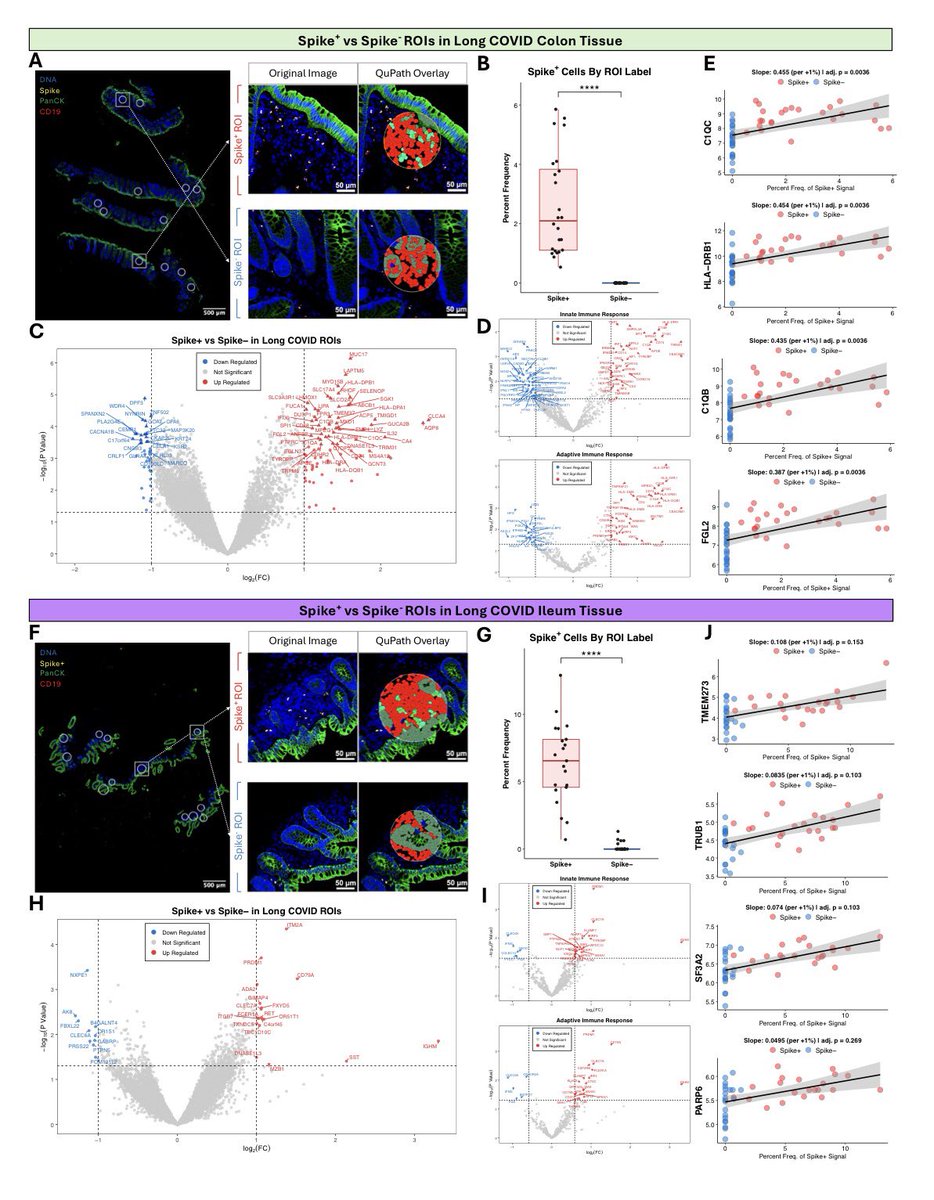
Persistent spike-positive areas in the colon showed increased immune cell activity, including:
• Macrophages
• Plasma cells
• Regulatory T cells
Suggesting an active local immune response in the gut.
➡️ Researchers also found disrupted expression of key immune-signaling genes, indicating impaired immune coordination and chronic inflammation in gut tissues. 2/
SARS-CoV-2 persistence is a proposed driver of Long COVID (LC), but the in-situ relationship between residual viral antigen and immune dysregulation remains poorly defined.
➡️ This NEW study provides robust evidence that persistent SARS-CoV-2 Spike protein detection in the gut is not immunologically inert.
➡️ Instead, it is actively associated with distinct, immune cell composition shifts and a dysfunctional pro-inflammatory transcriptional profile, supporting the hypothesis that retained viral antigen drives chronic immune dysregulation in tissue of LongCOVID subjects. 3/