Dalton (Analyze & Optimize) Profile picture
Apr 24 9 tweets 4 min read Read on X
Zinc can rapidly and potently reduce cortisol - shown in an astonishing clinical trial.

(🧵1/8)Image
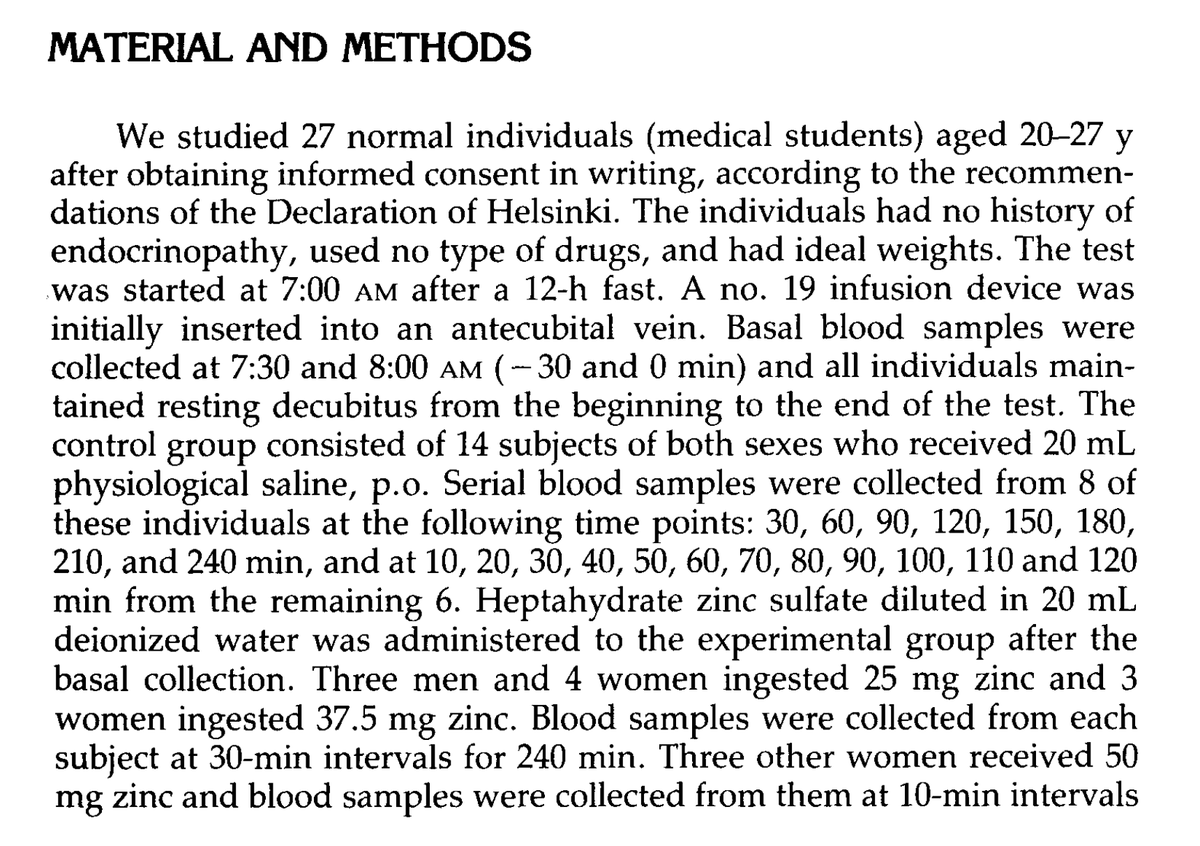
This study was a small one published in 1990.

Despite that, it gives us key insight into the role of zinc and how it regulates stress. Image
Image
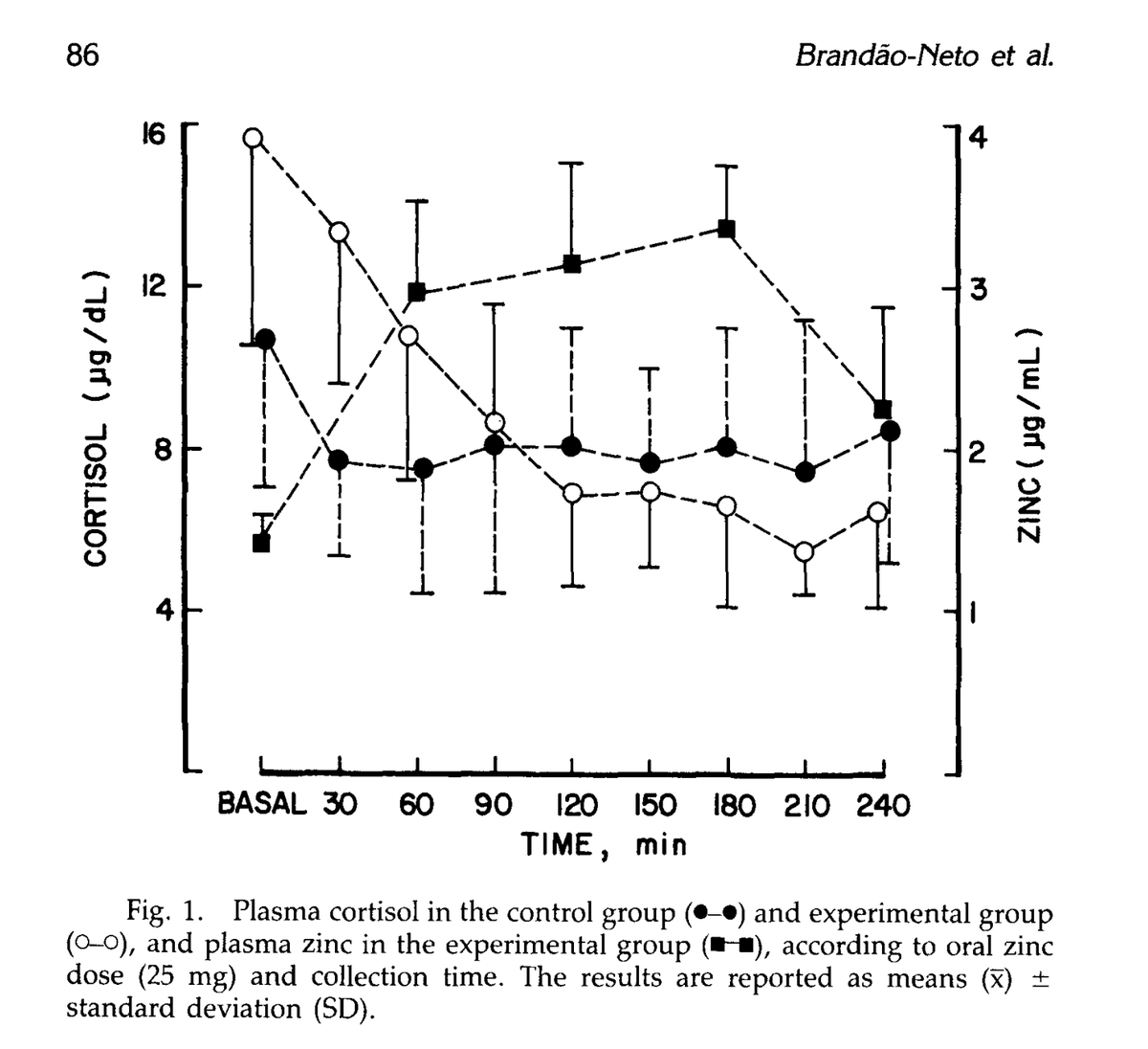
Zinc markedly lowered cortisol in a rapid fashion.

Here's the 25 mg result, those white circles show the cortisol response over the time.

As you can see, by 2 hours, cortisol dropped by about half. Image
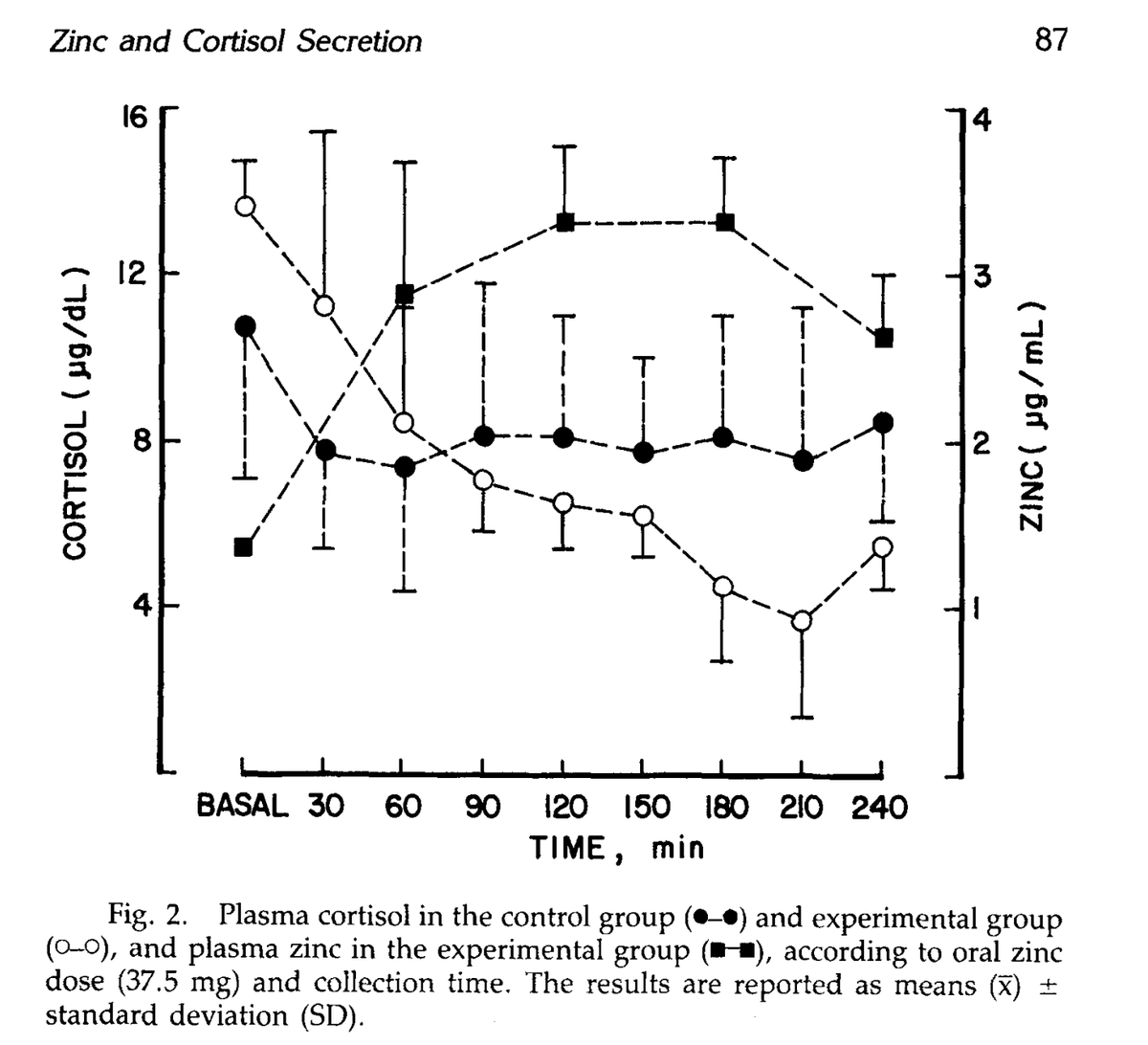
The effect was even more dramatic in the group receiving 37.5 mg of zinc.

Their cortisol dropped like a rock, from ~14 ug/dL down to under 4 within a few hours. Image
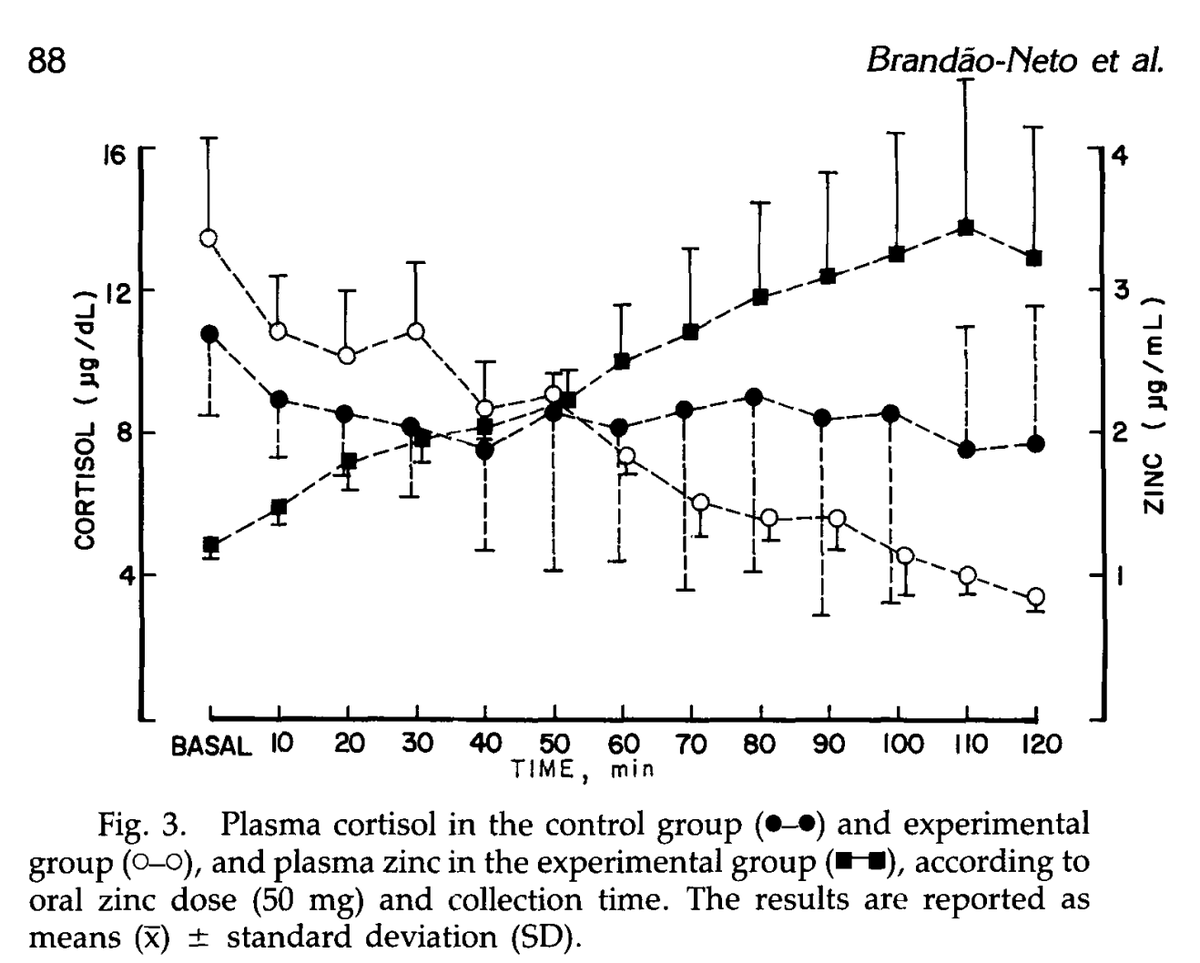
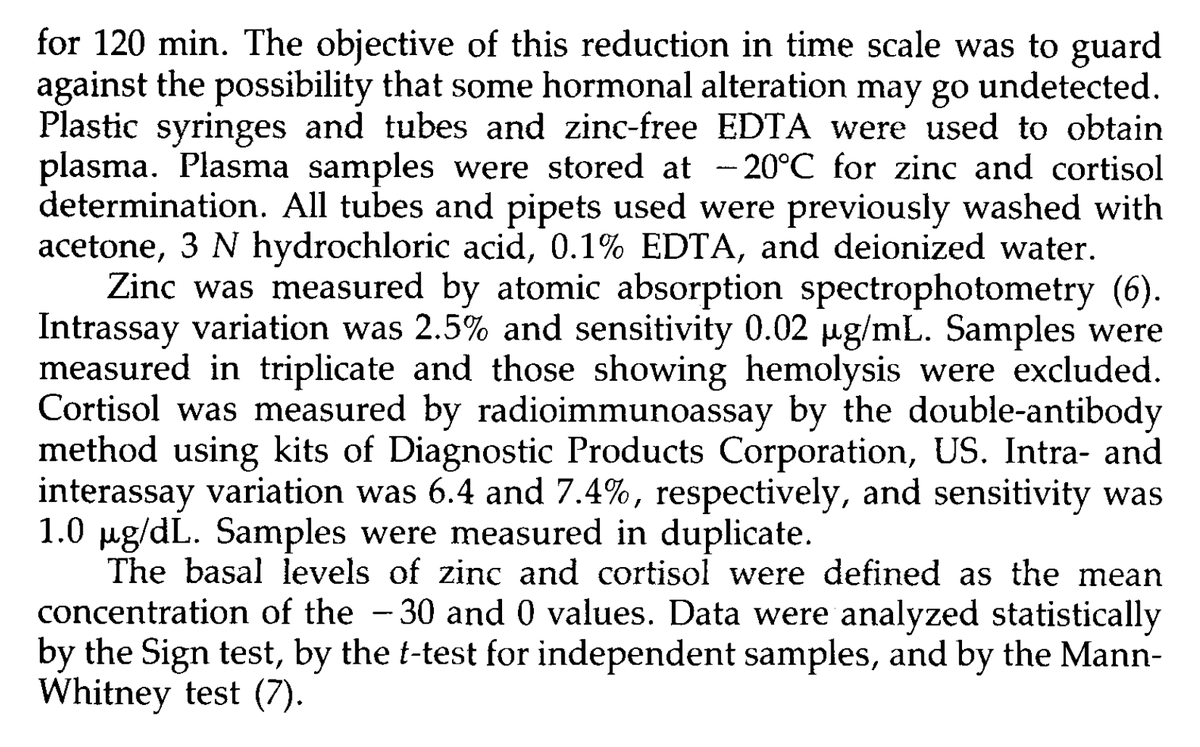
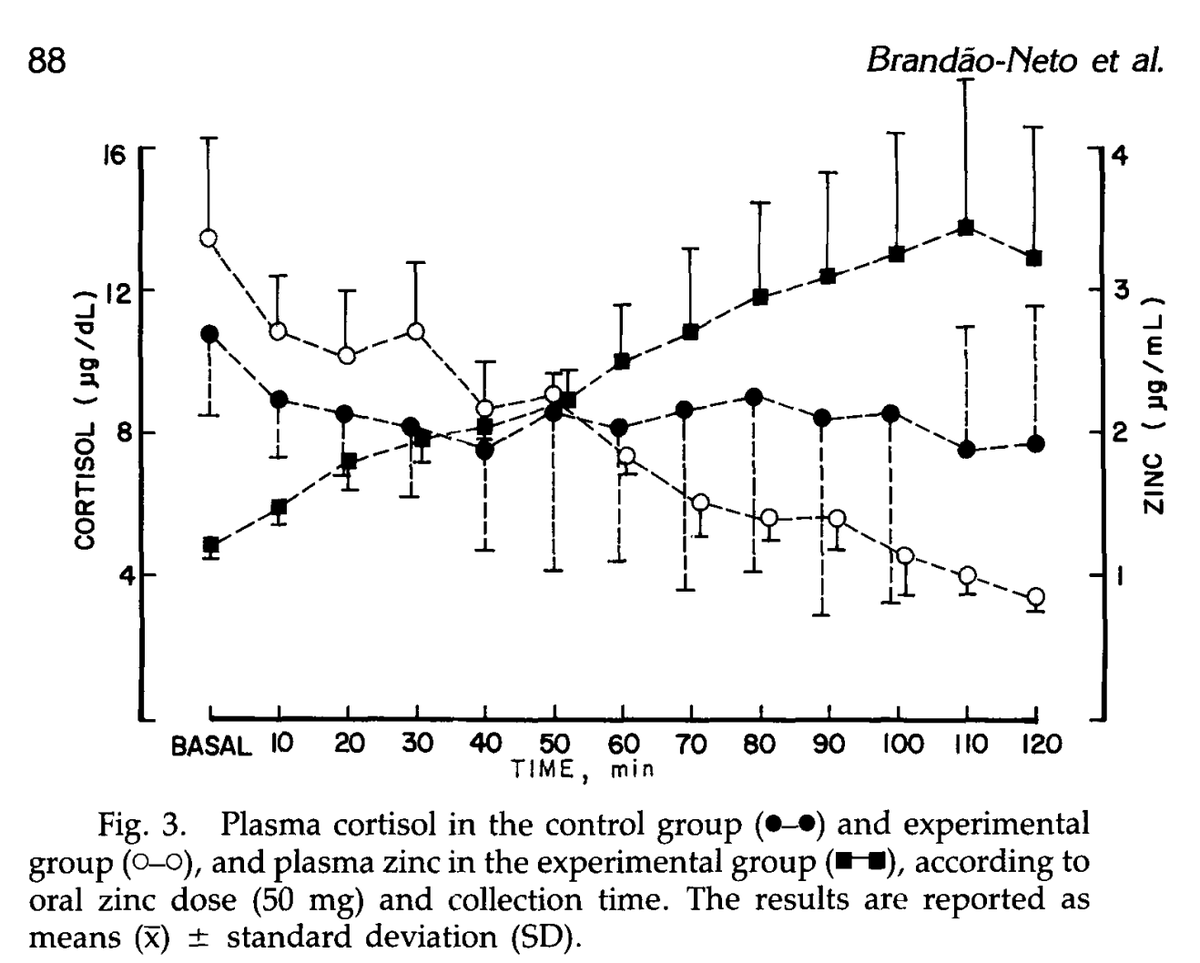
This was the result from the 50 mg dose, showing a similar massive drop, but even faster.

This time cortisol dropped by >75% within 2 hours.

Insane. Image
There isn't a ton of work done on this topic,

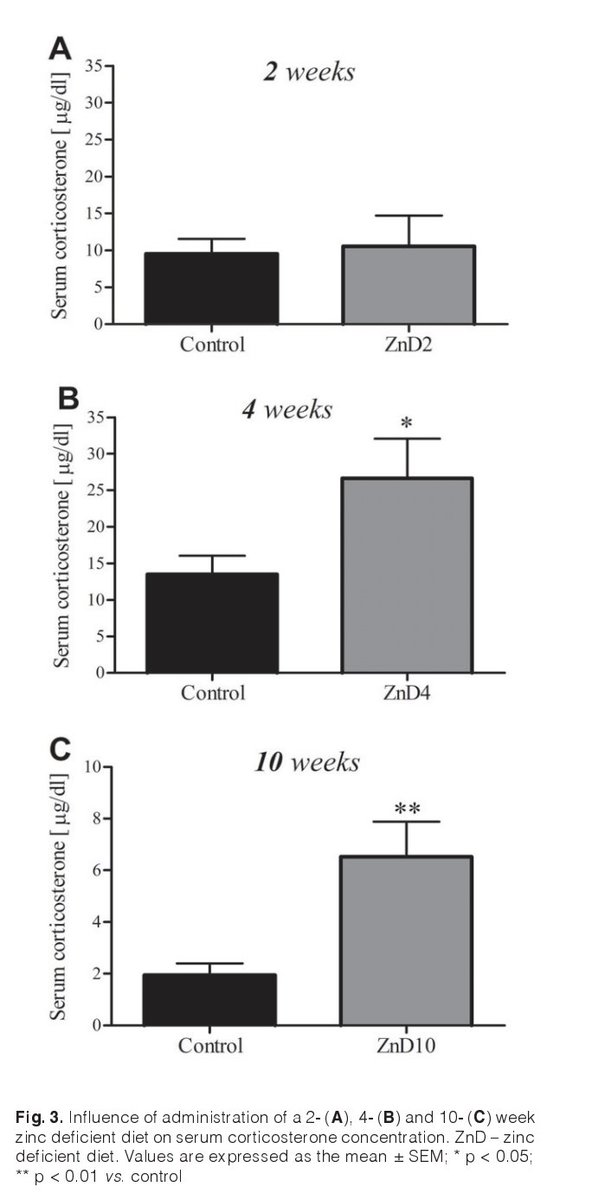
but some animal studies tell us that the more zinc deficient animals are, the higher their cortisol becomes.

This happens in a time dependent fashion, so here the longer the zinc deficiency persists, the higher the cortisol becomes. Image
There's a few reasons why zinc has this effect on cortisol.

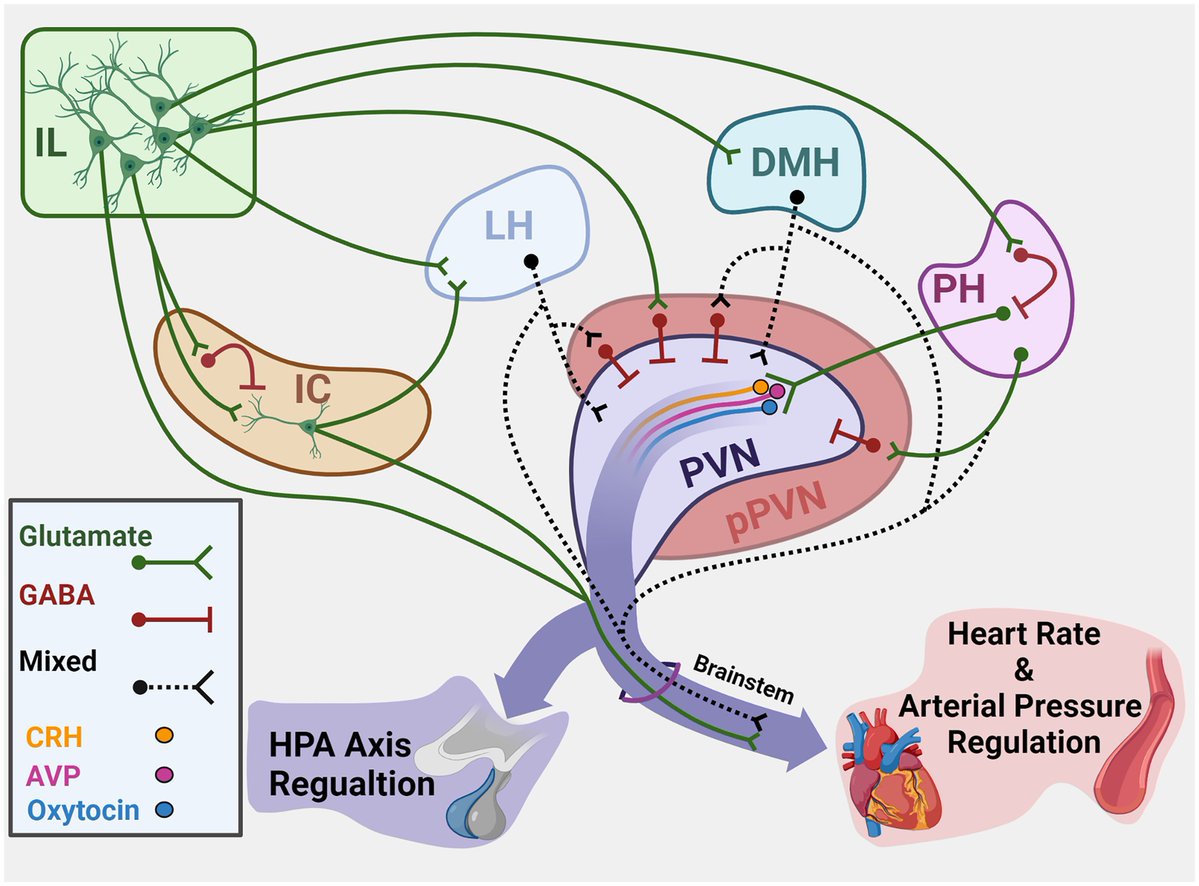
It really starts in the paraventricular nucleus (PVN) of the brain's hypothalamus.

This is ground zero for cortisol secretion, since this produces CRH, the original signal which ends up in cortisol secretion from the adrenals.

1. When the PVN is under great amounts of reactive oxygen species / oxidative stress, it reflexively puts out more CRH, which in turn leads to more cortisol secretion.

Zinc is a critical cofactor for the antioxidant defense enzyme superoxide dismutase, which lowers this oxidative stress and prevents CRH release.

The same goes for inflammation - this can also trigger CRH release in the brain.

Zinc also acts as an inhibitor of the master inflammatory nuclear protein, NF-κB.

2. Glutamate is the brain's excitatory neurotransmitter, allowing calcium influx into neurons to "turn them on."

Excessive glutamate is also associated with a stressed hyperactive state in the brain.

When this happens in the PVN, it stimulates the release of CRH as well.

Zinc is one of the body's major blockers of the glutamate NMDA receptor, which also will help regulate this.Image
Zinc bisglycinate is a well absorbed form you can get on our website.

The doses used in this study are relatively high, so if you're doing something like 50 mg a day you wouldn't want to long term.

Lower doses, or using these doses short term, are good strategies.

analyzeandoptimize.io/shop#ZincB
If you want to get some personalized help from us with ANY of your health goals, we’re taking clients virtually worldwide every day at PRISM. Book a free call here for more: go.prism.miami/consultation

• • •

Missing some Tweet in this thread? You can try to force a refresh

 

Keep Current with Dalton (Analyze & Optimize)

Dalton (Analyze & Optimize) Profile picture

Stay in touch and get notified when new unrolls are available from this author!

Read all threads

This Thread may be Removed Anytime!

PDF

Twitter may remove this content at anytime! Save it as PDF for later use!

Try unrolling a thread yourself!

how to unroll video
  1. Follow @ThreadReaderApp to mention us!

  2. From a Twitter thread mention us with a keyword "unroll"
@threadreaderapp unroll

Practice here first or read more on our help page!

More from @Outdoctrination

Apr 22
40% of people have this, and most don't even know it.

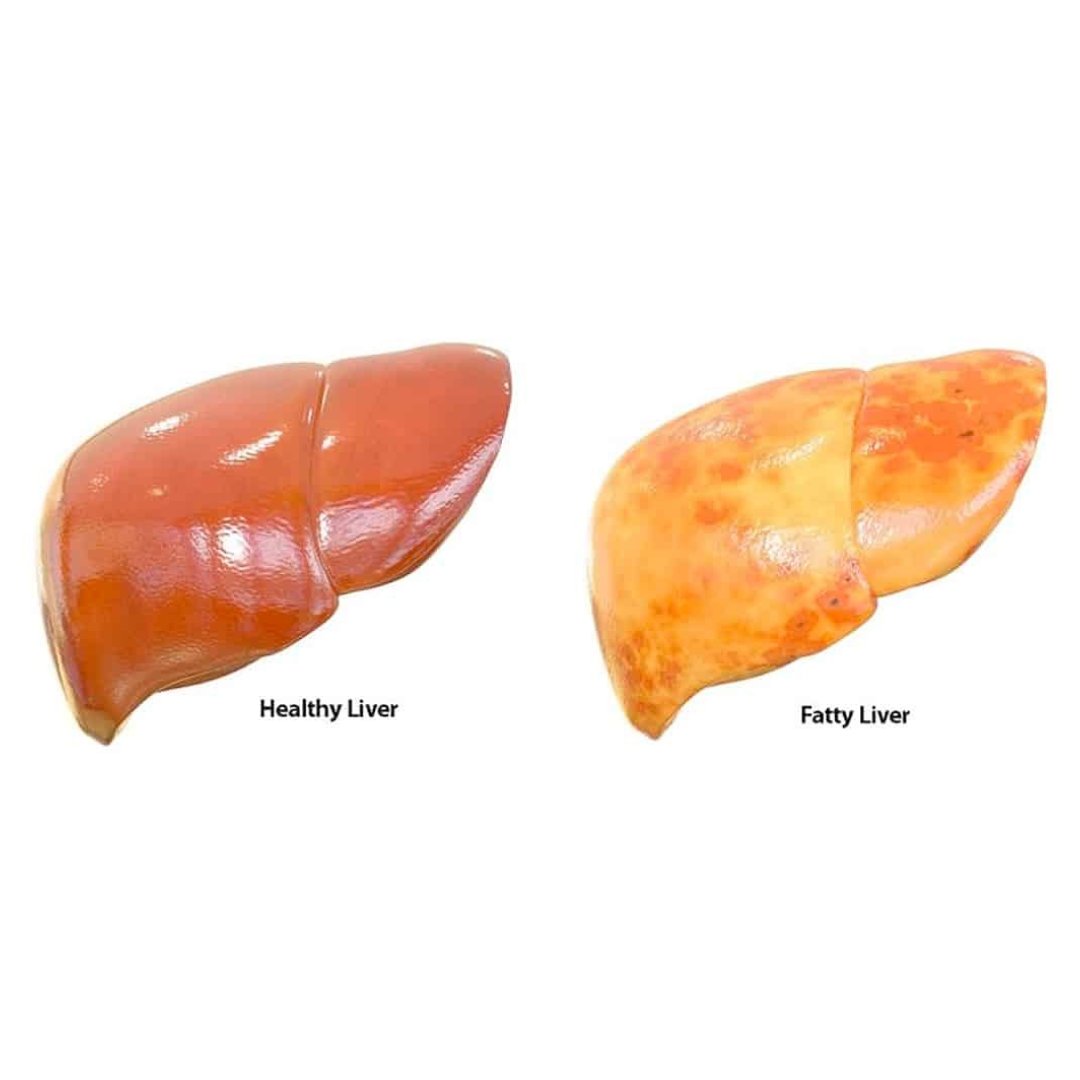
This is a fatty liver, and you can have it even if you're skinny.

If you do nothing about it, it can kill you.

Here's how it happens, and what to do to fix it:Image
The liver is the body's central hub for metabolism, including that of fat.

The problems arise when the liver has more fat than it can deal with.

There are 3 sources of fat the liver deals with:

1. Fat from the diet
2. Fat it makes from carbs
3. Free fatty acids from the fat tissue

There are 2 ways the liver can get rid of fat:

1. Burn it for energy
2. Send it back into the blood for other organs

If you have more of the first 3 than the second 2, you get a fatty liver. Pretty simple - it's an imbalance of fat metabolism in the liver.

But what actually causes this imbalance?Image
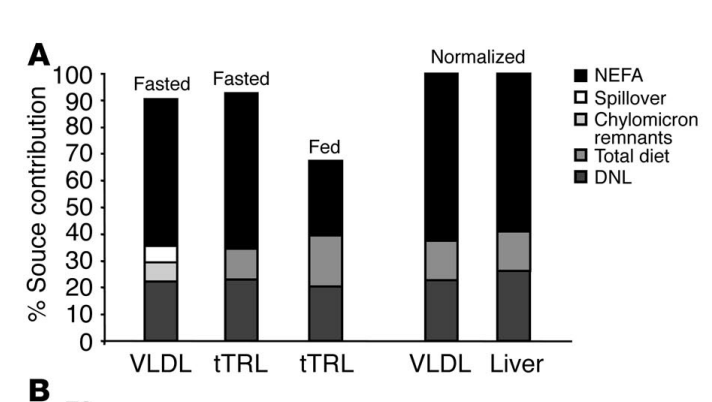
The VAST MAJORITY of fat in fatty liver disease is FREE FATTY ACIDS (or non-esterified fatty acids, NEFA).

These fatty acids are released from the fat tissue during:

◇ Stress
◇ Infection
◇ Insulin resistance
◇ Low carb intake

and get taken up by the liver. Image
Read 32 tweets
Apr 21
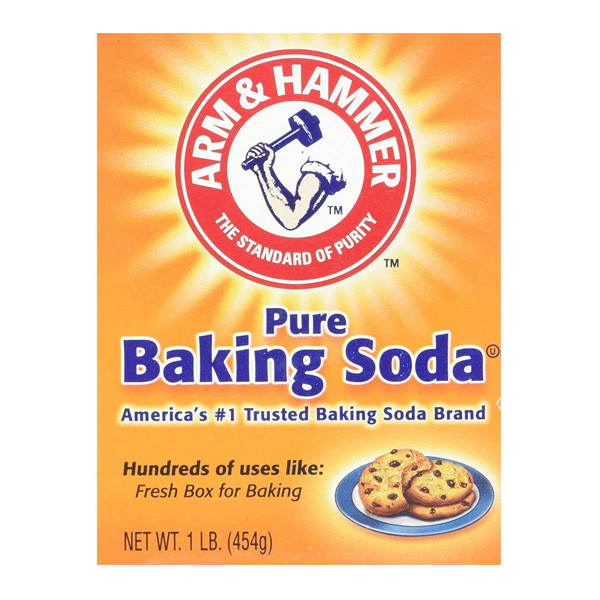
Baking soda was shown to prevent death by 50-65% in sepsis - an incredibly common and lethal condition that kills 1/5 of all people.

(🧵1/7)Image
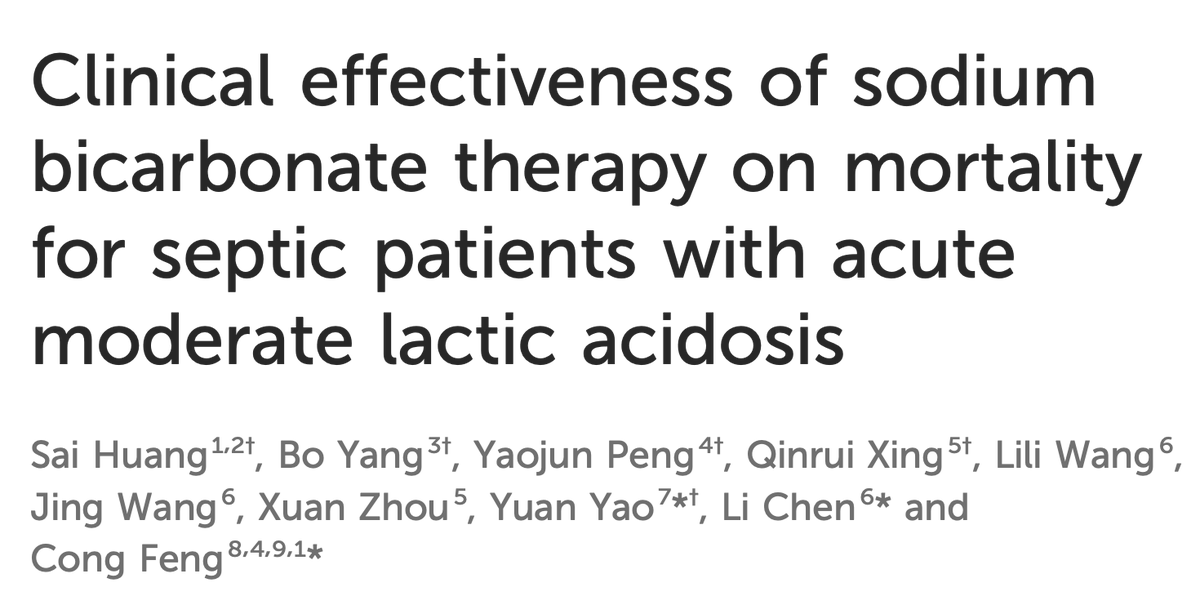
This paper was published in Frontiers in Pharmacology in 2023.

They investigated people who had gotten baking soda (sodium bicarbonate) IV treatment in sepsis with lactic acidosis.

The impact of sepsis is hard to overstate - up to 35% of people with it die, and it's responsible for roughly 20% of all deaths worldwide.

Sepsis is when bacteria leak into the bloodstream and cause body-wide mayhem.Image
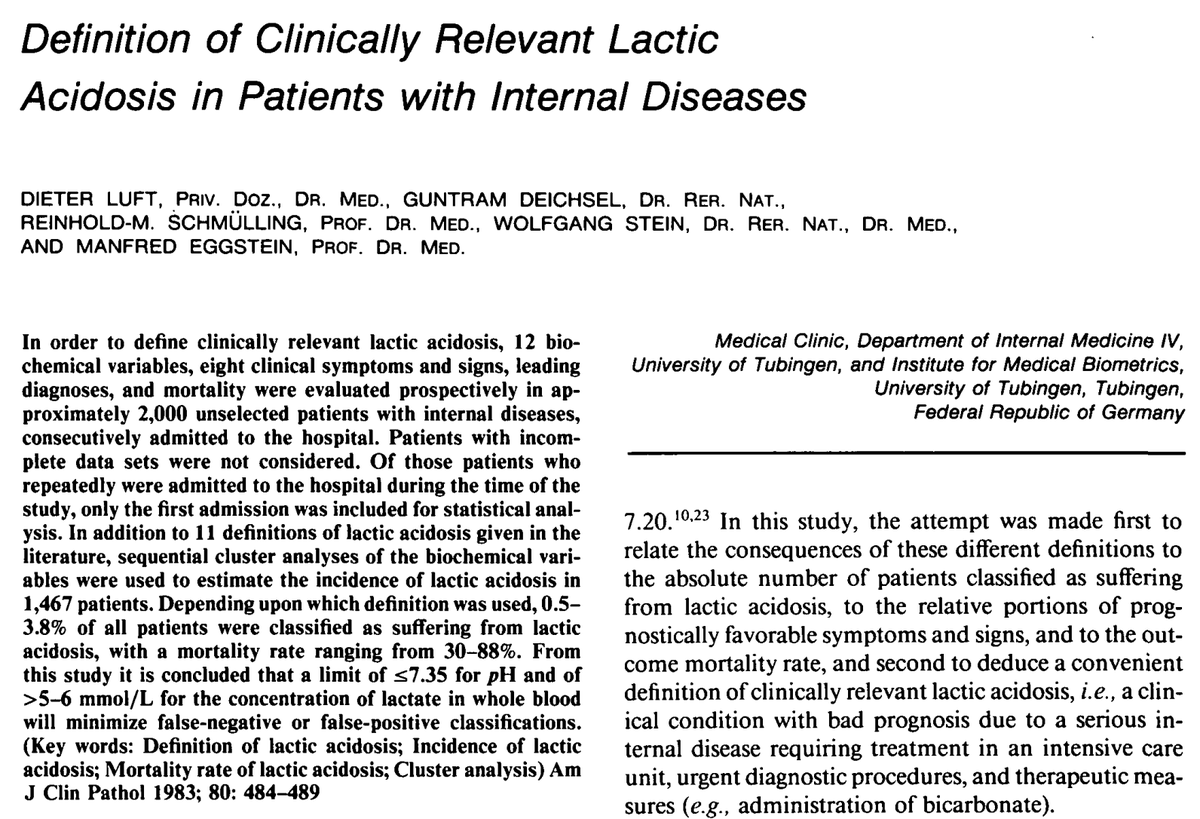
Lactic acidosis is a huge deal too.

About 10% of people in the ICU will have it, and anywhere from 30-88% of those people will die.

So we're dealing with some of the most death prone people imaginable here. Image
Read 8 tweets
Apr 20
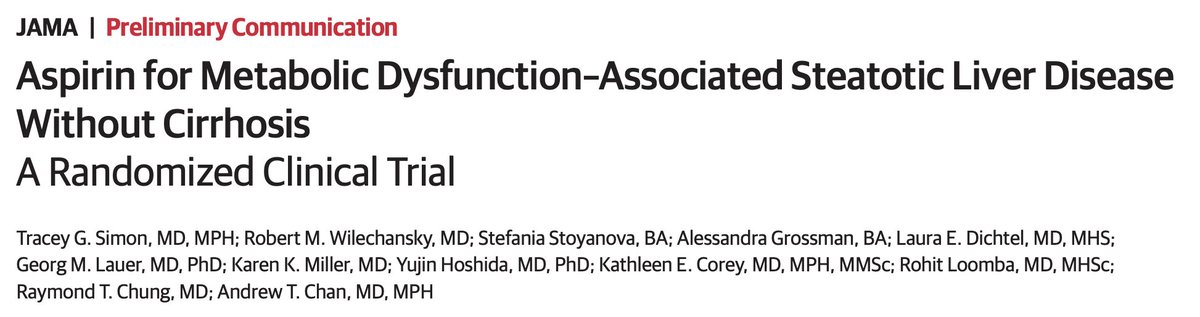
Aspirin was recently shown to reduce liver fat by nearly 40% in a landmark study.

(🧵1/7)Image
Image
This study was published early last year in JAMA.

They examined the response of people with fatty liver disease (now called "metabolic dysfunction-associated steatohepatitis") to aspirin.

They took a baby aspirin (81 mg) daily. Image
People were randomized to either aspirin or placebo.

This type of study design minimizes confounding factors and allows us to see true effects of aspirin on its own.

71 people made it to the end of the trial (6 months). Image
Read 9 tweets
Apr 19
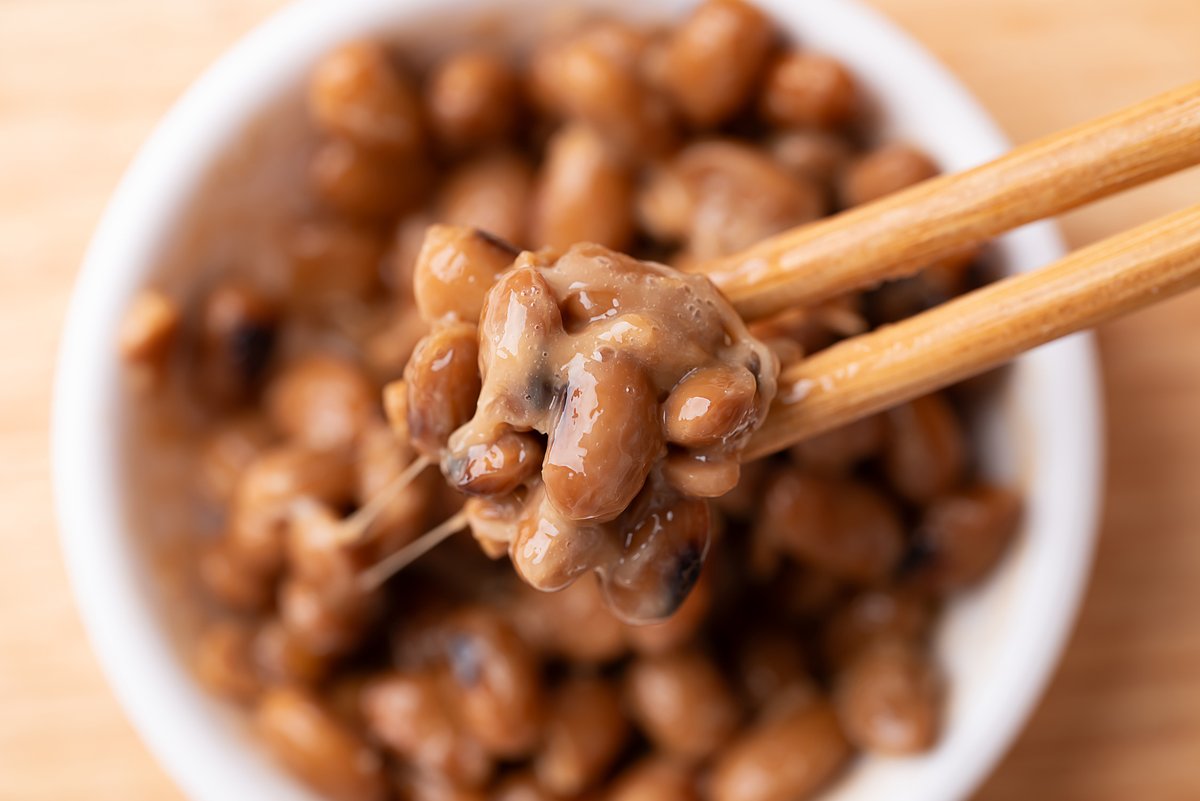
Nattokinase has some powerful heart disease protective properties - a research review has concluded.

(🧵1/7)Image
This review came out in 2023 in Reviews in Cardiovascular Medicine.

They looked at the eligible human studies examining nattokinase's impact on heart disease risk factors.

Here's what they found. Image
Surprisingly, nattokinase actually RAISED LDL cholesterol on average.

This is typically considered "bad" cholesterol, the type that ends up in your arteries causing a plaque.

This is not what they showed in the above quoted study, and the reason for the difference is unclear.

Image
Read 9 tweets
Apr 14
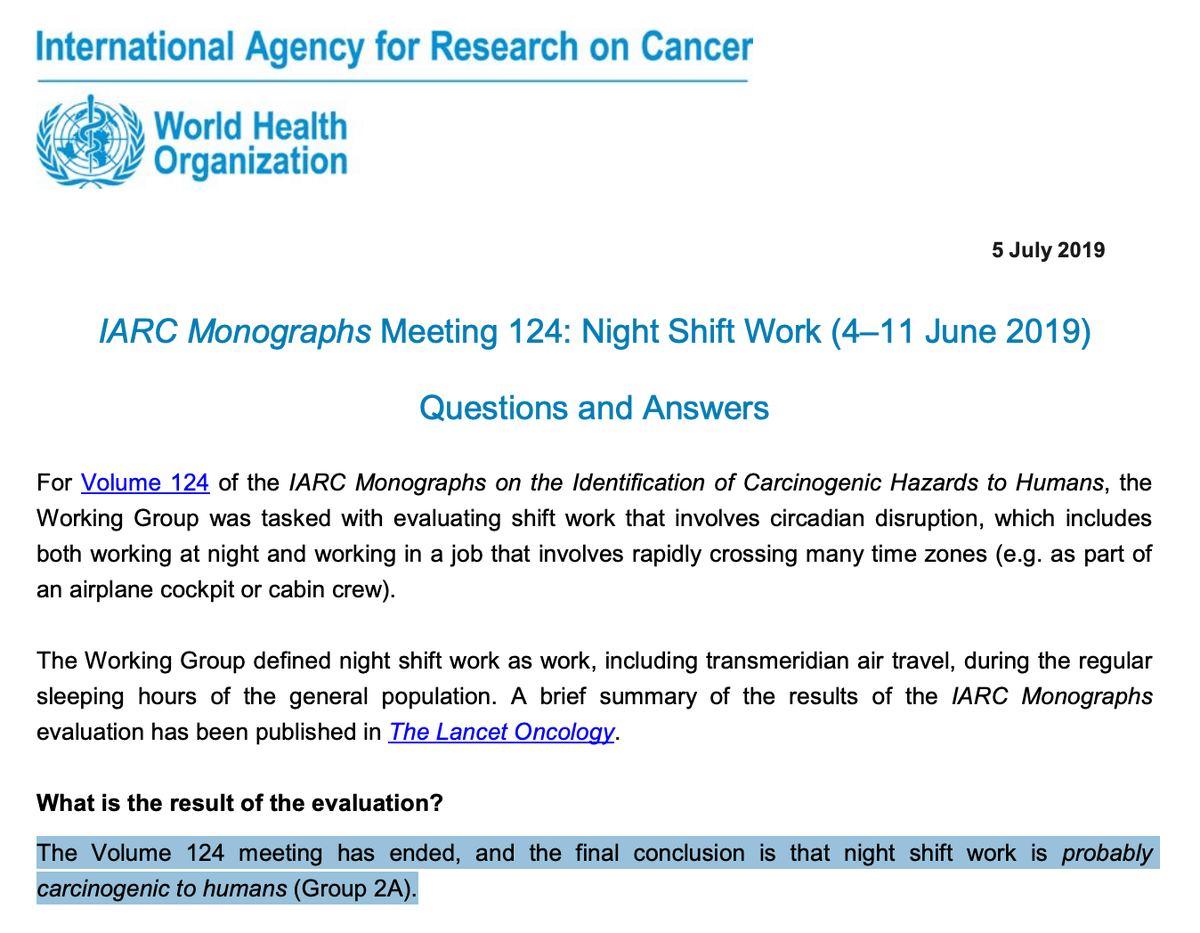
Isn't it crazy that the WHO literally admits that working the night shift causes cancer?

This is why - and how to make sure you're fully protected (🧵1/7):Image
The conclusion was built off of multiple lines of evidence.

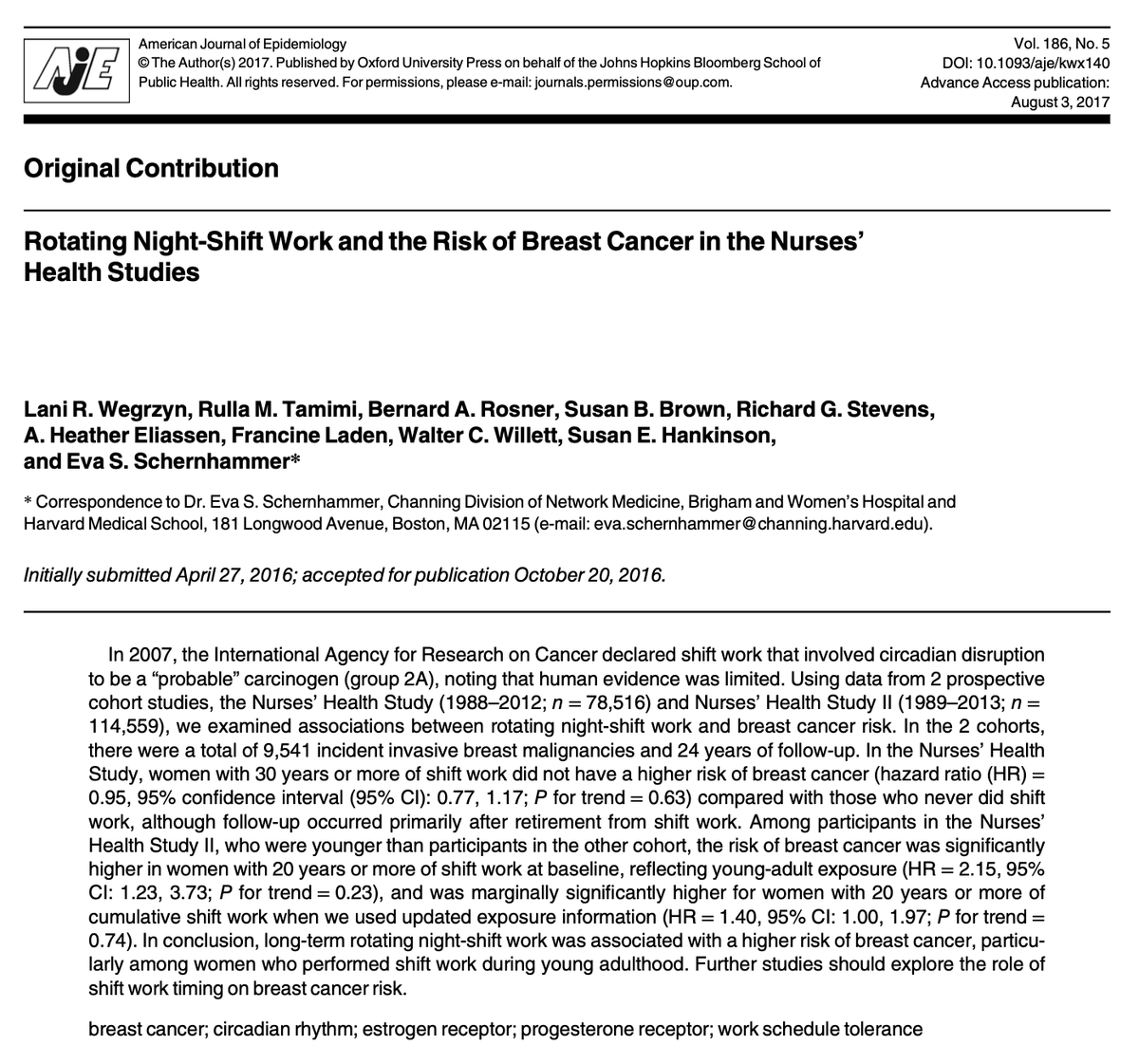
Studies like the two below showed 2-3X risk of cancers in people who work the night shift.

While not all studies showed the association, there is more than enough reason biologically to believe that this is one of the worst things you can do for your health.Image
Image
To understand why - we must understand the circadian rhythm.

Your body regulates EVERYTHING on based on the time of day.

Things are mainly orchestrated by a series of clock proteins - these regulate the expression of various genes throughout the body.

These genes end up regulating everything: hormones, metabolism, digestion, everything.

Estimates from 10-50% of all genes are under circadian regulation.

It cannot be understated how important that is.

If this process of gene regulation via circadian clock proteins is thrown off, nearly every process in every tissue will also be thrown off.

And that can leave you susceptible to disease - including cancer.Image
Read 8 tweets
Apr 14
The mitochondria is the powerhouse of the cell. That makes them the powerhouse of YOU and your entire life.

Here are 5 slept on tools to help you support them (🧵1/6):

#1 MitoQ

MitoQ is a modified form of coenzyme Q10 - designed to help it reach the mitochondria more efficiently. This gives it some amazing properties.Image
MitoQ works mainly as a mitochondrial targeted antioxidant.

A deficiency of antioxidants relative to reactive oxygen species within the mitochondria can both damage the structure of the mitochondria and reduce its energy generation capacity.

Most antioxidants work throughout the cell - mitoQ has the unique ability to target the mitochondria specifically.

Typically dosed at 10-20 mg.Image
#2 PQQ

PQQ acts as a redox factor.

While it's antioxidant properties are massively potent (~100X vitamin C), its real power comes in its ability to recycle NADH back into NAD+.

NAD+ plays a central role in allowing our cells to burn energy, and it also activates factors like sirtuins which upregulate various metabolic processes.

People take NAD+ precursors like NMN and NR to replenish levels, but the real issue is that our cells often get backed up with NADH, and they can't convert it back into NAD+.

PQQ helps.

Typically dosed at 20 mg.Image
Read 7 tweets

Did Thread Reader help you today?

Support us! We are indie developers!


This site is made by just two indie developers on a laptop doing marketing, support and development! Read more about the story.

Become a Premium Member ($3/month or $30/year) and get exclusive features!

Become Premium

Don't want to be a Premium member but still want to support us?

Make a small donation by buying us coffee ($5) or help with server cost ($10)

Donate via Paypal

Or Donate anonymously using crypto!

Ethereum

0xfe58350B80634f60Fa6Dc149a72b4DFbc17D341E copy

Bitcoin

3ATGMxNzCUFzxpMCHL5sWSt4DVtS8UqXpi copy

Thank you for your support!

Follow Us!

:(