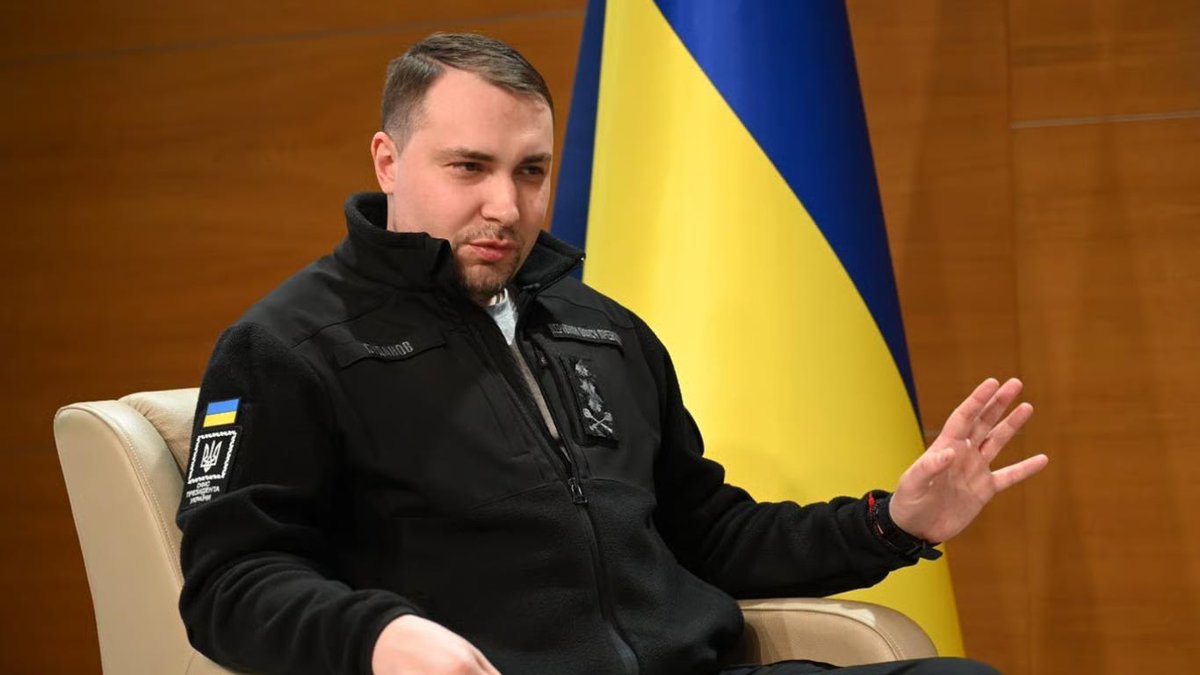
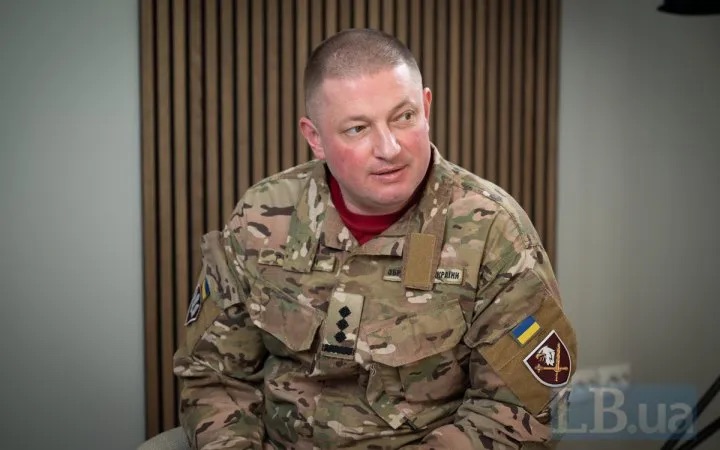
Interesting remarks by senior Western military leaders on the Russia–Ukraine war at the Kyiv Security Forum:
Admiral Giuseppe Cavo Dragone, Chair of the NATO Military Committee:
Russia has not achieved a quick victory, in fact, no victory at all, and this is important. 1/18
Admiral Giuseppe Cavo Dragone, Chair of the NATO Military Committee:
Russia has not achieved a quick victory, in fact, no victory at all, and this is important. 1/18

Ukraine has preserved its sovereignty, and this is a powerful example of adaptability. In the West, we are learning a great deal, learning about drones, distributed capabilities, and resilience. 2/18
Have we truly awakened? I would say yes, we have. Are we working on it? I believe the West is on the right path, with significant achievements. 3/18
General Seán Clancy, Chair of the EU Military Committee:
What Ukraine has accomplished, pushing back Russian forces despite their advantages in numbers, technical capabilities, manpower, and resources, clearly demonstrates an ability to innovate, integrate, and adapt rapidly. 4/
What Ukraine has accomplished, pushing back Russian forces despite their advantages in numbers, technical capabilities, manpower, and resources, clearly demonstrates an ability to innovate, integrate, and adapt rapidly. 4/
General Jennie Carignan, Chief of the Defence Staff of Canada:
Operations are highly distributed, with the ability to make rapid decisions at the edge, on the battlefield. 5/18
Operations are highly distributed, with the ability to make rapid decisions at the edge, on the battlefield. 5/18
Young leaders are capable of making quick decisions and executing immediate military tasks as they arise, without waiting for direction from the center. 6/18
Major General Konstantin-Adrian Cholponya, Representative of NATO Allied Command Transformation in Europe (SACT):
What Ukrainians are bringing to the battlefield is new, and I would highlight two key elements. 7/18
What Ukrainians are bringing to the battlefield is new, and I would highlight two key elements. 7/18
The first is the integration of artificial intelligence, which allows the Armed Forces to fight more effectively, survive, and become more lethal. The second is joint procurement. 8/18
We are seeing the development of network-centric warfare, which the Ukrainian Armed Forces are actively applying. 9/18
There is also the growing role of autonomous platforms and long-range strike capabilities enabled by them. These are clear examples of innovation and technological advancement. 10/18
Lieutenant General Krzysztof Król, Advisor to the Chief of the General Staff of the Armed Forces of Poland:
Let me begin by addressing Russian strategy. The Russians are accustomed to winning the first battle, and then the war. 11/18
Let me begin by addressing Russian strategy. The Russians are accustomed to winning the first battle, and then the war. 11/18
From my perspective, Ukraine’s most significant achievement is that it withstood that first battle, the initial assault, and held its ground. 12/18
This is what we have observed in your efforts here, the development and establishment of a deep Ukrainian political and military culture that is based on continuous transformation. This is precisely why you have not been defeated. 13/18
Major General Kaspars Pudāns, Commander of the National Armed Forces of Latvia:
What is also striking is that it is no longer only about innovation or new equipment seen on the battlefield. It is about the speed of innovation, and the speed of its implementation. 14/18
What is also striking is that it is no longer only about innovation or new equipment seen on the battlefield. It is about the speed of innovation, and the speed of its implementation. 14/18
This is something we are learning particularly well, new procedures, new ideas, and new approaches. 15/18
Brigadier General Joachim Kachke, Head of the Ukraine Special Staff, German Federal Ministry of Defence:
Let me begin with the adversary, by looking at Russia. They have failed to achieve their strategic objectives, and this has been evident over the past four years. 16/18
Let me begin with the adversary, by looking at Russia. They have failed to achieve their strategic objectives, and this has been evident over the past four years. 16/18
This was particularly clear last winter, when they attempted to break the Ukrainian people. But Ukrainians endured that difficult winter, and saw light at the end of the tunnel. 17/18
We are not only providing the support Ukraine needs, focusing on artillery, drones, and aviation, but we also aim to expand our cooperation with Ukraine at a broader strategic level, because there is much we can learn. 18/18
• • •
Missing some Tweet in this thread? You can try to
force a refresh