PolyBio Profile picture
Apr 24 11 tweets 4 min read Read on X
Breaking: New PolyBio-supported Study Identifies Microclots, Endothelial Injury Markers and Neutrophil Activation in Children and Young Adults with Long COVID

A new study supported by PolyBio Research Foundation studied children and young adults with Long COVID, providing evidence linking endovascular inflammation, increased quantity and size of fibrin-amyloid “microclots,” and neutrophil activation, and finding detectable Spike protein in a subset.  
polybio.org/new-study-poly…Image
2/ Published in Pediatric Research, the study helps clarify the biological basis of cardiovascular symptoms in an important but understudied Long COVID population, and advances scientific insights that will support future diagnostic development.

nature.com/articles/s4139…
3/ “Given that children and adults can have significantly different responses to acute COVID-19 illness, it’s important to study, understand, and document Long COVID-related biological changes in children and young adults,” said Michael VanElzakker PhD, PolyBio co-founder, neuroscientist at Massachusetts General Hospital/Harvard Medical School, and an author on the study.
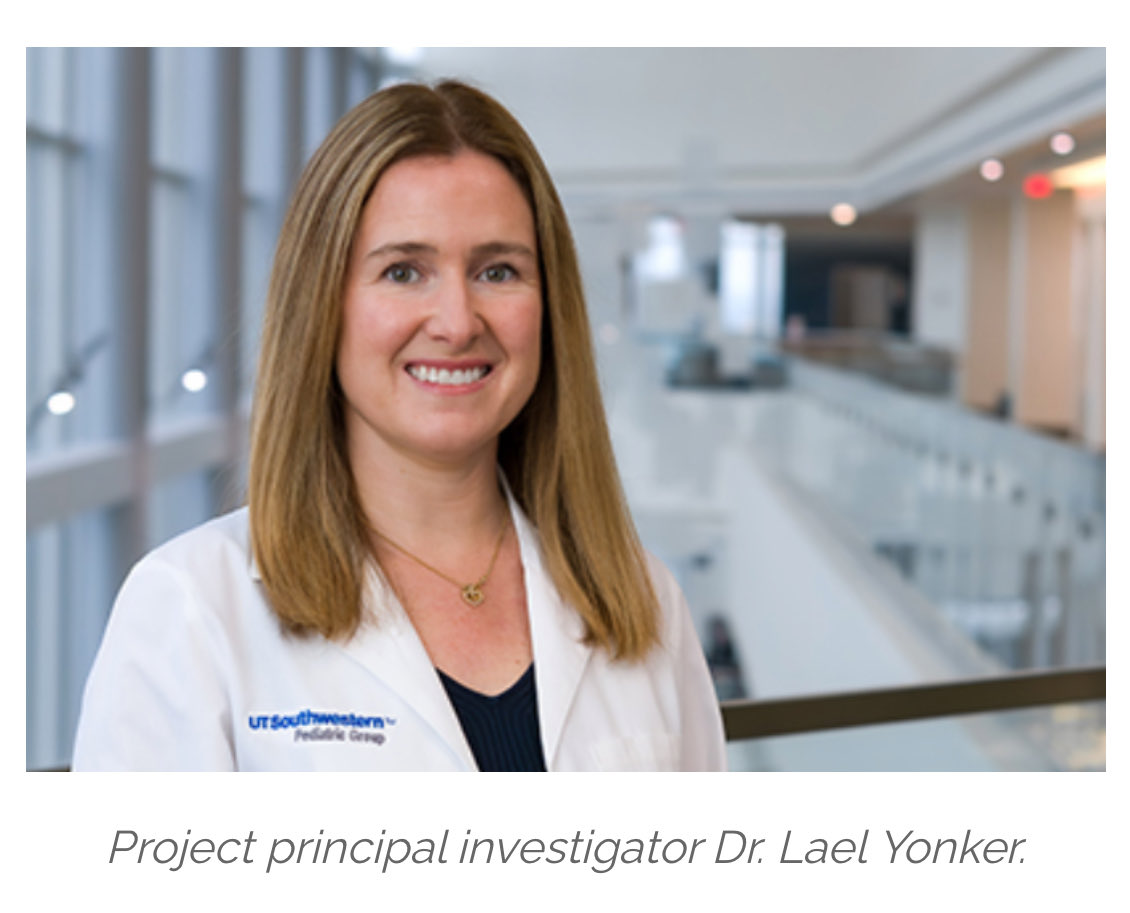
4/ The study investigators enrolled 84 children and young adults from the United States and Canada, including 61 participants with Long COVID and 23 healthy pediatric controls, and analyzed symptom burden alongside blood-based markers of vascular dysfunction. Dr. Lael Yonker, lead investigator, stands in front of an indoor upper-level floor balcony and wears a white lab coat with the words “UT SouthWestern, Pediatric Group.” She has fair skin, brown eyes and honey-blonde hair with highlights and is smiling widely, looking directly into the camera.
5/ From the paper: Children and young adults with long COVID have altered levels and strong associations between circulating endovascular-associated cytokines. a Correlation matrix between 32 endothelial cytokines in Long COVID patients. A correlation matrix showing 32 different endothelial cytokine’s contributions and associations with Long COVID in the pediatric study cohort. The red marked cytokines (highest association) were VEG-F and the recently-highlighted FGF2.
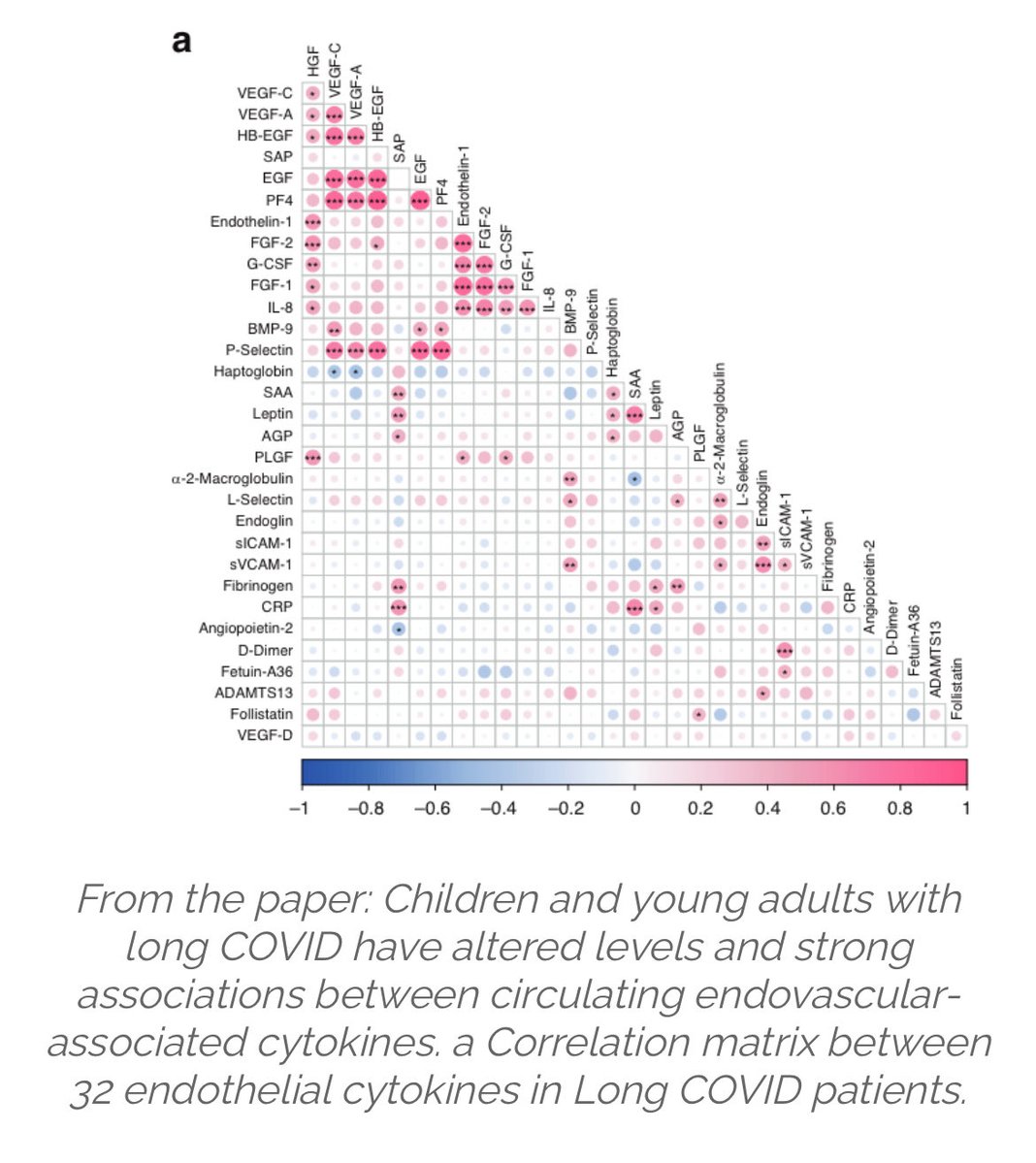
6/ The team found that participants with Long COVID had a significantly increased burden of fibrin amyloid microclots in the blood. They also observed abnormal endothelial signaling, including increased markers of angiogenesis and vascular remodeling such as FGF-2, which correlated with microclot burden.
7/ At the same time, cell-free DNA – a marker consistent with intravascular neutrophil extracellular trap formation, or NETosis – was elevated and positively correlated with serum amyloid A, a component of microclots. FGF-2, a cytokine involved in angiogenesis and wound healing, was significantly increased in Spike-positive versus Spike-negative patients.
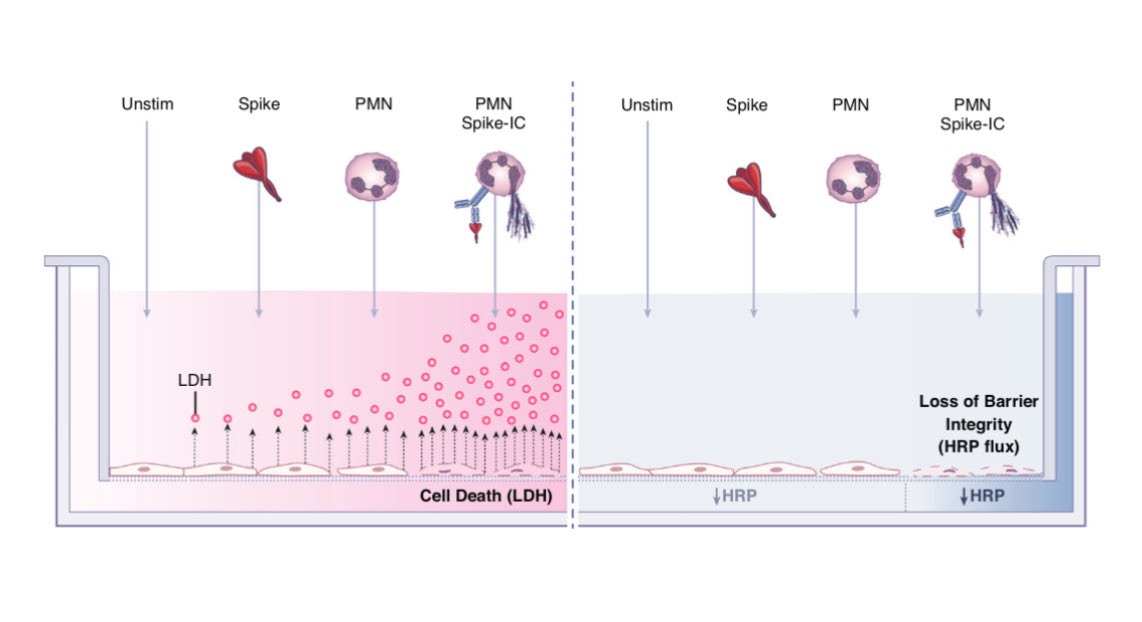
8/ Importantly, the study went beyond correlation. In vitro co-culture assays showed that SARS-CoV-2 Spike protein immune complexes can trigger NETosis, which in turn contributes to endothelial injury. Taken together, the findings suggest that intravascular neutrophil activation may be a key driver of endovascular pathology in Long COVID.
9/ The pediatric and young adult focus of the study is especially important. Because younger individuals are less likely to have the cardiometabolic and inflammatory comorbidities that often complicate interpretation in older adult cohorts, these findings strengthen the case that microclots and endothelial abnormalities are directly related to Long COVID biology rather than background age-related disease.
10/ The team proposes that a combination of microclots, neutrophil markers, endothelial cytokines, and potentially circulating Spike protein could serve as biomarkers for Long COVID – an advance that could help support more rigorous diagnosis, patient stratification, and assessment of therapeutic response in future studies.
11/ For PolyBio, the study underscores a central principle: Long COVID is not a vague syndrome but a condition with measurable biological drivers. By supporting work that identifies objective markers of disease, PolyBio is helping build the scientific foundation for the next generation of Long COVID diagnostics and targeted clinical trials.

polybio.org/new-study-poly…

• • •

Missing some Tweet in this thread? You can try to force a refresh

 

Keep Current with PolyBio

PolyBio Profile picture

Stay in touch and get notified when new unrolls are available from this author!

Read all threads

This Thread may be Removed Anytime!

PDF

Twitter may remove this content at anytime! Save it as PDF for later use!

Try unrolling a thread yourself!

how to unroll video
  1. Follow @ThreadReaderApp to mention us!

  2. From a Twitter thread mention us with a keyword "unroll"
@threadreaderapp unroll

Practice here first or read more on our help page!

More from @polybioRF

Apr 27
Breaking: Park-Pagliuca Fund Donates $10 Million to PolyBio Long COVID Cure Initiative

PolyBio Research Foundation today announced a $10M donation to support the Long COVID Cure Initiative (LCCI), a program designed to deliver treatments to millions of Long COVID patients by translating key academic findings into real-world diagnostic tests, faster and more targeted clinical trials, and accessible, patient-ready therapies. 
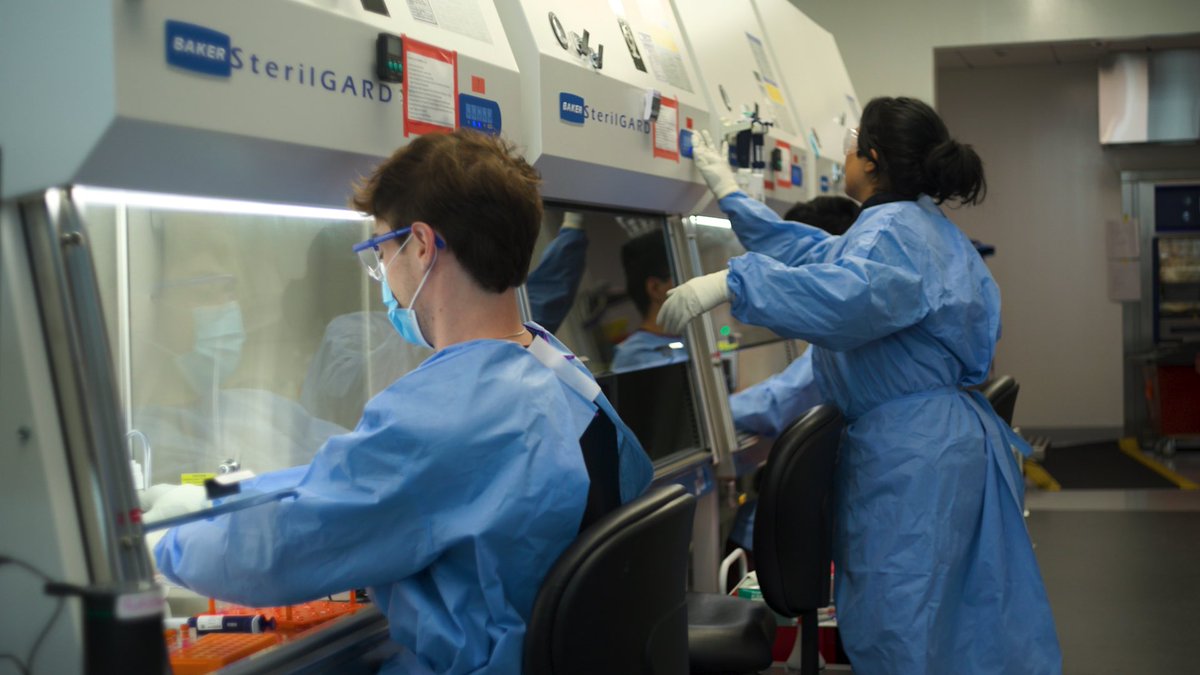
prnewswire.com/news-releases/…A man with reddish brown hair wears a blue surgical mask and lab goggles and looks under a lab hood to pipette liquid.
2/ Funding was provided by the Park-Pagliuca Fund, a philanthropic collaboration between the families of Todd Park and Steve Pagliuca, each of whom have family members impacted by Long COVID.
3/ The Bottleneck: Translation, Not Discovery

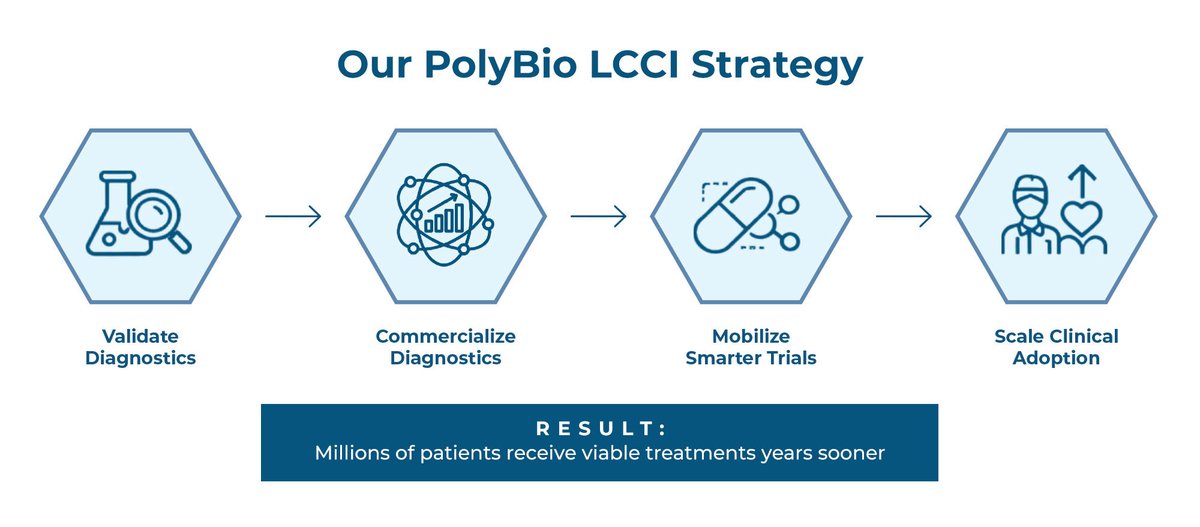
Long COVID has left hundreds of millions worldwide with debilitating fatigue, neurological dysfunction, and increased health risks including heart attack and stroke. In the United States alone, the condition is estimated to cost trillions of dollars and has pushed millions of people out of the workforce.Our PolyBio LCCI strategy has four steps: 1. Validate diagnostics, 2. Commercialize diagnostics, 3. Mobilize smarter trials and 4. Scale up clinical adoption. The result is that millions of patients receive viable treatment years sooner.
Read 14 tweets
Dec 10, 2025
How PolyBio is driving forward ME/CFS research 🧵

In 2025, PolyBio’s cofounders helped identify biomarkers that divide ME/CFS patients into two subgroups. One group showed elevated MMPs & cytokines consistent with CNS inflammation; the other showed unique immune correlations linked to joint hypermobility.Image
2/ Researchers also found altered cytokine interactions, including disrupted fractalkine and eotaxin pathways, which may drive neuroinflammation and cognitive symptoms.
3/ PolyBio also awarded $1M to UCSF to expand the LIINC program into ME/CFS, using tissue biopsy and advanced ImmunoPET-CT imaging to study viral persistence and immune activation in the brain, spinal cord, and bone marrow. Image
Read 9 tweets
Nov 18, 2025
BREAKING: New machine learning study identifies distinct Long Covid symptom endotypes across four major cohorts

👉🏻PolyBio-supported research uses questionnaire-based machine learning to successfully identify global Long Covid endotypes 🧵 Image
2/ Key Findings
•1,661 participants across four international cohorts
•9–12 endotypes per cohort, revealing distinct biological subgroups
•Three validated severity levels derived purely from symptoms
•Three disease trajectories including a progressive subgroup
•Ten global endotypes identified through cross-cohort meta-analysis
•Symptom surveys validated by health status and antibody responses

polybio.org/new-machine-le…
3/ A new preprint titled “Machine Learning Analysis of Post-Acute COVID Symptoms Identifies Distinct Clusters and Severity Groups” reports that low-cost patient-reported symptom questionnaires can reliably identify biologically meaningful Long COVID subgroups. Image
Read 12 tweets
Oct 11, 2025
Breaking: PolyBio-supported researchers at MGH/Harvard have developed a microfluidic device that quantitatively measures fibrinaloid clots (microclots): tiny, abnormal clumps in the blood that may play a key role in the biology of Long COVID: polybio.org/new-microfluid…Image
2/ The new device technology enables rapid standardized quantification (counting) of microclot burden from small blood samples.
3/ In a cohort of 45 pediatric #LongCovid patients and 14 healthy children, researchers found significantly higher microclot levels in LongCovid samples. The device demonstrated a 94% diagnostic accuracy, compared to just 66% for standard slide-based microclot counting.
Read 6 tweets
Oct 7, 2025
Dr. Morgane Bomsel is studying SARS-CoV-2 persistence in Long Covid patients’ platelets and megakaryocytes. Thus far, their early data shows that spike protein and viral RNA “can be found in at least 2/3 of the Long Covid patients’ [megakaryocytes]… this research suggests MKs may form SARS-CoV-2 reservoirs in Long Covid patients, which may produce platelets sheltering infectious SCV2.”
2/ PolyBio is supporting the continuation of Dr. Bomsel’s work to analyze platelet, megakaryocyte, and blood samples from Long COVID patients. The team is determining if persistent SCV2 infection of such cells is associated with deregulation (e.g., microclotting), changes in serotonin storage, or altered metabolism. Biological data will be correlated with patient clinical data in a multimodal analysis to define molecular targets associated with Long COVID.

polybio.org/projects/sars-…Image
3/ Dr. Bomsel’s presentation was a part of the Fall 2024 PolyBio symposium, available here:
Read 4 tweets
Aug 13, 2025
1/ BREAKING: Infections can be major drivers of Aging Processes, new PolyBio review paper delineates

A new scientific review written by PolyBio’s core team challenges the long-held assumption that human aging unfolds in a sterile environment. The authors argue that lifelong exposure to viruses, bacteria, fungi, and parasites—many of which persist in tissues and nerves—can directly accelerate aging processes.

sciencedirect.com/science/articl…Image
2/ “Pathogens, especially herpesviruses and certain microbes, produce proteins and metabolites that disrupt immune signaling, damage mitochondria, alter gene expression, and reshape the epigenetic landscape,” says paper first author and PolyBio President Dr. Amy Proal.
3/ “Our paper describes how infectious agents can hijack host cell machinery, manipulate longevity-regulating pathways, and contribute to age-related diseases such as Alzheimer’s, where amyloid plaques may form as part of an antimicrobial response.” Image
Read 12 tweets

Did Thread Reader help you today?

Support us! We are indie developers!


This site is made by just two indie developers on a laptop doing marketing, support and development! Read more about the story.

Become a Premium Member ($3/month or $30/year) and get exclusive features!

Become Premium

Don't want to be a Premium member but still want to support us?

Make a small donation by buying us coffee ($5) or help with server cost ($10)

Donate via Paypal

Or Donate anonymously using crypto!

Ethereum

0xfe58350B80634f60Fa6Dc149a72b4DFbc17D341E copy

Bitcoin

3ATGMxNzCUFzxpMCHL5sWSt4DVtS8UqXpi copy

Thank you for your support!

Follow Us!

:(